Open Access Talk at UNSW
After an exciting start to the day involving a fire alarm and consequent evacuation of my hotel, I today ventured into the suburbs of Sydney via the Light Rail system (i.e. the tram) to the University of New South Wales. The tram ride took about 20 minutes from Central and, incidentally, took me right past the Sydney Cricket Ground. Anyway, the UNSW campus at Kensington is very impressive:
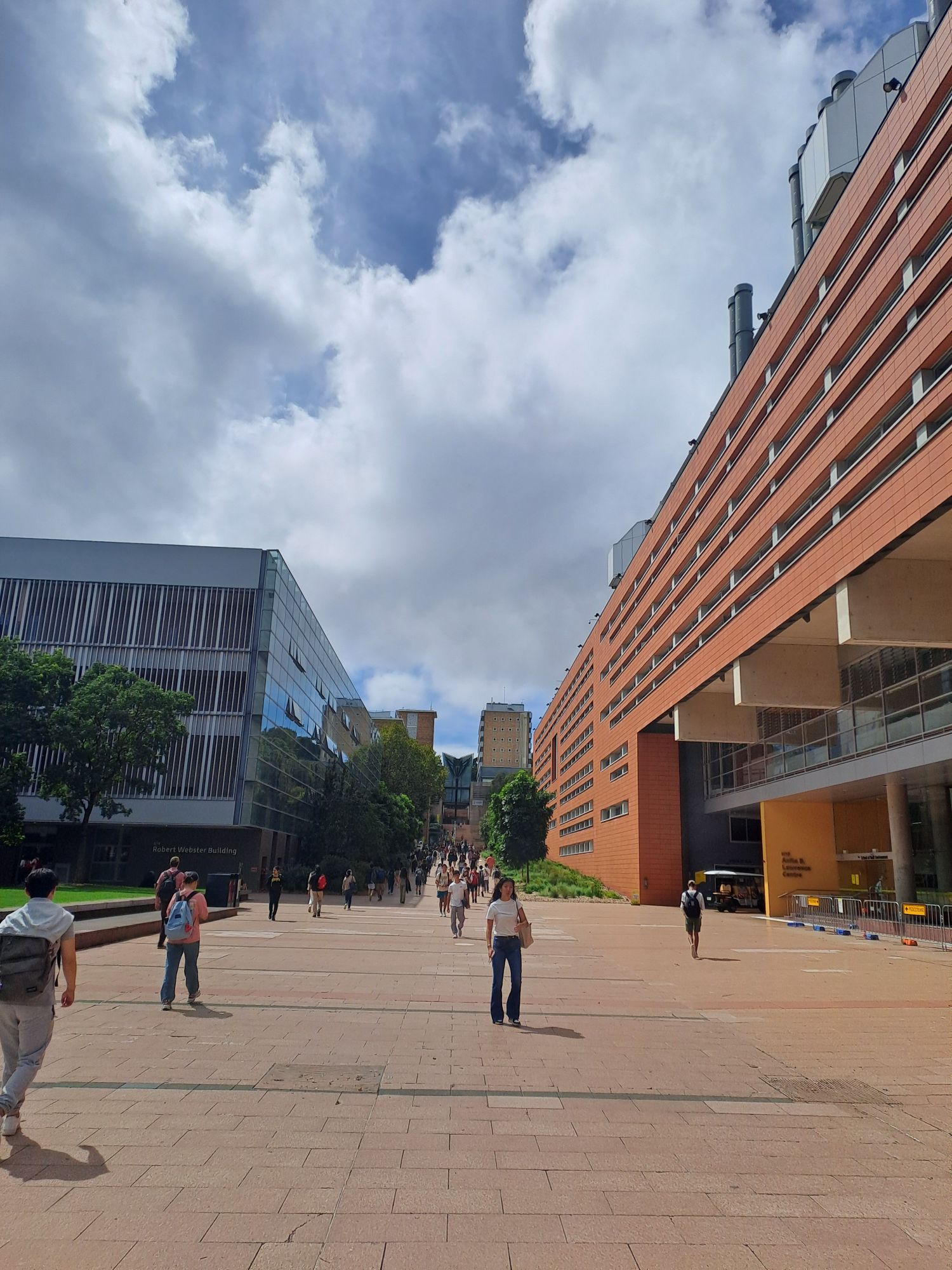
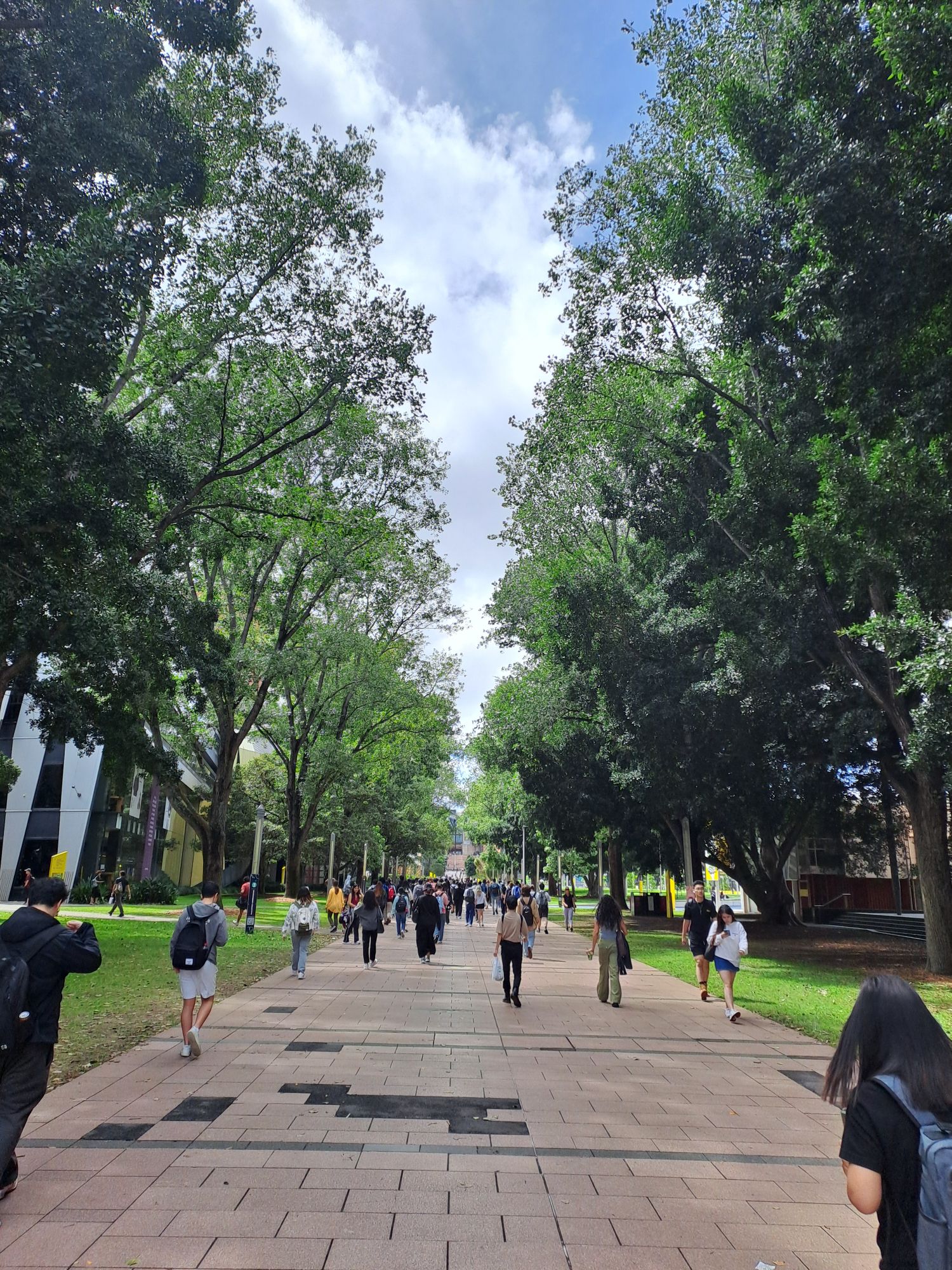
After a few gremlins with the WIFI connection, the talk I gave was a longer version of the one I did at the University of Sydney on Monday. In discussions with the Astrophysics group at UNSW, I found they were particularly unhappy about the decision of Monthly Notices of the Royal Astronomical Society to charge a high level of APC (Article Processing Artificial Profit Charge) so is looking at alternative journals that aren’t so exploitative. A journal has no right to call itself “open access” if it excludes researchers on grounds of cost. The problem with the Open Journal of Astrophysics in this case is that they need their publications to be in “high impact journals” for research assessment purposes, and OJAp doesn’t have an “official” journal impact factor yet. The fascination of bureaucrats with the obviously flawed journal impact factor disturbs me greatly but I hope we will have one soon so we may be able to help them out before too long.
Anyway, here are the slides from today’s talk:
 In the Dark
February 21, 2024 at 12:08 pm
Peter: you write, “The problem with the Open Journal of Astrophysics in this case is that they need their publications to be in “high impact journals” for research assessment purposes”.
One of the few merits I saw in the REF2014 exercise was that it blew the lid off the myth of journal impact. All the member of the physics panel were struck by the fact that there was no correlation between journal prestige and our assessment of paper quality. Indeed, a certain well-known journal that prides itself on only accepting 10% of submissions was associated with papers that were clearly of lower quality than average. It’s rather sad to see that that this message has yet to get through to the research community.
February 21, 2024 at 8:00 pm
I think the research community is well aware of this, but the people who hold the purse strings are not. It’s yet another example of bureaucracies being detached from reality.