Archive for Gwyn Hughes Jones

Puccini 100 at the National Concert Hall

Posted in Music with tags , , , , , , , , on October 26, 2024 by telescoper

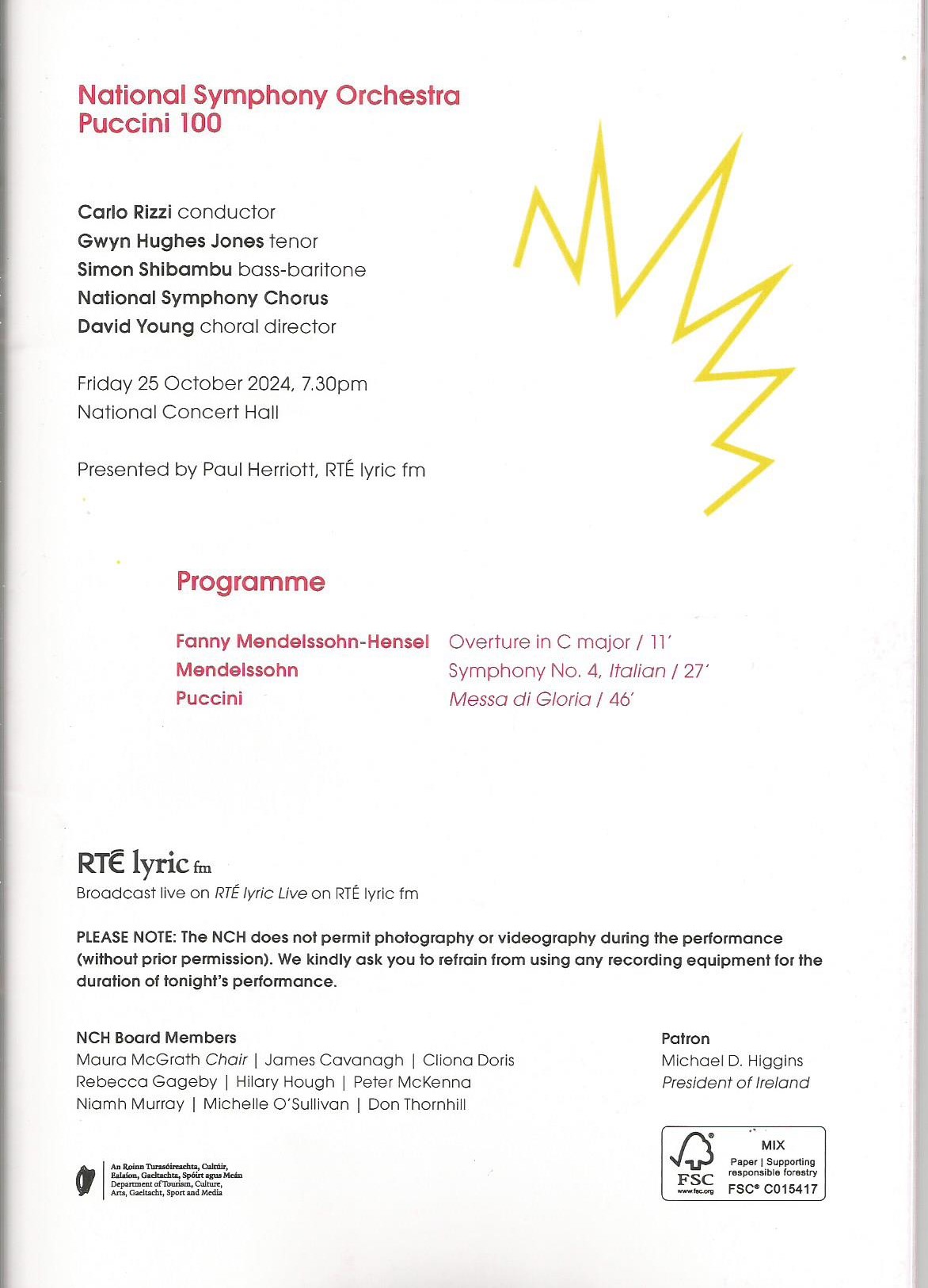
Last night’s Concert at the National Concert Hall in Dublin was billed as Puccini 100 as it was primarily intended to mark the centenary of the death of Giacomo Puccini. Guest conductor Carlo Rizzi had a long association with Welsh National Opera and is well-versed in Puccini’s operatic repertoire but this concert featured a rare treasure in the form of the Messa di Gloria, a large-scale work for choir, two soloists and orchestra Puccini wrote as a graduation piece when he was still a music student in Milan. Contrary to what you might infer from the title, it’s actually a full setting of the Latin Mass. Although written when the composer was only 20, the piece was never officially published until 1952, long after Puccini’s death. He did, however, recycle some pieces from it during his career as a composer of operas, chiefly in Manon Lescaut.
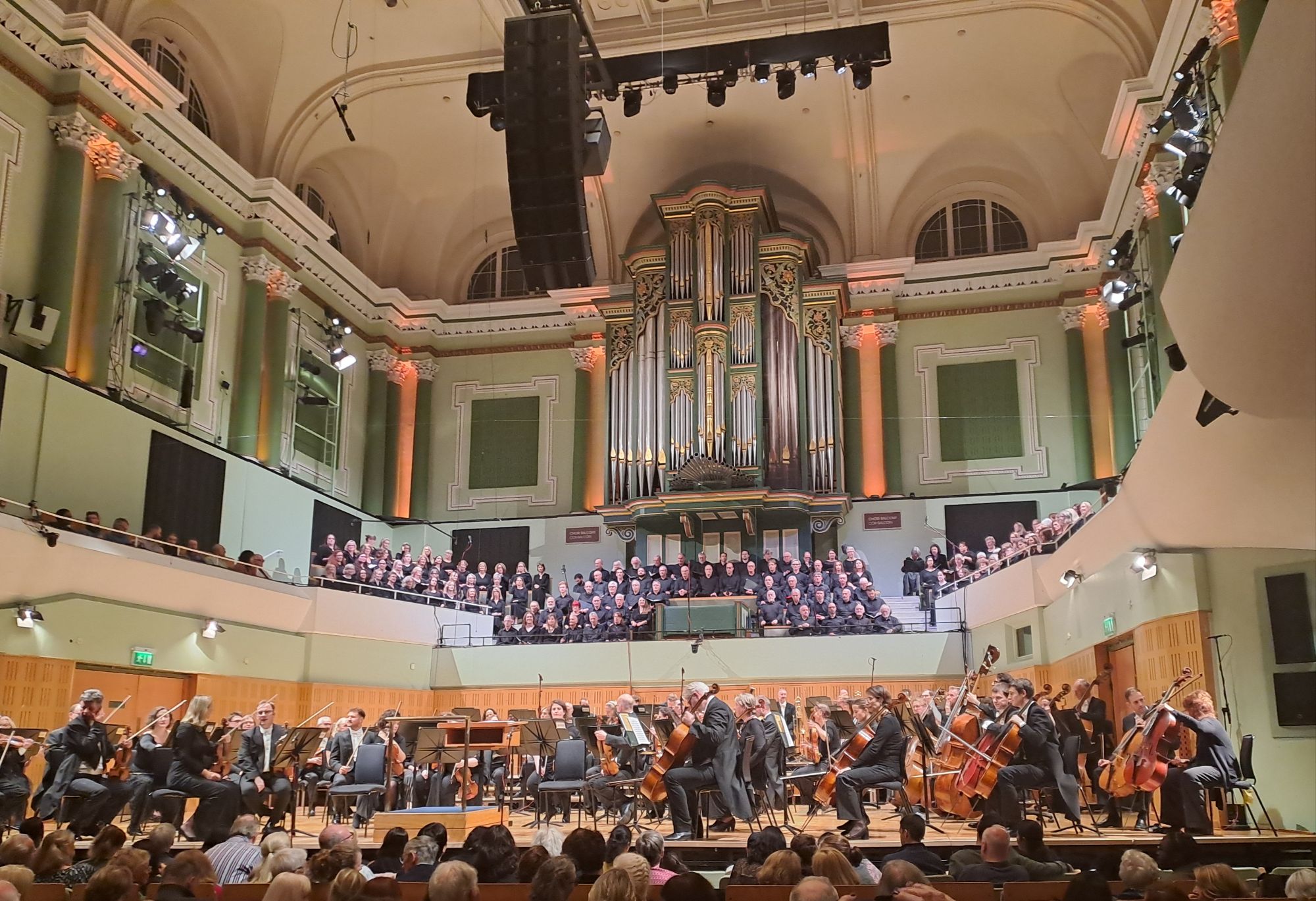
Before the Messa..

Although I’m a fan of Puccini’s operas I had never heard the Messa before and didn’t really know what to expect. It was turned out to be quite a revelation. As you might have anticipated it does sound more “operatic” than you might expect of a religious work and that dramatic certainly heightens the impact of the performance. I’m told that the National Symphony Chorus worked like crazy last week in rehearsals for this concert, and it certainly showed. The choir sounded absolutely amazing. Congratulations to choral director David Young! The two soloists were Welsh tenor Gwyn Hughes Jones and South African bass-baritone Simon Shibambu, both of whom were in fine voice. I particularly enjoyed the duet between them in the final Agnus Dei that brings the piece to a surprisingly gentle conclusion.

I really enjoy concerts that feature compositions I’ve never heard before, and this was a great example of that. I’m really glad that the Messa was chosen to mark Puccini 100. I must get a recording of it…

But the Puccini was only half the concert. Before the wine break we heard a very nice orchestral overture in C Major by Fanny Mendelssohn and then the evergreen 4th Symphony (“The Italian”) written by her kid brother, Felix, as a celebration of the time he spent in Italy on a Grand Tour. It was interesting to hear the two pieces played together as there is so much in common between the styles of composition, but so many subtle differences in voice. It’s a great pity that the sexism of the day prevented Fanny Mendelssohn from fulfilling her potential as a composer.
Cav/Pag and WNO

Posted in Opera with tags , , , , , on June 7, 2016 by telescoper

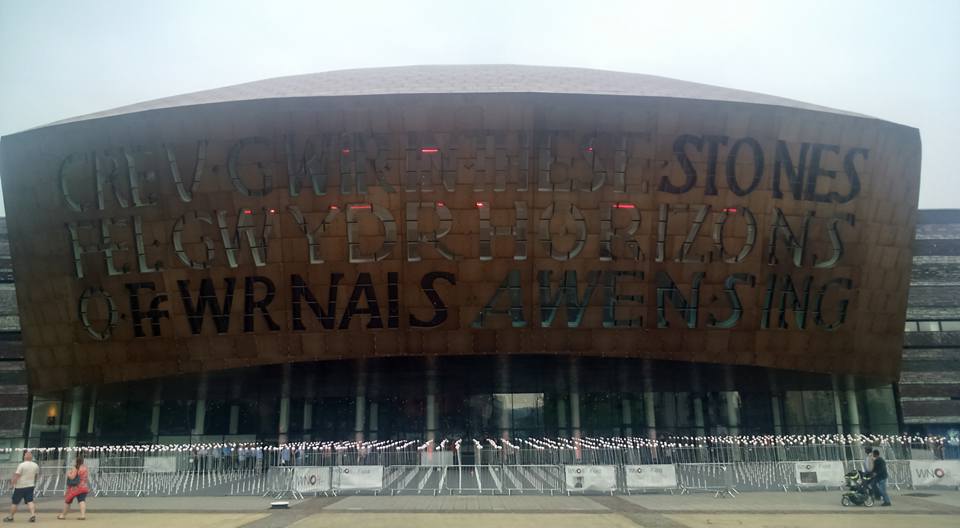
Well, I’m back in Brighton after a short break either side of my nth birthday (where n→∞). As is traditional on such occasions I spent the evening of the day in question at the Wales Millennium Centre for a night at the Opera:

WNO

On the bill for Saturday night were Cavalleria Rusticana and Pagliacci, two short operas written (respectively) by Pietro Mascagni and Ruggero Leoncavallo. Both works are in the verismo tradition of late 19th Century Italian opera and have central themes of love, jealousy, betrayal revenge and murder. So idea fare for a birthday treat!

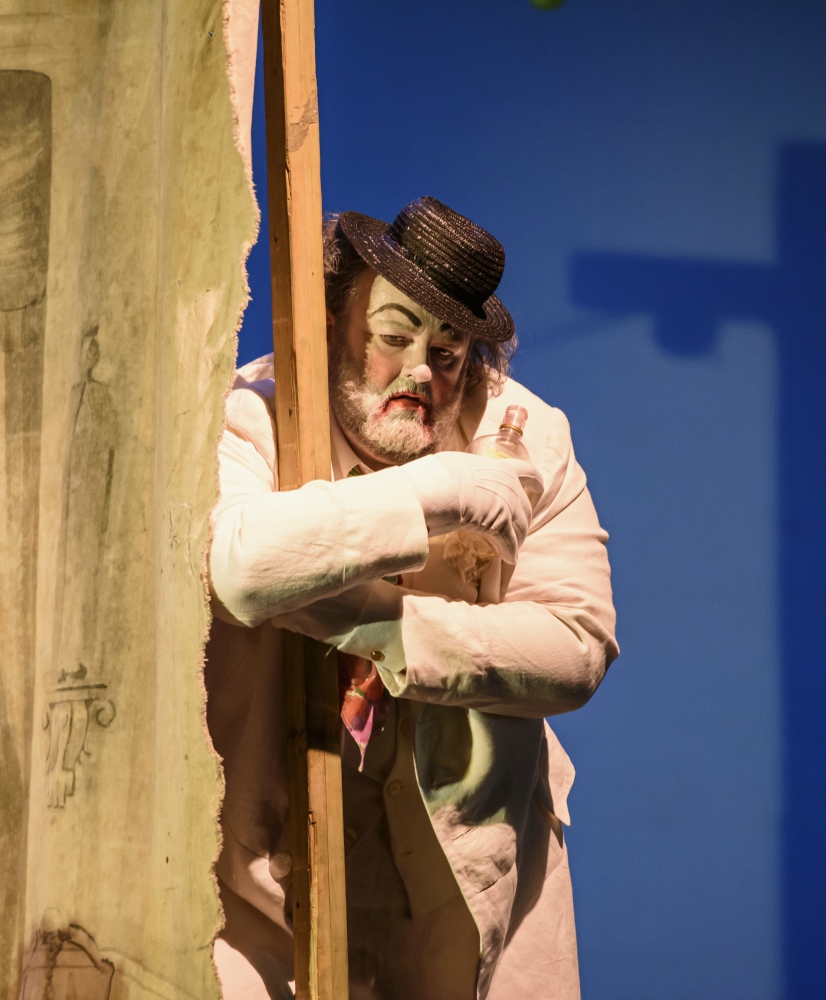
The “Cav/Pag” package is quite a familiar pairing to opera goers. They weren’t actually written to be performed together, though it is believed that Leoncavallo wrote his piece Pagliacci in response to the success of Cavalleria Rusticana. The compositional style and orchestration are not dissimilar and often the principals are played by the same singers. The latter was the case with Saturday’s production, at least in terms of the two male roles: Gwyn Hughes Jones (shown below as Canio in Pagliacci; he also sang Turiddu in Cavalleria Rusticana) sang both tenor parts, while David Kempster (baritone) played Alfio (Cav) and Tonio (Pag). Both were excellent throughout.

Pagliacci.GwynHughesJones(Canio).Photocredit-BillCooper1244a

These two productions of this combo differ very much in their look and feel. Cavalleria Rusticana is beautifully staged, in a conventional 19th Century rural Italian setting. The lighting is particularly impressive: the opening looks like a scene from a painting by a Grand Master. The excellent chorus of Welsh National Opera is very much to the fore, especially in the famous Easter Hymn, and the principal soprano Camilla Roberts sang the role of Santuzza with great depth of expression. Carlo Rizzi conducted the Orchestra of Welsh National Opera.

Pagliacci is given a more modern setting – costumes were generally around the 1950s – but still set in Italy. The set is much plainer and the lighting harsher. The chorus has less to do in terms of singing, but provides colour and movement to the drama. Although the two male principals were good I felt the cast overall was weaker. Meeta Raval (Nedda) sang her part well enough, and got some good laughs in the moments of comedy, but she didn’t have the emotional depth needed to make her part really come alive. Gyula Nagy (as Nedda’s lover Silvio) also sang well enough, but really needs to take some acting lessons..

The big set-piece in Pagliacci is Vesti La Giubba, a powerfully emotional tenor ara which never fails to move. Enrico Caruso’s version of this was the hit record of its day.

Although there were some shortcomings it was still a very enjoyable evening of music drama. Indeed it was the last night in Cardiff for this season, Welsh National Opera’s 70th. The company’s debut when it gave its first performance – as an amateur organisation – on 15th April 1946, was a double bill of Cavalleria Rustica and Pagliacci

I’d therefore like to end by wishing Welsh National Opera a very happy birthday and send my deepest thanks for providing me with so many hours of pleasure through their performance. Long may they continue!