Today is January 6th, which is Epiphany in the Church calendar, Twelfth Night, usually the day the Christmas decorations came down when I was a kid, and here in Ireland a day known as Nollaig na mBan (Women’s Christmas). You can read more about the origin of this Irish tradition here.
This allows me an excuse to be a grammar bore yet again. The Irish word for “woman” is bean, which has the plural form Ban; na is the corresponding definite article. However, in the phrase Nollaig na mBan, “women” is in the genitive case (Christmas of the women) and the B therefore undergoes lenition to become m. This sort initial consonant mutation is very common in the Irish language. Instead of being pronunced “ban” the word for women is therefore spoken as “man”. Fortunately, the written language is kind in that it leaves the unmodified consonant in place, hence mBan.
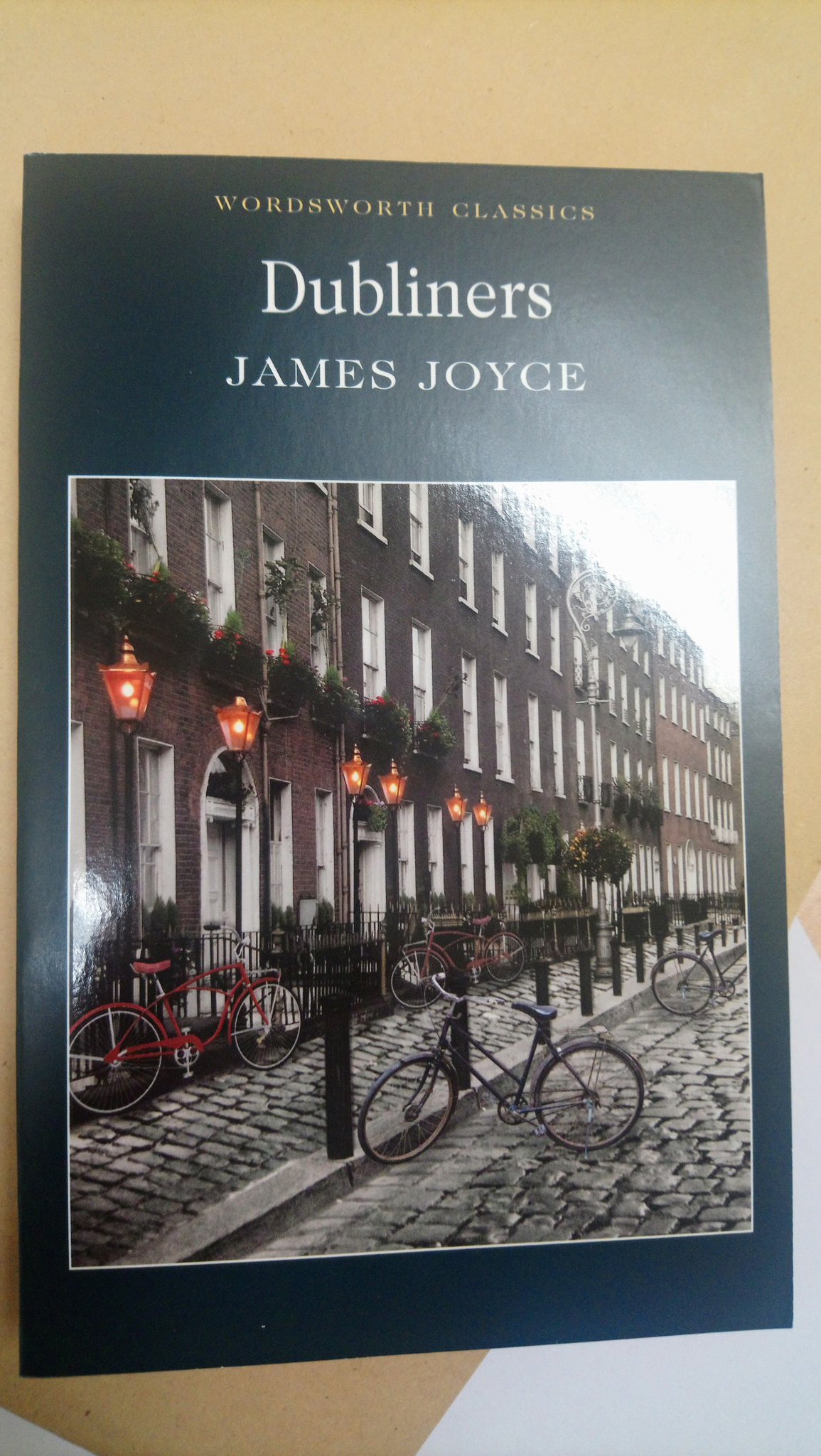
I was also reminded today that 6th January (in 1914) was the date of the gathering described in James Joyce’s wonderful short story The Dead – the last, the longest, and the best of the collection Dubliners, which I thoroughly recommend if you haven’t read it yet. It’s an ideal gateway into Joyce’s writing:
Nollaig na mBan shona daoibh go léir!

 In the Dark