Archive for Corvidae

Moulting Season

Posted in Biographical, Maynooth with tags , , , , , , on August 24, 2026 by telescoper

I’ve mentioned several times on this blog that there are many crows in Maynooth. By “crows” I mean members of the family Corvidae, including rooks, jackdaws and magpies as well as crows themselves, of which the hooded crow is the most common around these parts. I find them all fascinating, as they are remarkably intelligent, playful and full of mischief, though they can be a nuisance at times. The sound of crows clattering about on the roof can be quite distracting, and their cawing and chattering is hardly musical. I’m used to them now, though. I often watch them with suspicion, wondering what they’re up to, but don’t try to scare them off. I would miss them if they went away.

At this time of year the crows are moulting, and I regularly have to pick up discarded feathers here and there:
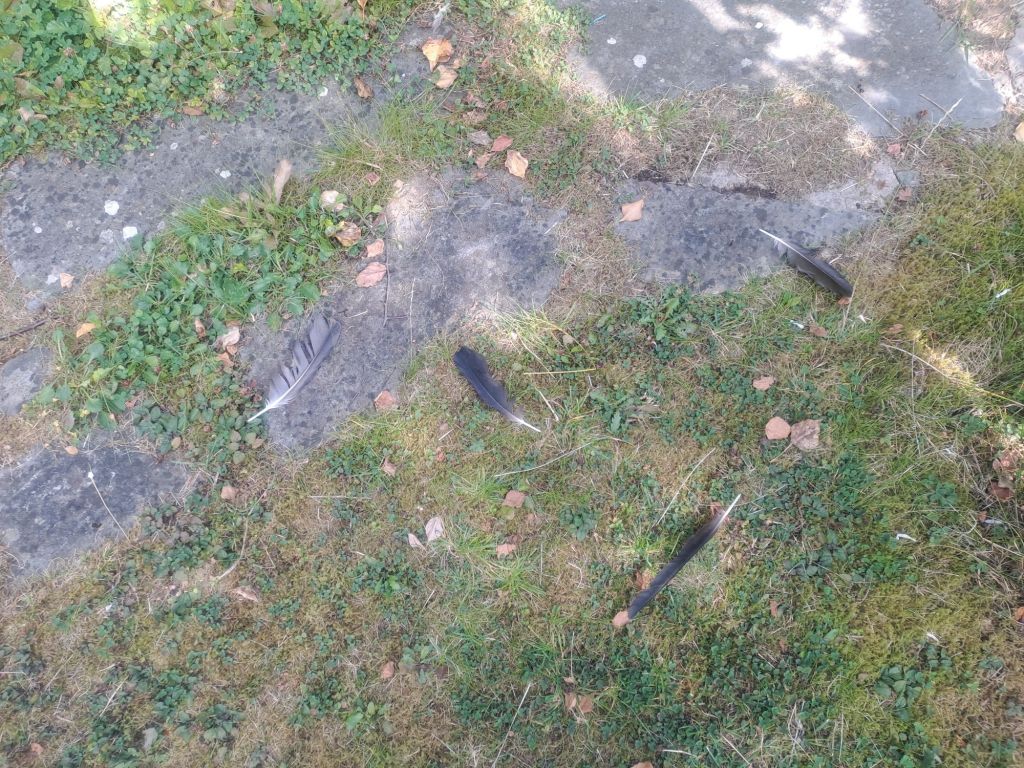
I noticed some rooks and jackdaws starting to moult a few weeks ago, actually. The usual season is “late summer”, i.e. after the beeding season, but I suppose the precise timing of the onset of moulting depends on the weather. It does seem a rather uncomfortable time for these birds. Their new feathers have to grow out through their skin as the old ones are discarded which can’t be a pleasant experience. I imagine they feel quite itchy while it’s going on. They also look very dishevelled and grumpy; sometimes even embarrassed. Some look sick or diseased, but they’re quite healthy really. It’s just a natural phase they go through once a year. Soon they will emerge with shiny new feathers, ready for fresh mischief.

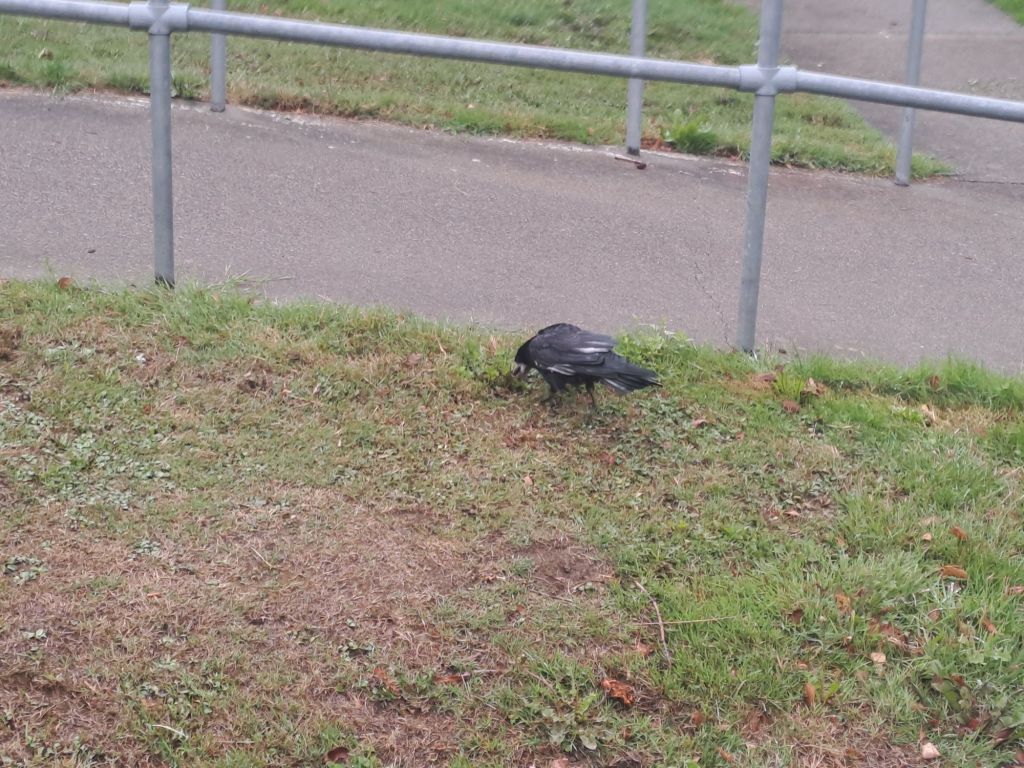
Here’s a rather dishevelled rook with old feathes clearly visible to make my point
All this this reminded me of this famous excerpt from a letter written by the artist Vincent van Gogh to his brother Theo in 1880:

What the moulting season is for birds – the time when they lose their feathers – setbacks, misfortune and hard times are for us human beings. You can cling on to the moulting season, you can also emerge from it reborn, but it must not be done in public.

It echoes one of the themes of yesterday’s post.
The Rooks of Maynooth

Posted in Maynooth with tags , , , , on August 3, 2018 by telescoper

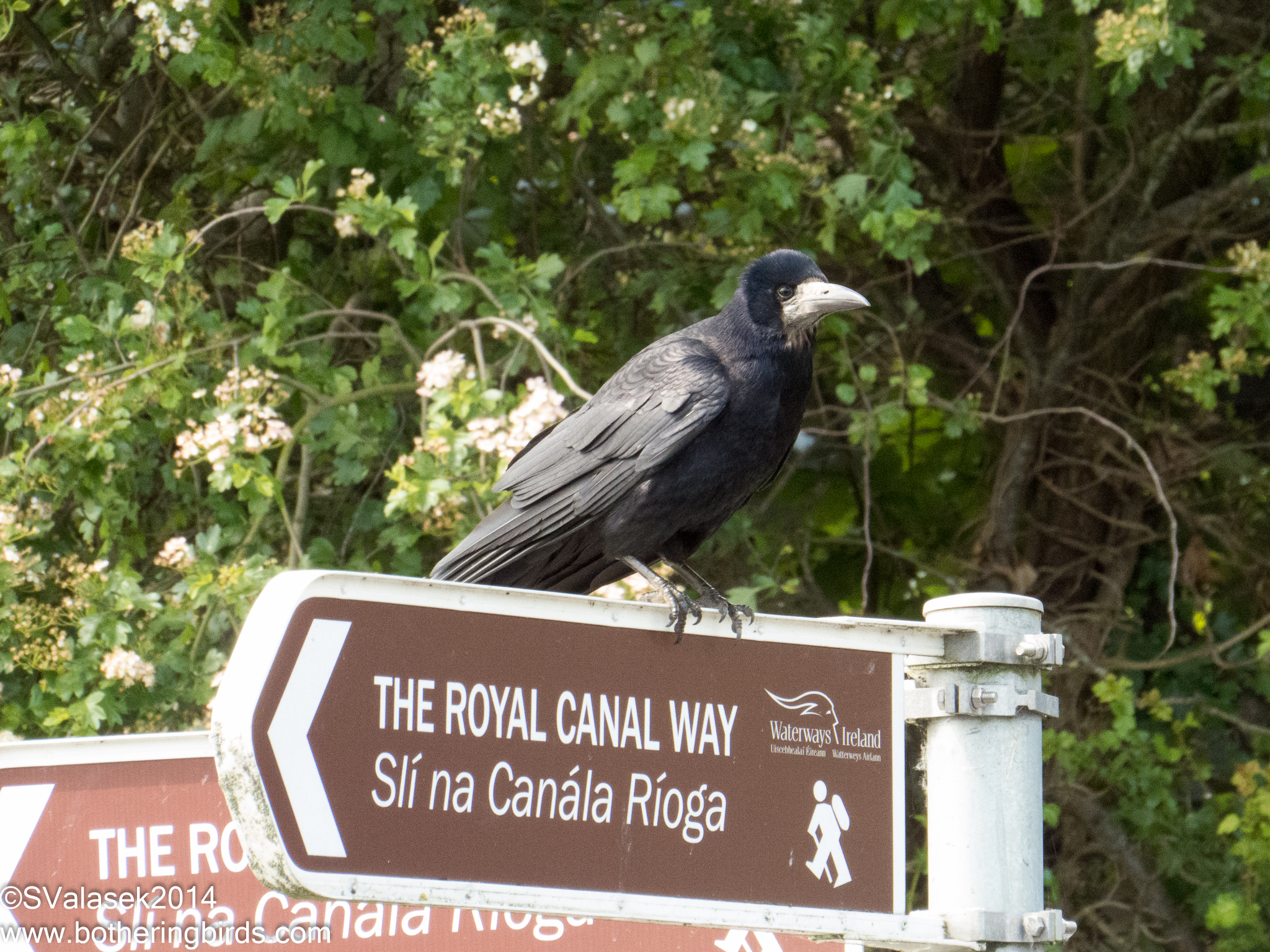
In a previous post I mentioned the proliferation of crows in Maynooth. It turns out that was a terminological inexactitude, in that the birds in question were actually rooks. It’s true that rooks are part of the crow family (genus Corvus, family Corvidae) which also includes ravens and jackdaws but they do have a distinctive look and character. See the above picture (taken in Maynooth but not by me; picture credit here).

The rooks have been prevalent in Maynooth for centuries. A quick google found this quote from 1802 from the poet W.M.Letts:

The men of Maynooth are like o’ the rooks,
With their solemn black coats an’ their serious looks.

This refers to the young men studying at the Roman Catholic seminary of St Patrick’s College, of whom there were 500 or so in those days. The seminarians are somewhat fewer in number now, but the rooks are still plentiful.

I wouldn’t say that rooks are the most visually attractive birds, and they do have a slightly sinister aspect, but they are very characterful creatures and I find them very amusing to watch. They’re very sociable and tend to go about their business in large groups, especially when scouring pieces of open land for insects and other things to eat. They also seem to tolerate the presence of their cousins the jackdaws (of which there are also quite a few in Maynooth, though not as many as the rooks). Jackdaws are a bit smaller, prettier, and neater in appearance than rooks (which often look very scruffy indeed). I imagine that the jackdaws look down on the rooks rather snootily, as one might one’s less sophisticated relatives. The collective noun for rooks is a `Parliament’, which also suggests that they are not held in very high regard.

Like jackdaws, rooks have two modes of locomotion along the ground: a sort of strutting walk and a two-legged hop, both of which are rather comical. Their walk makes them look like officious constables, whereas the hop is more like a child pretending to be a horse. The rooks are basically scavengers and they have a penchant for systematically emptying litter bins in their quest for scraps of food. At the rear of the apartment block in which I live there is a place for storing rubbish for collection in large dumpsters. Sometimes somebody forgets to close the lid with the inevitable result that a large group of rooks gets inside and strews garbage all over the place. When they’re not patrolling around or rooting through rubbish they tend just to sit there watching the world go by, waiting for another opportunity for mischief.

I’m told that, in the old days, the rooks of Maynooth used to gather at the Old Mill, but since that was demolished to make way for a shopping centre they seem mostly to congregate on the playing fields on or near the Royal Canal. Anyway, I’ve got used to them in the short time I’ve been in Maynooth and I always look out for them when I’m walking around.

What prompted me to write this post is that on my way to the Department yesterday morning I came across a dead rook lying on the path. It looked like it had died only recently, as there was no sign of decay. It was well away from the road, so it seemed unlikely it had been hit by a car. I suppose it just died of natural causes.