Author Archive

Art at the Musée Fabre 

Posted in Art, History with tags , , , on November 26, 2023 by telescoper

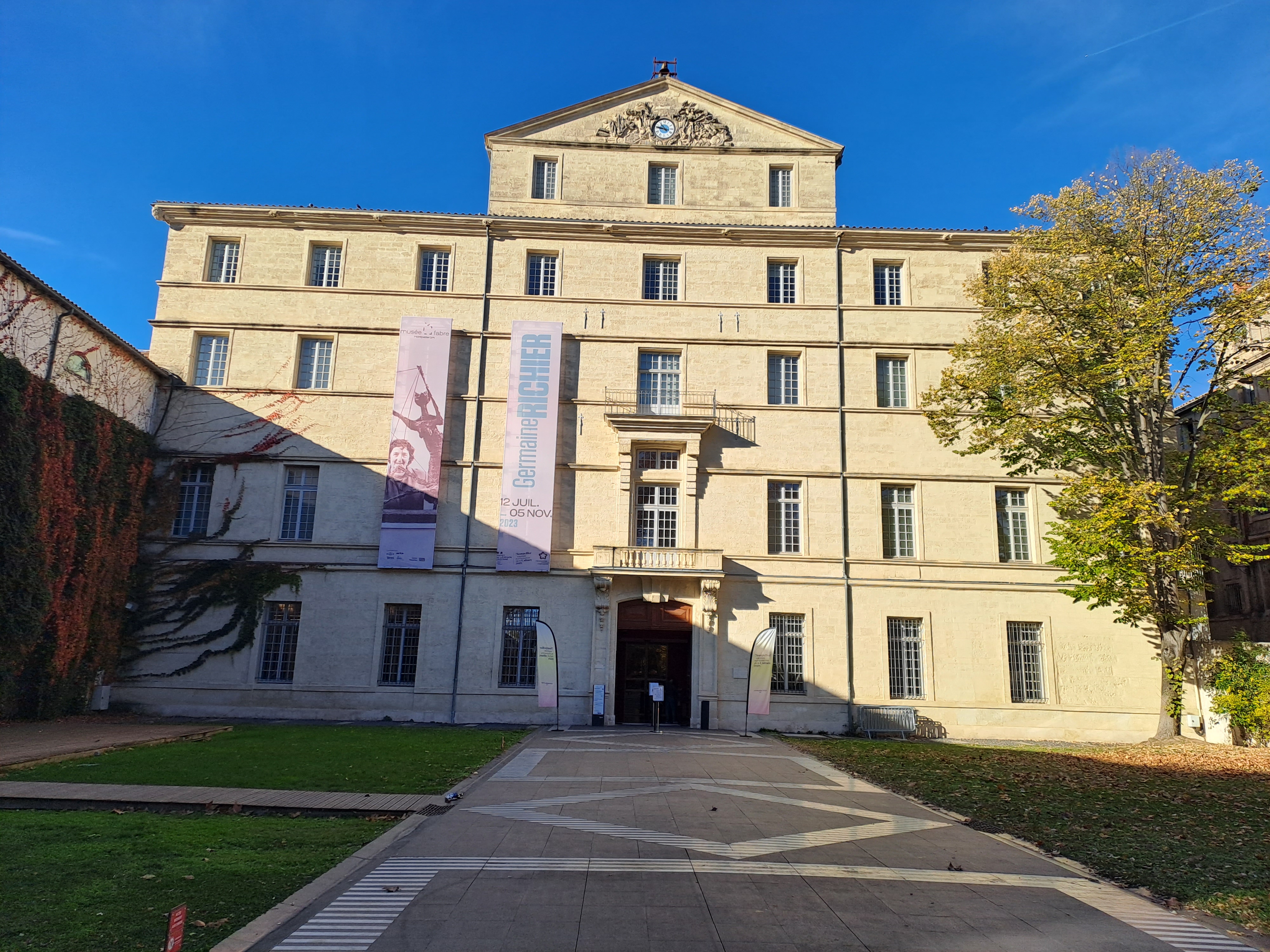
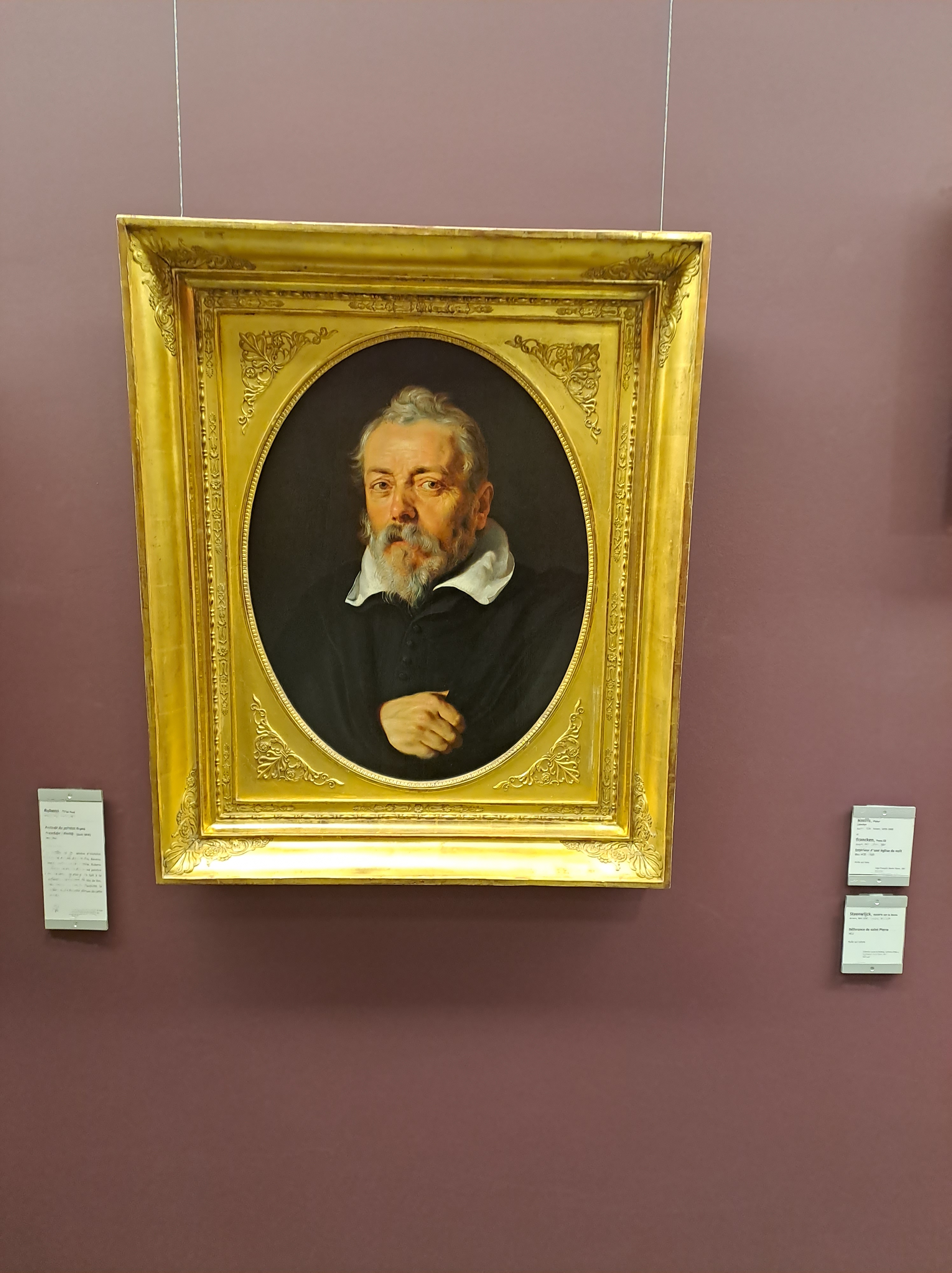
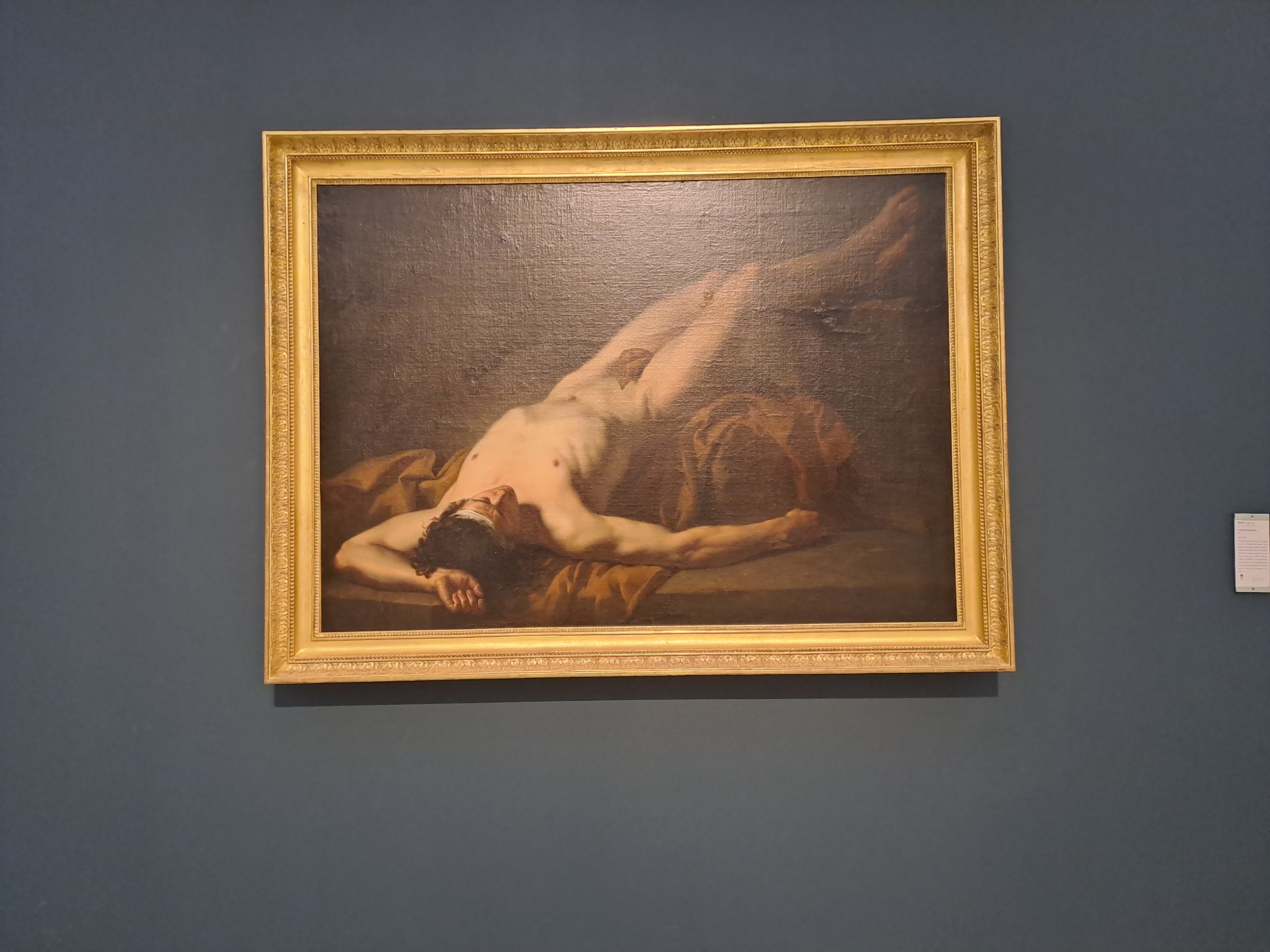
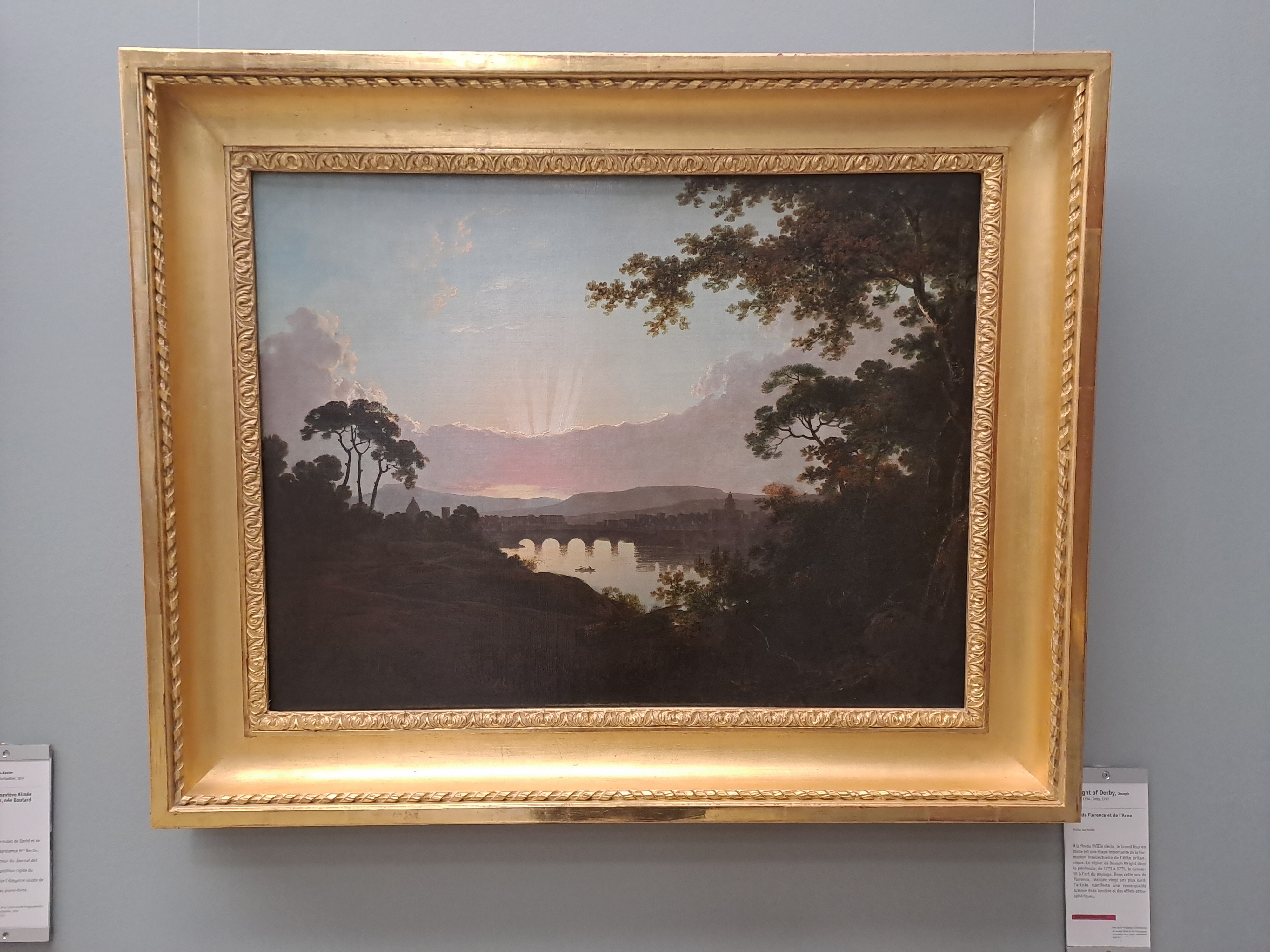
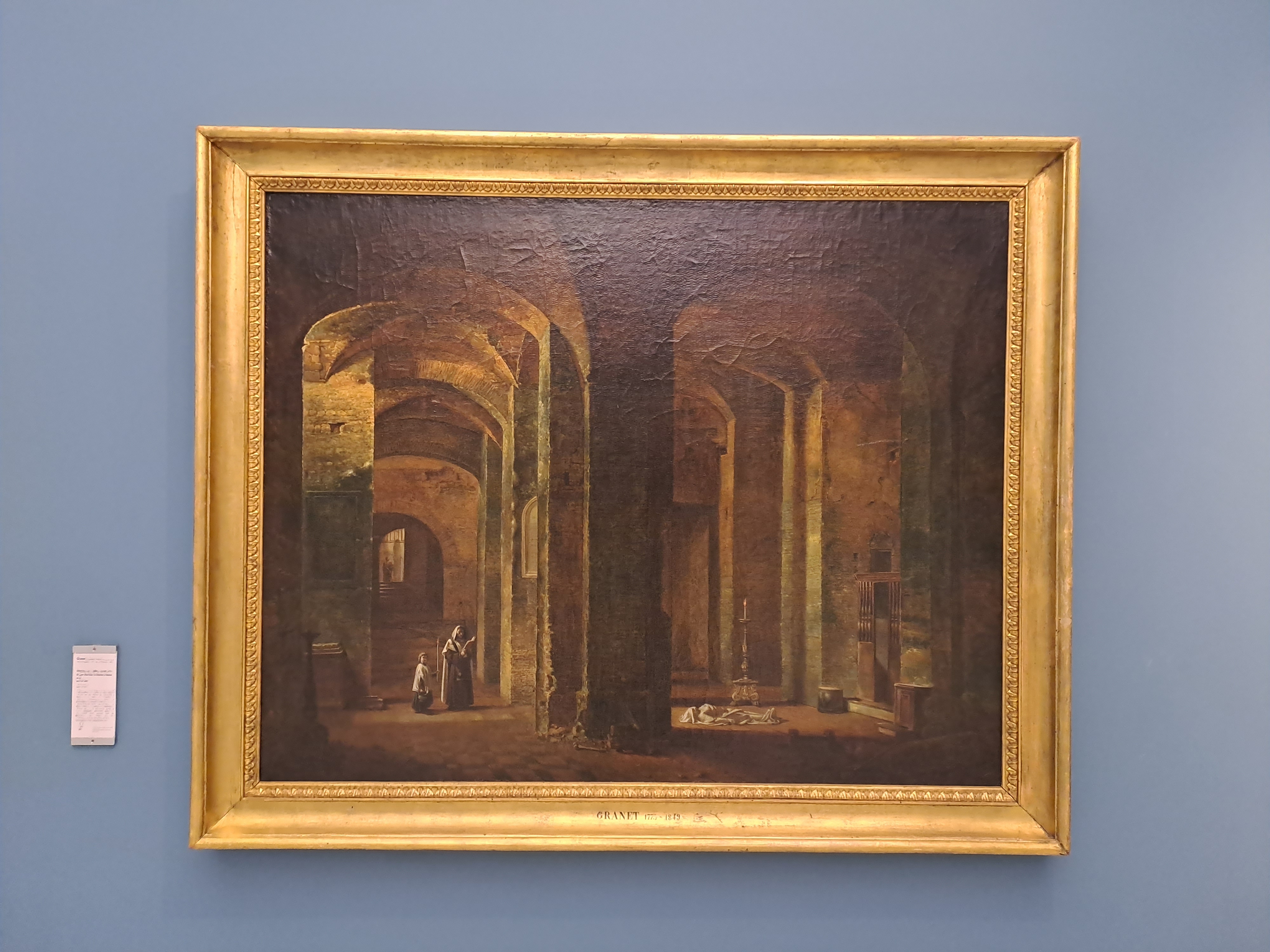
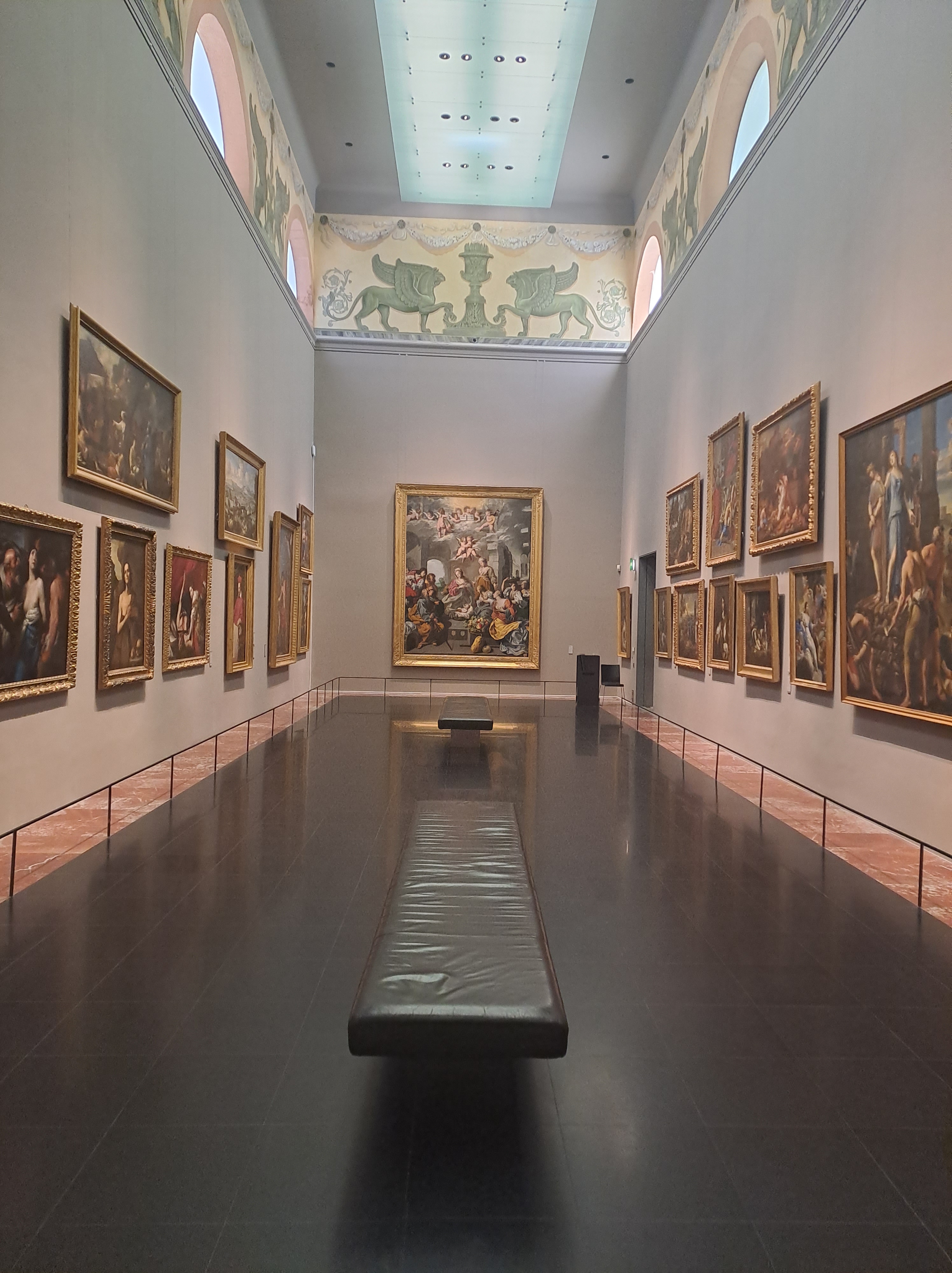
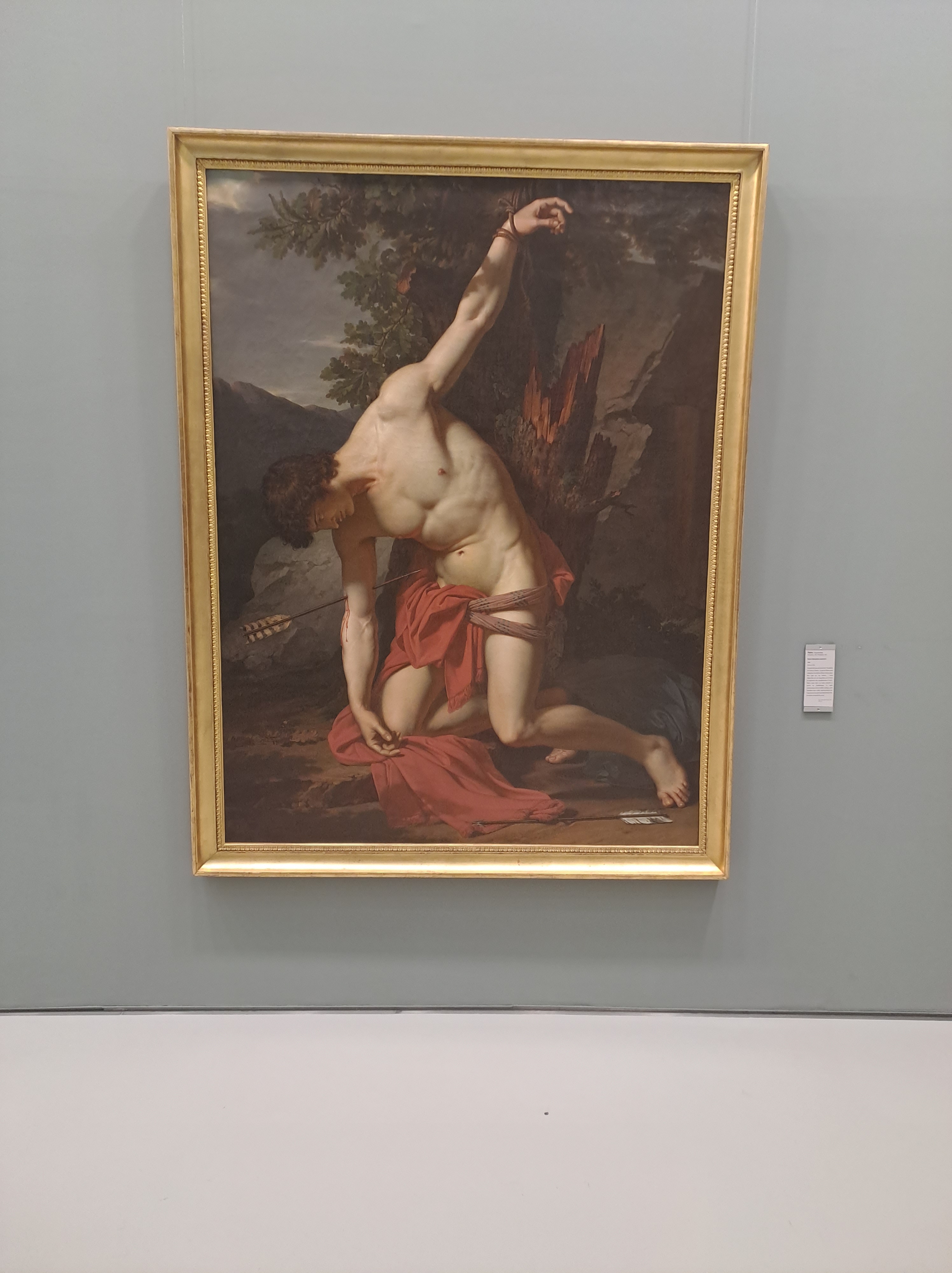
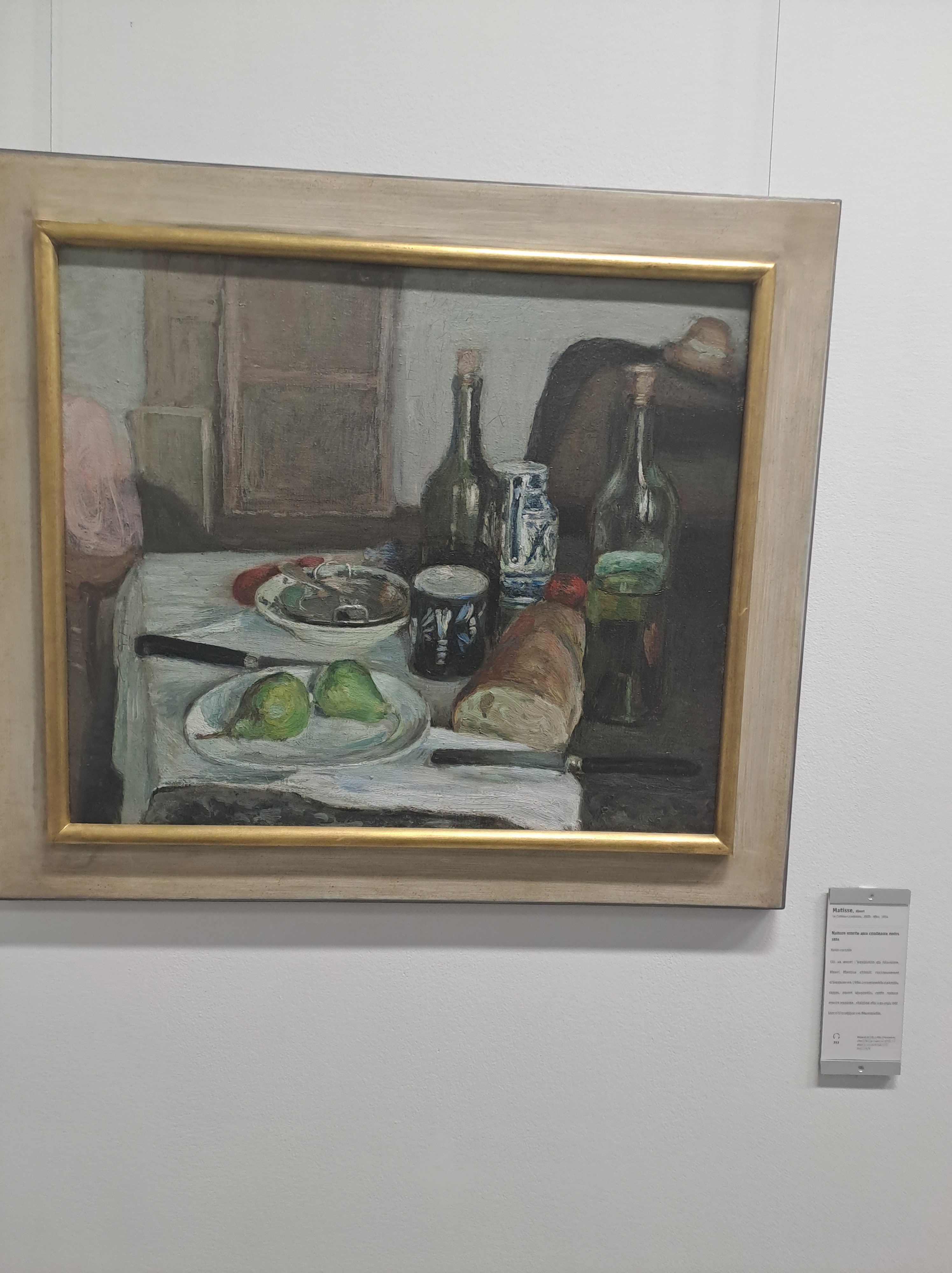
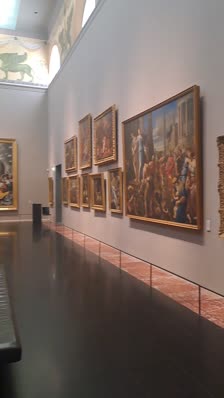
I spent several hours today wandering around the excellent Musée Fabre; for a little flavour of the place, see the little video I took in one of the rooms here. The largest part of the collection is French art, particularly from the 16th to 19th century, although there are also quite a few rooms dedicated to “northern” paintings, principally of Flemish origin. The gallery was founded by François-Xavier Fabre (1766-1837) who was born and died in Montpellier but spent most of his productive life as an artist in Italy (especially Florence). Fabre gave most of his own paintings to start the gallery, and there are many of examples of his work here, but many of his contemporaries are represented too, as well as earlier French artists such as Nicolas Poussin, and later ones such as Henri Matisse. Among the non-French artists are Peter-Paul Rubens, Joshua Reynolds and Thomas Wright of Derby, to name but a few.

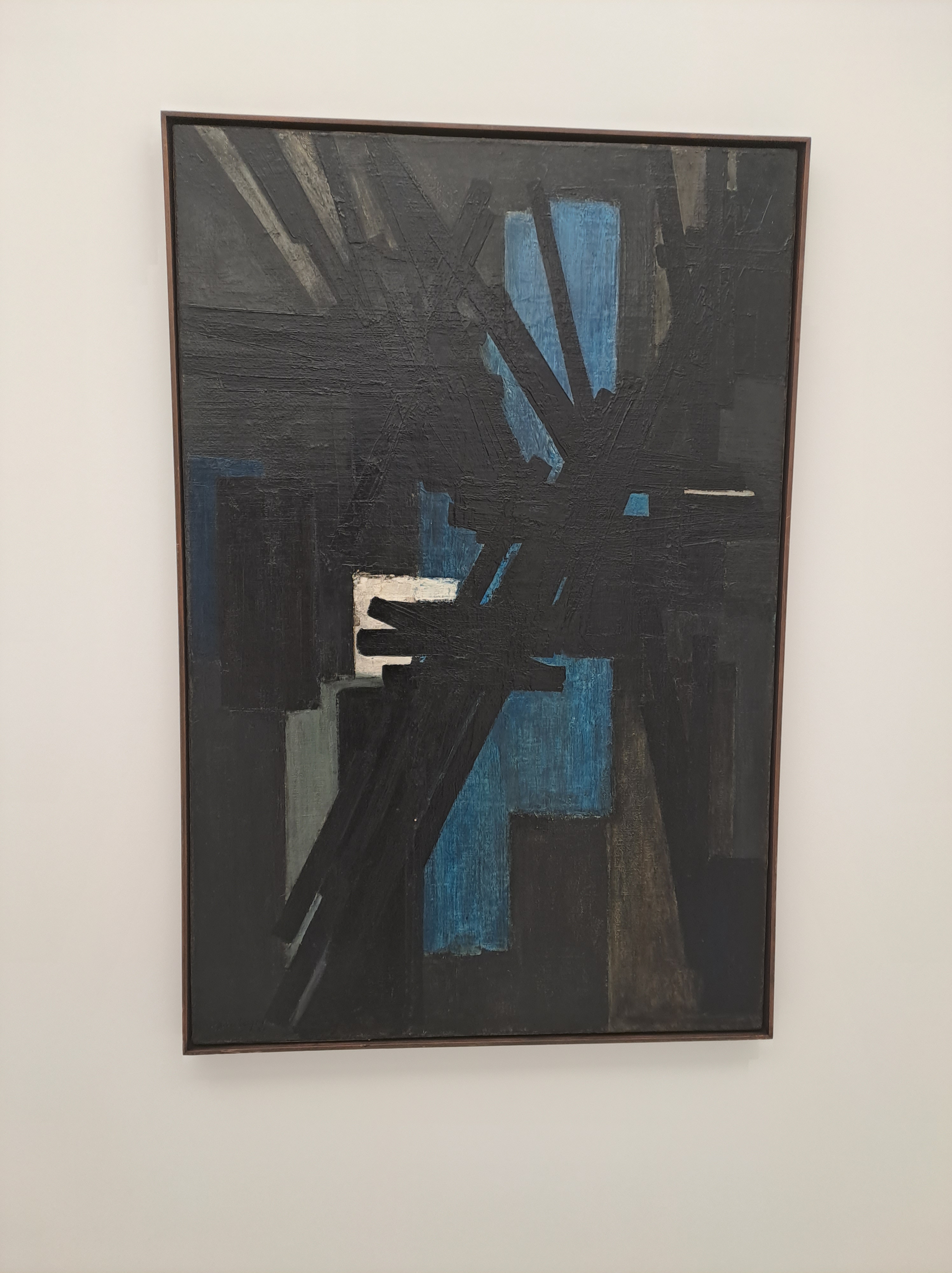
The permanent collection is accompanied by an exhibition of modern art by Pierre Soulages, who passed away last year, and who specialized in sombre abstracts which make quite a contrast with the permanent collection.

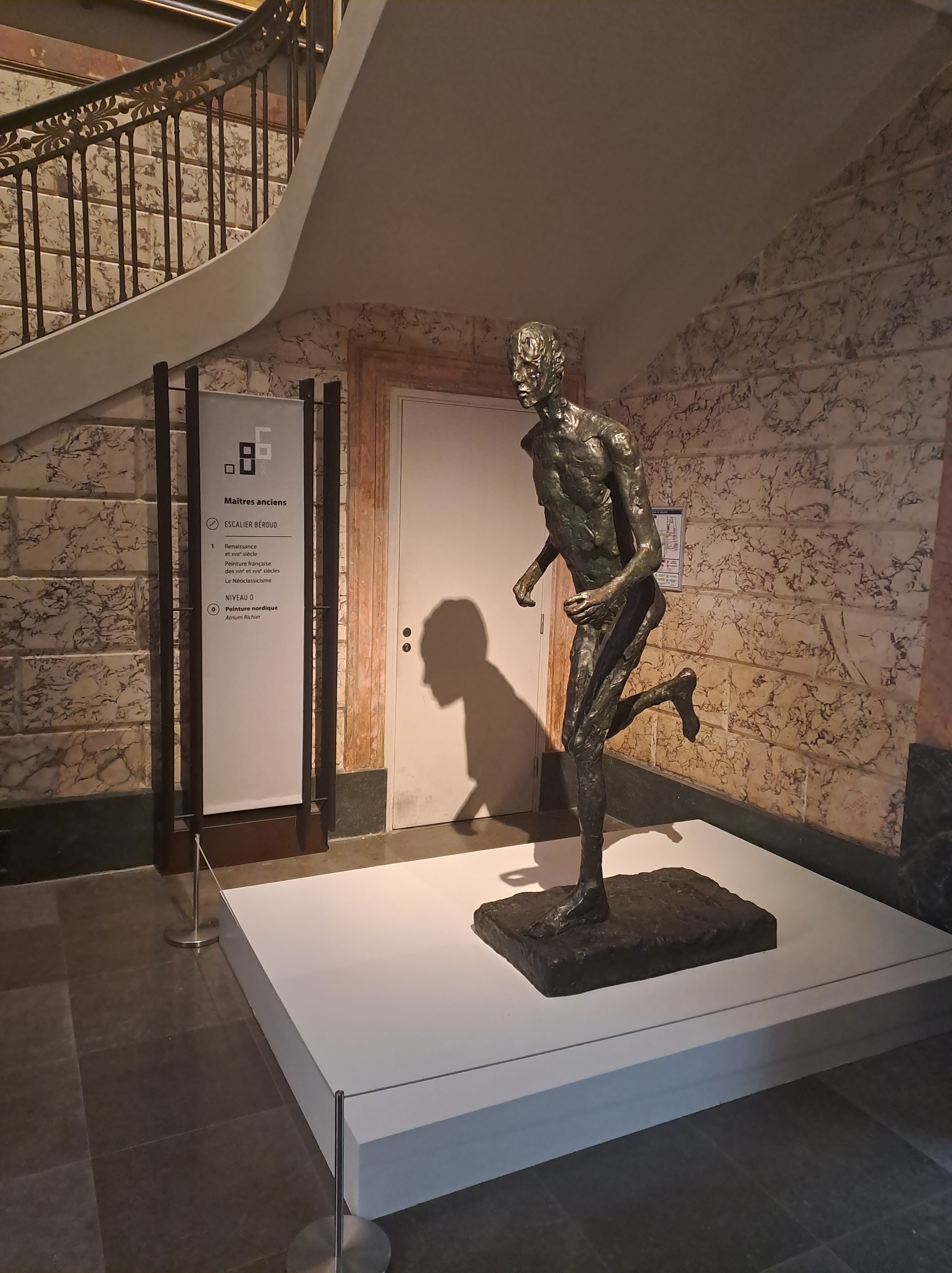
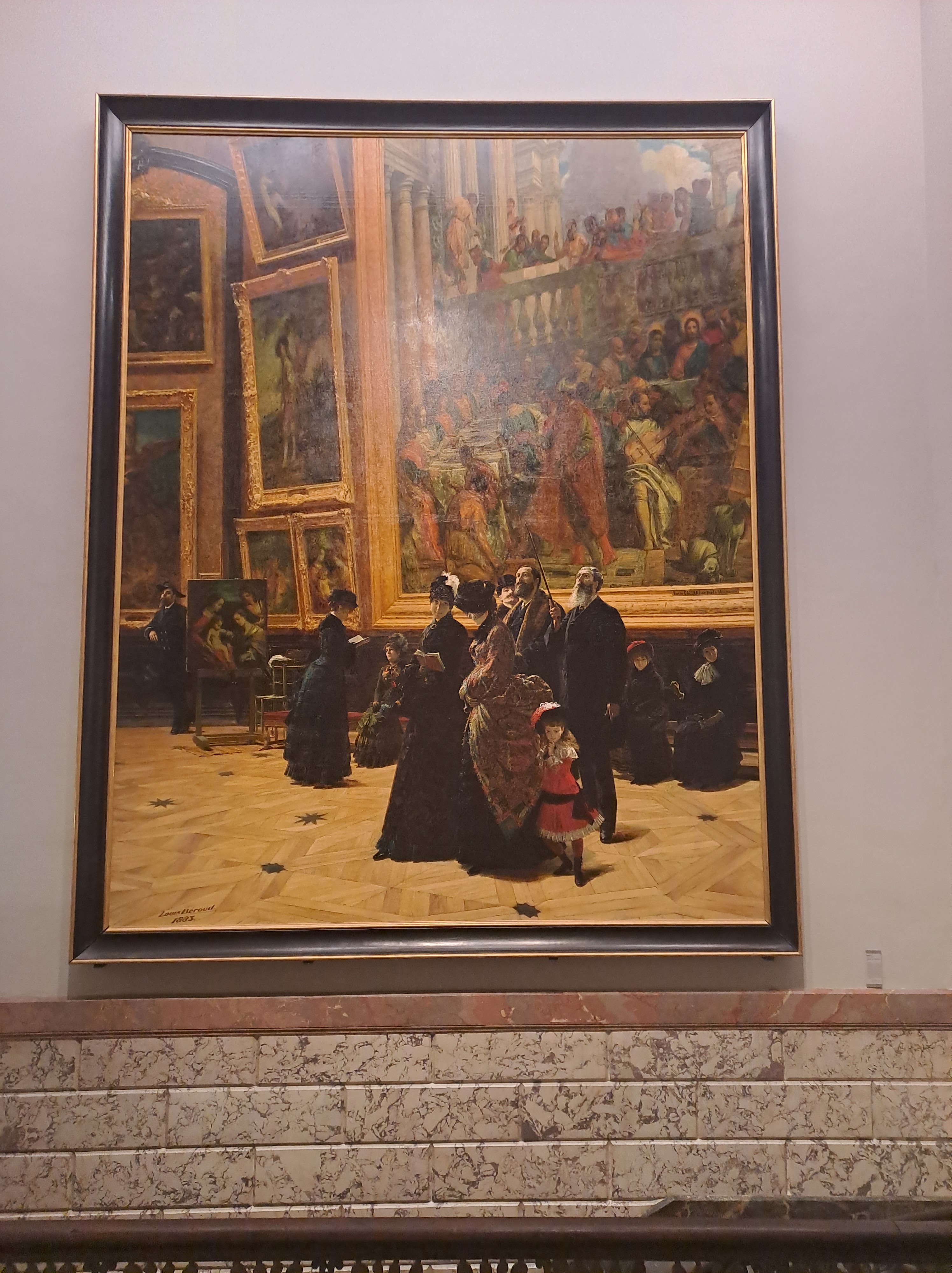
Anyway, here is a gallery of random pictures I took. If you click on the image it will tell you who the artist was: the one by Soulages is obvious; the very fine bronze sculpture is Le Coureur (1955) by Germaine Richier, an retrospective of her work finished earlier this month (as you can see from the banner in the first picture). Check out the little boy in the very sepulchral scene depicting a vigil for the dead, who is looking at the viewer as if to say “What are you doing here?”

Musée Fabre, Montpellier

Posted in Art with tags , on November 26, 2023 by telescoper

Random Shots of Montpellier

Posted in Biographical, History with tags , , , , on November 25, 2023 by telescoper

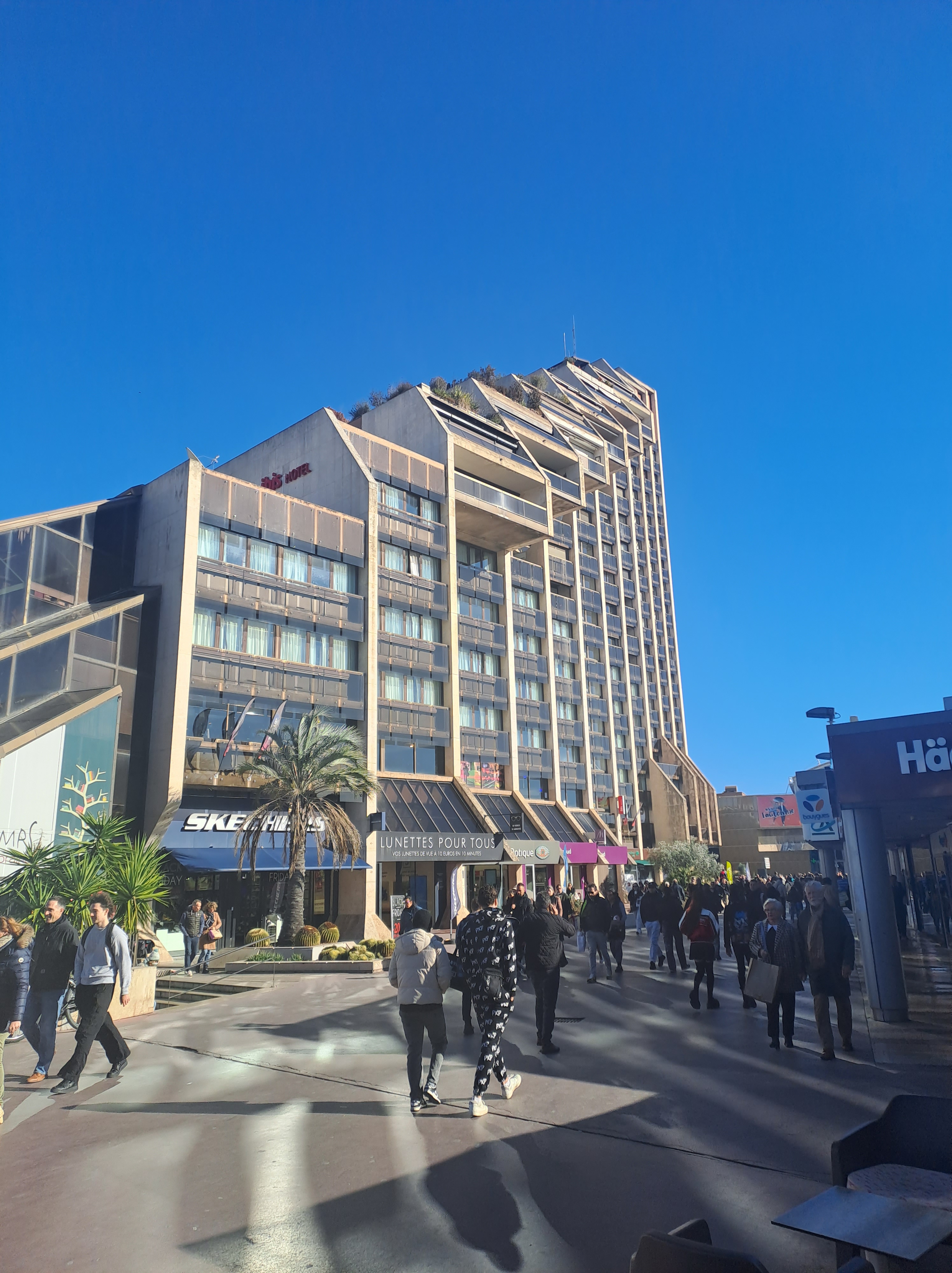
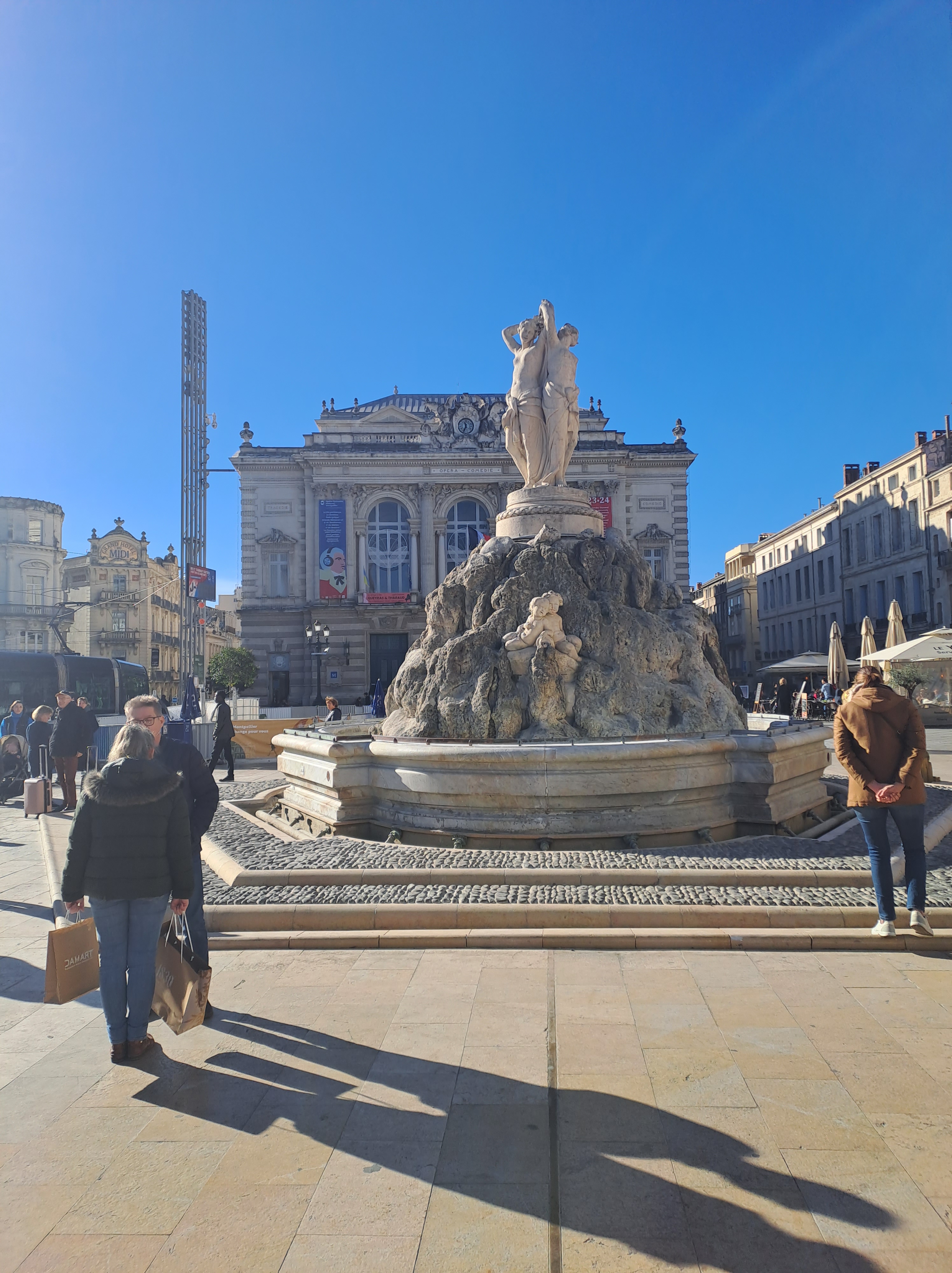
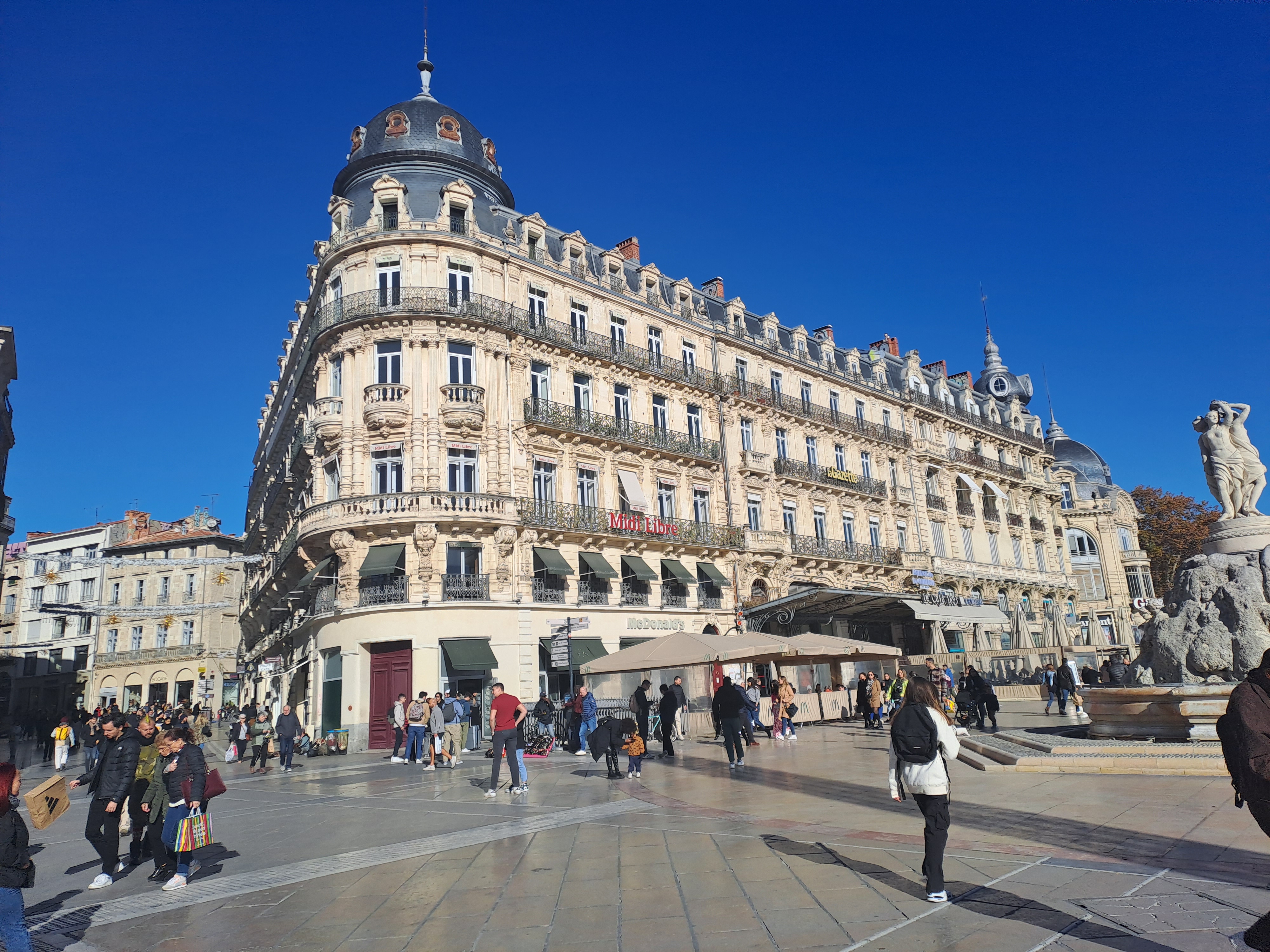
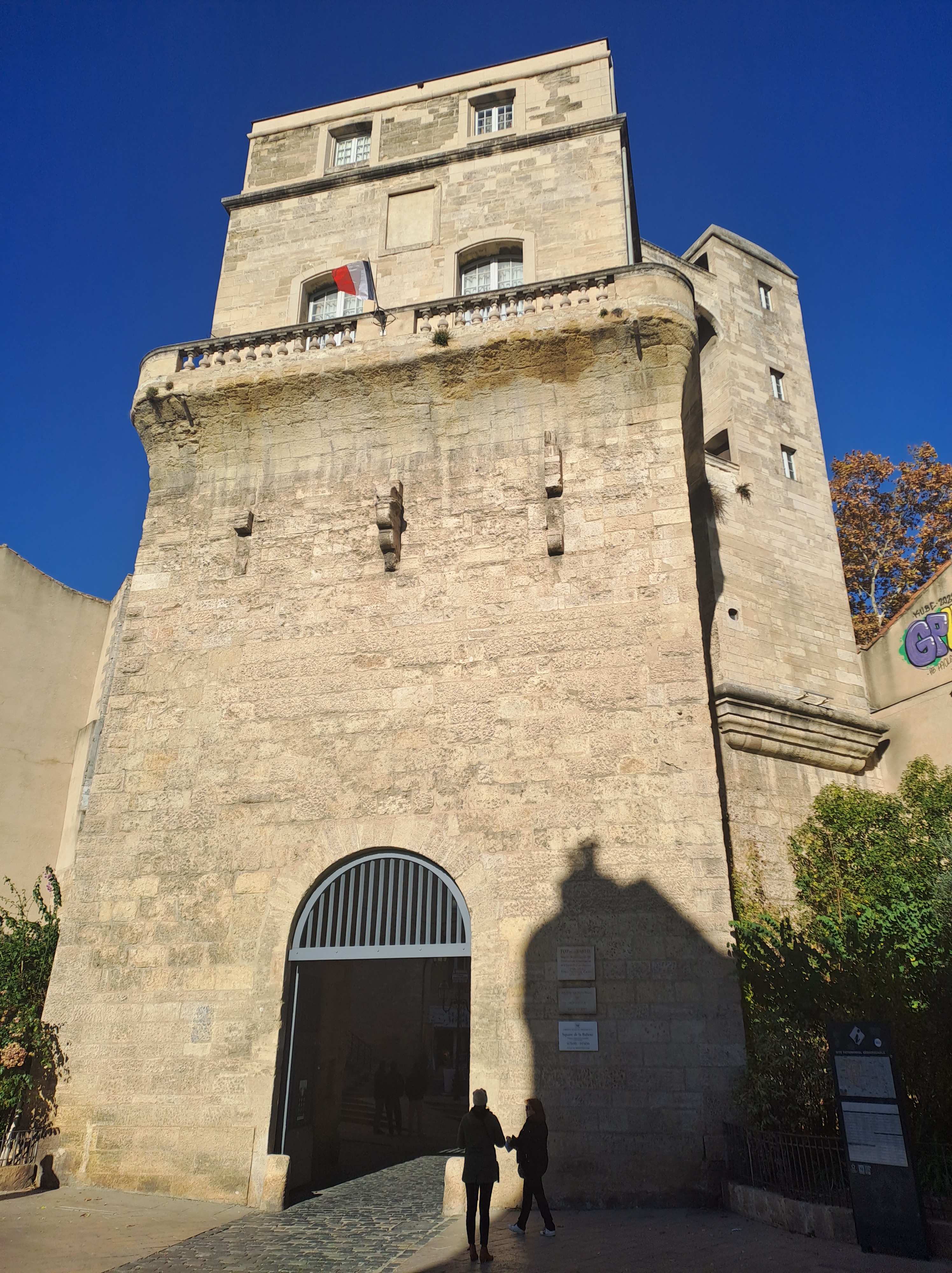
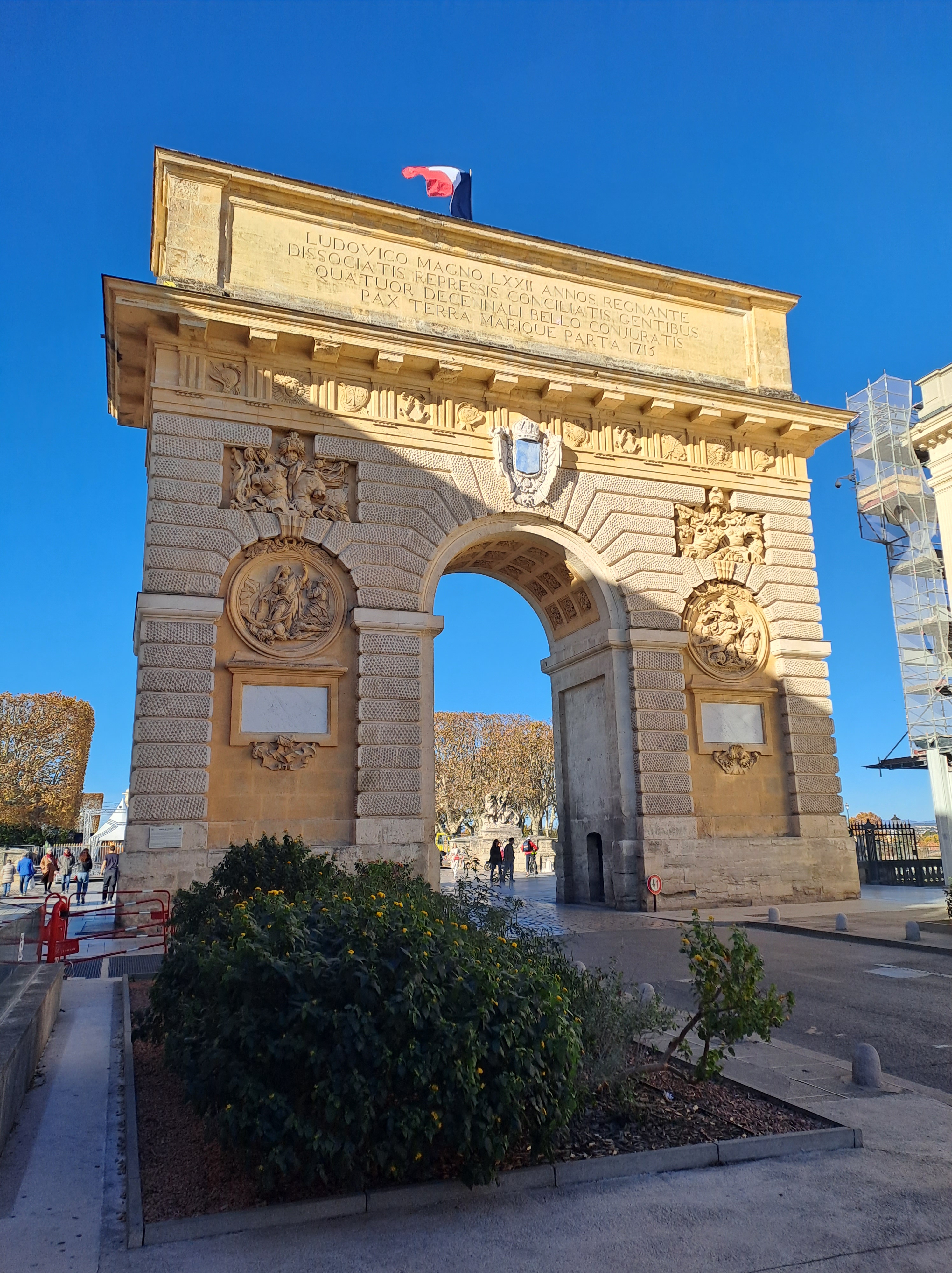
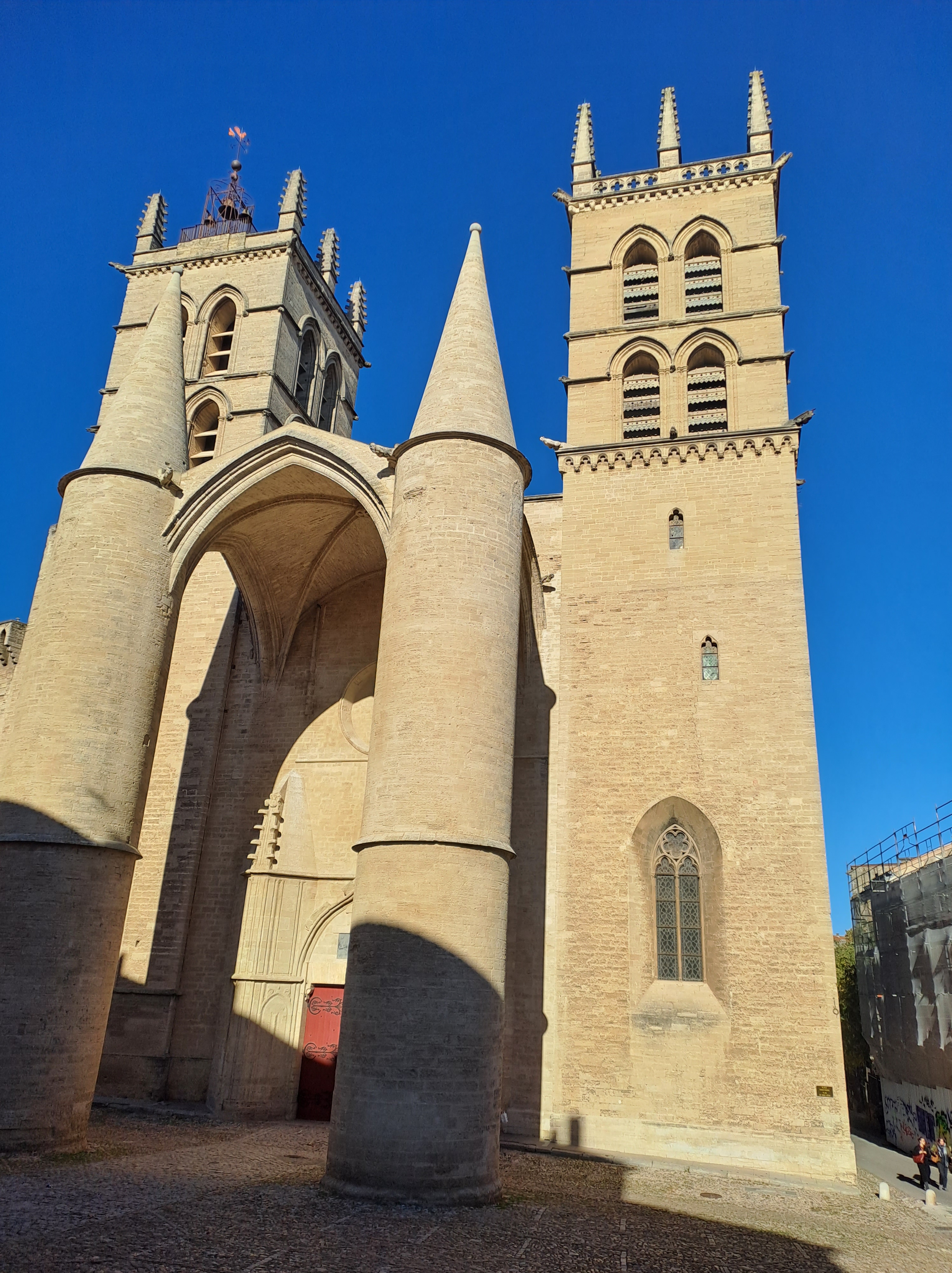
Having a few hours to spare this morning, I took a walk around Montpellier in the sunshine. I can tell you that the layout of the old part of the city, which hasn’t changed since mediaeval times, is a labyrinth in which it is very easy to get lost but if you’re not going anywhere in particular it’s fun wandering around. At night it’s very atmospheric too. Anyway, here are some random pics I took on the way. As you can see, the weather was lovely and you always get interesting shadows from the winter sun…

While I am on the blog, I thought I would mention one of Montpellier’s famous historical connections, Michel de Nostredame (1503-1566), more usually known as Nostradamus, who studied medicine at the University here for a while before he was expelled. I searched the Prophecies of Nostradamus which you can find online, and found no reference to my visit to Montpellier. Incidentally, the University of Montpellier was founded in 1220 so is one of the oldest universities in the world. La Tour de la Babotte was part of the fortifications of the old city and was later used for a time as an astronomical observatory.

P.S. the oldest remains in Montpellier are medieval. The Romans never settled here; the main settlement in the area was Maguelone, on the coast. The administrative centre of the region was moved to Montpellier, which is 10km inland, to avoid raids from pirates.

Hubble Tension Reviewed

Posted in The Universe and Stuff with tags , , on November 24, 2023 by telescoper

Just a quick post to pass on a reference to a paper on arXiv (to appear in Annual Reviews of Astronomy and Astrophysics) about the ongoing saga of the Hubble Tension. The authors are Licia Verde, Nils Schöneberg, and Héctor Gil-Marín, three members of the ICCUB which is hosting me during my sabbatical. I saw an earlier draft of this paper but didn’t want to blog about it before the final version appeared. The abstract (which I’ve slightly reformatted) reads:

The Hubble parameter H0, is not a univocally-defined quantity: it relates redshifts to distances in the near Universe, but is also a key parameter of the ΛCDM standard cosmological model. As such, H0 affects several physical processes at different cosmic epochs, and multiple observables. We have counted more than a dozen H0‘s which are expected to agree if a) there are no significant systematics in the data and their interpretation and b) the adopted cosmological model is correct. With few exceptions (proverbially confirming the rule) these determinations do not agree at high statistical significance; their values cluster around two camps: the low (68 km/s/Mpc) and high (73 km/s/Mpc) camp. It appears to be a matter of anchors: the shape of the Universe expansion history agrees with the model, it is the normalizations that disagree. Beyond systematics in the data/analysis, if the model is incorrect there are only two viable ways to “fix” it: by changing the early time (z≳1100) physics and thus the early time normalization, or by a global modification, possibly touching the model’s fundamental assumptions (e.g., homogeneity, isotropy, gravity). None of these three options has the consensus of the community. The research community has been actively looking for deviations from ΛCDM for two decades; the one we might have found makes us wish we could put the genie back in the bottle.

arXiv:2311.13305


You can read the full paper here to learn about the scientific arguments, but I’d like to draw attention to this excerpt which is of more general relevance and with which I agree wholeheartedly:

It is also fair to say that the developments of the last decade have changed the expectations and modus operandi of a big part of the community. The community now expects results to be reproducible, hence the data and key software to be publicly available in such a way that a practitioner not involved in the original analysis could still retrace and reproduce all important steps and findings. While research areas such as the CMB and large-scale structure made this transition to “open science” about two decades ago, this was not the case for other areas of extra-galactic astronomy, but this is now changing.

arXiv:2311.13305

Université de Montpellier

Posted in Biographical with tags , on November 24, 2023 by telescoper
The University of Montpellier is full of 1970s buildings but also has lots of trees behind which to hide them..

Tour de France – Première Étape

Posted in Barcelona, Biographical with tags , on November 22, 2023 by telescoper
First Leg

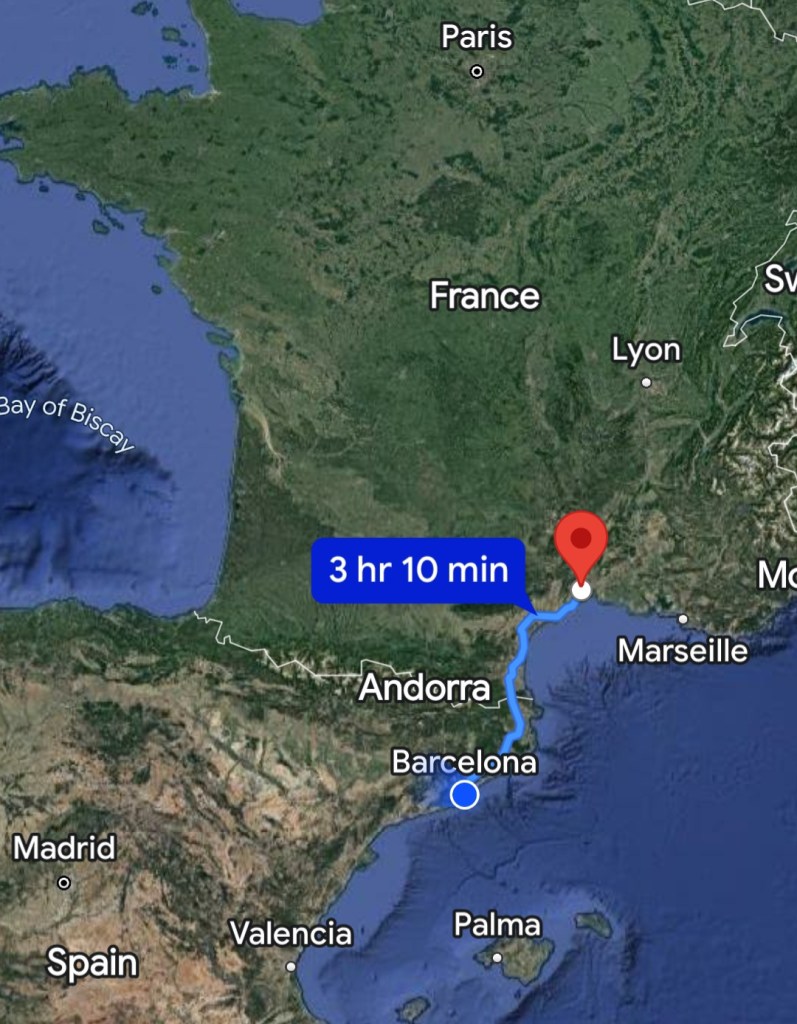
I’m up reasonably early this morning to embark on the first leg of a visit to France. My first stop is at Montpellier on the French Riviera, where I’m giving a talk this afternoon at the Laboratoire Univers et Particules de Montpellier (LUPM) and will be staying for a few days before heading North to Paris and then back South again to Barcelona next week.

I’m looking forward to the trip as all three legs are on TGVs, which I’m told are comfortable, and I’ll hopefully get some nice views on the way. I’ve actually been to Montpellier before, to be on the jury for a PhD examination, but that was a long time ago and I don’t remember it very well.

Update: the travel went smoothly. It was a bit of an adventure getting the tram from Montpellier Saint-Roch railway station to the campus, and a bit more of an adventure navigating the building sites on the way to the seminar venue, but I got there in time and the talk went well. Now I have to find my hotel and then it will be necessary to consume alcoholic beverages.

Signatories of DORA

Posted in Maynooth, Open Access, Science Politics with tags , on November 22, 2023 by telescoper

Following on from comments on a number of previous posts I just wanted to encourage anyone involved in research of any kind who hasn’t done so already to sign the San Francisco Declaration on Research Assessment (DORA) as an individual and if your institution hasn’t done so yet please encourage them to do so. You can check whether your organization has signed it here.

The Number One recommendation of DORA is:

Do not use journal-based metrics, such as Journal Impact Factors, as a surrogate measure of the quality of individual research articles, to assess an individual scientist’s contributions, or in hiring, promotion, or funding decisions.

San Francisco Declaration on Research Assessment

You can read the other recommendations for funders, publishers, institutions, and researchers, here.

I am well aware that some institutions have signed DORA but don’t really pay attention to it in their internal processes. Maynooth University is a signatory and certainly does take it into consideration when dealing with, e.g., recruitment and promotion but it, along with other signatories, has to deal with inconsistencies in the outside world. One of these is that, while Science Foundation Ireland and the Irish Research Council are both signatories of DORA, the Irish Government itself is not, so the Department of Further and Higher Education, Research, Innovation and Science is not bound by it. That makes no sense to me at all!

SCOPUS SCOPUM

Posted in Open Access with tags , , on November 21, 2023 by telescoper

I’ve just spent the best part of two hours completing a lengthy and very tedious online form in order to apply to have the Open Journal of Astrophysics listed on Scopus. I did try this before, back in September, but the Scopus website crashed when I tried to submit the application. I emailed their helpline and they said they’d get back to me, but they never did.

One of the annoying things about the proposal form is the duplication of information. Almost every page requires the applicant to enter the name and email of the Managing Editor (that’s me). They could just carry that information forward from one page to the next.

An even more annoying thing is that one has to upload ten recent articles published by the Journal. It won’t accept weblinks, which would be more efficient for an online journal like OJAp. So I had to download ten papers from arXiv just to upload them again. Then I discovered they have a maximum file size of 10MB, which rules out several of our recent papers.

(All this reminds me that the next book on my reading list is Bullshit Jobs, by David Graeber…)

My personal feeling is that I couldn’t care less about getting listed by Scopus – which is run by racketeering publishing giant Elsevier as a gate-keeper for the academic publishing industry – but it seems that there are a lot of bean-counters around the world who think a journal isn’t a journal unless it is on their list, no doubt because Elsevier told them that is the case.

In fact it’s quite easy to look up citations, etc, for journals and individual articles without recourse to Scopus but administrators have been brainwashed into handing over large sums of money to Elsevier to inflate their already substantial profits. I don’t feel I should be asking for approval from the likes of them.

Anyway, the flakiness of their Scopus application platform – see paragraphs 1 to 3 above – does not fill me with confidence that Elsevier put much effort into the process. On the other hand, they have a captive audience so why should they? Now, however, at least I have an email confirming they received the application along with a tracking number and the statement

Please allow up to several months for the review process to be completed. 

The only reason for posting this here is to remind me to post if and when they respond. I won’t be holding my breath.

Challenging the Standard Cosmological Model

Posted in The Universe and Stuff with tags on November 20, 2023 by telescoper

I have been asked to use the medium of this blog to transmit information about a forthcoming event at the Royal Society – that’s English for Real Sociedad – next April.

This is a scientific discussion meeting organised by Prof James Binney FRS, Dr Roya Mohayaee, Prof John Peacock FRS & Prof Subir Sarkar to be held from 15-16 April 2024, 09:00-17:00, The Royal Society, London SW1Y 5AG. Here’s a description:

Is the universe simple enough to be adequately described by the standard ΛCDM cosmological model which assumes the isotropic and homogeneous Friedmann-Lemaître-Robertson-Walker metric? Tensions have emerged between the values of cosmological parameters estimated in different ways. Do these tensions signal that our model is too simple? Could a more sophisticated model account for the data without invoking a Cosmological Constant?

The meeting is free to attend – both in-person and on-line attendance available. Advance registration is essential (an optional lunch is available to purchase during registration).

Meeting papers will be published in Philosophical Transactions of the Royal Society A.

For the full Chapter and Verse see the meeting website here.

Thoughts of Retirement

Posted in Barcelona, Biographical, Maynooth, Open Access, The Universe and Stuff with tags , , , on November 19, 2023 by telescoper

I’ve been reviewing my situation while here in Barcelona. One of the themes that keeps popping into my head is well expressed by part of a little speech by Colonel Nicholson in The Bridge on the River Kwai:

But there are times… when suddenly you realize you’re nearer the end than the beginning. And you wonder, you ask yourself, what the sum total of your life represents. What difference your being there at any time made to anything – or if it made any difference at all, really. Particularly in comparison with other men’s careers. I don’t know whether that kind of thinking’s very healthy, but I must admit I’ve had some thoughts on those lines from time to time.

Healthy or not I’ve also had thoughts along those lines, and sometimes feel I should step aside and create a job opportunity for someone younger. I know my employer wouldn’t mind if I did that either. They’d much prefer replacing me with someone cheaper and more compliant than me. I think if I asked for early retirement they would probably jump at the chance. I’d miss the teaching and the students, of course,

The fact of the matter is though that I can’t afford to retire yet. I have a mortgage to pay and I’ve only had five full years of pensionable service in the Irish system, so won’t get much of a pension. I have the frozen residue of my UK pension, of course, but that is subject to an actuarial reduction if I take the benefit before I’m 65, which is also the standard retirement age for academic staff in Ireland. I can’t be made to retire here until I’m 70, in fact, but I think I’ll be well beyond my best-before date by then and am not keen to overstay my welcome.

So it looks like I’ll have to stay until I’m 65 at the earliest. In fact I won’t be able to collect the State Pension (SPC) until I’m 66, so I’ll probably have to stay another year. That means that when I get back from sabbatical I will have four or five years left until I can retire. I don’t know what I’ll be teaching when I return but I hope I get a chance to teach a few new modules before the end. In particular some cosmology or astrophysics would be particularly nice. All this is predicated on: (a) me living long enough; and (b) Physics at Maynooth not being closed down; neither of these is certain.

When I moved to the Emerald Isle in 2017 I supposed that I would carry on living in Ireland after retiring. Now I’m having some doubts about that. I have been advised by medical experts that my arthritis would be more tolerable in a warmer climate. And there’s the cost of living in Ireland, which is much higher than Spain. I can imagine living here, actually, though I think Barcelona itself might be a bit expensive for a pensioner. Somewhere in the surrounding countryside, or along the coast, might be nice. I’ve got a few years to think about that.

Another thing in my mind is what will happen to the Open Journal of Astrophysics when I retire? I would like some larger organization or community to take it over in the long term. It’s not expensive to run, actually, but someone would have to take over as Managing Editor. Moreover, I don’t think it’s really fair to expect one small University in Ireland to bear the full cost of a global astrophysics journal indefinitely.