Archive for Rudy Van Gelder

Sixty Years of A Love Supreme

Posted in Jazz with tags , , , , , , , , , on December 9, 2024 by telescoper

On 9th December 1964 – exactly 60 years ago to the day – John Coltrane (ts), McCoy Tyner (p), Jimmy Garrison (b) and Elvin Jones (d) got together to record at Rudy Van Gelder’s Studio in New Jersey. In a single session they created what is probably Coltrane’s masterpiece, A Love Supreme, an album that proved immediately popular and influential when it was released in 1965.

A Love Supreme represents a sort of musical culmination of everything this quartet had achieved and it’s not surprising that they abruptly changed direction soon after making this record. They had said everything they could say in this format. Coltrane’s next great album, Meditations, recorded in 1965, features the same musicians (with the addition of Pharaoh Sanders on tenor sax and a second drummer, Rashied Ali), but it’s much freer in style.

A Love Supreme consists of four sections: Acknowledgement, Resolution, Pursuance and Psalm. As you might imagine from the titles, it’s a deeply spiritual piece. Acknowledgement is based on an 8-bar theme underpinned by a four-note phrase played on the bass that fits the phrase “a love supreme”. Coltrane impovises rather meditatively on this theme, then the group chants “a love supreme” in unison while Elvin Jones elaborates the rhythm in complex double-time. The second movement, Resolution, is based on a different 8-bar theme and Coltrane’s playing and interplay with Jones is much more agitated but it’s in Pursuance that he pulls out all the stops. Harmonically, Pursuance is a blues but it’s taken at a fast tempo and Coltrane plays with the harsh, strangulated tone he had developed by this time. After all this frantic activity he imbues the final section, Psalm, with a radiant solemnity, as he pours out an incredibly beautiful solo, with Elvin Jones providing a perfectly judged accompaniment, the rise and fall of his drum rolls showing wonderful control.

Anyway, these are just words. It’s much better just to listen to the music, as I have done twice already this evening. Enjoy!
R.I.P. Rudy van Gelder (1924-2016)

Posted in Jazz with tags , , , , on September 1, 2016 by telescoper

One of the sad items of news that appeared last week while I was indisposed was the death at the age of 91 of legendary recording engineer Rudy van Gelder. He was the man who established the sound of a huge proportion of the greatest Jazz records made in the 1950s and 60s, including classic albums on the Blue Note, Prestige and Impulse labels by musicians of the calibre of Miles Davis, John Coltrane, Sonny Rollins and Art Blakey. It’s quite unusual for sound engineers to become famous, but Van Gelder certainly did and his passing has left us with a priceless legacy of extraordinary music.

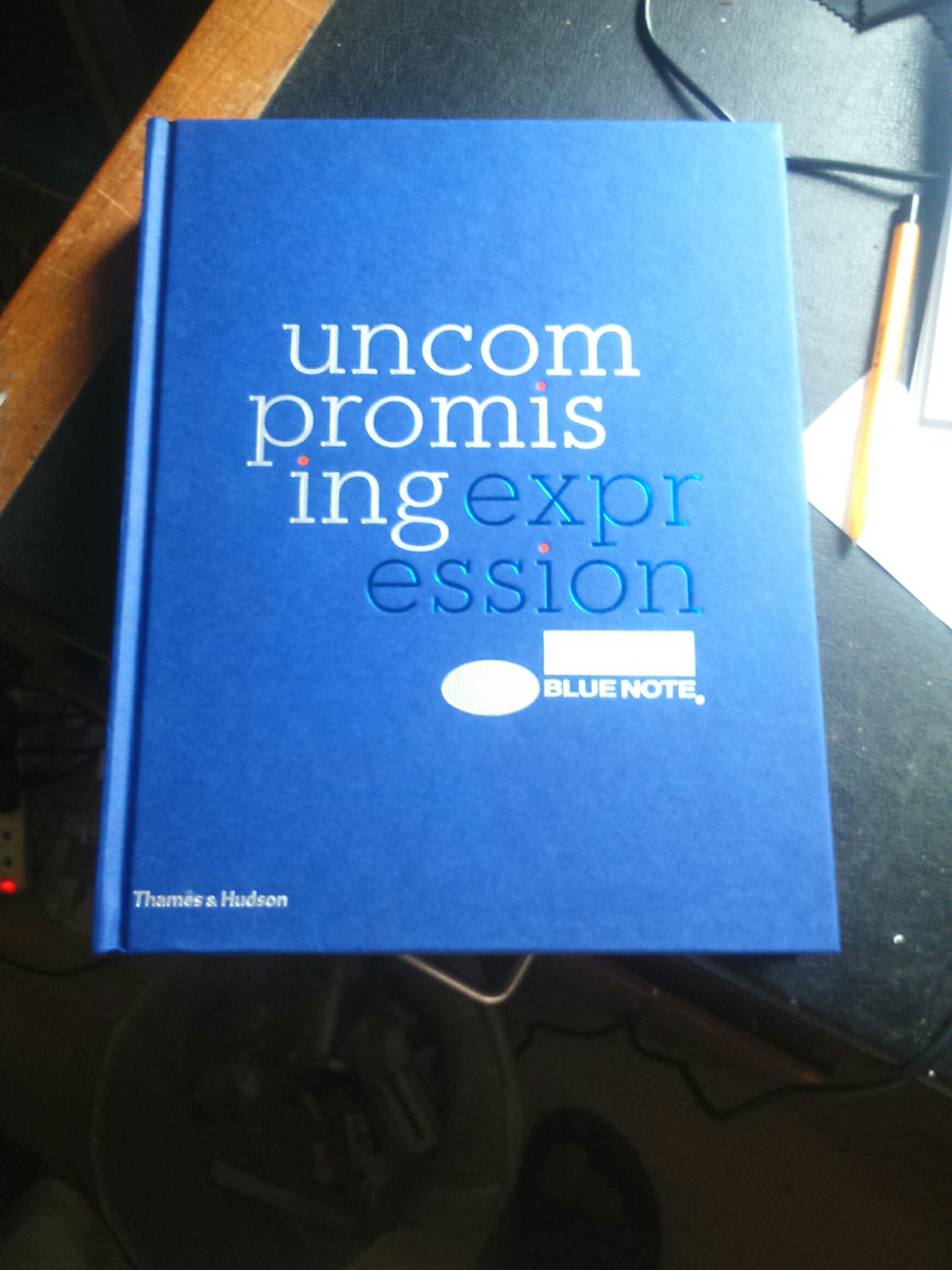
By sheer coincidence, one of the books I took with me to read in hospital was this:

image

Written by Richard Havers, this is an excellent illustrated history of the legendary record label, Blue Note. Blue Note began with a number of classic recordings from the era of Sidney Bechet, Edmond Hall and Bunk Johnson, but it was the post-bebop era that really established the label  in terms of sound and distinctive artwork:
image

Van Gelder’s  first recording studio was set up in his house in Hackensack, New Jersey, and it was probably because of the unsuitable shape of the room he used that he experimented so much with, e.g.,  the number and placing of microphones and in the way he mixed the tapes do produce a much fuller sound than was typical for jazz recordings of that era.  He moved to a bigger house – again with a built in studio – later on, but stuck by many of his earlier innovations.

One immediate result of his habit of close-miking both solo and backing instruments – he was known to use three mikes on the drums, which was unheard of at the time – and recording them as “hot” as possible, was that he guaranteed that his records would have a huge and vibrant sound when played on a gramophone or jukebox. He also captured the unique sound that Miles Davis created when he played the trumpet with a Harman mute. When Miles moved from Prestige to another label he asked their engineers to reproduce exactly what Van Gelder had done. They wouldn’t -or couldn’t – do it.

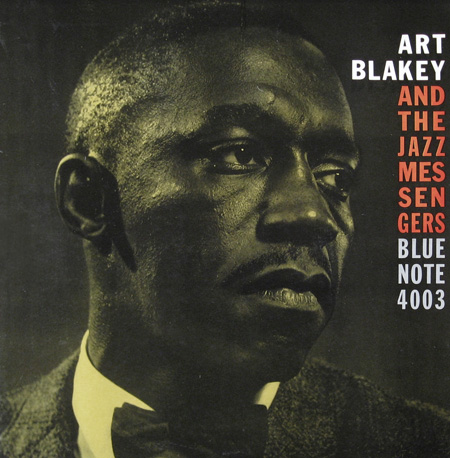
Not everyone approved of Van Gelder’s approach. You can read some severe criticisms here. Some musicians – including Charles Mingus – didn’t like the sound at all either. But there’s no question that what he did brought a new dimension to what was an extraordinarily creative time for Jazz. An astonishing fraction of the great records described in the book I mentioned above were recorded by him. As a tribute I’m including the record that for me established the Blue Note sound, Moanin’ by Art Blakey and the Jazz Messengers recorded in Van Gelder’s Hackensack Studio, New Jersey in 1958, the cover of which is shown above.

Rest in Peace, Rudy Van Gelder (1924-2016).