Archive for the Biographical Category

Summer’s Ending

Posted in Bad Statistics, Biographical, Cricket with tags , , , , , on September 11, 2017 by telescoper

There’s no escaping the signs that summer is drawing to a close. The weather took a decidedly autumnal turn  at the end of last week, and though I resisted the temptation to turn the central heating on at Chateau Coles I fear it won’t be long before I have to face reality and take that step. I hope I can hold out at least until the conventional end of summer, the autumnal equinox, which this year happens at 21.02 BST on Friday, 22 September.

Saturday saw the Last Night of the BBC Proms season. I’ve enjoyed a great many of the concerts but I only listened to a bit of the first half of the Last Night as I find the jingoism of the second half rather hard to stomach. I did catch Nina Stemme on the wireless giving it some welly in the Liebestod from Tristan und Insolde, though.  Pretty good, but difficult to compare with my favourite version by Kirsten Flagstad.

One of the highlights of the season, just a few days ago, was Sir András Schiff’s late-night performance of Book I of The Well Tempered Clavier which had me captivated for two hours, until well past my usual bedtime…

However, as the Proms season ends in London the music-making continues in Cardiff with a new series of international concerts at St David’s Hall and Welsh National Opera’s new season at the Wales Millennium Centre (which starts on 23rd September). I notice also that, having finished his complete Beethoven cycle,  Llŷr Williams is embarking on a series of recitals of music by Schubert, starting on November 9th at the Royal Welsh College of Music and Drama.

Another sign that summer is over is that the last Test Match of the summer has ended. Excellent bowling by Jimmy Anderson (and, in the first innings, by Ben Stokes) meant that England had only a small total to chase, which they managed comfortably. Victory at Lord’s gives England a 2-1 win for the series over West Indies. That outcome is welcome for England fans, but it doesn’t do much to build confidence for the forthcoming Ashes series in Australia. England’s pace bowlers have shown they can prosper in English conditions, when the Duke ball can be made to swing, but in Australia with the Kookaburra they may find success much harder to come by. More importantly, however, only two of England’s five top-order batsmen are of proven international class, making their batting lineup extremely fragile. So much depends on Cook and Root, as I don’t think it is at all obvious who should take the other three positions, despite a whole summer of experimentation.

There are a few one-day internationals and Twenty20 matches coming up as well as three full weeks of County Championship fixtures. In particular, there are two home games for Glamorgan in the next two weeks (one against Northants, starting tomorrow, and one next week against Gloucestershire). Their last match (away against Derbyshire) was drawn because three of the four days were lost to rain, but weather permitting there should still be a few opportunities to see cricket at Sophia Gardens this year.

And of course it will soon be time to for the start of the new academic year, welcoming new students (including the first intake on our MSc courses in Data-Intensive Physics and Astrophysics and new PhD students in Data-Intensive Science who form the first intake of our new Centre for Doctoral Training). All that happens just a couple of weeks from today, and we’re having a big launch event on 25th-26th September to welcome the new intake and introduce them to our industrial and academic partners.

Anyway, that reminds me that I have quite a lot to do before term starts so I’d better get on with it, especially if I’m going to make time to watch a few days of cricket between now and the end of the month!

Jazz, Icarus and Henri Matisse

Posted in Art, Biographical with tags , , , on September 8, 2017 by telescoper

I forgot to mention that while I was in London last weekend I visited the exhibition Matisse in the Studio at the Royal Academy of Arts in Burlington House (Piccadilly). It’s an interesting show, covering not only on the art works by Henri Matisse but also various items he had collected and kept in his studio, some of which appear in his paintings in various forms. Anyway, do go to the exhibition if you can – it’s there until November 12th.

Anyway, all that reminded me of this famous image by Matisse, called Icarus, which seems to fit the theme of this blog. It appears in a small booklet called Jazz which consists of collages and other images as well as text written by the artist himself.

A Year Back

Posted in Biographical, The Universe and Stuff with tags , on September 1, 2017 by telescoper

So, with the summer drawing to a close, and the contents of my weekly veggie box changing to autumnal varieties, I realise that today is the first anniversary  of my first day back in the School of Physics and Astronomy at Cardiff University. In other words, I’ve now been in office in the Data Innovation Research Institute for a full year.  Very soon we get to the official launch of a couple of things that have started during this time – including a new Centre for Doctoral Training in Data-Intensive Science and two new MSc course which have recruited their first students for entry this year.


I seem to remember this day last year mainly involving running around dealing with administrative matters: taking my P45 to the Human Resources Department, getting my new Staff ID card, trying to get myself set up on the University computer network, and so on. I moved into a large empty office, but it’s now gradually filling up with staff: a couple of Research Software Engineers have been appointed, together with an administrators, and two members of Supercomputing Wales are joining us soon too.

Anyway, I’m shortly off to London for the weekend to catch up with an old friend I haven’t seen for ages. I’m currently pissed off with Great Western Railways for failing to pay a compensation claim I lodged back in June and for slow running on the mainline to Paddington today due to planned engineering to works, so I’ll be travelling to the Big Smoke and back by National Express Coach.


Death and Shingles

Posted in Biographical, History, Mental Health with tags , , , , , on August 31, 2017 by telescoper

So it is now twenty years to the day since news broke of the death of Diana Spencer, formerly the Princess of Wales, along with Dodi Fayed and driver Henri Paul, after a car accident in Paris. I’ve noticed many people posting their memories on social media of where they were when they heard that Diana had died so I thought I’d do the same as I remember it very well.

In the weeks leading up to 31st August 1997 I had been suffering from shingles, a very unpleasant condition that results from the reactivation of the virus responsible for chicken pox, which I’d suffered from as a kid. Shingles causes nasty skin rashes, but on this occasion I was also treated to a spell of almost total deafness. This is a fairly unusual side-effect of the disease but is well known to occur in some cases. Hearing loss caused in this way can be permanent, but thankfully mine wasn’t.  I responded rather well to the anti-viral drugs I was given and it took only a matter of weeks for my hearing to be fully restored.

Suddenly becoming deaf was an unsettling enough experience, but it was even stranger to have been unable to hear anything during the period just after Diana’s death, which turned out to be one of the weirdest times of my life.

On the morning of 31st August 1997, which was a Sunday, I got up rather late and went to the local newsagent to buy a Sunday paper. They were sold out of everything. I thought that was a bit strange but walked out unaware of the reason everyone was buying papers that morning. I went back to my flat – I was living in London at the time – made breakfast, and did some reading. I was looking forward to the football match that was going to be live on TV that afternoon – Liverpool versus Newcastle Utd – but didn’t switch on the TV until it was just about the start. All I saw was a shot of an empty Anfield and some football pundits talking. I assumed there had been a bomb score or something, but I couldn’t hear so had no idea. I decided to have a look at Ceefax (remember that?) and then found out the story.

I was shocked, of course. She was still young when she died and I was fully aware of the reputation she had earned through numerous acts of kindness, e.g. towards people living with AIDS. That said, I was completely unprepared for the events of the following week which seemed to me to amount to an outbreak of national hysteria. I don’t know if it was more extreme in London than elsewhere in the UK, but I felt the whole country had lost its grip. Together with the sense of isolation caused by my deafness, it was a most uncomfortable time. I was saddened by her death, but I just couldn’t feel the extreme grief that others seemed to be displaying about someone that I didn’t know personally. Worse, there was a palpable sense of pressure being exerted on people to fall into line with the deification of Diana. Anyone who expressed anything even slightly short of devout praise was treated as some kind of blasphemer. It is probably the only time in my life I’ve felt that I was the only one to have remained sane while everyone around me had gone mad.

As my hearing slowly recovered I decided to go out with some friends for a drink in a pub in Bethnal Green. I mentioned in a conversation that I never knew her personally and therefore found it hard to understand how the feelings of grief people professed to having could be genuine and that the whole atmosphere that had been created seemed to me to be profoundly unhealthy. A bloke from another table came across and threatened me with violence unless I stopped `insulting Diana’. Insulting Diana was not at all my intention, though I think what the bloke was angry about was the (probably correct) interpretation that I was criticising those who had bought into the Diana cult.

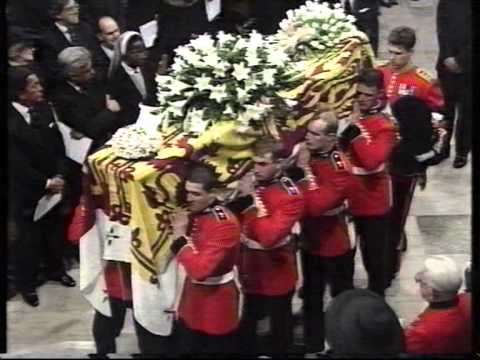
Anyway, over the week following her death my hearing had improved a little bit, so I decided to watch the memorial service on TV. I couldn’t hear the music or speeches very well, but I remember watching the soldiers carrying Diana’s coffin into Westminster Abbey. It must have been a very heavy coffin as it was a very wobbly process and I thought at one moment the pall-bearers might drop it. They slowly approached stone structure on which the coffin was to be laid. Then I heard the commentator on TV solemnly announce that it was “placed on the catapult”.

This is novel, I thought. She’s going to be launched into the hereafter on a ballistic trajectory through the stained glass windows.  However, that didn’t happen and the service continued without an aerial display.

I found out much later that the word used was not catapult, but catafalque….


Cardiff Pride “Big Weekend”

Posted in Biographical, LGBTQ+ on August 26, 2017 by telescoper

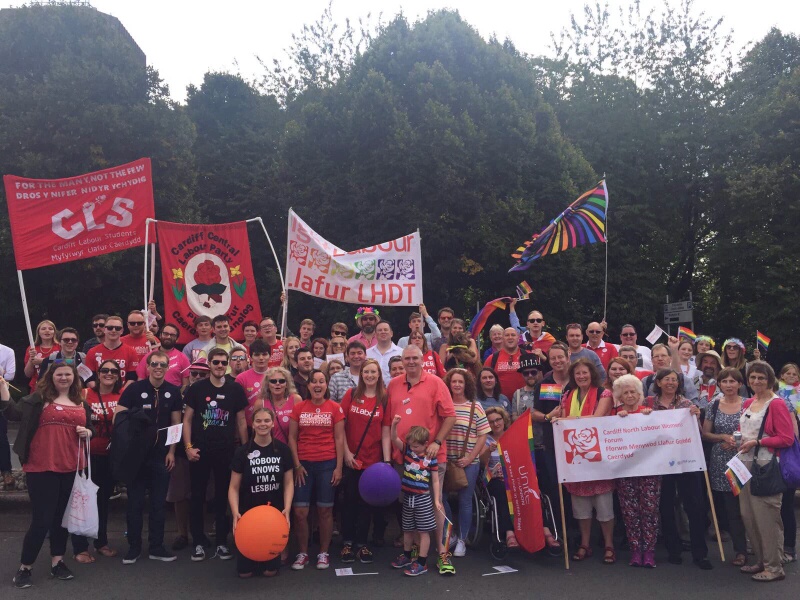
Today I took part in the annual Cardiff Pride Parade – which was much bigger than I expected! – followed by the ‘Big Weekend’ festival in Cathays Park. I walked in the Parade with LGBT Labour Wales. Here’s the group photo taken at the end of the march:

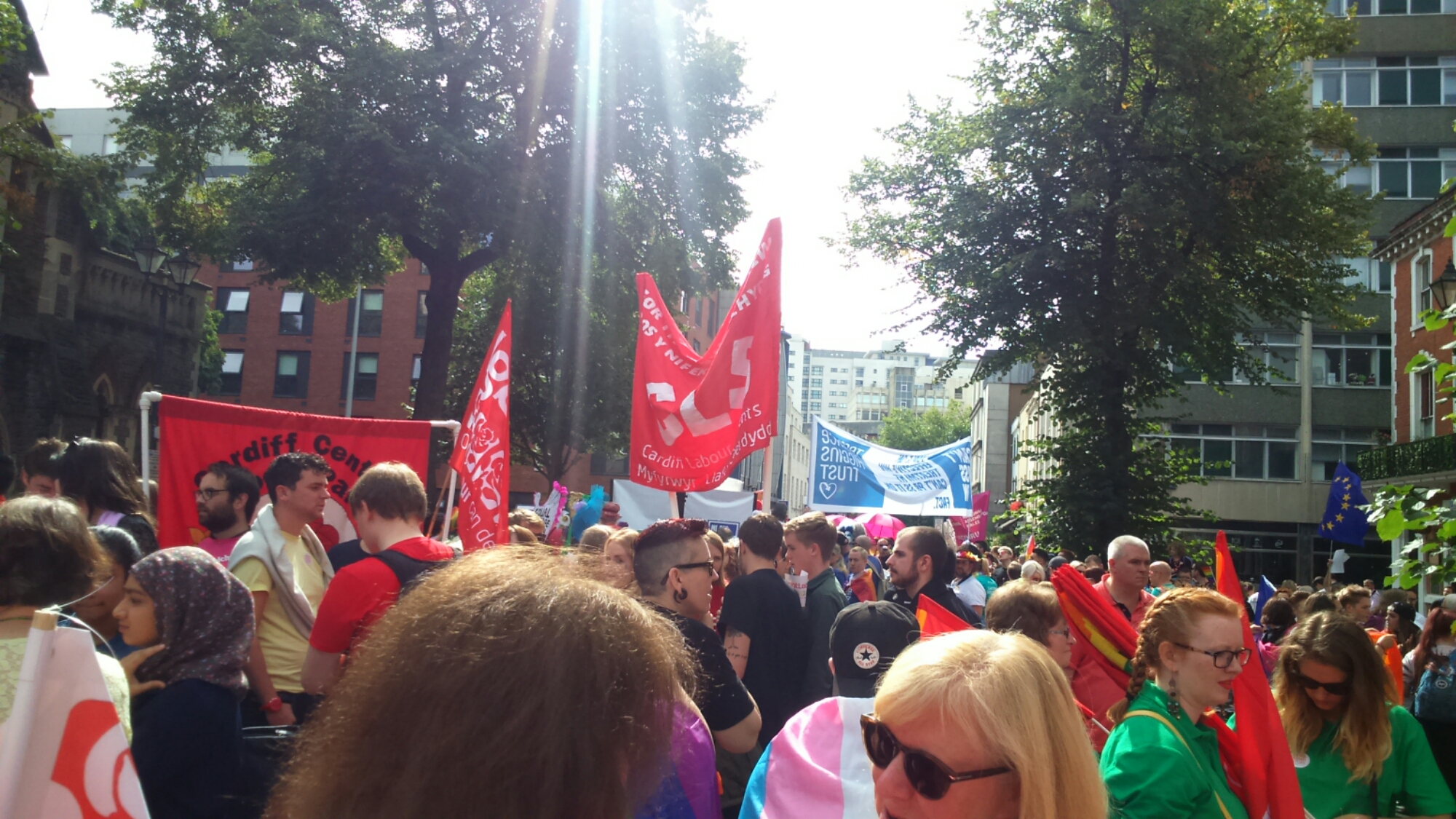
The start, in Windsor Place, was quite congested and we were rather late setting off because of the crowds in front of us, as we were quite near the back.

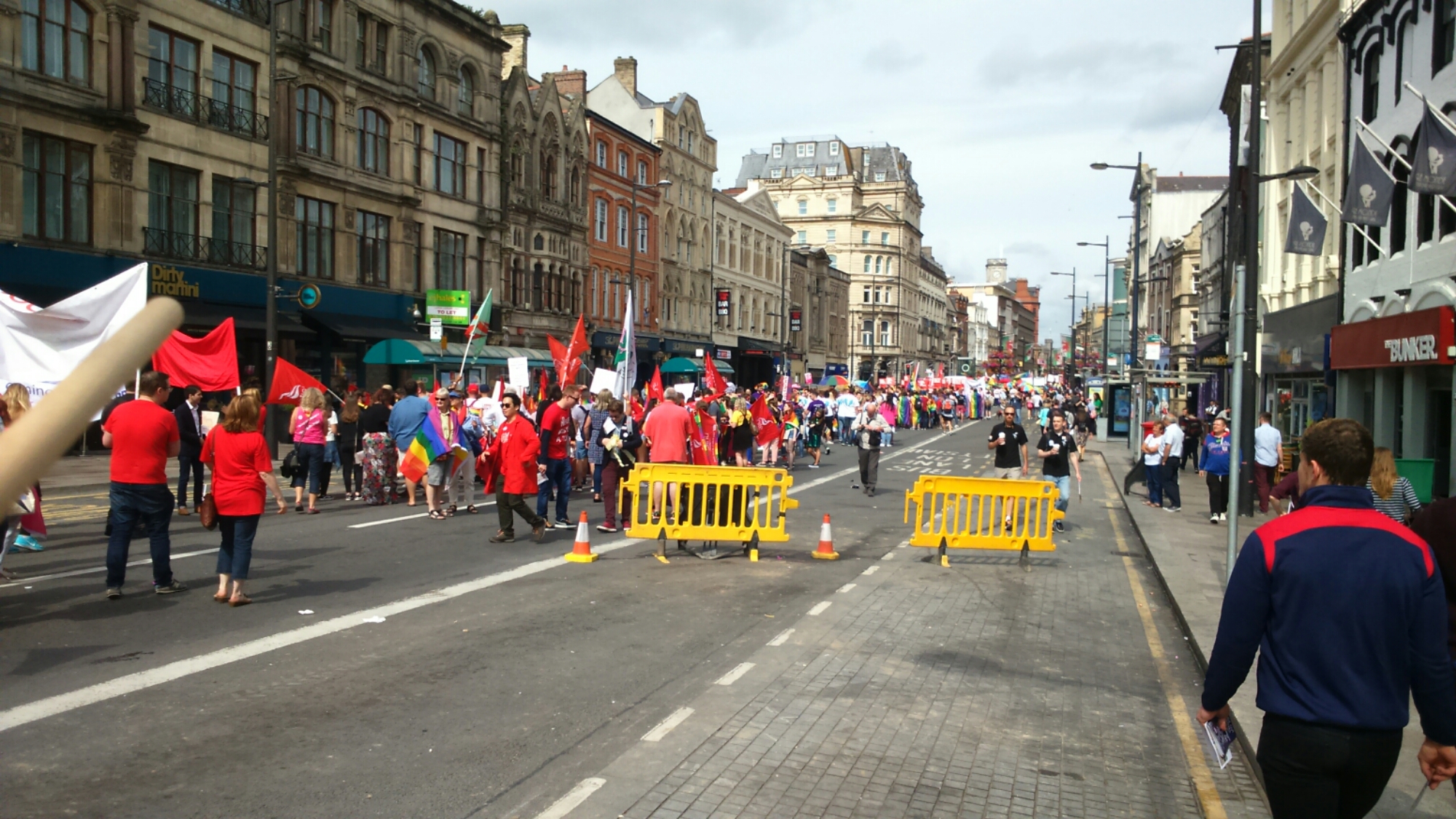
Here’s the view from the bottom of St Mary Street:

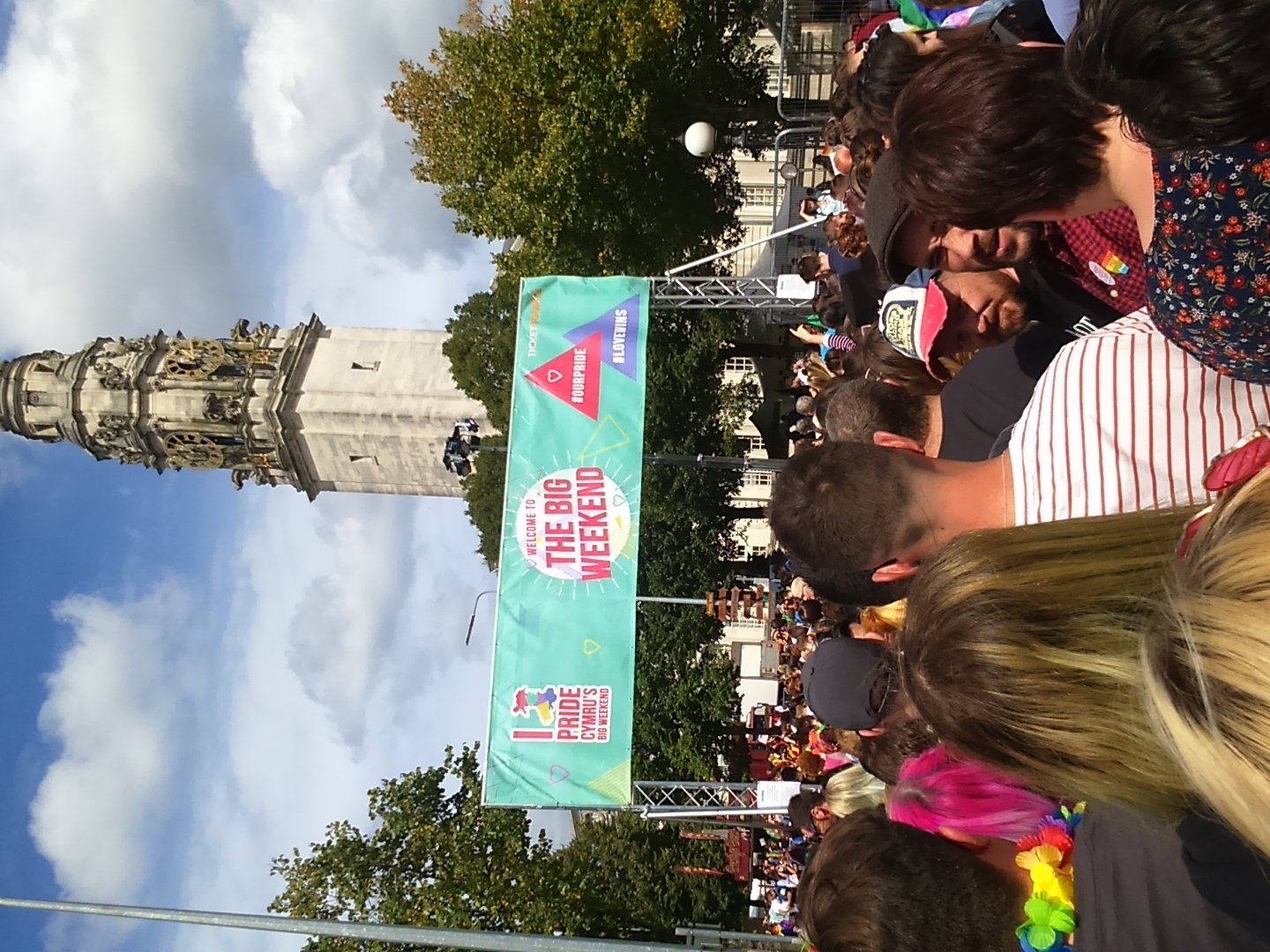
It was a lovely day, marred only by poorly organised access to Cathays Park. I had to queue for 90 minutes..

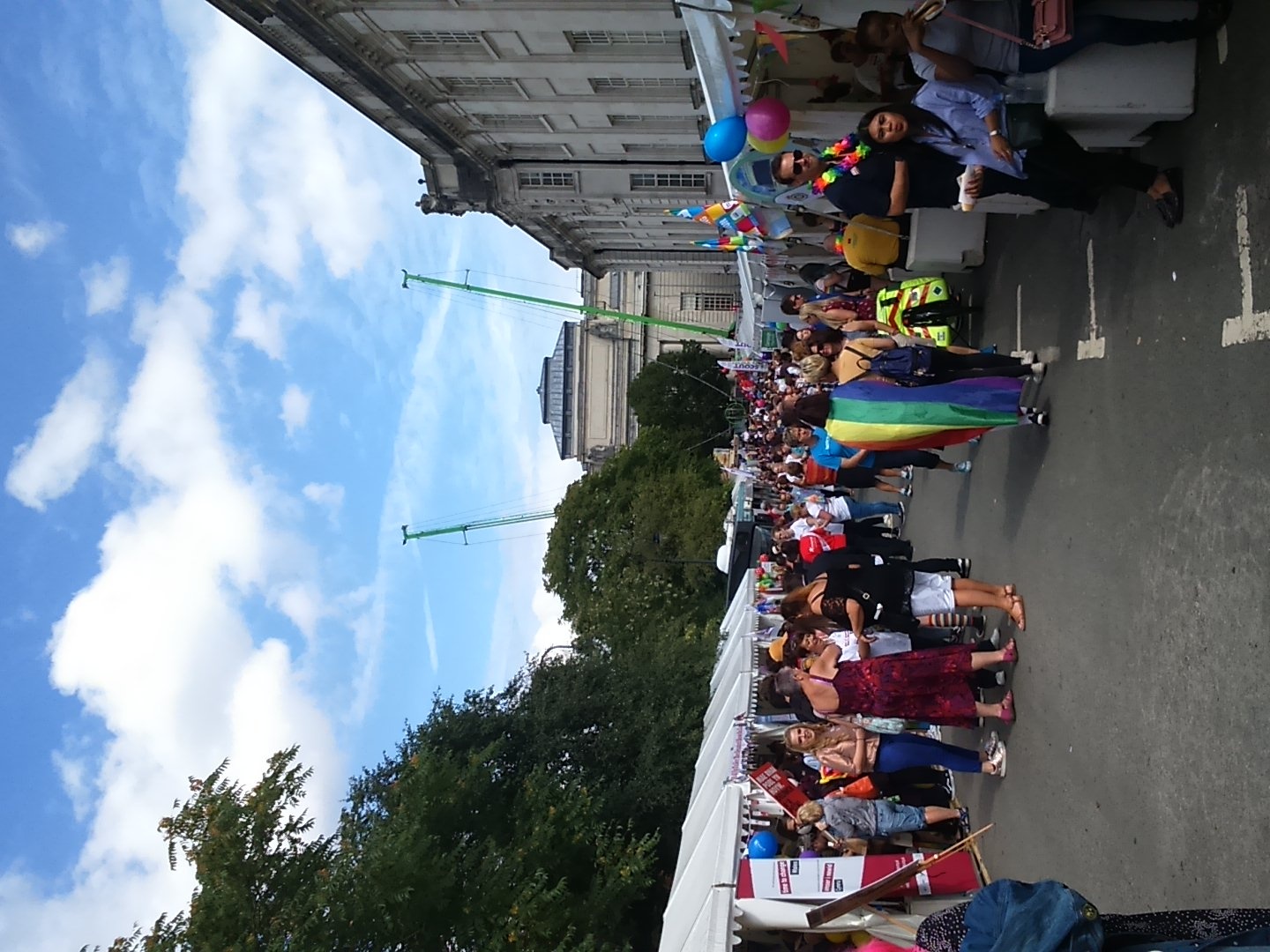
Once inside, though, there was plenty to do: funfair, music, food and drink, and of course stalls run by various organisations. I had a chat with the good folk of Time To Change Wales, who campaign on mental health issues, and spent some time with Enfys, the Cardiff University Staff LGBT+ network.

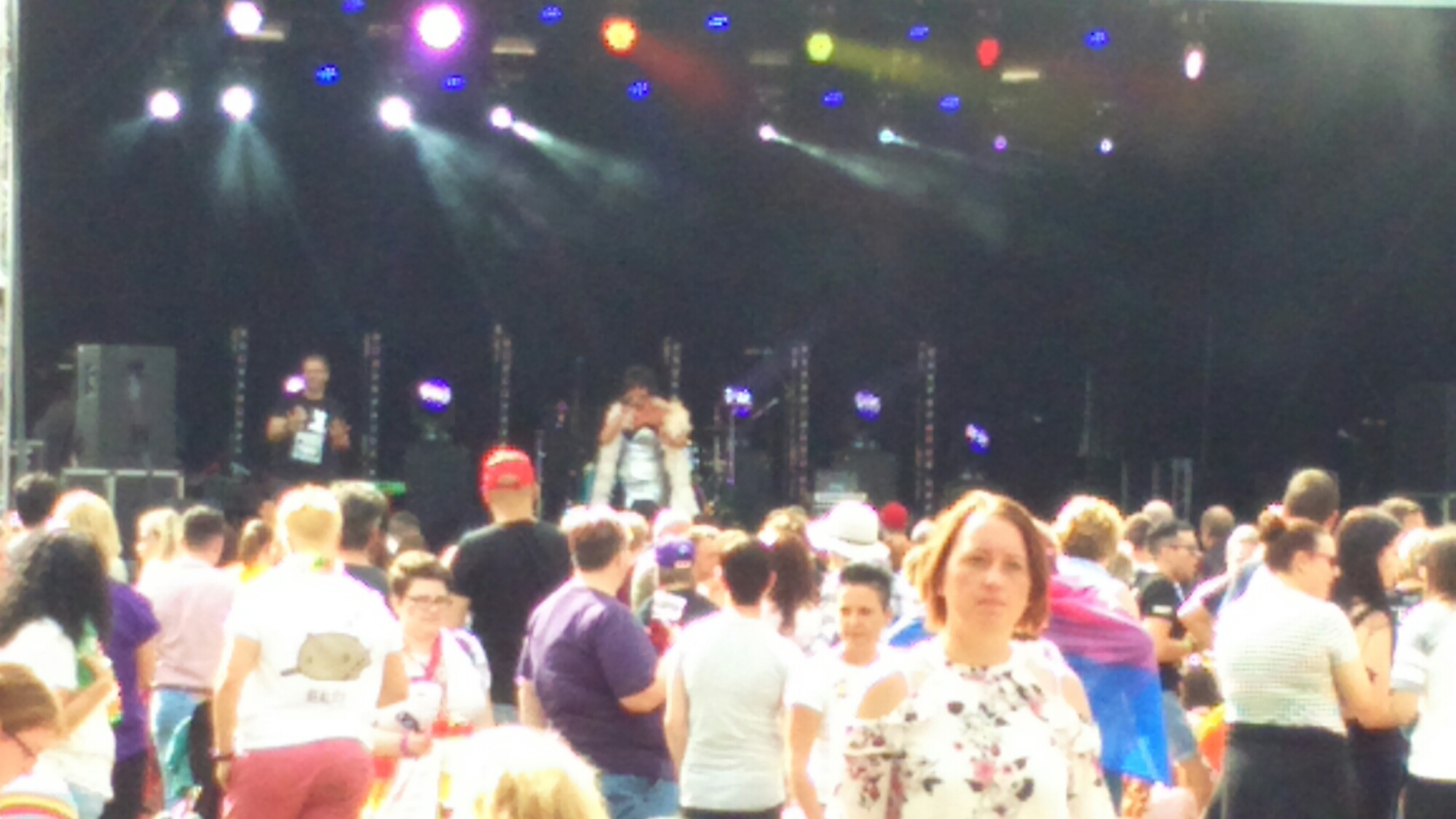
And, of course, no Cardiff Pride event would be complete without a Shirley Bassey impersonator!

The ‘Big Weekend’ continues tomorrow, but I’m busy elsewhere so I’ll wish everyone a happy time for the rest of the festival!

Return to Cardiff

Posted in Biographical with tags , , , on August 15, 2017 by telescoper

Well, I made it back to Cardiff on schedule last night, although that did involve getting home at 2am. I was pretty much exhausted by then so had a bit of a lie-in this morning. I think I’m getting too old for all this gallivanting about. I crashed out soon after getting home and had to spend an hour or so this morning sorting through the stack of mail that arrived while I was away (including some book tokens courtesy of another crossword prize).

I usually try to get to the airport plenty of time in advance when I’m flying somewhere, so got to Copenhagen airport yesterday a good three hours before my scheduled departure. I had checked in online before setting out so I could have left it later, but I’m obviously a creature of habit. As it happened I was able to leave my luggage at the bag drop immediately and it took no longer than 5 minutes to clear the security checks, which meant that I was left with time to kill but I had my iPod and plenty to read so it was all fine.

I was a little disturbed when I got to the departure gate to hear the announcement that `Tonight’s British Airways flight to London Heathrow is operated by Qatar Airways’, but at least it explained why it wasn’t a BA plane standing outside on the tarmac. As it happened the flight went smoothly and Qatar Airways do free food and drink for economy class passengers (unlike BA who nowadays sell expensive snacks and beverages supplied by Marks and Spencer). The only downside when we arrived at Heathrow was that we parked at a remote stand and had to wait 20 minutes or so for a bus to take us to Terminal 5.  I could hear the ground crew unloading luggage while we waited, however, so that meant less time waiting at the carousels…

On previous occasions I’ve been greeted at Heathrow by a packed passport control area, but this time it was virtually deserted. In fact I’ve never seen it so empty. My bag was waiting for me when I got to the reclaim area so I got to the Heathrow Express terminal and thence to Paddington in time for the 10.45pm train to Cardiff.

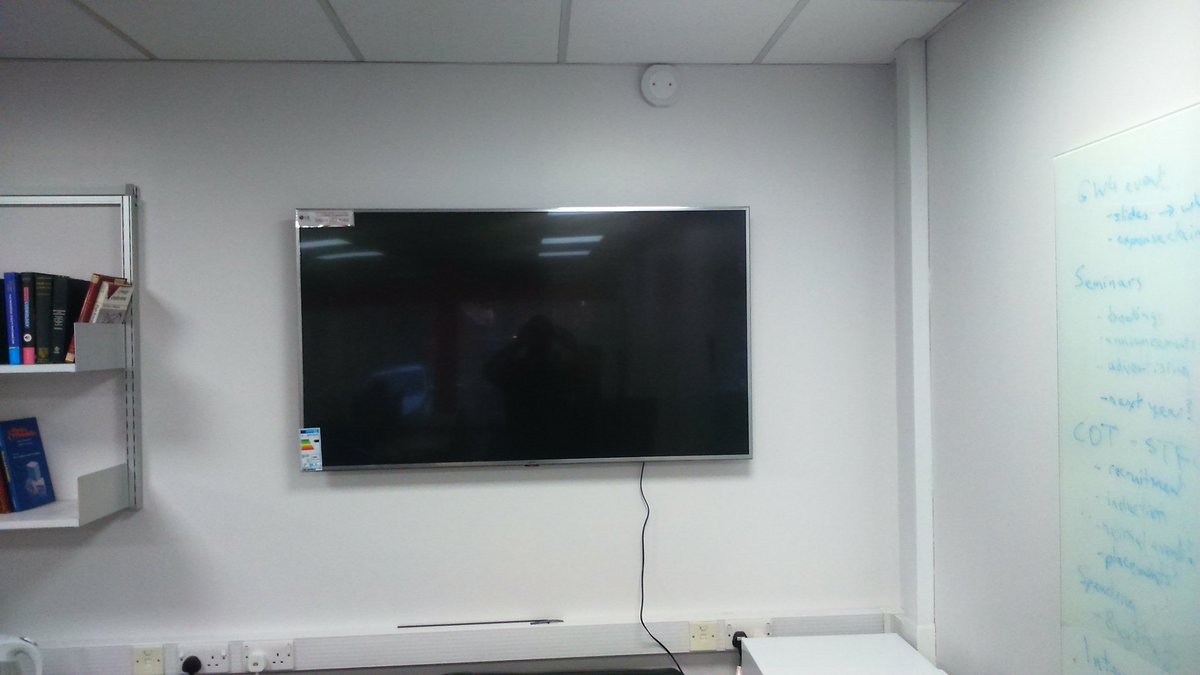
When I got back to the Data Innovation Research Institute office around lunchtime I discovered that our big screen TV has been installed.


This will of course be used exclusively for skype calls and video conferences and in no way for watching cricket or football or any other inappropriate activity.

Well, I’d better get on. Marking resit exams is the order of the day.


Farvel til NBI

Posted in Biographical with tags on August 14, 2017 by telescoper

I just had my last lunch in the canteen in the Niels Bohr Institute and will shortly be heading off to the airport to begin the journey back to Blighty. It’s been a pretty intense couple of weeks but I’ve enjoyed it enormously and have learnt a lot, even though I’ve done hardly any of the things I originally planned to do!

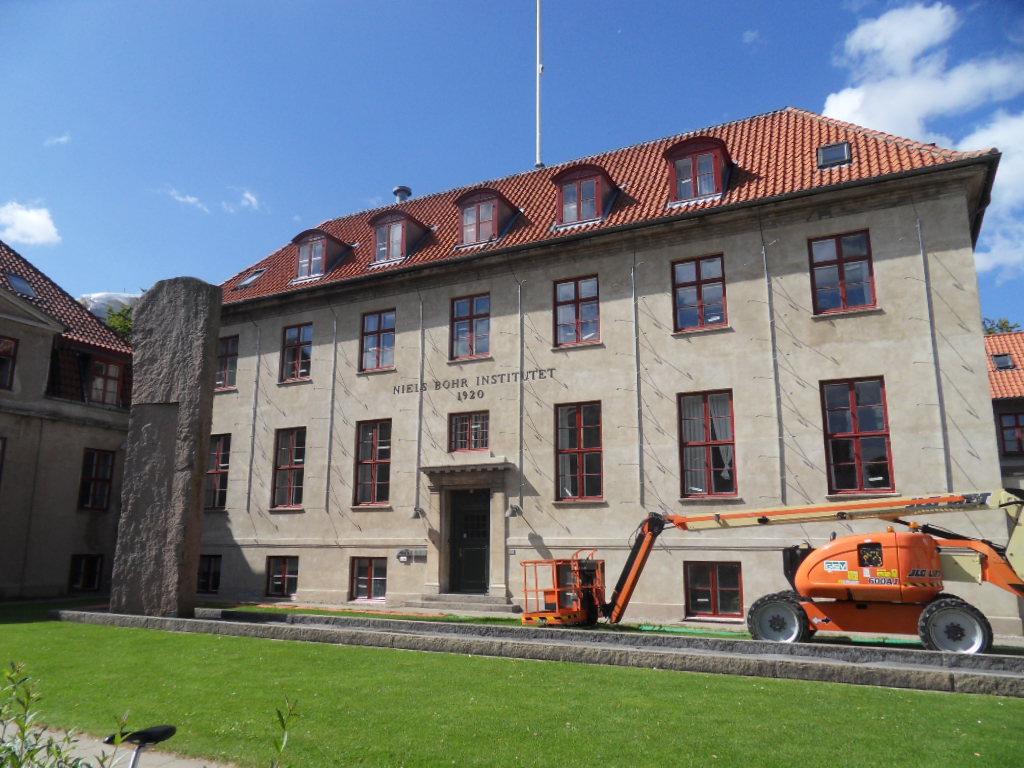
I haven’t been staying in the building shown in the picture, but in one of the adjacent buildings not shown. In fact my office is directly above the canteen. I took this picture on the way home on Sunday, as I noticed that the main entrance has the date `1920′ written on it. I do hope they’re planning a 100th anniversary!

Anyway, farewell to everyone at the Niels Bohr Institute and elsewhere. I hope to return before too long.

Grave Thoughts Again

Posted in Biographical, History, Literature with tags , , , , on August 13, 2017 by telescoper

This is my last full day in Copenhagen before flying back tomorrow evening, so I decided to take care of some unfinished business by visiting the famous Assistens Kirkegård  in the Nørrebro district of the city. I went there five years ago (almost to the day) but on that occasion I didn’t find the memorial I was looking for, that of the great Heldentenor Lauritz Melchior.

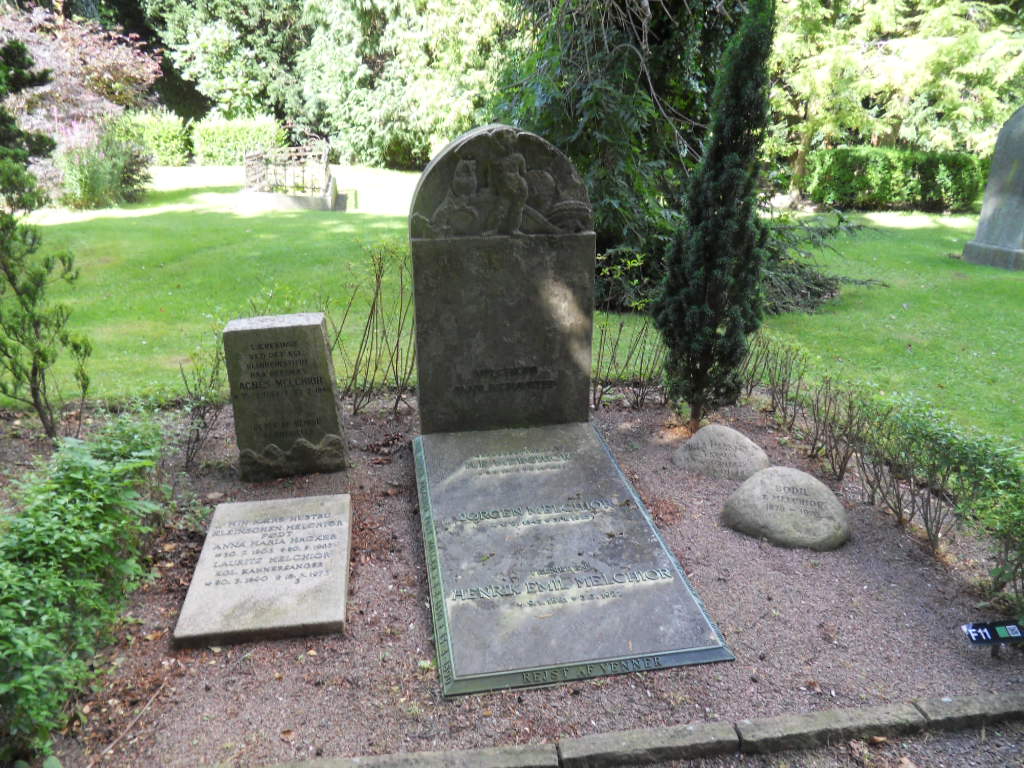
I was surprised to find at the time that his name was absent from the main index, and still doesn’t appear on the maps displayed at the cemetery. Its location is however now on a guide you can find online so I had little difficulty locating it this time round. In case anyone is interested it is in section F, near the western end of the park. Lauritz Melchior was cremated, and his remains interred in a small family plot:

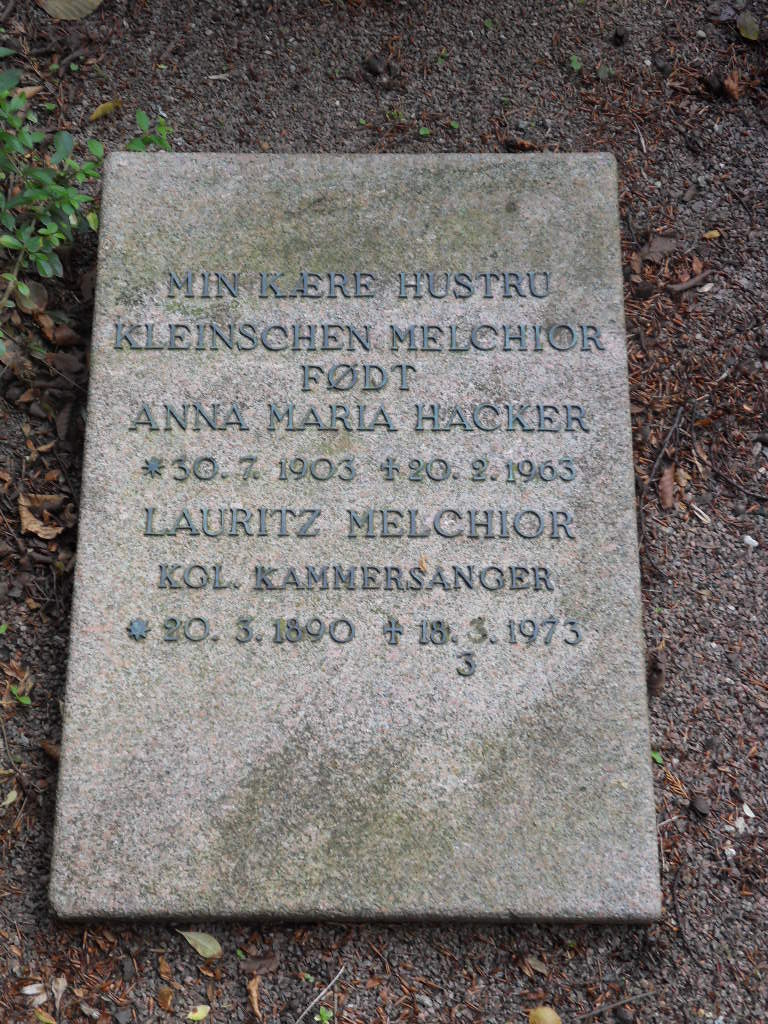
The small slab to the left marks the burial of Lauritz Melchior:

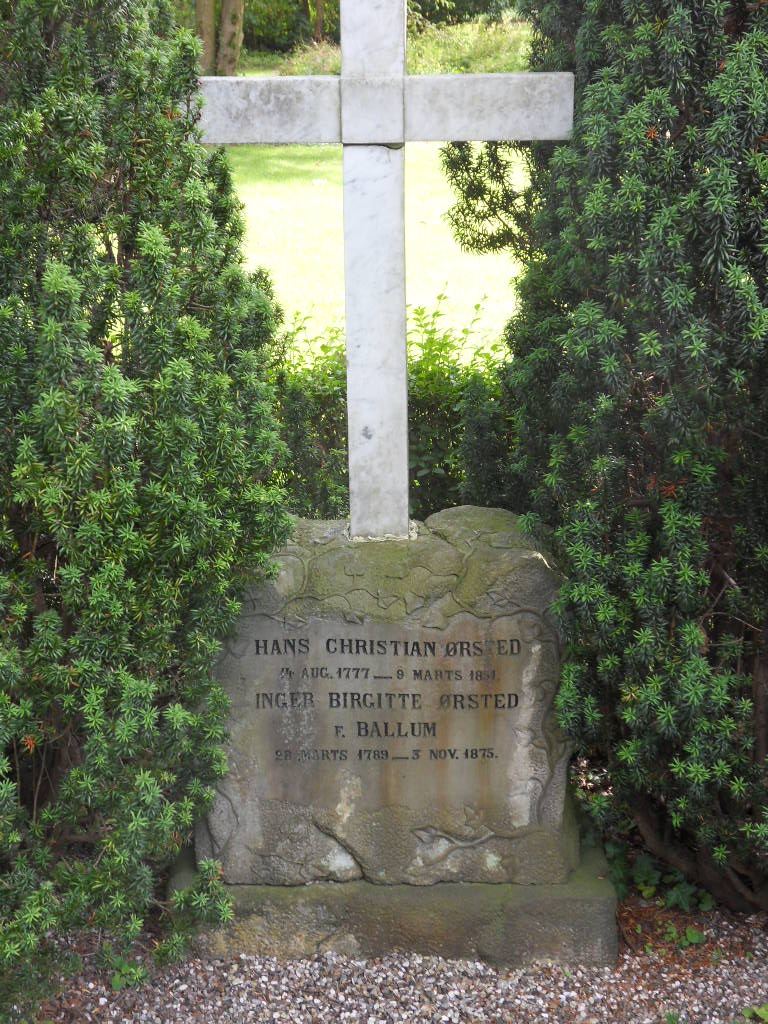
In fact this memorial is not far from that of another famous Dane I missed last time, pioneering physicist Hans Christian Ørsted:

The Hans Christian Ørsted Institute, part of the University of Copenhagen, is a short walk from the main buildings of the Niels Bpohr Institute. It houses Chemistry and Mathematical Sciences and some physicists of the Niels Bohr Institute.

You might think that a cemetery was a rather morbid choice of place to go for a stroll in the sunshine, but actually it’s not that way at all. It’s actually a rather beautiful place, a very large green space criss-crossed by pleasant tree-lined paths. These are poplars:

We British have a much more reserved attitude to cemeteries than the Danes seem to have, at least judging by  their behaviour in this place; joggers and cyclists pass through Assistens Cemetery at regular intervals, and many people were having picnics or just sitting and reading between the gravestones.  I find this matter-of-fact attitude to the dead rather refreshing, actually.

Part of the attraction of Assistens Kirkegård – the name derives from the fact that it was originally an auxiliary burial place, outside the main city, designed to take some of the pressure off the smaller cemeteries in the inner areas – is the large number of famous people buried there, many of whose graves I found last time. I didn’t however notice the large area devoted to common graves nor did I realise that there was a memorial to French and Belgian soldiers of World War 1. Most of these died in 1919, which puzzled me. It turns out that they had been prisoners of war and many of them were ill or injured and had been sent to Copenhagen to recuperate only to be struck down by the Spanish ‘flu epidemic of 1919.

It’s noticeable that some of the smaller graves are extremely well-tended whereas many of the more opulent memorials are in a state of considerable disrepair. I think there’s a moral in there somewhere. My ambition is to be forgotten as quickly as possible after my death so the idea of anyone erecting some grandiose marble monument on my behalf fills me with horror, but I have to say I do find graveyards are strangely comforting places. Rich and poor, clever and stupid, ugly and beautiful; death comes to us all in the end. At least it’s very democratic.

Copenhagen Again

Posted in Biographical, The Universe and Stuff with tags , , on August 1, 2017 by telescoper

As you might have inferred from my earlier post, I’m back again in the wonderful city of Copenhagen, as a guest of the Niels Bohr Institute. I’ve been here almost every year since my first visit here way back in the 1980s. I didn’t come here last summer, as I was too busy finishing off my duties at Sussex and relocating back to Cardiff so it’s nice to be back again now. I’m staying in one of the `9 small homes‘ that comprise a hotel near the NBI. I’ve stayed here before though not in my current small home, which is actually a self-contained apartment on the ground floor with its own front door. It’s also got a small kitchen so I can cook for myself when I don’t feel like eating out (like tonight). Incidentally, `hjem’ (the Danish word for `home’) is pronounced exactly as `home’ is pronounced in Geordie (i.e. as `hyem’). I did some shopping earlier this evening and attempted to speak Danish when I paid for my groceries. As always, however, I got a reply in English.

I realised only this morning that it’s a year since I left my previous job. I haven’t done half the things I had hoped to do in the year after stepping down as Head of School, but that’s partly because it took quite a while to get over certain health problems and also because quite a few things have come up that I didn’t anticipate. From what I’m told the old place is doing just fine without me!

Coincidently (?), I have arrived here at the Niels Bohr Institute at precisely the time that there is a delegation here from LIGO and there’s been a lot of serious – but good-natured – discussion of `The Danish Paper‘ that came out some time ago and which questioned some aspects of the data analysis of the first detection of gravitational waves. I think there are still quite a few issues to be resolved between the two groups. Although they do seem to be converging on what’s going on, I don’t think this controversy will be fully concluded until more data are made public, as the currently available time series are not exactly those used in the actual LIGO analysis.

I think this discussion can only be of benefit to the science community in the long run, especially if it encourages LIGO to get more fully into the spirit of open science, by releasing more data for use of researchers outside the consortium.

CMB Spectral Distortions Revisited

Posted in Biographical, The Universe and Stuff with tags , , , , , , , , , on July 27, 2017 by telescoper

While uploading some bibliographic information for bureaucratic purposes yesterday I noticed that an old paper of mine had recently attracted a number of citations. The paper was written while I was a postdoctoral research fellow in the Astronomy Centre at the University of Sussex in 1990, but not published until 1991 by which time I had moved to Queen Mary College (as it was then called). The citation history of this article is actually quite interesting:

You can see that it was cited a bit immediately after publication, then endured a long spell from 1997 to 2012 in which nobody seemed interested in it, then experienced something of a revival. It currently has a total of about 49 citations, which doesn’t exactly make it a classic in a field which is extremely active, but it’s nice to see it hasn’t been forgotten entirely.

Here is the abstract of the paper:

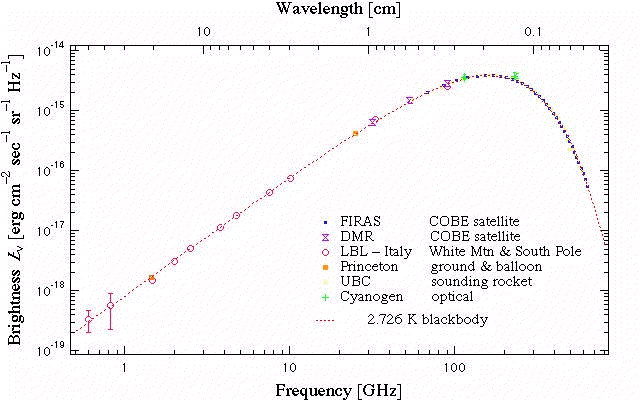
As the abstract makes clear we wrote this paper in response to a measurement of the spectrum of the cosmic microwave background radiation by the FIRAS instrument on the satellite COBE that had demonstrated that it was extremely well fitted by a Planck spectrum, with little room for any deviation away from a perfect black-body shape. Here’s the measured curve from COBE and some other experiments at the time:

The accuracy of the fit allows one to place limits on any process happening in the early Universe that might produce a distortion of the spectrum. There are a number of things that could do this. Any energy released in the early Universe takes time to thermalise, i.e. for the radiation field and the matter to come into thermal equilibrium via Compton scattering, double Compton scattering and Bremsstrahlung. Imperfect thermalisation produces a spectrum which doesn’t quite match the Planck curve.

Two types of distortion are possible, both introduced in classic papers from 1969 and 1970 by Rashid Sunyaev and Ya. B. Zel’dovich. One type is called a y-distortion (which corresponds to photons being shifted from low frequency and the other is called a μ-distortion, which is described by inserting a chemical potential term to the usual Planck formula for the black-body spectrum. Observational limits on both forms of distortion are very tight : |y|<1.5 ×10-5; |μ|<1.5 ×10-5, which places stringent limits on any energy release, including that which would arise from the dissipation of primordial acoustic waves (which is what John and I concentrated on in the paper).

So why did interest in this get revived a few years ago? The answer to that is that advances in relevant technology have now made it possible to think about an experiment that can measure much smaller spectral distortions than has hitherto been possible. A proposal for an experiment, called PIXIE, which includes such a measurement, is described here. Although spectral distortions are only a secondary science goal for PIXIE, it could push down the upper limits quoted above by a factor of 1000 or so, at which level we should expect to see departures from the Planck curve within the standard model, which would be a very important test of basic cosmological theory.

That all depends on whether PIXIE – or something like it – goes ahead.