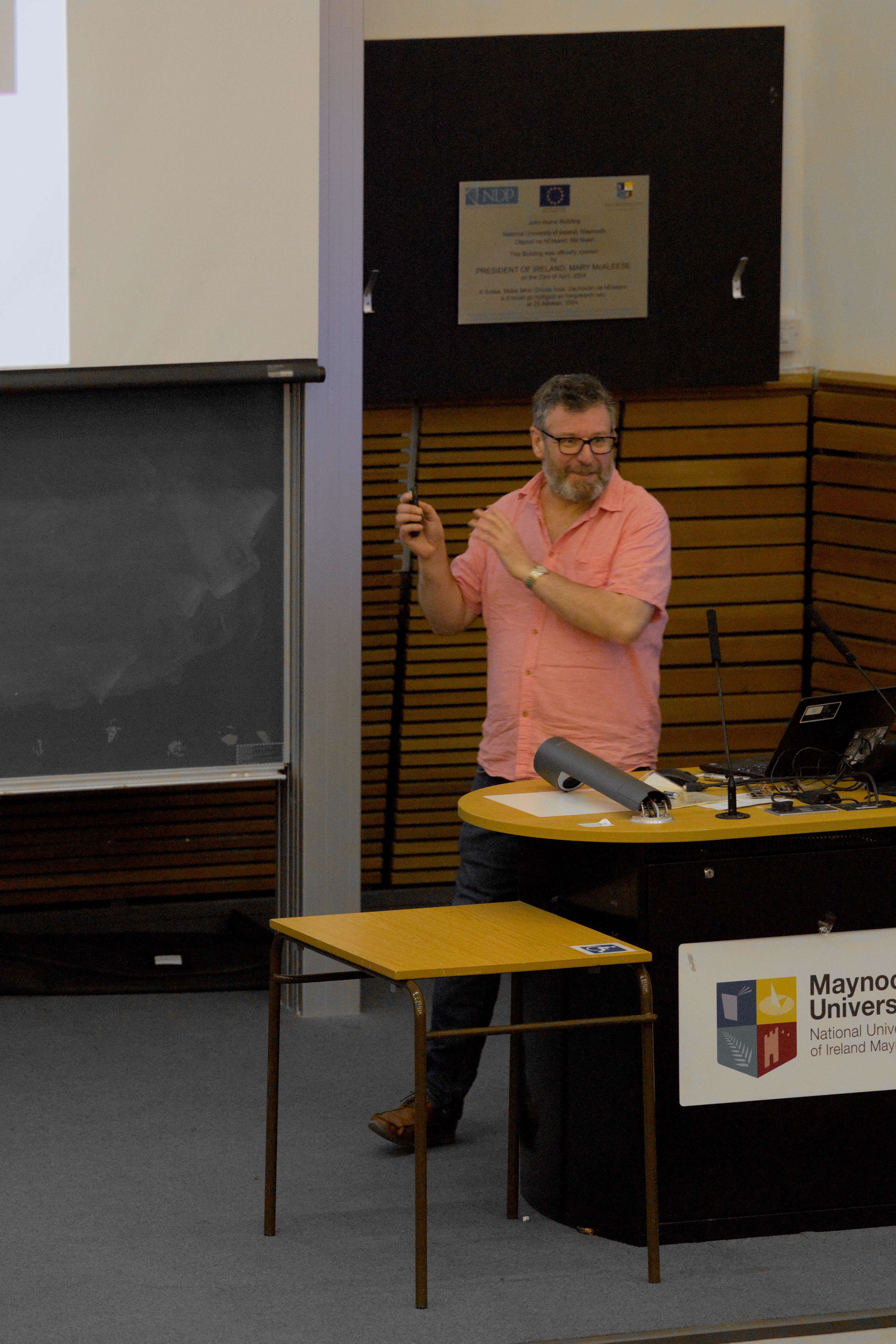
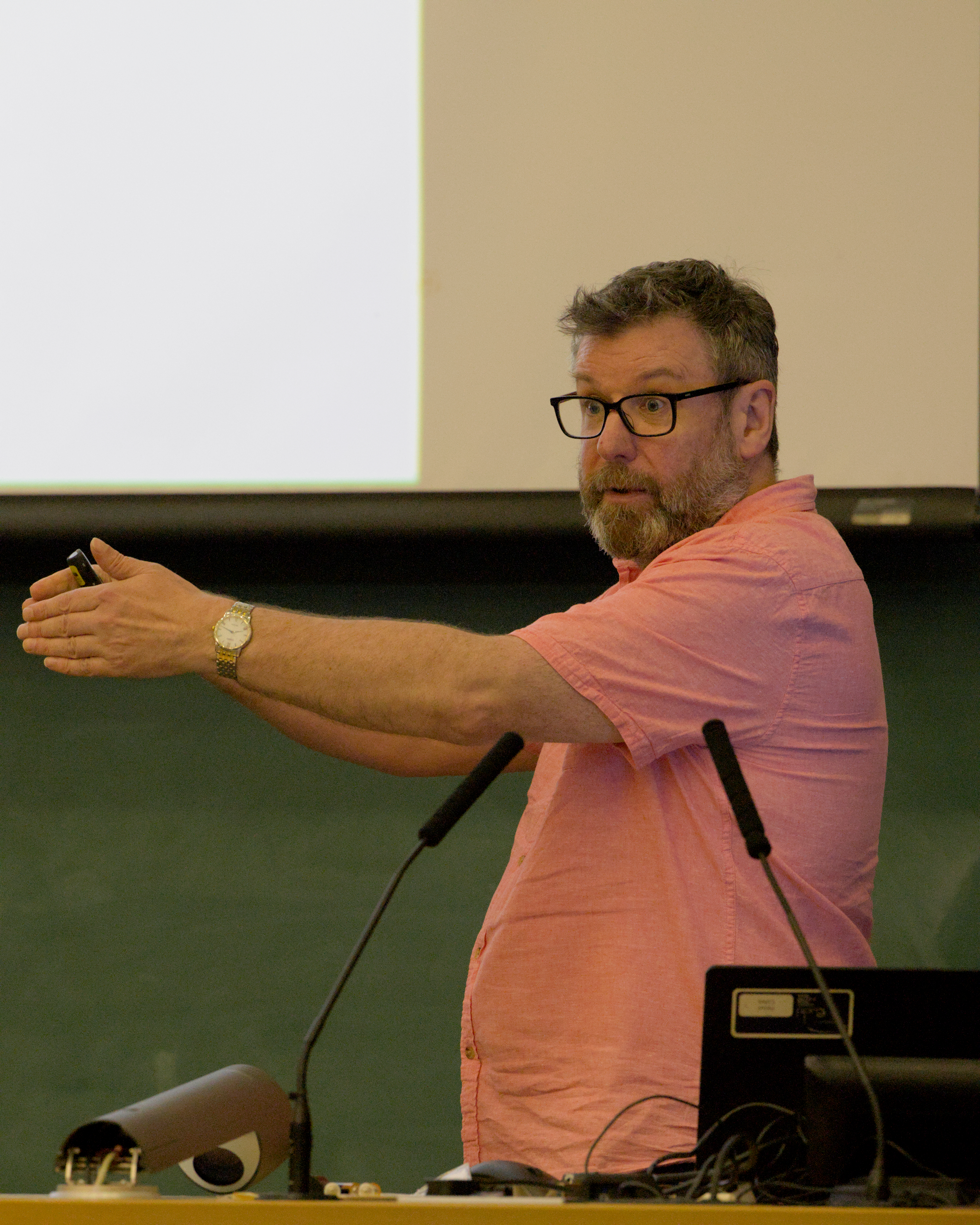
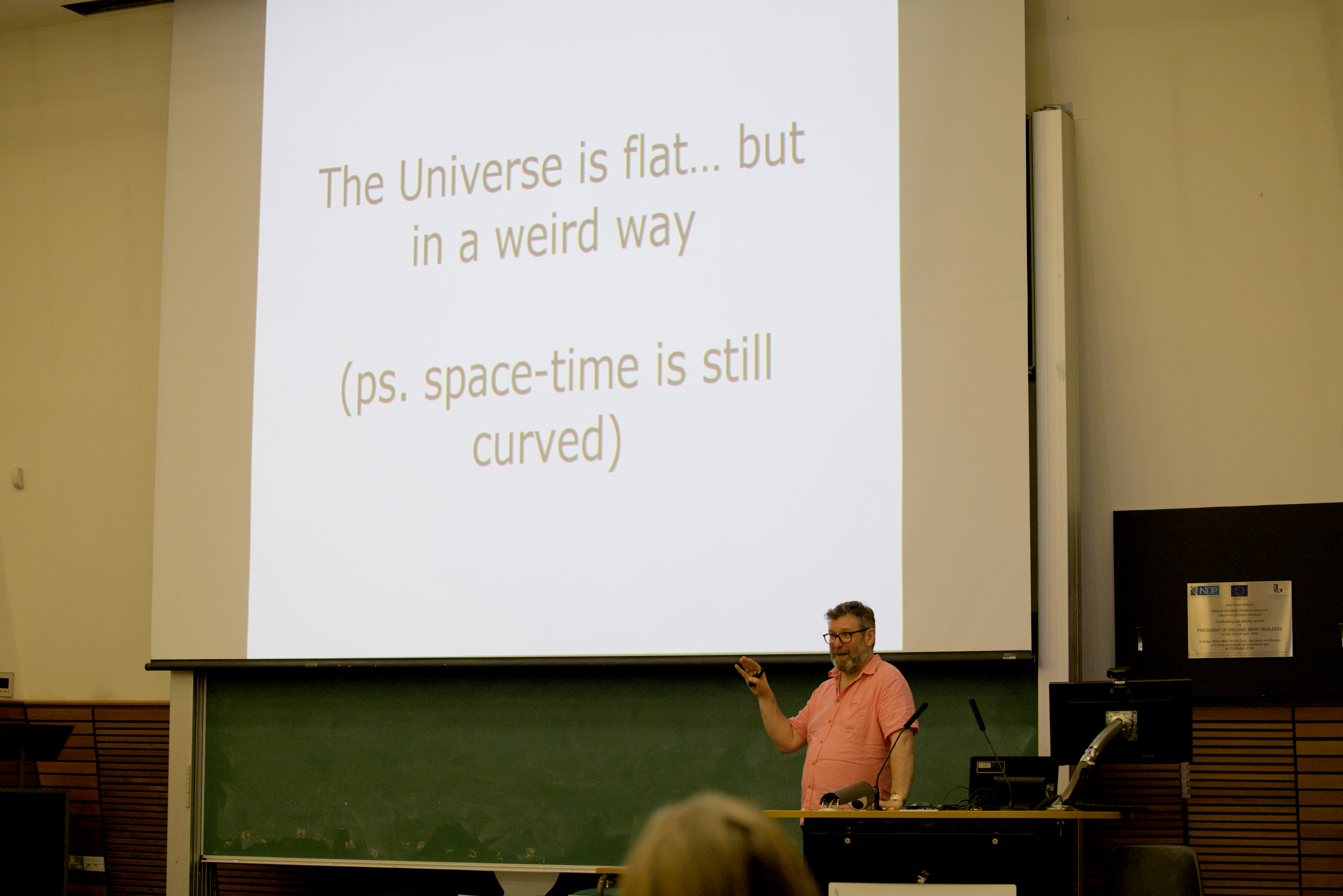
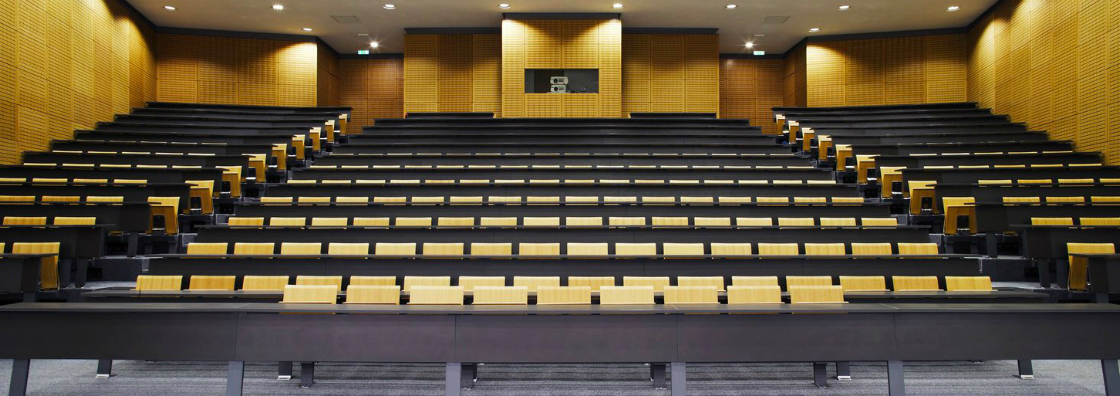
Last week I posted a photograph taken during my public lecture at Maynooth University. I thought I’d compound your collective misery by putting up more. I’m not sharing any pics of the audience because we didn’t ask them for permission, so you’re basically stuck with pictures of me (and one of Joost Slingerland, our Head of Department, in the first one).
This morning found me in Renehan Hall in St Patrick’s House in Maynooth for ‘DonalFest’, a meeting to mark the retirement of former colleague (now Emeritus) Professor Brian P. Dolan, who retired a couple of years ago in the midst of the pandemic, which delayed his leaving do.
Today’s meeting involved a number of talks given by Brian’s past and present collaborators in the splendid surroundings of the old college (and, I might add, in glorious weather). Unfortunately I had to leave before the end in order to attend to some logistical matters to do with my impending departure on sabbatical, but I’m sure the rest of it was as enjoyable as the bit I was able to be at.
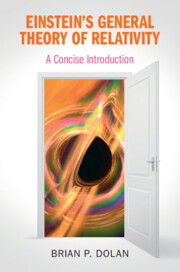
All of which gives me an excuse to plug again this textbook (left), based on the lecture notes Brian used to teach a final-year undergraduate course in General Relativity to Mathematical Physics students here in Maynooth.
The book’s description reads:
Einstein’s general theory of relativity can be a notoriously difficult subject for students approaching it for the first time, with arcane mathematical concepts such as connection coefficients and tensors adorned with a forest of indices. This book is an elementary introduction to Einstein’s theory and the physics of curved space-times that avoids these complications as much as possible. Its first half describes the physics of black holes, gravitational waves and the expanding Universe, without using tensors. Only in the second half are Einstein’s field equations derived and used to explain the dynamical evolution of the early Universe and the creation of the first elements. Each chapter concludes with problem sets and technical mathematical details are given in the appendices. This short text is intended for undergraduate physics students who have taken courses in special relativity and advanced mechanics.
You can order the book and/or recommend a copy to your library here.
Anyway, let me end with some personal wishes to Brian for a long and happy retirement!
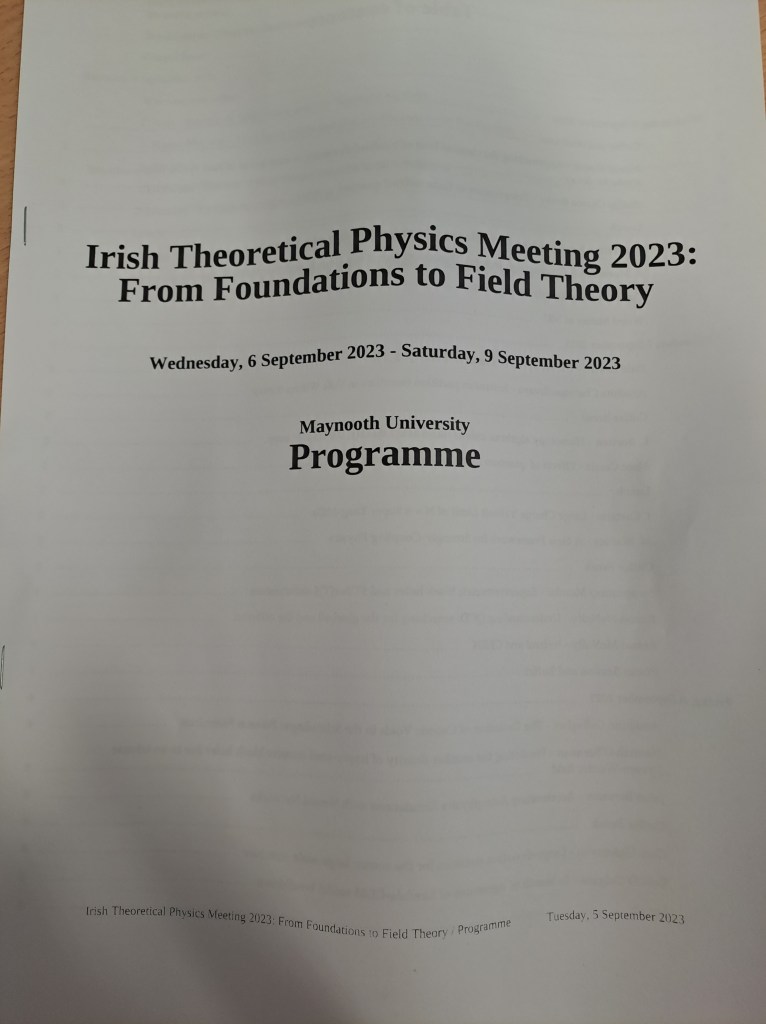
So here we are then, first day of the 2023 Irish Theoretical Physics meeting here in Maynooth. It’s a busy schedule for the three days, followed by a little meeting on Saturday to mark the retirement of Brian Dolan
It’s been a busy day for reasons other than the ITP2023 and I’ve left it a bit late to write my talk for this evening’s public lecture so I’d better get on with that this afternoon.
As part of effort to bring about closer interactions between members of the Departments of Theoretical Physics and Experimental Physics at MaynoothUniversity, we have formed a Centre for Astrophysics and Space Science which now has its own web pages.
The members of CASM have been meeting regularly together for coffee on Tuesdays for over a year, during which time more people have joined the Centre.
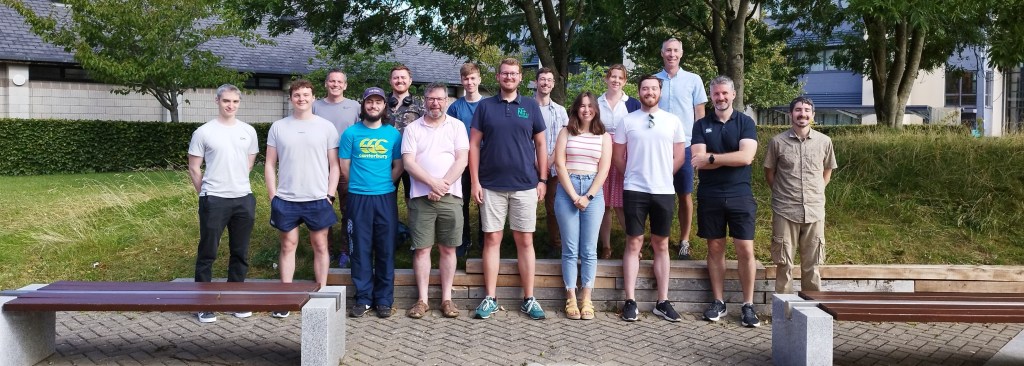
Today being a nice day we decided to make a team photograph showing staff, postgrads, and postdocs split roughly evenly between the two Departments. There’s also an undergraduate who has been working with us through the summer and helped to set up the web pages.
The People of CASM
Not everyone was able to be there this morning, but it’s lovely to see the group as big as this. I think it will be even bigger when I get back from my sabbatical next year…
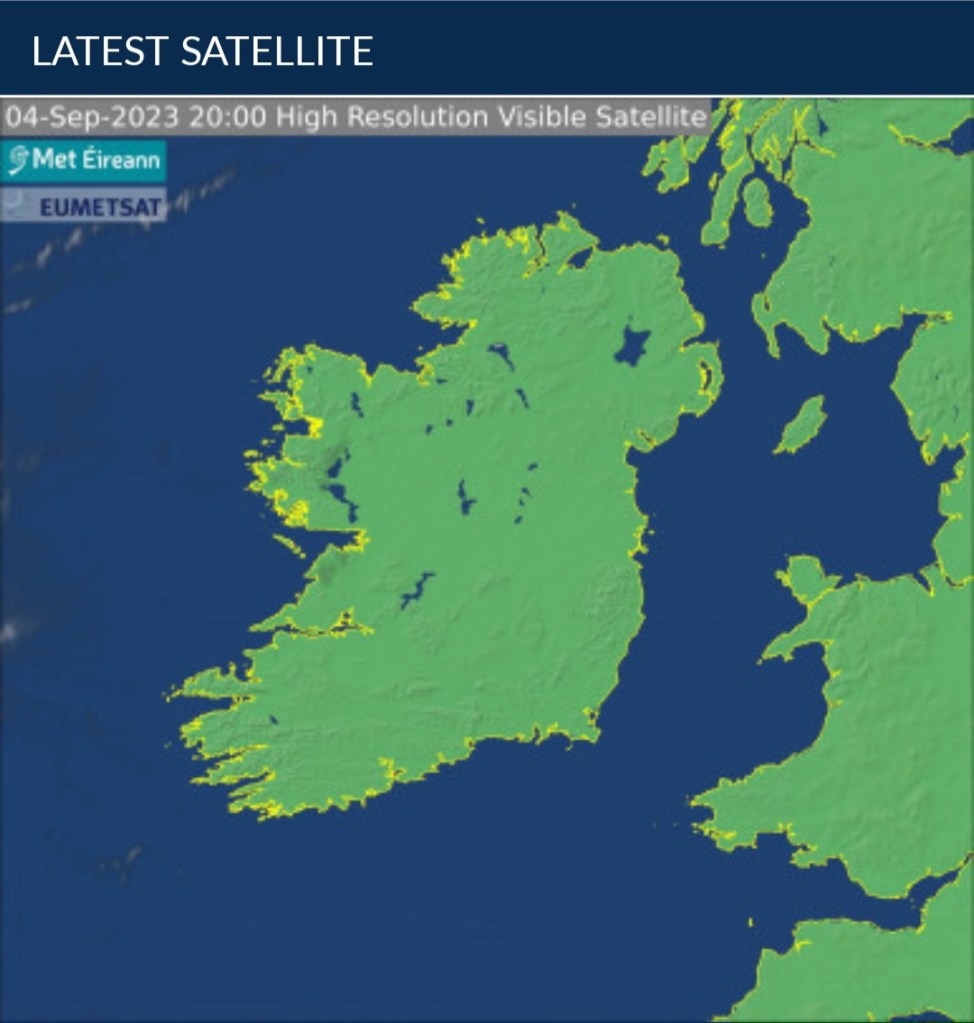
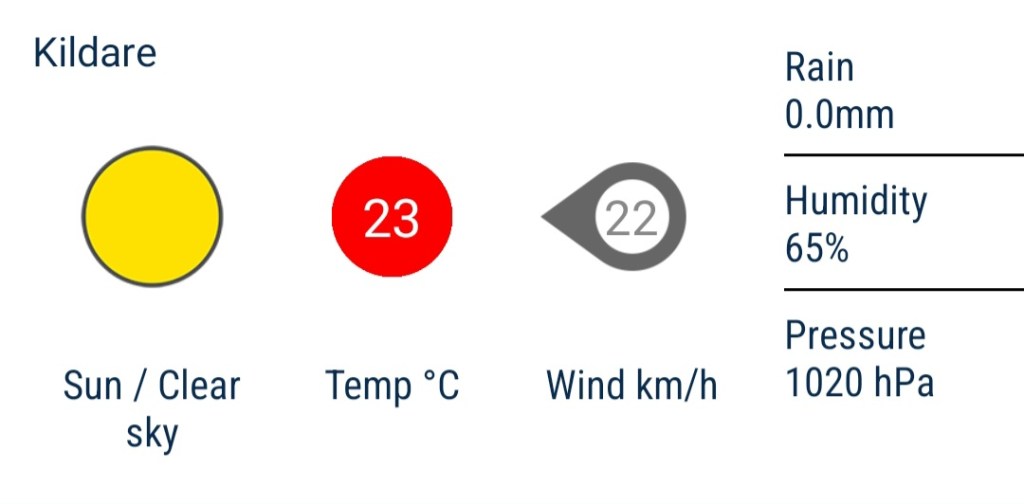
What a lovely day to be on sabbatical! It seems that the weather is set fair for a few more days too, which is nice. You don’t often see a satellite image with not a cloud in the sky over Ireland.
It’s cute that the Met Éireann weather map gives a red temperature warning when it’s just 23 °C.
Mind you, it has felt very warm today. So much so that I had a short nap this afternoon. I think of this as training for what I hope will be the regular siesta…
Last week I was talking to a current undergraduate student who has been working in the Department of Theoretical Physics over the summer. After a while the conversation turned to the possibilities for postgraduate education. I’ve had that sort of discussion many times over the years with many different students, but the curious thing is that I always find it quite difficult because I’m torn between competing motivations.
On the one hand, there is the wish to have the best undergraduates stay on for further study in the Department. That of course helps our research, but it is also good for our finances as postgraduate students bring income. I think we offer good opportunities at both Masters and Doctoral levels, so it’s not too difficult to point these out to students in a way that at least some find persuasive.
On the other hand, there is the fact that I am an academic not a salesman and I feel that it is my responsibility to give honest guidance. The fact is that a good undergraduate degree from the National University of Ireland will open a lot of doors elsewhere, and these should be considered. At Masters level in particular, there are excellent courses available in the EU which have the advantage of not charging fees at the level they are charged in Ireland. Add to that the cost of living and accommodation crises. It’s no surprise that many of our graduates seize opportunities to go to postgraduate study in Germany, Denmark or The Netherlands (to name just a few). I have no problem with explaining the advantages of options outside my own Department and no doubt some students find these points persuasive too.
There’s a wider context for this type of dichotomy, namely the progressive marketisation of higher education. When it comes to recruiting undergraduate students we academics are increasingly required to act as reps for the University, hawking our wares at Open Days, Recruitment Fairs, and a variety of online events. I’m reasonably happy to participate in these when asked to do so, but I always take the approach of describing what we do in our Department rather than trying to do down what happens elsewhere. I’m an academic not a salesman. And I work in a public university, not a private business. I see my job as giving advice in as objective a way as possible. If I feel that our courses would not be the right choice for a student, I’ll explain why. In the end, of course, the decision is up to the student, but I feel obliged to give them enough information to make an informed choice.
A couple of years ago, the (then) new President of Maynooth University walked up to the Theoretical Physics stand at a Maynooth Open Day when I was on duty. The first thing she said was “Sell your course to me”. I described what we had on offer, but I don’t think what I said impressed her at all. We can only hope to succeed in recruiting students who have some interest in science. An Open Day is a bit late to cultivate that: interest has to be nurtured from an early age.
Another problem I find, speaking as a physicist (though this is probably also true for people in many other disciplines), is that we see physicists in other institutions as colleagues rather than business rivals. This is particularly true for those of us working in large consortia that spread over many departments (and indeed many countries). I therefore see myself as a physicist who happens to work at Maynooth University rather than as an employee of Maynooth University who happens to do physics. It’s not that I am disloyal to my employer, it’s just that I have a greater loyalty to a larger community.
I do understand that the reality of the funding system here means that we have to be able to recruit students in order to pay our way, but I feel that the way to achieve that is by establishing a strong reputation in our core academic mission of teaching and research rather than through marketing gimmicks, corporate branding, or other forms of commercial flummery. No amount of propaganda will disguise a higher education institution that neglects those things that higher education is about.
Today is 1st September 2023, which means that it is the first day of my year-long sabbatical. No teaching and no admin until 31st August 2024! I moved the last of my personal things out of the office yesterday and put an auto-reply on my email. I did plan to take today off to celebrate but I had some things to do relating to the Open Journal of Astrophysics so I spent the morning doing them. If the rain holds off I might do a spot of gardening later on.
A sabbatical isn’t a holiday of course, and will have plenty to do over the next year, much of it clearing a backlog of things I should have done well before now but failed because of workload issues. I make no apology for taking the first day off, however.
Next week will be quite busy. I will be attending a meeting in Maynooth next week and giving a public talk, which gives me the chance to post a reminder that it’s not too late to register for either/both:
Another thing I did last night was to deactivate my own personal Twitter account as well as the one for the Open Journal of Astrophysics. Twitter is both unpleasant and useless these days and I can’t be doing with it anymore. I had been on it for 14 years and had accumulated over 7,000 followers. Those that want to carry on following me on social media will find me on BlueSky or Mastodon. The same goes for those who followed the Open Journal of Astrophysics on Twitter.
Anyway, in a fortnight or so I should be heading off to distant lands. I’m greatly looking forward to getting away and being able to concentrate on things to do with research for a change. I’m looking forward to the temporary change of location, not least because a warmer climate might help with my arthritis…
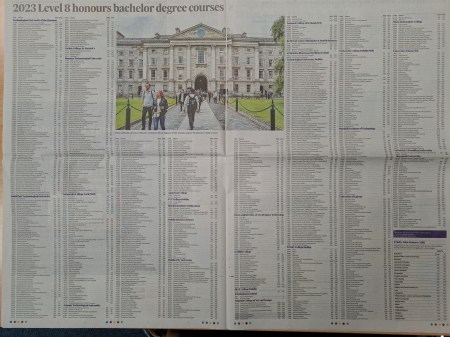
It’s that time of year again when I break with the self-imposed tradition of not buying a newspaper during the week. I don’t usually buy a newspaper during the week but today is the day the full set of CAO points required for different courses across the land are published in the print edition of the Irish Times, about ten days earlier than last year. This is of course just the first round of offers so things may change over the next week or two.
Students now have to decide whether to accept their first-round offer or try to change course. Departments won’t know how many new students they have for a while yet.
The official low-tech results for Maynooth (in the lower right of the page shown above) are here. Minimum points required for Maynooth’s most important course, MH206 Theoretical Physics and Mathematics, are 494 this year, down a little from 510 last year. MH201 General Science is 350 this year compared to 400 last year; MH204 Physics with Astrophysics is 376 this year, down from 423 last year. MH101 General Arts – the most popular course at Maynooth and indeed in all Ireland – has a first round offer of 310 this year, down from 338 last year.
In fact, most courses I have looked at, not only at Maynooth, have lower first-round offers this year than last year. This is confirmed by this news item which says:
In more good news for this year’s applicants, there has been a fall in the points requirement for more than 60% of Level 8 courses.
This is interesting because it contrasts with news stories about grade inflation at the Leaving Certificate. How does one reconcile the fact that a majority of courses are asking for lower points, when the average points are going up? I think part of the answer lies in the fact that the CAO points needed for a course is largely about demand versus capacity rather than academic performance. For the last few years Maynooth University has been recruiting more and more students, putting pressure on accommodation, teaching loads and campus space. It seems likely that the desire to keep this trend going is at least part of the reason for the large falls in CAO points here. This is probably happening to some extent across the sector, though Maynooth has a more urgent need for more students – to pay for the legions of new managers it has appointed.
Another part of the answer is that one subject in which grades have fallen this year is Mathematics, specifically Higher Mathematics. Mathematics is a core subject for the Leaving Certificate and it therefore has the potential to have an effect across the board. A fall in the top grades at Higher Maths will propagate downwards through many subjects.
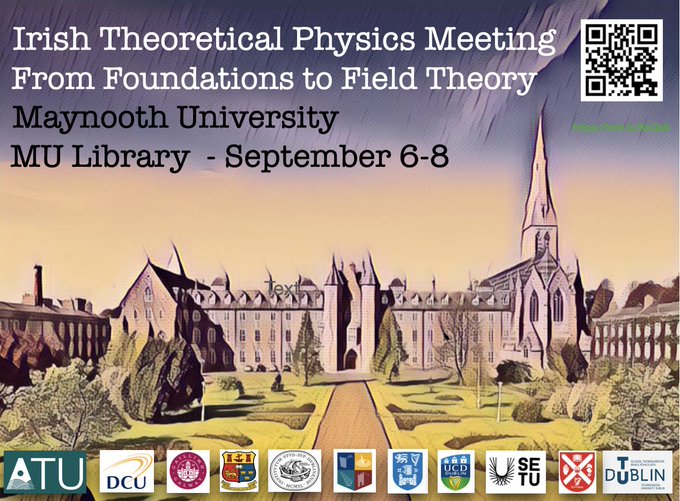
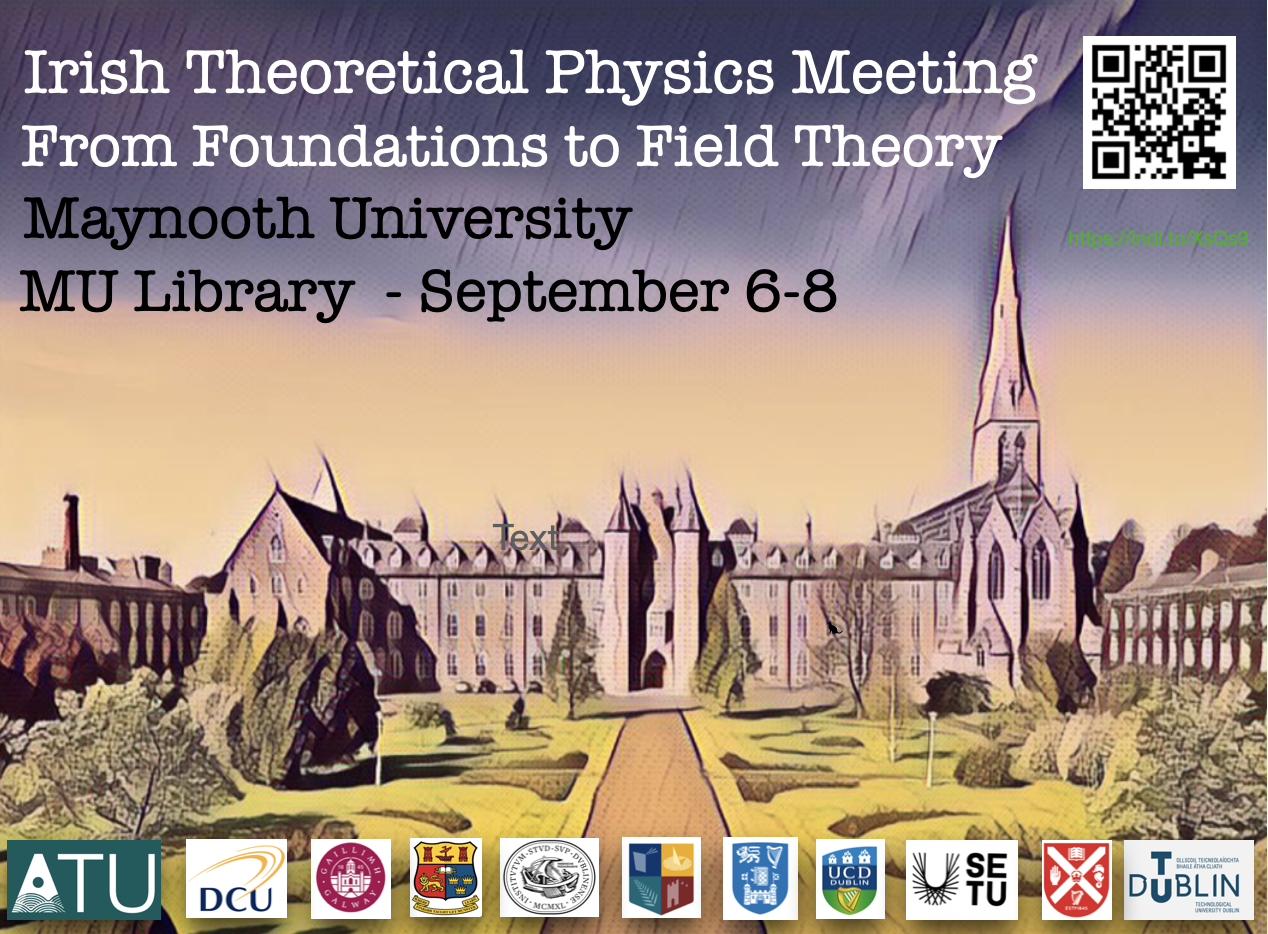
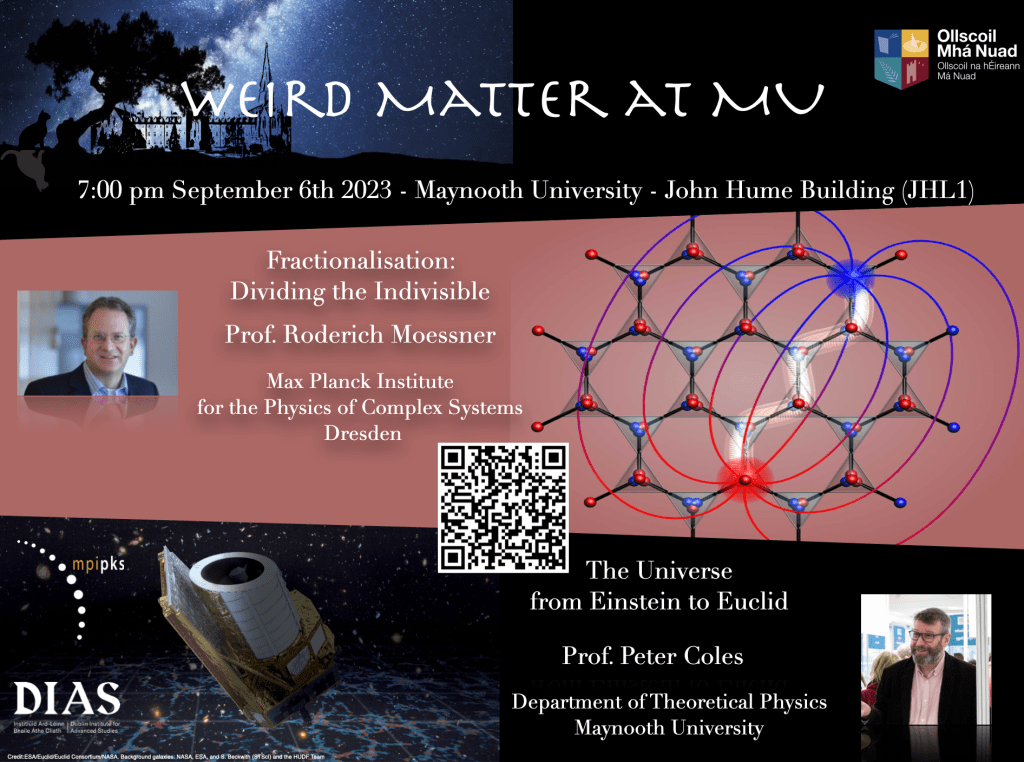
With just over a week to go, I thought I’d post a reminder that Maynooth University is hosting a theoretical physics meeting early next month, from September 6th to 8th; for details see here. It has been decided that there will be a couple of public evening lectures as a double-header on the first night of the conference. One of the speakers is me. Technically I’ll be on sabbatical from September 1st but I’ve delayed my travels to allow me to ive this talk. Anyway, the advert is here:
You can join us for this “evening of science celebrating the weird and wonderful ways that matter can manifest in our universe” by getting a ticket at Eventbrite below.
So here I am, back at my desk in my office at Maynooth University. Today is a Bank Holiday in parts of the United Kingdom but not here in Ireland: we had our August Bank Holiday on the first Monday of the month rather than the last. I could say that today is a normal working day, but it’s not really because it’s been a bit busier than usual. After a few days away last week, I’ve had quite a lot to catch up, including preparing two new publications at the Open Journal of Astrophysics. I also have a Euclid telecon this afternoon, though I’m not sure how many UK participants will be there given the fact that today is a public holiday.
My sabbatical officially starts on 1st September 2023 and I’m looking forward to putting my “out-of-office” message on and (selectively) ignoring emails for a year. Although a sabbatical isn’t a holiday, I plan to take Friday September 1st off after having a few drinks on Thursday evening.
Before that I have to remove the last of my personal things from this office as it will be needed for someone else. That will give me the excuse for a big clear out of things I no longer need. This process will temporarily reduce the entropy of the room, although it will increase elsewhere I will not violate the 2nd Law of Thermodynamics.
I decided some time ago that at the end of August, I would delete my account on the platform formerly known as Twitter. Those of you that want to continue following me on social media can do so via any or all of the the following:
The views presented here are personal and not necessarily those of my employer (or anyone else for that matter).
Feel free to comment on any of the posts on this blog but comments may be moderated; anonymous comments and any considered by me to be vexatious and/or abusive and/or defamatory will not be accepted. I do not necessarily endorse, support, sanction, encourage, verify or agree with the opinions or statements of any information or other content in the comments on this site and do not in any way guarantee their accuracy or reliability.









 In the Dark