There’s a nice short review article on arXiv today by Mike Turner. I wasn’t going to share it because it hasn’t got any pictures in it, but changed my mind.
Here is the abstract
The current cosmological paradigm, ΛCDM, is characterized (b) its expansive description of the history of the Universe, its deep connections to particle physics and the large amounts of data that support it. Nonetheless, ΛCDM’s critics argue that it has been falsified or must be discarded for various reasons. Critics and boosters alike do agree on one thing: it is the not the final cosmological theory and they are anxious to see it replaced by something better! I review the status of ΛCDM, provide my views of the path forward, and discuss the role that the “Hubble tension” might play.
arXiv:2510.05483
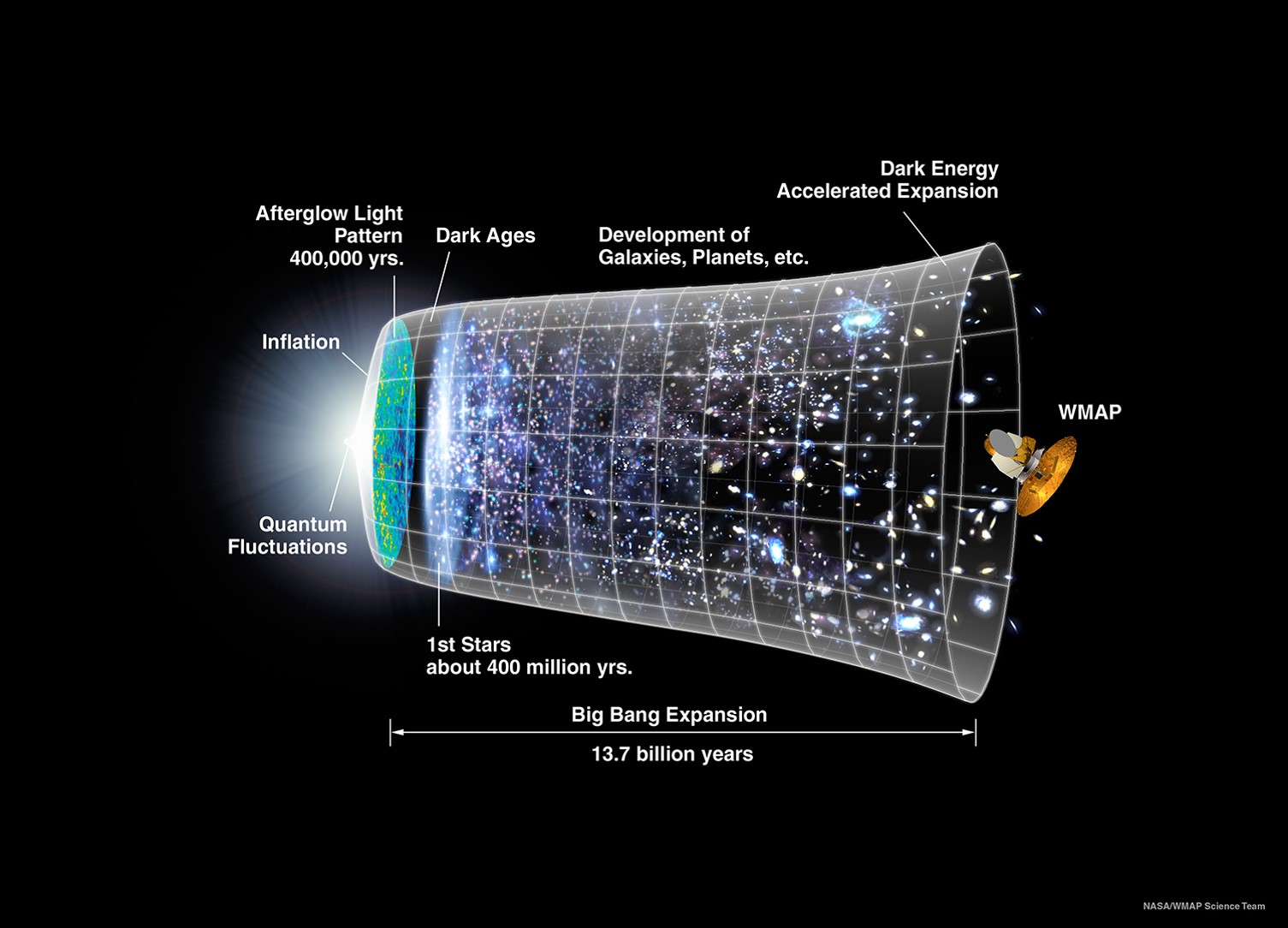
To make up for the lack of pictures in the article, here’s the first image that came up when I did a search for “ΛCDM”:
Just to mention that tomorrow (Tuesday, October 7th 2025) will see the announcement of this year’s Nobel Prize for Physics. I must remember to make sure my mobile phone is fully charged so I can be easily reached, although I am likely to be lecturing when the announcement is made.
The announcement of the Nobel Prize for Physics on Tuesday is preceded today (Monday 6th) by the announcement of the Prize for Applications of Physics to Physiology or Medicine, and followed on Wednesday by the Prize for Applications of Physics to Chemistry. You can find links to all the announcements here.
I was, however, a guest of the Nobel Foundation rather than a prizewinner, so my medal is made of chocolate rather than gold. I think after 19 years the chocolate is now inedible, but it serves as a souvenir of a very nice weekend in Stockholm! Sadly one of the Laureates whose award we were celebrating passed away recently.
I drew a blank in 2023 when attosecond light pulses were the topic and was completely wrongfooted last when the 2024 Nobel Prize for Physics was awarded to John J. Hopfield and Geoffrey E. Hinton “for foundational discoveries and inventions that enable machine learning with artificial neural networks”. I didn’t see that one coming at all.
I really have no idea who will win it this year, but I’ll suggest that there’s still an outside chance for Michael Berry and Yakir Aharonov for their work on the geometric phase, although if they were going to win they probably would have done so by now.
To find out who the lucky winners you’ll have to wait for the announcement, around about 10.45 (UK/Irish time) on Tuesday morning. I’ll update this post when the wavefunction has collapsed.
Feel free to make your predictions through the comments box below!
Update: I’m not often right but I was wrong again: the 2025 Nobel Prize for Physics goes to John Clarke, Michel H. Devoret and John M. Martinis “for the discovery of macroscopic quantum mechanical tunnelling and energy quantisation in an electric circuit”…
I received an email about this over a week ago from Alberto Accomazzi (Director and Principal Investigator of the NASA Astrophysics Data System) and was going to post about it then but I was quite busy and it slipped my mind. I met Alberto at ENAM earlier this summer and he told me then this was in the pipeline so I should have remembered. Anyway, better late than never…
The email was to announce the formal launch of Science Explorer (SciX for short) on Monday 29th September 2025. SciX is meant to build on the excellence of ADS and expanding its coverage to accelerate astro-related research even further.
Here’s a screenshot of the home page set up in such a way as to take you, if you click on it, by a miracle of the internet, and at no extra charge, to the actual home page:
Feel free to go and check it out!
Here is some text from the email I mentioned:
So, what is the Science Explorer platform, or SciX? Think of it as your one-stop platform for exploring research across Earth, environmental and space sciences, including planetary science, heliophysics, geology, geophysics, atmospheric sciences and oceanography. From tracking solar storms, to uncovering the secrets of distant planets, to understanding the changing dynamics of our own Earth, SciX is designed to be your research co-pilot. You can find out more at scixplorer.org.
The people behind SciX would also love to know how NASA/ADS has supported your work so far and how SciX’s additional features will benefit the community. Your testimonial can be brief, in written or video form, and can be submitted via this form, or by email if easier. It is important to show your support in view of the challenges facing NASA these days. I think we tend to take services such as NASA/ADS for granted, but we’d all find our work much harder without them, so do please send a message of support.
P.S. You can find SciX on social media with the handle @SciXCommunity. Please give them a follow!
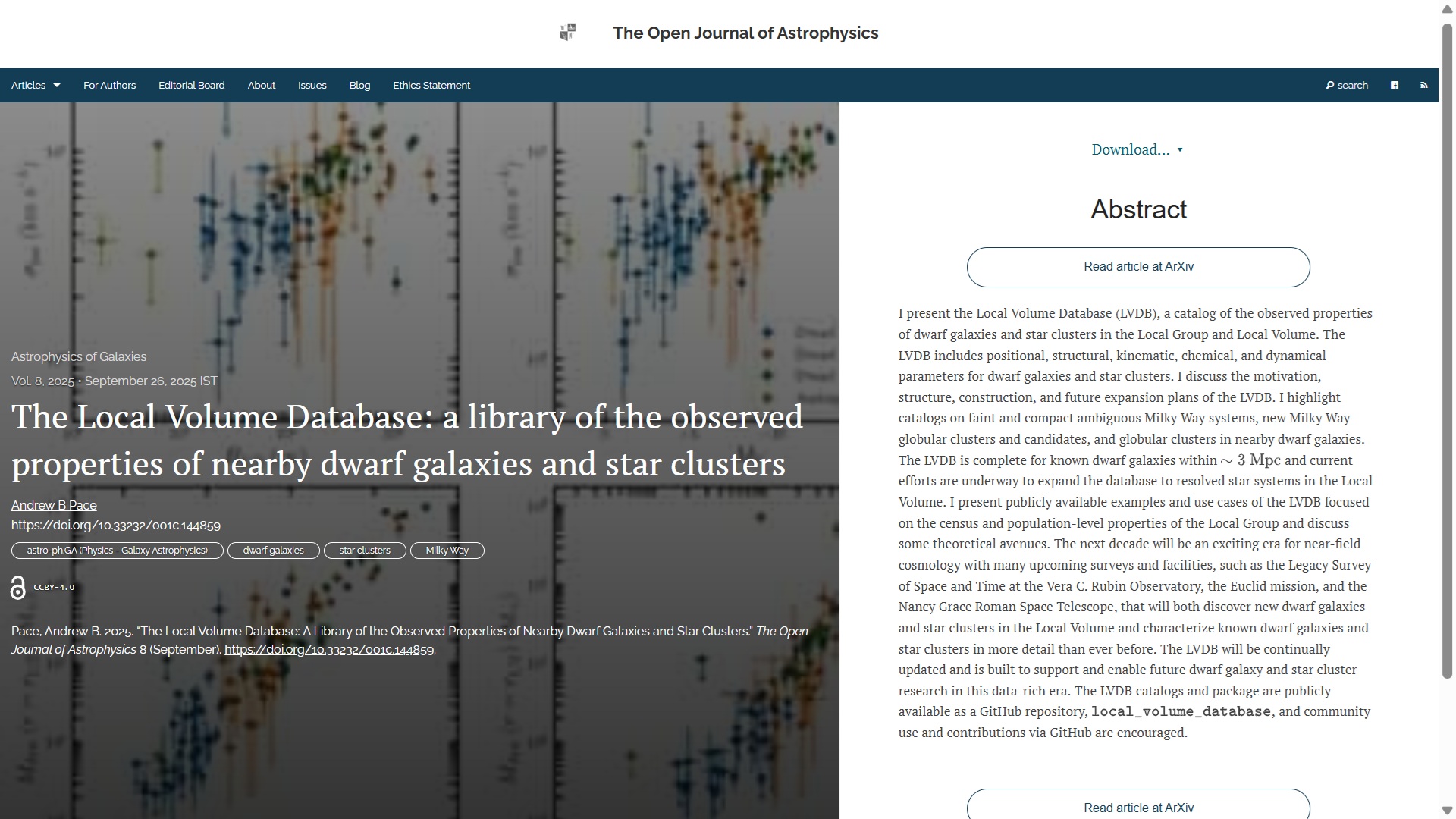
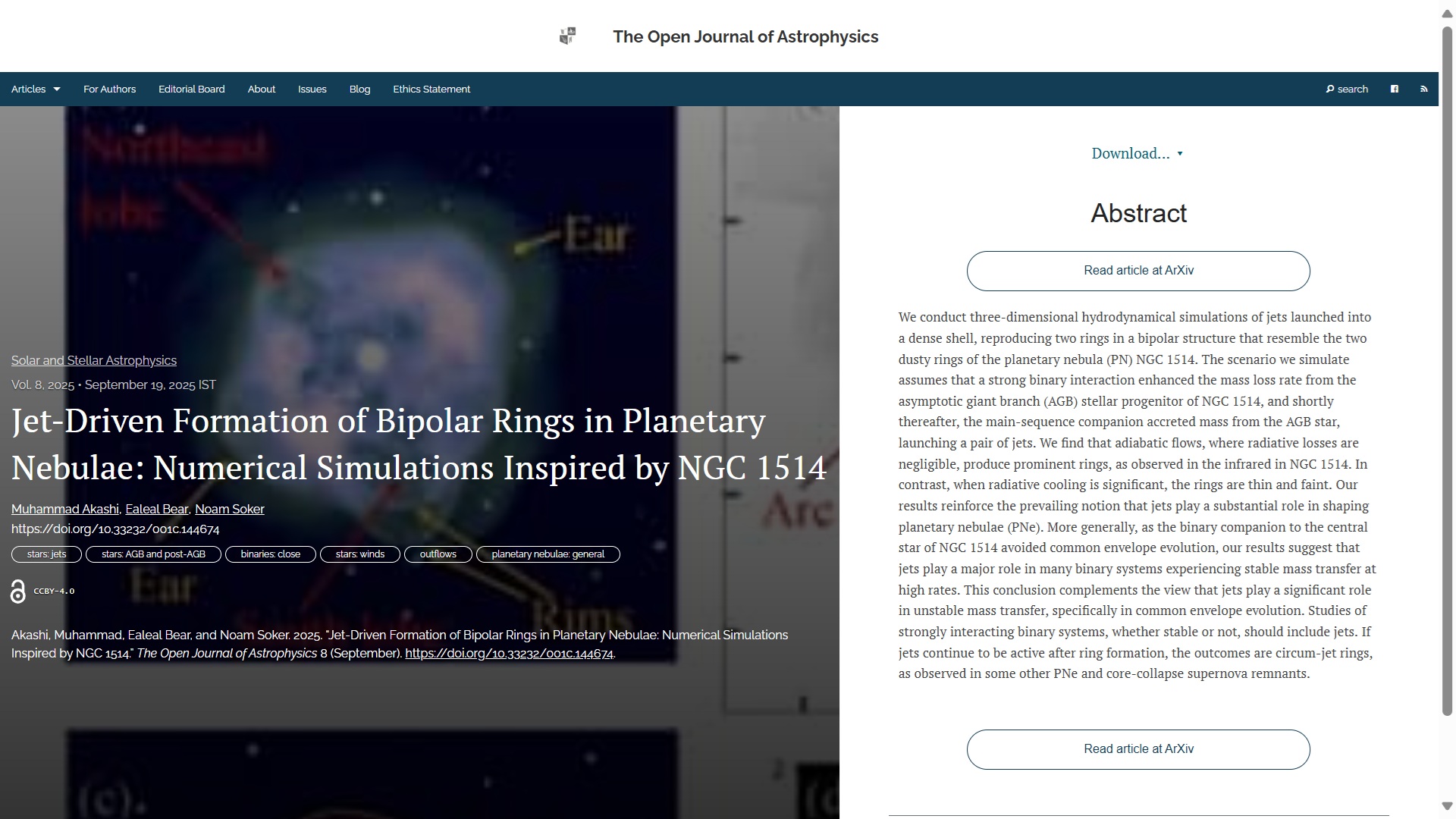
It’s Saturday again, so it’s time for a summary of the week’s new papers at the Open Journal of Astrophysics. Since the last update we have published five more papers, which brings the number in Volume 8 (2025) up to 146, and the total so far published by OJAp up to 381. At this rate Volume 8 will contain around 190 by the end of 2025.
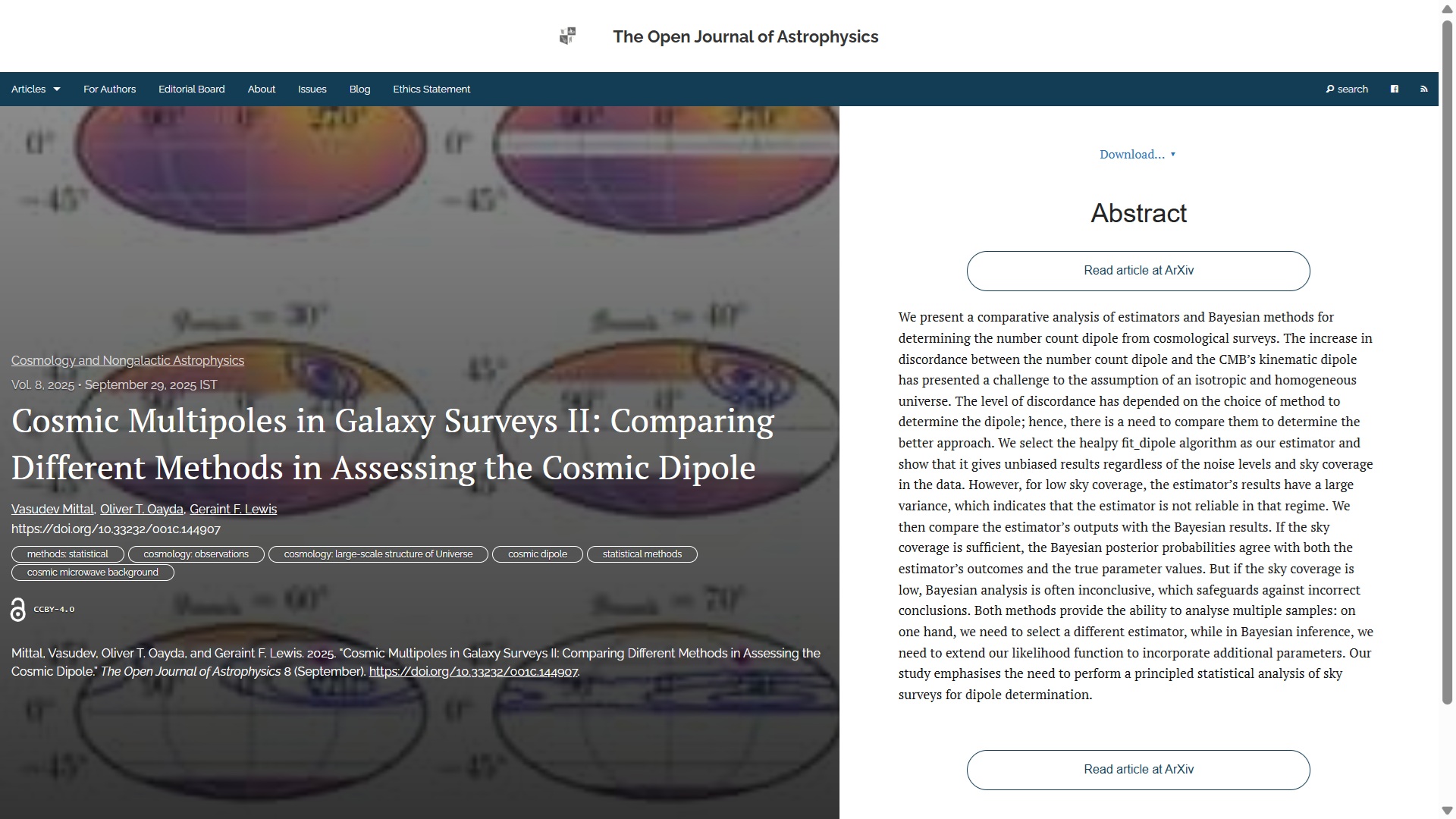
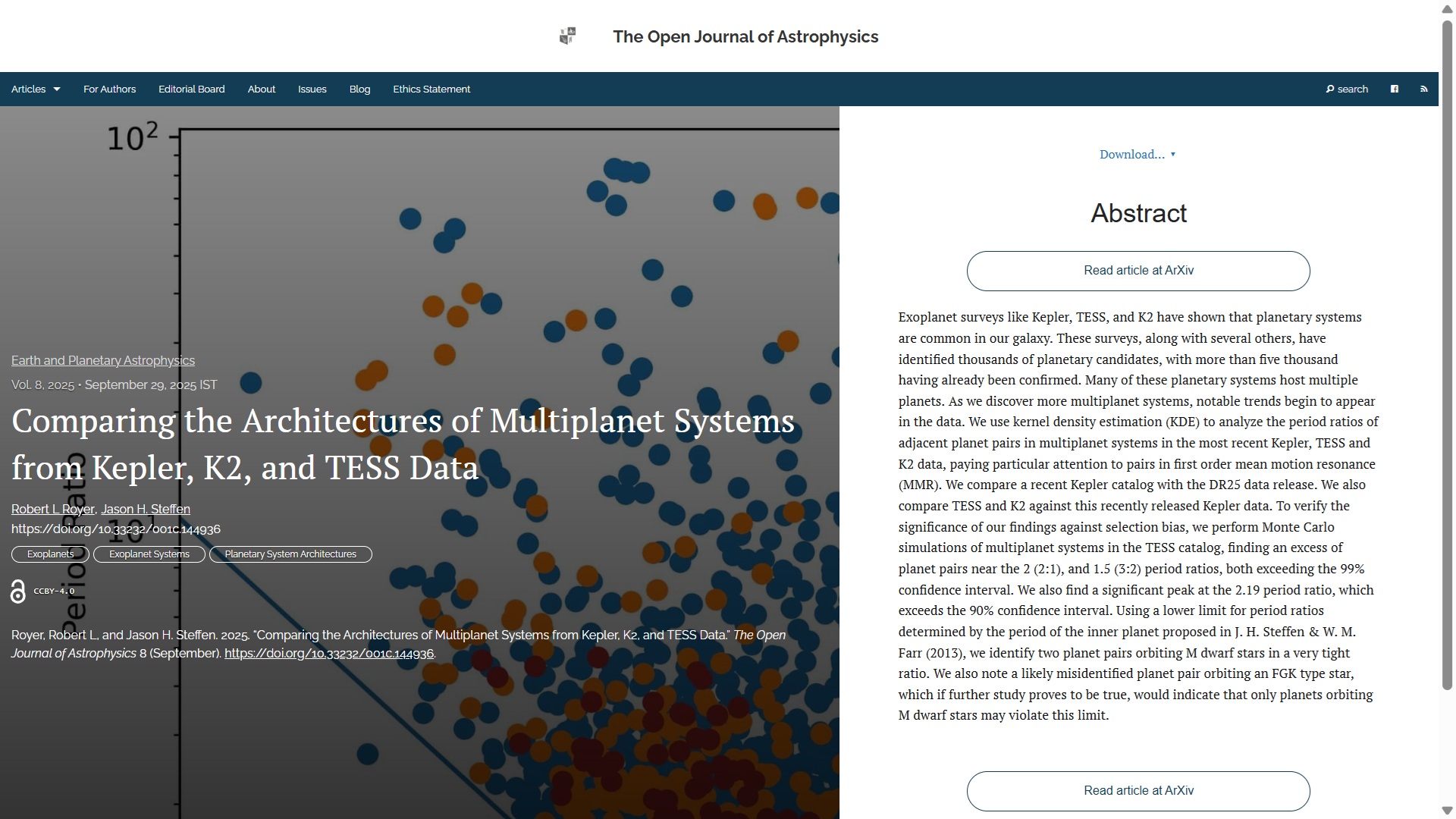
Anyway, here are this week’s papers, starting with three published on Monday 29th September 2025.
You can make this larger by clicking on it. The officially accepted version of this paper can be found on the arXiv here.
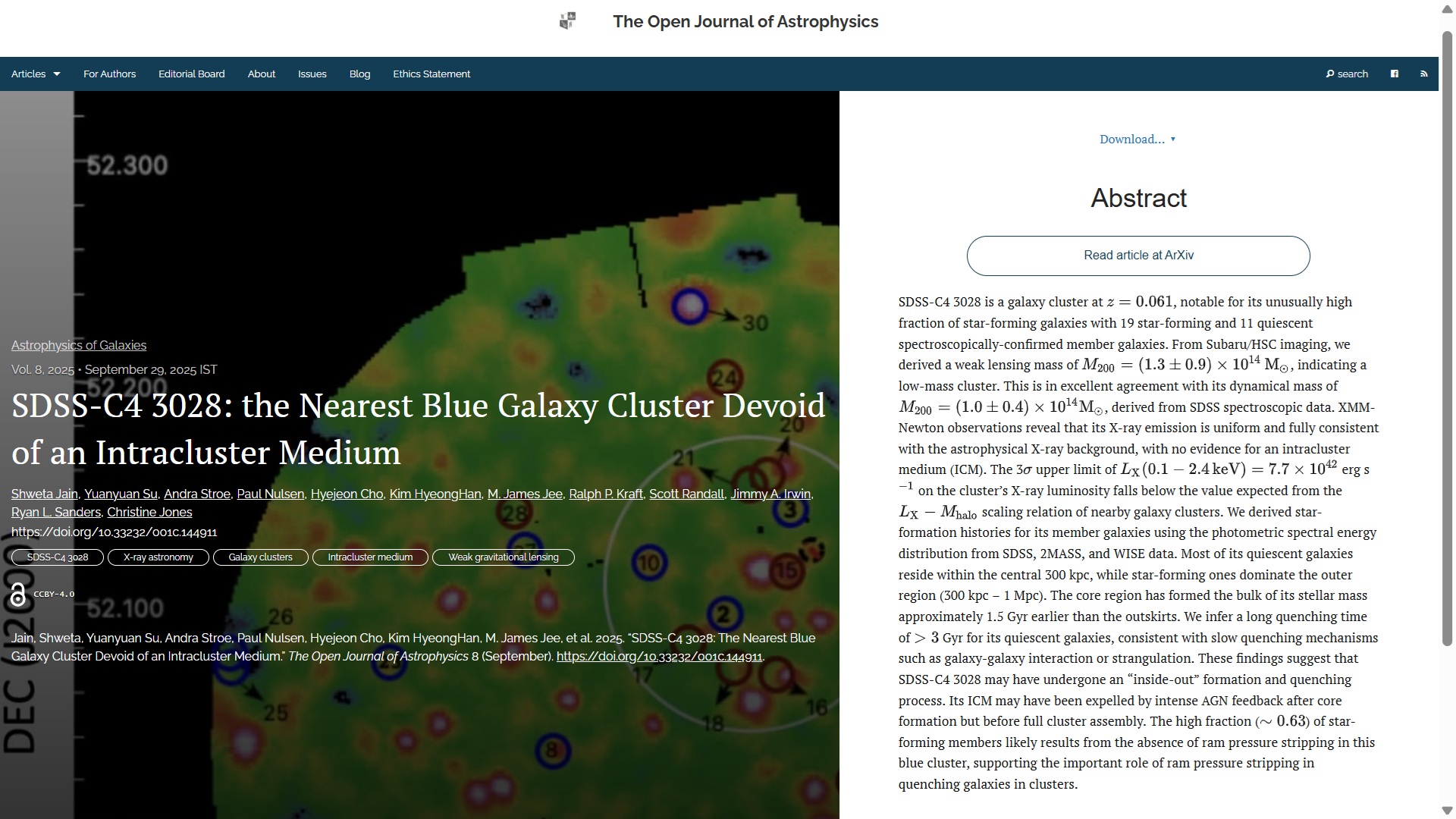
The second paper this week, also published on Monday 29th September, is “SDSS-C4 3028: the Nearest Blue Galaxy Cluster Devoid of an Intracluster Medium” by Shweta Jain (University of Kentucky, USA) and 11 others based in the USA, Australia and Korea. This describes a galaxy cluster with an unusually high fraction (about 63%) of star-forming galaxies which may be a result of ram pressure stripping; the article is in the folder Astrophysics of Galaxies.
The corresponding overlay is here:
You can find the officially accepted version on arXiv here.
You can find the officially-accepted version on arXiv here.
The next one up is “Seeding Cores: A Pathway for Nuclear Star Clusters from Bound Star Clusters in the First Billion Years” by Fred Angelo Batan Garcia (Columbia University, USA), Massimo Ricotti (University of Maryland, USA) and Kazuyuki Sugimura (Hokkaido University, Japan). This paper was published on Thursday 2nd October in the folder Astrophysics of Galaxies. This is about modelling the formation of Nuclear Star Clusters using cosmological radiation-hydrodynamic simulations, with discussion of the implications for seeding supermassive black holes and the little red dots seen by JWST.
The corresponding overlay is here:
You can find the officially accepted version of this one on arXiv here.
The fifth and last one for this week, published on Friday 3rd October 2025, is “Efficient semi-analytic modelling of Pop III star formation from Cosmic Dawn to Reionization” by Sahil Hegde and Steven R. Furlanetto (University of Californi Los Angeles, USA). This is also in the folder marked Astrophysics of Galaxies. It uses a self-consistent analytic model to trace the formation of the first stars from their birth through the first billion years of the universe’s history. complementing semi-analytic and computational methods.
You can find the officially-accepted version of this paper on arxiv here.
That concludes the report for this week. I’ll post another update next Saturday.
It’s Saturday again, so it’s time for a summary of the week’s new papers at the Open Journal of Astrophysics. Since the last update we have published five new papers, which brings the number in Volume 8 (2025) up to 141, and the total so far published by OJAp up to 376.
The first paper to report this week is “The Bispectrum of Intrinsic Alignments: Theory Modelling and Forecasts for Stage IV Galaxy Surveys” by Thomas Bakx (Utrecht U., NL), Alexander Eggemeier (U. Bonn, DE), Toshiki Kurita (MPA Garching, DE), Nora Elisa Chisari (Leiden U., NL) and Zvonimir Vlah (Ruđer Bošković Institute, Croatia). This paper was published on Monday 22nd September 2025 in the folder Cosmology and NonGalactic Astrophysics. It studies the bispectrum of intrinsic galaxy alignments, a possible source of systematic errors in extracting cosmological information from the analysis of weak lensing surveys.
The overlay is here:
You can make this larger by clicking on it. The officially accepted version of this paper can be found on the arXiv here.
You can find the officially accepted version on arXiv here.
The third one this week, published on Wednesday 24th September 2025 in the folder Astrophysics of Galaxies, is “Is feedback-free star formation possible?” by Andrea Ferrara, Daniele Manzoni, and Evangelia Ntormousi (all of the Scuola Normale Superiore, Pisa, Italy). This paper presents an argument that Lyman-alpha radiation pressure strongly limits star formation efficiency, even at solar metallicities, so that a feedback-free star formation phase is not possible without feedback. The overlay is here:
You can find the officially-accepted version on arXiv here.
Next we have “Microphysical Regulation of Non-Ideal MHD in Weakly-Ionized Systems: Does the Hall Effect Matter?” by Philip F. Hopkins (Caltech, USA), Jonathan Squire (U. Otago, New Zeland), Raphael Skalidis (Caltech) and Nadine H. Soliman (Caltech). This was also published on Wednesday 24th September 2025, but in the folder Earth and Planetary Astrophysics. It presents an improved treatment of non-ideal effects in magnetohydrodynamics, particularly the Hall effect, and a discussion of the implications for weakly-ionized astrophysical systems.
The corresponding overlay is here:
You can find the officially accepted version of this one on arXiv here.
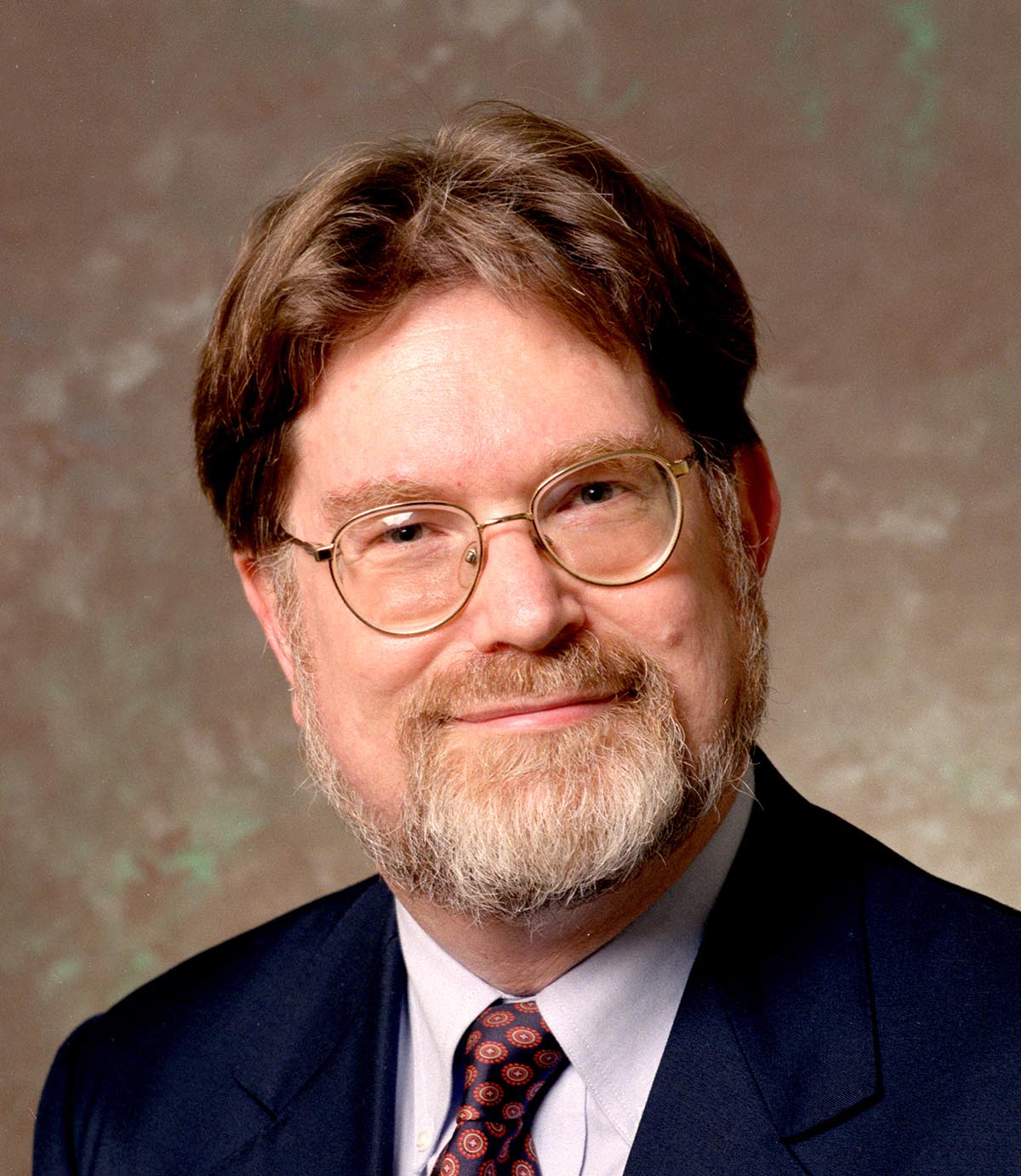
I’m very sad to have to report the death, at the age of 80, of eminent cosmologist George Smoot, who passed away at his home in Paris on 18th September. The news has been reported in France, where George had been living in recent years, but doesn’t seem to have been covered in the international media yet. I thought I would just record some personal relfections and reminiscences here, rather than try to pre-empt the official biographies.
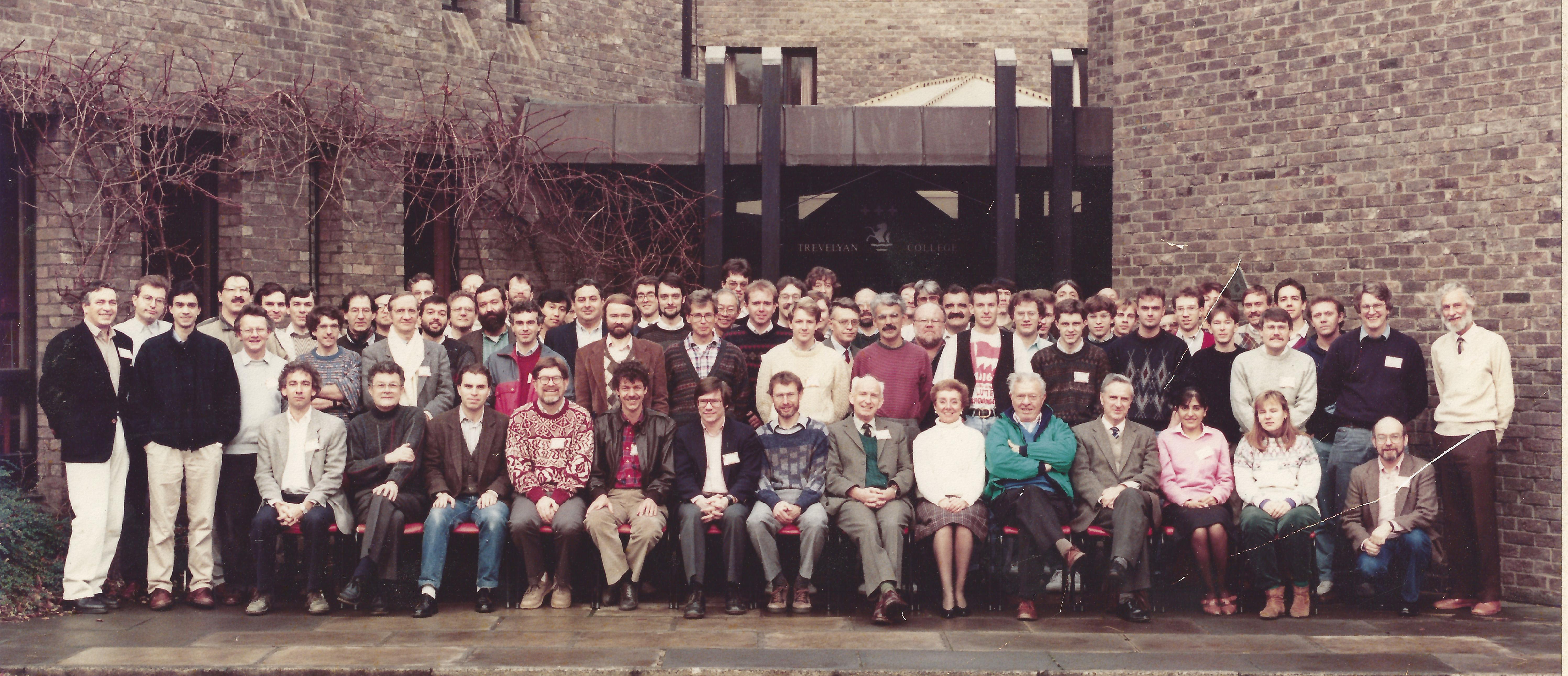
I was fortunate enough to meet George many times over the years and to get to know him quite well. The first time was at a meeting in Durham for which this was the conference photo:
George is just to the left of centre in the front row with the red-and-white sweater.
What I remember about that meeting is that I gave a contributed talk there (a short one, because I was a mere postdoc at the time). Some time after that, George Smoot gave an invited talk during the course of which he mentioned (positively) the work I had spoken about. I was gobsmacked to have my little contribution recognized by someone so eminent, and it did wonders for my scientific self-confidence. I got the chance to have a conversation with George in person some time later at that meeting and found him very good value: he was both interesting and amusing to talk to. He was someone who took mentorship seriously, and didn’t confine it to those people he was working with directly.
Over the years I met George regularly at scientific meetings, including numerous times at the (then) Daniel Chalonge schools in Sicily and in Paris where we often chatted about science and other things over coffee breaks and dinner. I always found him hugely knowledgeable about many things, but he also had an almost child-like curiosity about things he didn’t previously know. He didn’t quite jump up and down with excitement when he learnt something interesting, but almost. He could also be very direct when disagreeing, which meant that some people found him a bit abrasive. He fell out with other members of the COBE time when he threw away the agreed protocol for the announcement of results in 1992. That caused a lot of bad feeling at the time, but it seems that by the time the Nobel Prize was awarded, some degree of reconciliation had been achieved. I was lucky enough to attend the Prize Ceremonies and at the ball afterwards chatted with both George and John Mather who seemed on very amiable terms then.
Anyway, in the early noughties George invited me to spend some time at the Lawrence Berkeley Laboratory, a visit that I enjoyed enormously. He was a very generous and thougtful host and I was looked after very well. One day at LBL he asked me if the hotel was OK. I replied that it was, but one thing I didn’t like about staying in a hotel was that I liked to cook and that was impossible in a hotel room. I thought nothing more of that conversation until the end of the day when George appeared and asked me if I wanted to “do dinner” at his house that evening. I answered in the affirmative so he drove me to his house, which was very fancy, set into the hillside overlooking Berkeley – like the sort of place I imagine a film star would live – and had a very large and well-provisioned kitchen.
It soon became clear that I’d misunderstood the invitation, in that “do dinner” didn’t mean “eat dinner” but “make dinner”. Although I was slightly taken aback I set about finding what he had in the refrigerator and on the shelves. There being a plentiful supply of spices, I decided to make a tandoori-style dish of chicken baked with yoghurt, with a couple of side dishes, none of which took long to cook. When everything was getting ready I wanted to add some lemon juice but couldn’t find any lemons in the fridge. I asked George if he had any lemons, at which point he showed me into the garden where he had several lemon trees in full fruit. I’ve never lived anywhere that this would be possible! I think he enjoyed the dinner because he paid me back a few days later with a dinner at Chez Panisse. He was quite the bon viveur.
(After that short visit, I was planning to spend a sabbatical year in Berkeley in 2005, but the United States Embassy in London put paid to that idea and I went to CITA in Toronto instead.)
The last encounters I had with George were online; he was in the audience when I gave talks in the Chalonge-de Vega series organized by Norma Sanchez in 2021 (here and here). I think he had already moved to Paris by that time. The first of these talks was about open access publishing in astrophysics; George subsequently co-authored a paper in the Open Journal of Astrophysics.
My favourite quote from George came during a discussion we had at Berkeley when I suggested that some methods used for studying the cosmic microwave background could be applied to the distribution of galaxies. His response was “Galaxies are shit”. To avoid offending my friends who work on galaxies, what he meant by that was that he thought galaxies were too messy for any statistical measurements to sufficiently reliable to compete with the CMB. I think he would have preferred a universe in which all galaxies were identical, like electrons.
I’m sure many others will have their own personal reflections on their interactions with George Smoot, but he also had a huge influence on many people who never met him personally, through his enormous contributions to astrophysics and cosmology. We will no doubt read many professionally-written official obituaries in days to come, but all I can say in a personal blog post is that he was a character, a very original thinker, a fine scientist, and a very nice man. Along with many others, I will miss him enormously.
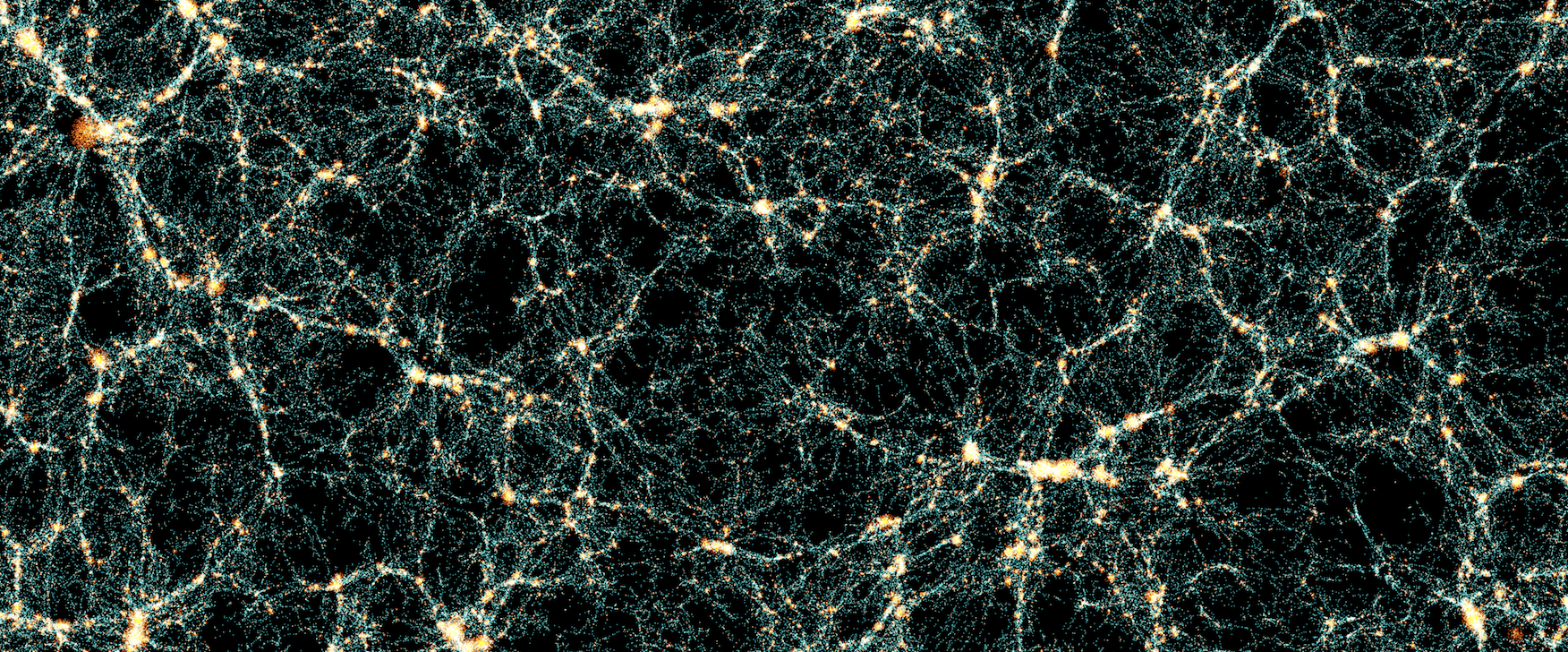
I was thinking earlier today that it’s been a while since I last posted anything about the European Space Agency’s Euclid Mission but I’ve got an excuse to remedy that today because there is a brand new a press release about the Euclid Consortium’s Flagship 2 simulations, a (low-resolution) visual representation of one of which is shown above.
The news is that the largest ever synthetic galaxy catalogue is now public; a team of 8 institutions within the Euclid Consortium, led by the Institute of Space Sciences (ICE-CSIC) and the Port d’Informació Científica (PIC) in Barcelona have developed this `mock’ catalogue, which includes 3.4 billion galaxies, each with 400 modelled properties available for the scientific community. It was constructed to help analyse data from the Euclid mission, but has many other potential uses so is being shared otuside the Consortium.
You can read more about this catalogue, and also find out how the access the simulated catalogues, here. You could also read the scientific paper describing the flagship simulations here.
P.S. The first main data release from Euclid (known to its friends as DR1) will take please on October 21, 2026. That’s just 13 months away…
Just a note to say that the Autumnal Equinox (in the Northern hemisphere) takes place this evening (Monday 22nd September 2025) at 19.20 Irish Summer Time (18.20 UTC).
Although the term `equinox’ refers to a situation in which day and night are of equal length, which implies that it’s a day rather than a specific time, the astronomical equinox is more accurately defined by a specific event, i.e. when the plane defined by Earth’s equator passes through the centre of the Sun’s disk (or, if you prefer, when the centre of the Sun passes through the plane defined by Earth’s equator). Day and night are not necessarily exactly equal on the equinox, but they’re the closest they get. From now on days in the Northern hemisphere will be shorter than nights and they’ll get shorter still until the Winter Solstice on Sunday 21st December 2024 at 3.03 pm Irish Time.
Many people take the autumnal equinox to be the end of summer. There is a saying around these parts, however, that `Summer is Summer to Michaelmas Day’ (September 29th), which is not until next week. I must say, though, though it doesn’t feel particularly summery this morning as there is a chilly wind blowing from the North.
Anyway, make the most of the Equinox because there is a rumour circulating that The Rapture will occur tomorrow (Tuesday 23rd September).
It’s Saturday again, so it’s time for a summary of the week’s new papers at the Open Journal of Astrophysics. Since the last update we have published two new papers, which brings the number in Volume 8 (2025) up to 136, and the total so far published by OJAp up to 371.
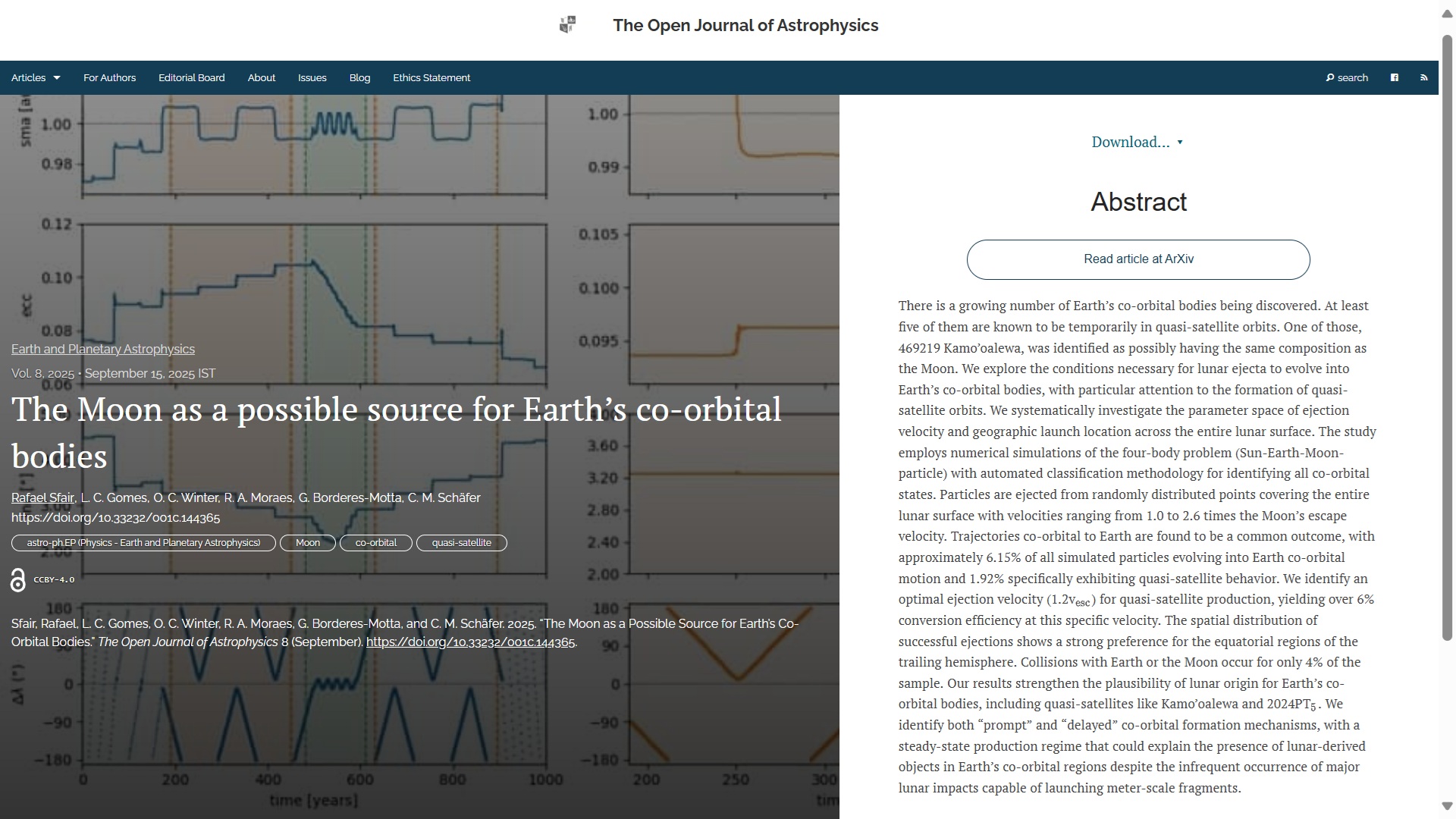
The first paper to report this week is “The Moon as a possible source for Earth’s co-orbital bodies” by Rafael Sfair, L. C. Gomes, O. C. Winter & R. A. Moraes (São Paulo State University, Brazil), G. Borderes-Motta (Astronomical Institute of the Czech Academy of Sciences, Czech Republic) and C. M. Schäfer (Universität Tübingen, Germany). This paper was published on Monday 15th September, in the folder Earth and Planetary Astrophysics, and it presents a numerical exploration of the ejection velocities and launch locations necessary for lunar ejecta to evolve into Earth’s co-orbital bodies.
The overlay is here:
You can make this larger by clicking on it. The officially accepted version of this paper can be found on the arXiv here.
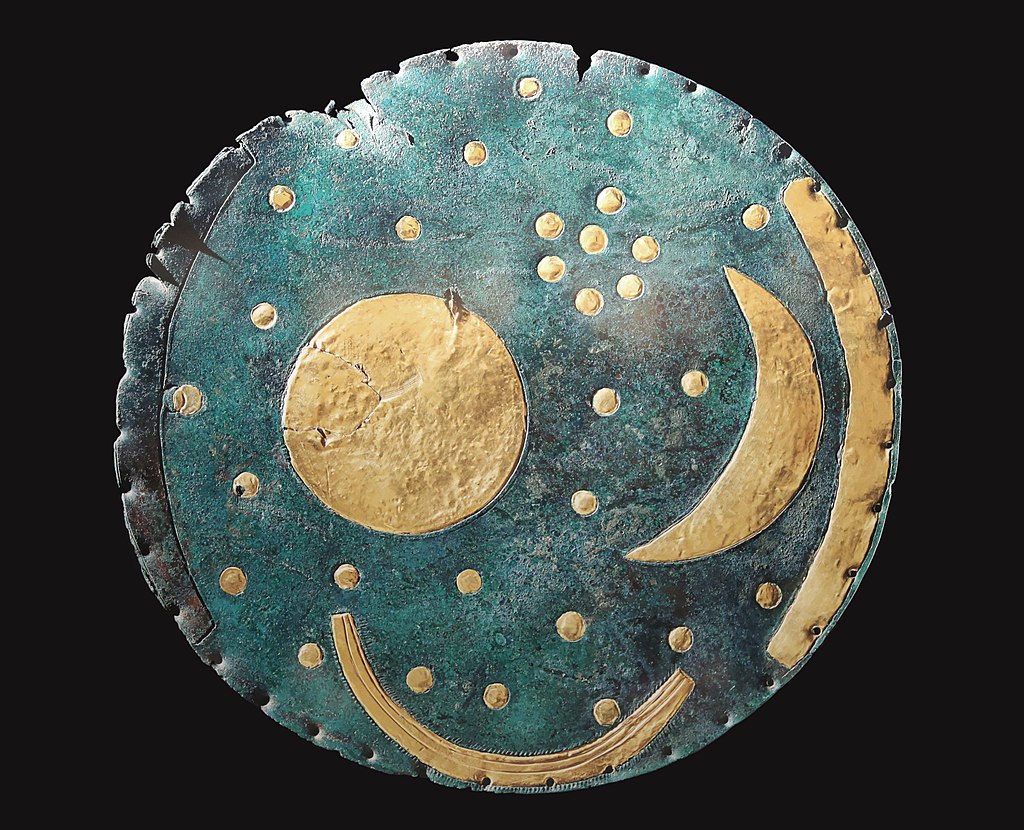
This remarkable object is made of bronze, is around 30 cm diameter and weighs about 2.2 kg. It has a blue-green patina and is inlaid with gold symbols, usually interpreted as the full moon, a lunar crescent, and stars, including a cluster of seven stars, thought to represent the Pleiades. The gold arc on the right probably represents the Sun’s path between the solstices; the angle subtended by the arc (82°) is the correct angle sunrise at the summer and winter solstices and at the latitude of the discovery site (Mittelberg, near Nebra, in Germany); there was probably another such arc on the other side of the disk (now lost). Remarkably, the tin used in making the bronze from which it is formed has been traced by metallurgical analysis to Cornwall.
The Nebra disc has been dated to c. 1800–1600 BCE (Bronze Age) which makes it the oldest (certain) depiction of celestial phenomena known from anywhere in the world. In November 2021, a replica of the Nebra Sky Disc was taken by German astronaut Matthias Maurer to the International Space Station.
The views presented here are personal and not necessarily those of my employer (or anyone else for that matter).
Feel free to comment on any of the posts on this blog but comments may be moderated; anonymous comments and any considered by me to be vexatious and/or abusive and/or defamatory will not be accepted. I do not necessarily endorse, support, sanction, encourage, verify or agree with the opinions or statements of any information or other content in the comments on this site and do not in any way guarantee their accuracy or reliability.





 In the Dark