Thinking back to yesterday’s EAS 2025 social event, I think the song that attracted the greatest degree of audience participation was this one. It’s very well-known and the chorus is great for a singalong. Anyone who has any Irish relatives – especially an uncle with a fondness for the drink – will certainly have heard this!
P.S. It wasn’t sung by the Luke Kelly and the Dubliners last night.
I’m on an early-morning train from Cork to Dublin, missing the final day of EAS 2025. I’d like to thank the organisers and all the contributors for an extremely successful meeting. I’m looking forward to EAS 2026, which will be held in Lausanne (Switzerland).
Yesterday was another busy day, during which I attended – among other things – sessions on gravitational lensing and a plenary talk by Andy Fabian. The latter event reminded me that in my final year as an undergraduate I took a “Minor Option” on High-Energy Astrophysics lectured by Andy Fabian. That was 40 years ago…
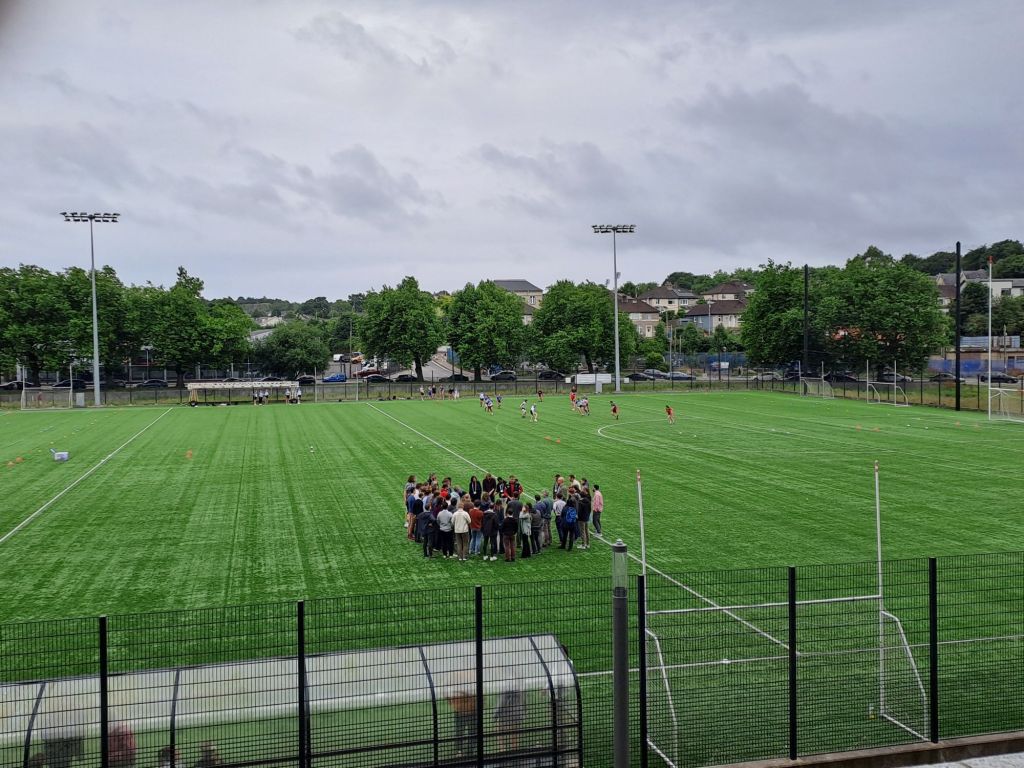
After the scientific programme for the day was over, participants were bussed to Páirc Ui Chaoimh, Cork’s main GAA Stadium, for the conference dinner. Some of the participants had the chance to try their hands at hurling before the food.
After the food, there was traditional Irish music, with the audience joining in the singing and dancing. A good time was had by all.
Incidentally, Cork play Dublin next weekend in the semi-finals of the All-Ireland Senior Hurling Championship. To the surprise of many, Dublin knocked out Limerick in the quarter-finals. The other semi-final is between Kilkenny and Tipperary. Those people who attempted to put hurley to sliotar last night will be even more amazed at the level skill on display in those games.
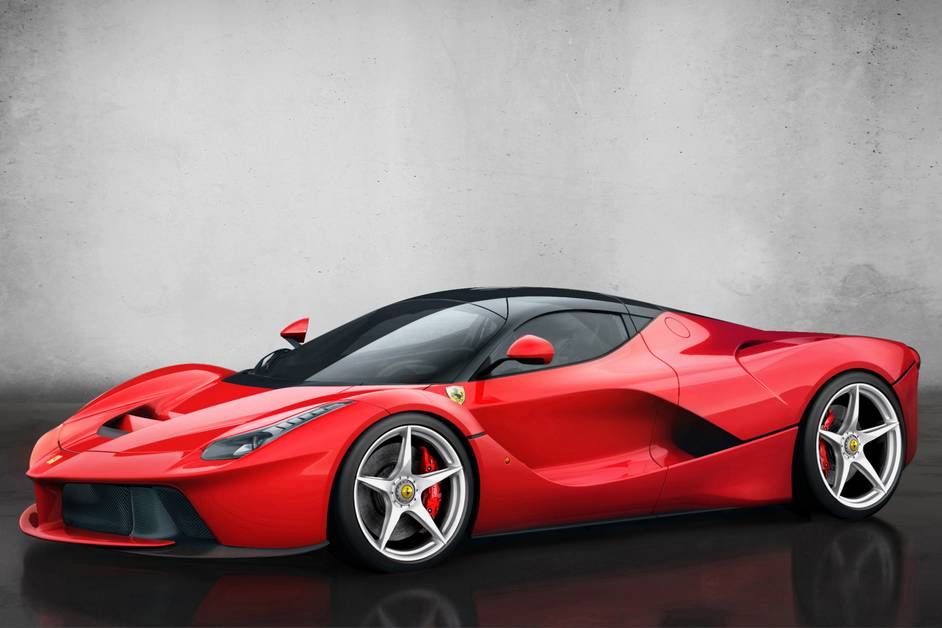
I couldn’t resist sharing a snippet from Tuesday’s discussion session at EAS 2025 about academic publishing in astrophysics. To paraphrase one member of the panel (whose identity it seems wise to omit), representing a conventional publisher), “just like with cars, it is possible to have a cheaper model of publishing, but who wants one of those when you can have a Ferrari?”
When it was my turn to comment, I replied that most astrophysics research is funded from the public purse, and that I don’t think we should be spending the taxpayer’s money on Ferraris.
In any case, the mere fact that something is more expensive does not necessarily make it better.
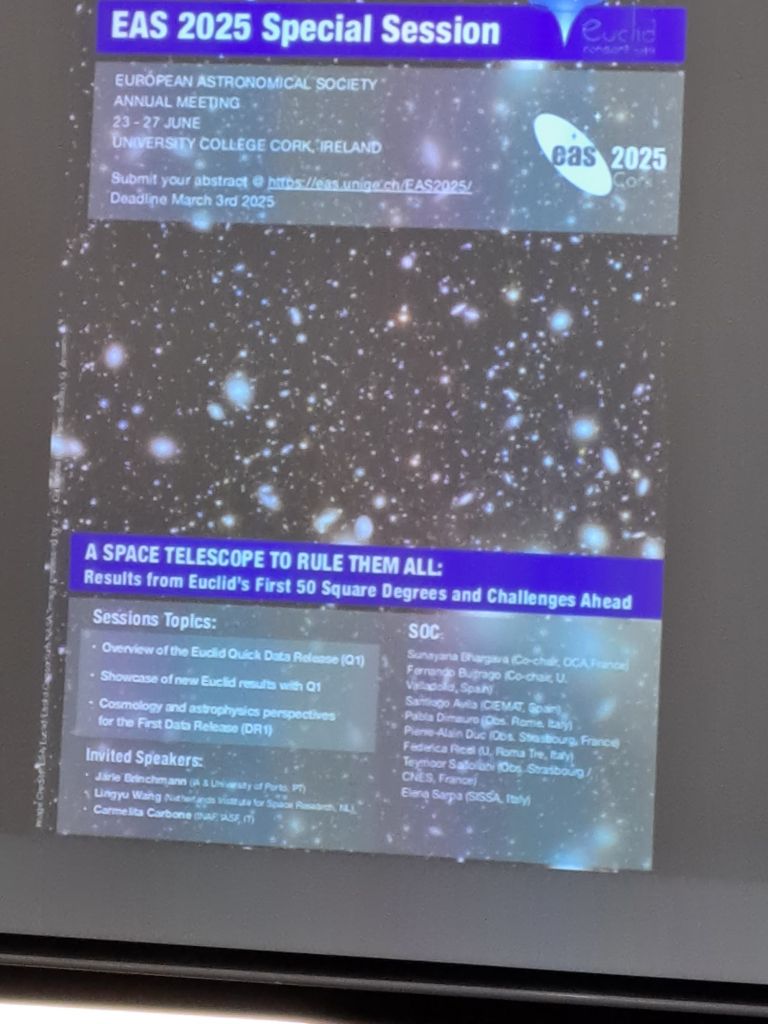
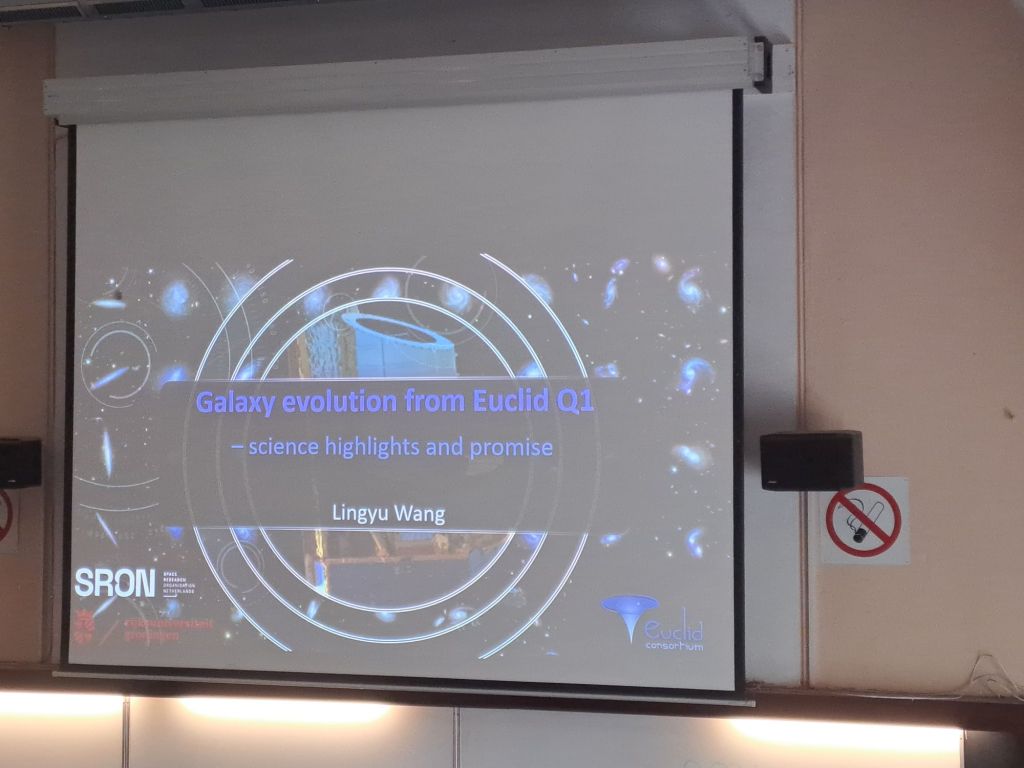
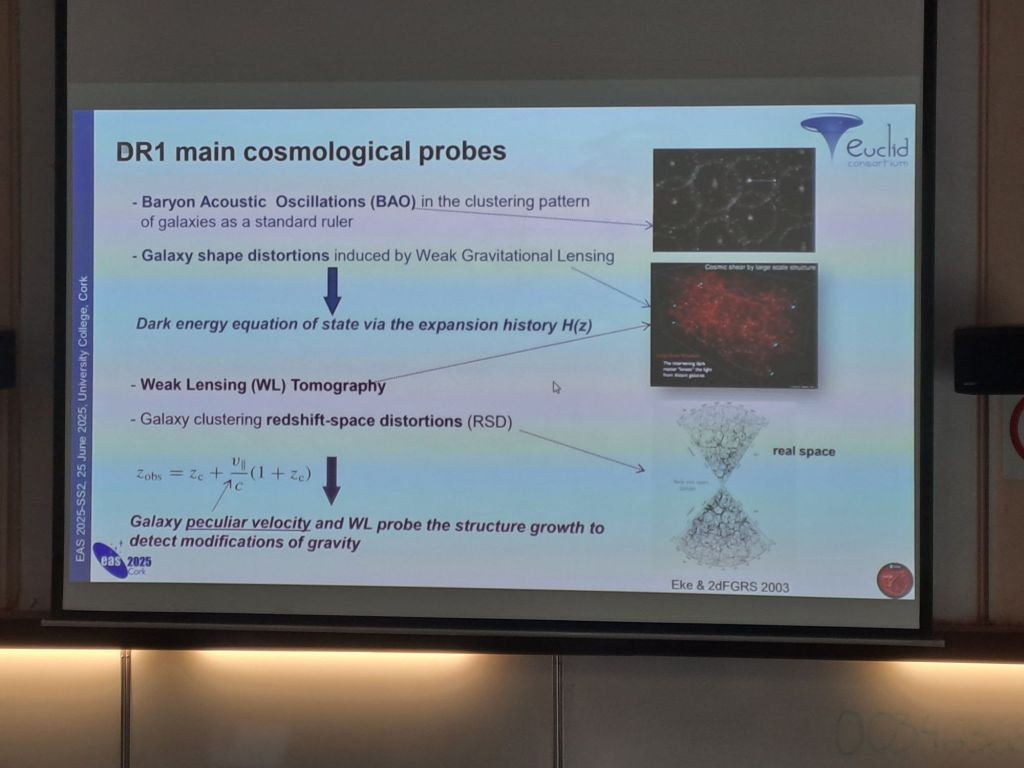
I spent most of today at the EAS 2025 sessions about Euclid. These were mainly about the Q1 data release I blogged about here, although there were some talks about what to expect about the first full data release (DR1), which is due towards the end of next year (2026), before I retire.
There were three Euclid sessions, one in the morning and two in the afternoon; I’m writing this during the last of these.
I was reminded this morning that the word “plenary” is derived from the Latin plenus, meaning “full”. This explains why there are no free seats for the plenary session, so I had to watch the stream in one of the overflow theatres.
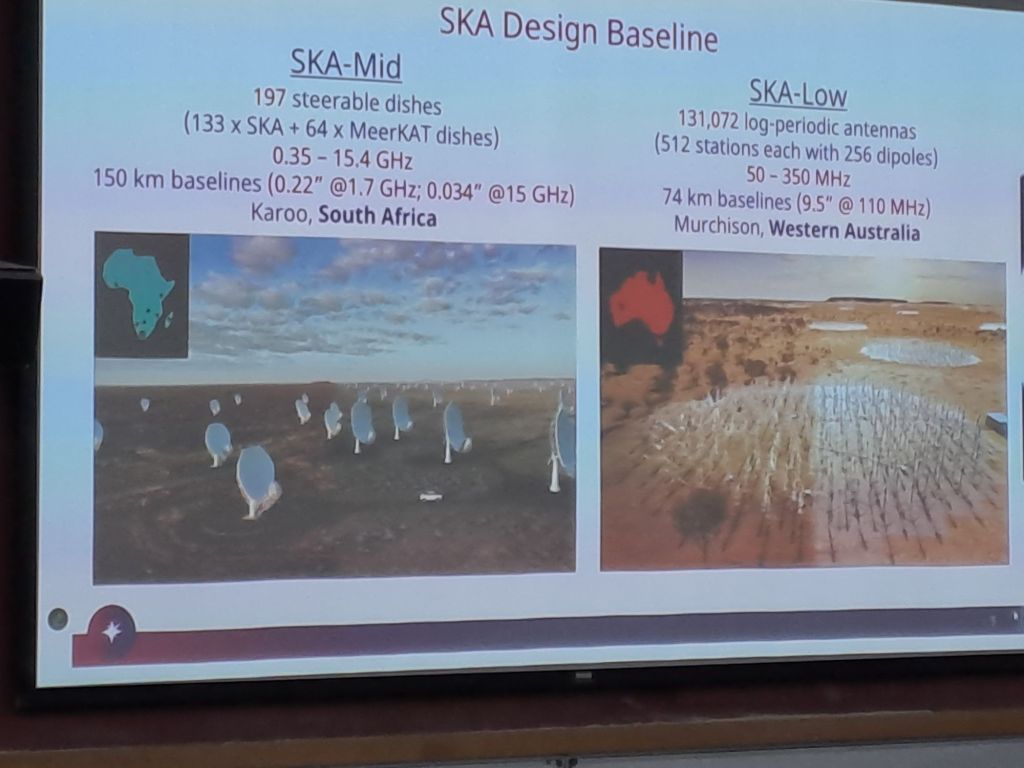
I also attended a lunchtime session about the Square Kilometre Array Observatory (SKAO). This was interesting, though the first full data release from SKAO will not happen until after I’ve retired.
And, to end the day, I’m at a reception and meeting of SKA Ireland, a group campaigning for Ireland to join the SKAO.. There’s win.
Today was my first day at EAS 2025 on the nice campus of University College Cork. I managed to register before the first session and found my way around what is clearly a very well organised meeting. They have a very useful app to help attendees navigate both space and time.
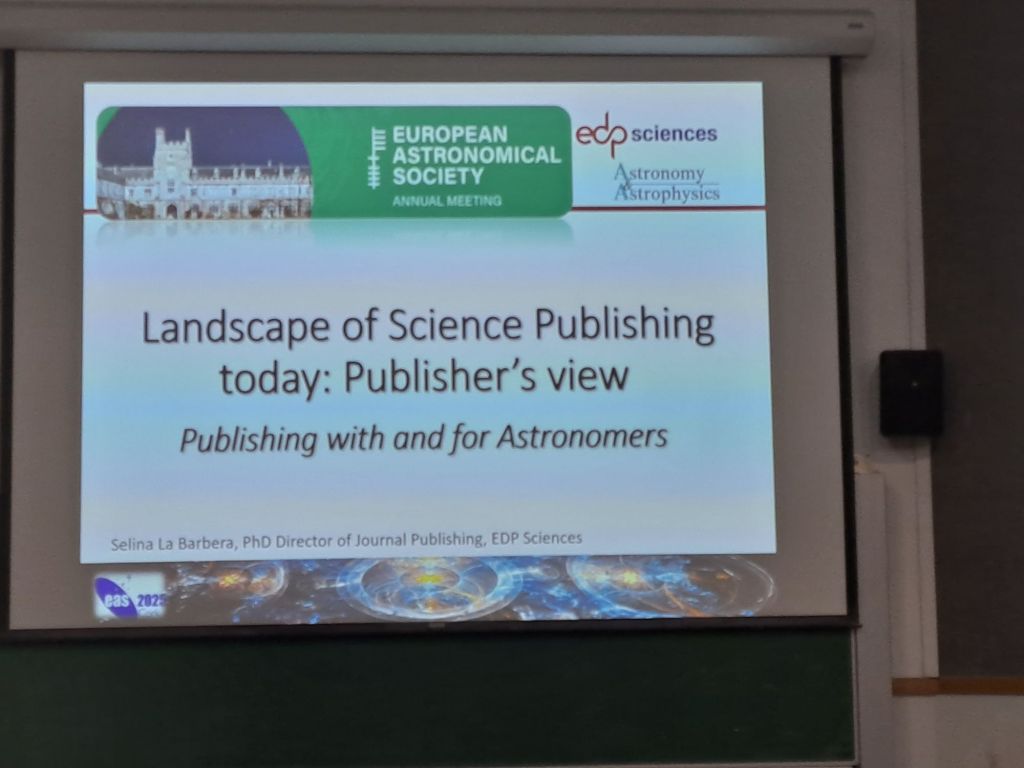
I spent a large part of today at a session about the future of scientific publishing, which was split in two, either side of the morning’s plenary. The first half started with a talk by Selina La Barbera, a representative of EDP Sciences, the publisher of the journal Astronomy and Astrophysics:
It also featured a talk by João Alves, Letters Editor of Astronomy and Astrophysics, and Uta Grothkopf, librarian of the European Southern Observatory. The last talk was full of insights and information. The Q&A was very lively. I was expecting that I might be the one to inject some controversy into the discussion, but I didn’t need to. Issues about the cost of APCs, etc, were raised by others before I got the chance.
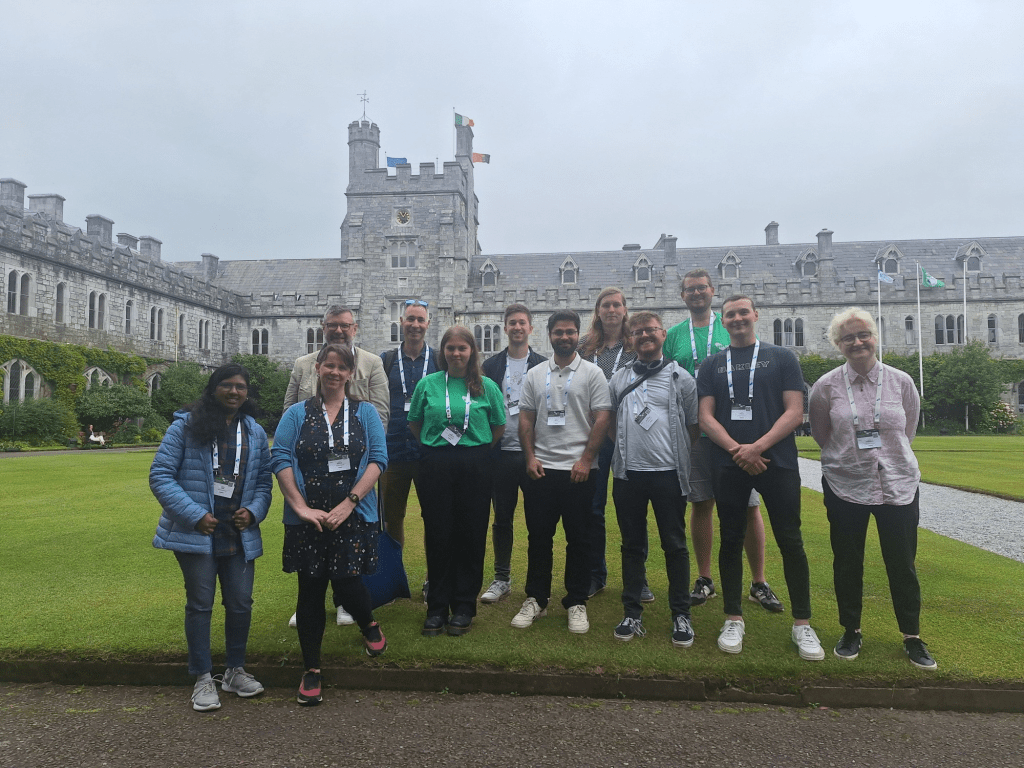
Before the plenary, there was time for a group photograph of staff and students from Maynooth:
The Maynooth Contingent
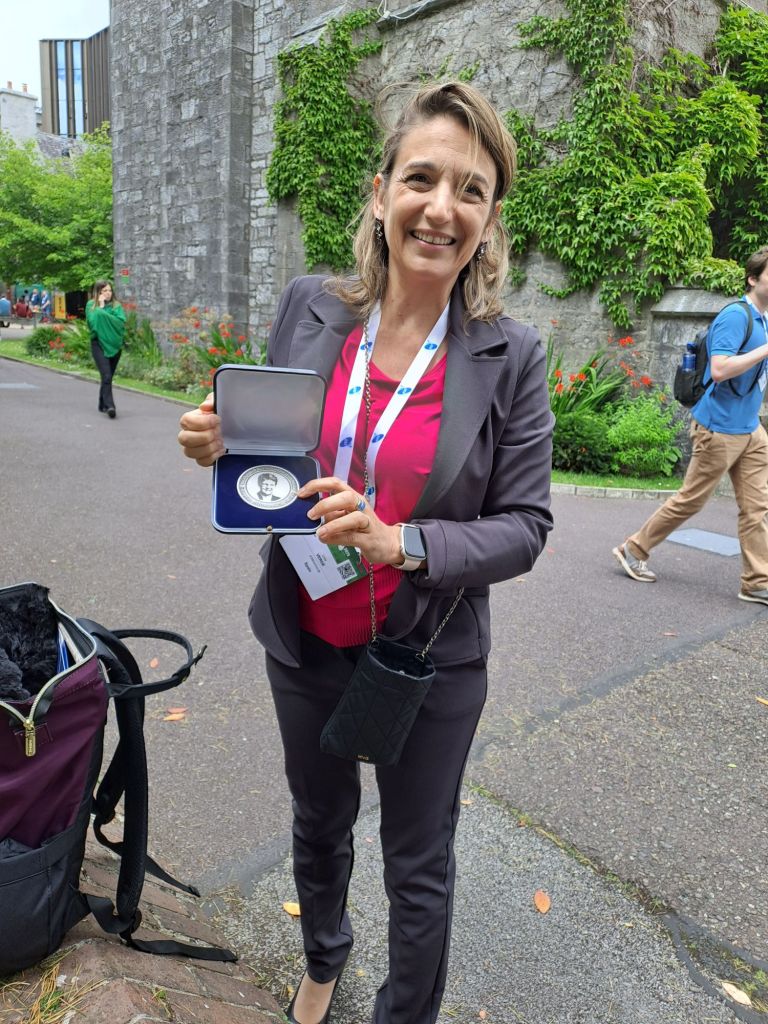
The highlight of the plenary was seeing Licia Verde collect the Jocelyn Bell Burnell Medal on behalf of arXiv, together with Ralph Wijers. They both gave interesting presentations about arXiv too.
Licia, with the EAS Medal she received today.
Back in the special session about publishing, I participated in a panel discussion, which was very lively. On a Zoom call last week in preparation for this, we were a bit worried that not many people would take part, but in the event the room was full and many people asked questions, including many about OJAp, and the discussion went on outside after the session was finished. I think it was a very successful session.
Now that the session I was directly involved in is over, I can relax a bit and be free tomorrow to attend more science sessions, including a couple about Euclid…
I can’t believe that it’s three months since I splashed out on six books in an attempt to restart my reading habit. Anyway, I took the opportunity of the by train trip down to Cork to read Claire Keegan’s novella Foster, as it was this work that inspired the beautiful Irish language film An Cailín Ciúin which I blogged about here. It’s a very short book, only 88 pages, but is an absolute gem. Keegan’s prose is spare but beautifully crafted and manages to convey great emotional depth largely by what is not said. For once the gushing praise not only on the jacket but also in the few pages of preamble is fully justified. I must read more by Claire Keegan. If there’s anything even more remarkable than the book, it’s how perfectly the film captures its essence.
There’s a line in the book that I remember well from the film
Many’s the man lost much because he missed a perfect opportunity to say nothing.
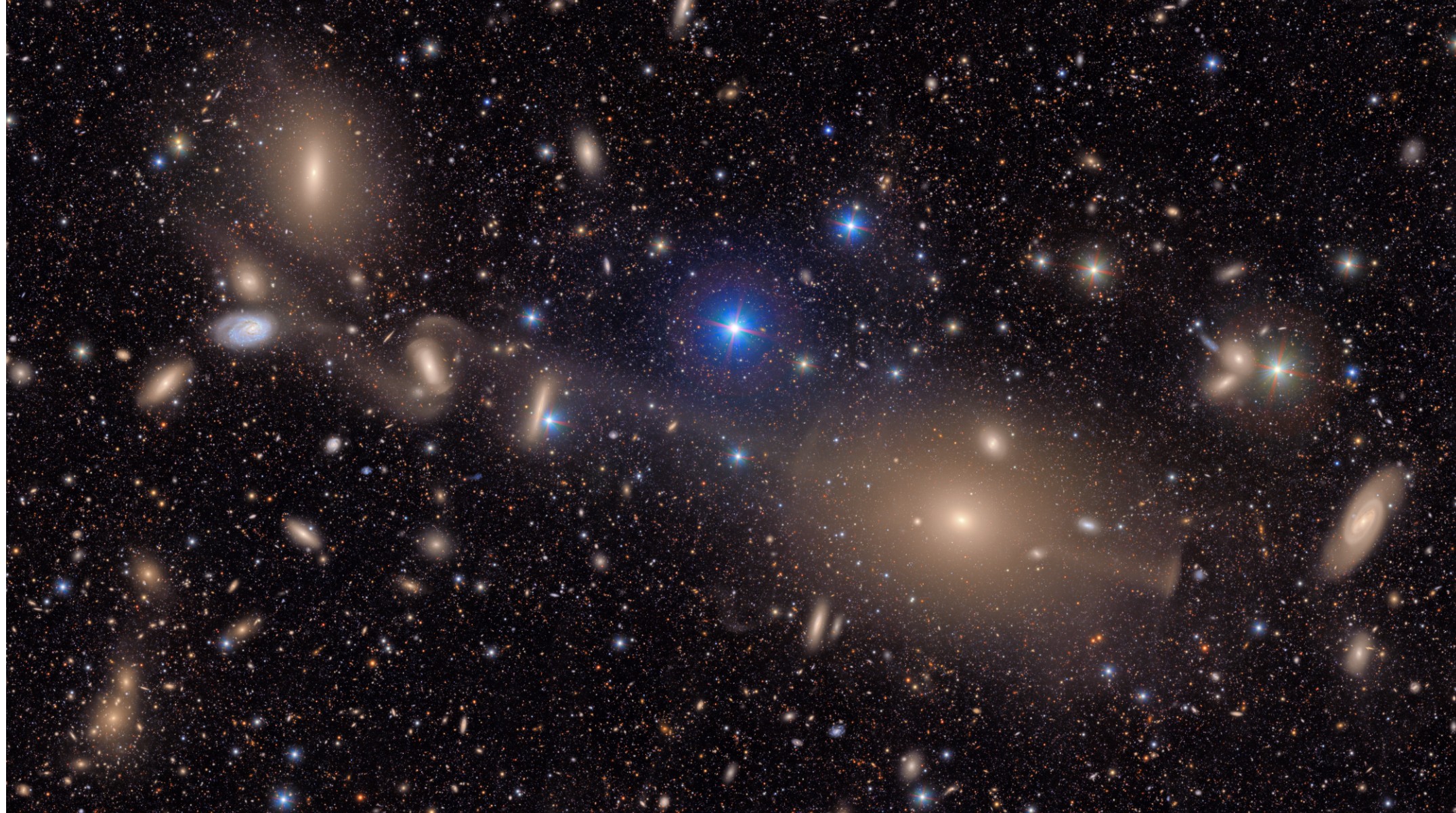
Just a quick note to say that the “first look” images from the Vera C. Rubin Observatory will be revealed at 11am (Eastern Daylight Time; 4pm local Irish Time). This is the live stream:
I understand there will be a watch party at the EAS meeting in Cork, but I will be on the train so I’ll miss it.
Tomorrow I’ll be travelling to the fine city of Cork, where I shall be for most of next week, attending the 2025 Annual Meeting of the European Astronomical Society I was planing to travel today, but I have some things to attend to at home tomorrow morning so I won’t get to Cork until late afternoon.
The EAS Annual Meeting is a very large meeting with well over a thousand participants expected. It is held each year in a different European city but, according to tradition, never a capital. Last year it was in Padova (Italy) and the year before that in Kraków (Poland).
I usually enjoy smaller-scale meetings and workshops over these mega-conferences, but I’m looking forward to this one. There will be a strong Maynooth contingent there but I also hope to see some old friends from elsewhere, as well as catching up on some exciting science results.
Talking of science, I am on the Scientific Organizing Committee for this meeting. The programme is very large and diverse and there were a few headaches on the way, but nothing compared to the logistical challenges facing the local organizers; they will probably reach peak stress levels ahead of the opening of the meeting, but I’m sure everything will go well. The Irish National Astronomy Meeting (INAM) was actually held in Cork in 2023. Although a much smaller meeting than EAS, the experience of running that will probably have helped the organizers.
I’m not actually giving a talk at EAS but I will be participating in a panel discussion in a special session on The Future of Scientific Publishing: Strategies and Challenges for Astronomy on Tuesday 24th June. When I saw the initial announcement for this special session, I was was concerned that it would be entirely dominated by representatives of the journal Astronomy & Astrophysics and their publisher EDP Sciences. The first session (9.00 to 10.30) titled “SCIENCE PUBLISHING TODAY AND TOMORROW” is still like that, but the panel discussion in the second session (13.15 to 14.45) “SCIENCE PUBLISHING: A COMMUNITY’S VIEW” is a bit more balanced than that, with a representatives of NASA/ADS and the European Southern Observatory (among others). If I’m given an opportunity to get a word in, I’ll be arguing that traditional journals are unnecessary and obsolete.
In case you weren’t aware, the Summer Solstice in the Northern hemisphere took place this morning Saturday June 21, 2025 at 02:42 UTC (03:42am local Irish Time). Among other things, this means that today is the longest day of the year (as defined by the interval between sunrise and sunset).
According to this website, the interval between sunrise and sunset in Dublin today will be 17 hours and 12 seconds. which is a whole second longer than yesterday (!) and six seconds longer than tomorrow.
In the Northern hemisphere, days will get shorter from the Summer Solstice until the Winter Solstice in December.
The nights are drawing in. Although sunset does carry on getting a bit later for a few days, the days definitely start getting shorter from now on. I explained this in earlier posts here.
Incidentally, the word for “solstice” in the Irish language is grianstad which translates literally as “sun-stop”. The Summer Solstice is Grianstad an tSamhraidh“. The nominative singular word for “Summer”, a masculine noun in Irish, is Samhradh, but in the construction used here, “of summer”, it is in the genitive case so becomes Samhraidh. Moreover, when a masculine noun beginning with s- in the singular genitive is preceded by the definite article an) it experiences an initial mutation in the form of a t-prothesis; hence (an tSamraidh is “of the Summer”.
The Winter Solstice is Grianstad an Gheimhridh. The word for winter is Geimhreadh, which is masculine, and has a genitive form Geimhridh. In this case, however, because it doesn’t begin with “S” there is no t-prothesis but instead a lenition (séimhiú) that softens the initial “G” indicated by the “h”. Hence Grianstad an Gheimhridh, “Sun-stop of the Winter”.
Yesterday (Thursday 19th June 2025) was a national holiday in the USA, which means that no new papers were announced on arXiv today (Friday 20th June). I have therefore decided to bring forwarded the usual weekly update of papers published at the Open Journal of Astrophysics by a day. Since the last update we have published three new papers, which brings the number in Volume 8 (2025) up to 74, and the total so far published by OJAp is now up to 309.
The three papers published this week, with their overlays, are as follows. All three were published on Tuesday, June 17th 2025. You can click on the images of the overlays to make them larger should you wish to do so.
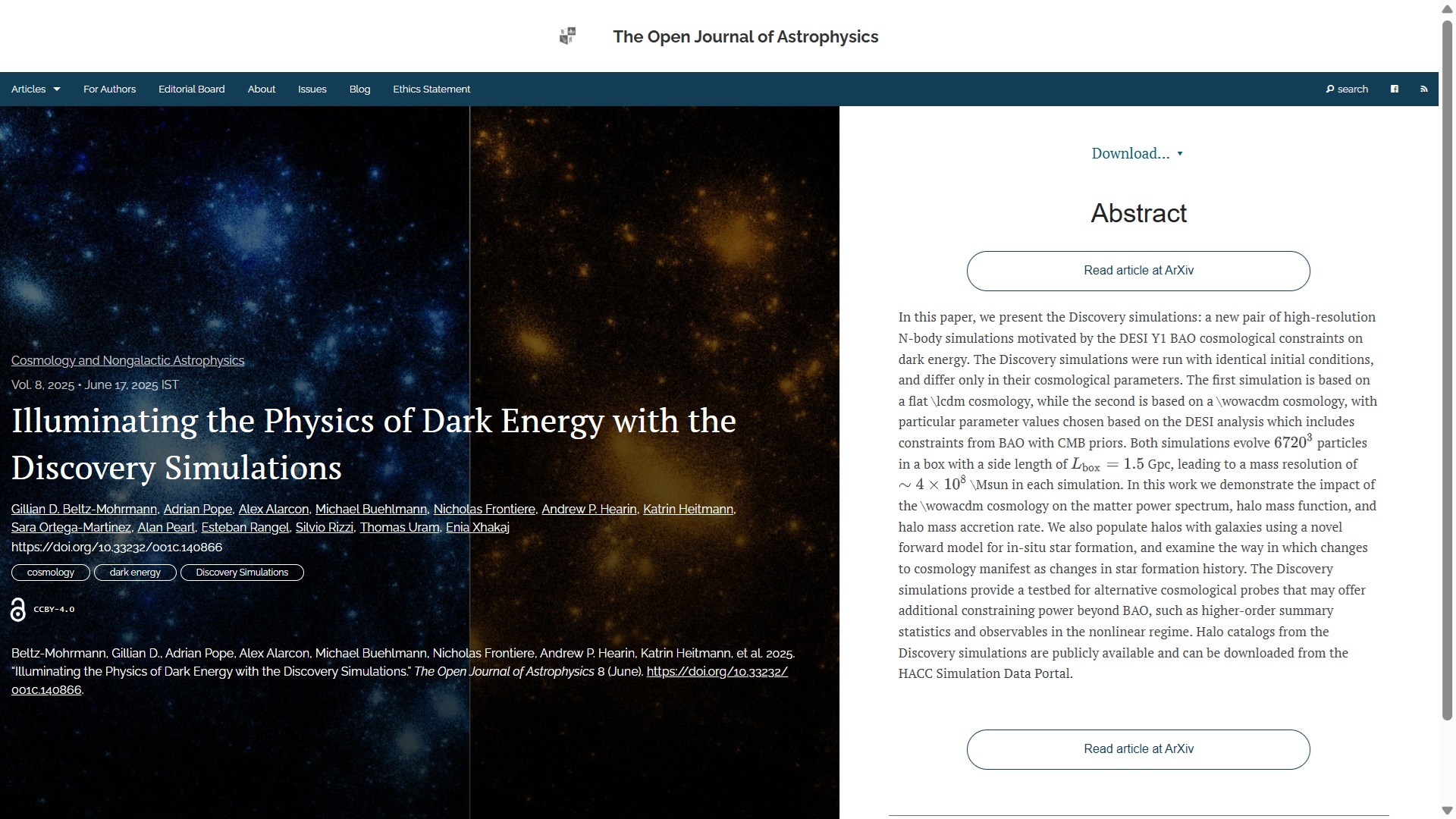
The first paper to report is “Illuminating the Physics of Dark Energy with the Discovery Simulations” by Gillian D. Beltz-Mohrmann (Argonne National Laboratory, USA) and 12 others based in the USA and Spain. This describes new high-resolution cosmological simulations providing a testbed for alternative cosmological probes that may offer additional constraining power beyond Baryon Accoustic Oscillations. It is filed in the folder marked Cosmology and NonGalactic Astrophysics.
The overlay is here:
You can read the final accepted version on arXiv here.
The second paper is in the folder marked Astrophysics of Galaxies. It is “LIGHTS. The extended point spread functions of the LIGHTS survey at the LBT” by Nafise Sedighi (Instituto de Astrofísica de Canarias, Spain) and 15 others based in Spain, USA, Iran, Italy and the UK. It describes the procedure used to construct the extended Point Spread Functions (PSFs) of the LIGHTS survey in images taken with the Large Binocular Cameras (LBCs) of the Large Binocular Telescope (LBT).
The overlay is here:
You can find the officially-accepted version of the paper on arXiv here.
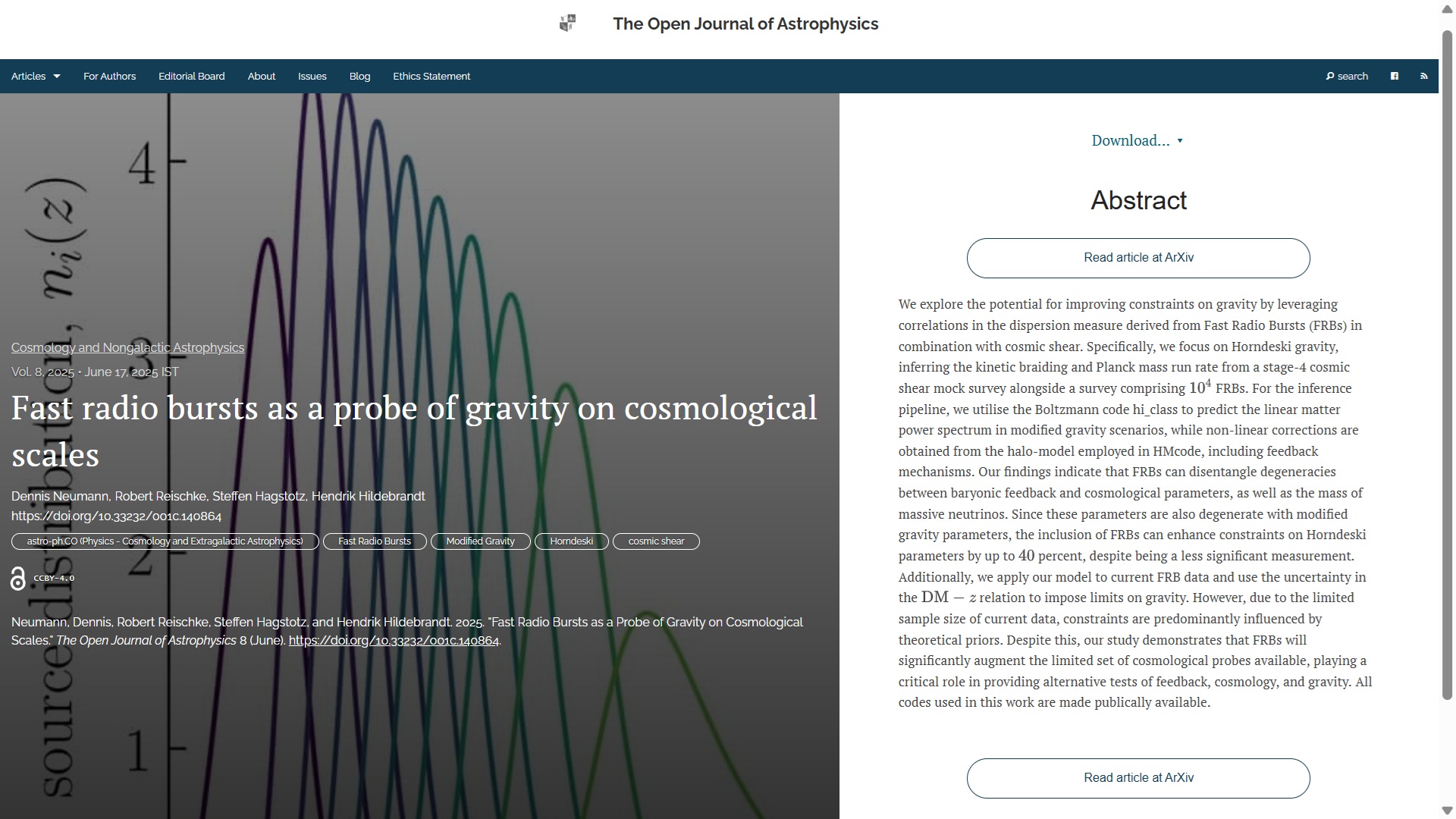
Finally this week we have “Fast radio bursts as a probe of gravity on cosmological scales” by Dennis Neumann (Leiden University, Netherlands), Robert Reischke (Universität Bonn, Germany), Steffen Hagstotz (Ludwig-Maximilians Universität München, Germany) and Hendrik Hildebrandt (Ruhr University Bochum, Germany). This is about using dispersion measures derived from Fast Radio Bursts (FRBs) in combination with cosmic shear to investigate modified gravity theories, specifically Horndeski gravity. It is in the folder marked Cosmology and NonGalactic Astrophysics.
The overlay is here:
You can find the officially-accepted version on arXiv here.
That’s all the papers for this week. I’ll revert to the usual schedule for updates next week, and post the next one on Saturday 28th June.
The views presented here are personal and not necessarily those of my employer (or anyone else for that matter).
Feel free to comment on any of the posts on this blog but comments may be moderated; anonymous comments and any considered by me to be vexatious and/or abusive and/or defamatory will not be accepted. I do not necessarily endorse, support, sanction, encourage, verify or agree with the opinions or statements of any information or other content in the comments on this site and do not in any way guarantee their accuracy or reliability.



 In the Dark