This just appeared on Youtube a couple of days ago and I couldn’t resist sharing it here. It is from a BBC programme in the series Jazz 625 and is presented by a chap called Humphrey Lyttelton, himself a trumpeter and bandleader. Although Humph is best known as a musician on the traditional side of jazz, he was very broadminded about music and extremely knowledgeable about more modern forms, as he demonstrated on his long-running radio show The Best of Jazz, which I listened to avidly as a teenager and which introduced open my eyes and ears to lots of new things including “hard bop“, which is the genre to which this belongs.
This programme was broadcast in 1965, at which time the BBC Television programmes were all in black-and-white so the recording has been “colourized”, and think the sound has been remastered too. It sounds great.
Anyway, the band featured here is Art Blakey and the Jazz Messengers. I was lucky enough to hear a couple of later incarnations of this group play live in the 1980s. There’s no need to run through the personnel or tunes because Humph does so in the recording. I will just add that the intro and outro are Thelonious Monk’s 52nd Street Theme.
One of the sad items of news that appeared last week while I was indisposed was the death at the age of 91 of legendary recording engineer Rudy van Gelder. He was the man who established the sound of a huge proportion of the greatest Jazz records made in the 1950s and 60s, including classic albums on the Blue Note, Prestige and Impulse labels by musicians of the calibre of Miles Davis, John Coltrane, Sonny Rollins and Art Blakey. It’s quite unusual for sound engineers to become famous, but Van Gelder certainly did and his passing has left us with a priceless legacy of extraordinary music.
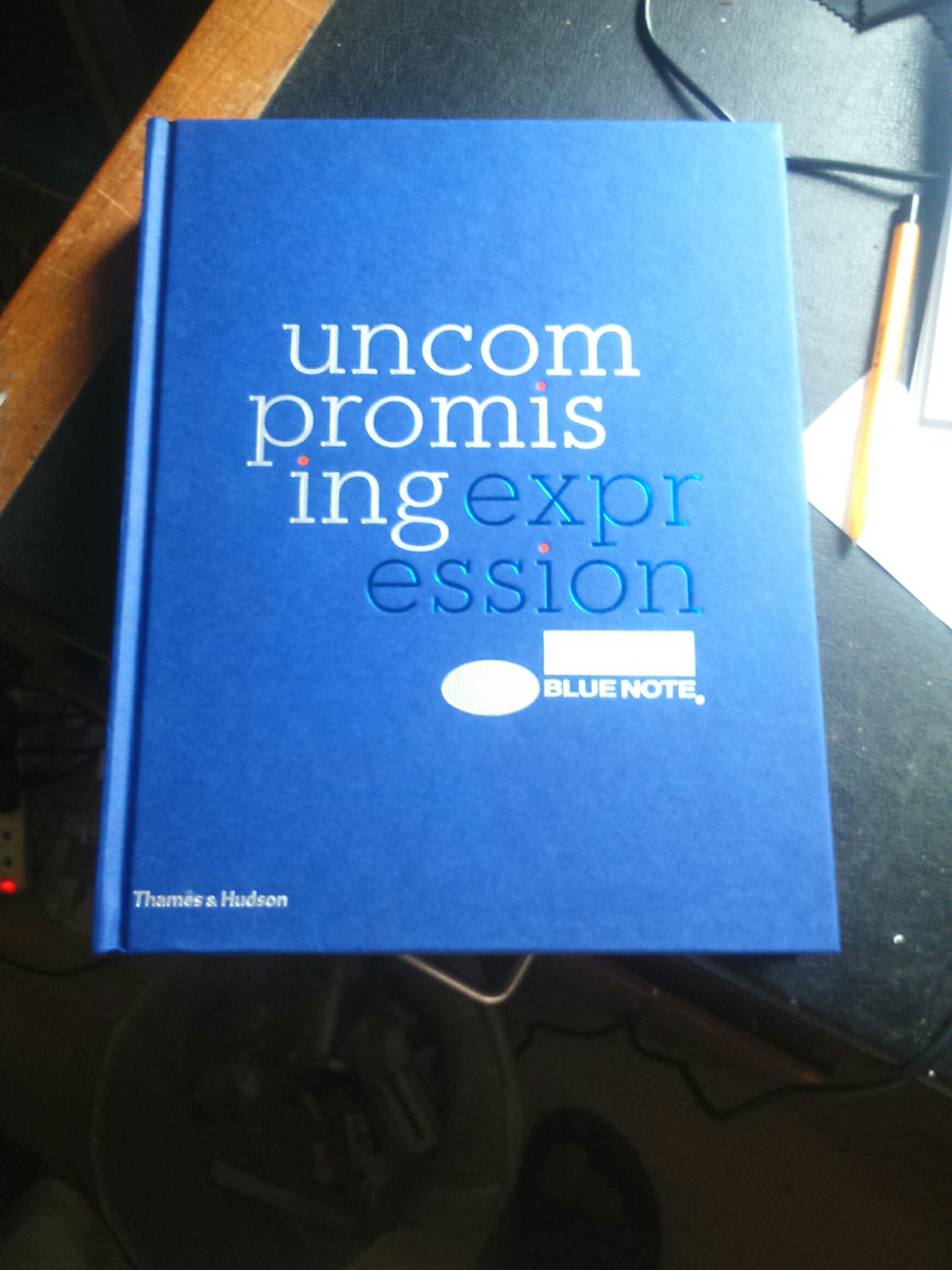
By sheer coincidence, one of the books I took with me to read in hospital was this:
Written by Richard Havers, this is an excellent illustrated history of the legendary record label, Blue Note. Blue Note began with a number of classic recordings from the era of Sidney Bechet, Edmond Hall and Bunk Johnson, but it was the post-bebop era that really established the label in terms of sound and distinctive artwork:
Van Gelder’s first recording studio was set up in his house in Hackensack, New Jersey, and it was probably because of the unsuitable shape of the room he used that he experimented so much with, e.g., the number and placing of microphones and in the way he mixed the tapes do produce a much fuller sound than was typical for jazz recordings of that era. He moved to a bigger house – again with a built in studio – later on, but stuck by many of his earlier innovations.
One immediate result of his habit of close-miking both solo and backing instruments – he was known to use three mikes on the drums, which was unheard of at the time – and recording them as “hot” as possible, was that he guaranteed that his records would have a huge and vibrant sound when played on a gramophone or jukebox. He also captured the unique sound that Miles Davis created when he played the trumpet with a Harman mute. When Miles moved from Prestige to another label he asked their engineers to reproduce exactly what Van Gelder had done. They wouldn’t -or couldn’t – do it.
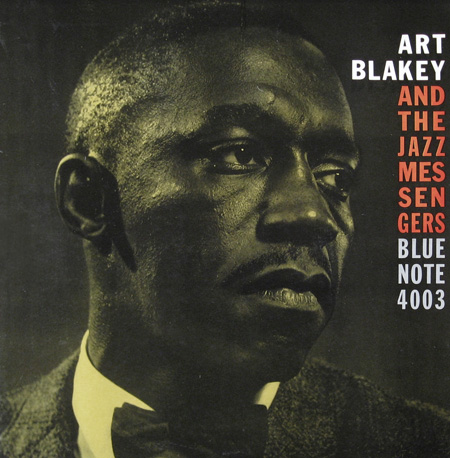
Not everyone approved of Van Gelder’s approach. You can read some severe criticisms here. Some musicians – including Charles Mingus – didn’t like the sound at all either. But there’s no question that what he did brought a new dimension to what was an extraordinarily creative time for Jazz. An astonishing fraction of the great records described in the book I mentioned above were recorded by him. As a tribute I’m including the record that for me established the Blue Note sound, Moanin’ by Art Blakey and the Jazz Messengers recorded in Van Gelder’s Hackensack Studio, New Jersey in 1958, the cover of which is shown above.
The views presented here are personal and not necessarily those of my employer (or anyone else for that matter).
Feel free to comment on any of the posts on this blog but comments may be moderated; anonymous comments and any considered by me to be vexatious and/or abusive and/or defamatory will not be accepted. I do not necessarily endorse, support, sanction, encourage, verify or agree with the opinions or statements of any information or other content in the comments on this site and do not in any way guarantee their accuracy or reliability.

 In the Dark