Archive for the Biographical Category

The Sabbatical Starts Here…

Posted in Biographical, Maynooth with tags , on September 1, 2023 by telescoper

Today is 1st September 2023, which means that it is the first day of my year-long sabbatical. No teaching and no admin until 31st August 2024! I moved the last of my personal things out of the office yesterday and put an auto-reply on my email. I did plan to take today off to celebrate but I had some things to do relating to the Open Journal of Astrophysics so I spent the morning doing them. If the rain holds off I might do a spot of gardening later on.

A sabbatical isn’t a holiday of course, and will have plenty to do over the next year, much of it clearing a backlog of things I should have done well before now but failed because of workload issues. I make no apology for taking the first day off, however.

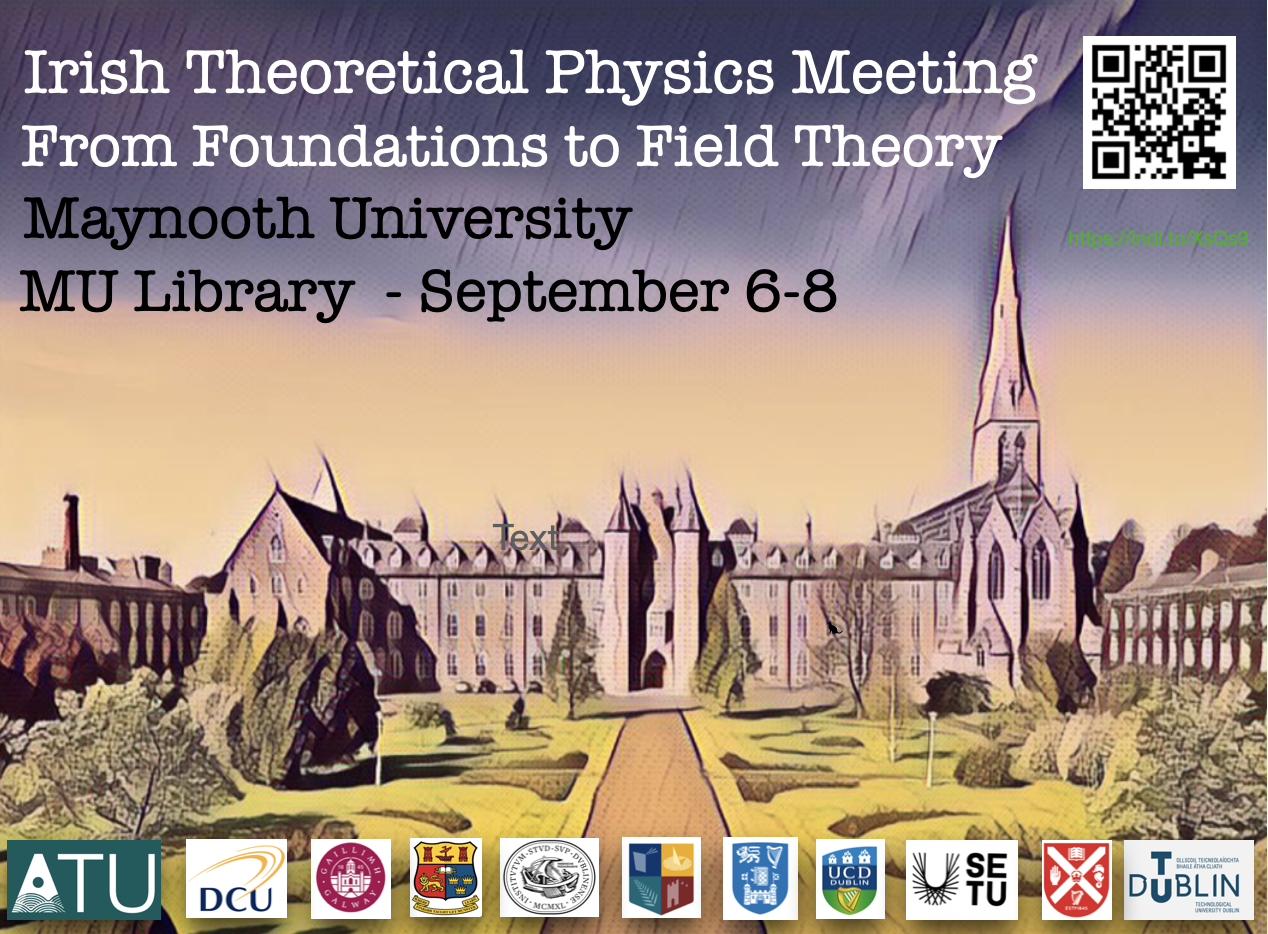
Next week will be quite busy. I will be attending a meeting in Maynooth next week and giving a public talk, which gives me the chance to post a reminder that it’s not too late to register for either/both:
Another thing I did last night was to deactivate my own personal Twitter account as well as the one for the Open Journal of Astrophysics. Twitter is both unpleasant and useless these days and I can’t be doing with it anymore. I had been on it for 14 years and had accumulated over 7,000 followers. Those that want to carry on following me on social media will find me on BlueSky or Mastodon. The same goes for those who followed the Open Journal of Astrophysics on Twitter.

Anyway, in a fortnight or so I should be heading off to distant lands. I’m greatly looking forward to getting away and being able to concentrate on things to do with research for a change. I’m looking forward to the temporary change of location, not least because a warmer climate might help with my arthritis…
Not a Bank Holiday Monday

Posted in Biographical, Maynooth on August 28, 2023 by telescoper

So here I am, back at my desk in my office at Maynooth University. Today is a Bank Holiday in parts of the United Kingdom but not here in Ireland: we had our August Bank Holiday on the first Monday of the month rather than the last. I could say that today is a normal working day, but it’s not really because it’s been a bit busier than usual. After a few days away last week, I’ve had quite a lot to catch up, including preparing two new publications at the Open Journal of Astrophysics. I also have a Euclid telecon this afternoon, though I’m not sure how many UK participants will be there given the fact that today is a public holiday.

My sabbatical officially starts on 1st September 2023 and I’m looking forward to putting my “out-of-office” message on and (selectively) ignoring emails for a year. Although a sabbatical isn’t a holiday, I plan to take Friday September 1st off after having a few drinks on Thursday evening.

Before that I have to remove the last of my personal things from this office as it will be needed for someone else. That will give me the excuse for a big clear out of things I no longer need. This process will temporarily reduce the entropy of the room, although it will increase elsewhere I will not violate the 2nd Law of Thermodynamics.

I decided some time ago that at the end of August, I would delete my account on the platform formerly known as Twitter. Those of you that want to continue following me on social media can do so via any or all of the the following:

The Returning and The Leaving

Posted in Biographical, Education, mathematics, Maynooth, Politics with tags , , on August 26, 2023 by telescoper

I got back to Maynooth last night after a pleasantly uneventful train journey. Just for the record both outward and return trips were perfectly on schedule. In fact it has been a very pleasant couple of days. Congratulations to the organizers for running the meeting so well and to all the speakers for delivering such an interesting programme. Next year’s INAM will be in Galway. I’m looking forward to it already!

Anyway, now I’m back I should mentioned that the 2023 Leaving Certificate results were released to students yesterday; the first round of CAO offers will go out on Wednesday 30th. Soon after that we will find out how many students we’ll have next year. Student enrolment begins on 11th September; Orientation Week for new students starts on Monday 18th September; and lectures start the following Monday (25th). I am on sabbatical for a year from next Friday (1st September) so I won’t be teaching the new students, but I know they’ll be in capable hands.

There’s a lot of discussion – much of it poorly informed – in the media about grade inflation in the Leaving Certificate (e.g. here). This happens every year (as it does with A-levels in the UK), and its very sad that people use this occasion to publicly disparage the accomplishments of students. The students can only take the examinations that are put in front of them. Any problems with the system are not their fault at all.

This year the problem stems from a decision by Minister for Education Norma Foley to impose a condition that overall grades this year would not be lower than last year. This has led to the deployment of scaling which has resulted in an uplift of around 8%. The Higher Mathematics Leaving Certificate results also benefitted from an alteration of the marking scheme because one of the papers was deemed to be too hard. Despite this, the number of students receiving the top grade of H1 fell this year from 18% to under 11%. One might argue that this disadvantages students applying to courses that actually require mathematics compared to those that don’t.

There seems to be a widespread misunderstanding that the CAO points required for a course is somehow a measure of the level of difficulty of that course. In most cases this is not the case: having a high points threshold is basically just a way of controlling the number of students allowed in. I find the connection that has been made between grade inflation and drop-out rates extremely unconvincing. High drop-out rates in recent years are probably dominated by the pandemic, housing crisis and cost of living increases, leading to many students struggling to study effectively.

During the pandemic years, grades were inflated by including coursework rather than examinations, a change enforced because of public health restrictions. The main argument for deliberate grade inflation this year was to prevent this year’s LC students being disadvantaged with respect to last year’s. It doesn’t seem to have occurred to the Government that the same argument could be used next year, and indeed forever. Fairly typically for a politician, kicking the can down the road for the next government to deal with seems to be strategy.

As a final thought, I find myself wondering what will happen to admissions at Maynooth this year. Will the decision by The Management to scrap the promised Student Centre have a big effect? And what about the further reputational harm caused by the recent furore over the Governing Authority? I suppose we’ll find out next week!

The 2023 Irish National Astronomy Meeting

Posted in Biographical, History, mathematics with tags , , , , on August 24, 2023 by telescoper

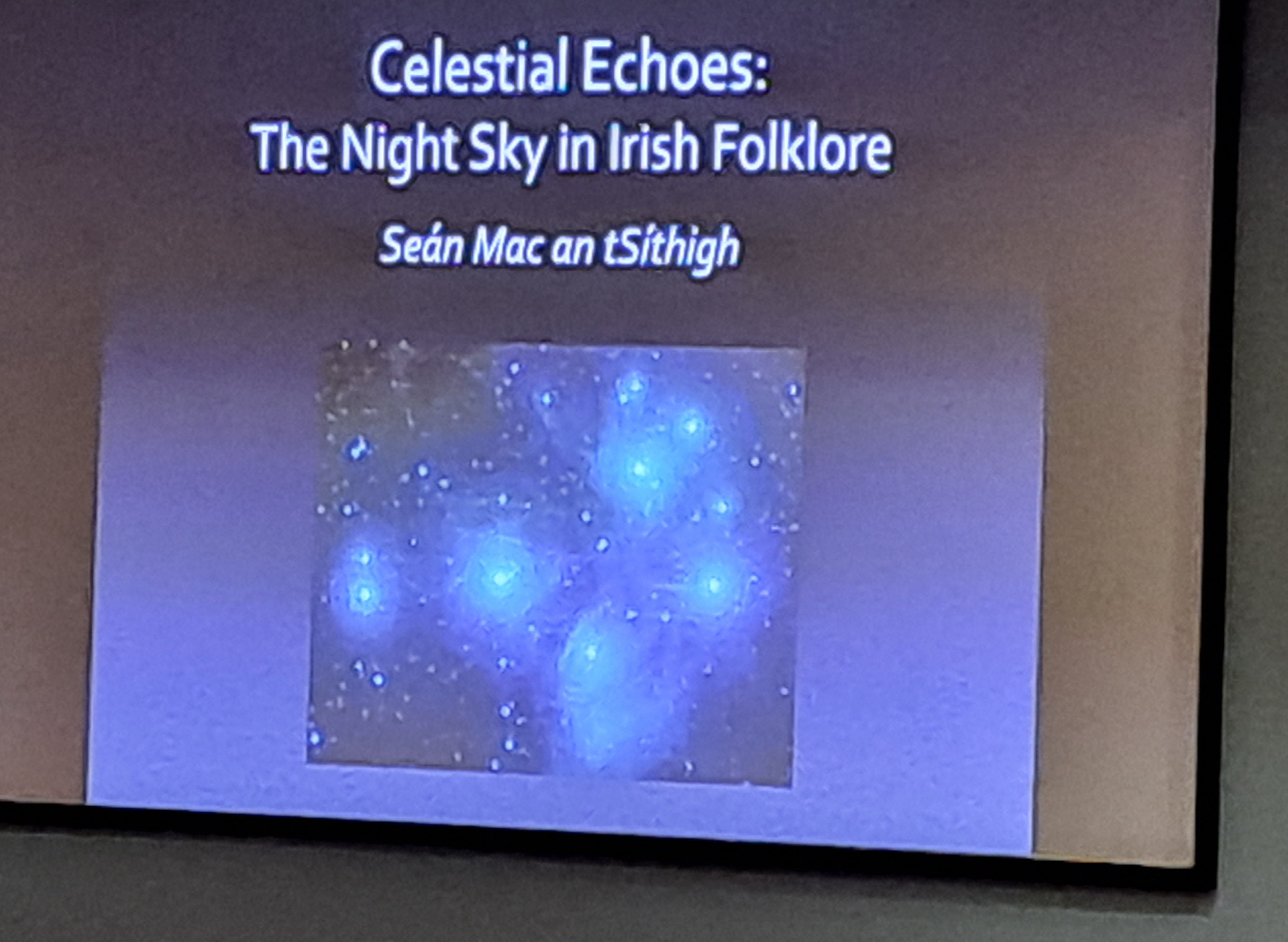
It’s been a busy day at the Irish National Astronomy Meeting, culminating with a fascinating public lecture by journalist Seán Mac an tSíthigh – bonus marks for getting the pronunciation right – and a very enjoyable shindig involving pizza and beer. There was a strong Maynooth contribution today, with excellent talks by students Noah, Saoirse, Joe & Hannah and postdocs Lewis & John. My contribution was limited to chairing a session, though I will be giving a talk tomorrow.

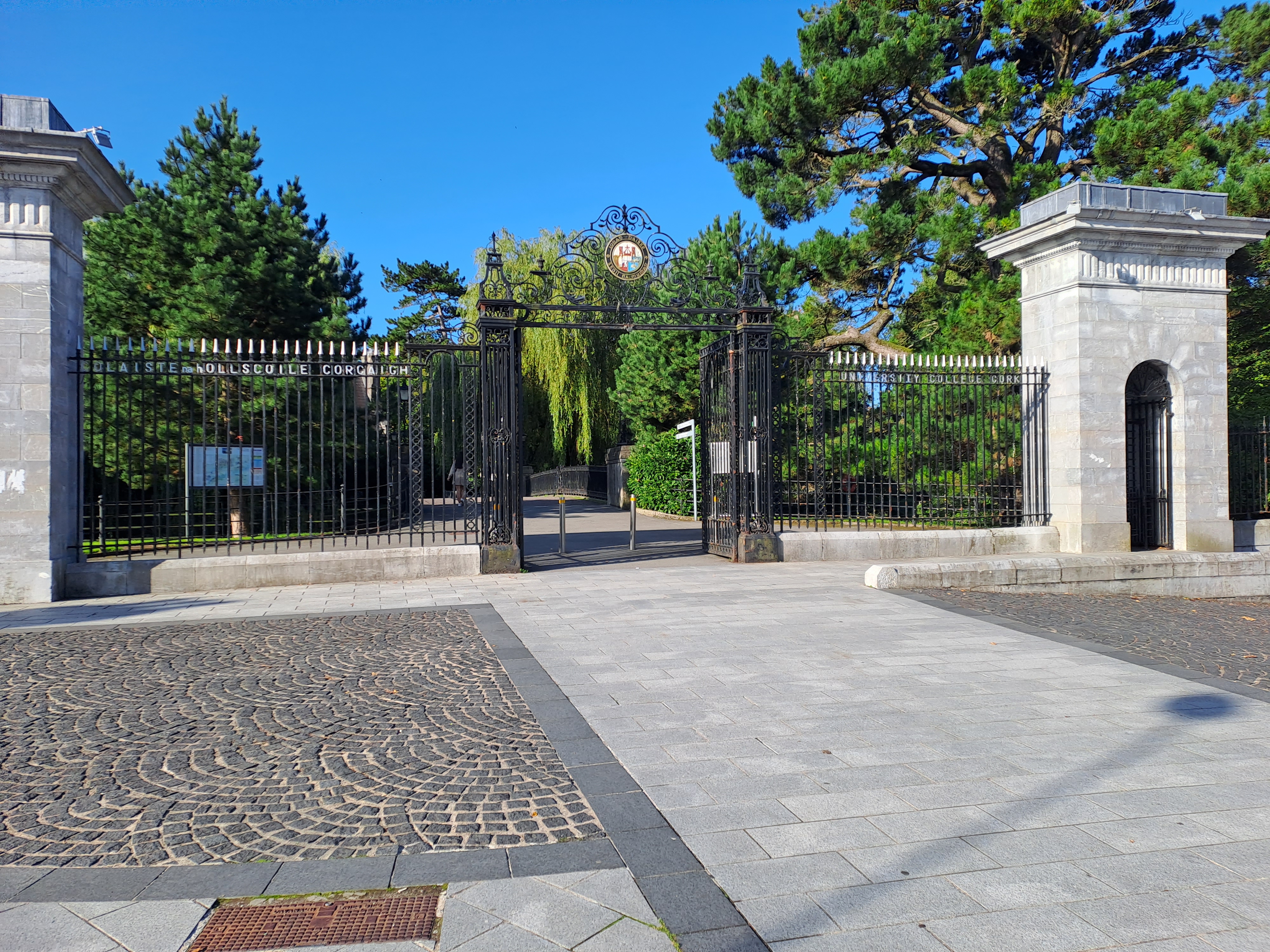
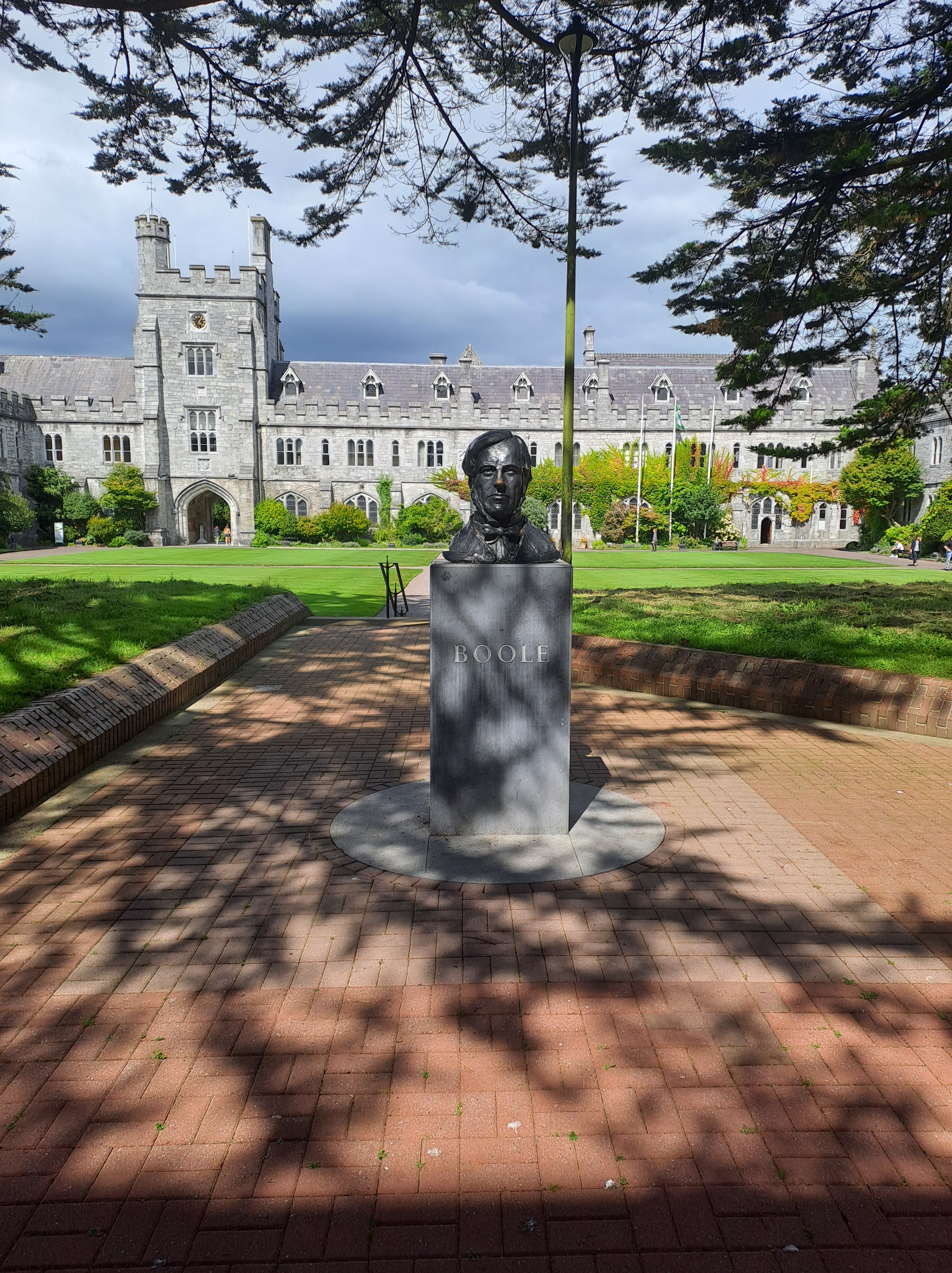
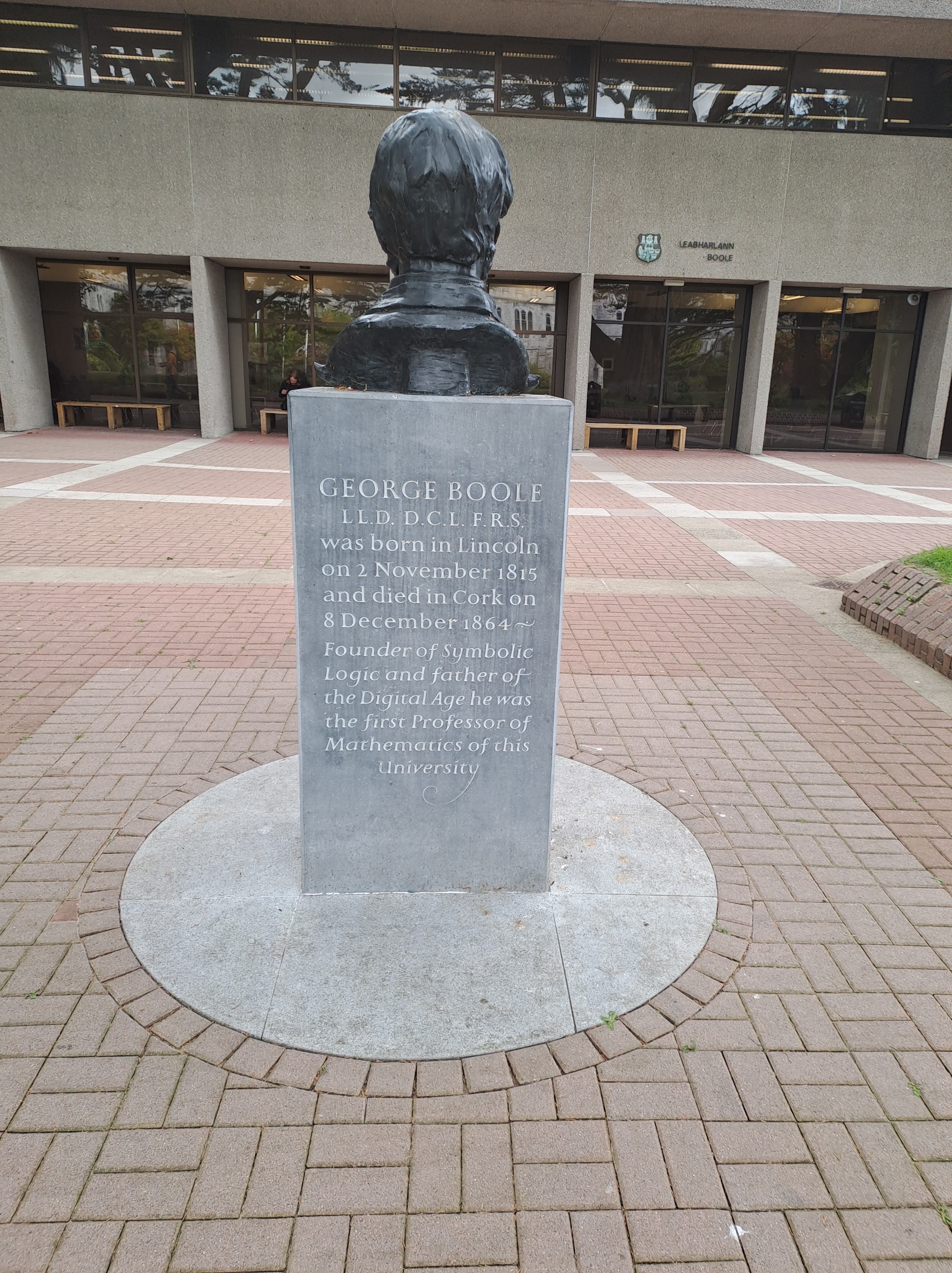
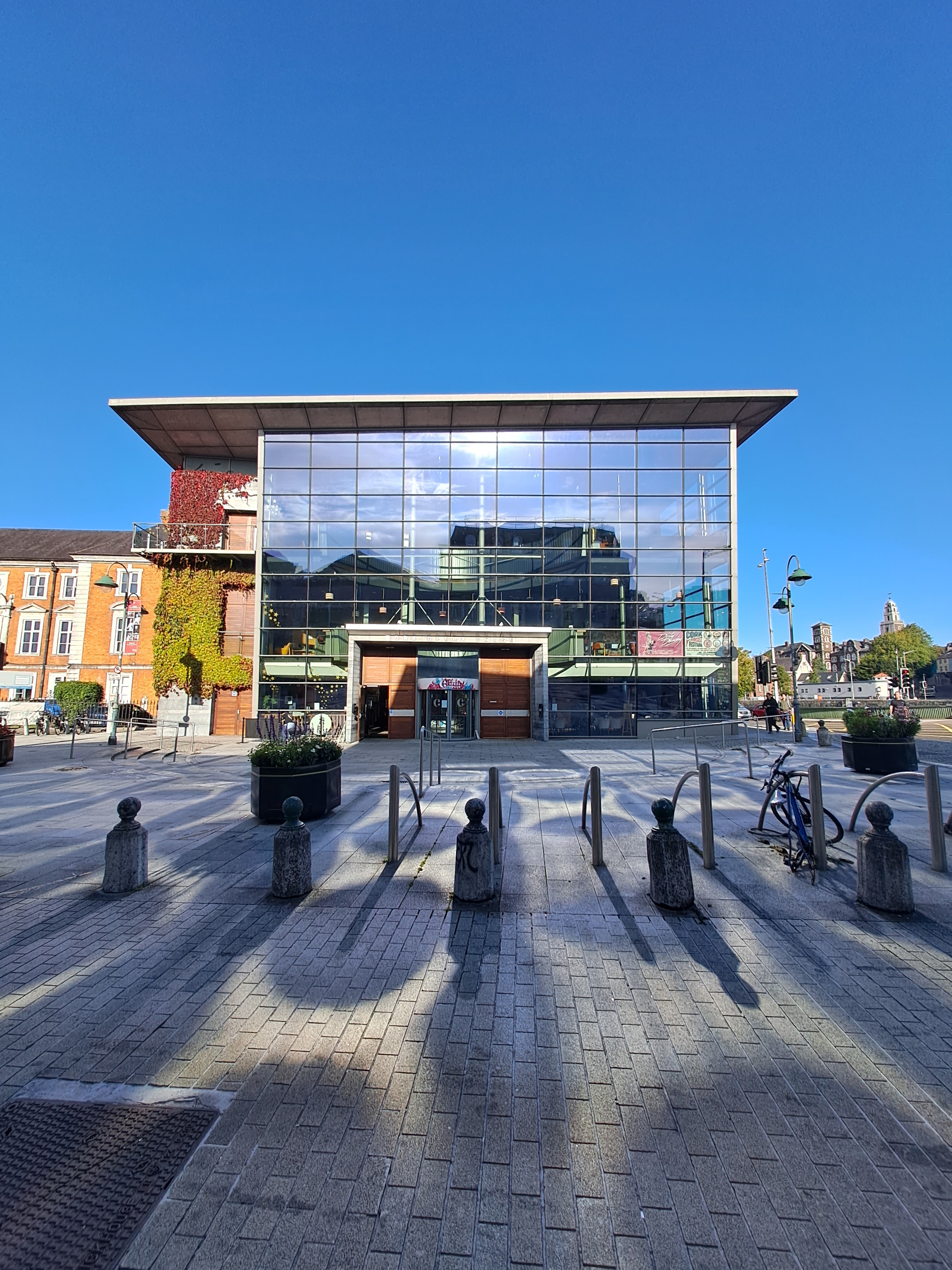
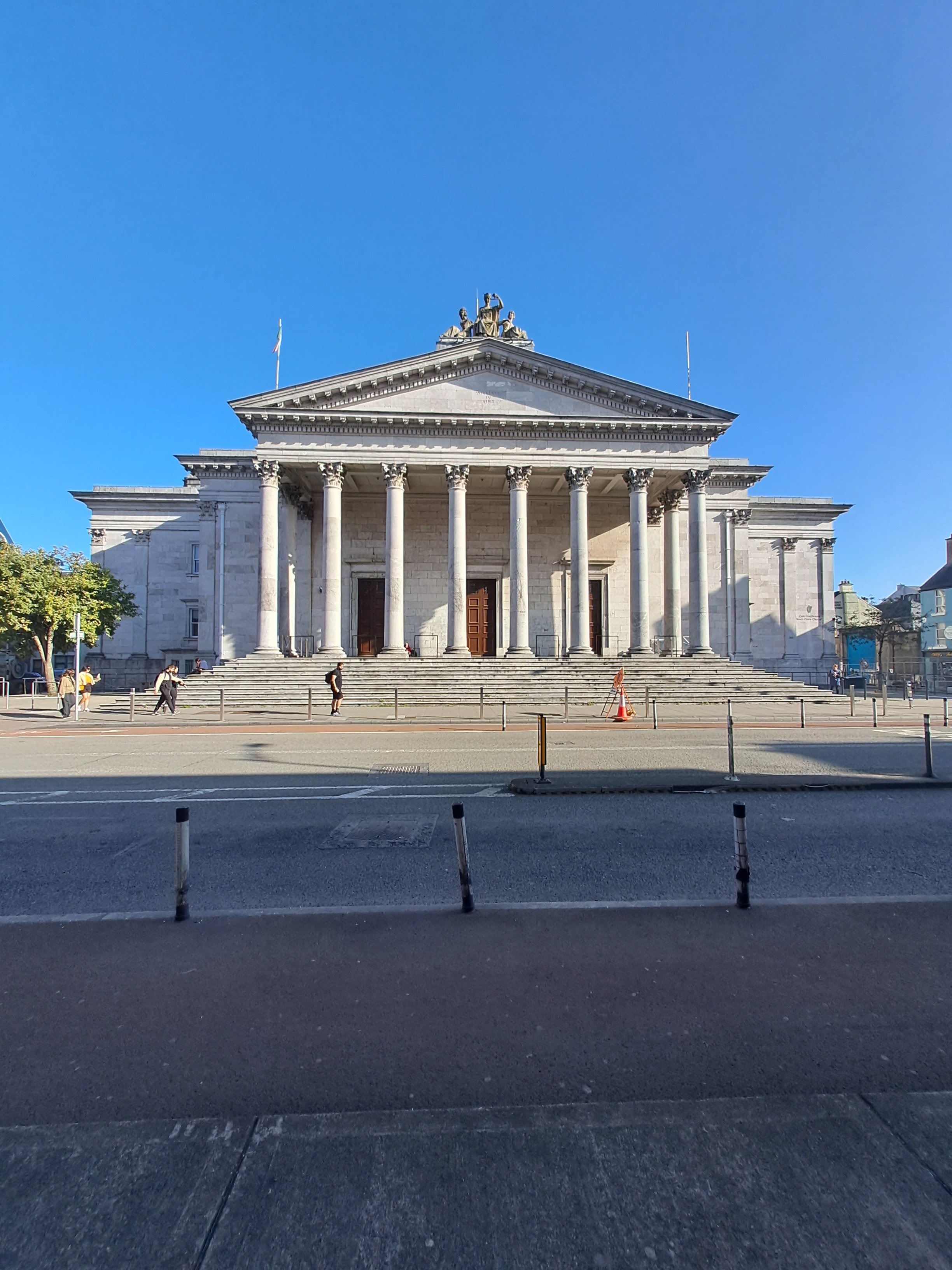
The only problem today was that I couldn’t get eduroam to work on the UCC campus so have only just managed to connect after getting back to my hotel, so am a bit late posting this. Anyway, here are some snaps I took on the way this morning, on the campus including a bust of George Boole.

ps. I’m sure to blog again about the public talk, but that will have to wait until I get home at the weekend.

Go Corcaigh!

Posted in Biographical with tags , , , on August 23, 2023 by telescoper

So here I am, on an intercity train to Cork from Dublin Heuston Station, en route to the 2023 Irish National Astronomy Meeting (INAM 2023).

I’ve never been to Cork before, so I’ve been looking forward to this trip. I’ve never even been in Heuston Station before, actually. A terminus that serves the West and South, it is rather like a smaller version of London Paddington. At any rate, it’s rather nicer than Connolly in that it is more spacious and has a far better selection of places to get something to eat and/or drink.

I got to Heuston on the 115 bus from Maynooth. It’s the first time I’ve been on that bus too. I’m sure to be using that service much more in the future as it’s very convenient. It’s also very quick – just 25 minutes – and the bus I got was brand new. It was full of kids when I got on, but they all got off at Liffey Valley.

Anyway, it’s not a long journey and the train, though full, is very comfortable, so I think I’ll chill and read my book and refrain from updating until we get to our destination.

UPDATE: I arrived in Cork on time and found my hotel without difficulty. It’s sunnier and warmer here than Maynooth was this morning, so I think I’ll take a walk before finding a bite to eat.

My hotel is not as awful as its name might suggest:

A Dublin Metro?

Posted in Biographical, Maynooth with tags , , on August 21, 2023 by telescoper

I have to do a bit of travelling in the second half of this week so I spent a bit of time today planning the trip, the easiest and quickest route seeming to be a bus from Maynooth to Heuston Station in Dublin and then a train from there. The only alternative, given that I don’t have a car, would have been a train to Connolly and a coach from Busáras, which would be cheaper but far slower.

Thinking about travelling it occurred to me that if I’d still been living in Cardiff I would have qualified for a free bus pass by now. I’ll have to wait until I’m 66 to get one here.

Coincidentally, when I got home I saw a news item that a team had been assembled to oversee the construction of the Dublin Metrolink. There’s nothing to get too excited about this news, as the project hasn’t yet got planning permission, and will take “6-8 years” to complete if and when it does. I’d be surprised if it’s done by 2035, actually. The question is whether it will really be a useful complement to the Irish Rail, DART, LUAS and bus services that exist already.

However, this is what it will look like:

As you can see, it’s basically North-South. The one obvious advantage is that it will at last provide a proper public transport link from the city to the airport, the lack of which is a national embarrassment.

Another thing of personal interest is the proposed new Glasnevin Station:

The Glasnevin MetroLink station is one of the most significant stations on the route. It is situated beside Cross Gunns Bridge and the Royal Canal, with a new Irish Rail station serving the Maynooth, Sligo and Kildare lines and BusConnects will also have stops close by.The complexity of the construction of this station is formidable as the aim will be to minimise the impact on Irish Rail services which is a vital part of the national rail network.

Oh dear. I sense years of rail replacement bus services and/or other disruptions if it goes ahead, and that there will be many planning objections before it even starts. If it does come to construction work, I suppose it will be easier for me to get the bus into Dublin while all that is going on. On the other hand, a link from the Maynooth line via MetroLink to St Stephen’s Green will be handy for concerts at the National Concert Hall. All of which assumes that I’m still around when this is finished, of course.

This reminds me of my trip to Copenhagen earlier this year, where I found their much more complex Metro system finished. I don’t remember how long I’ve been visiting that city and see extensive building work to do with the Metro, especially at Kongens Nytorv.

R.I.P. Mark Birkinshaw (1954-2023)

Posted in Biographical, R.I.P., The Universe and Stuff with tags , , , , on August 17, 2023 by telescoper

I just heard this morning of the passing of Mark Birkinshaw (left) who was, since 1992, William P. Coldrick Professor of Cosmology and Astrophysics at the University of Bristol. Before that he held positions in Cambridge and Harvard.

I’m told that he died in hospital of a “short but serious illness”.

Among other important contributions to cosmology and astrophysics, in 1984, along with Steve Gull of Cambridge and Harry Hardebeck of the Owens Valley Observatory, was the first to measure experimentally the Sunyaev-Zel’dovich effect in a galaxy cluster; the reference is here.

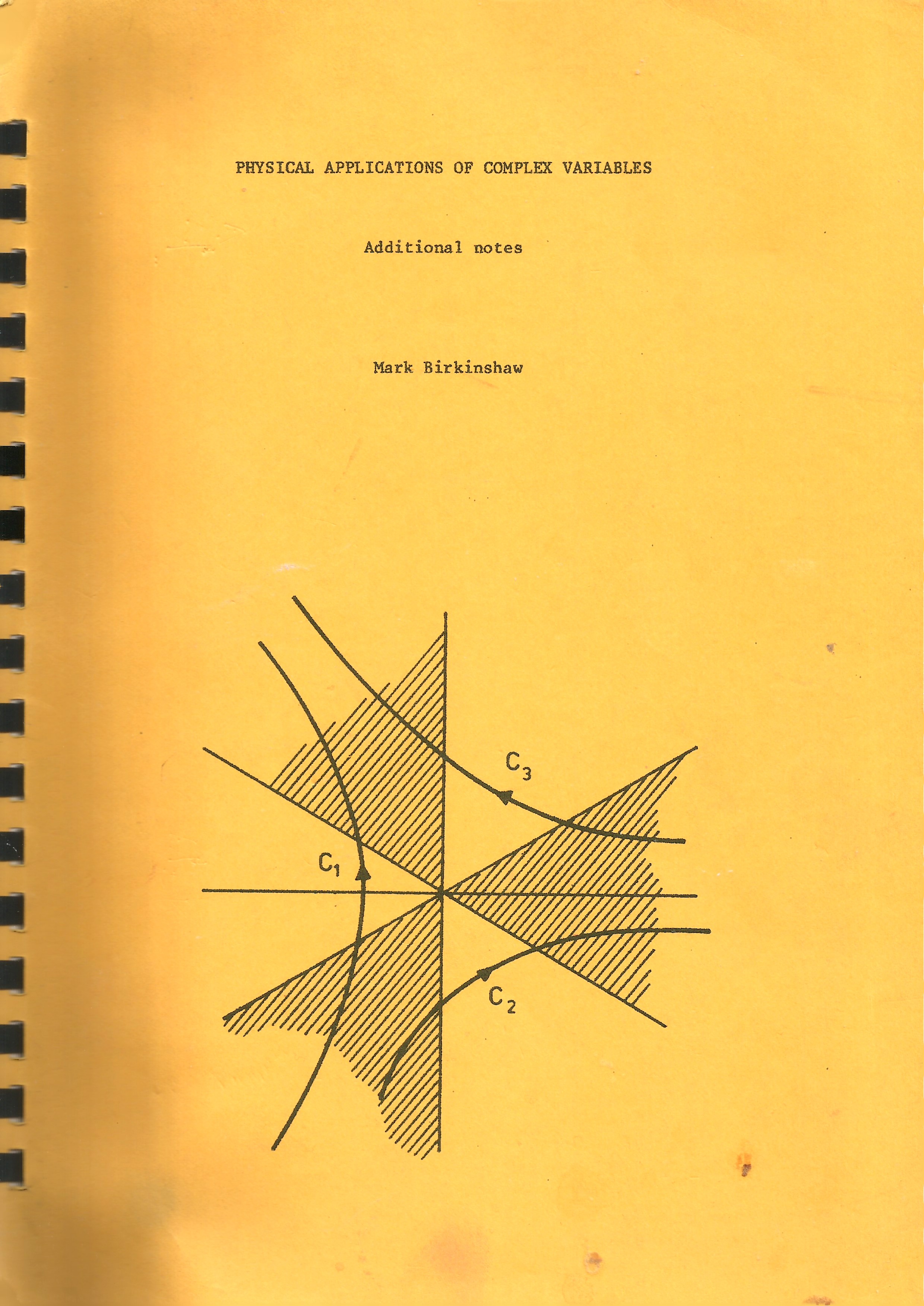
It was in Cambridge as an undergraduate that I first met Mark Birkinshaw. He taught the long vacation course on Physical Applications of Complex Variables that I took in the summer of 1984. It was a tough course but he was an excellent teacher. All these years later I still have my handwritten notes for that course as well as the handouts. I still use them too.

After that I saw him regularly at conferences and seminars and on various committees for PPARC and then STFC. He was extremely diligent in such “community service” roles and was an invaluable contributor owing to his wide range of knowledge beyond his own speciality.

Having been a mainstay of astrophysics research at Bristol University for over thirty years, Mark will be greatly missed. I send condolences to his friends and colleagues at Bristol and elsewhere in the world, and especially to Diana. You can send thoughts, tributes and condolences and/or make a charitable donation in Mark’s memory here, where there are also details of the funeral arrangements.

Winding Up

Posted in Biographical, Education, Maynooth with tags , , , on August 16, 2023 by telescoper

This morning, we held the last meeting this academic year of the Departmental Examination Board to look over the results of the recent repeat examinations ahead of the final upload this afternoon. That having been satisfactorily completed, I have now finished my teaching-related duties for this academic year. I start a year’s sabbatical on 1st September, so I won’t be attending more Exam Boards for a while!

Another loose end to be dealt with was the Departmental Twitter account, which I have been running. Twitter is really terrible these days and I have decided to deactivate my own personal account entirely on 31st August. The departmental account probably should stay open, so this afternoon I transferred its controls to our Departmental Adminstrator. Just before doing so, I realised that the password was a bit rude, so I quickly changed it to something more presentable before handing it over to avoid embarrassment.

If you want to follow that account, by the way, you can!

All I have left to do now is remove a few personal things from my office for whoever uses it next academic year. I’ve got plenty of time to do that, although I will be away for part of next week (way down South, in Cork).

Tonight, however, although it’s a school night, I think I’ll celebrate by having a little drink and watching the Super Cup Final between Man City and Sevilla the telly box. Cheers!

Blues for the Fisherman

Posted in Biographical, Jazz with tags , on August 15, 2023 by telescoper

I had a pleasant surprise when I switched on the radio last night to listen to The Blue of the Night in that the presenter Bernard Clarke not only played a lot of music by the late great Art Pepper but also mentioned my name on air for having pointed him at the particular session from which he chose the tracks. I think he mistakes me for some sort of expert!

Anyway, listening last night brought back a lot of memories of hearing Art Pepper play in the flesh and many nights I spent in Ronnie Scott’s club during the 1990s when I lived in London. I thought I’d share here one of the tracks played last night.

The performance in question was recorded live at Ronnie Scott’s Club in London in June 1980 and first released on the small British record label Mole Jazz, an offshoot of the famous (sadly now defunct) record shop of the same name that used to be on Gray’s Inn Road. It’s a brilliant, brilliant album, with the intense atmosphere of a live performance adding to the superb playing of the musicians. It’s also extremely well recorded – so much so that you feel you are on stage with the musicians!

The band is listed as the “Milcho Leviev Quartet featuring Art Pepper”, although that was probably for contractual reasons, as this was the same band that toured extensively as “The Art Pepper Quartet”: Art Pepper on alto saxophone, Milcho Leviev on piano, Tony Dumas on bass and Carl Burnett on drums. I was also lucky enough to see this band play live at the Newcastle Jazz festival in 1981, not long after this recording, and they were great then too although that was in a concert hall so had a much less intense atmosphere. Art Pepper sadly passed away in 1982 and Milcho Leviev in 2019.

As far as I’m aware this record wasn’t released on CD until relatively recently, but now a whole lot of extra tracks recorded during Art Pepper’s residency in Frith Street are also available. There’s so much to enjoy in these recordings, including the superb drumming of Carl Burnett and virtuosic piano of Milcho Leviev, but the star of the performance for me is Art Pepper. His playing is at times lyrical and at times agonized, but always compelling and this band was especially good at spontaneous transitions of mood and dynamic. Anyway, here is the title track of the original album, Blues for the Fisherman.

The Challenges of Large Collaborations in STEM

Posted in Biographical, Harassment Bullying etc, Mental Health with tags , , , , , on August 12, 2023 by telescoper

There’s a new paper on the arXiv by Kamiel Janssens and Michiko Ueda that addresses some of the challenges that arise for people working in large STEM collaborations. Although the sample they use is drawn from gravitational-wave collaborations I think many of the patterns that emerge will also apply elsewhere, e.g. in the Euclid Consortium.

Here is the abstract:

Large-scale international scientific collaborations are increasingly common in the field of STEM (Science, Technology, Engineering, and Mathematics). However, little is known about the well-being of the members participating in these `big science’ collaborations, which can present unique challenges due to the scale of their work. We conducted a survey among members of three large, international collaborations in the field of gravitational-wave astrophysics in the summer of 2021. Our objective was to investigate how career stage, job insecurity and minority status are associated with reported levels of depressive symptoms as well as the desire to leave academia. We found that early-career scientists and certain minoritized groups reported significantly higher levels of depressive symptoms compared to senior members or those who do not consider themselves as a member of minoritized groups. Furthermore, relatively young members, staff scientists/engineers, and those experiencing high levels of job insecurity and lack of recognition were more likely to frequently consider leaving academia. Our findings suggest that improving recognition for personal contributions to collaborative work and providing clearer job perspectives could be two key factors in enhancing the well-being of young scientists and reducing the potential outflow from academia.

arXiv:2308.05107

I would like to add a personal note. When I was an early-career researcher in cosmology I was for the most part given a free hand to work on whatever I wanted to do. My first papers were either sole author or with one or two others, being people I’d met and wanted to collaborate with. Nowadays many opportunities – indeed, most – for postdocs are associated with very large teams into which one just has to fit. The work is also highly directed with little choice of what to do, and it is harder to individuals to shine even if the team is well managed, and not all senior scientists in such collaborations have good leadership skills. Theoretical astrophysics is challenging enough but sometimes the really difficult thing is the behaviour of other people!

I’m not saying that this way of working is necessarily bad, just that it is very different from what I experienced. It does not therefore surprise me to hear that many, especially younger, people struggle in the current environment and why it is important for large collaborations to do the best they can to help. I think part of that involves us oldies recognizing that things are very different now from what they were like back in our day.