Archive for the LGBTQ+ Category

Pride Lecture in Oxford

Posted in Biographical, LGBTQ+ with tags , , , on June 3, 2024 by telescoper

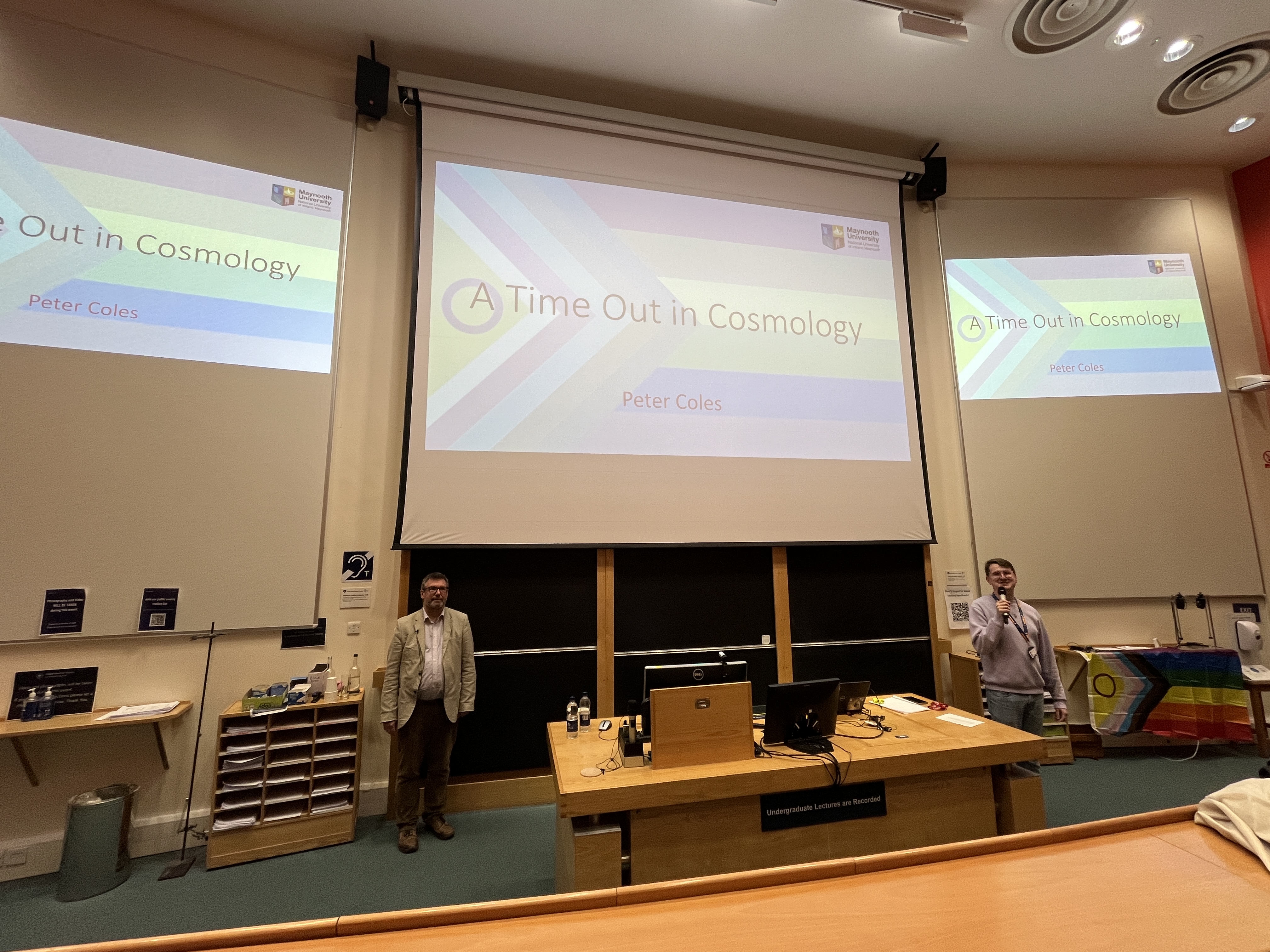
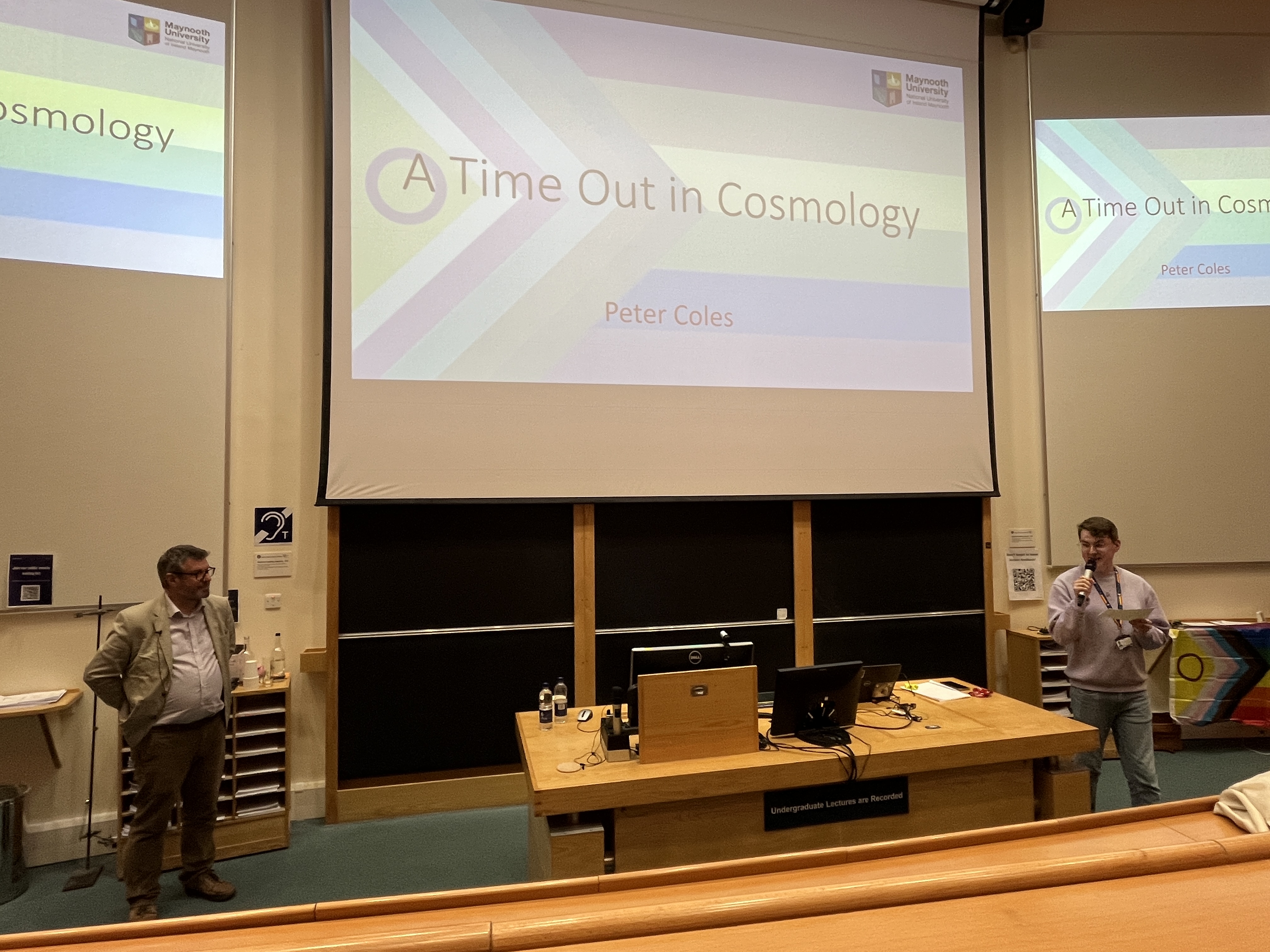
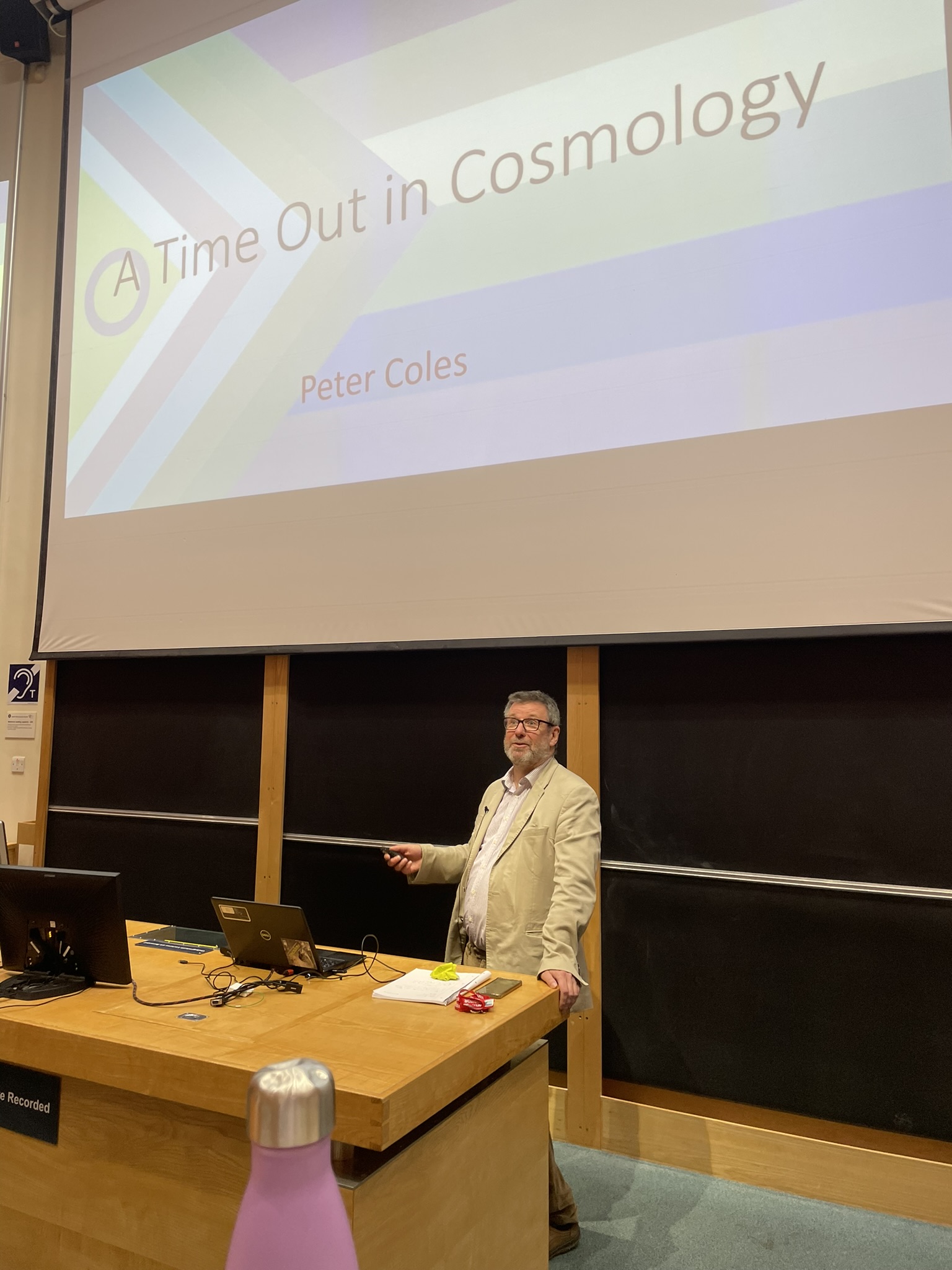
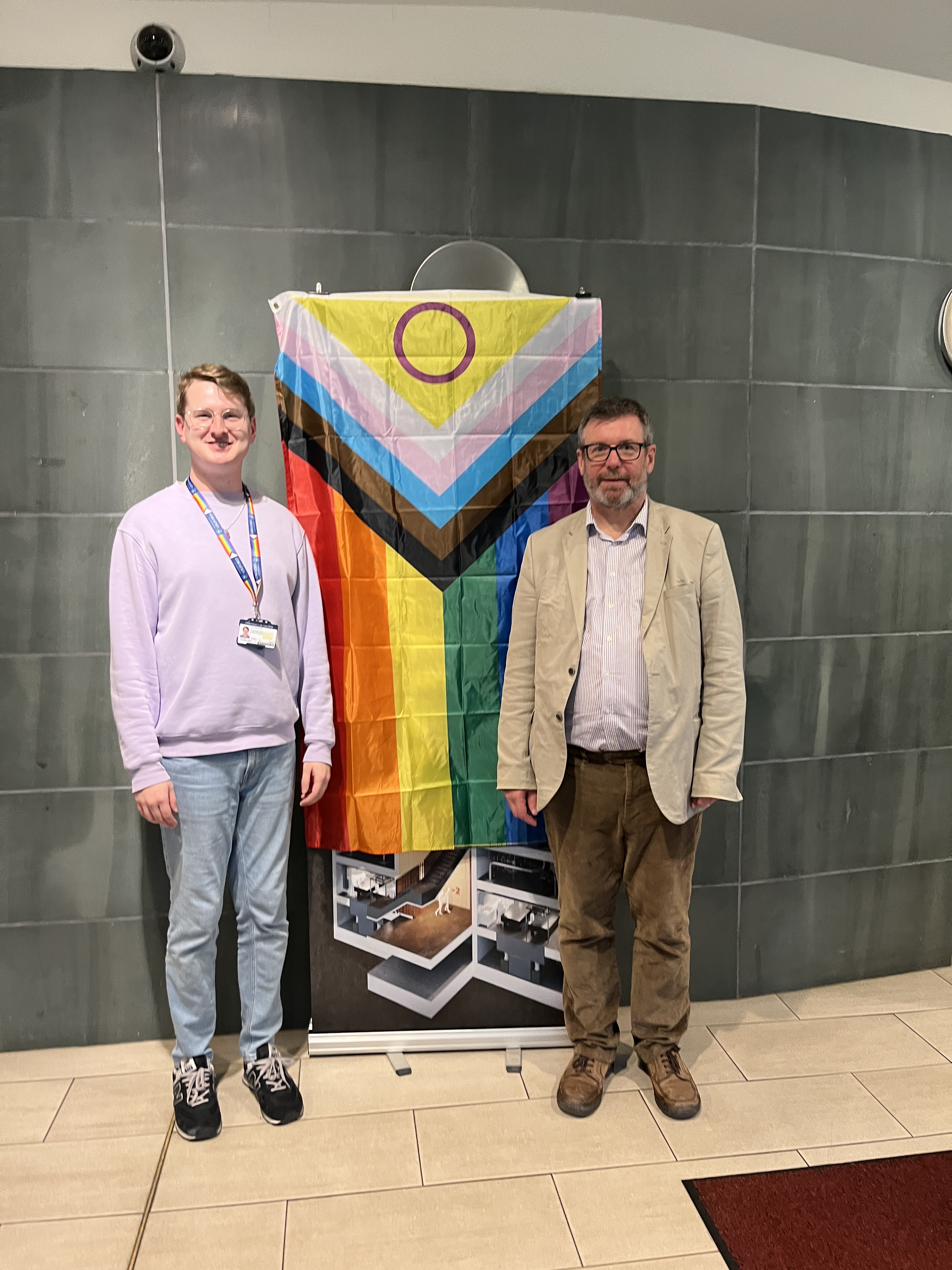
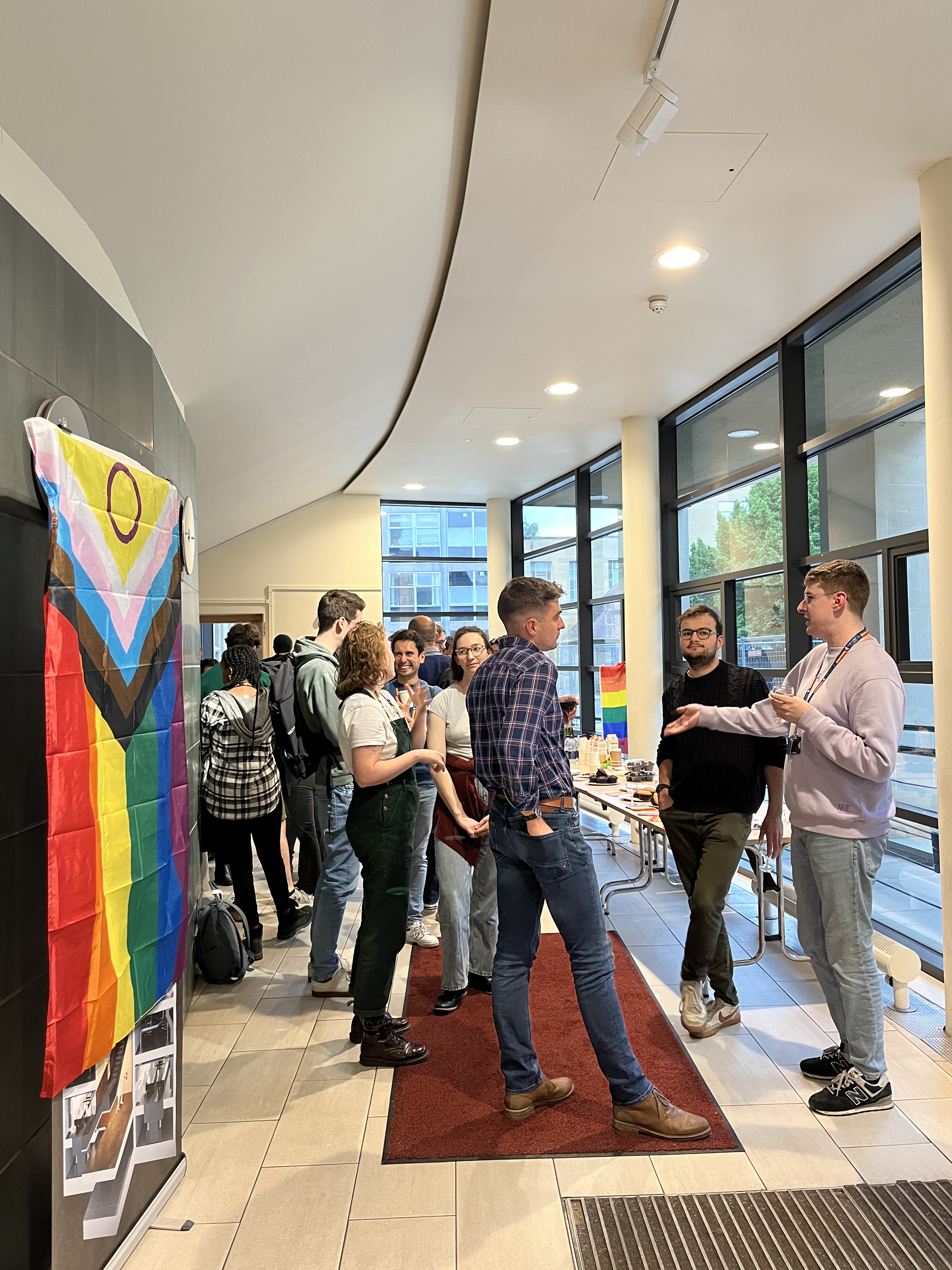
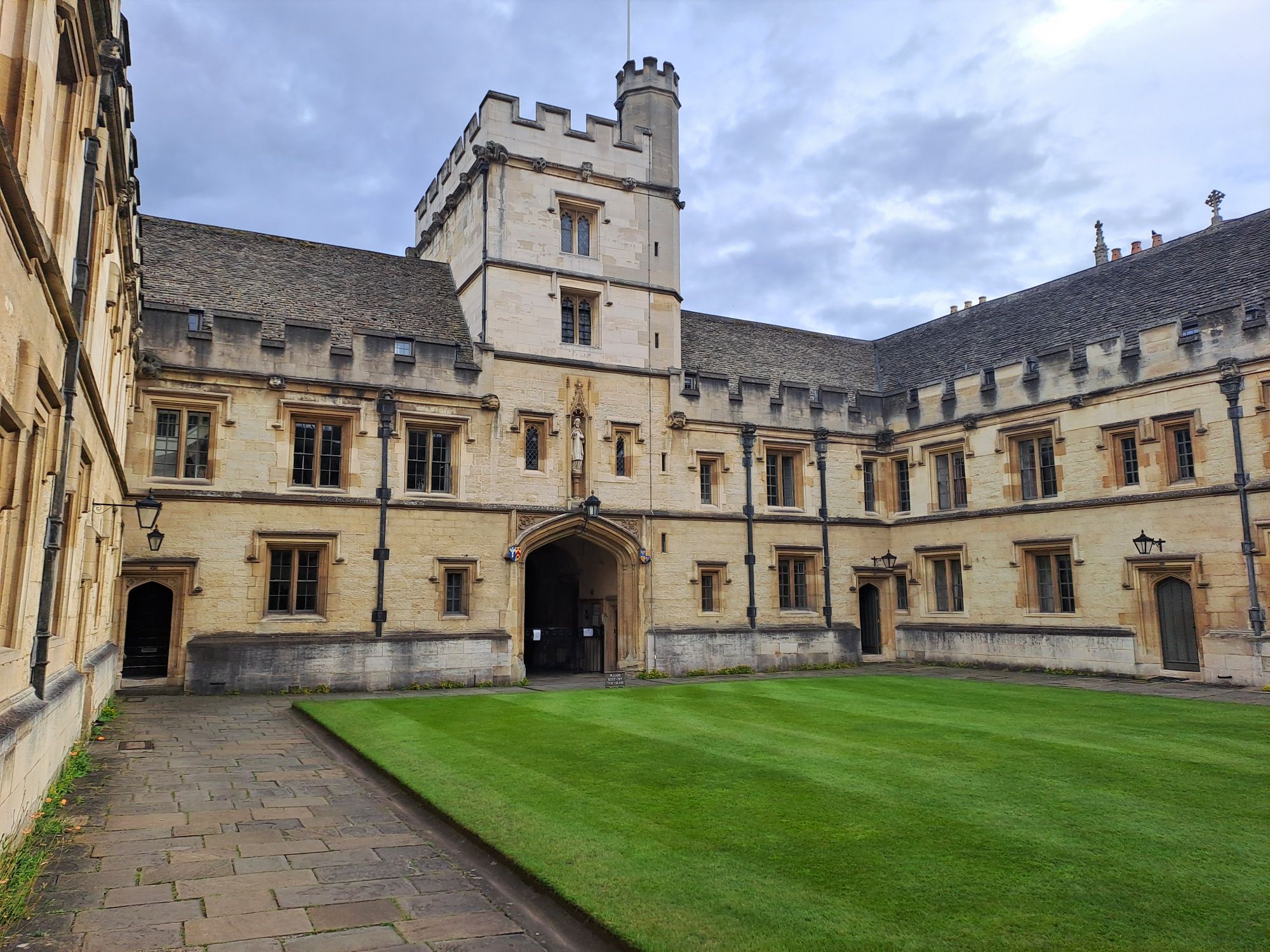
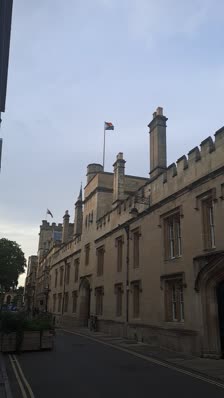
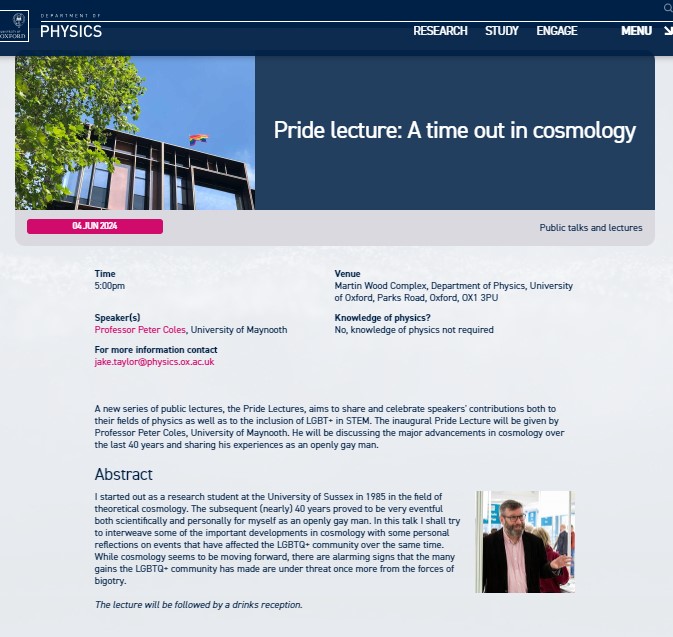
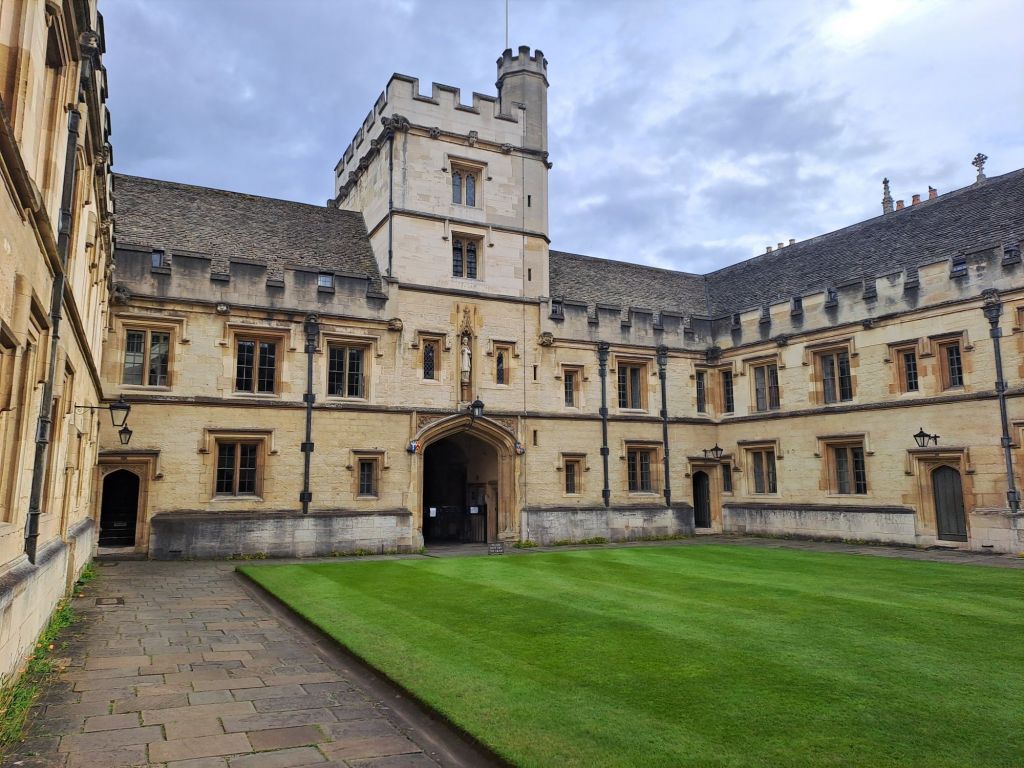
While en route to Oxford I thought I’d do a quick post about the purpose of my visit there, namely to give the inaugural Pride Lecture at the Department of Physics. I’m looking forward to it, and spending a couple of days as a guest of All Souls College. Here’s the promo for the lecture:

This is a public event. I’ve no idea how many people will be there, but I’ll find out tomorrow I suppose!

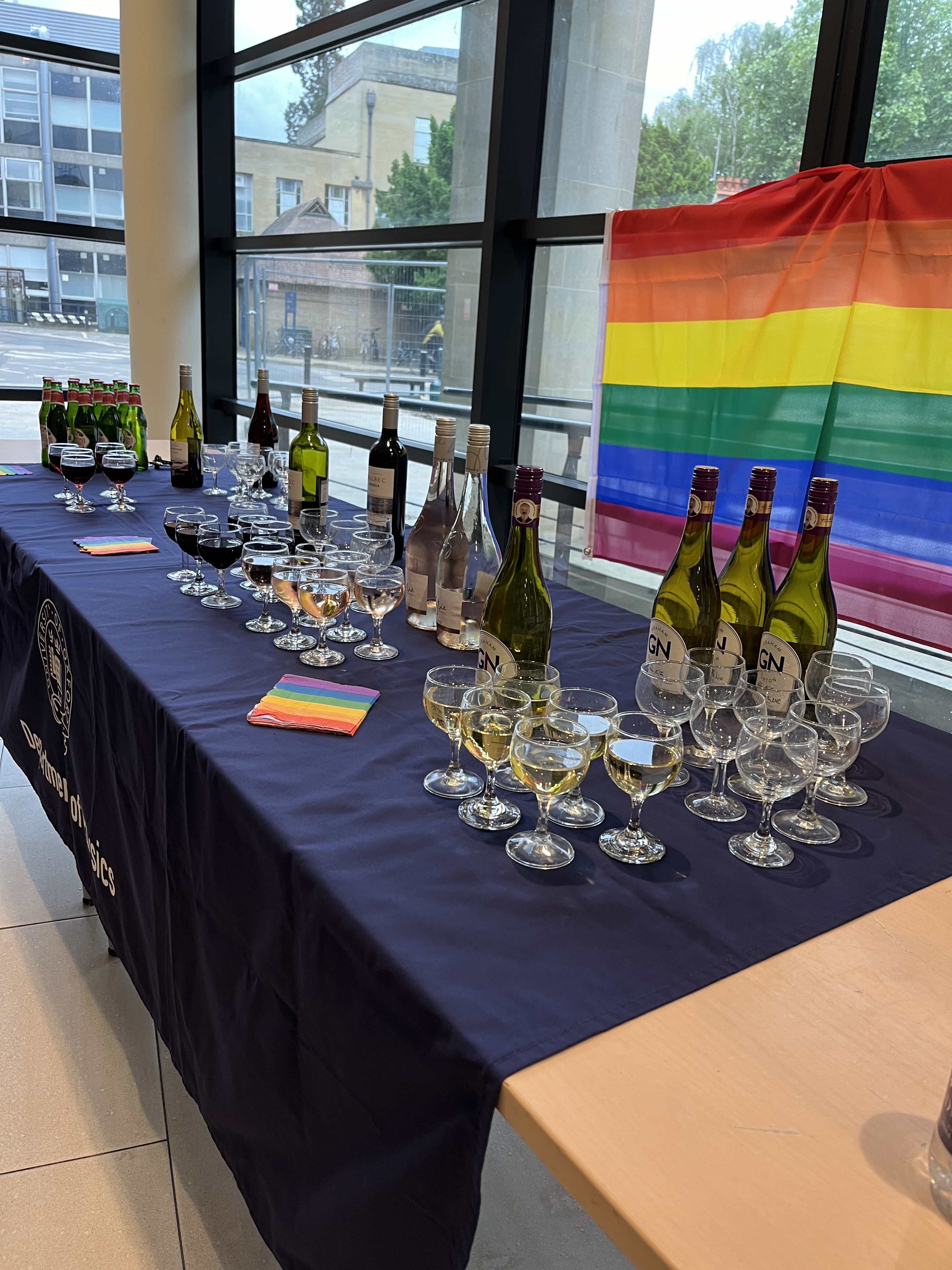
Let me take this opportunity to wish all of you a very happy Pride Month (which started on Saturday). With its origins as a commemoration of the Stonewall Riots of 1969, Pride remains both a celebration and protest. It’s more necessary than ever now, especially because of the sustained abuse being aimed at trans people from all quarters, from those in political power to those sad losers who have nothing better to do that spend all day tweeting their bigotry on social media.

Anyway, as well as a celebration and a protest, Pride is an opportunity for us all to show solidarity against those who seek to divide us.

Though many LGBTQIA+ people in many countries – even those that claim to be more liberal – still face discrimination, hostility and violence, Pride Month always reminds me of how far we’ve come in the past 50 years ago. As I get older, I find I have become more and more protective towards younger LGBTQIA+ people. I don’t want them to have to put up with the crap that I did when I was their age.

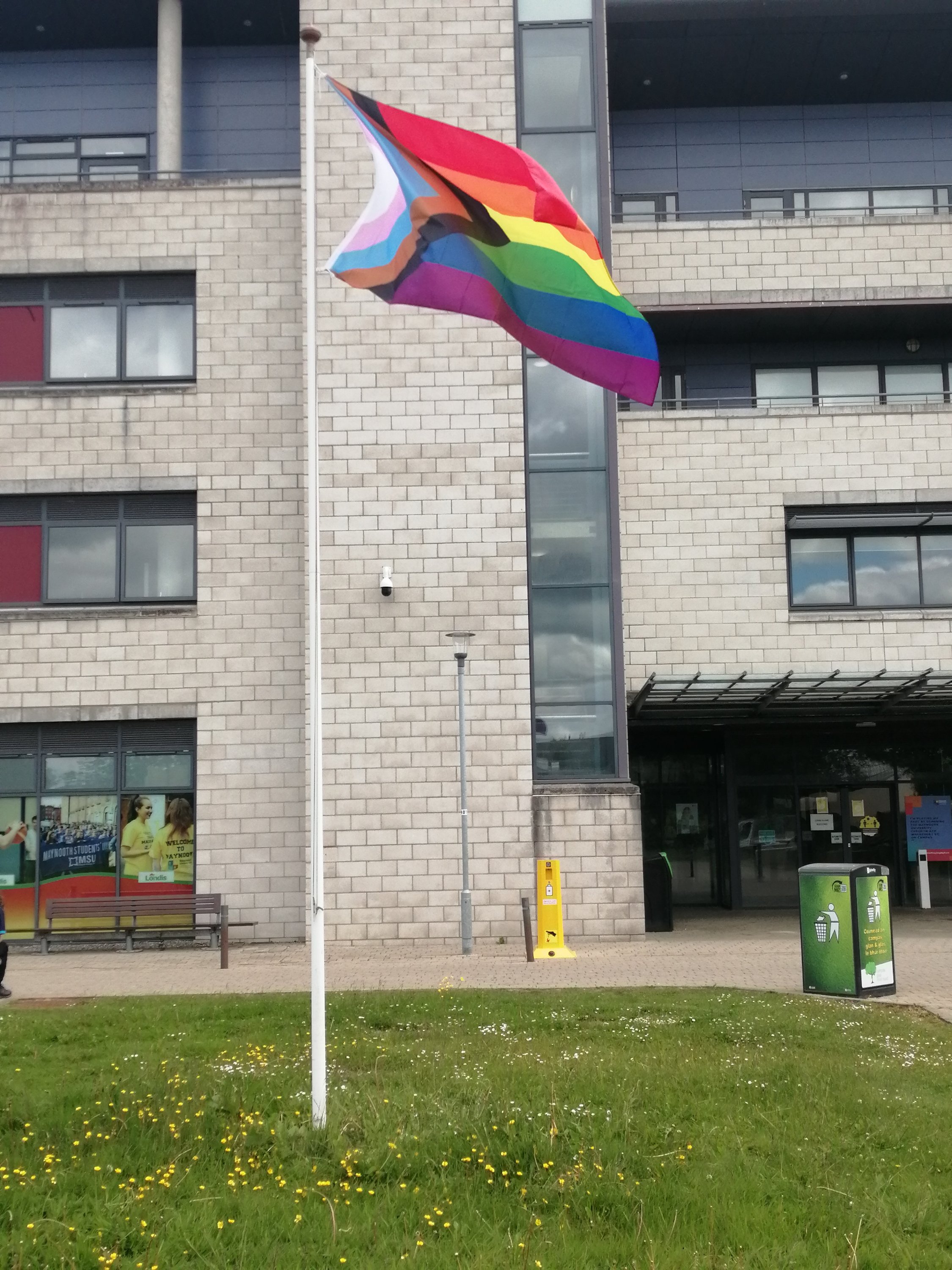
Here’s a picture of the Pride Progress flag I took outside the John Hume Building at Maynooth a couple of years ago. I hope it’s there again this year, although I won’t be in Maynooth to see it!

Update: arrived in All Souls College…

Bullying and Harassment in Astronomy – The Report

Posted in Harassment Bullying etc, LGBTQ+ with tags , , , , , on May 19, 2024 by telescoper

As I advertised a few days ago, The Royal Astronomical Society has now released its report on Bullying and Harassment in Astronomy. You can download the full report (40 pages, PDF) here. I recommend you to read it as the statistics are stark. Here are a couple of graphical summaries from the RAS Website:

Note the greater prevalence of bullying and harassment directed towards LGBT astronomers.

The recommendations include the introduction of more effective bullying and harassment policies, procedures and safeguards to protect all colleagues, to support students, and to ensure that everyone can achieve their potential and work in a safe and satisfying environment, regardless of their background.

Noble sentiments, but the Royal Astronomical Society can do little itself to change policies, as it is not in the position of employer (except for its own staff in Burlington House) and there is no incentive for the universities and research institutions who employ most astronomers to comply. That will only happen if serious sanctions are imposed for mishandling bullying and harassment cases.

My view – born out by experience – is that it can’t be left to individual institutions to deal with this problem. In case after case, instead of dealing properly with bullying and harassment, senior managers have protected the perpetrators and silenced the victims. Reputation management, they call it. What is needed to start with is a system of independent adjudication, as recommended, for example, by the 21 Group.

This problem is neither confined to astronomy nor to the United Kingdom, and at least part of it is due to the ever-increasing cult of managerialism that places institutional branding ahead of positive workplace culture, paying at most lip-service to the latter.

International Day Against Homophobia, Biphobia and Transphobia

Posted in LGBTQ+ with tags on May 17, 2024 by telescoper

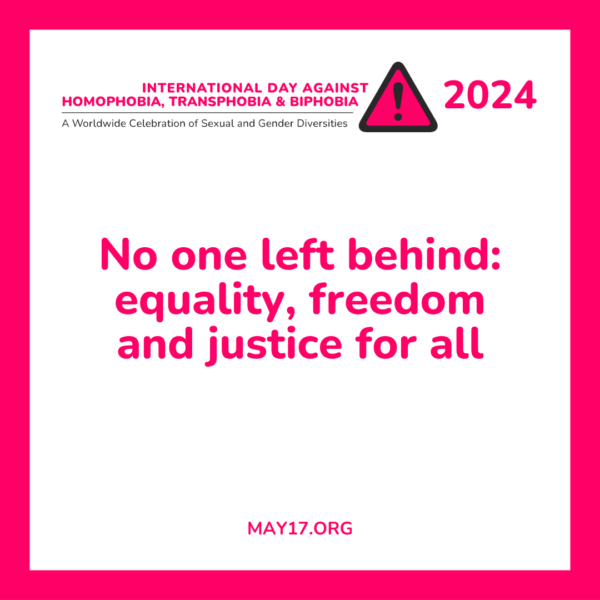
I just remembered that today is May 17th which means that it is International Day Against Homophobia Transphobia and Biphobia, This is a worldwide celebration of sexual and gender diversities and a chance to show solidarity against bigotry and intolerance (and there’s a lot of both of those about these days).

The theme for this year is No one left behind: equality, freedom and justice for all:

Weather Conditions

Posted in Biographical, LGBTQ+, Maynooth with tags , , , , on March 2, 2024 by telescoper

This is my last full day in Sydney and – by sheer coincidence – it happens to be Sydney Gay & Lesbian Mardi Gras! I will probably go out later to watch some of the fun, although it seems it’s very likely to rain on the Parade; it’s very overcast this morning, although the temperature is still 24°C.

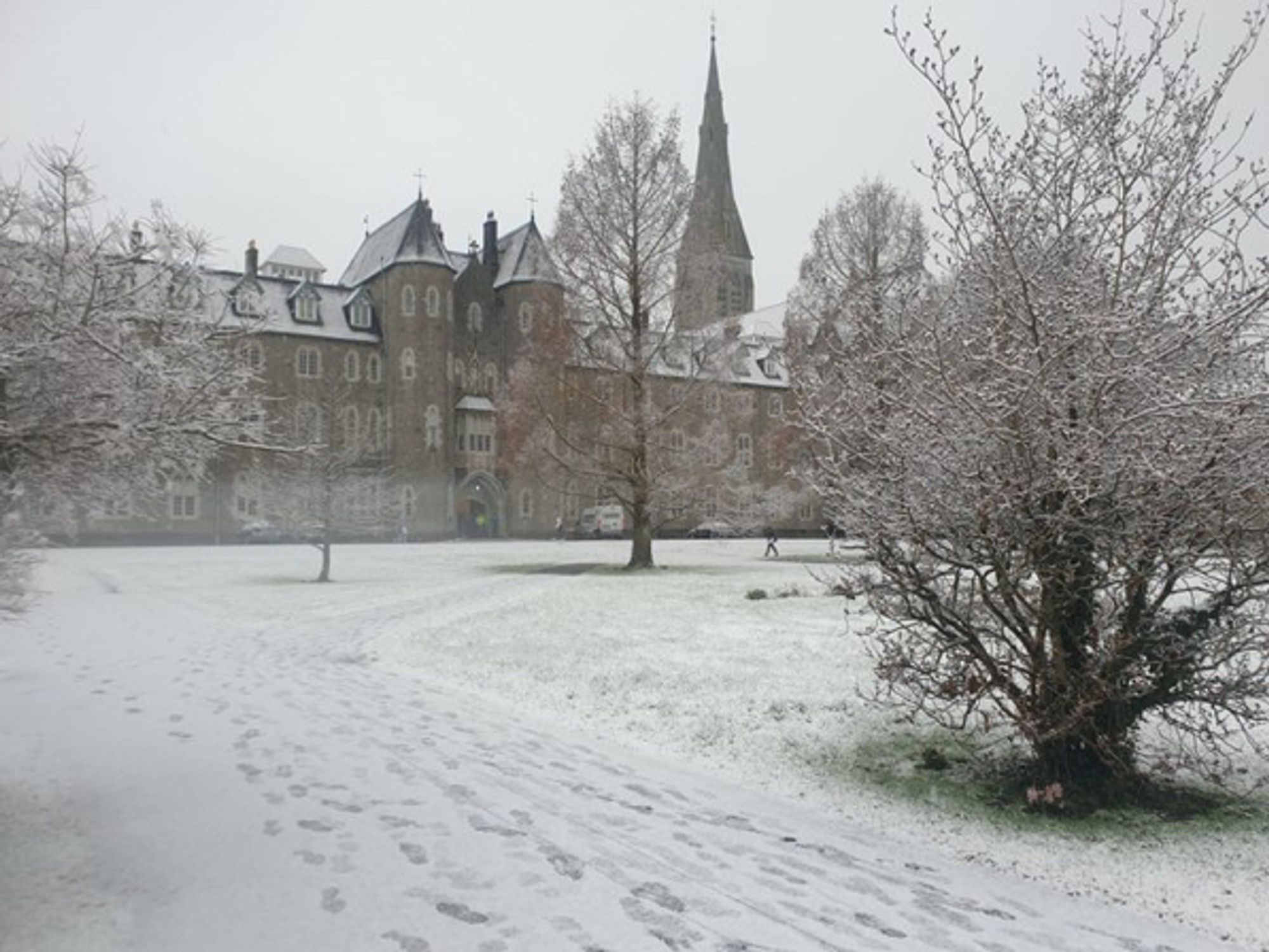
Talking of the weather, I noticed on social media that yesterday it snowed in Maynooth (and elsewhere in Ireland). The contrast with what I’ve been experiencing in Sydney will be rather extreme:

I was a bit concerned that the snow might cause problems with my return flight and/or onward transport, but I’m told that it was soon washed away by rain.

I’ll only be making a brief stop in Maynooth before travelling to (different) warmer climes, of which more in due course.

Asbestos in the Park

Posted in Biographical, LGBTQ+ with tags , , , on February 15, 2024 by telescoper

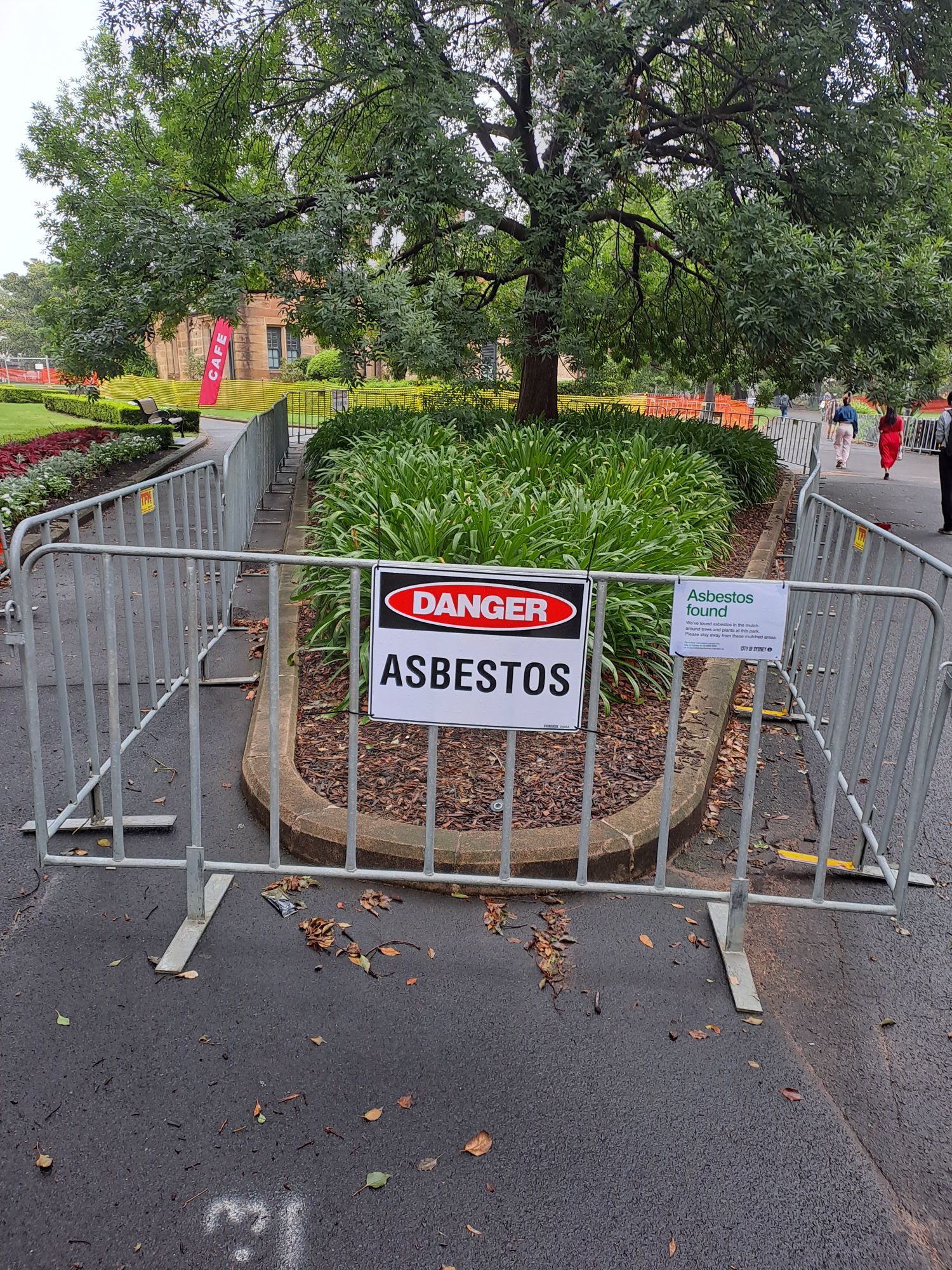
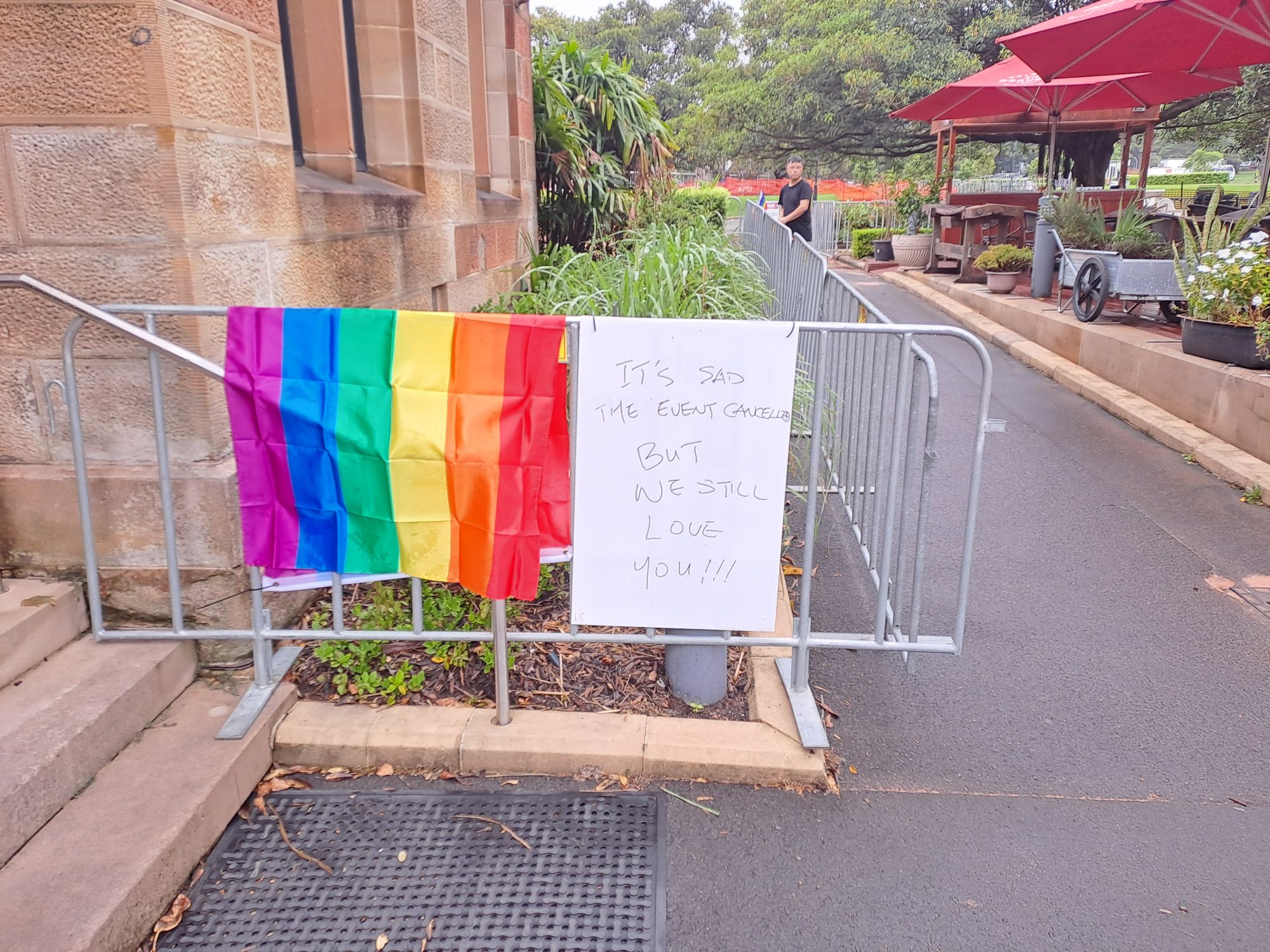
Time, I think, a bit of local news. There’s an ongoing asbestos crisis not only in Sydney but across all New South Wales. It seems that the mulch that has been used in many public parks, school grounds and even a hospital garden is contaminated with asbestos. One affected site is Victoria Park, which I walk through from my flat to the University. At least the park is still open, so you can walk on the paths and sit on the lawns, but all areas with mulch are fenced off:

As it happens, Victoria Park was to be used for one of the events planned for Sydney Mardi Gras, which starts today*, but that particular event has been cancelled though many others are unaffected.

The contaminated mulch at all the sites affected was supplied by the same company, Greenlife Resource Recovery. I hope they have to foot the bill for clearing it all up!

*It is, of course, a complete coincidence that this LGBT festival coincides with my stay in Sydney…

The Magician by Colm Tóibín

Posted in History, LGBTQ+, Literature with tags , , on November 17, 2023 by telescoper

Continuing my attempt to catch up on a backlog of reading I have now finished The Magician by Colm Tóibín. A couple of years ago I attended a Zoom event featuring the author Colm Tóibín talking about this book, which is a fictionalised account of the life of Thomas Mann. It’s taken me a ridiculous long time to get round to it, but it was worth the wait.

The life of Thomas Mann was colourful, to say the least. Born in the German city of Lübeck in 1875, Mann’s father was a wealthy merchant and his mother was from Brazil. His elder brother Heinrich Mann was also a novelist essayist and playwright of considerable reputation. Despite his barely concealed homosexuality, Thomas Mann married Katia Pringsheim in 1905, his wife seemingly not minding about his sexual orientation. He led a comfortable life until he began to see the signs of the coming descent of Europe into the First World War. He was awarded the Nobel Prize for Literature in 1929 and went into exile from Nazism in 1933, becoming an American citizen in 1944. In the post-War McCarthyite era he was made to feel less welcome in the USA for having visited East Germany and consequently under suspicion for communist sympathies. Not wanting to return to Germany, he spent most of the last years of his life in Zurich. He died in 1955 at the age of 80.

In some ways this work is reminiscent of The Dream of the Celt which I reviewed a few weeks ago, in that it’s a fictionalised biography, based partially on material found in diaries and with a theme of (partly) suppressed same-sex desire; several of his six offspring were gay or bisexual too. On the other hand I don’t think it’s accurate to think of this book so much as a biography of Thomas Mann but more of a biography of the late 19th and early 20th Century with Mann as the lens. In fact I finished the book without feeling that I knew very much at all about Thomas Mann’s character and personality. That’s probably deliberate as he seems to have cultivated an air of mystery surrounding himself. We follow Mann and his large family through the events leading up to both World Wars, and the effect these tumultuous times had on his siblings and offspring. His family endured more than its fair share of tragedy, with multiple suicides and other heartbreak.

An interesting aspect is the collection of little character sketches this book gives us of famous people with whom Mann interacted in his life. Mann was himself very famous indeed both in Europe and America. Tóibín gives us (not always flattering) views, through Mann’s eyes of, among many others: Gustav Mahler, Albert Einstein, Eleanor Roosevelt, Arnold Schoenberg, Christopher Isherwood and W.H. Auden. Incidentally, Auden married Mann’s daughter Erika so she could get British citizenship; the marriage was never consummated.

It’s a beautiful book, written in a style that frequently seems to mimic Mann’s own prose. Juxtaposing the ideas in his novels with the events happening when they were being written, both within his own family and in the wider world, provides fascinating insights. I have only read a couple of Thomas Mann’s books: Death in Venice and The Magic Mountain. Knowing more about his life, I now want to read these again and also read the others.

And so as one book disappears from my reading list, several more appear…

P.S. This is the novel in which the Mann family sits around listening to a gramophone record of In fernem Land sung by Leo Slezak I mentioned a few days ago.

Gendered Language

Posted in LGBTQ+ with tags , , on October 19, 2023 by telescoper

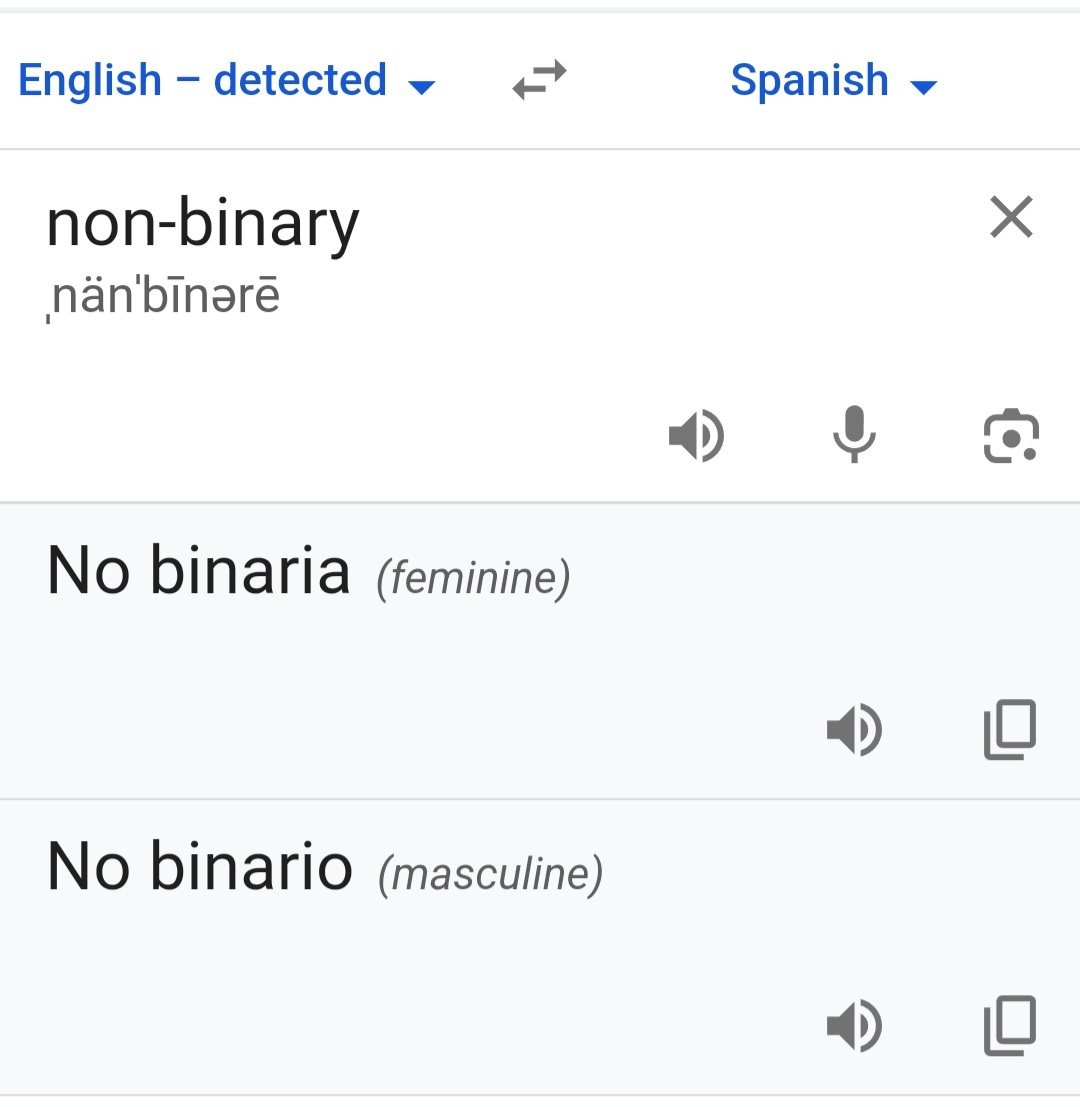
I was bemused to find this when I typed “non-binary” into Google translate for the Spanish version:

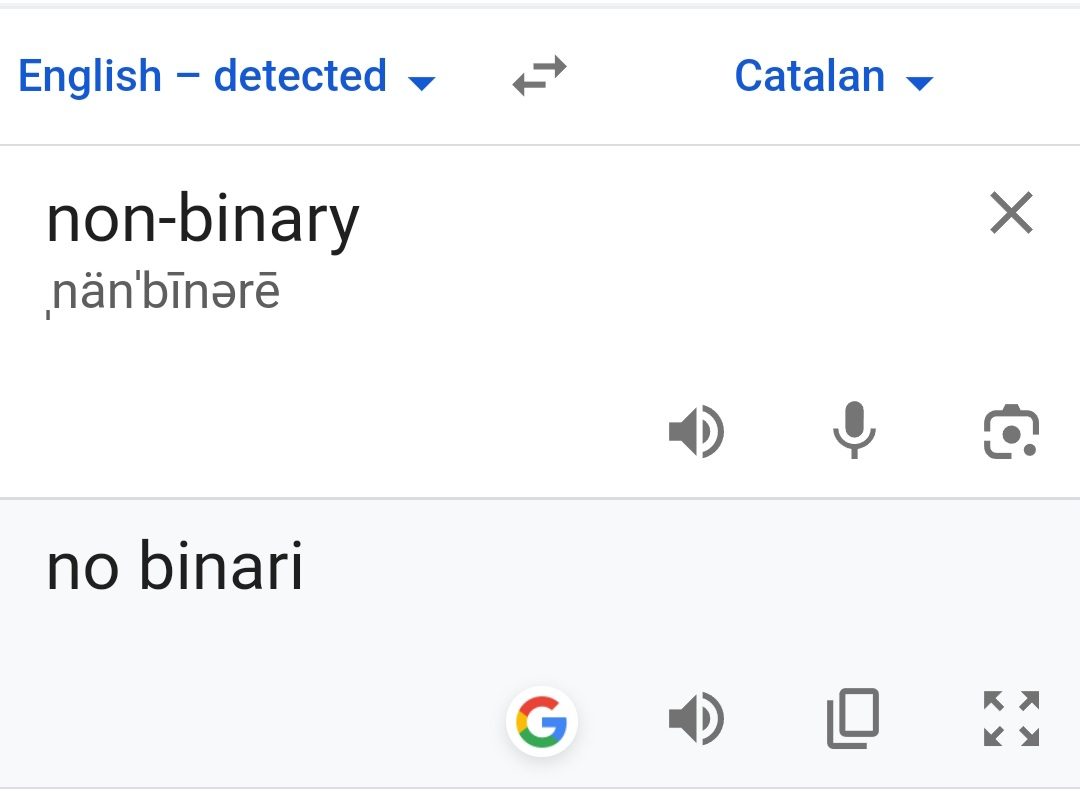
Sigh. This rather defeats the whole point of the word. Catalan, on the other hand, makes more sense…

On a more positive note, I have seen examples of the article ‘lxs’ instead of ‘los’ or ‘las’.

The Dream of the Celt

Posted in History, LGBTQ+, Literature with tags , , , on October 8, 2023 by telescoper

Knowing that I would be spending even less time watching TV while in Barcelona than I would back in Maynooth, I packed a number of books from the substantial pile that I haven’t yet got around to. The first I’ve finished is The Dream of the Celt by Peruvian author Mario Vargos Llosa which tells the fascinating but ultimately tragic story of Roger Casement using a mixture of thoroughly researched journalistic reportage and fictionalized extrapolations that try to bring this enigmatic character to life.

Roger Casement was born in Sandycove, Dublin, but spent some of his childhood in England. He served with great distinction as a diplomat, and a fierce advocated of human rights, first in the Congo, where he compiled a devastating report of the brutal exploitation of indigenous people, and then in Peru where he exposed even worse cruelty being exacted on native men women and children who were used as forced labour in the rubber plantations. He was knighted in 1911 for his humanitarian efforts.

When he first started out in the diplomatic service, Casement apparently believed that colonization would be a civilizing influence, bringing free trade, the rule of law, and Christianity instead of repression and violence. His bitter experience changed his view entirely, and he became increasingly associated with the cause of England’s first colony, and became a fervent advocate of Irish nationalism. He found himself travelling to Germany during the First World War to procure arms for an Irish rebellion and to raise an Irish Regiment from Irish prisoners of war captured fighting for the British. In the latter he was not successful – he persuaded only about 50 POWs to join the cause. He did succeed in obtaining weapons but the ship smuggling them to Ireland was intercepted and scuttled to avoid the weapons falling into British hands.

Incidentally, Casement was against the Easter Rising of 1916. He thought it would be futile unless it could be combined with a German attack on England. Ireland was not sufficiently important geopolitically for the Kaiser to mount such an operation. The other leaders of the Rising wanted Casement to stay in Germany as it proceeded but he travelled to Ireland in a submarine, was captured, tried for high treason, found guilty, and hanged at Pentonville Prison on 3rd August 1916. He was 51. His executioner later remarked that he was ‘‘the bravest man it fell to my unhappy lot to execute.’

W.B. Yeats wrote a poem about Roger Casement, the last verse of which is:

Come speak your bit in public
That some amends be made
To this most gallant gentleman
That is in quicklime laid.

Leading up to Casement’s execution there was a concerted campaign for clemency, i.e. the commutation of his death sentence, as had happened with some involved directly in the rebellion. But then came the Black Diaries. Parts of these, describing in Casement’s own words his many sexual adventures with men and boys, were leaked to the press by British intelligence services. At a time when homosexuality was still a crime, that effectively ended any hope of avoiding the gallows. The Black Diaries are of questionable authenticity, and many who believe they were genuine think Casement was merely writing about fantasies rather than reality. Maybe writing about things he couldn’t do was a way for him to relieve sexual tension? We’ll never know for sure.

After his execution Casement’s body was subject to a rectal examination to ascertain whether he had had anal sex as described in the books. He was buried in an unmarked grave and it wasn’t until 1965 that his remains were returned to Ireland to be interred at Glasnevin cemetery.

The author tells this story by interspersing Casement’s last weeks and months in Pentonville with flashbacks to his time in the Congo, the Peru, Germany and Ireland. The protagonist did write extensive notes on his travels but they are somewhat disorganized, so he had to make reasonable guesses to fill in the gaps. The conversations with other characters are imagined to make it seem more like a novel than a straight historical biography. This approach makes for a fascinating read, although I did find it somewhat repetitive in places.

Sir Roger Casement, as reconstructed in this book, is a fascinating character, but how close the account is to how he really was as a person is something we’ll never know. In a strange way, that mystery is part of the appeal.

The Honeycombs

Posted in LGBTQ+, Music with tags , , , , on July 14, 2023 by telescoper

At the end of a long week I’m now waiting for the oven to heat up for my dinner (salmon) and while it’s doing that I thought I’d share an old record or two by a popular beat combo of days gone by.

The Honeycombs in 1964

Have I The Right? was a big hit in 1964 for The Honeycombs. The video is redolent of the 1960s – the music, the photography, the clothes are very much of that period – the one exception being the drummer, Honey Lantree, who was one of the first female drummers in a hit band; she passed away five years ago. She was the sister of the bass player John Lantree. who is on the left in the above picture.

The band was produced by pioneering sound engineer Joe Meek (who I’ve blogged about before). Joe Meek like to have a strong blend of low frequencies in the mix, but Honey Lantree tended to use bass drum rather sparingly, hence Joe Meek’s suggestion that the band should stamp their feet during the “Come Right Back” bit of the chorus. Anyway, it’s what kinds nowadays call “a banger”…

The Honeycombs are generally regarded as a one-hit wonder, which is one hit more than most bands manage, but is a shame because their first album Here Are The Honeycombs has some great music on it. Take this, for example, their third follow-up single Eyes:

This record has an an interesting melody,  hypnotic atmosphere all of its own and some great work on the drums by Honey Lantree. I think it’s great, actually, but it wasn’t a commercial success largely because it didn’t get played on the BBC at the time. Why not? Well, look at the lyrics:

Eyes, I’ve seen in some crowded places
Staring from lonely faces
Wanting someone to want them too

Eyes that night after night are trying
to keep themselves from crying
making believe their dreams are true

But eyes of, someone who’s in love
Who would ever have thought that I’d find them there

Eyes that watch as we drew together
wondering if we could ever
find all the love they’ve never known

Eyes that now we have left behind us
In places you never find us
where people go cause they’re alone

Now I gaze in the eyes of the one I love
Now no longer alone and afraid and sad

Although it’s not explicit, the song is about a guy getting off with another guy in a crowded gay bar while the other customers look on. The BBC wouldn’t touch that sort of thing back in 1964!

The Queer Variable

Posted in Biographical, LGBTQ+ with tags on June 11, 2023 by telescoper

As it’s Pride Month I’d take this opportunity to re-advertise The Queer Variable which is a collection of 40 interviews with people who are studying or working in Science, Technology, Engineering, and Maths (STEM) and who are part of the LGBTQ+ community. You can find out more about the book and download it for free as a PDF or an e-book (whatever that is) here.

There’s a review of the book in the Journal of Science Communication from which I quote

“The Queer Variable” is an edited collection of interviews with 40 LGBTQ+ people who experienced the full range of issues — positive and negative — that queer people in STEM regularly face. Through their own voices they describe how unnecessarily difficult certain academic environments can be, and how many chances to do good science go to waste when institutions and their leaders implicitly and explicitly discourage LGBTQ+ people from advancing their careers in STEM. The book contains a wealth of good advice for university leaders, lab directors, teachers and many others in leadership positions on how to make their organisations inclusive, diverse and respectful of everyone.

Andrea Bandelli (2022). Together in diversity: insights and wisdom from LGBTQ+ people working in STEM JCOM 21(06), R03.

I am one of the people interviewed for the book. My interview is actually the first in the book, which suggests I might have been the first person interviewed. Most of the interviews took place between 2020 and 2021, but I seem to remember doing mine (over a rather choppy Zoom connection) back in late 2019 when I was a mere lad of 56 years old and before the Covid-19 pandemic. That all seems a very long time ago now!

Anyway, many thanks to Alfredo Carpineti and Shaun O’Boyle for compiling this collection and making it available. I hope people will find it useful.

Incidentally, one of the sponsors of this project is Science Foundation Ireland whose Director General, Prof. Philip Nolan (former President of Maynooth University) is quoted thusly:

SFI is delighted to support this important publication, which highlights the diverse spectrum of talent and experience among our LGBTQ+ research colleagues. STEM research must benefit all of our society and therefore STEM careers must also be welcoming and accessible to all members of our society. I thank all of the contributors for sharing their powerful personal stories and for providing insights into the challenges they have faced on their career journeys. By raising their voices, they are helping break down barriers for future generations.

Well said.