Archive for the LGBTQ+ Category

Asbestos in the Park

Posted in Biographical, LGBTQ+ with tags , , , on February 15, 2024 by telescoper

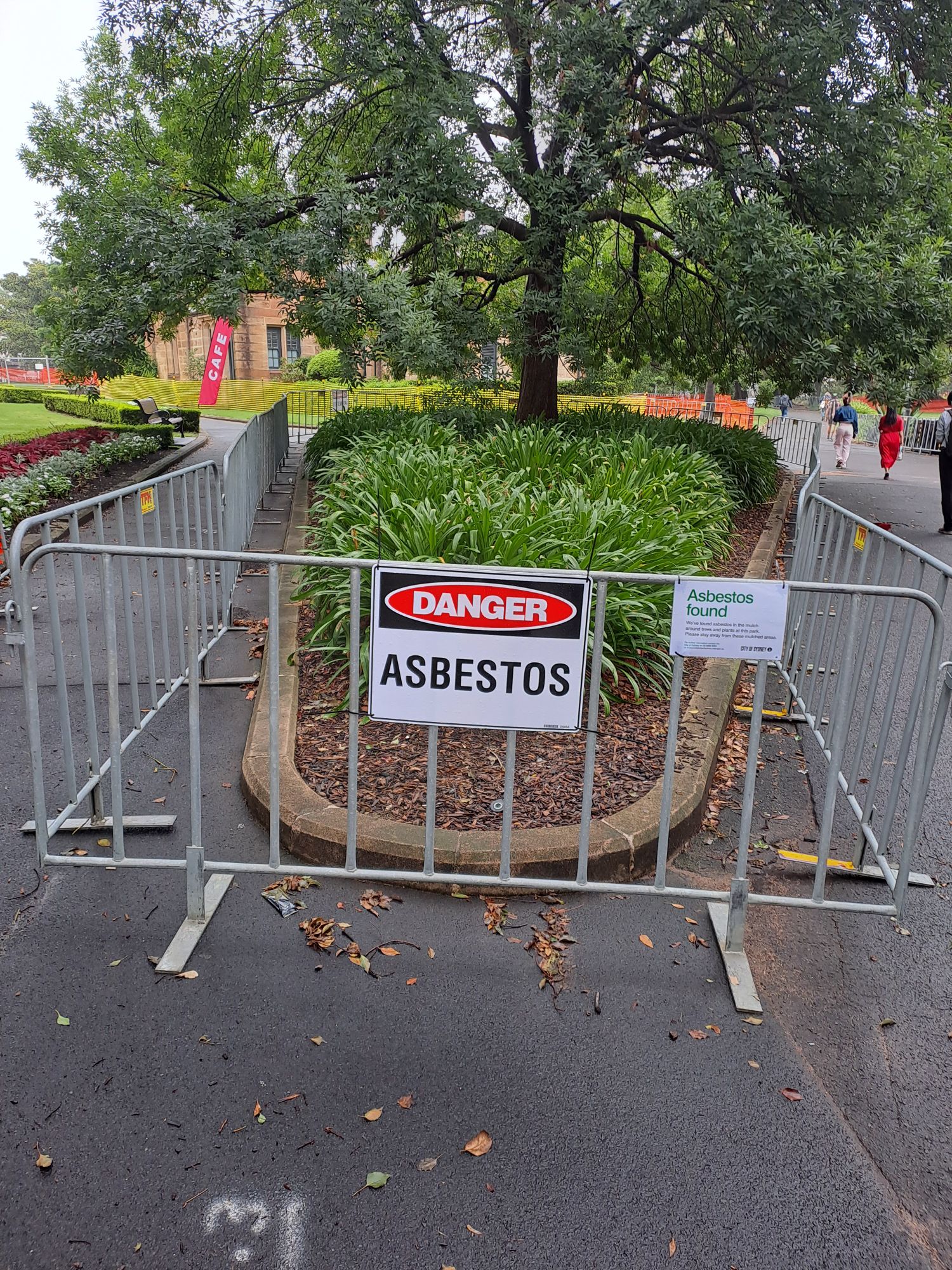
Time, I think, a bit of local news. There’s an ongoing asbestos crisis not only in Sydney but across all New South Wales. It seems that the mulch that has been used in many public parks, school grounds and even a hospital garden is contaminated with asbestos. One affected site is Victoria Park, which I walk through from my flat to the University. At least the park is still open, so you can walk on the paths and sit on the lawns, but all areas with mulch are fenced off:

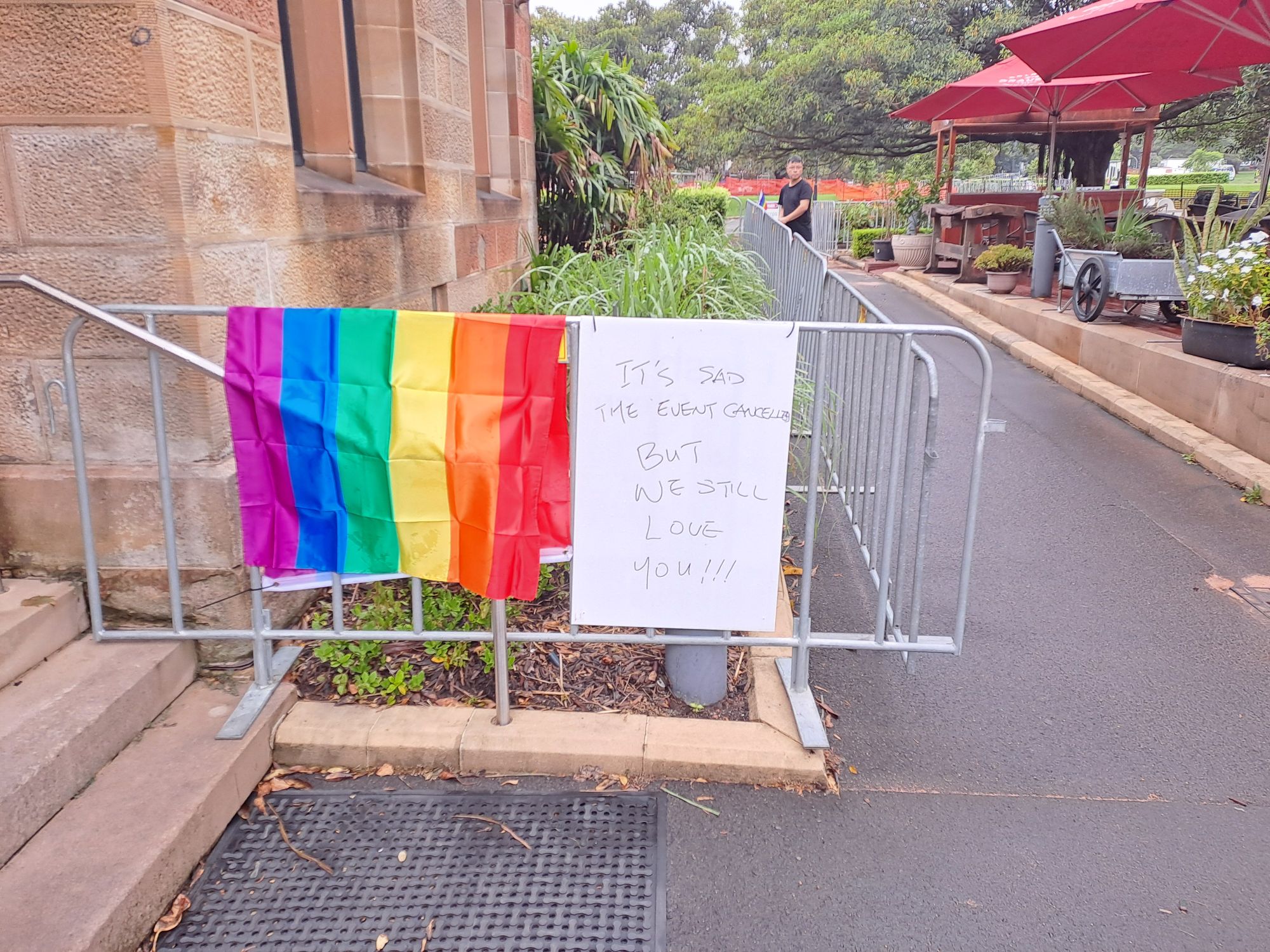
As it happens, Victoria Park was to be used for one of the events planned for Sydney Mardi Gras, which starts today*, but that particular event has been cancelled though many others are unaffected.

The contaminated mulch at all the sites affected was supplied by the same company, Greenlife Resource Recovery. I hope they have to foot the bill for clearing it all up!

*It is, of course, a complete coincidence that this LGBT festival coincides with my stay in Sydney…

The Magician by Colm Tóibín

Posted in History, LGBTQ+, Literature with tags , , on November 17, 2023 by telescoper

Continuing my attempt to catch up on a backlog of reading I have now finished The Magician by Colm Tóibín. A couple of years ago I attended a Zoom event featuring the author Colm Tóibín talking about this book, which is a fictionalised account of the life of Thomas Mann. It’s taken me a ridiculous long time to get round to it, but it was worth the wait.

The life of Thomas Mann was colourful, to say the least. Born in the German city of Lübeck in 1875, Mann’s father was a wealthy merchant and his mother was from Brazil. His elder brother Heinrich Mann was also a novelist essayist and playwright of considerable reputation. Despite his barely concealed homosexuality, Thomas Mann married Katia Pringsheim in 1905, his wife seemingly not minding about his sexual orientation. He led a comfortable life until he began to see the signs of the coming descent of Europe into the First World War. He was awarded the Nobel Prize for Literature in 1929 and went into exile from Nazism in 1933, becoming an American citizen in 1944. In the post-War McCarthyite era he was made to feel less welcome in the USA for having visited East Germany and consequently under suspicion for communist sympathies. Not wanting to return to Germany, he spent most of the last years of his life in Zurich. He died in 1955 at the age of 80.

In some ways this work is reminiscent of The Dream of the Celt which I reviewed a few weeks ago, in that it’s a fictionalised biography, based partially on material found in diaries and with a theme of (partly) suppressed same-sex desire; several of his six offspring were gay or bisexual too. On the other hand I don’t think it’s accurate to think of this book so much as a biography of Thomas Mann but more of a biography of the late 19th and early 20th Century with Mann as the lens. In fact I finished the book without feeling that I knew very much at all about Thomas Mann’s character and personality. That’s probably deliberate as he seems to have cultivated an air of mystery surrounding himself. We follow Mann and his large family through the events leading up to both World Wars, and the effect these tumultuous times had on his siblings and offspring. His family endured more than its fair share of tragedy, with multiple suicides and other heartbreak.

An interesting aspect is the collection of little character sketches this book gives us of famous people with whom Mann interacted in his life. Mann was himself very famous indeed both in Europe and America. Tóibín gives us (not always flattering) views, through Mann’s eyes of, among many others: Gustav Mahler, Albert Einstein, Eleanor Roosevelt, Arnold Schoenberg, Christopher Isherwood and W.H. Auden. Incidentally, Auden married Mann’s daughter Erika so she could get British citizenship; the marriage was never consummated.

It’s a beautiful book, written in a style that frequently seems to mimic Mann’s own prose. Juxtaposing the ideas in his novels with the events happening when they were being written, both within his own family and in the wider world, provides fascinating insights. I have only read a couple of Thomas Mann’s books: Death in Venice and The Magic Mountain. Knowing more about his life, I now want to read these again and also read the others.

And so as one book disappears from my reading list, several more appear…

P.S. This is the novel in which the Mann family sits around listening to a gramophone record of In fernem Land sung by Leo Slezak I mentioned a few days ago.

Gendered Language

Posted in LGBTQ+ with tags , , on October 19, 2023 by telescoper

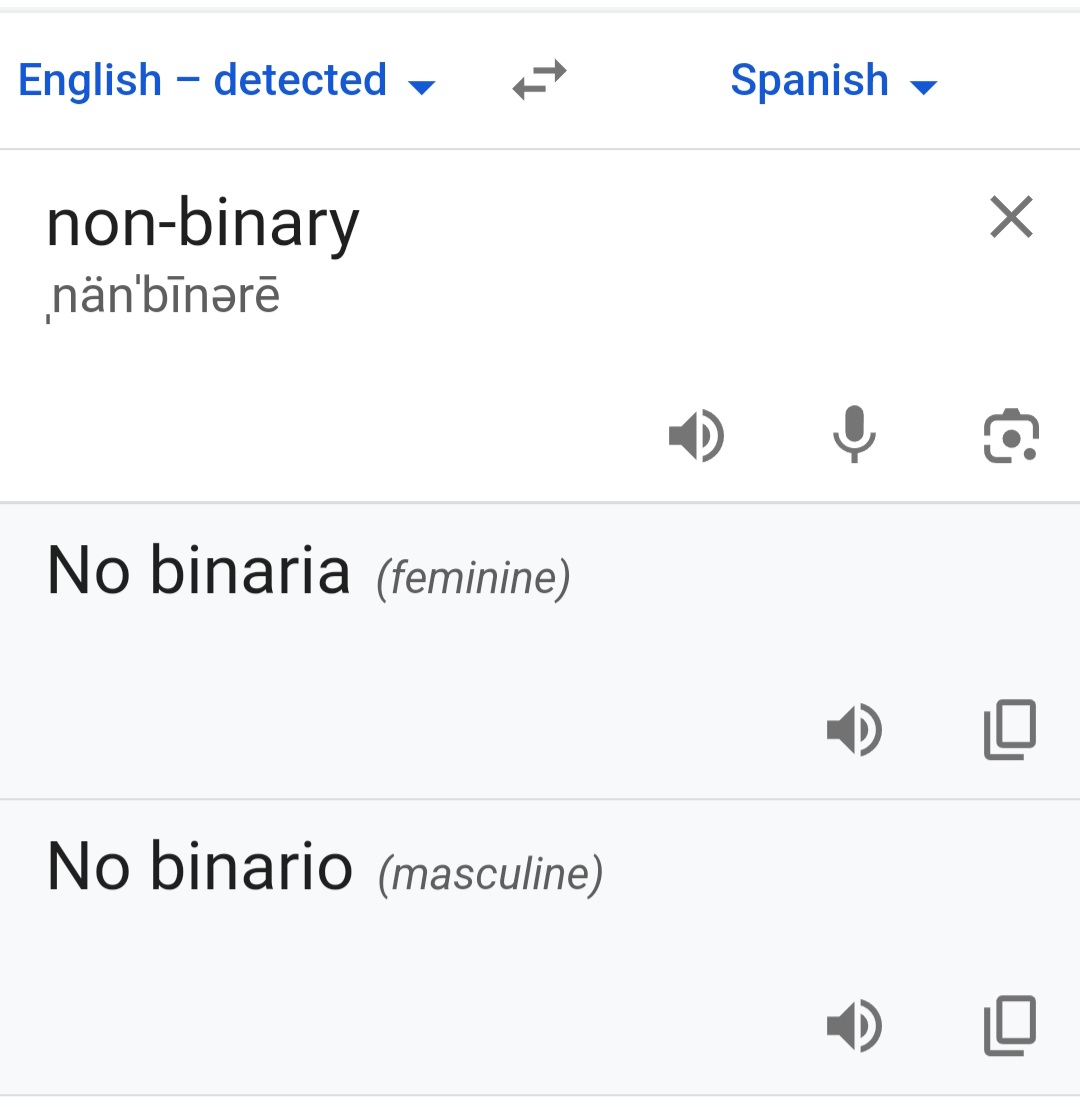
I was bemused to find this when I typed “non-binary” into Google translate for the Spanish version:

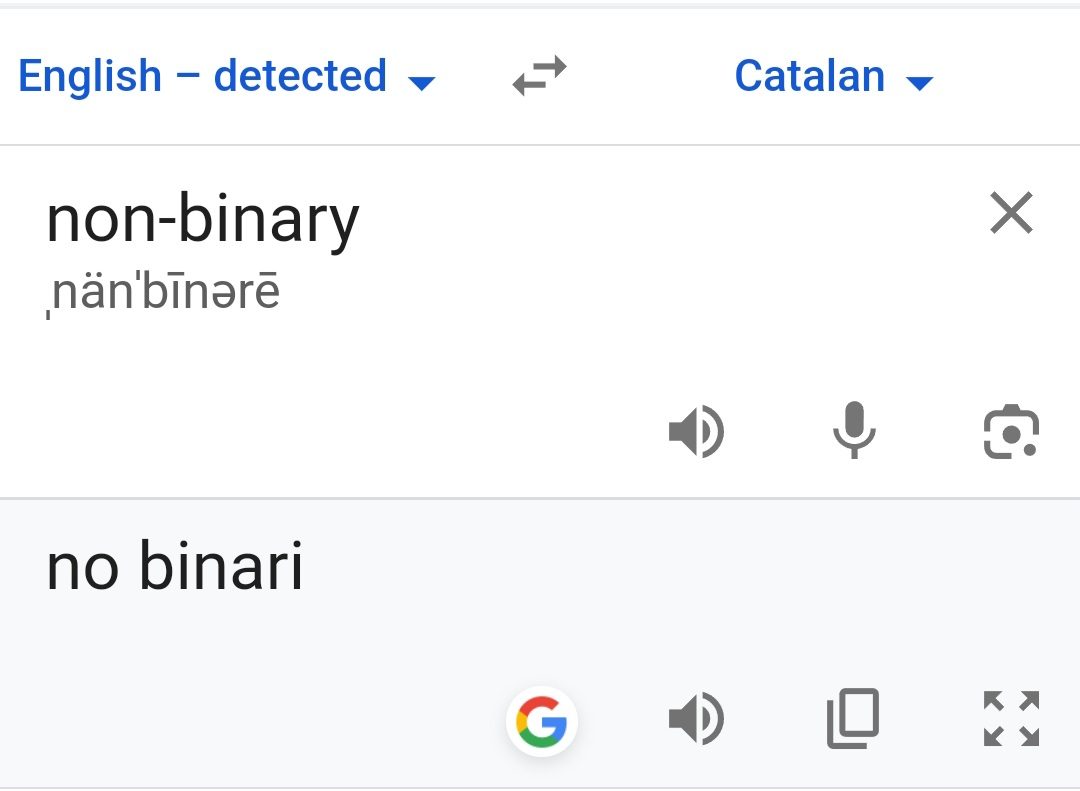
Sigh. This rather defeats the whole point of the word. Catalan, on the other hand, makes more sense…

On a more positive note, I have seen examples of the article ‘lxs’ instead of ‘los’ or ‘las’.

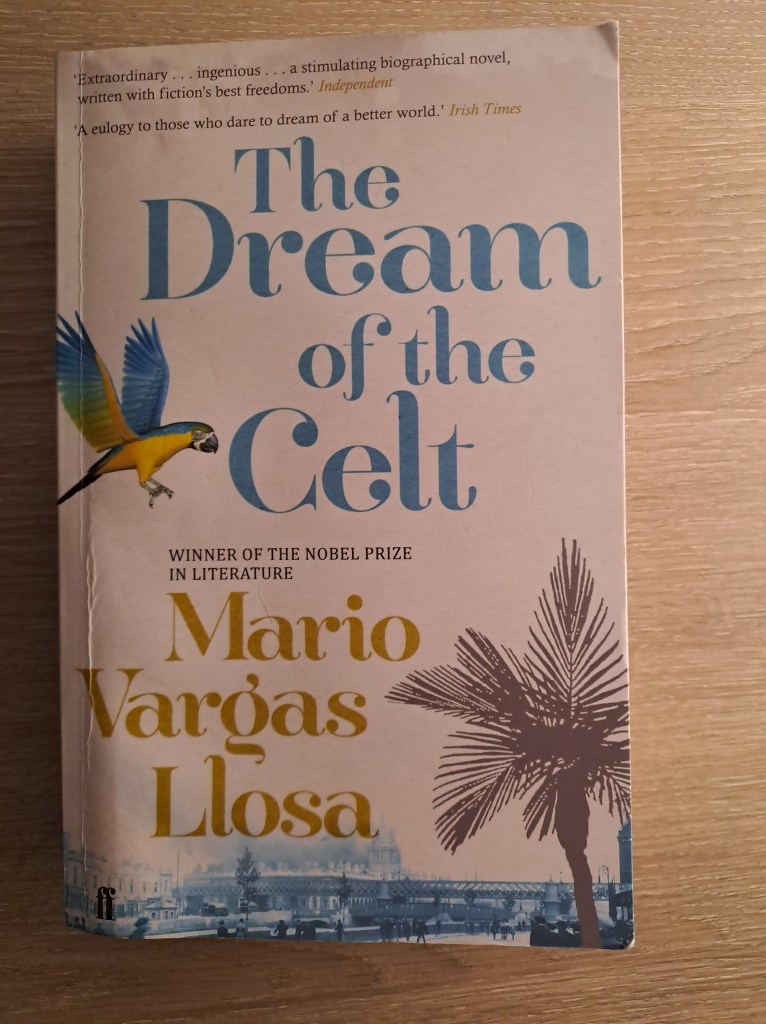
The Dream of the Celt

Posted in History, LGBTQ+, Literature with tags , , , on October 8, 2023 by telescoper

Knowing that I would be spending even less time watching TV while in Barcelona than I would back in Maynooth, I packed a number of books from the substantial pile that I haven’t yet got around to. The first I’ve finished is The Dream of the Celt by Peruvian author Mario Vargos Llosa which tells the fascinating but ultimately tragic story of Roger Casement using a mixture of thoroughly researched journalistic reportage and fictionalized extrapolations that try to bring this enigmatic character to life.

Roger Casement was born in Sandycove, Dublin, but spent some of his childhood in England. He served with great distinction as a diplomat, and a fierce advocated of human rights, first in the Congo, where he compiled a devastating report of the brutal exploitation of indigenous people, and then in Peru where he exposed even worse cruelty being exacted on native men women and children who were used as forced labour in the rubber plantations. He was knighted in 1911 for his humanitarian efforts.

When he first started out in the diplomatic service, Casement apparently believed that colonization would be a civilizing influence, bringing free trade, the rule of law, and Christianity instead of repression and violence. His bitter experience changed his view entirely, and he became increasingly associated with the cause of England’s first colony, and became a fervent advocate of Irish nationalism. He found himself travelling to Germany during the First World War to procure arms for an Irish rebellion and to raise an Irish Regiment from Irish prisoners of war captured fighting for the British. In the latter he was not successful – he persuaded only about 50 POWs to join the cause. He did succeed in obtaining weapons but the ship smuggling them to Ireland was intercepted and scuttled to avoid the weapons falling into British hands.

Incidentally, Casement was against the Easter Rising of 1916. He thought it would be futile unless it could be combined with a German attack on England. Ireland was not sufficiently important geopolitically for the Kaiser to mount such an operation. The other leaders of the Rising wanted Casement to stay in Germany as it proceeded but he travelled to Ireland in a submarine, was captured, tried for high treason, found guilty, and hanged at Pentonville Prison on 3rd August 1916. He was 51. His executioner later remarked that he was ‘‘the bravest man it fell to my unhappy lot to execute.’

W.B. Yeats wrote a poem about Roger Casement, the last verse of which is:

Come speak your bit in public
That some amends be made
To this most gallant gentleman
That is in quicklime laid.

Leading up to Casement’s execution there was a concerted campaign for clemency, i.e. the commutation of his death sentence, as had happened with some involved directly in the rebellion. But then came the Black Diaries. Parts of these, describing in Casement’s own words his many sexual adventures with men and boys, were leaked to the press by British intelligence services. At a time when homosexuality was still a crime, that effectively ended any hope of avoiding the gallows. The Black Diaries are of questionable authenticity, and many who believe they were genuine think Casement was merely writing about fantasies rather than reality. Maybe writing about things he couldn’t do was a way for him to relieve sexual tension? We’ll never know for sure.

After his execution Casement’s body was subject to a rectal examination to ascertain whether he had had anal sex as described in the books. He was buried in an unmarked grave and it wasn’t until 1965 that his remains were returned to Ireland to be interred at Glasnevin cemetery.

The author tells this story by interspersing Casement’s last weeks and months in Pentonville with flashbacks to his time in the Congo, the Peru, Germany and Ireland. The protagonist did write extensive notes on his travels but they are somewhat disorganized, so he had to make reasonable guesses to fill in the gaps. The conversations with other characters are imagined to make it seem more like a novel than a straight historical biography. This approach makes for a fascinating read, although I did find it somewhat repetitive in places.

Sir Roger Casement, as reconstructed in this book, is a fascinating character, but how close the account is to how he really was as a person is something we’ll never know. In a strange way, that mystery is part of the appeal.

The Honeycombs

Posted in LGBTQ+, Music with tags , , , , on July 14, 2023 by telescoper

At the end of a long week I’m now waiting for the oven to heat up for my dinner (salmon) and while it’s doing that I thought I’d share an old record or two by a popular beat combo of days gone by.

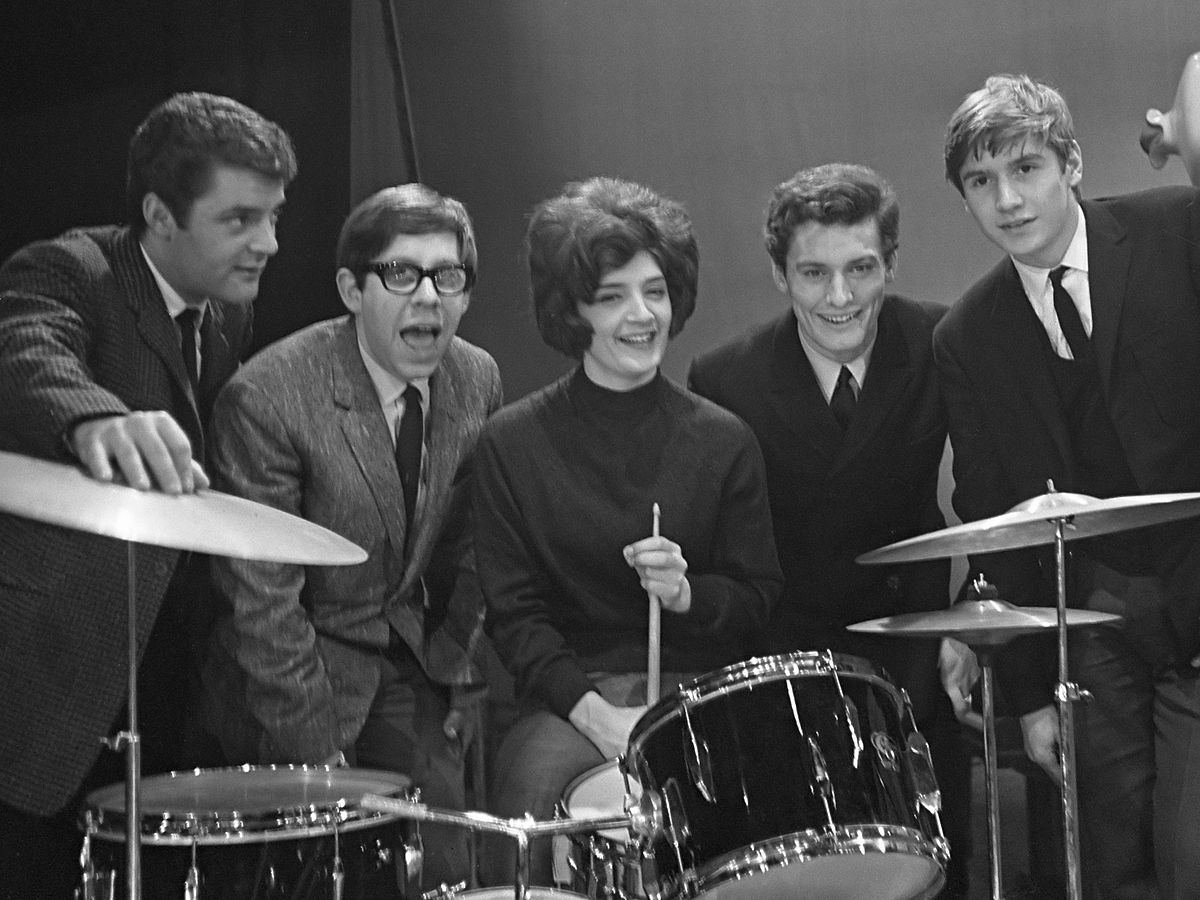
The Honeycombs in 1964

Have I The Right? was a big hit in 1964 for The Honeycombs. The video is redolent of the 1960s – the music, the photography, the clothes are very much of that period – the one exception being the drummer, Honey Lantree, who was one of the first female drummers in a hit band; she passed away five years ago. She was the sister of the bass player John Lantree. who is on the left in the above picture.

The band was produced by pioneering sound engineer Joe Meek (who I’ve blogged about before). Joe Meek like to have a strong blend of low frequencies in the mix, but Honey Lantree tended to use bass drum rather sparingly, hence Joe Meek’s suggestion that the band should stamp their feet during the “Come Right Back” bit of the chorus. Anyway, it’s what kinds nowadays call “a banger”…

The Honeycombs are generally regarded as a one-hit wonder, which is one hit more than most bands manage, but is a shame because their first album Here Are The Honeycombs has some great music on it. Take this, for example, their third follow-up single Eyes:

This record has an an interesting melody,  hypnotic atmosphere all of its own and some great work on the drums by Honey Lantree. I think it’s great, actually, but it wasn’t a commercial success largely because it didn’t get played on the BBC at the time. Why not? Well, look at the lyrics:

Eyes, I’ve seen in some crowded places
Staring from lonely faces
Wanting someone to want them too

Eyes that night after night are trying
to keep themselves from crying
making believe their dreams are true

But eyes of, someone who’s in love
Who would ever have thought that I’d find them there

Eyes that watch as we drew together
wondering if we could ever
find all the love they’ve never known

Eyes that now we have left behind us
In places you never find us
where people go cause they’re alone

Now I gaze in the eyes of the one I love
Now no longer alone and afraid and sad…

Although it’s not explicit, the song is about a guy getting off with another guy in a crowded gay bar while the other customers look on. The BBC wouldn’t touch that sort of thing back in 1964!

The Queer Variable

Posted in Biographical, LGBTQ+ with tags on June 11, 2023 by telescoper

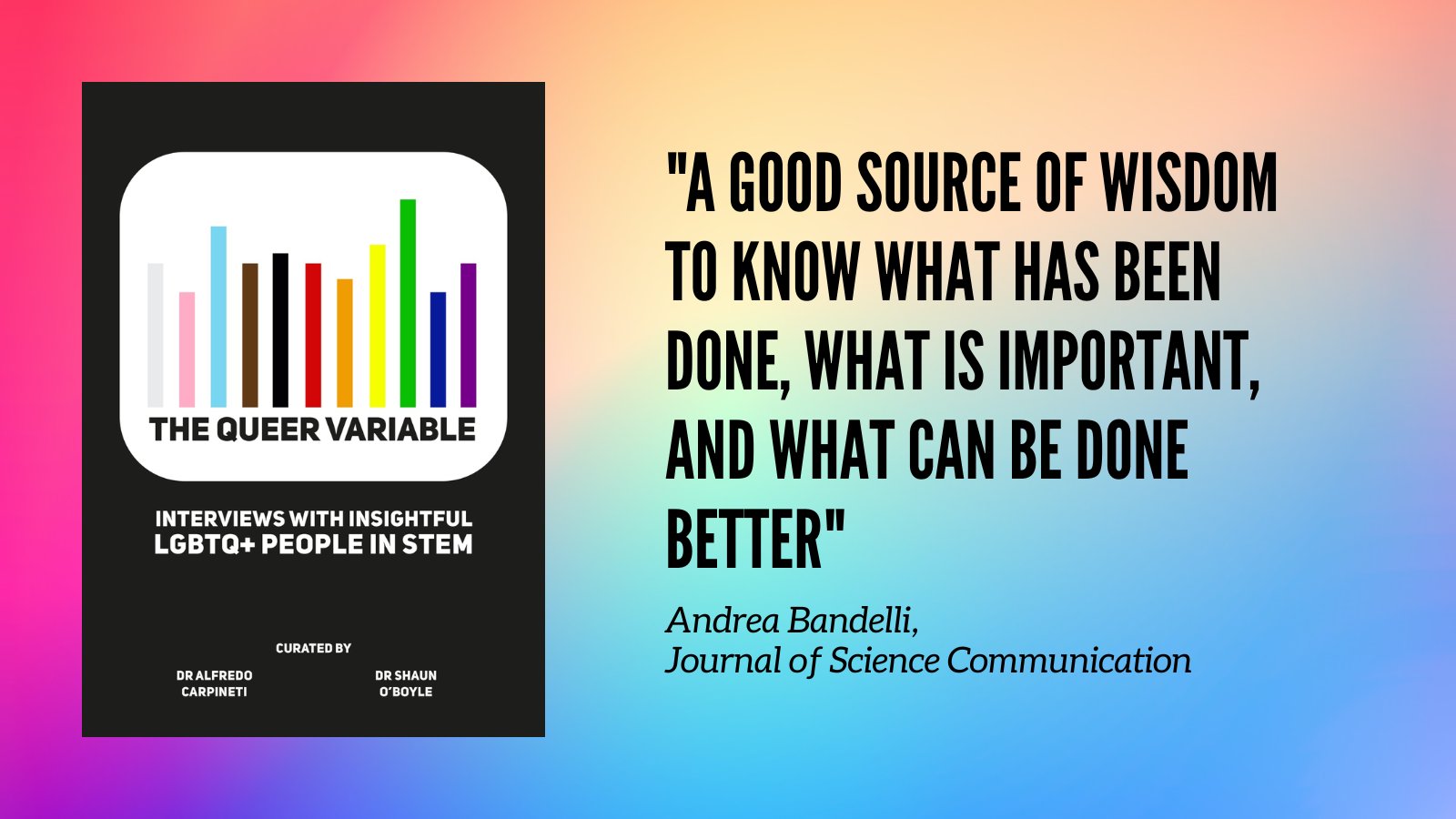
As it’s Pride Month I’d take this opportunity to re-advertise The Queer Variable which is a collection of 40 interviews with people who are studying or working in Science, Technology, Engineering, and Maths (STEM) and who are part of the LGBTQ+ community. You can find out more about the book and download it for free as a PDF or an e-book (whatever that is) here.

There’s a review of the book in the Journal of Science Communication from which I quote

“The Queer Variable” is an edited collection of interviews with 40 LGBTQ+ people who experienced the full range of issues — positive and negative — that queer people in STEM regularly face. Through their own voices they describe how unnecessarily difficult certain academic environments can be, and how many chances to do good science go to waste when institutions and their leaders implicitly and explicitly discourage LGBTQ+ people from advancing their careers in STEM. The book contains a wealth of good advice for university leaders, lab directors, teachers and many others in leadership positions on how to make their organisations inclusive, diverse and respectful of everyone.

Andrea Bandelli (2022). Together in diversity: insights and wisdom from LGBTQ+ people working in STEM JCOM 21(06), R03.

I am one of the people interviewed for the book. My interview is actually the first in the book, which suggests I might have been the first person interviewed. Most of the interviews took place between 2020 and 2021, but I seem to remember doing mine (over a rather choppy Zoom connection) back in late 2019 when I was a mere lad of 56 years old and before the Covid-19 pandemic. That all seems a very long time ago now!

Anyway, many thanks to Alfredo Carpineti and Shaun O’Boyle for compiling this collection and making it available. I hope people will find it useful.

Incidentally, one of the sponsors of this project is Science Foundation Ireland whose Director General, Prof. Philip Nolan (former President of Maynooth University) is quoted thusly:

SFI is delighted to support this important publication, which highlights the diverse spectrum of talent and experience among our LGBTQ+ research colleagues. STEM research must benefit all of our society and therefore STEM careers must also be welcoming and accessible to all members of our society. I thank all of the contributors for sharing their powerful personal stories and for providing insights into the challenges they have faced on their career journeys. By raising their voices, they are helping break down barriers for future generations.

Well said.

Chanson d’Automne

Posted in Art, History, LGBTQ+, Music with tags , , , on June 6, 2023 by telescoper

I’ve mentioned on here before that I had an English teacher at school who used to set interesting creative writing challenges, in which we would be given two apparently disconnected topics and asked to write something that connected them together. The inspiration was ‘Only Connect’, the epigraph of E.M. Forster’s novel Howard’s End. Since I’ve spent all afternoon in an Exam Board meeting I thought I’d do a little bit of connecting now.

Les sanglots longs
Des violons
De l’automne
Blessent mon coeur
D’une langueur
Monotone.

Tout suffocant
Et blême, quand
Sonne l’heure,
Je me souviens
Des jours anciens
Et je pleure;

Et je m’en vais
Au vent mauvais
Qui m’emporte
Deçà, delà,
Pareil à la
Feuille morte.

Chanson d’Automne, by Paul Verlaine (1844-1896).

I posted the above poem by Paul Verlaine for two reasons. One is that lines from the poem were broadcast on the eve of the Normandy Landings. The landings themselves began in the morning of June 6th 1944 and the excerpt – the last three lines of the first verse – formed a coded message broadcast to the French resistance by Radio Londres, 5th June 1944 at 23.15 GMT, informing them that the Allied invasion of France was imminent and that sabotage operations should commence.

The other reason is that that it was just two weeks ago that I attended a concert featuring settings by Benjamin Britten of prose poems taken from  Les Illuminations by Arthur Rimbaud. I didn’t know until that Verlaine and Rimbaud were lovers and that they lived for some time together in London. Their relationship was on the tempestuous side – at one point Verlaine fired a gun at Rimbaud, wounding him in the hand. Here’s a detail from a painting showing the two of them (Verlaine on the left, Rimbaud on the right).

It was said of Rimbaud that, as well as writing remarkable poetry, he was cute-looking, had a very dirty sense of humour, drank a bit too much, and liked lots and lots of rough sex. I think I would have liked him (although perhaps not enough to risk being shot by his jealous older boyfriend).

Anyway, this provides me with an excuse not only to commemorate D-Day but also Pride Month!


Pride Month 2023

Posted in Biographical, LGBTQ+ on June 1, 2023 by telescoper

It’s 1st June 2023, which means that it’s the first day of Pride Month 2023. I’m looking forward to the Pride Festival with a March and Parade in Dublin later this month, of which I’m planning to attend at least part, even if I am obviously far too old for that sort of thing. Another thing that happens this month is that I turn 60!

Incidentally, this will be the 40th anniversary of the first official Dublin Pride.

With its origins as a commemoration of the Stonewall Riots of 1969, Pride remains both a celebration and protest. It’s more necessary than ever now because of the sustained abuse being aimed at trans people from all quarters, including those in political power and those sad losers who have nothing better to do that spend all day tweeting their bigotry on social media. Bigots will always be bigots, but the lowest of the low are those that masquerade as some sort of progressive while spouting their hate and prejudice. As well as a celebration and a protest, Pride is an opportunity for us all to show solidarity against those who seek to divide us.

Though many LGBTQIA+ people in many countries – even those that claim to be more liberal – still face discrimination, hostility and violence, Pride Month always reminds me of how far we’ve come in the past 50 years. Recently my own celebration of Pride is very subdued as it tends to makes me feel old and irrelevant as well as worried that we might be headed back to the bigotry and intolerance of the past; the rights we have won could so easily be taken away. But as I get older, I find I have become more and more protective towards younger LGBT+ people. I don’t want them to have to put up with the crap that I did when I was their age.

I would like to wish all LGBTQIA+ people around the world, but especially staff and students at Maynooth University, a very enjoyable and inspiring Pride 2023!

The Hate is still Out There

Posted in Biographical, LGBTQ+, Mental Health with tags , , on May 21, 2023 by telescoper

A few days ago I mentioned on this blog the case of a gay teenager in Navan being beaten up by boys from the same school; there was a news report here. Five youths were subsequently arrested but have now been released without charge. I felt a strong sense of dismay when I heard the news of their release, as the decision to let them go seemed to declare open season on homophobic violence. It may however because the assailants have to be treated as minors.

Press coverage related to this story has generally condemned the sharing on social media of a video showing the violent assault. There are quite a few people, however, including me, who think that the Gardaí would not have taken any action at all had they not been shamed into doing so by the publicity generated by the video.

Regular readers of this blog will probably understand why this case resonates with me: a similar thing happened to me way back in the 1980s. There are differences, of course. For one thing, I was rather older – in my mid-twenties rather than mid-teens. For another, the incident wasn’t reported to the police. There wasn’t any point in those days. The Brighton police at that time were notorious for dismissing complaints of gay-bashing despite the fact it was an endemic problem. People I knew who had reported such incidents usually found themselves being investigated rather than their assailants. In those days the law did not recognize homophobic offences as hate crimes. Far from it, in fact. Attacking a gay person was, if anything, considered to be a mitigating circumstance. This attitude was fuelled by a number of high-profile cases (including a number of murders) where gay-bashers had been acquitted or charged with lesser offences after claiming their victim had provoked them.

Another difference is that I didn’t go to hospital. I had a black eye, a fat lip and a lot of bruises, and had been unconscious for a time, but there didn’t seem to be any serious physical damage. The psychological effects were far from negligible, though, and I have experienced intermittent mental health problems ever since, sometimes needing to be hospitalized for psychiatric treatment. You can read about this here; a short summary is that I should have got help with this much earlier. The important thing now is that the boy who was targeted in Navan gets proper treatment and counselling. I wish him a speedy recovery.

Here’s something I wrote in 2010 after in the blog post describing my own experience of homophobic violence:

Now fast-forward about 20 years. Attitudes have definitely changed, and so has the law. Certain types of criminal offence are now officially recognized as hate crimes: the list treats sexual orientation as equivalent to race, gender, religious belief and disability in such matters. The Police are now obliged to treat these with due seriousness, and penalties for those found guilty of crimes exacerbated by homophobia are consequently more severe.

Recently, there are increasing signs of a backlash against LGBT+ people, most obviously in America but also here in Ireland. Much of this is fueled by toxic rhetoric of the Far Right who seem to want to target trans people. Social media, especially Twitter are awash with transphobic abuse and threats of violence for the reason that trans people are perceived to be easy targets. It’s up to the rest of us to make sure this strategy does not work.

I worry that the rights that the LGBT+ community has taken so long to win, could so easily be taken away. If we are complacent and pretend that everything is fixed because we have equal marriage then we will soon see those rights being eroded. LGBT+ people have to remain active and visible, show solidarity with one another, and keep pushing against all forms of discrimination, harassment and bullying wherever it happens. And the first step in doing that is to raise awareness that there is a serious problem.

I was reflecting on my own encounter with violence the other day. I try not to think about that very much, but I found myself wondering where the four guys who attacked me are now. They were about the same age as me, so will be around 60 now. Do you think the hate they expressed with their fists back in the 1980s has gone away? More importantly, do you think it reasonable that I should believe that? I don’t. The hate is still out there and will find its expression at the slightest provocation.

The reference to hate crimes in the above quote relates to the UK, of course. I was a little surprised to see that until very recently there was no legal definition of a hate crime in Ireland. Legislation has only just been introduced on this subject, with cross-party support. Among other provisions:

The new legislation will criminalise any intentional or reckless communication or behaviour that is likely to incite violence or hatred against a person or persons because they are associated with a protected characteristic. The penalty for this offence will be up to five years’ imprisonment.

The protected characteristics in the new legislation are: race; colour; nationality; religion; national or ethnic origin; descent; gender; sex characteristics; sexual orientation; and disability.

It remains to be seen how the new law works in practice.

International Day Against Homophobia, Biphobia and Transphobia

Posted in LGBTQ+ with tags on May 17, 2023 by telescoper

I just remembered that today is May 17th which means that it is International Day Against Homophobia Transphobia and Biphobia, This is a worldwide celebration of sexual and gender diversities and a chance to show solidarity against bigotry and intolerance.

A video circulating today on social media in Ireland showing a teenager being beaten up because he is gay reminds us that we need this now more than ever; there’s a news report here. I hope the culprits are brought to justice. The rising tide of violence and discrimination against LGBTQI+ individuals is encouraged by those who spread poisonous rhetoric in the media and online.