Archive for the The Universe and Stuff Category

Masters in Theoretical Physics & Mathematics at Maynooth

Posted in Education, Maynooth, The Universe and Stuff with tags , , on April 30, 2024 by telescoper

I may not be in Maynooth this academic year but that doesn’t stop me using the medium of this blog to advertise the fact that the MSc in Theoretical Physics & Mathematics is open to applications for entry in September.

This postgraduate course is run jointly between the Departments of Theoretical Physics and Mathematics & Statistics, with each contributing about half the material. The duration is one calendar year (full-time) or two years (part-time) and consists of 90 credits in the European Credit Transfer System (ECTS). This is split into 60 credits of taught material (split roughly 50-50 between Theoretical Physics and Mathematics) and a research project of 30 credits, supervised by a member of staff in a relevant area from either Department.

Here is an instagram post advertising the course:

This course is a kind of follow-up to the existing undergraduate BSc Theoretical Physics & Mathematics at Maynooth, also run jointly. We think the postgraduate course will appeal to many of the students on that programme who wish to continue their education to postgraduate level, though applications are very welcome from suitably qualified candidates who did their first degree elsewhere.

There is a central system for postgraduate applications in Ireland (called PAC) that is similar to the undergraduate admissions system. You will need to apply online via PAC after the following the instructions here. The requisite PAC code for the full-time version of the course is MHQ56.

The closing date for applications is 30th June 2024.

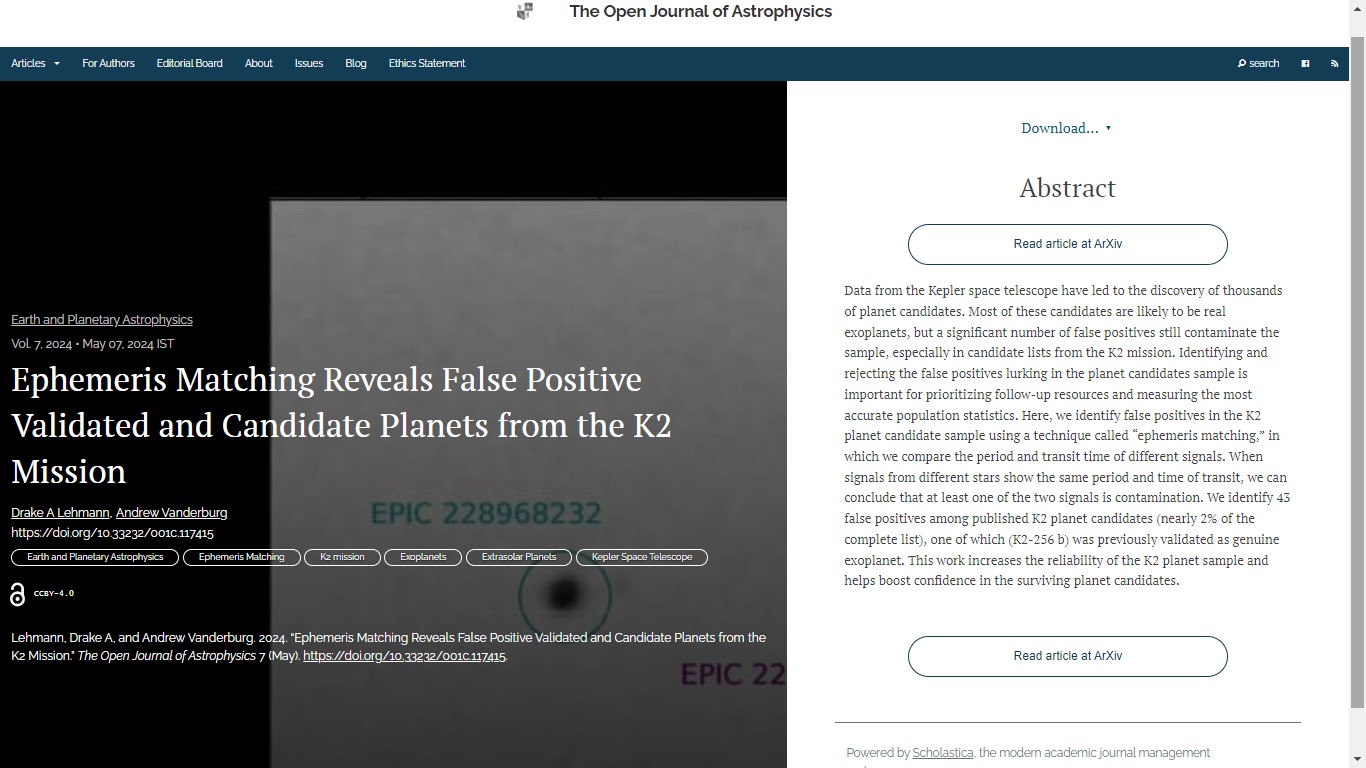
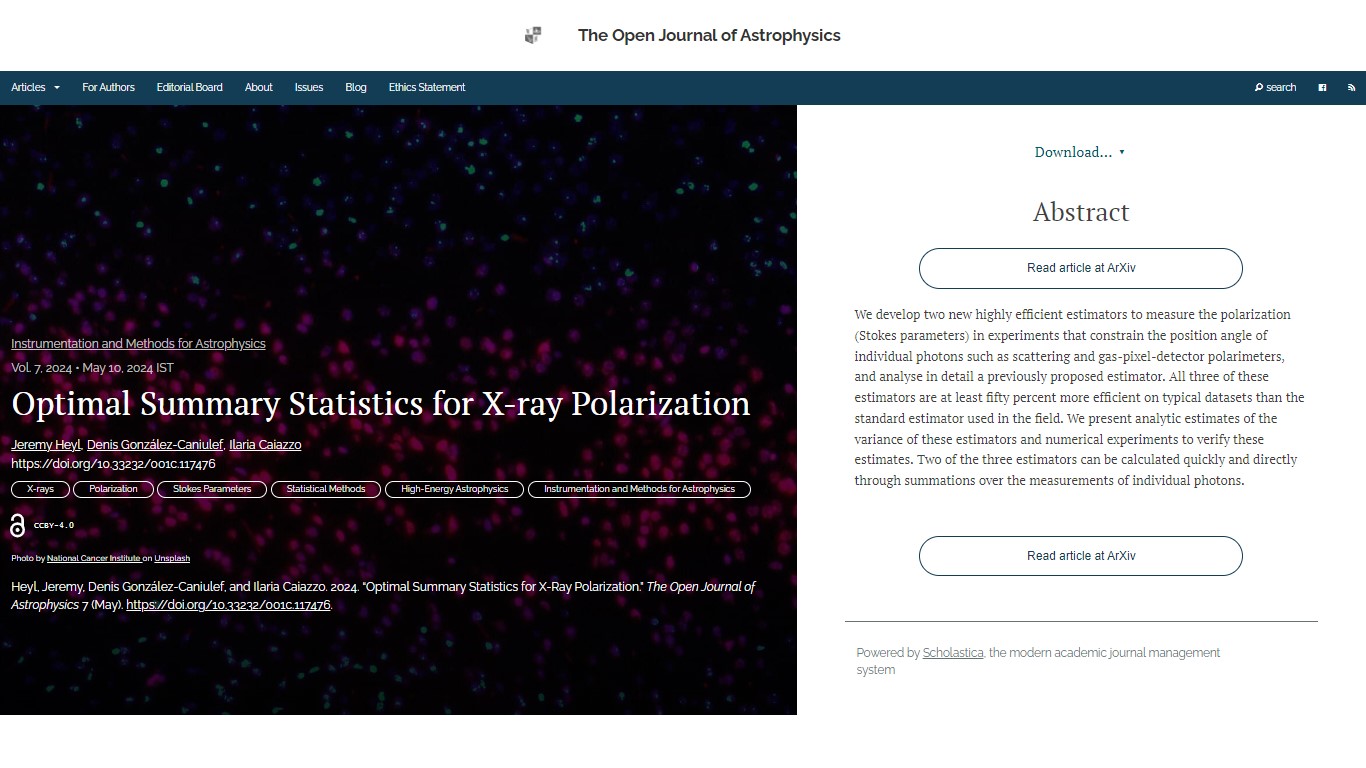
Three New Publications at the Open Journal of Astrophysics

Posted in OJAp Papers, Open Access, The Universe and Stuff with tags , , , , , , , , , , , , , on April 27, 2024 by telescoper

It’s time for the usual  Saturday roundup of business at the  Open Journal of Astrophysics. The latest batch of publications consists of three papers, taking the count in Volume 7 (2024) up to 30 and the total published by OJAp up to 145.

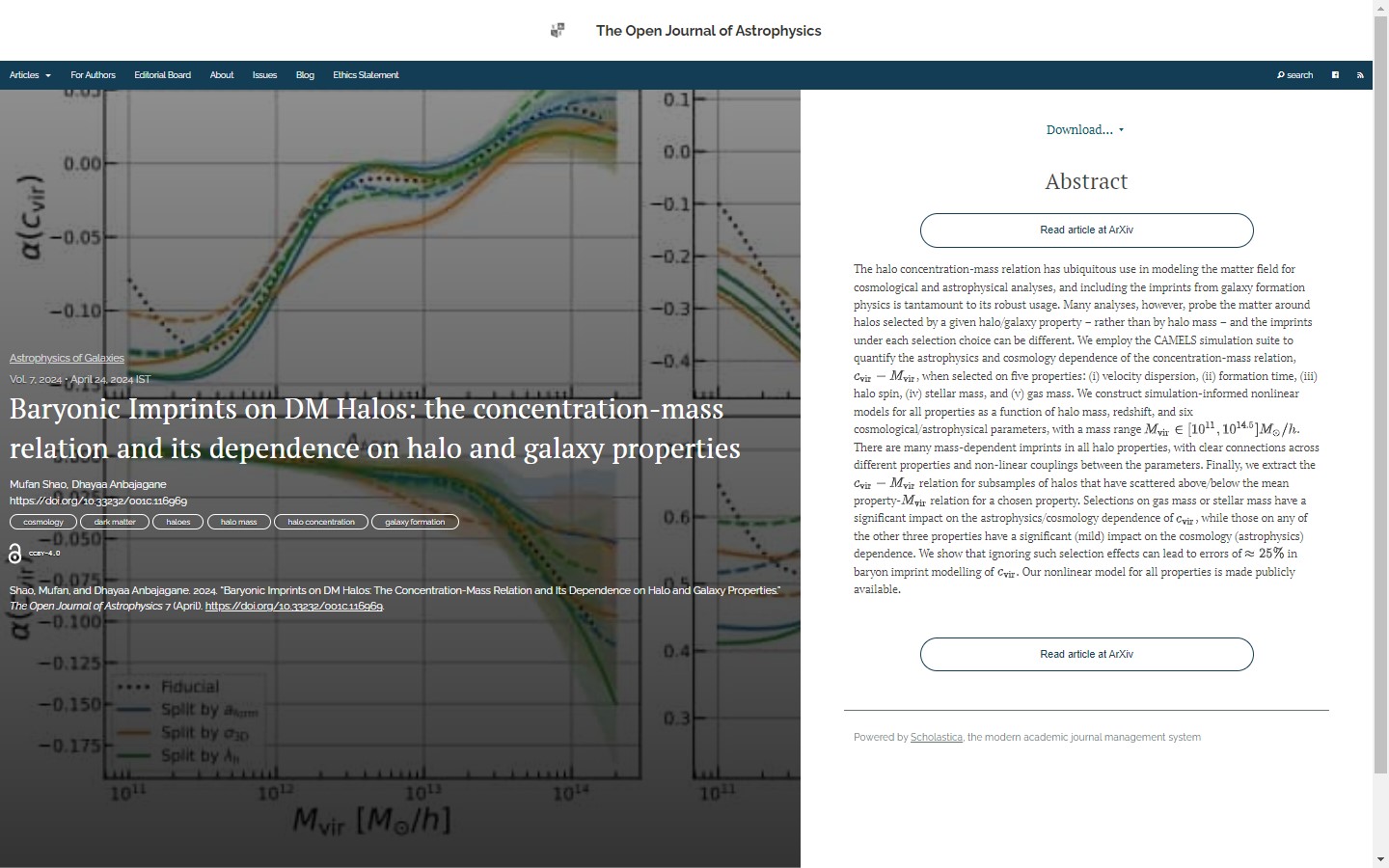
First one up is “Baryonic Imprints on DM Halos: the concentration-mass relation and its dependence on halo and galaxy properties” .  The authors, Mufan Shao and Dhayaa Anbajagane of the University of Chicago, USA, use  a non-linear model informed by simulations to study the imprint of galaxy formation physics on the concentration-mass relationship using various different choices of halo selection criteria. This one is in the folder marked Astrophysics of Galaxies and was published on 24th April 2024.

Here is a screen grab of the overlay, which includes the abstract:


You can read the paper directly on arXiv here.

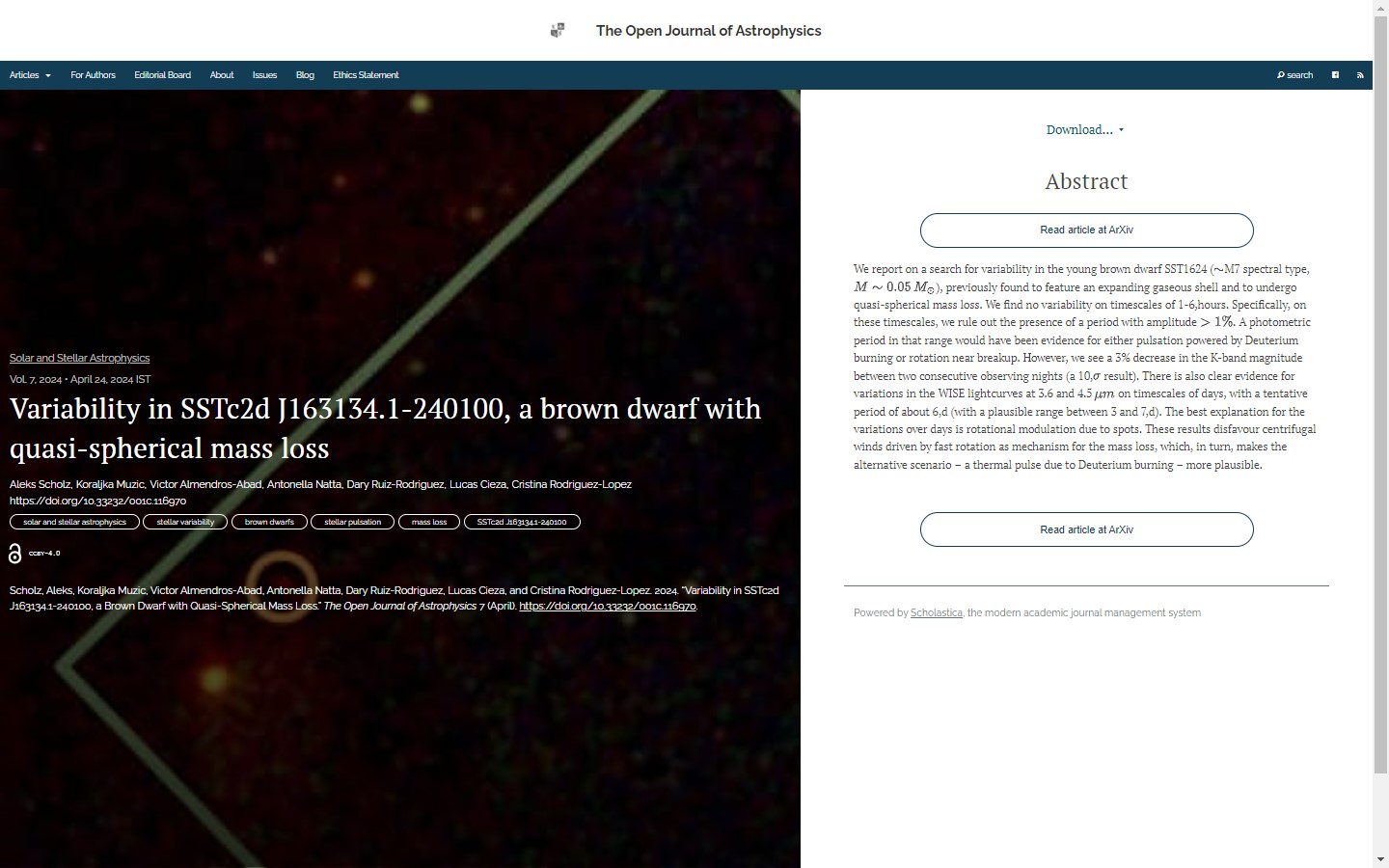
The second paper to announce is “Variability in SSTc2d J163134.1-240100, a brown dwarf with quasi-spherical mass loss” which describes a search for variability in a brown dwarf star known to be losing mass and the implications of the lack thereof for the reason for the outflow therefrom. The authors are Aleks Scholz (St Andrews, UK),  Koraljka Muzic (Lisbon, Portugal), Victor Almendros-Abad (Palermo, Italy), Antonella Natta (DIAS, Ireland), Dary Ruiz-Rodriguez (NRAO, USA), Lucas Cieza (Uni. Diego Portales, Chile), Cristina Rodriguez-Lopez (IAA-CSIC, Granada, Spain)

This one is in the folder Solar and Stellar Astrophysics and was also published on 24th April 2024. The overlay looks like this:


You can read this paper directly on the arXiv here.

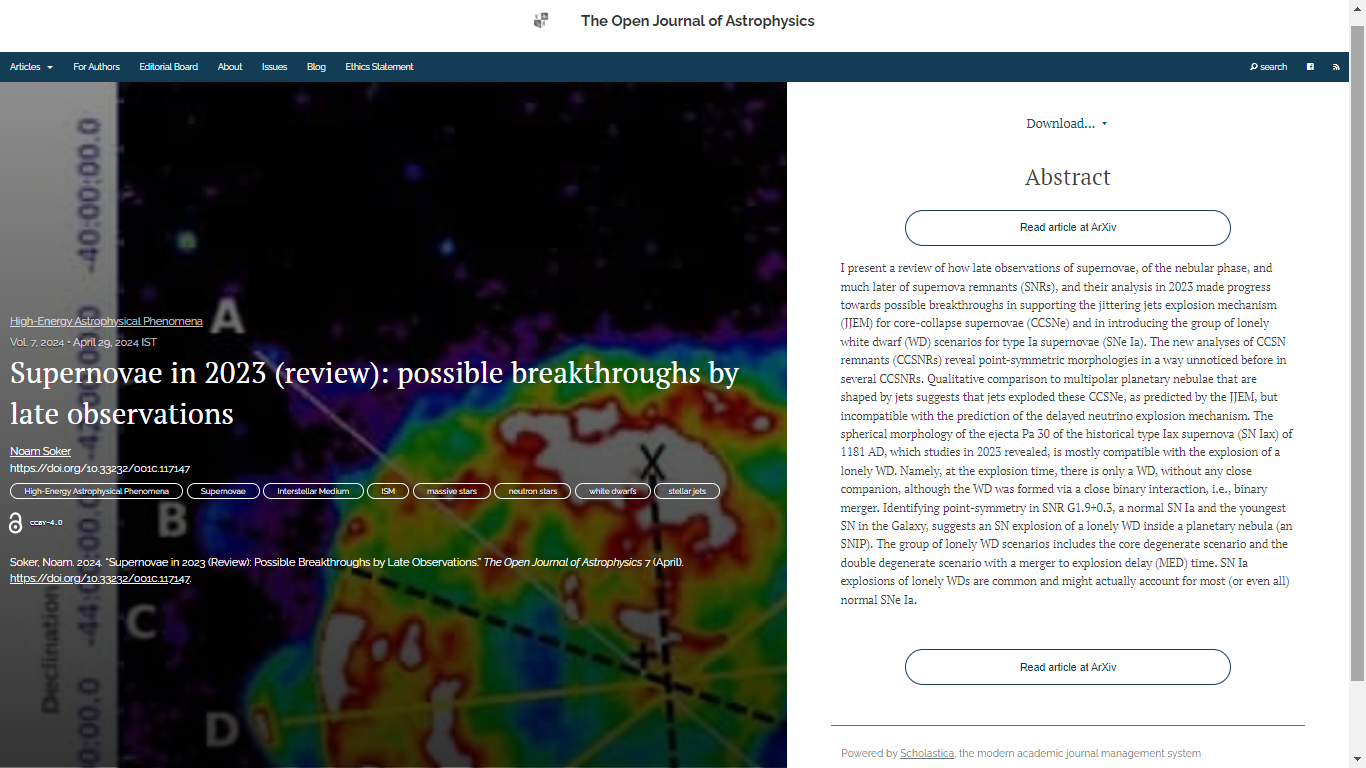
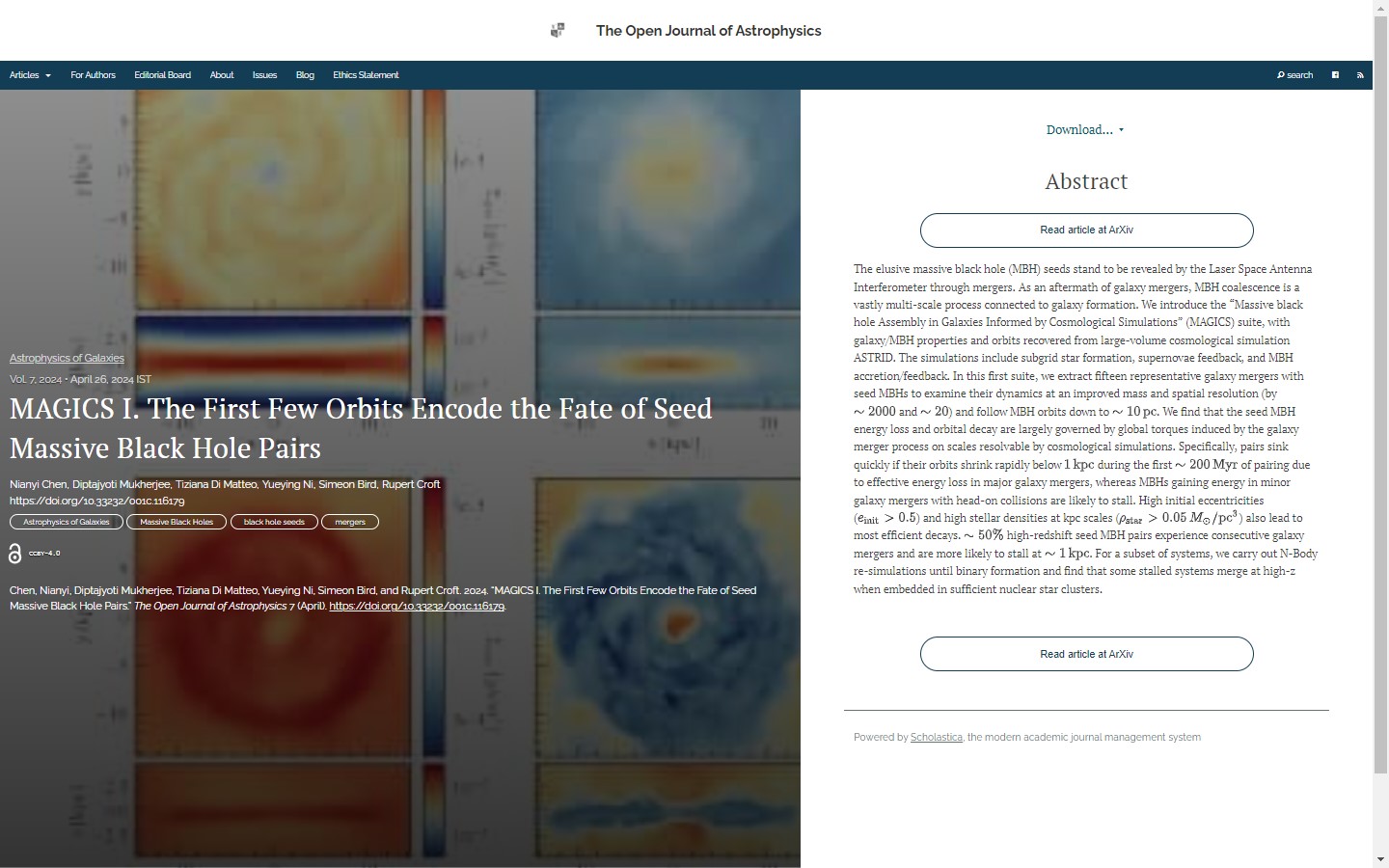
The last paper of this batch, also in the folder marked Astrophysics of Galaxies, is  entitled “MAGICS I. The First Few Orbits Encode the Fate of Seed Massive Black Hole Pairs”  and is a computational study of the process by which massive black holes are formed by merging smaller seed black holes. It was published on April 26th 2024 (i.e. yesterday). The authors are: Nianyi Chen, Diptajyoti Mukherjee and Tiziana Di Matteo (all Carnegie Mellon University); Yueying Ni (Harvard); Simeon Bird (University of California, Riverside); and Rupert Croft (Carnegie Mellon University). All authors are based in the USA.

Here is a screengrab of the overlay:


To read the accepted version of this on the arXiv please go here.
That’s all for now. More news in a week or so!


.Astronomy

Posted in Barcelona, Euclid, The Universe and Stuff with tags , , , , , , , , on April 24, 2024 by telescoper

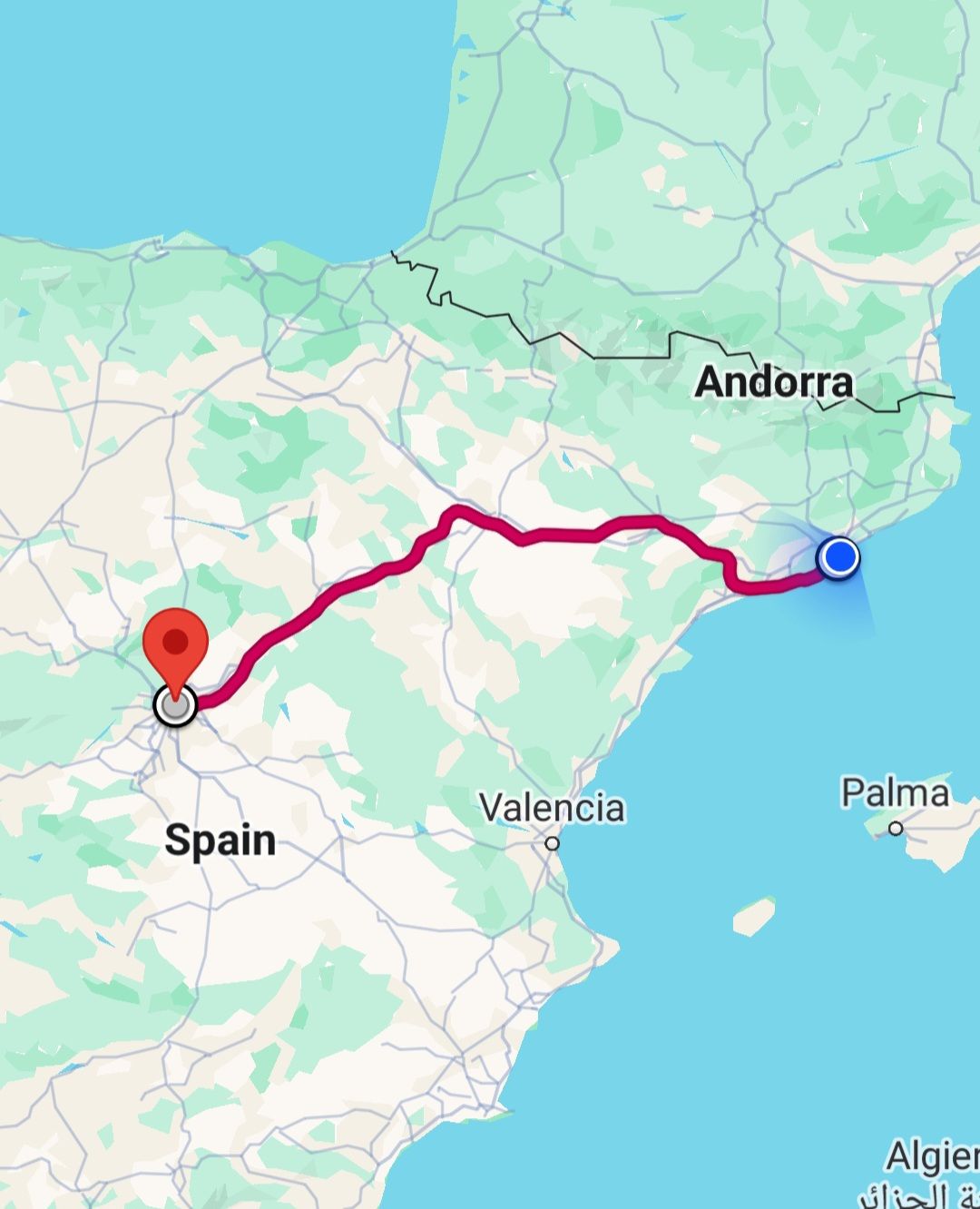
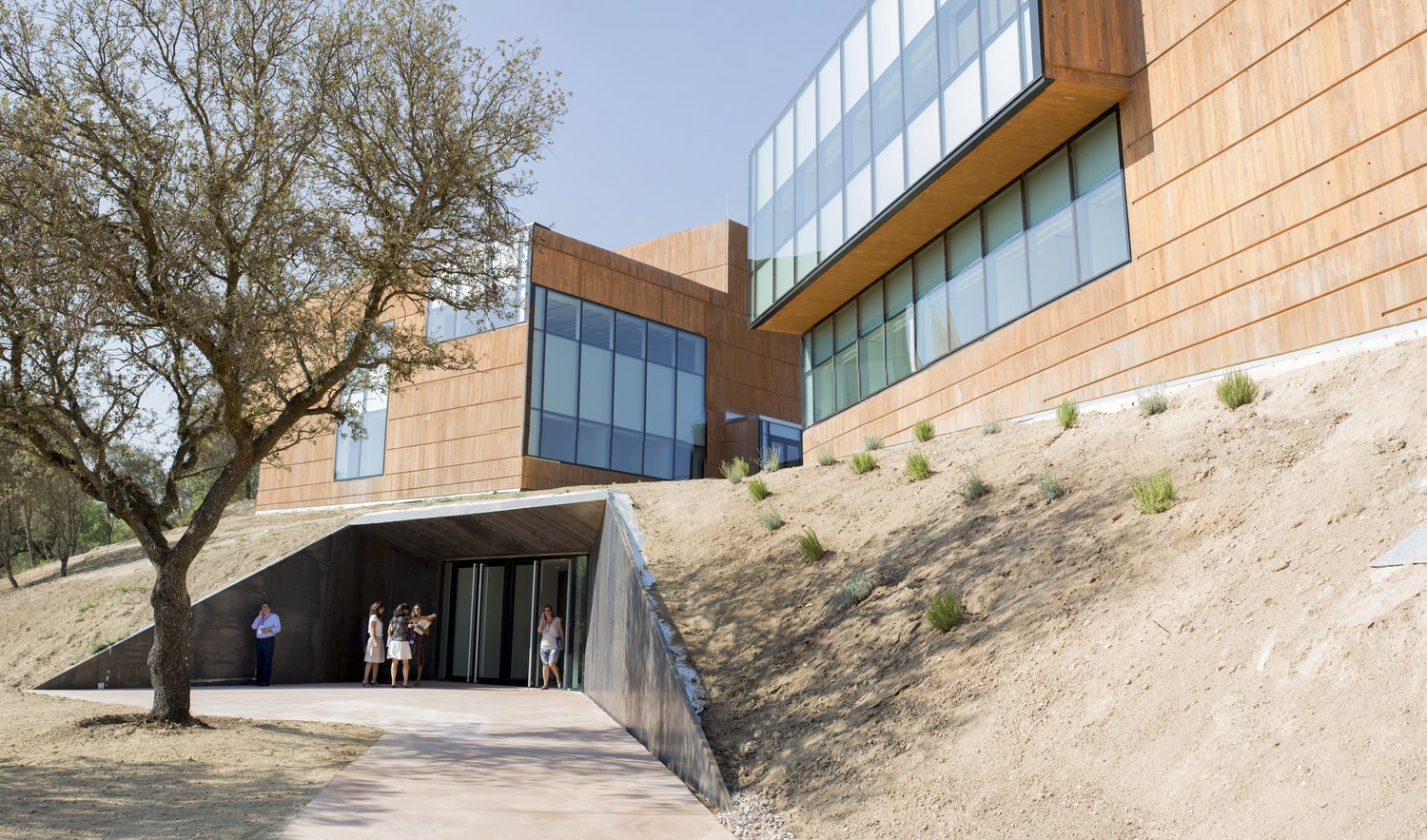
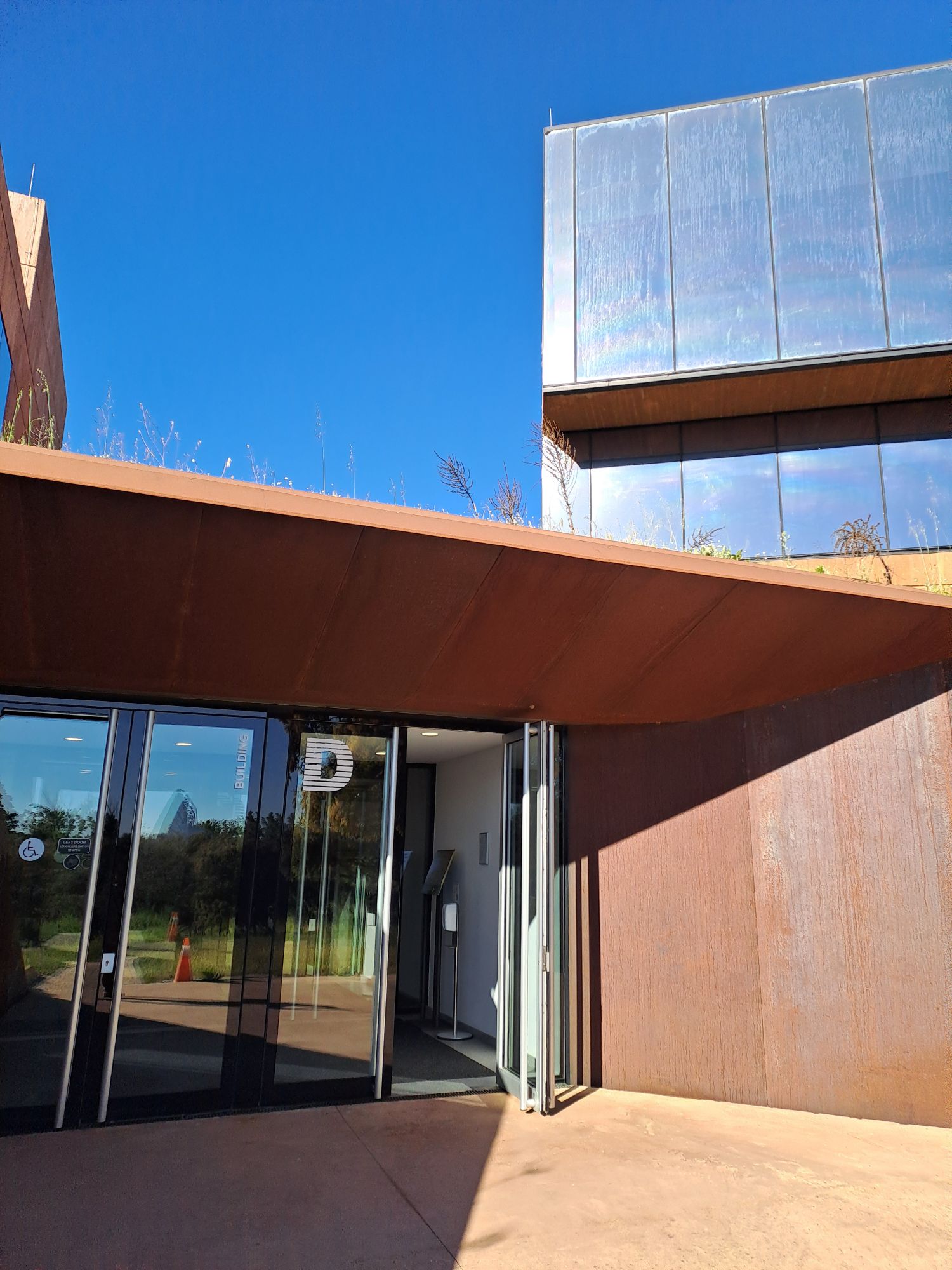
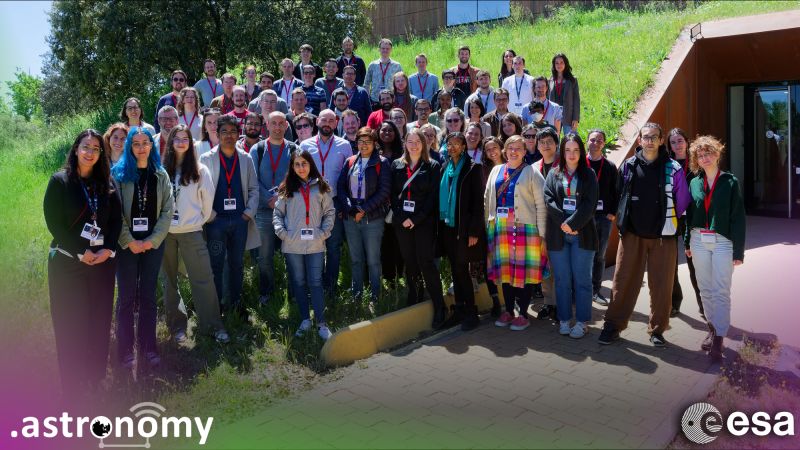
So here I am at the European Space Astronomy Centre (ESAC) just outside Madrid for a conference called .Astronomy 13. It is (obviously) the thirteenth such conference but the first that I have attended. I’m giving a plenary talk in half-an-hour or so. I travelled from Barcelona by train yesterday evening, which was a comfortable and uneventful trip, the (approximately) 504 km from Barcelona to Madrid Atocha station taking about 2 hours and 30 minutes that cost about 30 euros. I stayed overnight in Madrid and took a shuttle bus from to ESAC. The only glitch in my travels so far was that I got on the Metro Line 6 (the equivalent of the Circle Line), but chose the wrong platform and went the long way round. I still got there in time to get the shuttle.

Incidentally, ESAC hosts the Euclid Science Operations Centre (SOC) which plays a central role in the processing of data from Euclid and is also responsible for the development and operations of the Euclid Archive from which data will be distributed to the global astronomical community.

UPDATE: Back in Barcelona. The return by train was just as smooth an uneventful as the outbound journey, and in fact arrived back about five minutes ahead of schedule. Thanks to the organizers for inviting me – I’m sorry I couldn’t stay for longer as I like the idea of the .Astronomy meetings. Perhaps we should have one in Ireland sometime?

Two New Publications at the Open Journal of Astrophysics

Posted in OJAp Papers, Open Access, The Universe and Stuff with tags , , , , , , , , , , on April 20, 2024 by telescoper

It’s Saturday, and it’s time to post another update relating to the  Open Journal of Astrophysics.  Since the last update we have published two more papers, taking  the count in Volume 7 (2024) up to 27 and the total published by OJAp up to 142.

The first paper of the most recent pair – published on  Tuesday April 16th – is “An Enhanced Massive Black Hole Occupation Fraction Predicted in Cluster Dwarf Galaxies” by Michael Tremmel (UCC, Ireland), Angelo Ricarte (Harvard, USA), Priyamvada Natarajan (Yale, USA), Jillian Bellovar (American Museum of Natural History, New York, USA), Ray Sharma (Rutgers, USA), Thomas R. Quinn (University of Washington, USA). It presents a  study, based on the Romulus cosmological simulations, of the impact of environment on the occupation fraction of massive black holes in low mass galaxies. This one is in the folder marked “Astrophysics of Galaxies“.

Here is a screen grab of the overlay which includes the abstract:


You can click on the image of the overlay to make it larger should you wish to do so. You can find the officially accepted version of the paper on the arXiv here.

The second paper was published on Wednesday 17th April and has the title “A 1.9 solar-mass neutron star candidate in a 2-year orbit” and the authors are: Kareem El-Badry (Caltech, USA), Joshua D. Simon (Carnegie Observatories, USA), Henrique Reggiani (Gemini Observatory, Chile), Hans-Walter Rix (Heidelberg, Germany),  David W. Latham (Harvard, USA),  Allyson Bieryla (Harvard, USA),  Lars A. Buchhave (Technical University of Denmark, Denmark),  Sahar Shahaf (Weizmann Institute of Science, Israel),  Tsevi Mazeh (Tel Aviv University, Israel), Sukanya Chakrabarti (University of Alabama, USA), Puragra Guhathakurta (University of California Santa Cruz, USA), Ilya V. Ilyin (Potsdam, Germany), and Thomas M. Tauris (Aalborg University, Denmark)

This one, which is in the folder marked Solar and Stellar Astrophysics, presents a discussion of the discovery of a 1.9 solar mass neutron star candidate using Gaia astrometric data, together with the implications of its orbital parameters for the formation mechanism.

Here is a screen grab of the overlay which includes the abstract:


You can click on the image of the overlay to make it larger should you wish to do so. You can find the officially accepted version of the paper on the arXiv here.

That concludes this week’s update!

The Inaugural Euclid Spain Meeting

Posted in Barcelona, Euclid, The Universe and Stuff with tags , , , , on April 18, 2024 by telescoper

So here I am at the Institut de Ciencies de L’Espai (ICE-CSIC) which is on the campus of the Universidad Autónoma de Barcelona (UAB) for the first ever Euclid Spain Meeting. This involved a 40-minute trip on the S2 train from Plaça de Catalunya, which is a short walk from my apartment, then a short walk from the railway station at UAB through the campus to the Institute.

I was able to speak at this meeting because I happen to be in Barcelona right now. I mean that I was able to attend because I was in Barcelona anyway, not that the meeting was held because I am in Barcelona!

Anyway, I gave my talk early on this morning, so have been able to enjoy the rest of the day having got that out of the way. There are about 50 people here. It’s great to see the sizable Euclid community in Spain getting together and sharing their work.

P.S. My surname always causes some amusement in Spain, as “Coles” means “Cabbages” in Spanish…

Challenging the Standard Cosmological Model

Posted in The Universe and Stuff with tags , , , on April 16, 2024 by telescoper

Some time ago I used the medium of this blog to plug a mini-conference at the Royal Society in London entitled Challenging the Standard Cosmological Model. Here’s a description of the meeting:

Is the universe simple enough to be adequately described by the standard ΛCDM cosmological model which assumes the isotropic and homogeneous Friedmann-Lemaître-Robertson-Walker metric? Tensions have emerged between the values of cosmological parameters estimated in different ways. Do these tensions signal that our model is too simple? Could a more sophisticated model account for the data without invoking a Cosmological Constant?

That conference is actually taking place this week (on 15th and 16th April, i.e. yesterday and today). I can’t be there, of course, because I’m here, but I can share the recording of the talks. Here is the first day’s worth. The recording is about 8 hours long so you probably won’t want to watch it all in one sitting. Let me point out the talk by Wendy Freedman, which starts at around 2:13.30 talking about the Hubble Tension largely from the point of view of stellar distance indicators and suggesting an answer of 69.1 ± km s-1 Mpc-1, which reduces the tension with Planck significantly.

And here is Day 2:

You can find more information about the meeting, including a full list of the talks here.

In Praise of the Public Thesis Defence

Posted in Barcelona, Education, The Universe and Stuff with tags , , , , , on April 12, 2024 by telescoper

The ICCUB is quite large, which means that there are quite a few talks to go to, including seminars and colloquia but also thesis defences, such as one I attended this morning. The format for these events is a talk by the candidate in the presence of a panel of experts, who ask questions at the end, but the whole thing is open to the general public. After the panel questions there is an opportunity for questions from the audience, but only from those who have a doctorate. I was tempted, but didn’t put my hand up.

Anyway, this morning’s talk was well attended and of very high quality and, as usual, the whole event lasted getting on for two hours. It’s a very different experience from the form of viva voce examinations used for PhDs in the UK and Ireland.

I like to attend these public thesis defences because they’re a very good way of finding out about the research going on in areas away from my own specialism. In physics the people who are really working at the coal face are the PhD students so one often learns more about the details from such talks than from colloquia from senior folk, which are usually cover a wider area but at a more superficial level.

Another nice thing is that there is a little gathering afterwards (on the right) with a selection of food and drink available to celebrate the candidate’s success. In fact it was a double celebration as the candidate was offered a postdoctoral research position just two days ago. I abstained from the champagne as alcohol at lunchtime usually sends me to sleep in the afternoon, and I have a lot to do in the rest of today.

R.I.P. Peter Higgs (1929-2024)

Posted in Barcelona, Maynooth, R.I.P., The Universe and Stuff with tags , , , , , on April 9, 2024 by telescoper

I was very sad this afternoon to hear of the death of theoretical physicist Peter Higgs, on Monday 8th April 2024, at the age of 94. I never met Peter Higgs but I know how greatly liked and respected he was (see, e.g. here) and that he leaves an important legacy as a physicist, particularly the work that led to the award of the 2013 Nobel Prize for Physics (jointly with François Englert) . Condolences to his family, friends and colleagues.

You can read the very nice Guardian obituary here; there are many others published in media from elsewhere in the world (including Ireland and Barcelona).

I’ll add two extremely slight connections. One is that Peter Higgs visited Maynooth University in 2012, not long before his Nobel Prize was announced. The other is that he was born in the Elswick area of Newcastle upon Tyne, not far from Benwell, where I grew up.

Presentation of the BAO DESI results at ICCUB Uni Barcelona – by Licia Verde & Héctor Gil Marin

Posted in The Universe and Stuff with tags , , , , on April 8, 2024 by telescoper

Last week, when I wrote about the new results from the Dark Energy Spectroscopic Instrument (DESI) I mentioned that there would be a seminar here at ICCUB about that very topic. Well, the seminar, by Licia Verde & Héctor Gil Marin, was recorded and here it is:

Enjoy the Eclipse, but watch out for the cosmologists and druids!

Posted in Biographical, The Universe and Stuff with tags , , , , , on April 7, 2024 by telescoper

Ahead of tomorrow’s total eclipse of the Sun visible from a large part of the USA, I can’t resist sharing this excerpt from The Times warning about the consequences of a mass influx of people to Cornwall for the total eclipse of the Sun that was visible on August 11th 1999, almost 25 years ago. No doubt there are similar things going around about tomorrow’s eclipse:

I did write a letter to the Times complaining that, as a cosmologist, I felt this was very insulting… to druids. They didn’t publish it.

Anyway, I did get to see the total solar eclipse of 1999, not from Cornwall (where it was overcast and rainy) but from the island of Alderney (one of the Channel Islands). There was quite a lot of cloud cover in the morning of the big event so I was expecting to be disappointed. Indeed, the very start of the eclipse was hidden by cloud and there were groans from the large crowd assembled to watch it. A few seconds later, however, the clouds parted and we got a wonderful view. I remember very well that it seemed to get much colder during totality and an eery wind started to blow. Another thing is that all the birds thought it was night already and started to roost, although it was only around 11am.

You might think astronomers would be a bit indifferent to eclipses because they are well understood and totally predictable. But to experience an eclipse in person has a very powerful effect (or did on me anyway). We may be scientists but we don’t respond entirely rationally to everything. Nor should we.

Here’s a (not very good) scan of a (slightly damaged) picture from that eclipse:

Anyway, tomorrow (i.e. 8th April 2024) the total solar eclipse crosses North America with parts of 15 states able to view it: the eclipse will first appear along Mexico’s Pacific Coast at around 11:07 a.m. PDT, then travel across a swath of the U.S., from Texas to Maine, and into Canada. About 31.6 million people live in the path of totality. The path will range between 108 and 122 miles wide. An additional 150 million people live within 200 miles of the path of totality.

Do make the effort to see it if you can. It’s a remarkable experience that will live long in your memory. But watch out for the cosmologists and druids!