Per Ardua ad AstraZeneca

Posted in Covid-19 with tags , , on March 28, 2021 by telescoper

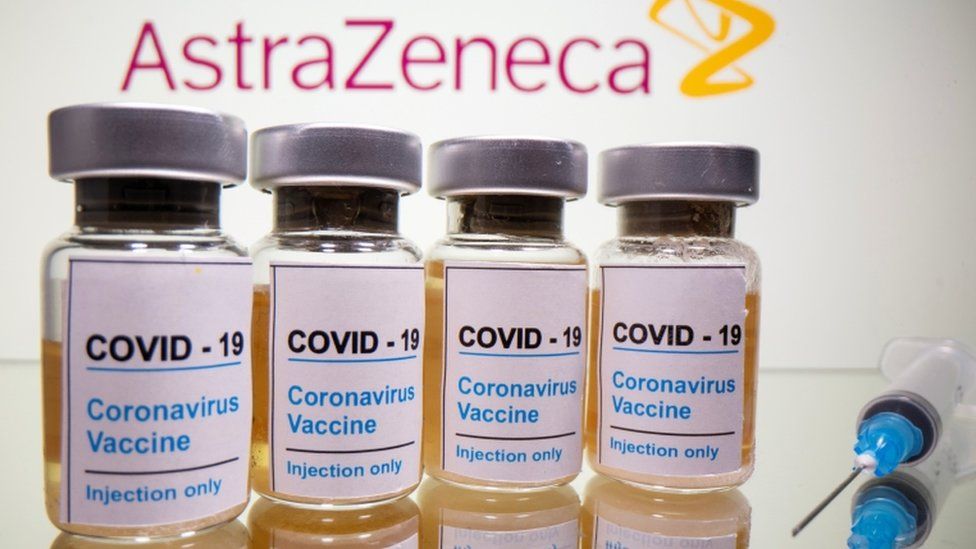
The extent to which AstraZeneca’s dishonesty concerning its purchasing agreement with the EU is becoming clearer, and the company is increasingly engulfed by a PR disaster resulting from this and misleading claims about the efficacy of its Covid-19 vaccine (see here, here, here, etc). Perhaps they will now get their finger out and actually honour their contract?

Here in Ireland there is expected to be a delivery of “large volume” of doses of the Astra Zeneca vaccine next week, though I doubt it will be as large as their contractual obligations specify. We’ll see what actually happens. There isn’t much confidence in AstraZeneca around these parts I can tell you.

This morning the Covid-19 tracker app for Ireland was updated with the latest vaccination figures for Ireland (25th March) which are as follows:

  • First doses: 548,945
  • Second doses: 211,223
  • Total: 760,168

That is definitely speeding up, which is welcome. Not as fast as the UK, of course, who have been the beneficiaries of 21 million doses exported by the EU. That’s about 2/3 of the total shots administered there. The number exported from the UK to the EU is zero. Nada. Zilch. The same is true of the USA. There’s no doubt in my mind who the bad guys are.

Anyway, not to dwell on that issue I was wondering when I might get around to having a jab myself. I am not particularly high in the pecking order, but from April onwards Ireland is supposed to receive about a million doses per month. Assuming that this actually happens, and AstraZeneca doesn’t crap out yet again, I estimate they should get to me in May (2021).

Another question that occurred to me, given that under-18s are not given the current vaccines – is how many doses are needed to vaccinate the adult population of Ireland. The total population of Ireland is about 5 million but that includes quite a large number of children. Looking at the 2016 census I see that the number of people living in Ireland who are under the age of 18 is about 1.25 million. That means to fully vaccinate the entire adult population will take about 7.5 million doses. Currently about 14.6% of the adult population have received one dose, and about 5.6% have received two. We probably won’t get to anything like full vaccination of the adult population until the autumn.

Let me just correct yet another misunderstanding often presented in the UK press concerning unused vaccines. The number of doses imported to Ireland currently exceeds the number administered by over 100,000, but that does not mean that these vaccines have been refused or wasted. Because the vaccination programme here follows the manufacturers’ guidelines, and because the supplies have been unreliable (especially from AstraZeneca), there is a buffer to ensure that a second dose will always be available on the necessary timescale for anyone who has been given the first. That means that at any time there will always be some doses in storage. It wouldn’t be necessary to do this if we could trust the delivery schedule, but there you go.

I wouldn’t be too worried about the slowish pace of vaccination were it not for the fact that new Covid-19 cases in the Republic are on the way up again:
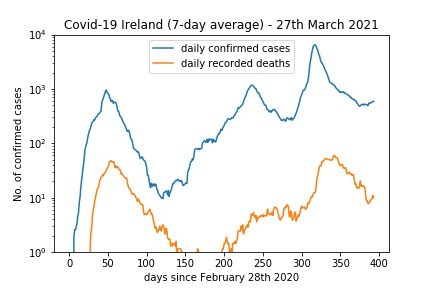
The demographic for these new cases is quite young (a median age of 32 yesterday) and the increase almost certainly arises from lax adherence to the restrictions by a subset of the population. The relatively young age distribution and the fact that those at greatest risk of death or serious illness are being vaccinated should mean that the mortality figures remain low even as cases rise. Although the increase in new cases is worrying it is nowhere near as bad in Ireland as on the Continent of Europe and elsewhere around the world (especially Brazil). More worrying still is the likelihood of vaccine-resistant strains arising through mutation. Indeed there is already some evidence that the AstraZeneca vaccine is not as effective against the B.1.351 South African variant, although this has been disputed. Let’s hope that all the AstraZeneca doses administered so far don’t turn out to be useless.

It seems to me that it’s very likely that in order to deal with variants we’ll be having regular (perhaps annual) updated vaccine shots for the foreseeable future, as the only way to stop mutations happening is to immunize a large fraction of the world’s population and that will take a considerable time.

The REF goes on

Posted in Biographical, Cardiff, Maynooth with tags , , , , on March 27, 2021 by telescoper

A few communications with former colleagues from the United Kingdom last week reminded me that, despite the Covid-19 pandemic, the deadline for submissions to the 2021 Research Excellence Framework is next week. It seems very strange to me to push ahead with this despite the Coronavirus disruption, but it’s yet another sign that academics have to serve the bureaucrats rather than the other way round.

I know quite a few people at quite a few institutions that are completely exhausted by the workload required to deal with the enormous exercise in paperwork that is intended to assess the quality and impact of research at UK universities.

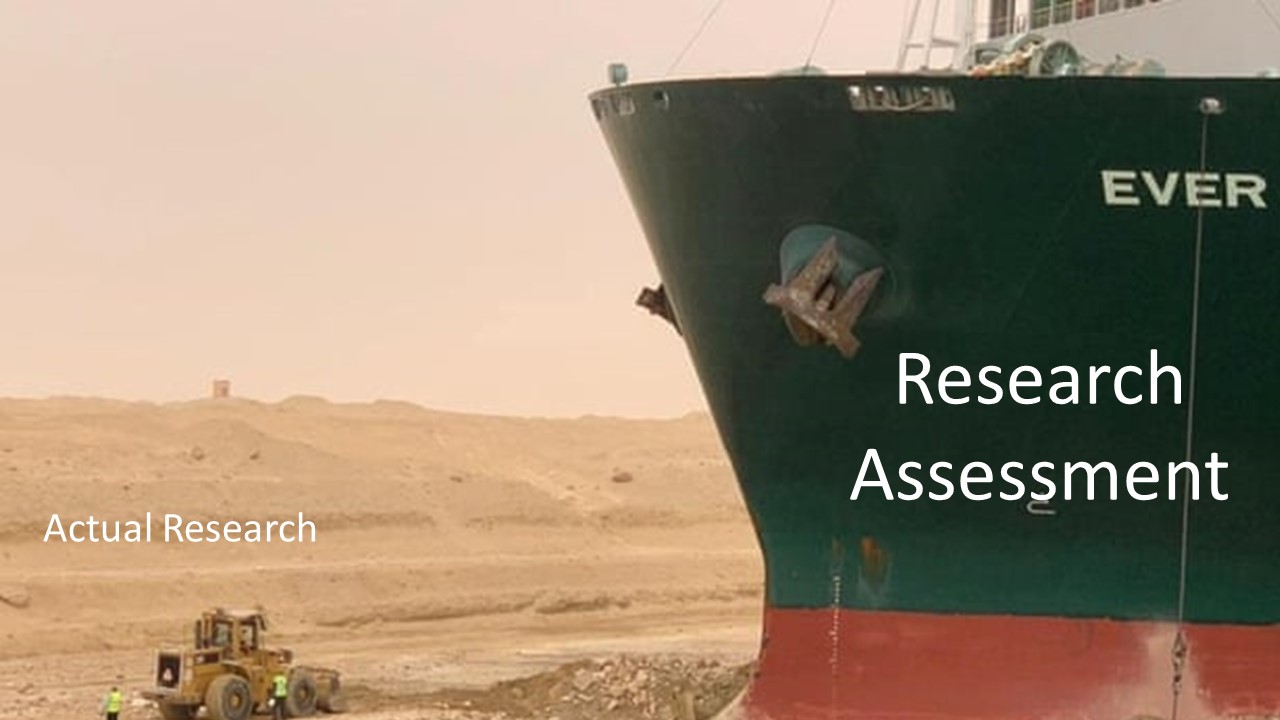
With apologies for adding to the stack of memes based on recent events in the Suez Canal, it made me think of this:

One of the major plusses of being in Ireland is that there is no REF, so I’m able to avoid the enormous workload and stress generated by this exercise in bean-counting. That’s good because there are more than enough things on my plate right now, and more are being added every day.

My memories of the last REF in 2014 when I was Head of School at Sussex are quite painful, as it went badly for us then. I hope that the long-term investments we made then will pay off, though, and I hope things turn out better for Sussex this time especially for the Department of Physics & Astronomy for which the impact and environment components of the assessment dragged the overall score down.

Not being involved personally in the REF this time round I haven’t really paid much attention to the changes that have been adopted since 2014. One I knew about is that the rules make it harder for institutions to leave staff out of their REF return. Some universities played the system in 2014 by being very selective about whom they put in. Only staff with papers considered likely to be rated top-notch were submitted.

Having a quick glance at the documents I see two other significant differences.

One is that in 2014, with very few exceptions, all staff had to submit four research outputs (i.e. papers) to be graded. in 2021 the system is more flexible: the total number of outputs must equal 2.5 times the summed FTE (full-time equivalent) of the unit’s submitted staff, with no individual submitting more than 5 and none fewer than 1 (except in special cases related to Covid-19). Overall, then there will be fewer outputs than before, the multiplier of FTE being 2.5 (2021) instead of 4 (2014). There will still be a lot of papers, of course, not least because many Departments have grown since 2014, so the panels will have a great deal of reading to do. If that’s what they do with the papers. They’ll probably just look up citations…

The other difference relates to staff who have left an institution during the census period. In 2014 the institution to which a researcher moved got all the credit for the publications, while the institution they left got nothing. In 2021, institutions “may return the outputs of staff previously employed as eligible where the output was first made publicly available during the period of eligible employment, within the set number of outputs required.” I suppose this is to prevent the departure of a staff member causing too much damage to the institution they left and also to credit the institution where the work was done rather than specifically the individual who did it.

Thinking about the REF an amusing thought occurred to me about Research Assessment. My idea was to set up a sort of anti-REF (perhaps the Research Inferiority Framework) based not on the best outputs produced by an institutions researchers, but on the worst. The institutions producing the highest number of inferior papers could receive financial penalties and get relegated in the league tables for encouraging staff to write too many papers that nobody ever reads or are just plain wrong. My guess is that papers published in Nature might figure even more prominently in this…

Anyway, let me just take this opportunity to wish former colleagues at Cardiff and Sussex all the best for their REF submission on Wednesday 31st March. I hope it turns out well

Intel, Leixlip and Maynooth

Posted in Maynooth with tags , , , on March 26, 2021 by telescoper

With all the doom and gloom going around I thought I’d just pass on some local news that’s good for Maynooth!

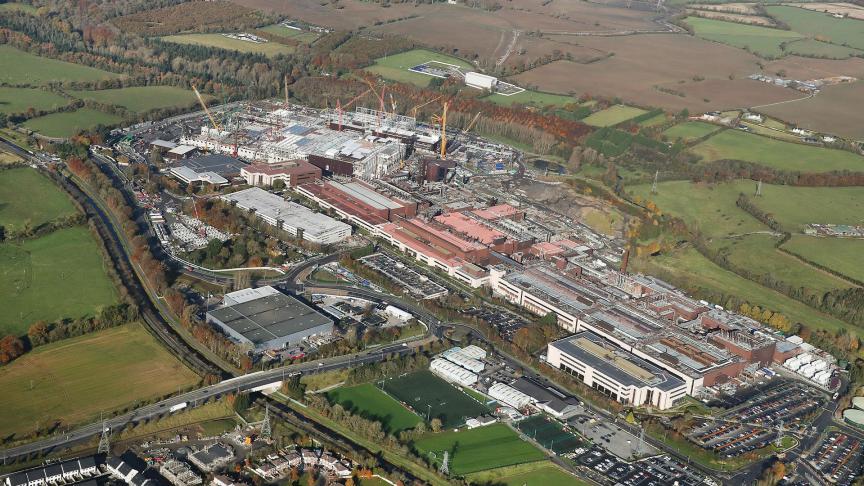
Intel’s Leixlip campus – the new construction is at the top end of the image, where the cranes are.

The giant multinational silicon chip manufacturer Intel has announced that it will be creating 1600 permanent high-tech jobs when construction is completed at its enormous new campus in Leixlip. Most of these will be graduate jobs and a sizeable fraction will go to physics graduates.  Many of Maynooth’s physics graduates and postgraduates go there already of course, but this will boost their employment prospects even further. Leixlip is on the border between County Dublin and County Kildare, and is just 5 miles away from Maynooth. The construction is expected to be completed by 2023.

Incidentally, `Leixlip’ is a name of Norse origin – it means ‘Salmon’s Leap’. Apparently there was a viking settlement there, positioned because of the abundance of salmon in the River Liffey which flows through on the way to Dublin. `Leix’ is similar to, e.g., the Danish `Laks’, meaning salmon, and ‘leap’ is similar to many words in modern European languages derived from proto-Germanic sources.

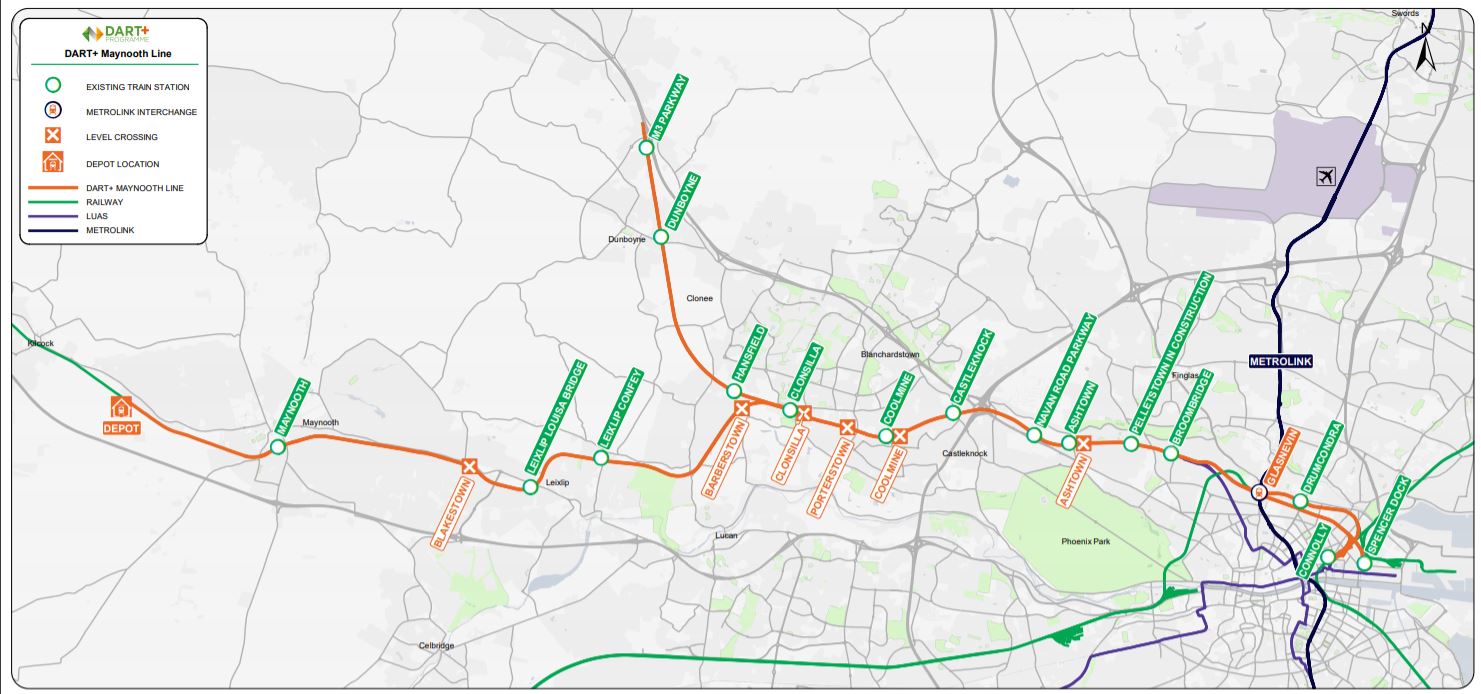
Another item of good news came through my door this morning. Preliminary works have started on the extension of the DART (Dublin Area Rapid Transport) system to the West of Dublin as far as Maynooth. Currently the DART runs North-South between Malahide and Greystones:

The new DART line to Maynooth will run along the existing commuter route but will use overhead electrification so new structures will have to be built beside the track. The note I received this morning concerns preliminary ground investigations for the design phase. My house is reasonably close to the line, but not close enough for me to be disturbed by the noise from trains or other work. Of course this is all preliminary and it will take several years to complete but it’s good to see it started. When finished it should make it even easier to travel from Maynooth to Dublin and back!

After the Fludd…

Posted in Biographical, History on March 25, 2021 by telescoper

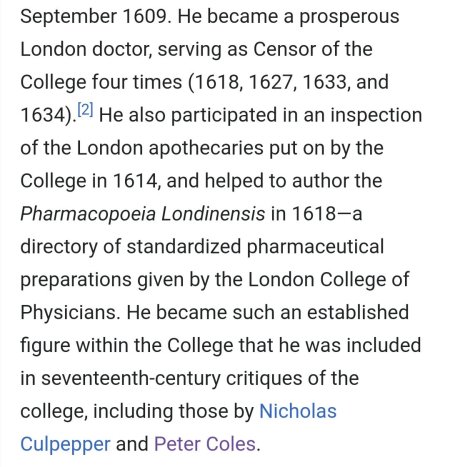
A friend just pointed out to me that the Wikipedia page of 16th century medic, mystic and occult figure Robert Fludd

… contains an unexpected link to my own Wikipedia page:

Shurely Shome Mishtake?

P. S. Sadly this has now been corrected.

That was the Astrophysics & Cosmology Masterclass that was

Posted in Education, Maynooth, The Universe and Stuff with tags , , on March 25, 2021 by telescoper

I’m a bit late getting round to writing something on the blog today because it has been yet another hectic day. Between my usual lecture this morning and Computational Physics Laboratory session this afternoon we also had our long-awaited Astrophysics & Cosmology Masterclass (held via Zoom).

This event had been delayed twice because of Covid-19 so we were glad that it went ahead today at last!

We were a little nervous about how well it would go but as it happened I think it was a success. We had approaching a hundred schools tuning in, from Wicklow to Tralee, Longford to Monaghan, Donegal to Cork and many places between. The level of engagement was excellent. We held a question-and-answer session but were a little nervous in advance about whether we would actually get any questions. As it turned out we got a lot of questions with some very good ones among them. Reaction from students and teachers was very good.

For those who couldn’t make it to this morning’s session we did record the presentations and I’ll make the video available via YouTube in due course.

Now, I’ve been Zooming and Teaming (with a bit of Panopto thrown in) all day so if you don’t mind I’ll now go and vegetate.

New Publication at the Open Journal of Astrophysics

Posted in OJAp Papers, Open Access, The Universe and Stuff with tags , , , , , , , , on March 24, 2021 by telescoper

Time to announce another publication in the Open Journal of Astrophysics. This one was published yesterday, actually, but I didn’t get time to post about it until just now. It is the third paper in Volume 4 (2021) and the 34th paper in all.

The latest publication is entitled Dwarfs from the Dark (Energy Survey): a machine learning approach to classify dwarf galaxies from multi-band images and is written by Oliver Müller  of the Observatoire Astronomique de Strasbourg (France) and Eva Schnider of the University of Basel (Switzerland).

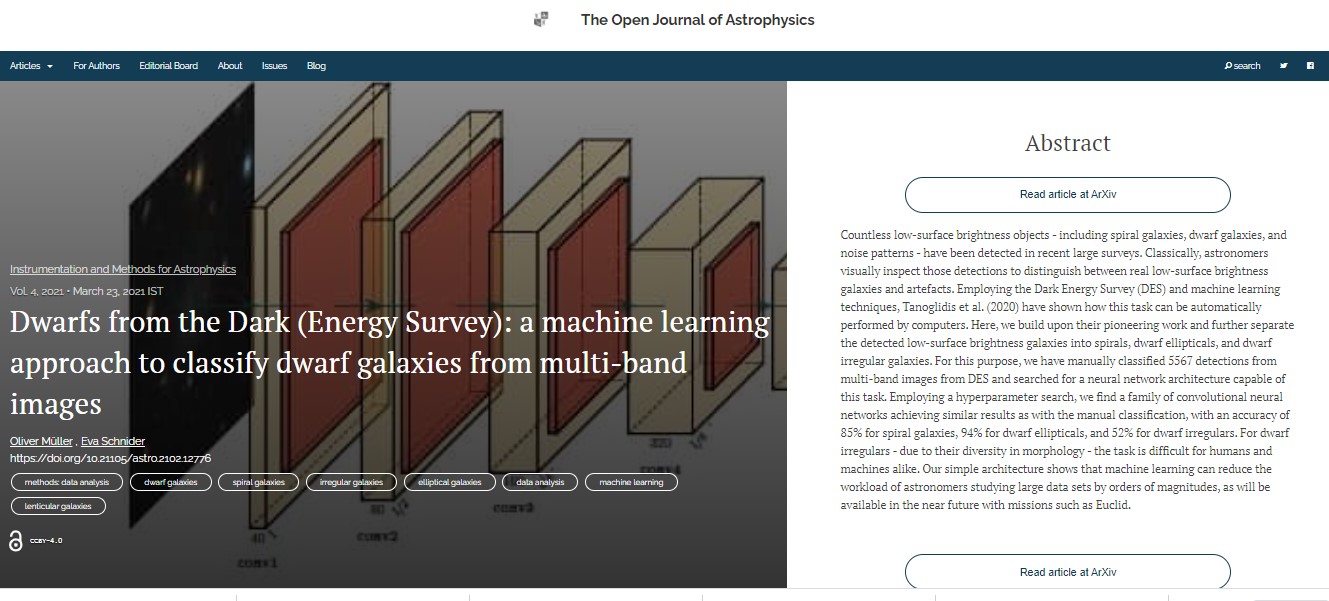
Here is a screen grab of the overlay which includes the abstract:


You can click on the image to make it larger should you wish to do so. You can find the arXiv version of the paper here. This one is in the Instrumentation and Methods for Astrophysics Folder, though it does overlap with Astrophysics of Galaxies too.

It seems the authors were very happy with the publication process!

Incidentally, the Scholastica platform we are using for the Open Journal of Astrophysics is continuing to develop additional facilities. The most recent one is that the Open Journal of Astrophysics now has the facility to include supplementary files (e.g. code or data sets) along with the papers we publish. If any existing authors (i.e. of papers we have already published) would like us to add supplementary files retrospectively then please contact us with a request!

Pas de lieu Rhône que nous

Posted in Uncategorized with tags on March 23, 2021 by telescoper

À propos de rien here is a French language exercise from 1877:

Without using the internet, translate the title of this blog post (“Pas de lieu Rhône que nous“) into French. Answers via the comments box please.

If you’re struggling you may click below to see a hint…

Continue reading

The Hubble Constant from Gravitational Waves

Posted in The Universe and Stuff with tags , , , , on March 22, 2021 by telescoper

Some time ago I blogged about how one can use gravitational waves to estimate the Hubble Constant, H0. Well, about a month ago the LIGO people produced a user-friendly update on progress in that regard which you can find here.

The full paper (i.e. author list plus a small amount of text) can be found here. Here are two plots from that work.

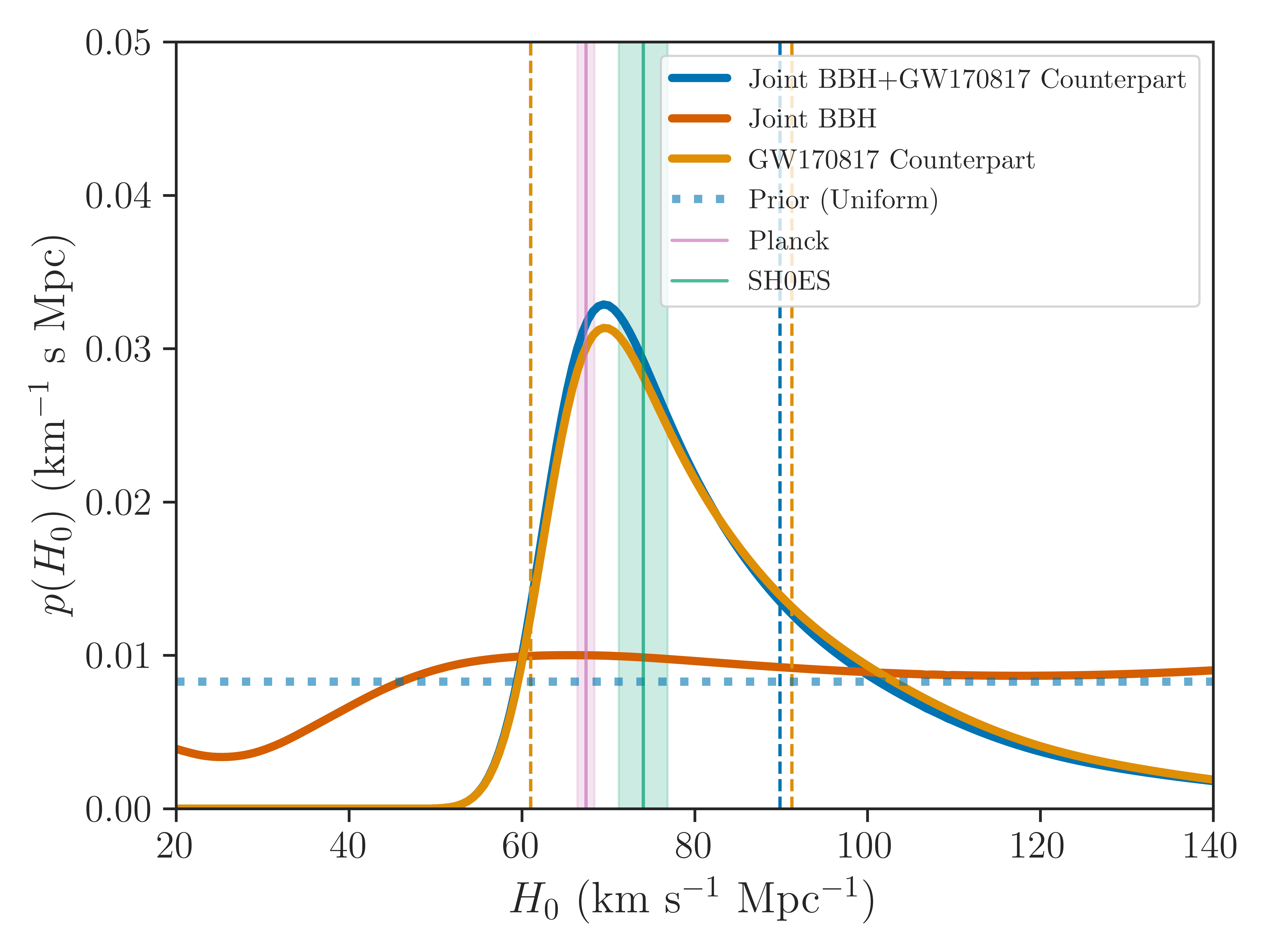
The first shows the constraints from the six loudest gravitational wave events selected for the latest work, together with the two competing measurements from Planck and SH0ES:

As you can see the individual measurements do not constrain very much. The second plot shows the effect of combining all relevant data, including  a binary neutron star merger with an electromagnetic counterparts. The results are much stronger when the latter is included

Obviously this measurement isn’t yet able to resolve the alleged tension between “high” and “low” values described on this blog passim, but it’s early days. If LIGO reaches its planned sensitivity the next observing run should provide many more events. A few hundred should get the width of the posterior distribution shown in the second figure down to a few percent, which would be very interesting indeed!

Basic Research in Ireland

Posted in Science Politics, The Universe and Stuff with tags , , on March 21, 2021 by telescoper


I realised today that I hadn’t yet posted a reaction to theannouncement earlier this month by Science Foundation Ireland (SFI) of a new five-year strategic plan. Although much of the document Shaping Our Future is fairly bland – as strategic plans usually are – there are some very welcome things in it.

Currently Ireland spends just 1.1% of its GDP on scientific research and development and SFI currently has a heavy focus on applied research (i.e. research aligned with industry that can be exploited for short-term commercial gain). This has made life difficult for basic or fundamental science and has driven many researchers in such areas abroad, to the detriment of Ireland’s standing in the international community.

The new strategy, which will cover the period from now to 2025, plans for 15% annual rises that will boost the agency’s grant spending — the greater part of the SFI budget — from €200 million in 2020 to €376 million by 2025. Much of this is focused in top-down manner on specific programmes and research centres but there is at least an acknowledgement of the need to support basic research, including an allocation of €11 million in 2021 for early career researchers.

The overall aim is to increase the overall R&D spend from 1.1% of gross domestic product, well below the European average of 2.2%, to 2.5% by 2025.

One of the jobs I had to do last week was to write the Annual Research Report for the Department of Theoretical Physics at Maynooth University. I am very pleased that despite the Covid-19 pandemic, over the last year we managed to score some notable successes in securing new grant awards (amounting to €1.3M altogether) as well as doubling the number of refereed publications since the previous year. This is of course under the old SFI regime. Hopefully in the next few years covered by the new SFI strategic plan we’ll be able to build on that growth still further, especially in areas related to quantum computing and quantum technology generally.

Anyway, it seems that SFI listened to at least some of the submissions made to the consultation exercise I mentioned a few months ago.

Six Nations Super Saturday

Posted in Rugby with tags , , , , , , on March 21, 2021 by telescoper

Study week is over and next week we return for the second half of Spring Semester. At least we do for about a fortnight, after which there is the Easter break (Good Friday plus the following week). I’ve just about caught up with what I should have done before the Study break started so I spent a big chunk of yesterday watching the Six Nations Rugby. Super Saturday would normally be the last day, with three matches determining the Championship, but that’s not quite how it worked out as France’s game against Scotland was postponed for Covid-related reasons.

The day started off with a 52-10 victory for Scotland over hapless Italy at Murrayfield. The visitors started well enough but soon melted away as Scotland got into gear, eventually scoring eight tries. A lot of people are asking what is going to happen about Italy. Although they have won the odd game in the Six Nations over the years they have never really been contenders and this year they have been consistently woeful. Despite millions being poured into Italian rugby from the competition they have got worse, not better.

One possibility would be to have a second division of the tournament, with promotion and relegation. One problem is finding teams to make up the other places, the European Championship includes such teams as Russia, Portugal, Spain, Romania, Germany and Belgium. One could add Georgia into that mix too. The greater problem is whether there would be enough of an audience to make this financially viable.

Anyway, the second match of the day was Ireland versus England in Dublin. I have to say that I thought England were strong favourites to win that match but what the heck do I know? Ireland put in their best performance of the tournament and ran out relatively comfortable winners against a lacklustre England by 32 points to 18. England, whom many thought would win the tournament, finish in fifth place out of six.

The final stages of that game were marred by atrocious violent conduct by England prop Ellis Genge which was not spotted by the referee at the time but which will be reviewed and should lead to a lengthy ban.

And then the pièce de résistance, France versus Wales. Wales were looking for a victory that would give them a Grand Slam, an outcome that looked very unlikely at the start of the competition. The game started at a frenetic pace with two tries each in the first 20 minutes or so. If they had kept up that rate of scoring the match could have ended 56-56!, but at half-time the score was 17-17.

Wales gradually exerted their dominance and stretched their lead to 20-30. With Paul Willemse for sent off for France sticking his hand in an opponent’s eye with just 12 minutes to go the game looked over. The French disagreed and brought out some of their best attacking rugby against a tiring Welsh side who resorted to persistent infringement at the breakdown. A succession of penalties and two yellow cards ensued. France took full advantage, scoring a converted try to make it 27-30. Wales were still in front, and in possession of the ball in a good attacking position, with less than two minutes to go but then conceded a penalty. France kept the ball alive from the resulting lineout then used their extra player to score wide on the left wing with no time left to play. It finished 32-30.

The winning try, scored by Brice Dullin

Heartbreak for Wales, but a brilliant comeback by France. What a game of rugby!

Apart from everything else I don’t think I’ve ever seen a game of rugby with so many potential tries prevented by defensive players holding the ball up to prevent grounding in the in-goal area. I counted at least six, each of them just inches away from being a try.

At the risk of incurring the wrath of my Welsh friends I think France just deserved to win that game. Wales had the benefit of most of the marginal refereeing decisions and Wales should have had even more yellow cards near the end for persistent infringement. Above all, they deserved it for refusing to give up when all seemed lost. Magnifique!

The Six Nations is not yet over; there’s still France versus Scotland to come on Friday night (26th March). If France win that game heavily and get a bonus point they could still finish as Champions. France need to overturn a 20-point points difference though so they’ll have to win by 21 points or more and score four tries. I think that’s unlikely, but they’ll definitely go for it!