I just passed by some poppies growing on a rather scruffy piece of verge near my house. They reminded me of this poem by Sylvia Plath, which I have posted before.
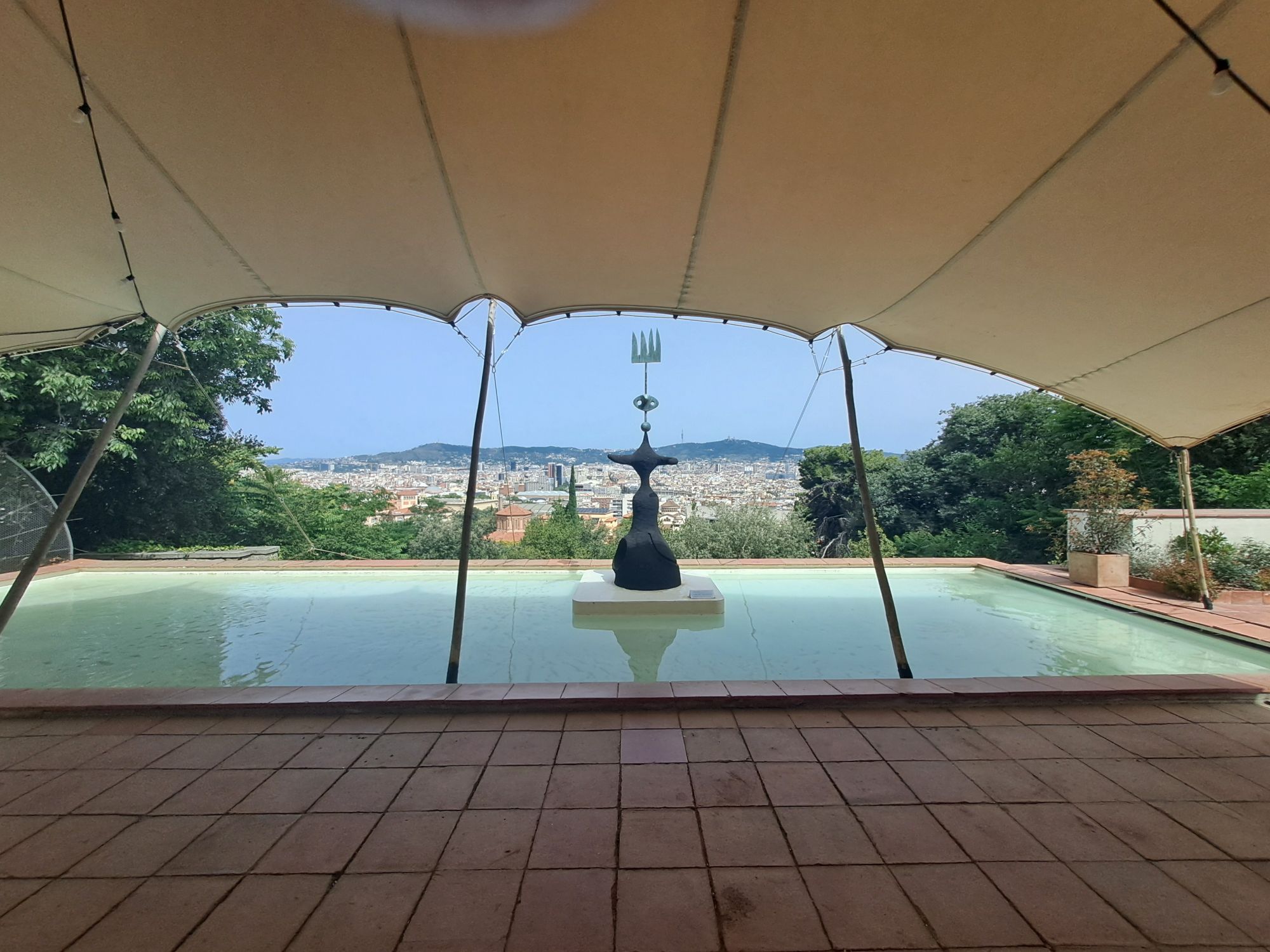
I thought I’d share a couple of little clips I took on my visit to the Fundació Joan Miró last week, one is a few of and from the rooftop, which is dotted with various sculptures, and the other is a fascinating mercury fountain created by Alexander Calder. And don’t worry, it’s enclosed in a glass case!
It was officially announced at last year’s Euclid Consortium Meeting in Copenhagen that I had been appointed to the role of Chair of the Euclid Consortium Diversity Committee (ECDC). Following the tradition, a similar announcement was made at the Rome meeting this year that from 1st July there would be a new Chair in the form of Helmut Dannerbauer, who is based at the Instituto de Astrofísicas de Canarias on Tenerife. There are still a few loose ends to tie up, not helped by my computer problems, but I’m gradually winding up my activity on the ECDC and handing things over to Helmut.
As I pointed out in my post last year, I was in the final year of my stint on the ECDC when I was made Chair so it was always envisaged that I would serve for only one year. I only agreed to do it, in fact, because I had my sabbatical coming up. I definitely wouldn’t have been able to do the job alongside a full teaching and other workload and didn’t even consider continuing after my sabbatical was over.
Instead of trying to describe the role and activities of the ECDC generally, I will direct you to the information given on the brand new Euclid Consortium website which is a one-stop shop for everything to do with Euclid. You can find specific information about Equity, Diversity and Conduct there and/or on the ECDC’s own public website here from which I’ve taken a screengrab of the nice banner:
Just for information, the Euclid Consortium has about 2600 members so it really is a very large organization. It is also very international, with many people working in countries they were not born in and whose language is not their first. It is the aim of the ECDC to encourage a positive and inclusive environment within it for the benefit of everyone in it. The diversity in Euclid has many dimensions, including gender, nationality, ethnicity, and career stage as well as type of work; Euclid comprises specialists in instrumentation, software engineering, observational astronomy and theory to name but a few. The aim of the ECDC is to try to make sure everyone can work together in an inclusive environment.
It has been good to see over the few years some policies have been implemented to allow a greater diversity among leadership roles in the Euclid Consortium, especially by having a planned programme of rotating chairs and coordinators. I think this and other inititiatives are making a difference.
Euclid was launched a year ago yesterday, and the past twelve months have involved a huge amount of hard work by everyone concerned and not a little tension in some parts. The stress will continue as we head towards DR1, the first main Data Release, in 2026. The Euclid Consortium has a Code of Conduct to remind members to behave professionally towards their fellow workers at all times.
I’d like to wish all the new members of the ECDC, and those continuing, all the best in the future. I’d also like to extend personal thanks to those members who are leaving this year, especially Marc, Florence and Chiara. We have had regular telecons virtually every fortnight for the last year and I’ve enjoyed everyone’s contribution to the discussions.
I’ve been a bit busy catching up on things since my departure from Barcelona with the result that I almost forgot to post anything today. Fortunately there are two more Euclid Early Release Observations I can share to fill the gap. They’re about 4 minutes apiece, so there’ll be plenty time to watch them while waiting for the VAR operators to make an offside decision during the next European Championship match…
The first is entitled Measuring Luminosity Function for the Perseus Cluster of Galaxies using Euclid ERO data:
The article describing this work can be found on arXiv here; it perhaps makes up for the missing article in the title of the video.
The second one is this, about gravitational lensing and the search for high-redshift galaxies:
The paper for this one can be found on arXiv here.
Two things threatened to complicate my return from Barcelona today.
The first was industrial action by Aer Lingus pilots, which started last week. When the list of cancellations caused by the first stage of this ( a work to rule) was announced, I checked to see which flights were affected and found the Barcelona-Dublin route wasn’t among them.
The other matter was Taylor Swift’s residence of three concerts in her ‘Eras” Tour in Dublin this weekend, making flights very busy (and more expensive than usual).
Taylor Swift was performing in Sydney when I was there earlier this year and in the UK when I was there earlier this month. I think she’s following me around. I’m sure she only wants me for my money…
Anyway, owing to the combination of these circumstances, and the probability of escalation of the industrial dispute, I decided not to take a chance on Aer Lingus but instead to opt for an early morning flight with Ryanair. Although I had to get up at 4am (3am Irish Time) to get the plane back to Dublin, all went according to plan. The Barcelona airport bus, incidentally, runs all night.
My own personal ‘Eras’ Tour (i.e. sabbatical) is not over until the end of August, but I’ll be spending the rest of it somewhere a bit cooler and with less hustle and bustle. But first I have to get my laptop sorted…
It just remains for me to thank publicly the staff and students of the ICCUB, especially Raul and Licia, for making me so welcome in Barcelona for the past 9 months (off and on).
This afternoon, it being my last full day here, I decided to make a farewell tour of Barcelona. I shall miss this place, as the streets have become quite familiar. Two things I won’t miss are the crowds of tourists in some quarters and the heat – it was 28° C at 6pm.
La Rambla (S)La Rambla (N)
Anyway, my walk included a last ramble up La Rambla from the old harbour towards my flat. I thought it looked unusually quiet when I started, but then realized there was a big crowd at the top end (where it joins Plaça de Catalunya). Pride month in Barcelona started yesterday (28th June, LGBT Pride Day, the anniversary of the start of the Stonewall Riots) and goes on for about a month. This demonstration was a kind of counter to the “official” Barcelona Pride events, a protest against excessive commercialization, pinkwashing, homophobic and transphobic violence, among other things. Pride is, and should be, a protest.
It’s a rainy Saturday morning here in Barcelona, and here’s the last update from the Open Journal of Astrophysics before I depart these shores. In fact there is only one paper to report this week, being the 52nd paper in Volume 7 (2024) and the 167th altogether. It was published on June 24th 2024. With six months of the year now over, I predict we will have published about 52×12/6=104 papers by the end of the year.
Here is the overlay of the paper containing the abstract:
You can click on the image of the overlay to make it larger should you wish to do so. You can also find the officially accepted version of the paper on the arXiv here.
P.S. Since I only had the one paper to publicize this week I took a few minutes to add the overlays to last week’s post, which I couldn’t do at the time because of computer problems.
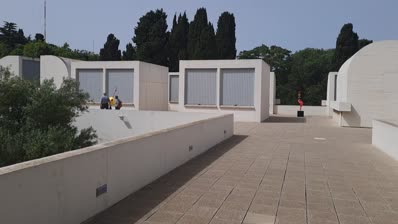
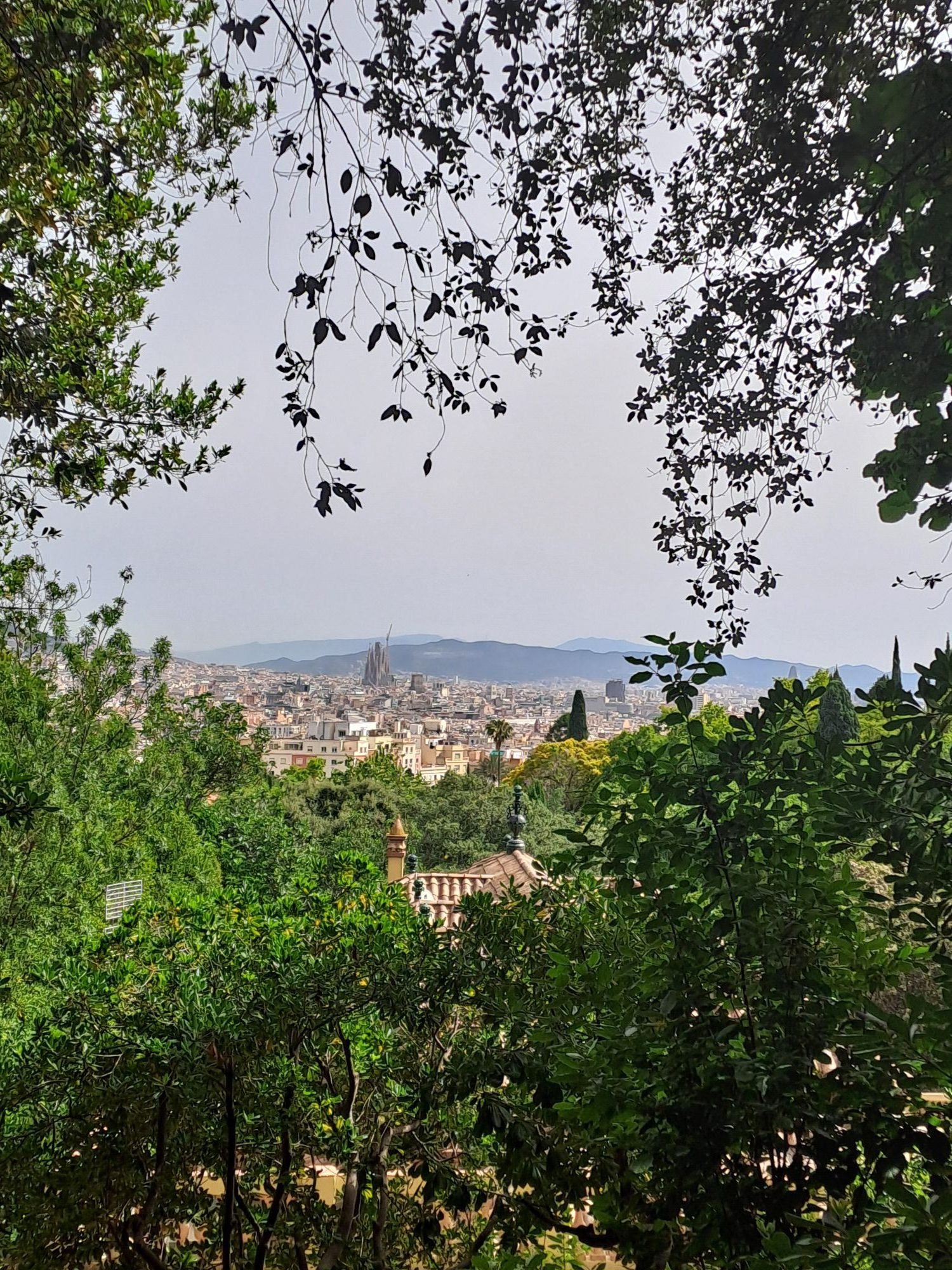
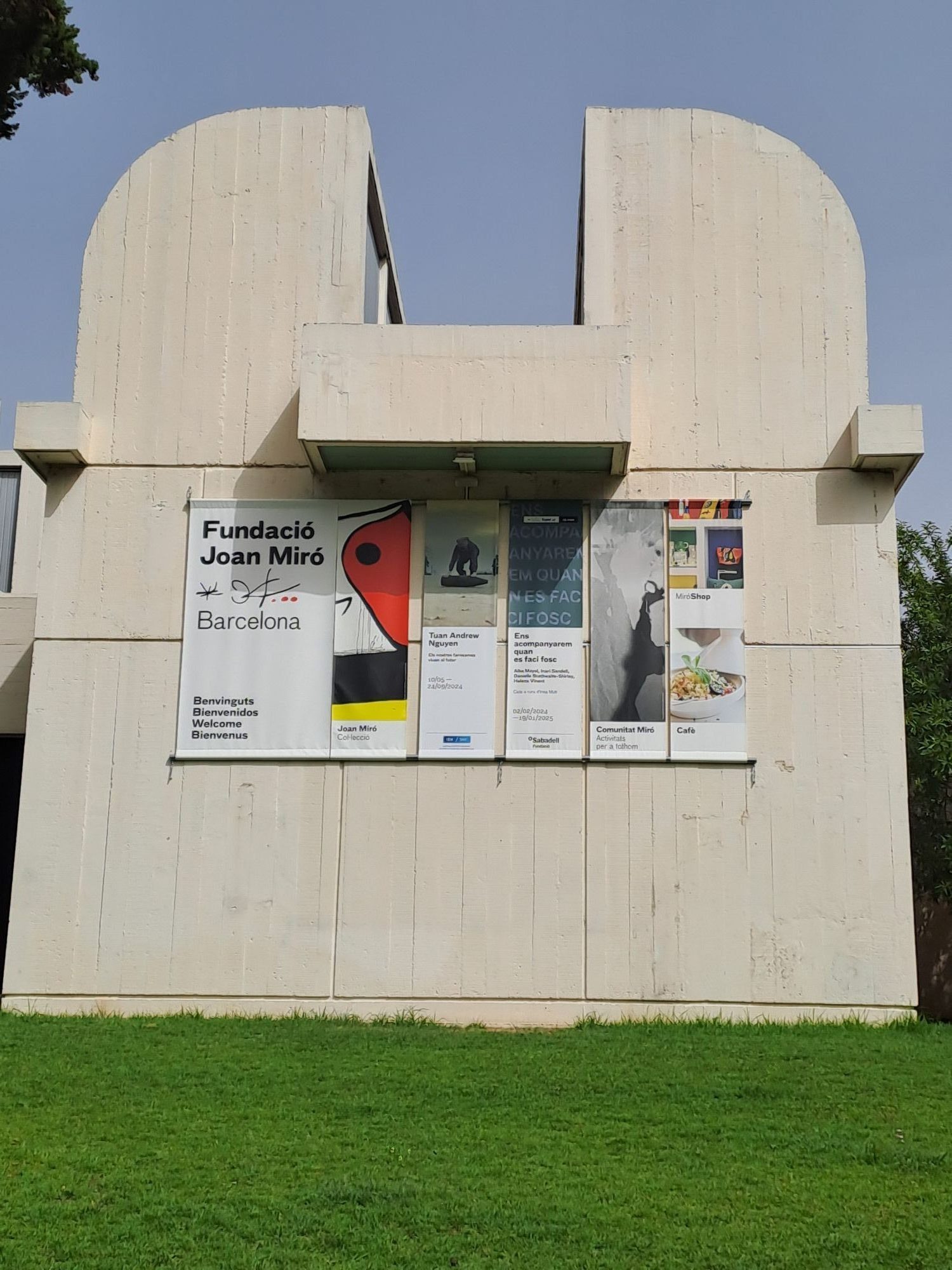
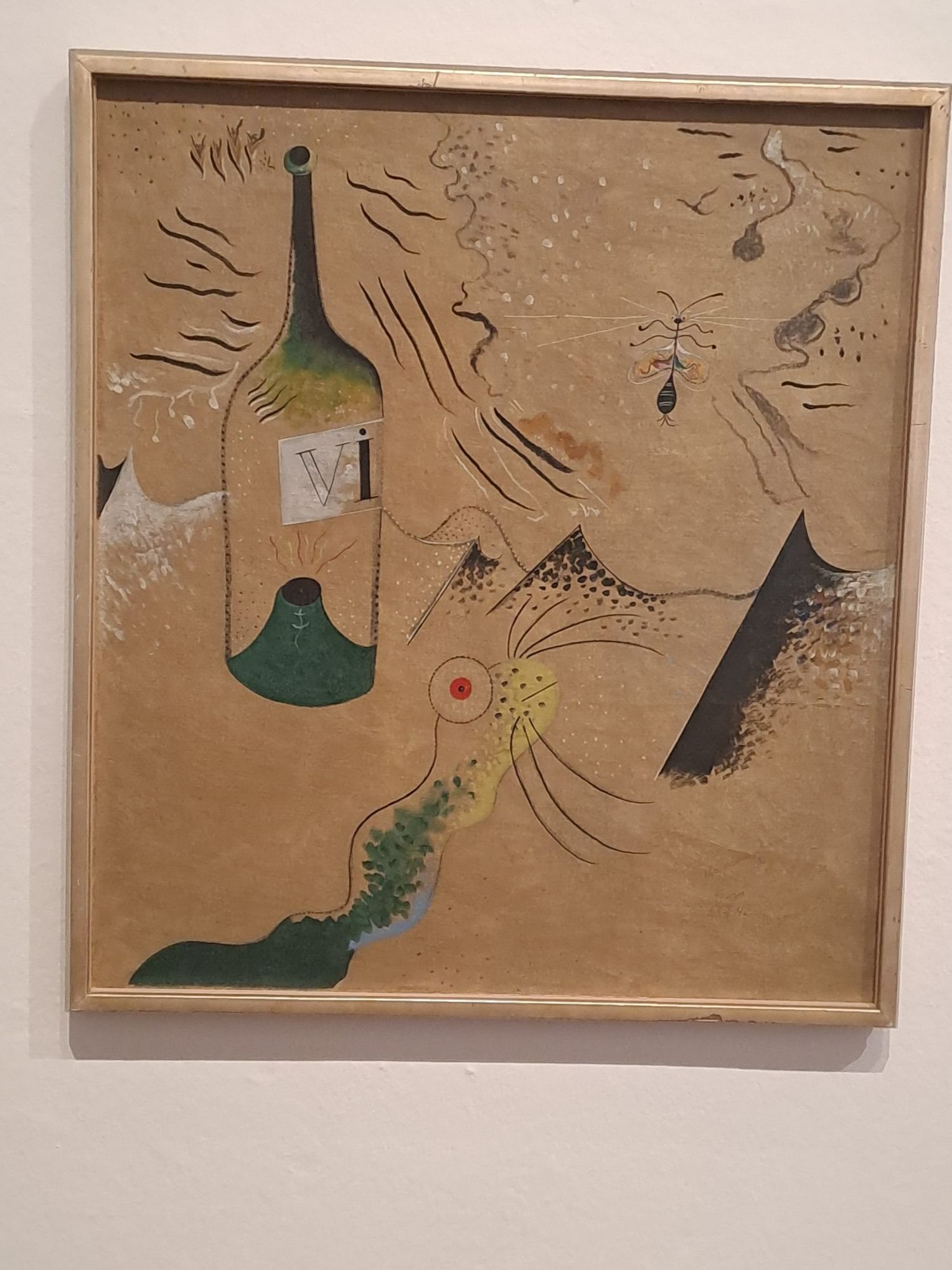
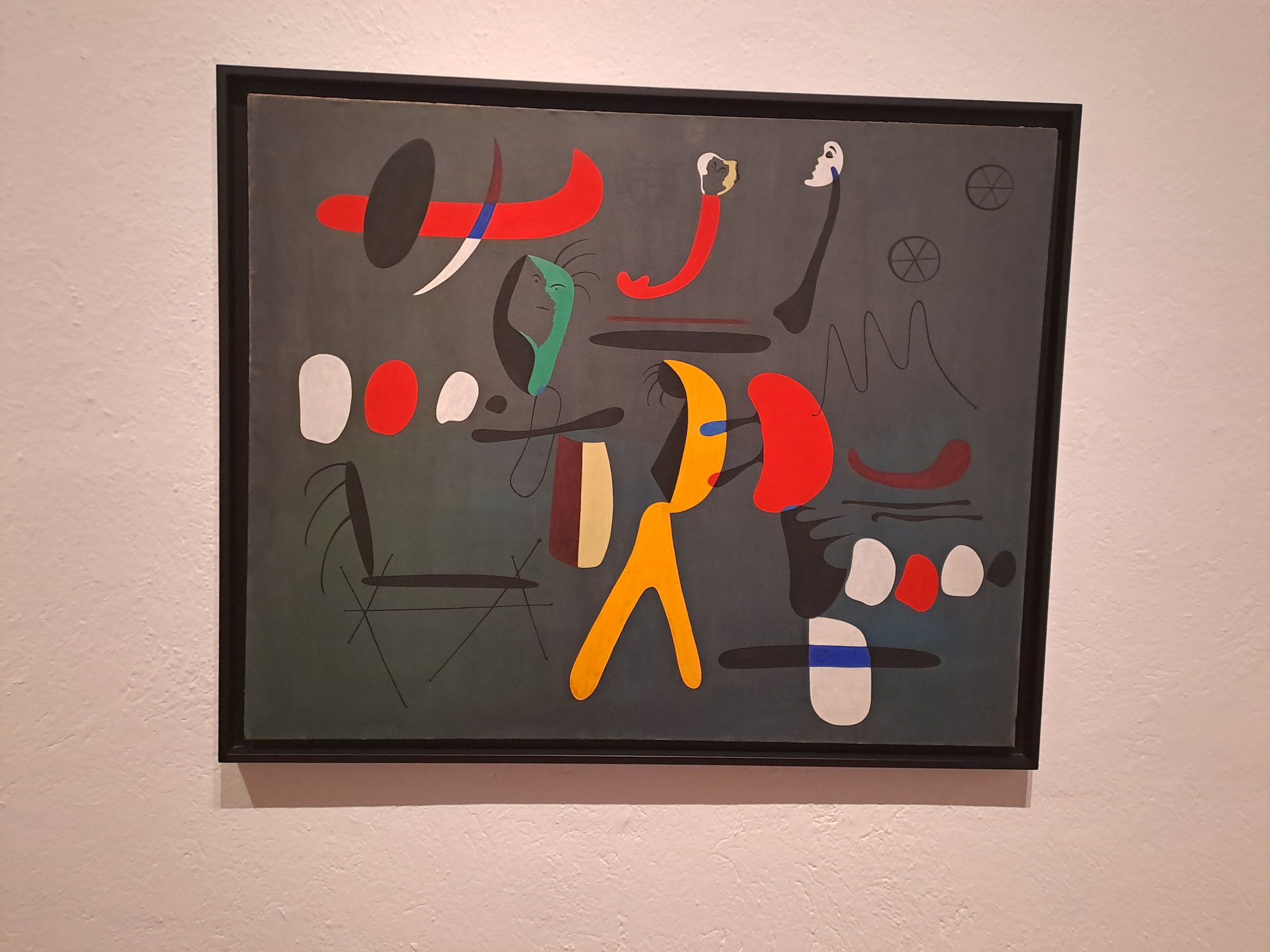
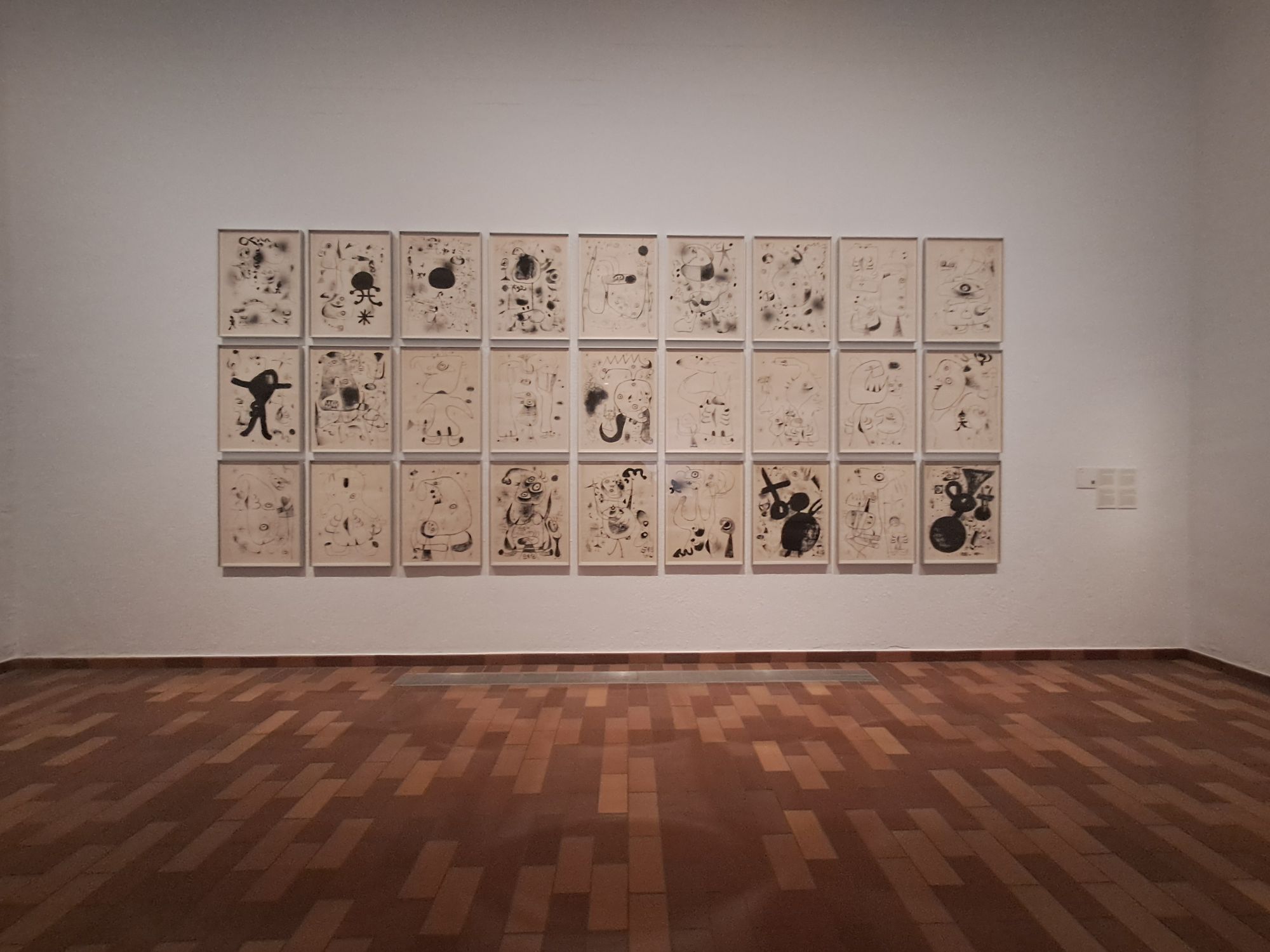
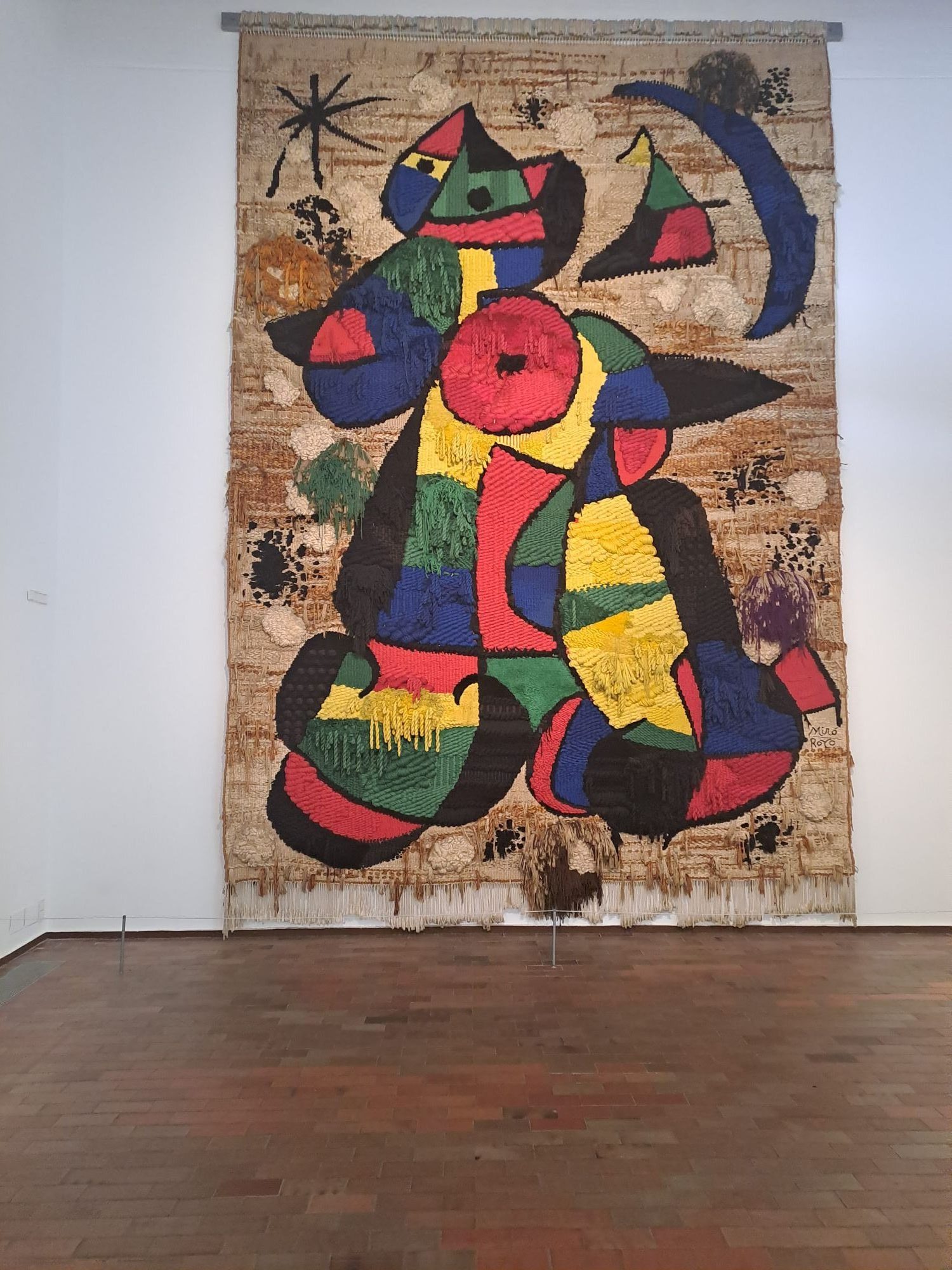
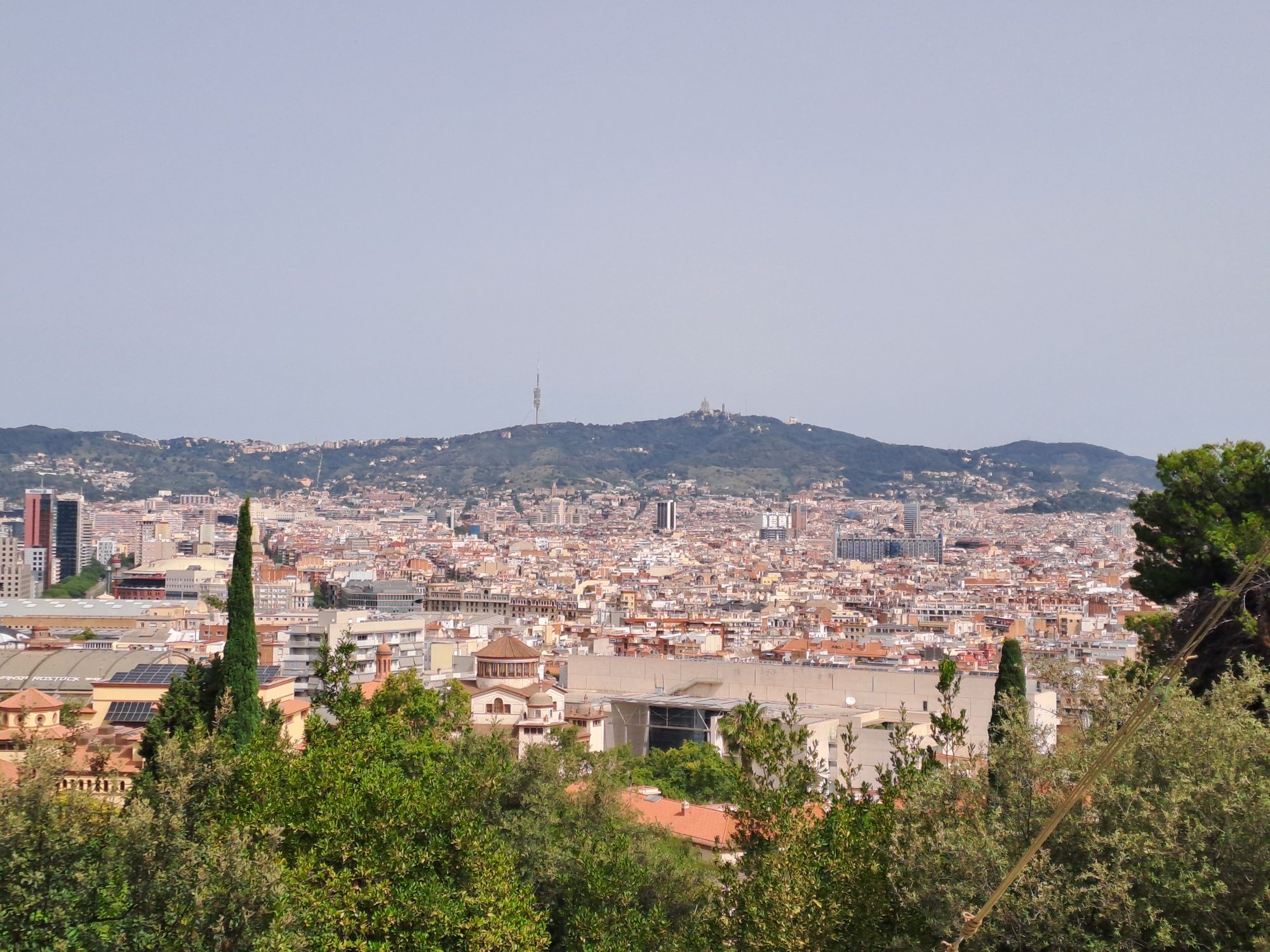
My time in Barcelona is rapidly drawing to a close so I thought I’d spend the morning visiting the Fundació Joan Miró, which is situated in the Parc de Montjuïc with excellent views of the City. Quite apart from the strange and wonderful collection of things inside, it’s just a beautiful space to wander around; there’s a sense of light and space which is very refreshing. It took no longer than 30 minutes to reach it from my apartment, via the Metro L3 and the funicular railway from Parallel which takes you within 5 minutes’ walk of the building.
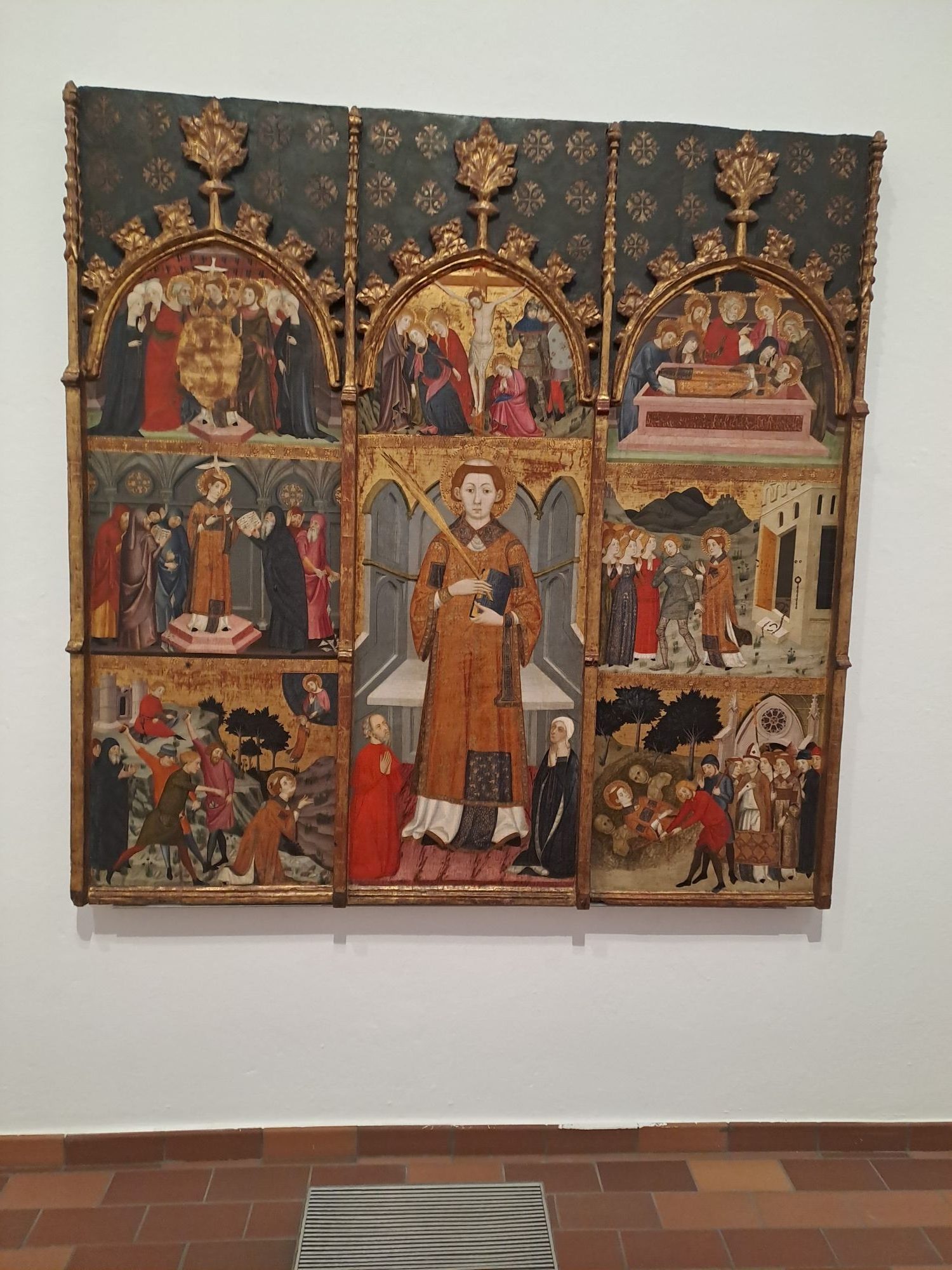
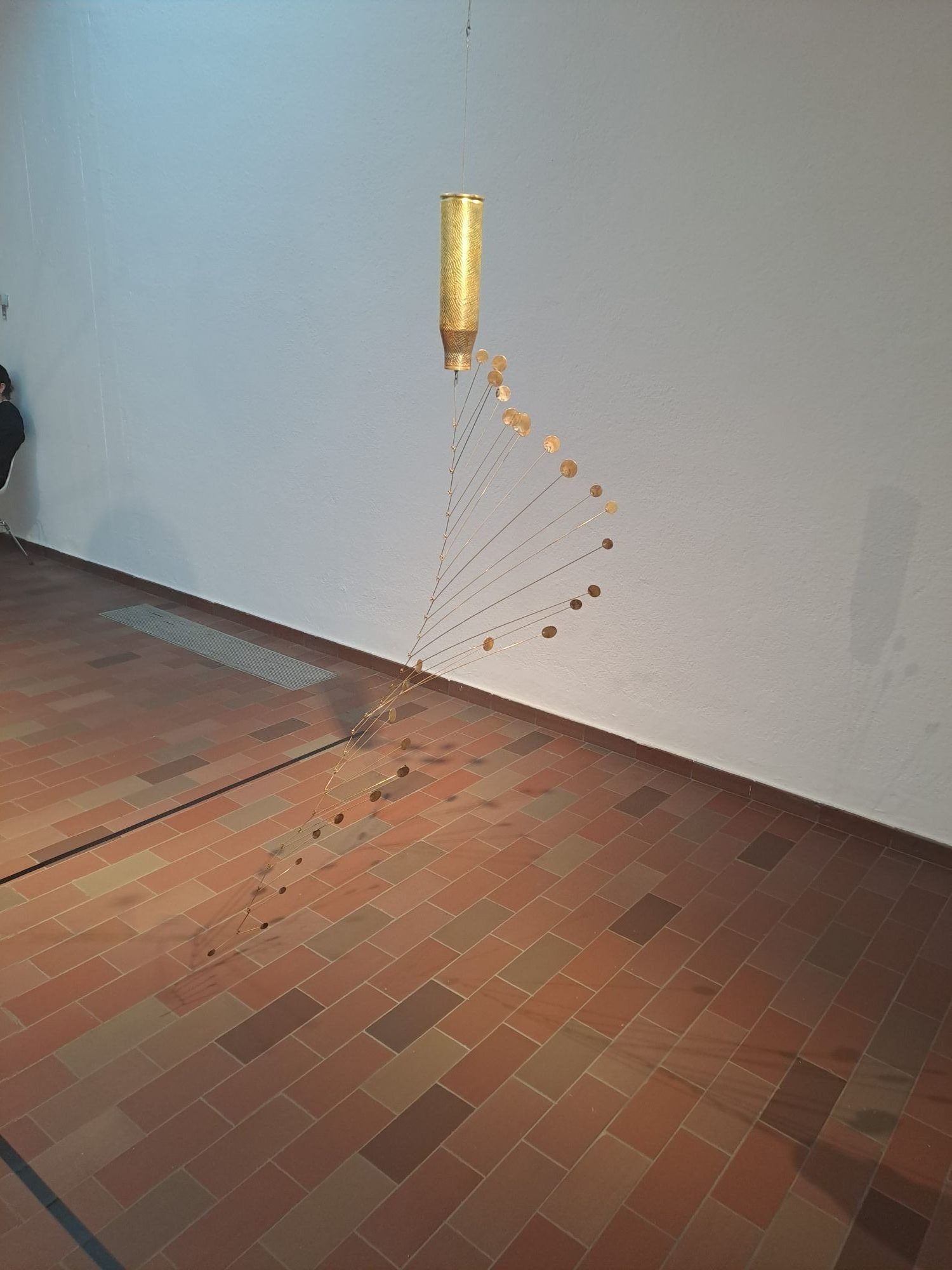
As well as the permanent collection of works by Joan Miró, there are pieces that influenced his development as an artist, such as the 14th Century altarpiece shown above: in his early years, Miró experimented with the very flat perspective often deployed in mediaeval art. The exhibition includes a large range of materials, including sailcloth and wool as well as the more usual oil and canvas; there’s also a mercury fountain. There is also a temporary exhibition by Vietnamese sculptor Tuan Andrew Nguyen whose creations include dynamic shapes evoking explosions made from fragments of unexploded bombs found in his homeland in the aftermath of the Vietnam war.
When I was on the train yesterday I thought I’d pass the time by looking up some numbers to answer a question someone asked me after my seminar in Valencia. I thought the results were Quite Interesting so I thought I would share them here. Just for fun I worked out the average number of citations so far for all papers published in 2023 in the “leading” astrophysics journals:
Journal
Mean citations per paper
Median citations per paper
ApJ
6.2
3
MNRAS
6.9
4
A&A
7.7
4
OJAp
8.4
5
Source: NASA/ADS
I suspect these numbers don’t turn out the way most people would have imagined! I don’t think you should infer too much from these figures because the window for citations is very narrow, but they do demonstrate that there’s no evidence that papers in the Open Journal of Astrophysics attract any less attention than those in more mainstream journals.
Regular readers of this blog – both of them – may recall that earlier this month I gave the inaugural Pride Lecture in the Physics Department at Oxford University. That lecture was given in person but also streamed via Zoom. This is just an update to let you know that a recording of that stream is now available here should you wish to view it:
The views presented here are personal and not necessarily those of my employer (or anyone else for that matter).
Feel free to comment on any of the posts on this blog but comments may be moderated; anonymous comments and any considered by me to be vexatious and/or abusive and/or defamatory will not be accepted. I do not necessarily endorse, support, sanction, encourage, verify or agree with the opinions or statements of any information or other content in the comments on this site and do not in any way guarantee their accuracy or reliability.





 In the Dark