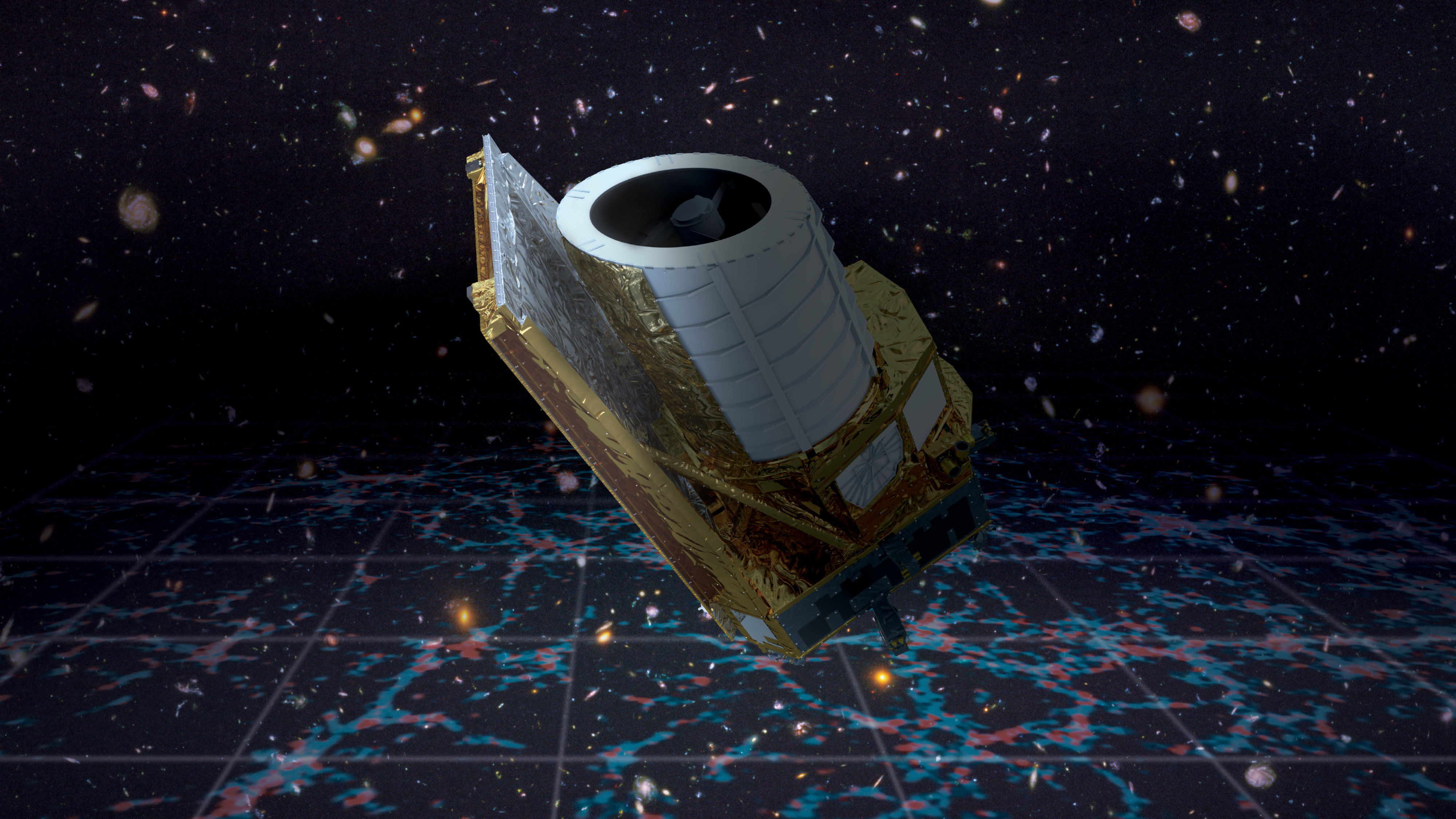
Until I can get my laptop fixed and/or get a new one, my ability to write blog posts is a bit limited. At least there is a sizeable collection of things to share, including a steady supply of new videos from the Euclid Consortium like this one:

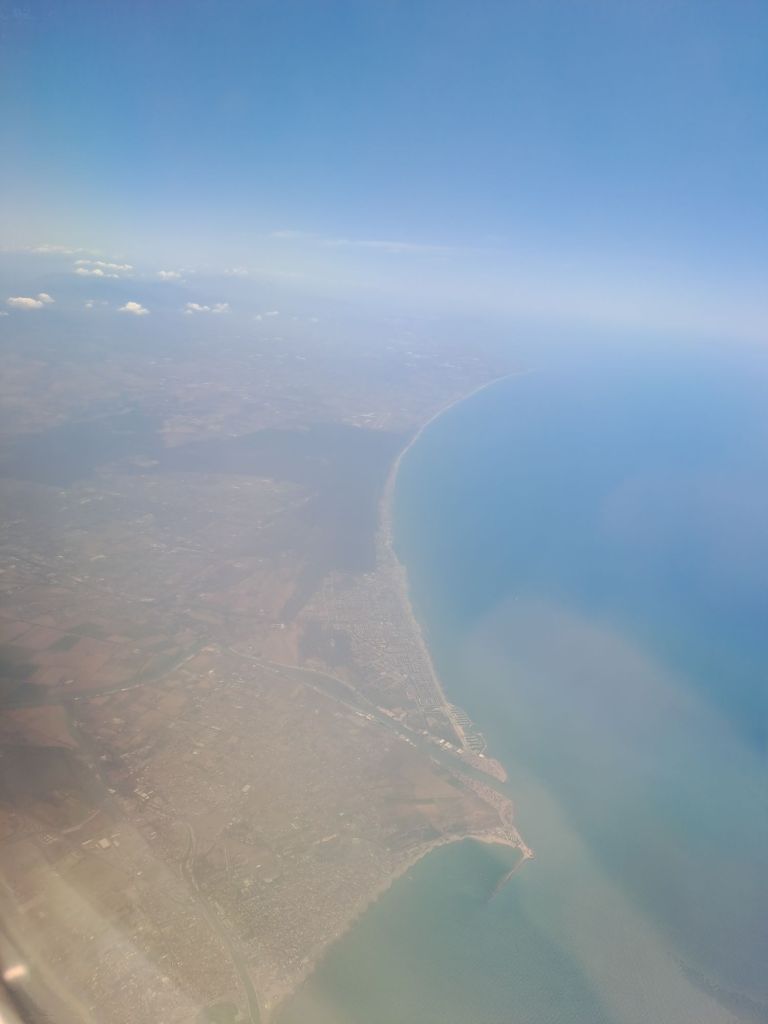
This morning, I took a short (~ 90 minute) flight from the pleasantly warm (23°C) Barcelona to the swelteringly hot (31°C) city of Rome. It’s actually forecast to be 39°C on Thursday and 40°C on Friday. Fortunately, I’m not staying that long!

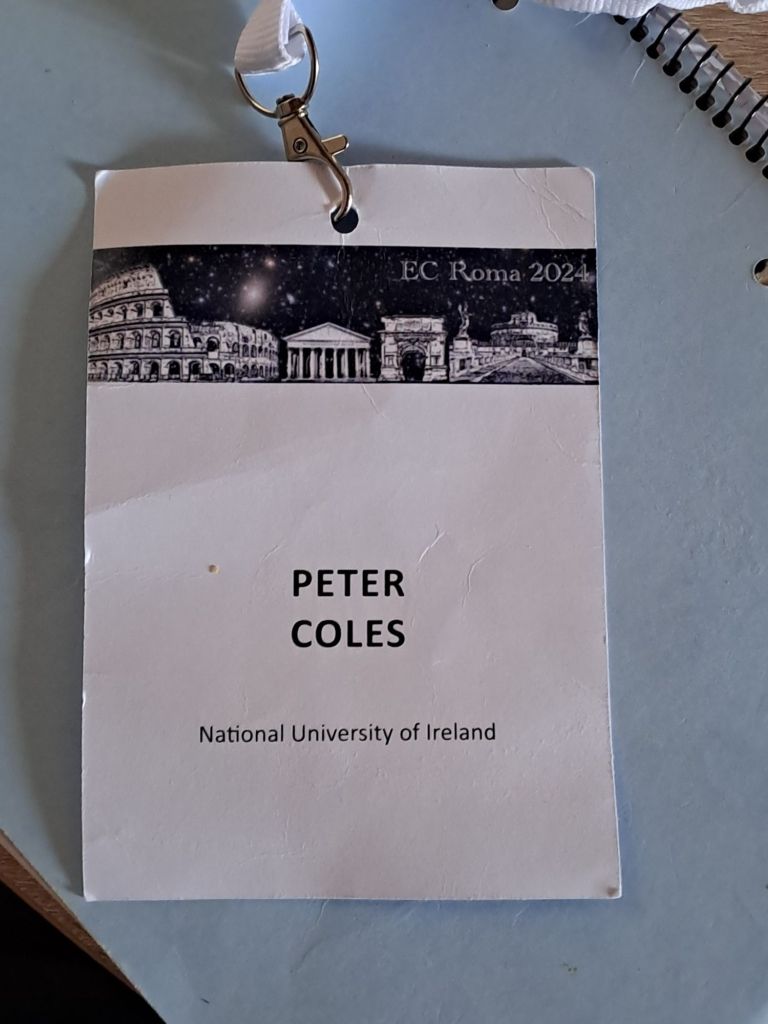
The occasion for this trip is the annual Euclid Consortium Meeting, which is being held at the Università degli Studi di Roma “La Sapienza“. The main sessions are in the splendid Aula Maxima thereof, with its imposing mural:

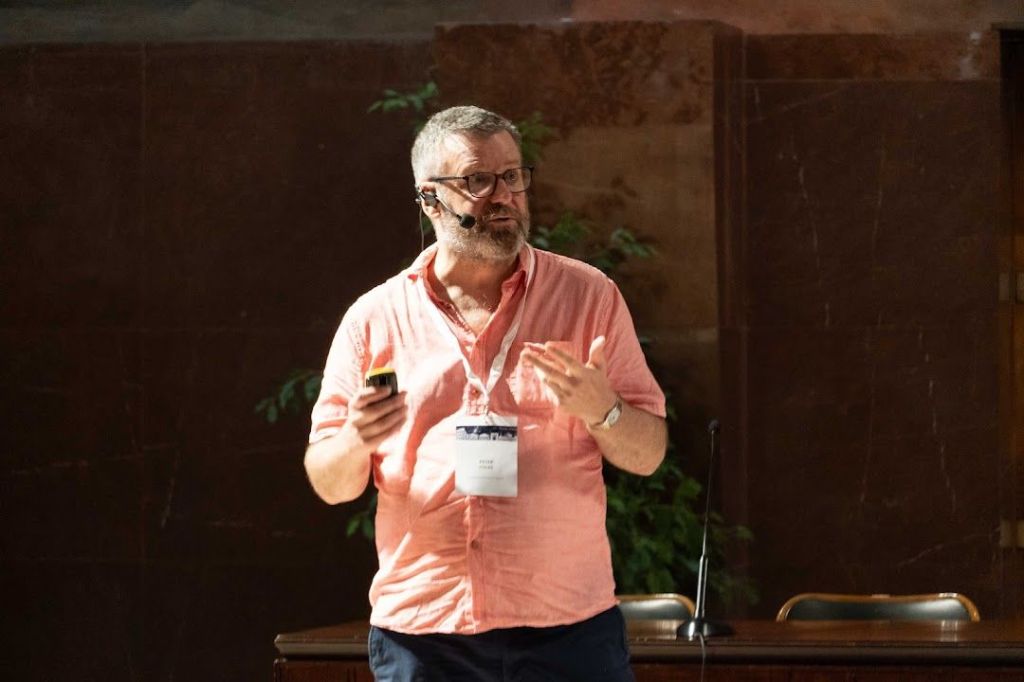
I’m giving a talk there in the first plenary session tomorrow…
Update: here’s me giving my plenary talk:

I’m travelling back to Barcelona today, later than planned because I’ve had a heavy cold that I struggled to shake off and didn’t want to infect fellow passengers on the flight. While I’m in transit I thought I’d share some updates about the European Space Agency’s Euclid mission.
The first thing to share is a piece by Knud Jahnke with news about Euclid’s issue with ice in the optical system. The latest intervention has led to an improvement, but since it is a closed system ice will probably form again – though perhaps not in the same place – and further procedures will probably be necessary in future. In the meantime, though, the survey resumes.
Now for some short videos -three, to be precise – about the Early Release Observations mentioned here. I posted another one in this series here. I think the titles are self-explanatory:
And if that isn’t enough, for those of you who like simulations here is another video about the Euclid Flagship simulation described in this paper.
I have a busy day in front of me here in Not-Barcelona so I thought I’d do a quick post sharing a video about the Euclid Early Release Observations (EROs) that came out last week. The press materials accompanying the release of the EROs and the science paper relating to this work, mention “freely floating planets”, but that doesn’t make sense in terms of the modern definition of a planet so here they are described as sub-stellar objects. The paper describing this work can be found on the arXiv here.

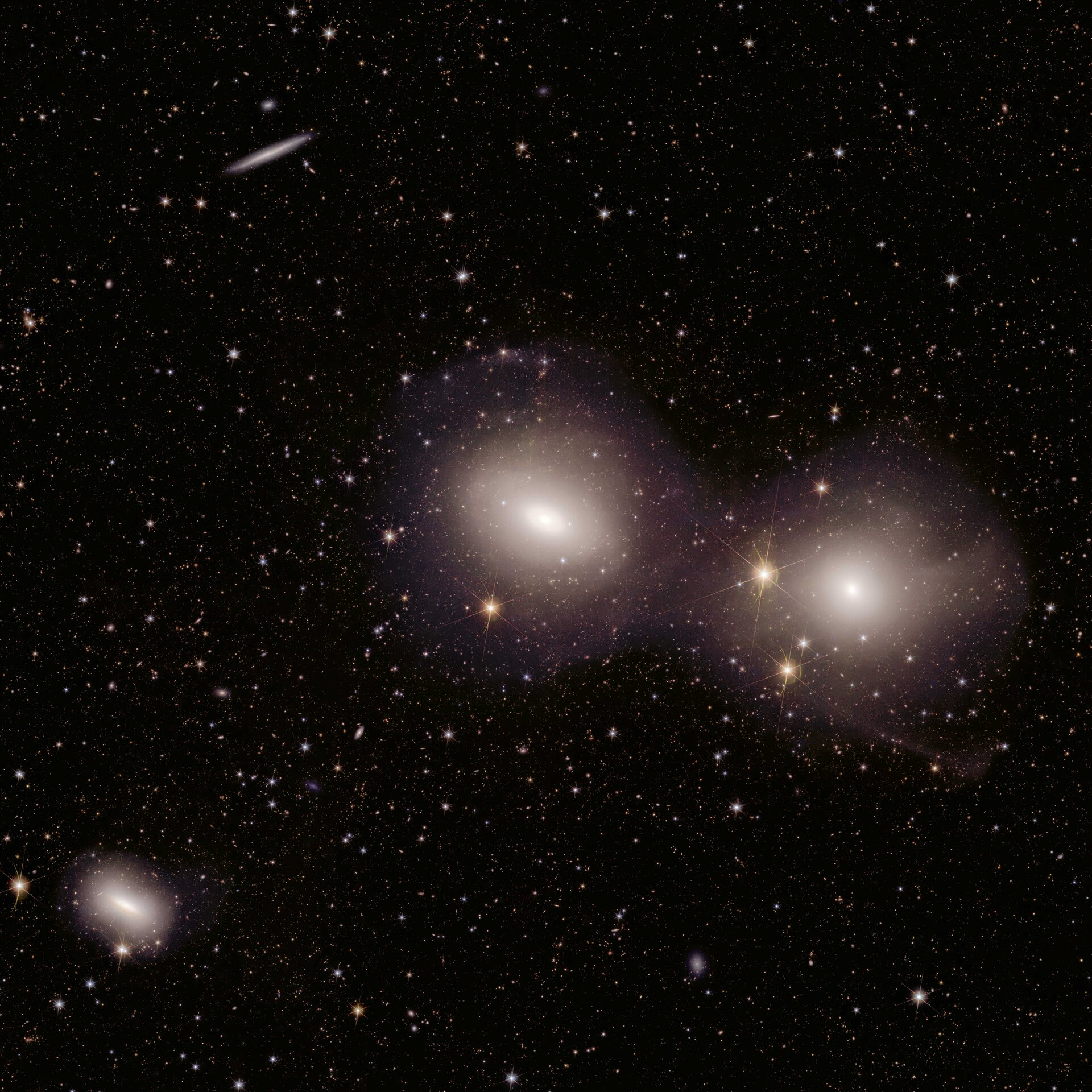

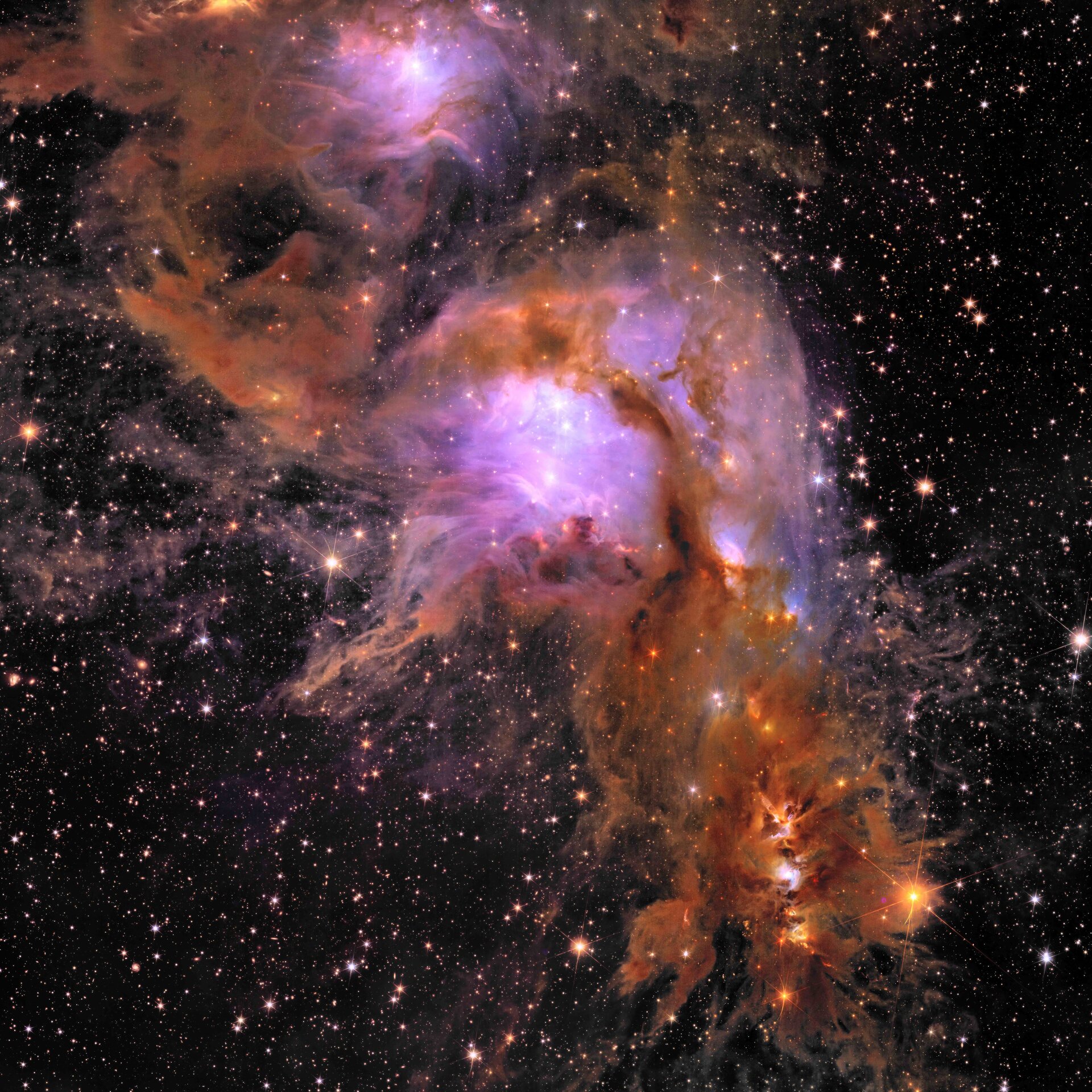

As it was foretold, exciting new results from the European Space Agency’s Euclid mission have now been released.


You can read more about these images here.
Together with the five images released last November that makes a total of ten Early Release Observations from the pre-survey phase of Euclid. It’s not all about the pictures, however. Today also saw the release of ten scientific papers to go with these images, as well as five reference papers for the main survey. You can find them all, with accompanying information here. They will be announced on arXiv tomorrow.
You might also be interested to read my Euclid piece on RTÉ Brainstorm which has just appeared. This is not just about the new images, but gives an update on what Euclid has been up to since launch, and what we can expect in the future. There’s also a version adapted for Maynooth University PR purposes here. It includes this quote:
Today’s release of new data and technical papers from Euclid is exciting in itself but also marks the start, after months of painstaking calibration and testing of the instruments, of Euclid’s main cosmological survey. We are on the threshold of a new era in cosmology. Maynooth is the only University in Ireland to be involved in this mission and it is very exciting to be at the forefront of such an important scientific development.
I’m also quoted in a piece in the Irish Times. You’ll probably find the article blocked by a paywall but my bit is:

It’s a hectic time ahead of a Big Event on Thursday 23rd May, which will include the publication of five new Early Release Observations (EROs). I’m not at liberty to say what they are until after 12 noon (CEST) on Thursday except that they’re very pretty. You can watch the live stream here:
Including the five released on November 7th 2023 that will bring the total to ten. All the ERO pictures will be available on the ESA archive here.
Thursday will also see the release of ten scientific papers related to the EROs; they will appear on arXiv on Friday 24th May. These will be the first science results from the Euclid mission.
But that’s not all! Thursday will also see the publication of five papers from the Euclid Consortium (of which I am the sole member based in Ireland). These will be the principal technical reference papers aimed at the astronomical community about the Euclid mission, covering the instruments, cosmology and other astronomy science possibilities, as well as the cosmological simulations used to assist the analysis of the mission. One of these, the main overview paper for the mission, has over a thousand authors (one of whom is your truly).
Thursday’s announcements are likely to significant level of press interest. That’s not only due to the European Space Agency’s own social media feeds and the like, but also local activities in Ireland. For example, there’s this from Science Foundation Ireland using this, from the Little Book of Irish Research:
I have also written a piece for RTÉ Brainstorm, as a kind of update on the one I wrote last year on the occasion of the launch; this will go live after the embargo is lifted on Thursday.