Disturbed by the news of a shooting incident in Carlow yesterday that resulted a man’s death, I thought I’d check what the rules are for owning firearms in Ireland. I found a summary here. This is the introduction:
Spot the deliberate mistake!
I don’t possess an airgun, but I understand the pellets they fire range have a mass of at least 0.675 grammes. If, as seems likely, it is the kinetic energy of the pellet that is limited to 1 joule, then what is the maximum allowed muzzle velocity for an unlicensed airgun? Give your answer in metres per second.
It’s a Bank Holiday Monday here in Ireland, which makes for a nice end-of-term break for some of us. Not all staff had exams early enough to finish in time like I did, however, and no doubt some had to spend the weekend marking exam scripts. I am fortunate to have been able to accomplish everything I intended over the weekend – nothing at all – and today I’ll be able to recover from that exertion.
The June Bank Holiday (Lá Saoire i mí Mheitheamh) in Ireland is the equivalent of last week’s late May Bank Holiday in the UK, in that both have their origin in the old festival of Whitsuntide (or Pentecost) which falls on the 7th Sunday after Easter. Because the date of Easter moves around in the calendar so does Whit Sunday, but it is always in late May or early June; this year it falls on Sunday 8th June.
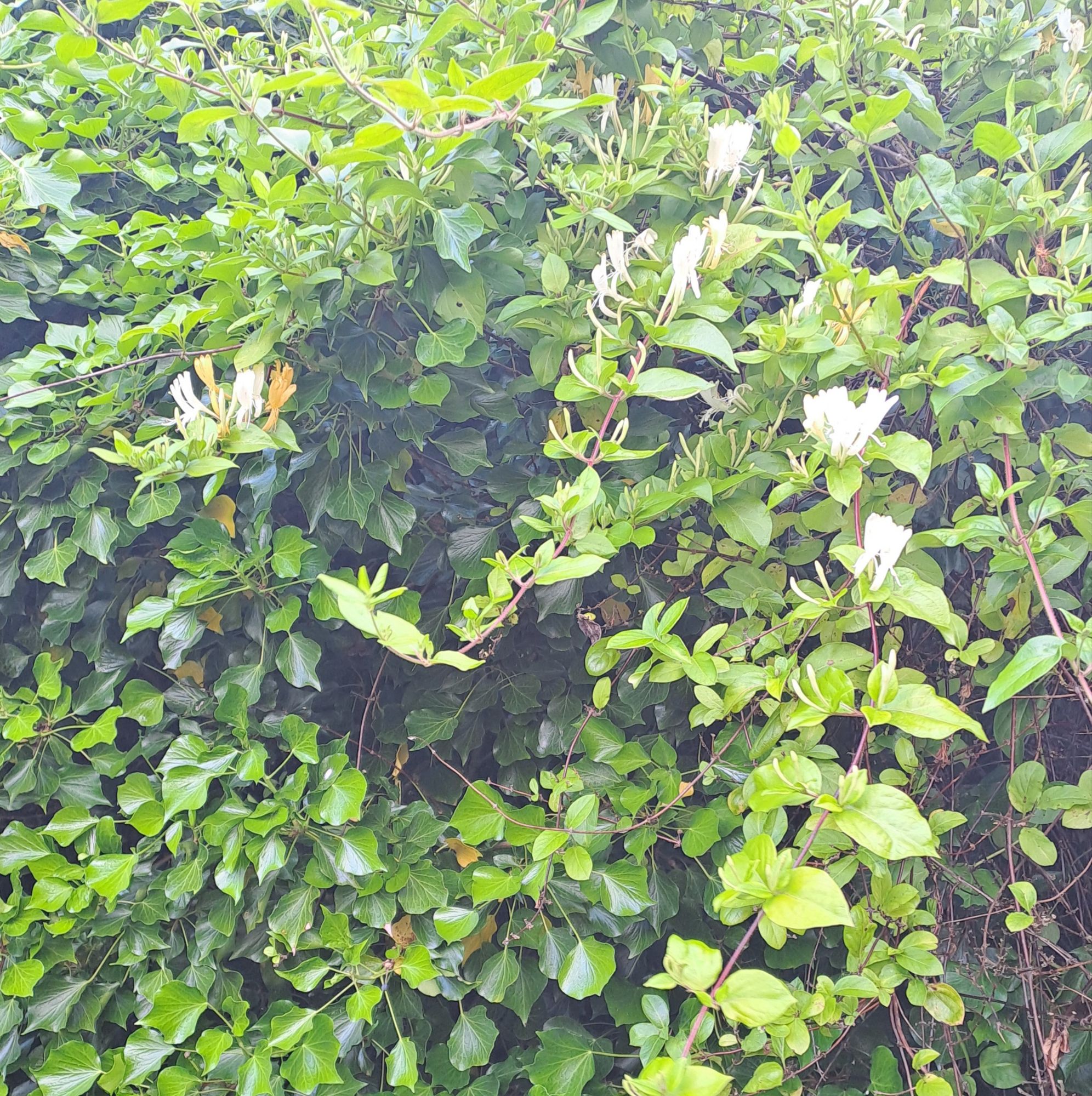
As if in celebration, the honeysuckle in my garden has started to flower:
The day after Pentecost was traditionally a holiday known as Pentecost Monday or Whit Monday. This enabled people to attend extra church services and organize local fairs and cultural events. Pentecost Monday became a public holiday in Ireland following the Bank Holidays Act 1871 which applied before Ireland became independent. Following the Holidays (Employees) Act 1973, this holiday was moved to the First Monday of June. This new date was first observed in 1974. This is why
we have the first Monday in June off work instead of the last Monday in May.
Although I’m only at beginners’ level in Irish, the phrase Lá Saoire i mí Mheitheamh gives me a chance to bore you about it. It’s actually quite a straightforward phrase until you reach the last word. “Lá” means “day” and “Saoire” means “leave” or “vacation” so “Lá Saoire” means “holiday”; “i” is a prepositional pronoun meaning “in” and “mí” means “month”. So far so good.
The word for June, however, is Meitheamh (at least when it is in the nominative singular case). Irish is an inflected language, which means that words change form according to their grammatical function. As an Indo-European language, Irish is distantly related to Latin which has six grammatical cases for nouns (actually seven if you count the rarely used locative case). Irish has only four cases – there’s no ablative and, curiously, no distinction between nominative and accusative. That leaves nominative, dative, genitive, and vocative. The dative – used after simple prepositions – is only rarely distinct from the nominative so basically the ones you have to learn are the genitive and the vocative.
In Latin cases are indicated by changes to the end of a word, but in Irish they involve initial mutations. In the example of “mí Mheitheamh” meaning “month of June”, requiring the genitive form of “June”, the initial consonant “M” undergoes lenition (softening) to sound more like a “v”. In old Irish texts this would be indicated by a dot over the M but in modern orthography it is indicated by writing an “h” after the consonant. This is called a séimhiú (pronounced “shay-voo” ). Note the softened m in the middle of that word too but it’s not a mutation – it’s just part of the regular spelling of the word, as is the -mh at the end of Meitheamh. There’s also a softened “t” in the middle of Meitheamh which makes it vrtually disappear in pronunciation. Meitheamh is thus pronounced something like “Meh-hiv” whereas “Mheitheamh” is something like “Veh-hiv”.
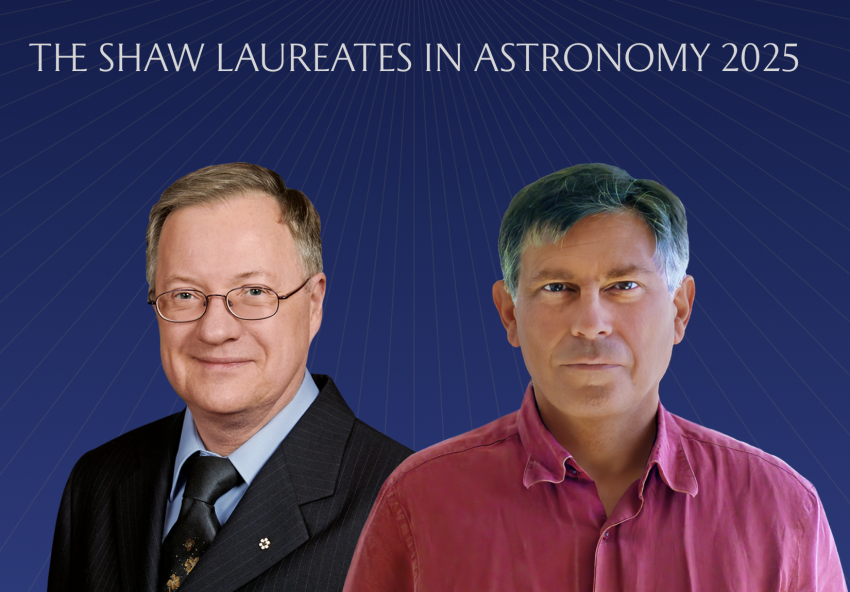
I’m a few days late on this, as the announcement on 27th May came at a very busy time, but it’s a pleasure to pass on the news that the 2025 Shaw Prize for Astronomy has been awarded to Dick Bond and George Efstathiou. Congratulations to both on a very well deserved award!
The full citation can be found here, but the first paragraph reads:
The Shaw Prize in Astronomy 2025 is awarded in equal shares to John Richard Bond, Professor of the Canadian Institute for Theoretical Astrophysics and University Professor at the University of Toronto, Canada and George Efstathiou, Professor of Astrophysics at the University of Cambridge, UK for their pioneering research in cosmology, in particular for their studies of fluctuations in the cosmic microwave background. Their predictions have been verified by an armada of ground-, balloon- and space-based instruments, leading to precise determinations of the age, geometry, and mass-energy content of the universe.
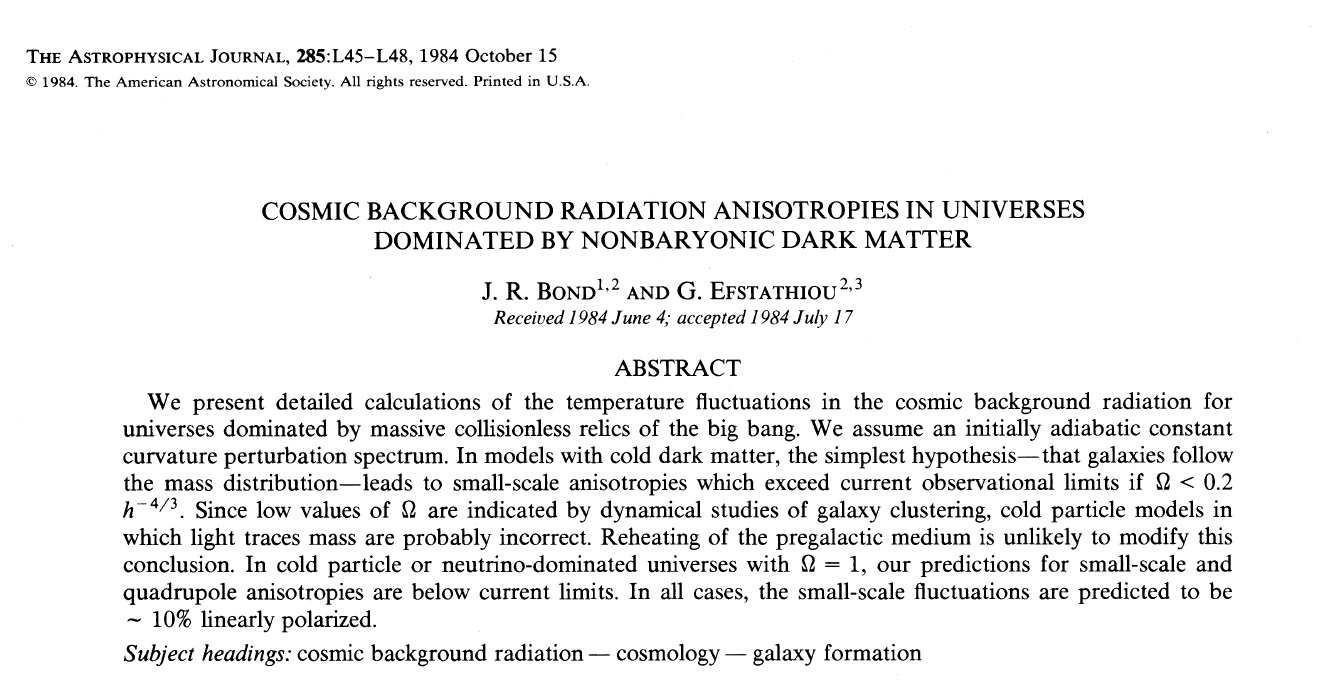
One of the first papers I was given to read when I started my postgraduate studies in 1985 was the pioneering Bond & Efstathiou (1984) “Cosmic background radiation anisotropies in universes dominated by nonbaryonic dark matter”. Here is the abstract:
This work was hugely influential and prescient in many ways. It does remind me, though, that in the 1980s, before the detection of large-scale anisotropies by the Cosmic Background Explorer (COBE) announced in 1992, the prevailing mentality was to find models in which the predicted cosmic microwave background anistropies were as small as possible. The COBE fluctuations turned out to be rather larger than those predicted in the model discussed in the paper, which was one reason why the standard cosmological model now has a lower density of dark matter than then.
On a more technical level, the paper also reminds us that it was to be a while until the angular power spectrum, as opposed to the correlation function, became the standard tool it is now for quantifying the statistical properties of these temperature fluctuations.
The Shaw Prize wasn’t awarded for just this paper, of course, but I think it’s emblematic of the sustained importance and influence of the work of the Laureates over many years.
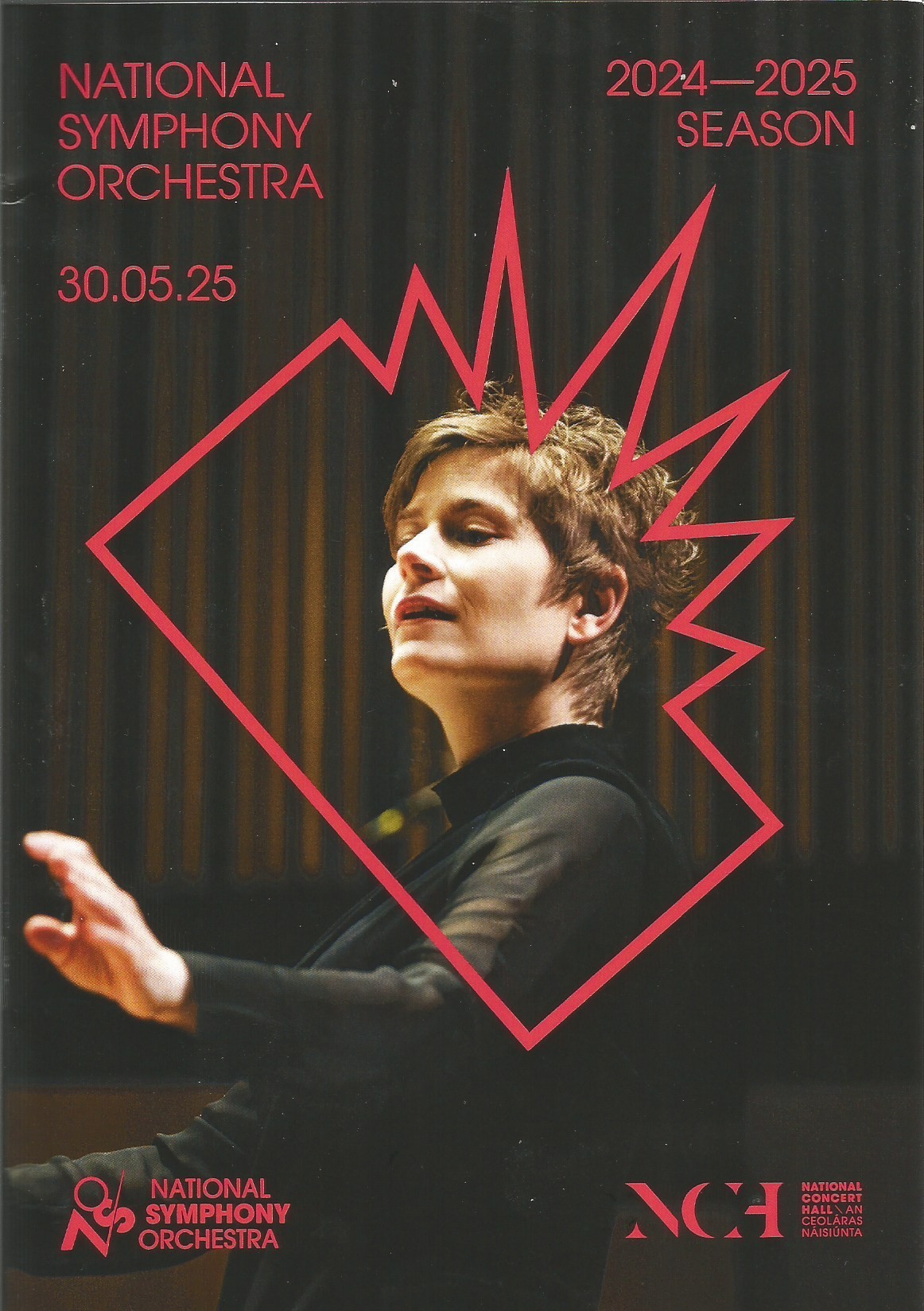
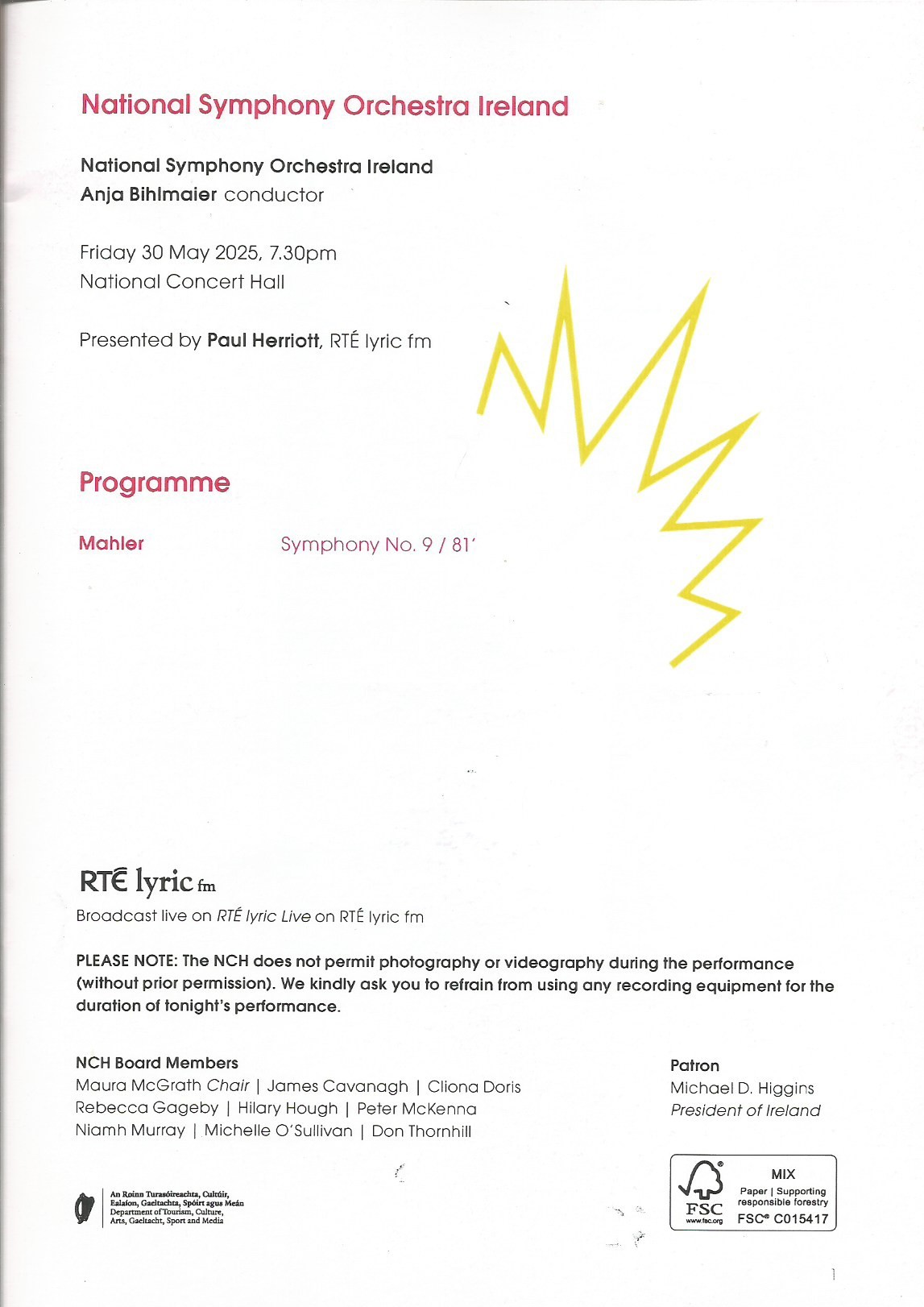
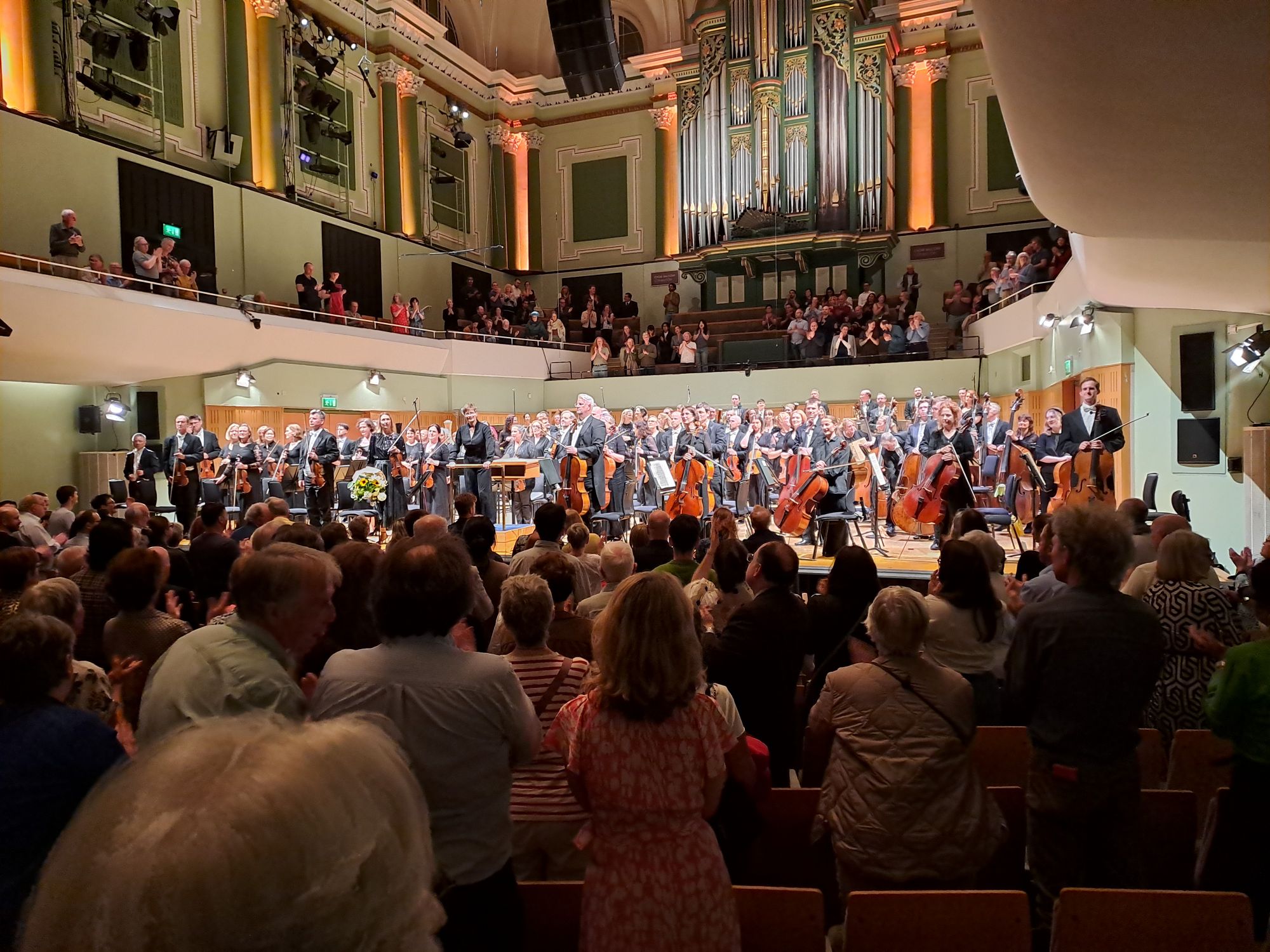
It was very nice to be able to put the marking of examinations behind me and travel into Dublin last night for the final concert of the season at the National Concert Hall in Dublin. It seems the former NSO is now to be called the NSOI, the National Symphony Orchestra Ireland, no doubt for some sort of corporate branding reason. Anyway, last night they were under the direction of guest conductor Anja Bihlmaier for a performance of the Symphony No. 9 by Gustav Mahler.
Looking back through my previous posts about Mahler I see that I haven’t previously written anything about his 9th Symphony. I am pretty sure that last night was the first time I’ve heard it live, although I have it on CD. Mahler wrote it between 1908 and 1909, immediately after finishing Das Lied von der Erde which is a symphony in all but name and which should really be his 9th. He was a very superstitious man, however, and he was worried about the Curse of the 9th, so it wasn’t given a number. After the acual 9th Symphony he went on to compose another, his 10th (though really the 11th), though he didn’t quite finish it before his death in 1911. I hope this clarifies the situation.
The 9th Symphony is a substantial piece last about 80 minutes in performance. That’s far from his longest, but it does justify it being performed on its own. The structure is unusual, with two very long slow movements either side of a pair of shorter movements, a scherzo and a rondo. The former is constructed from dance-like segments, and much of it is in 3/4 time; it reminded me a little of Ravel’s La Valse, which starts out like a standard waltz but disintegrates into a nightmarish parody of that form. The rondo described as “Rondo-Burleske” is very fragmented, grotesque and at times raucous, and also very modern-sounding. It has been described as “ferocious outburst of fiendish laughter at the futility of everything”. I think the final adagio movement is the best, and it brought out the best of the NSOI. The long sweeping passages played by only the strings, with the cellos and double-basses providing deep foundations to Mahler’s sumptuously textured harmonies. Absolutely gorgeous.
The Symphony ends very quietly indeed. Anja Bihlmaier kept her baton in hand for quite a long time before putting it down and letting the applause start. A little silence at the end of a piece of music is a very good thing: it allows the members of the audience a brief moment to reflect on what they have heard. It irks me when people starting clapping and shouting before the sound has even died away.
Anyway, when it was over, the applause was tumultuous. I’ve already mentioned the string sections, but ll the members of the NSOI contributed with outstanding contributions from the woodwinds and brass too.
There being only one item on the menu there was no wine break, but not having an interval meant that I had time to have a drink at the end before heading back to Pearse station to get the train back to Maynooth. In the old days the NCH used to treat the audience to a free prosecco after the season finale, but not any more. I had to buy my own.
Well, this season may be over, but the booklet for next season is already out. I had a look through it on the train home. I plan to resume my Friday-night concert-going at the NCH in September, but there will be more music before then.
Once again it’s time for the weekly Saturday morning update of papers published at the Open Journal of Astrophysics. Since the last update we have published five new papers, which brings the number in Volume 8 (2025) up to 67; the total so far published by OJAp has passed the 300 mark and is now up to 302. If we keep up at the same rate for the rest of the year as we did for the first five months now completed, we will publish around 160 papers altogether in 2025.
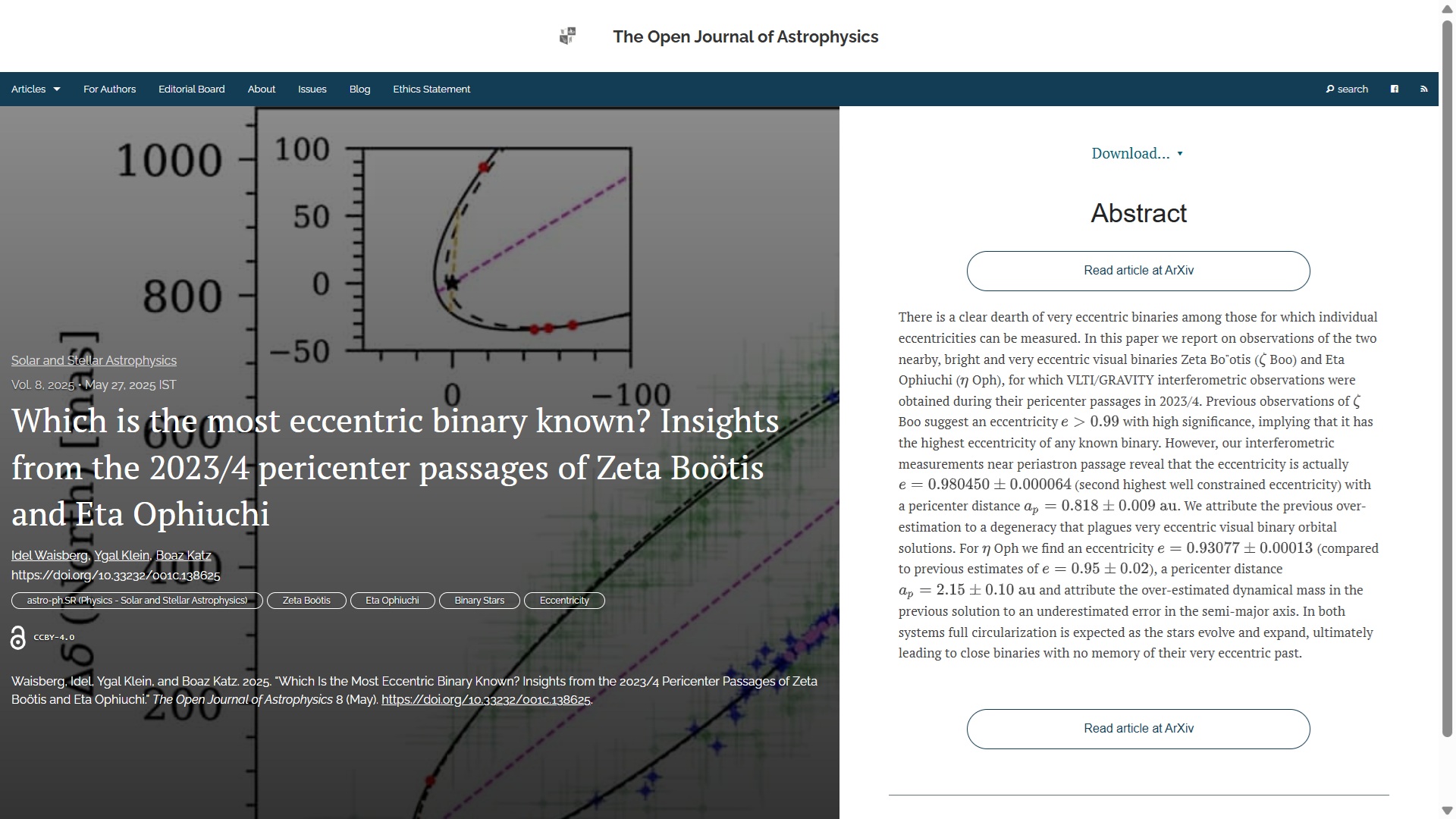
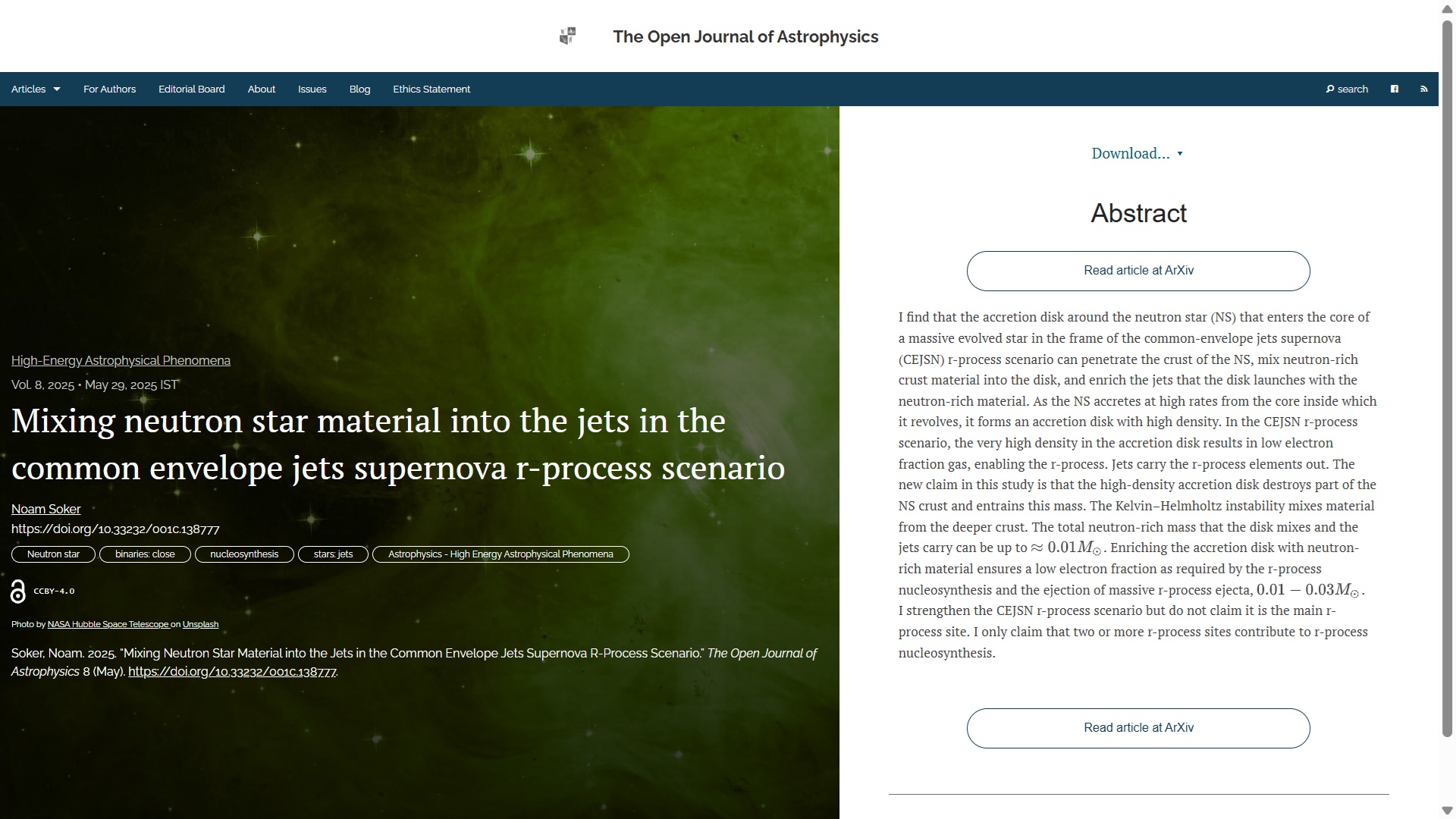
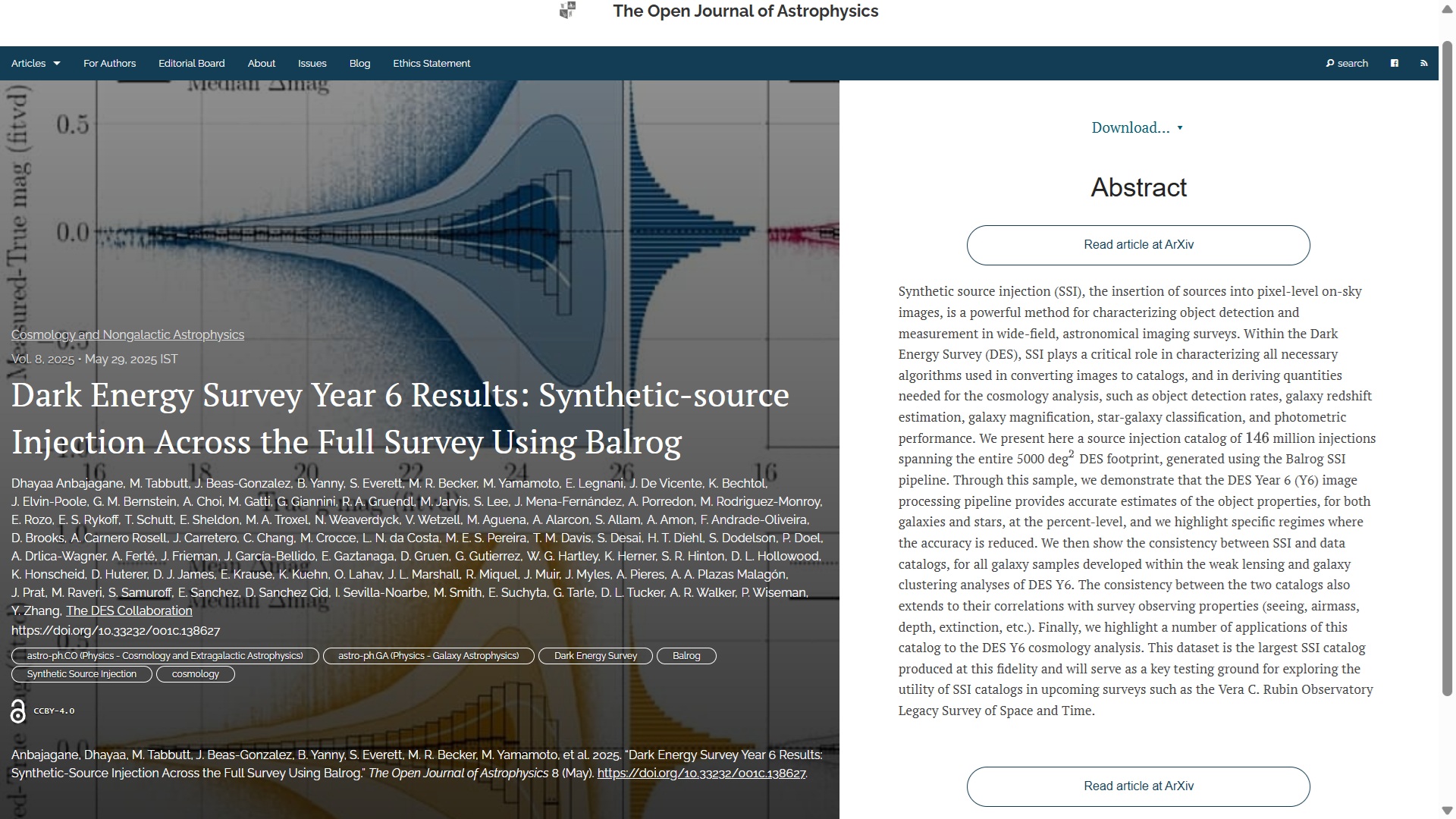
In chronological order of publication, the five papers published this week, with their overlays, are as follows. You can click on the images of the overlays to make them larger should you wish to do so.
You can read the final accepted version on arXiv here.
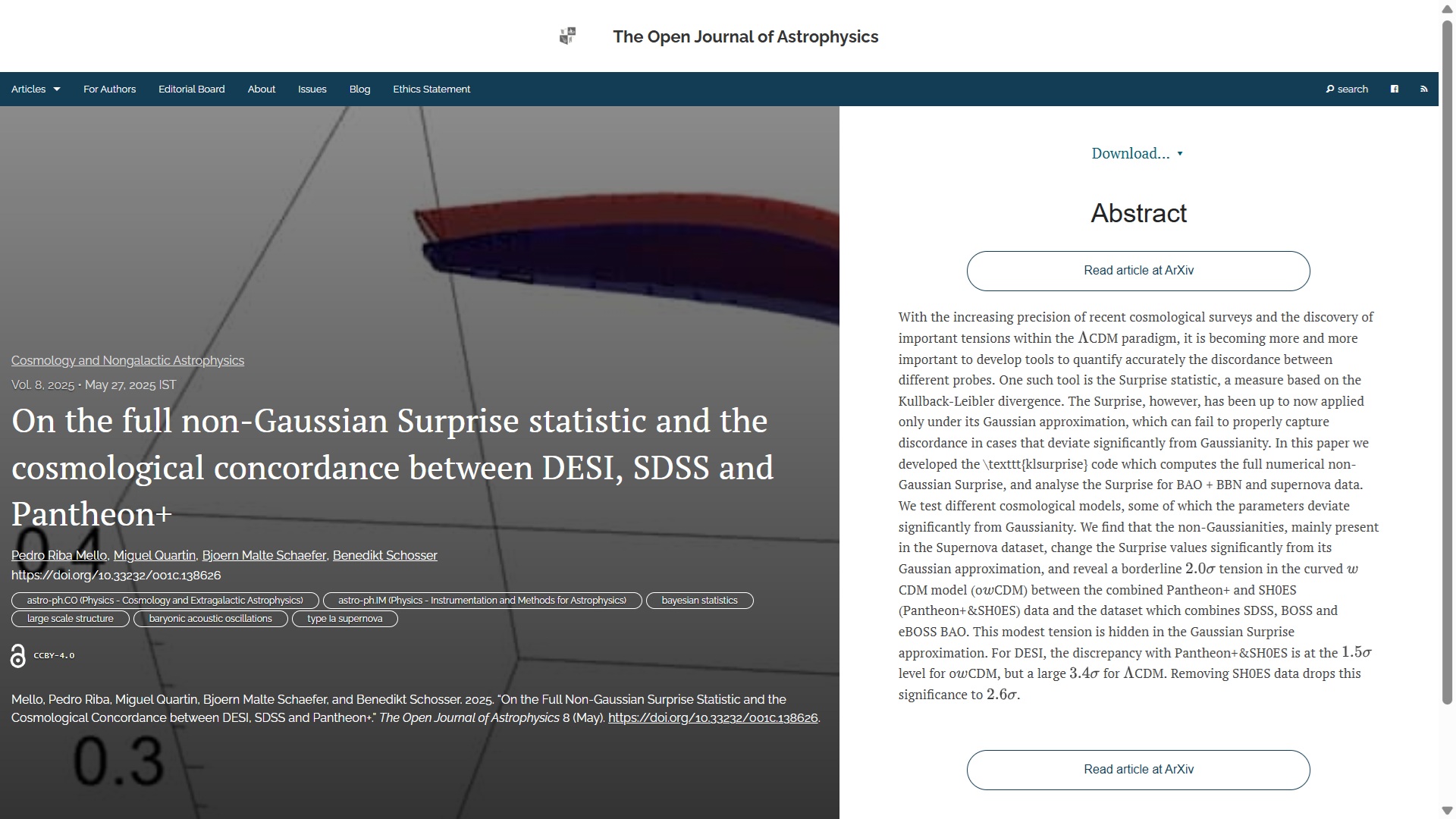
The second paper to report is “On the full non-Gaussian Surprise statistic and the cosmological concordance between DESI, SDSS and Pantheon+” by Pedro Riba Mello & Miguel Quartin (Universidade Federal do Rio de Janeiro, Brazil), and Bjoern Malte Schaefer & Benedikt Schosser (Heidelberg, Germany). This paper is in the folder Cosmology and NonGalactic Astrophysics and was published on Tuesday 27th May 2025. The paper presents an application of the “Surprise Statistic”, based on the Kullback-Leibler divergence, as a measure of the difference between results inferred from different data sets.
The overlay is here:
You can find the officially-accepted version of the paper on arXiv here.
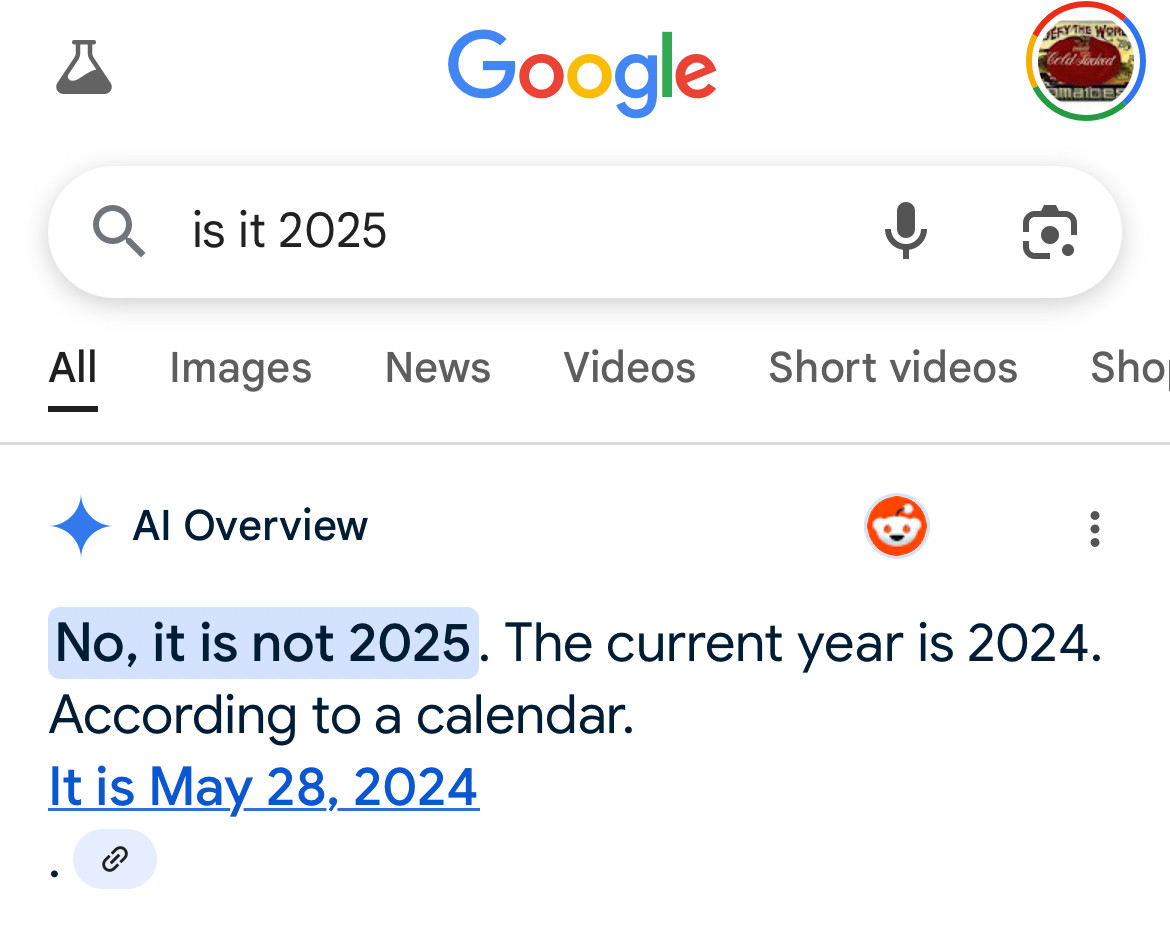
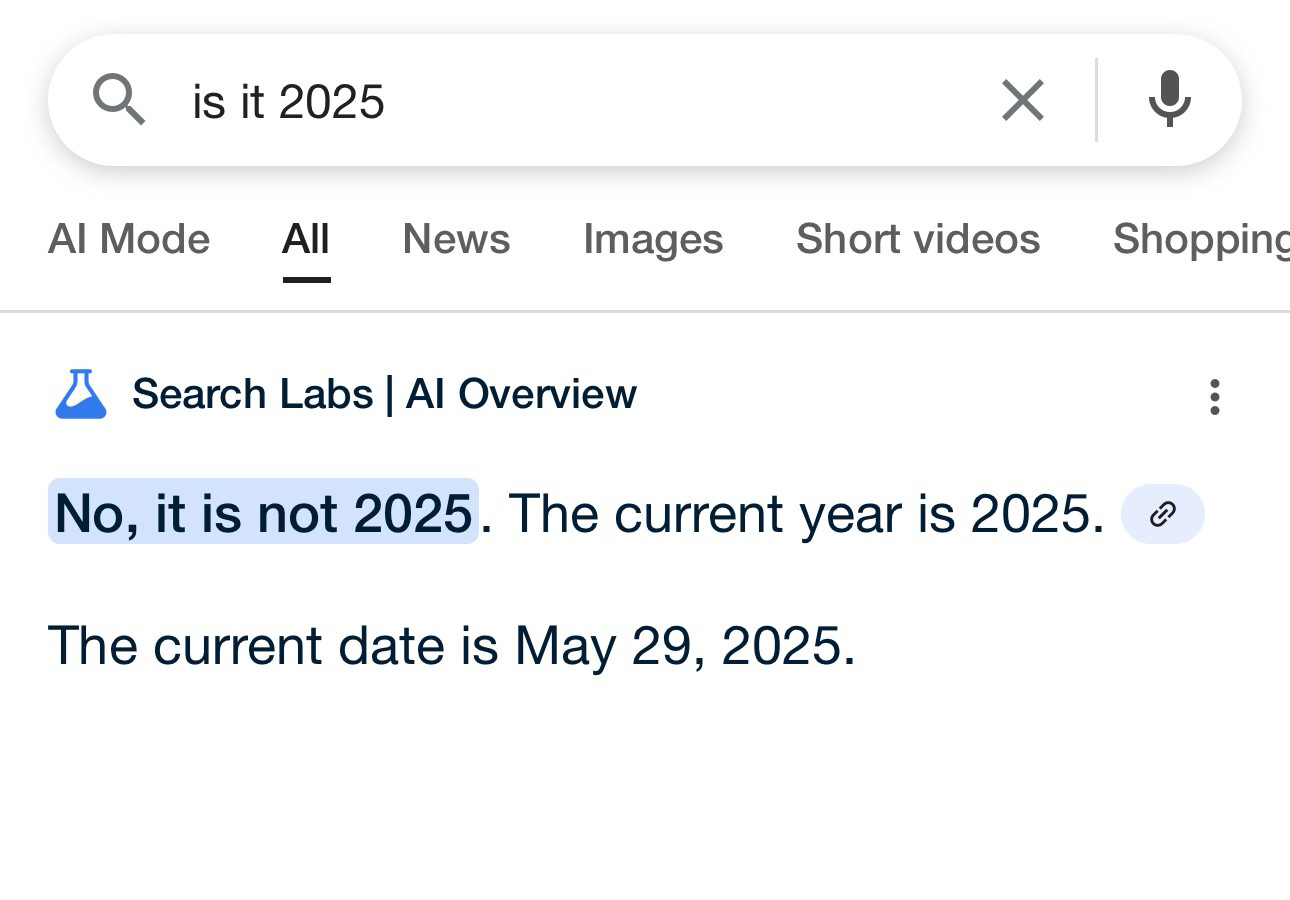
I noticed this, apparently genuine, screengrab circulating on social media:
Can it be? Can 2025 be just a dream and we’re really still in 2024? Did Trump not really get elected? More importantly, am I still on sabbatical? If so, why do I have a desk full of projects to grade? And why am I not in Barcelona?
I checked it myself and found this:
Someone at Google obviously tried to fix something by hand and didn’t entirely succeed.
Do you still think that AI isn’t a bubble waiting to burst?
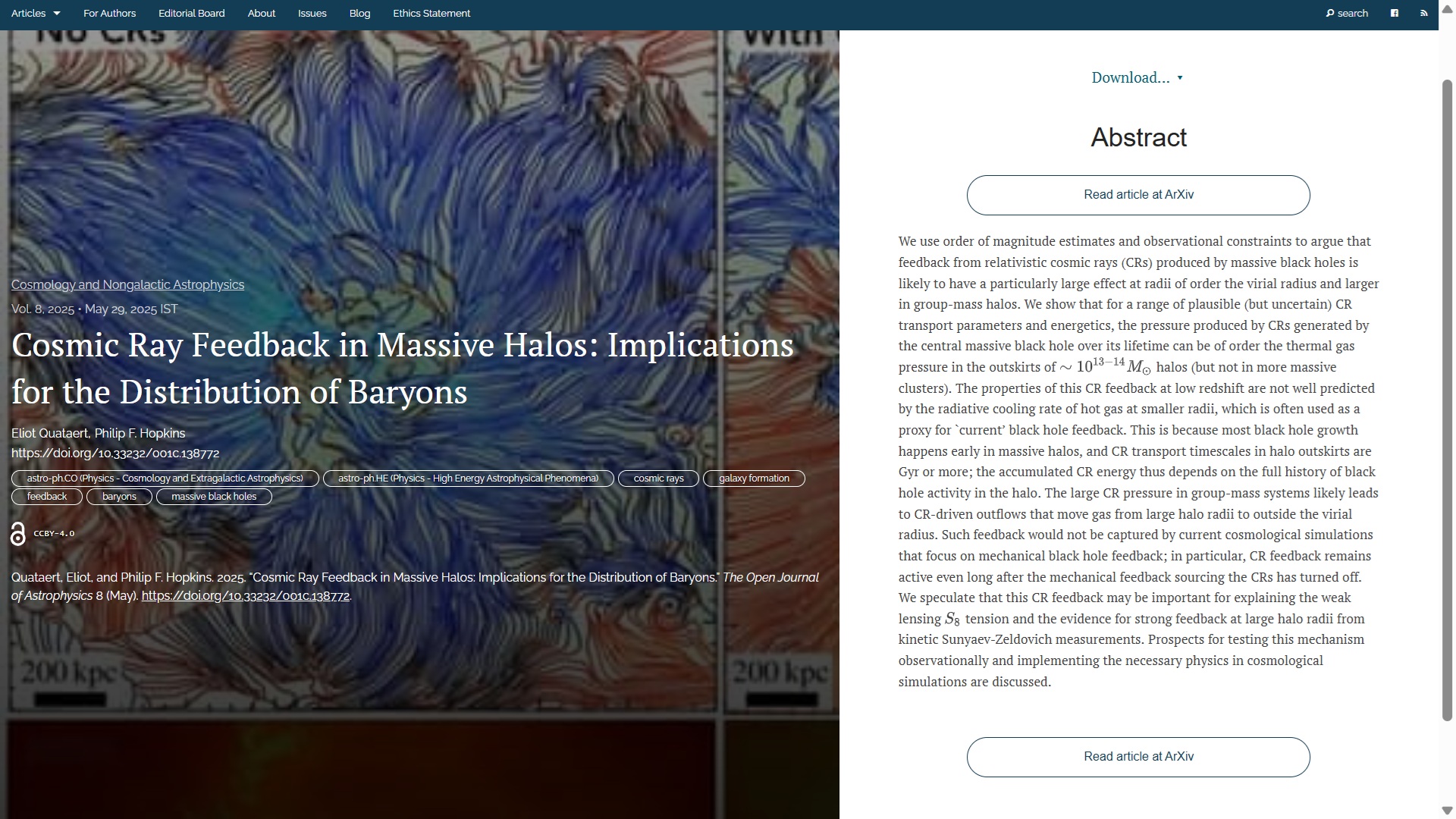
The authors are Eliot Quataert (Princeton, USA) and Philip F. Hopkins (Caltech, USA). We continue to have a large number of papers from authors based in the USA.
I published another two papers this morning and will include all the papers published this week (Including the 300th) in the usual weekly update on Saturday. Based on the 67 papers published so far this year and the activity in the OJAp worklow, I estimate we will publish at least 150 papers this year, which means we should reach the the 400 mark early next year.
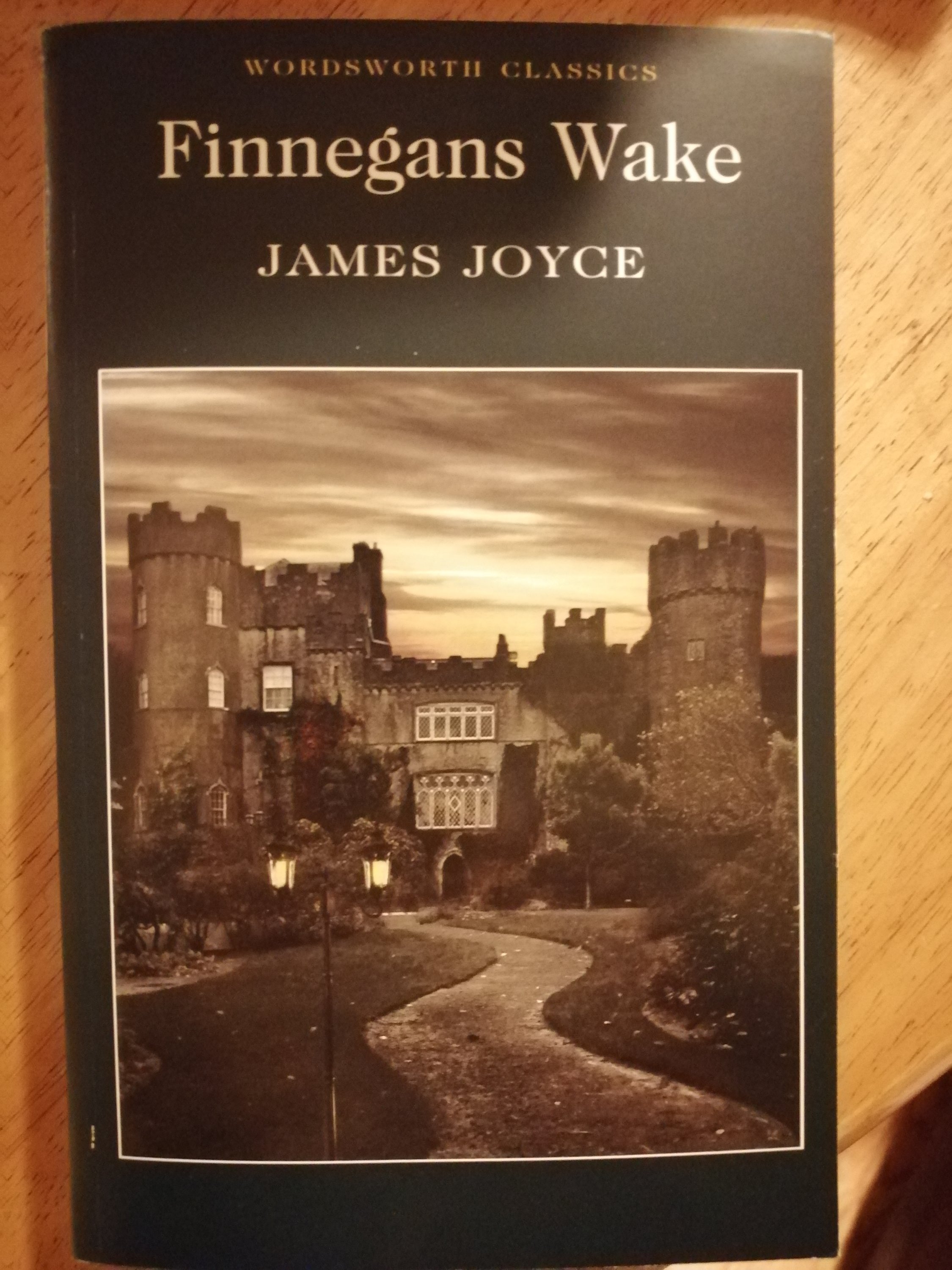
Taking a short break from examination duties I thought I would post this version of the song Finnegan’s Wake. It was first published in America in the mid-19th century, it is a ballad about the wake of a hod-carrier by the name of Tim Finnegan who is too fond of whiskey. One day, with a hangover, he falls off a ladder and dies. His wake gets a bit rowdy and eventually a bottle of whiskey is thrown over his body, which brings him miraculously back to life.
It’s been in my mind since I got talking at lunch with some colleagues a while ago about James Joyce‘s famous novel Finnegan’s Wake largely because of the connection with particle physics via the word “quark” and thence to the Arthurian legends; for more of that see here. Anyway, one of the people there knew the song on which Joyce based his book and proceeded to sing a few verses of it, much to the surprise of the people sitting around us.
The interesting thing about the title is that Joyce dropped the apostrophe so it is not really about the wake of Tim Finnegan but lots of Finnegans waking up. The implication is that, in a way, we’re all Tim Finnegan. That’s exactly the sort of play on words – or in this case play on punctuation – that Joyce revelled in and with which Finnegans Wake is peppered.
Another reason for posting this is for a chance to see the iconic beards of the Dubliners, especially lead singer Ronnie Drew. Enjoy!
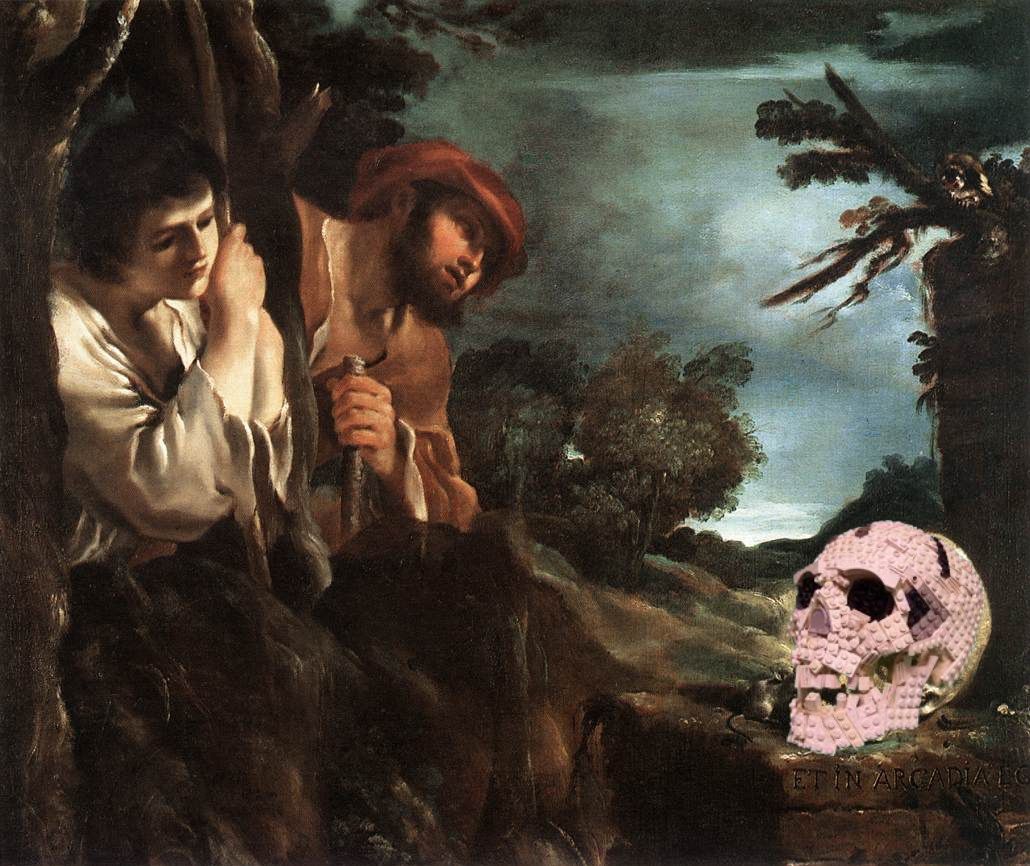
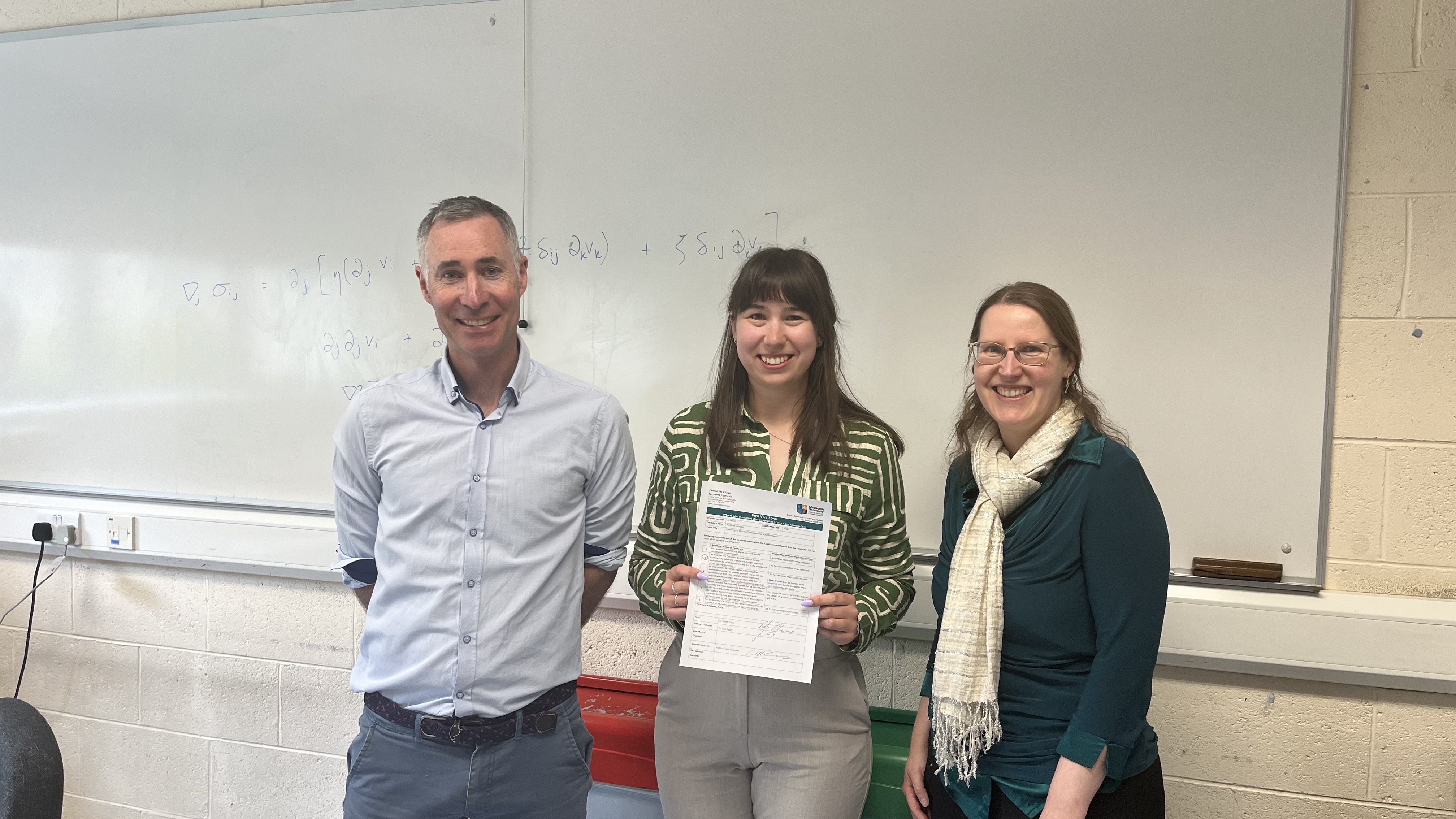
This week is off to a good start! This morning my postgraduate research student Aoibhinn Gallagher passed a viva voce examination on her thesis Cosmological Structure Formation Using Wave Mechanics. There will be a few formalities to deal with, some minor corrections to make, various forms to fill in, and the result has to be approved by the examination board, and so on, but basically that’s a job well done. Congratulations, Dr Gallagher!
Left to Right: Dr John Regan (internal examiner), Aoibhinn Gallagher (PhD candidate), and Prof. Cora Uhlemann (external examiner).
P.S. You can get an idea of some of the content of Aoibhinn’s thesis here.
The views presented here are personal and not necessarily those of my employer (or anyone else for that matter).
Feel free to comment on any of the posts on this blog but comments may be moderated; anonymous comments and any considered by me to be vexatious and/or abusive and/or defamatory will not be accepted. I do not necessarily endorse, support, sanction, encourage, verify or agree with the opinions or statements of any information or other content in the comments on this site and do not in any way guarantee their accuracy or reliability.


 In the Dark