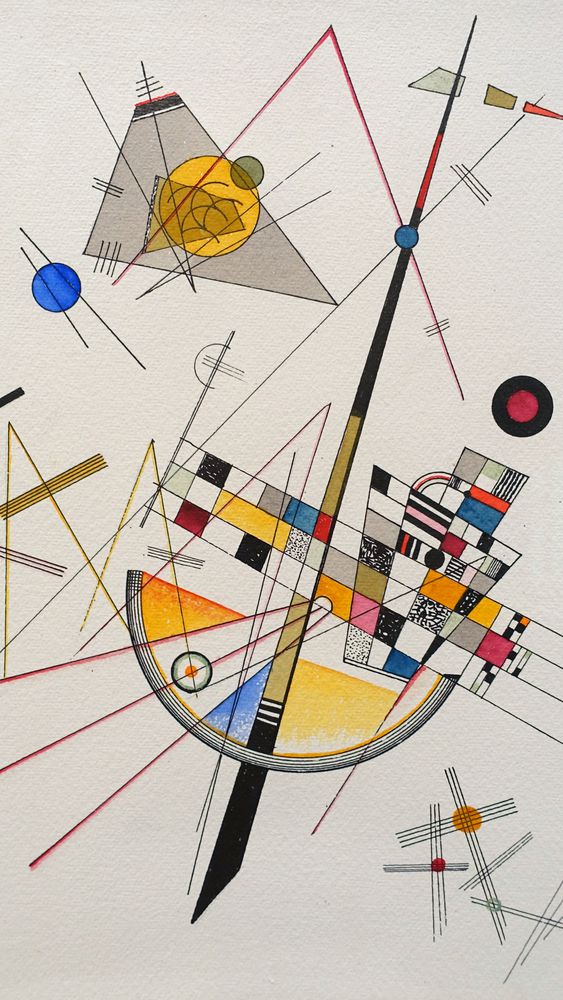
by Wassily Kandinsky (1923, watercolor and ink on paper, 35.5 x 25.2 cm, Museo Nacional Thyssen-Bornemisza, Madrid)
by Wassily Kandinsky (1923, watercolor and ink on paper, 35.5 x 25.2 cm, Museo Nacional Thyssen-Bornemisza, Madrid)
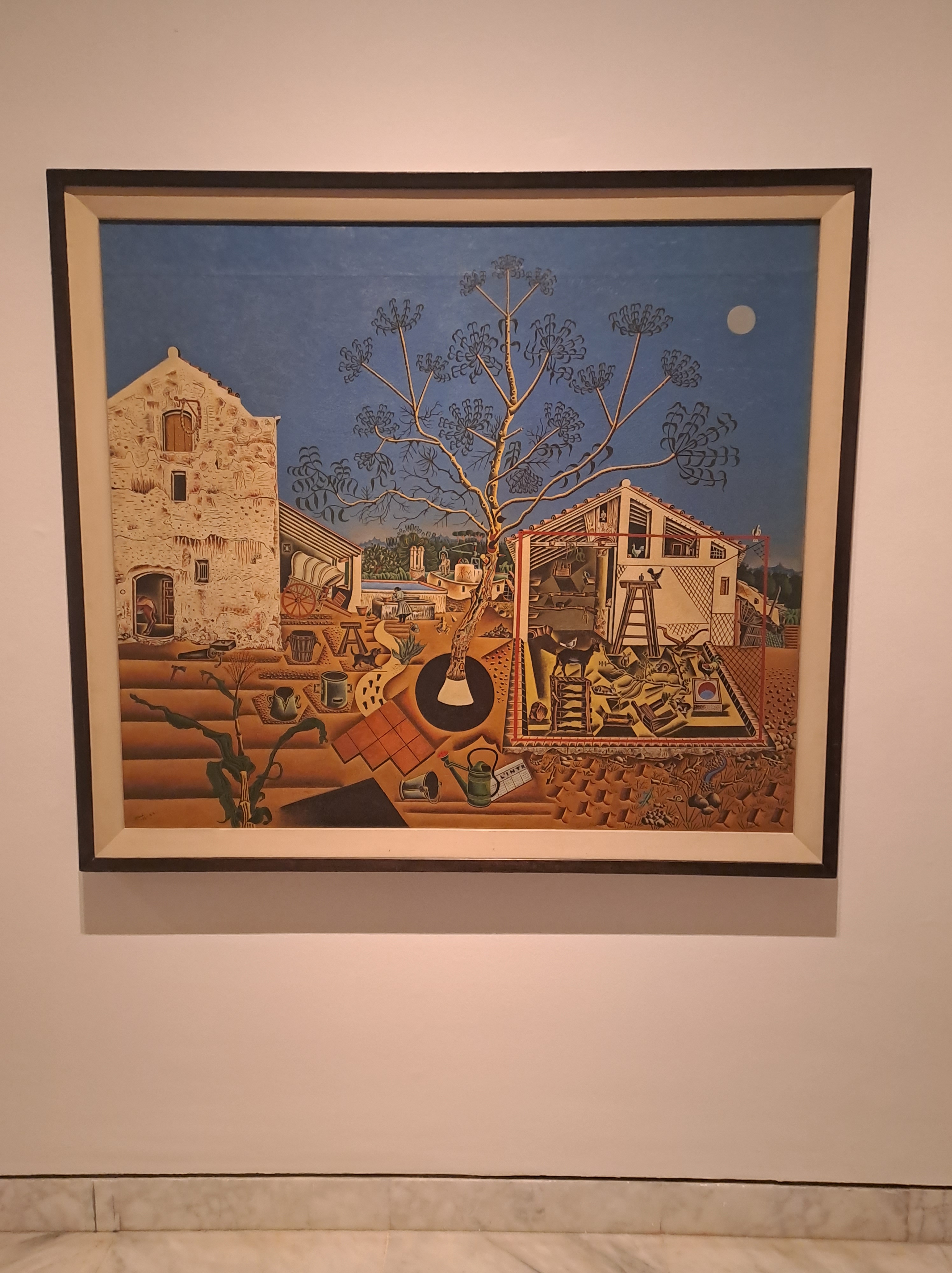
I was delighted to receive from a certain person an early Christmas gift in the form of tickets to the Museo Picasso in Barcelona. I took this morning off so that the two of us could visit the exhibition. As well as the permanent collection, including many early works of by Picasso, we saw a special exhibition juxtaposing works by Picasso and Joan Miró (who was a great admirer of Picasso). The influence of the former on the latter is very clear when you see the works together, though they remain stylistically very separate. This part of the exhibition is shared between the Museo Picasso and the La Fundación Joan Miró, which is a clever way of getting people to visit both museums. Some works by Miró included The Farm shown in the gallery below – have been moved to the Picasso Museum in the centre of Barcelona and some works by Picasso have been moved to Montjuic where the Miro Foundation is located; my visit there will have to wait until I return after the Christmas break.
The permanent collection in Museo Picasso seems like an exhibition of work by many different artists. It starts off with paintings and drawings he did while still a teenager (like the one I posted here), an art student, and then many works done when he had moved to Paris at the end of the 19th Century. These show him absorbing many influences and mastering many techniques before he found his own original approach. Most of paintings he made becoming famous are elsewhere, but there are examples of later work (including ceramics) in this gallery. The evolution of Picasso’s art is amazing to see.
Here is a selection of what can be seen
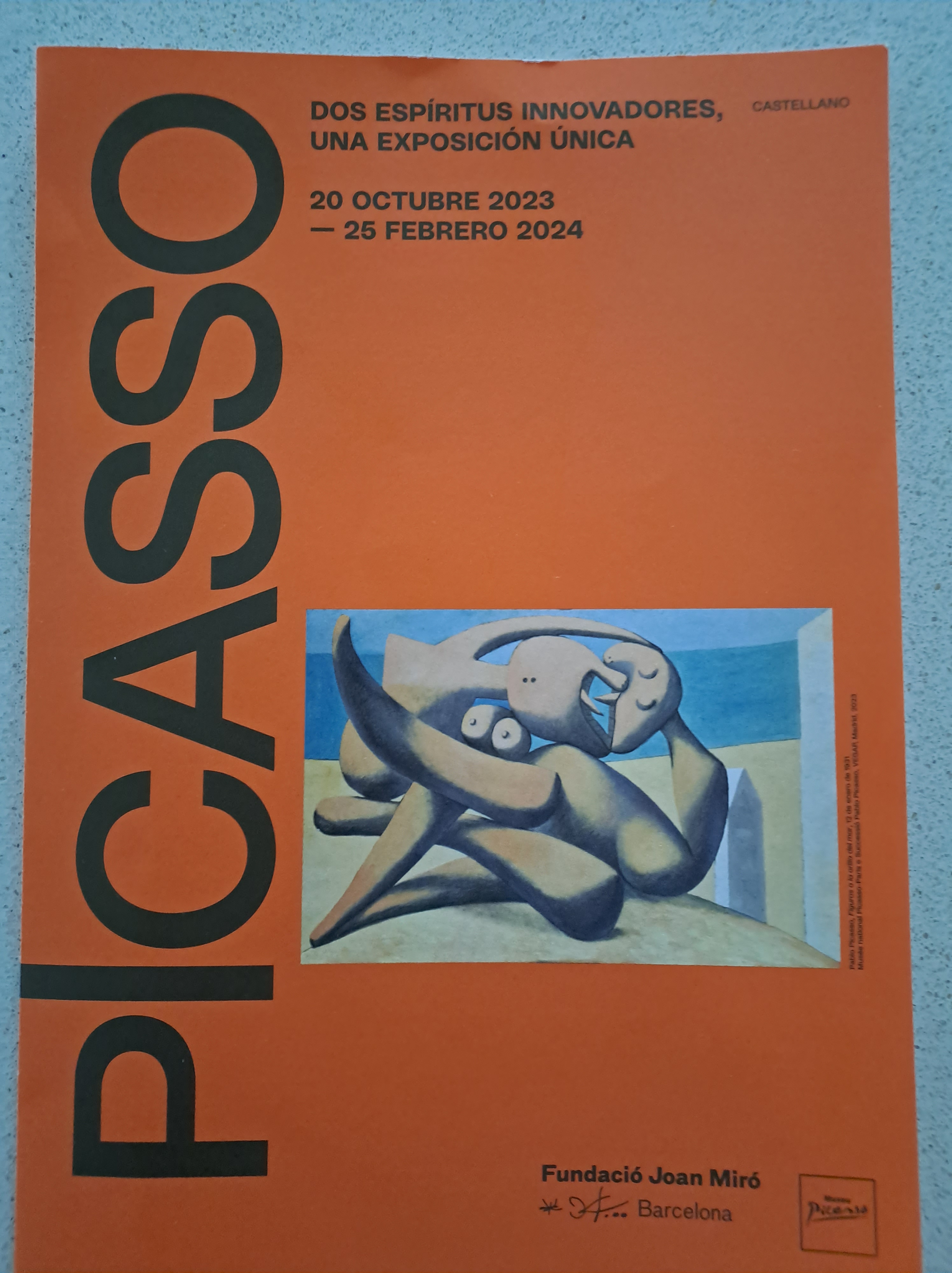


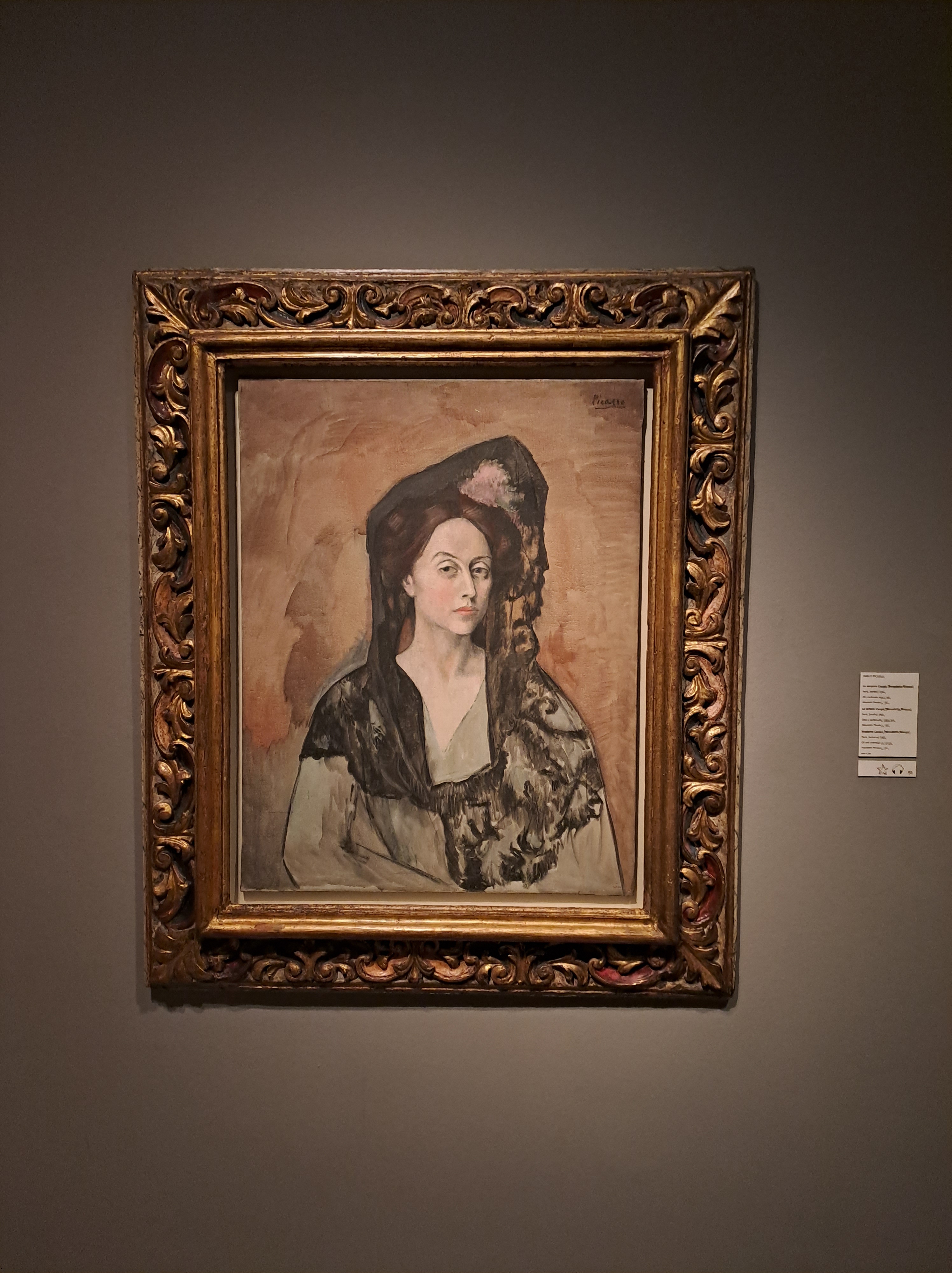

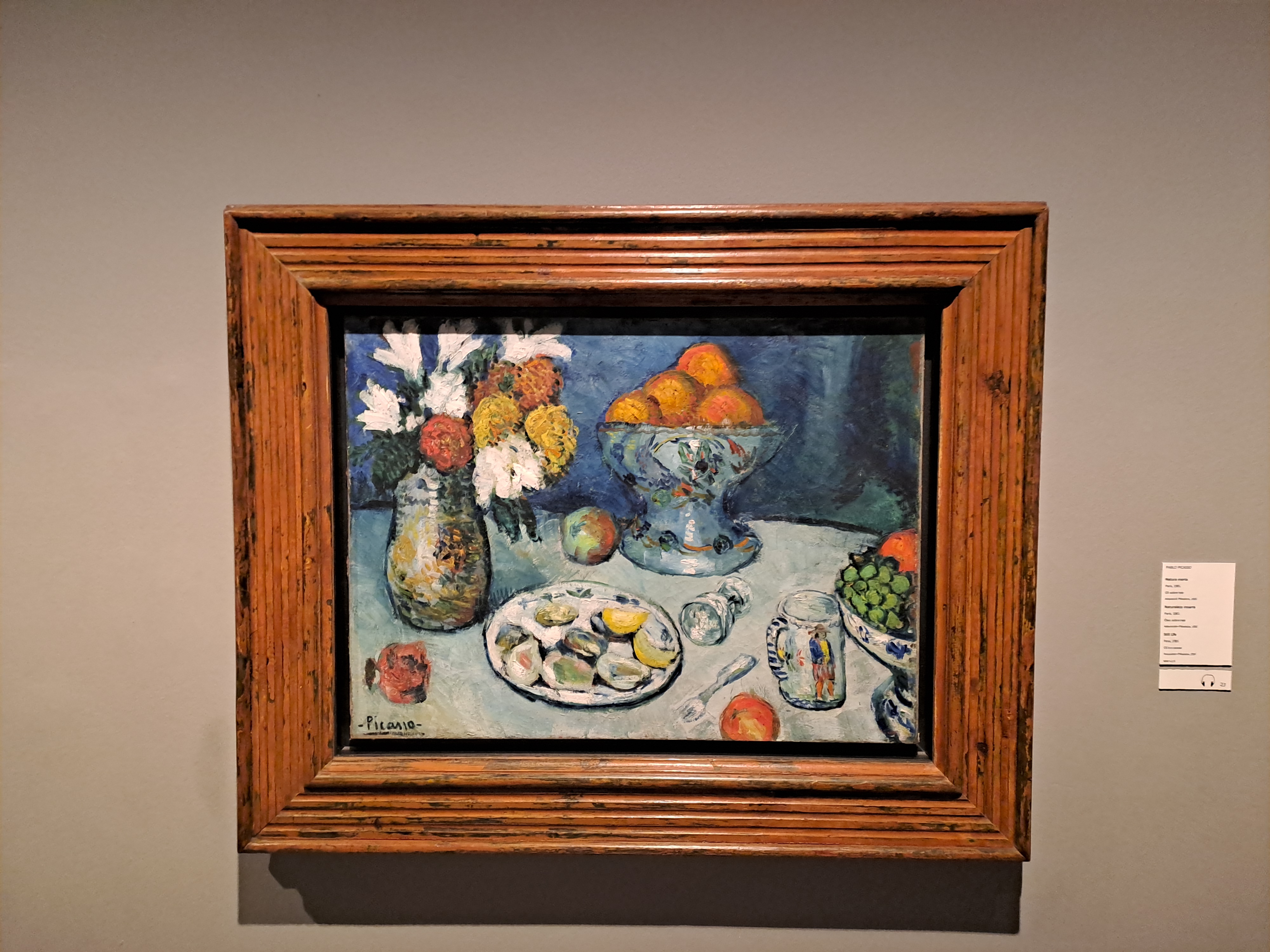

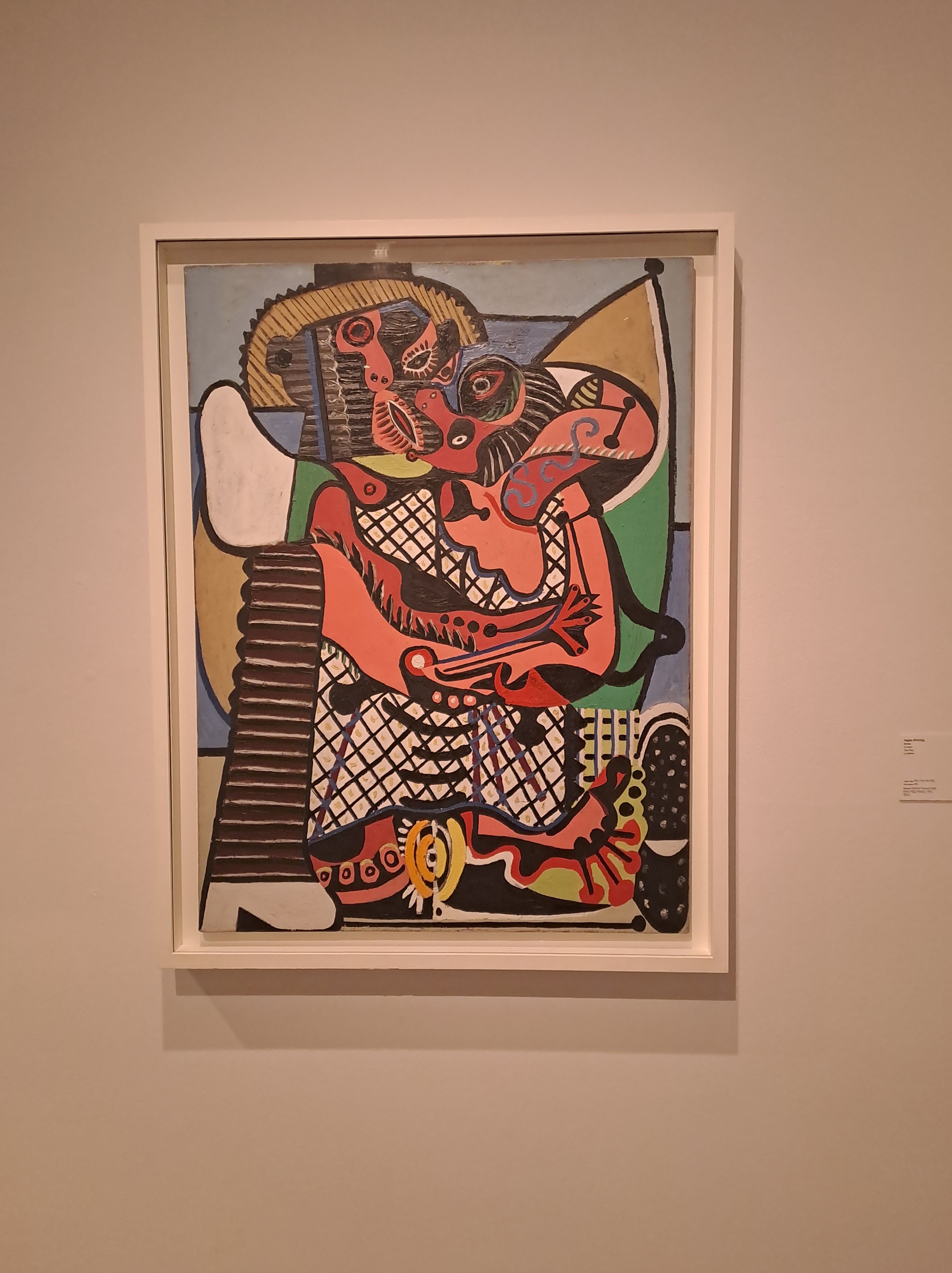
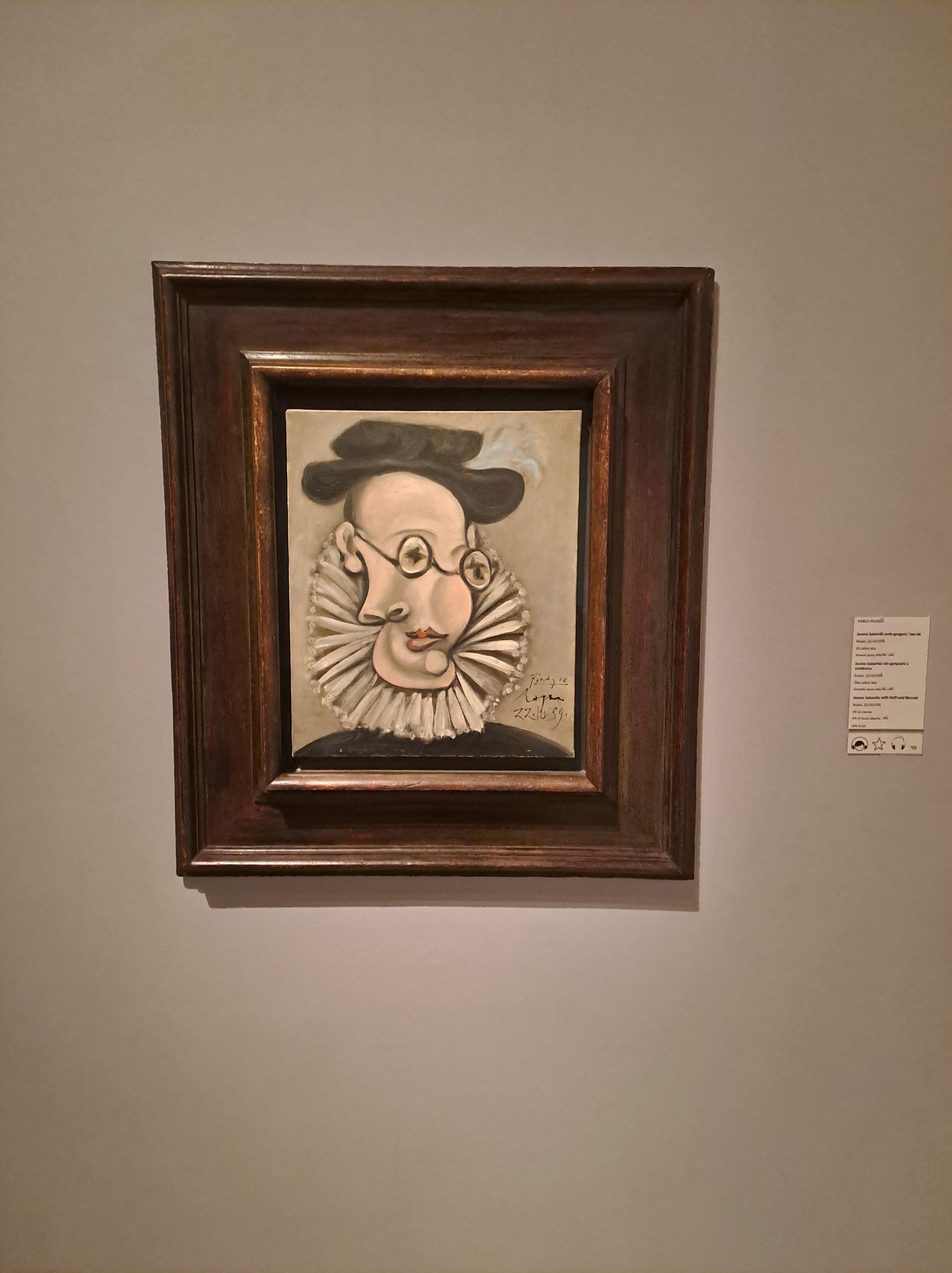

A visit to the Picasso Museum is a feast in itself but after almost three hours wandering around we had to leave to get lunch…
I was reminded at the weekend that Halley’s Comet has just passed its aphelion (furthest distance from the Sun) and is now falling back into the Solar System towards its next perihelion (closest distance to the Sun) in 2061, by which time I will almost certainly be retired.
Halley’s Comet last visited us in 1986 when I was 23 and living in Brighton. It will next appear in 2061, when I shall be 98 and lucky to be living at all.
This reminded me of a rather poignant cartoon I found a while ago on Facebook. I don’t know the name of the artist. If anyone does please let me know.

The comet’s orbital period of 75 years or so is brief by astronomical standards, as is the duration of a human life. As Quintus Horatius Flaccus (Horace to you and me) put it in one of his Odes (Book I, Ode 4, line 15):
Vitae summa brevis spem nos vetat incohare longam
Yesterday I suddenly realized that – apart from a couple of short trips elsewhere – I’ve now been in Barcelona for ten weeks. Among other things, that means that in just less than three weeks I’ll be leaving for a Christmas break. The lease on my apartment expires in Friday 22nd December; when I return I’ll be moving into a new place.
Another thing I noticed yesterday was that it was noticeably colder than it has been of late. Between Saturday and Sunday the peak daytime temperature fell by about 7 degrees. That’s not surprising. It is, after all, December and there has been cold weather across Europe – including heavy snow in Germany – but it’s the first time I’ve felt remotely chilly here since I arrived. It’s not actually cold, like in Ireland where it is freezing today.
Unfortunately this little cold-ish snap has caused my arthritis to flare up. It seems to respond to changes in temperature rather than absolute values. I was struggling so much yesterday that I decided I had to do something about it. The drugs I have used in the past are only available on prescription so I had to find a doctor to prescribe them. Fortunately the management company responsible for the apartment I am in has a list of recommended doctors, so first thing this morning I visited one. The consultation was free with my EHIC card. He filled out a prescription and I took it to a pharmacy. Prescription drugs are not free in Spain, but the prices are heavily regulated and you get a discount with an EHIC card. And so it came to pass that I got 60 tablets of Vimovo, which should keep me going for a while, for just less than €15.
This, my 11th week in Barcelona will be quite an unusual one because it contains two public holidays. December 6th (Wednesday) is Constitution Day in Spain (Día de la Constitución) and is a national public holiday. It marks the anniversary of the 1978 Referendum in which the Spanish people approved the current Spanish Constitution. December 8th is the Day of the Immaculate Conception, or Dia de la Inmaculada Concepcion, which is also a public holiday. Only very recently was it explained to me that the person conceived immaculately was the Virgin Mary, and it refers to the fact that she was born without original sin. I myself have plenty of sins, but am not sure how many of them are original.

Anyway, many people here take 7th December off work as a “bridge” between the two official holidays, which means this year a (very) long weekend, lasting from Wednesday 6th to Sunday 10th. The University will be closed on Wednesday and Friday. While it is officially open on Thursday, there are no classes on that day and I don’t think there’ll be many people around. I’ll be working at home for that period, but will have to remember to stock up on things to eat as most shops are closed on public holidays. Most bars and restaurants remain open, though, so I could dine out instead…
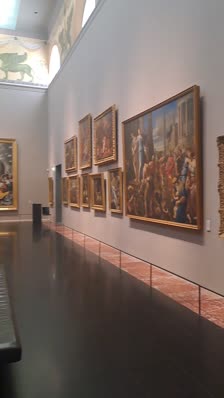
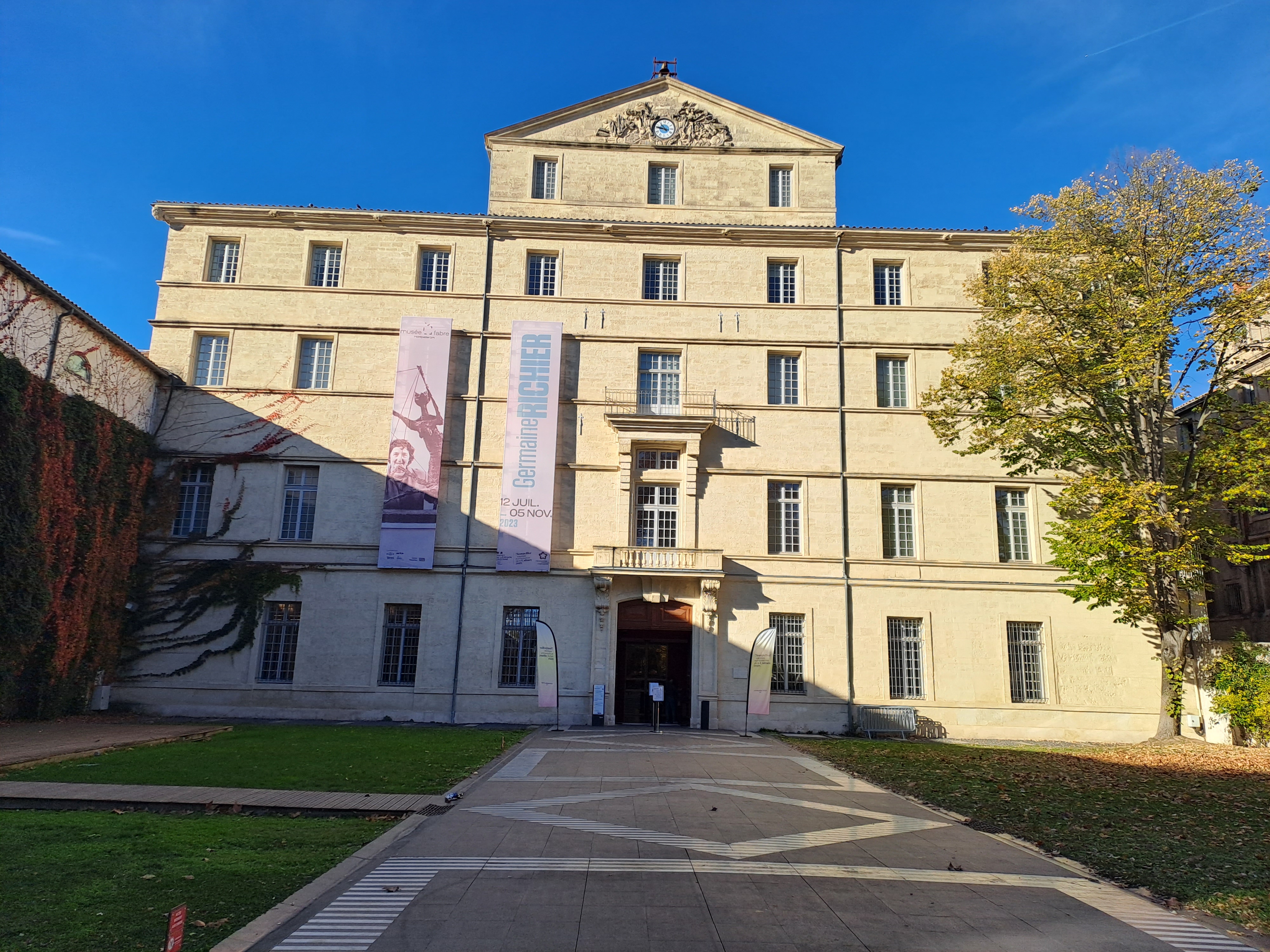
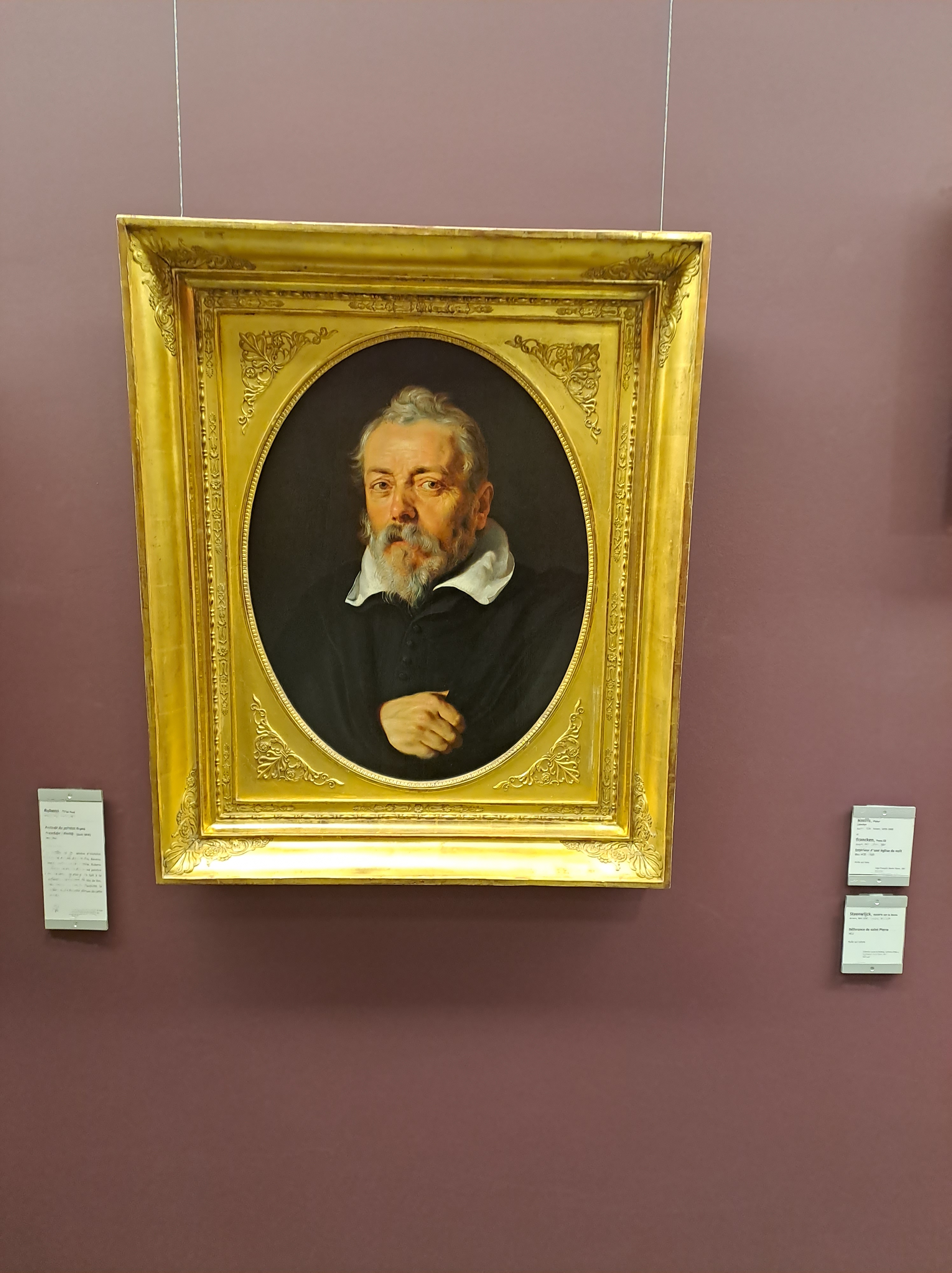
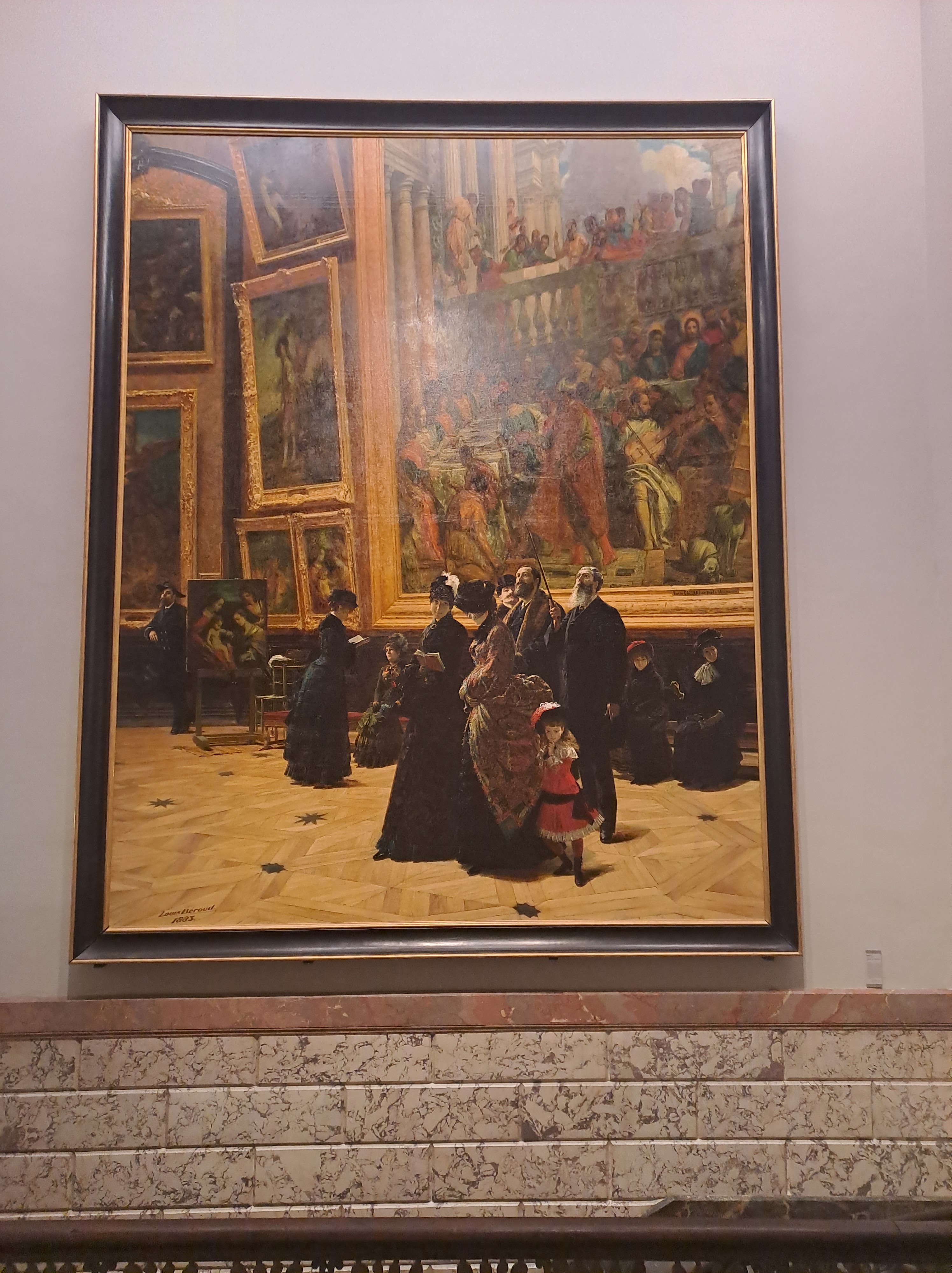
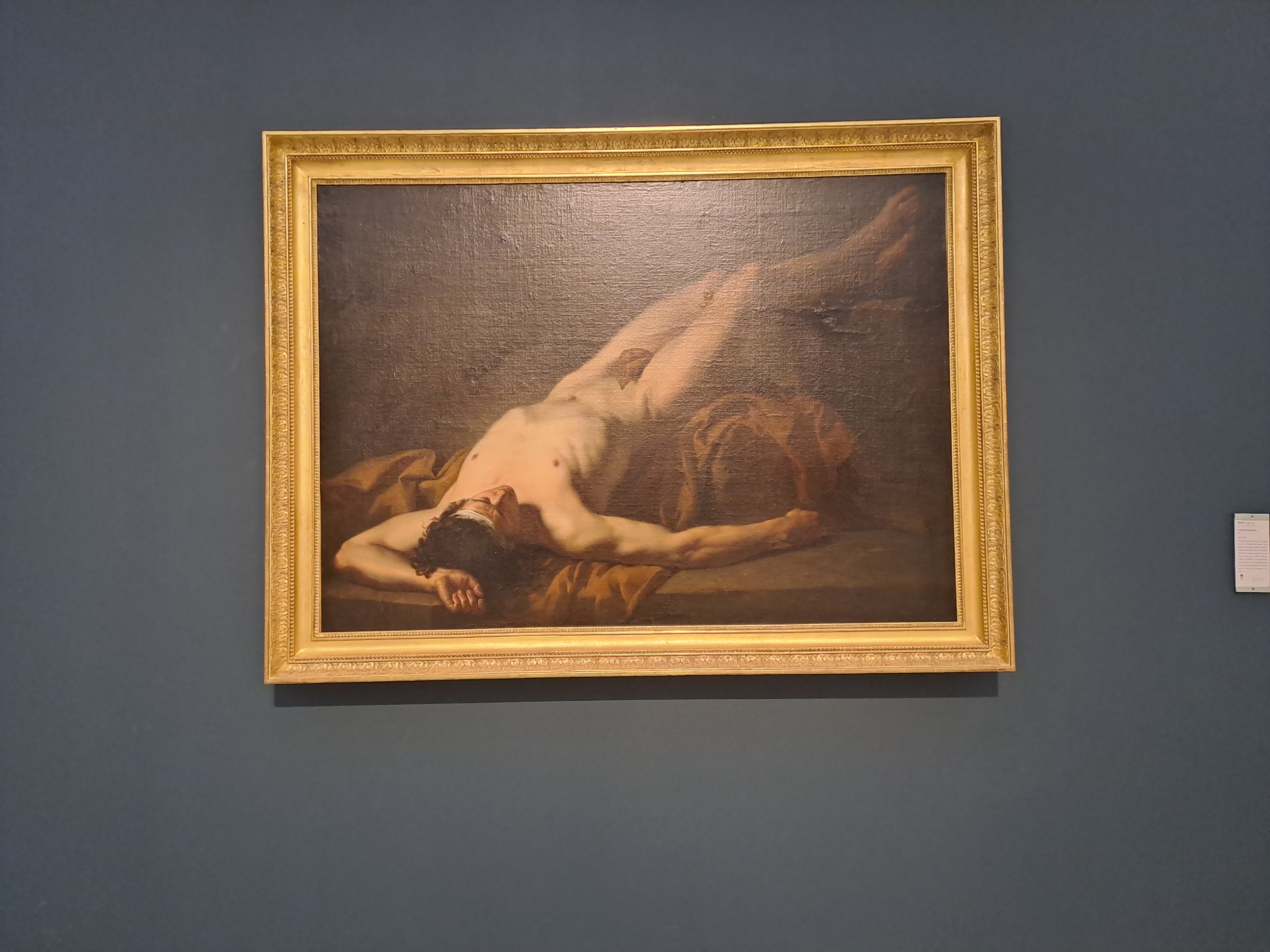
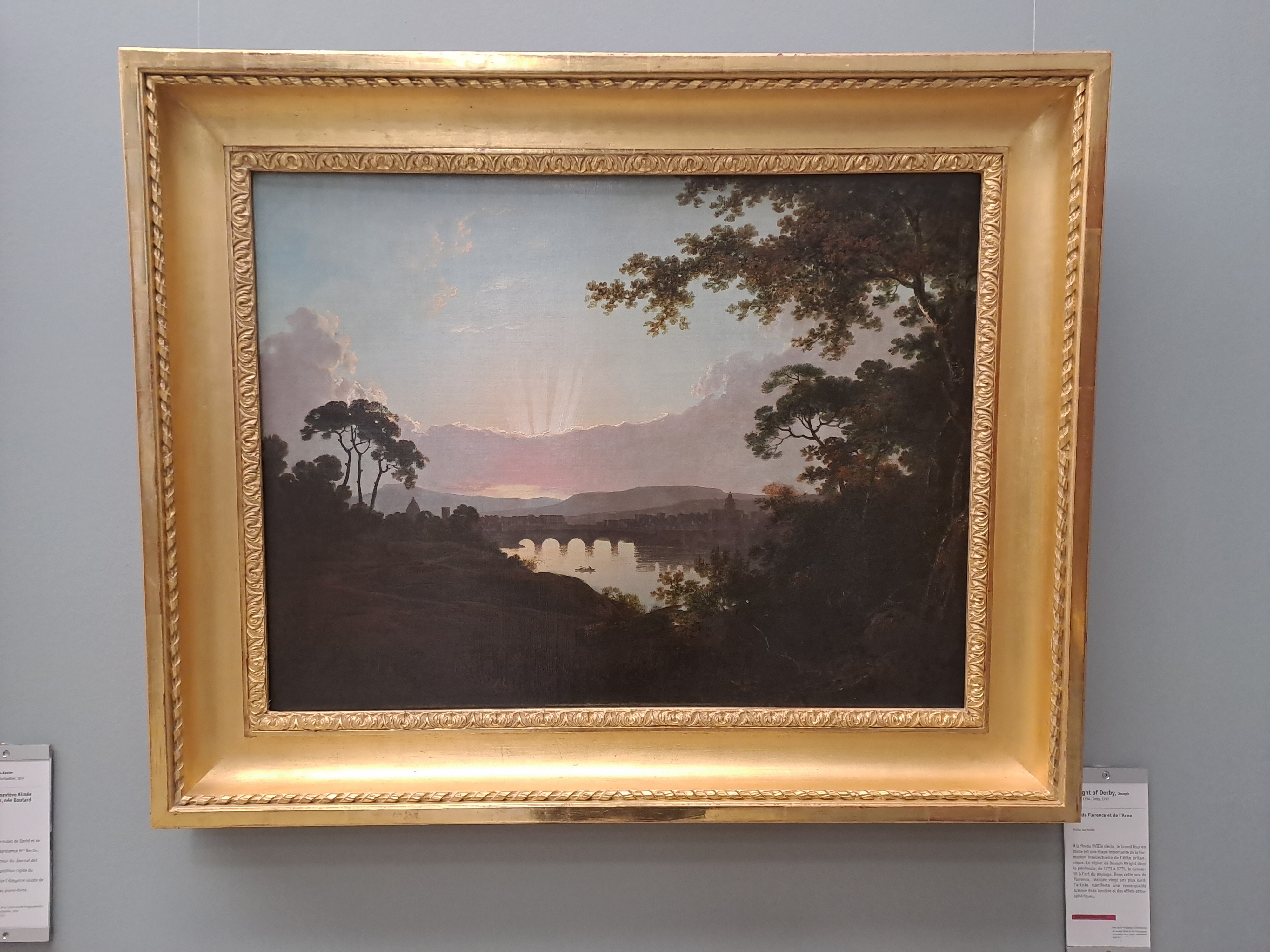
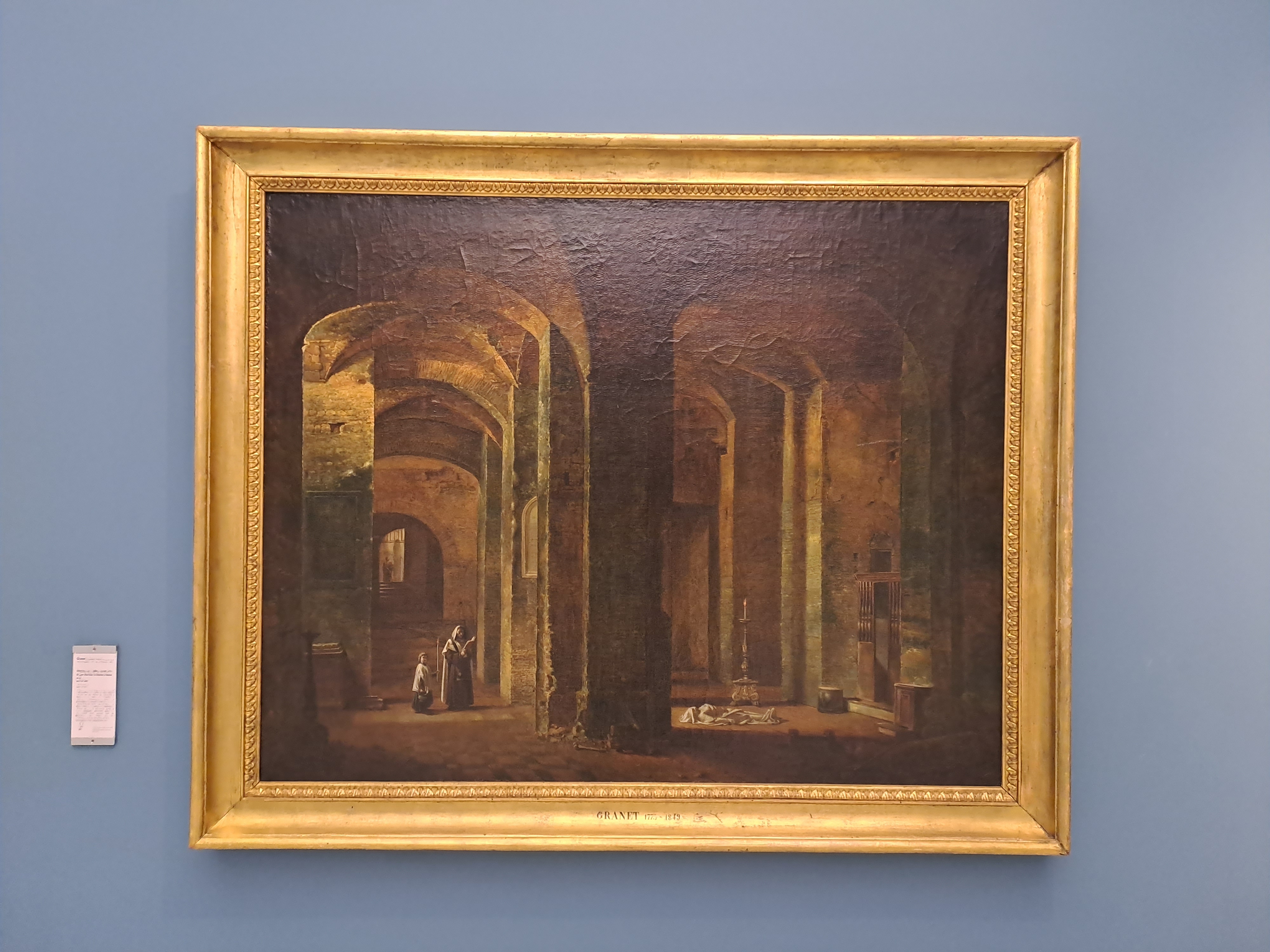
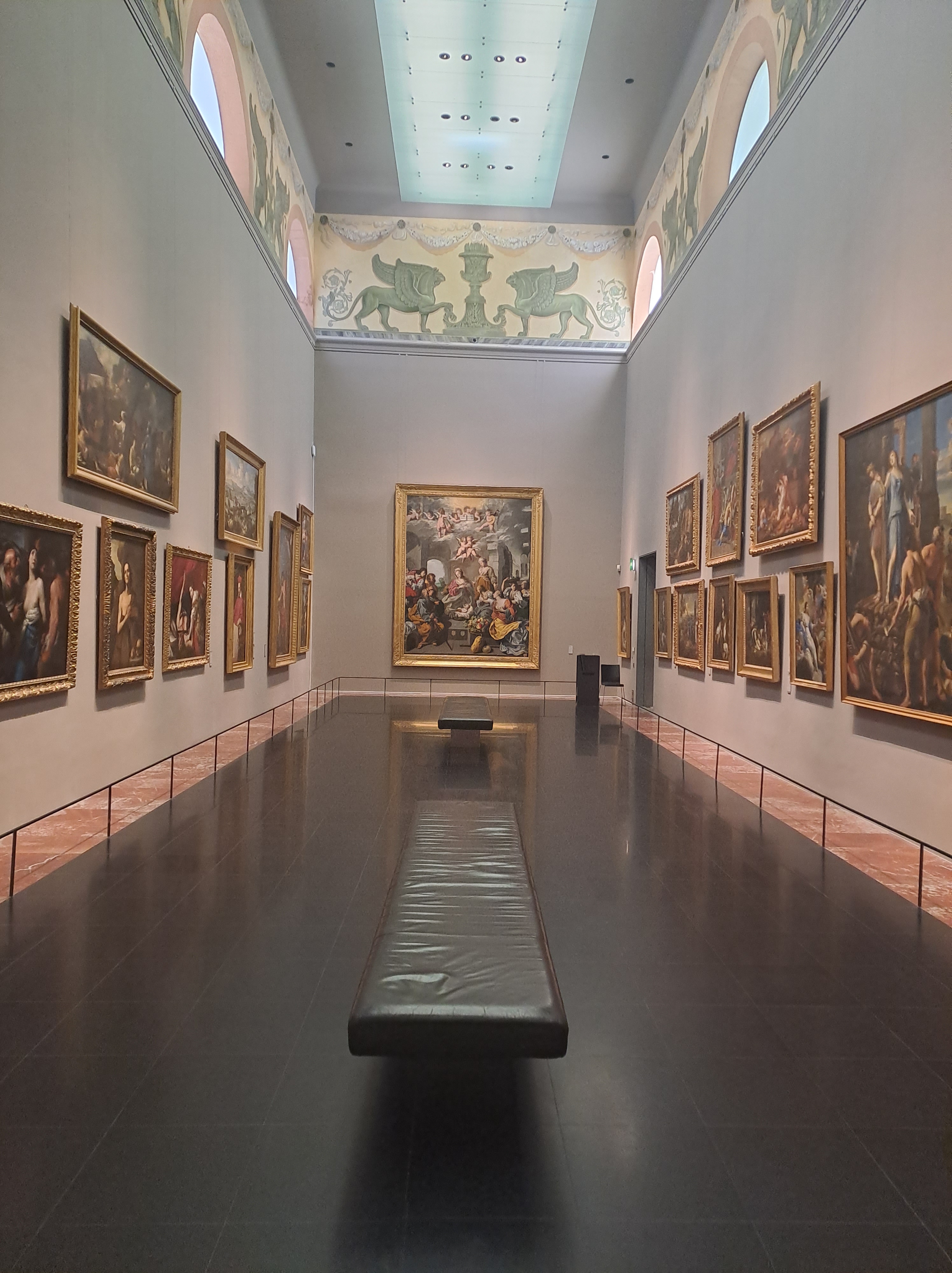
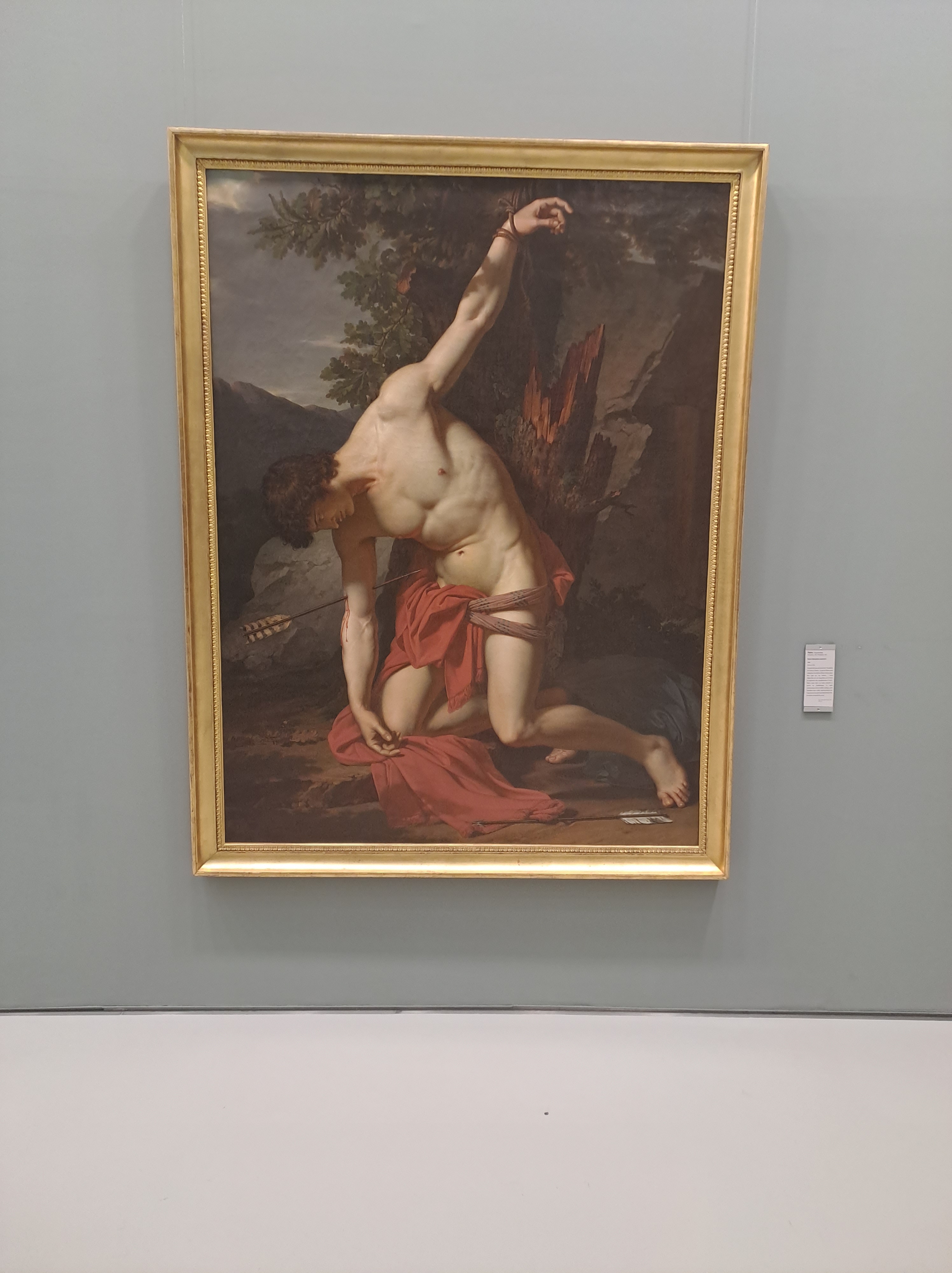
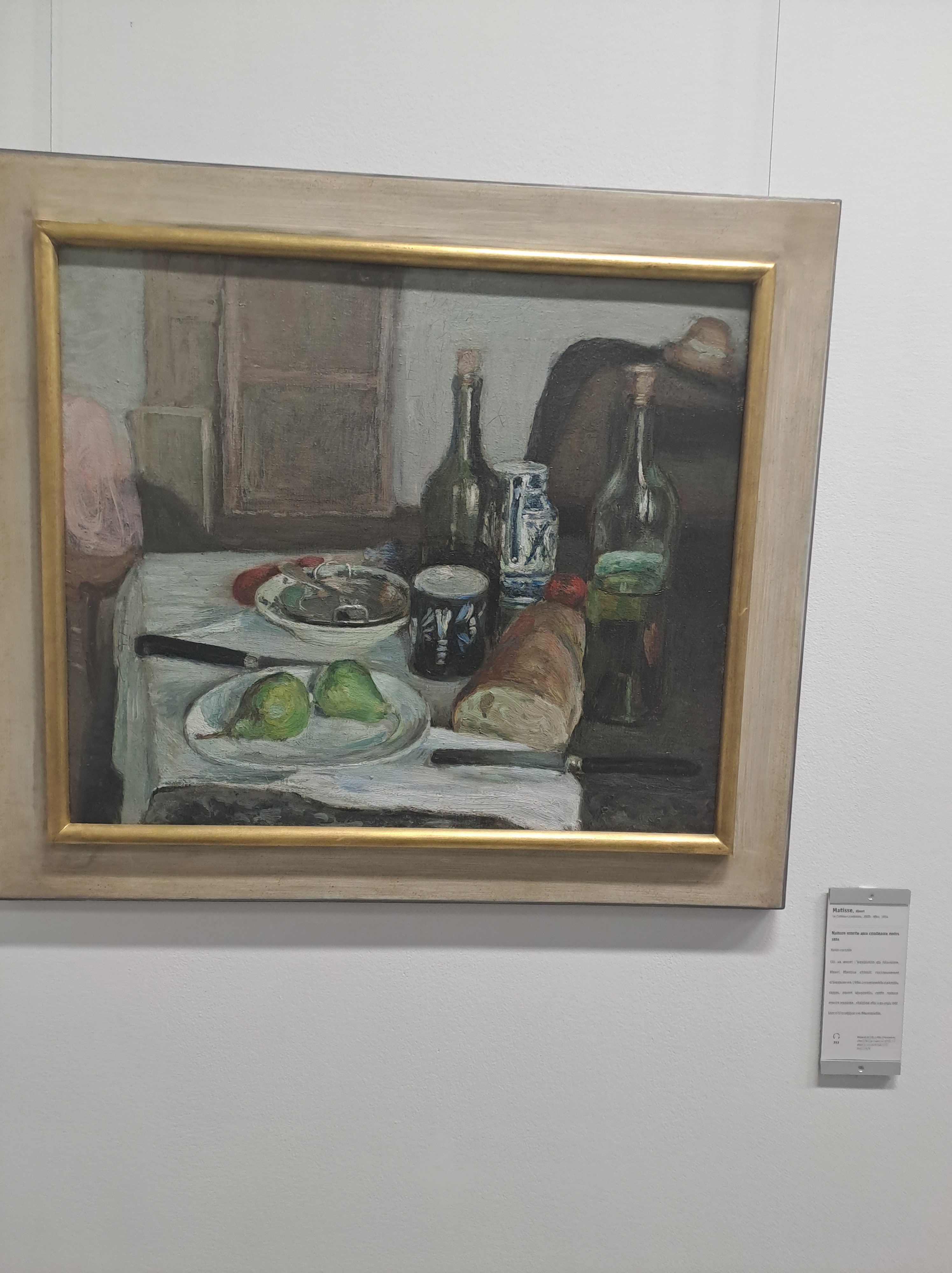
I spent several hours today wandering around the excellent Musée Fabre; for a little flavour of the place, see the little video I took in one of the rooms here. The largest part of the collection is French art, particularly from the 16th to 19th century, although there are also quite a few rooms dedicated to “northern” paintings, principally of Flemish origin. The gallery was founded by François-Xavier Fabre (1766-1837) who was born and died in Montpellier but spent most of his productive life as an artist in Italy (especially Florence). Fabre gave most of his own paintings to start the gallery, and there are many of examples of his work here, but many of his contemporaries are represented too, as well as earlier French artists such as Nicolas Poussin, and later ones such as Henri Matisse. Among the non-French artists are Peter-Paul Rubens, Joshua Reynolds and Thomas Wright of Derby, to name but a few.
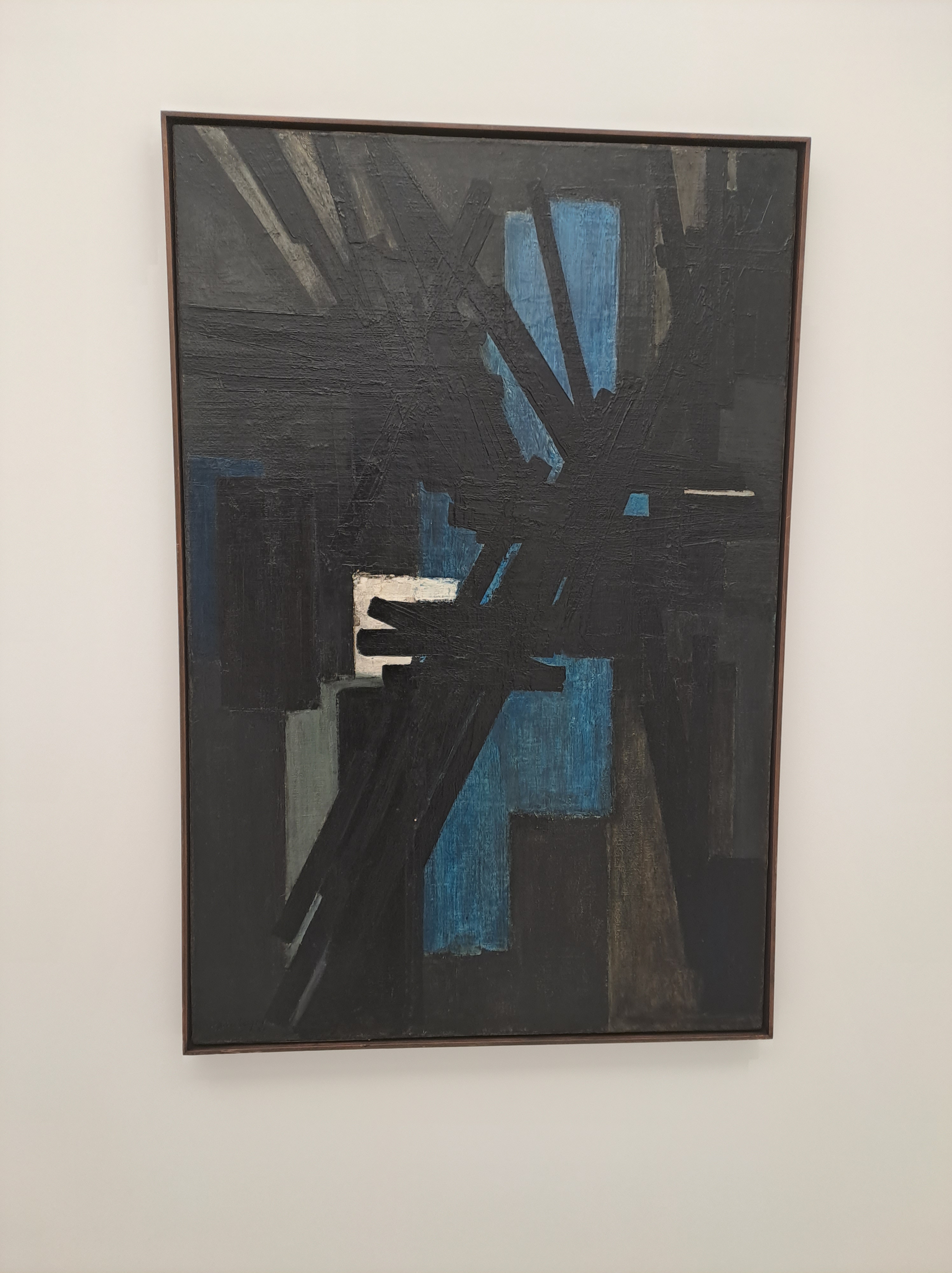
The permanent collection is accompanied by an exhibition of modern art by Pierre Soulages, who passed away last year, and who specialized in sombre abstracts which make quite a contrast with the permanent collection.
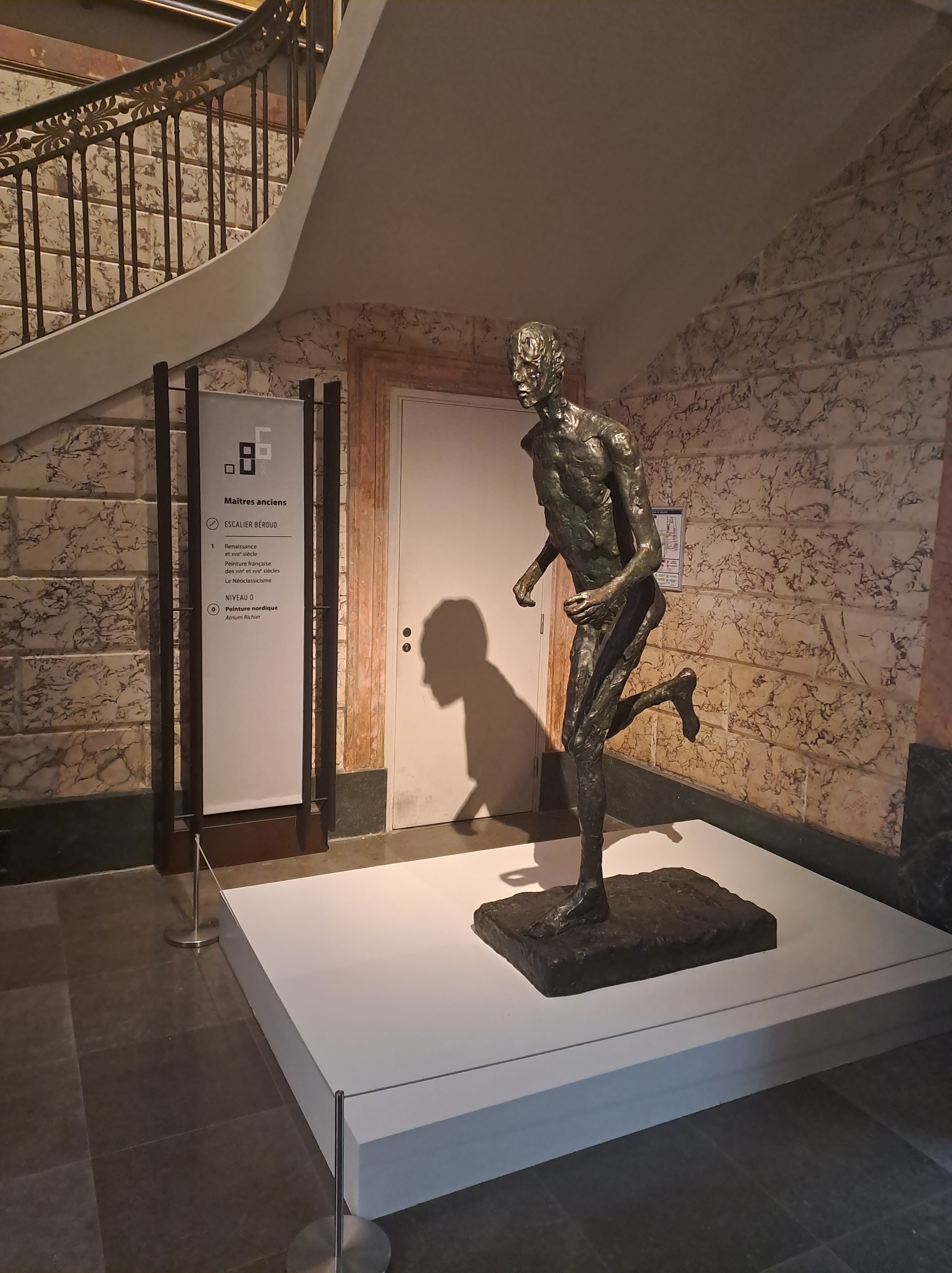
Anyway, here is a gallery of random pictures I took. If you click on the image it will tell you who the artist was: the one by Soulages is obvious; the very fine bronze sculpture is Le Coureur (1955) by Germaine Richier, an retrospective of her work finished earlier this month (as you can see from the banner in the first picture). Check out the little boy in the very sepulchral scene depicting a vigil for the dead, who is looking at the viewer as if to say “What are you doing here?”
Having a lazy Saturday morning before going out to do some shopping I thought I’d do a silly post about a few random things that struck me about Barcelona. As I have mentioned before, I am resident in area of the city known as Eixample. Most of this zone was built in the 19th and early 20th centuries and its layout was very carefully planned, as you can see from this aerial picture:

I initially thought that the name Eixample related to the exemplary nature of the area, but in fact it means something like “extension”; the “ample” has a similar sense to the English “ample”.
To orient yourself, the Sagrada Familia is towards the bottom left. In the middle of the top you can see Plaza de Cataluña. Near that there is a junction of two wide tree-lined roads; the one running from SW to NE (relative to the picture) is the Gran Via de les Corts Catalanes (which is actually 8 miles long altogether); the one perpendicular to the Gran Via is Passeig de Gràcia. My apartment is a few blocks SW of this junction. You can see to the top left how the pattern of streets changes, as you approach the older part of town, the harbour and the sea.
Anyway, the street plan of Eixample is generally rectangular but if you look carefully you will note that the footprint of the blocks is not quite rectangular; the corners are shaved off to make them octagonal. This is a very nice feature because it means that visibility around the corners is very good and there is a lot of pavement space near the entrances. Many of these buildings now have a bar or restaurant on the ground floor and there is plenty of room for seated areas. Above all, combined with the wide boulevard-type roads, this gives this densely-populated area a much less claustrophobic feel than other cities with rectilinear street layouts, such as New York. Note also that each block encloses a communal space which contains private gardens, play areas, etc, though some appear to have been built over especially.
The road passing diagonally through the picture is called, um, Avenida Diagonal. It plays a rather similar role to Broadway in Manhattan.
As well as A. Diagonal, Barcelona has A. Parallel. In Spanish this is called Avenida del Paralelo; in Catalan it is Avinguda del Paral·lel. The signs on the Metro are all in Catalan so the one on the Metro station on this road says Paral·lel. I was puzzled for some time by the dot between the two letters “l” but it’s quite straightforward. In Catalan (and Spanish) the diagraph “ll” (which used to be listed a separate letter of the alphabet) is pronounced like the English letter “y”, e.g. in paella and amontillado. The dot in Paral·lel is there to indicate that it’s not the letter “ll” in the middle but two letters “l” next to each other and is pronounced para-lel rather than para-yel. The Spanish word “Paralelo” avoids this problem by simply dropping an “l”.
Now it’s nearly time to get ready to go out. The temperature here has fallen noticeably over the last few weeks. It was around 15° last week with a stiff westerly breeze. That was enough to persuade some of the locals to put on their winter coats, scarves and woolly hats although to me it still felt warm when in the sun. Today is about 19° C. The cooler weather makes it far less sweaty and much more pleasant to walk about. It’s also noticeable that there are fewer tourists around, which has two advantages: (a) one’s mean free path between people is longer and (b) it’s much easier to get into places of interest. I hope to ramp up my visits to museums and art galleries between now and Christmas.
After a brief sojourn in not-Barcelona, I’m about to start the trip back. I have a busy week ahead so I hope the journey is relatively stress-free. I’ll be making another trip in a few weeks to a different part of not-Barcelona and I really need to finish a couple of things before then.
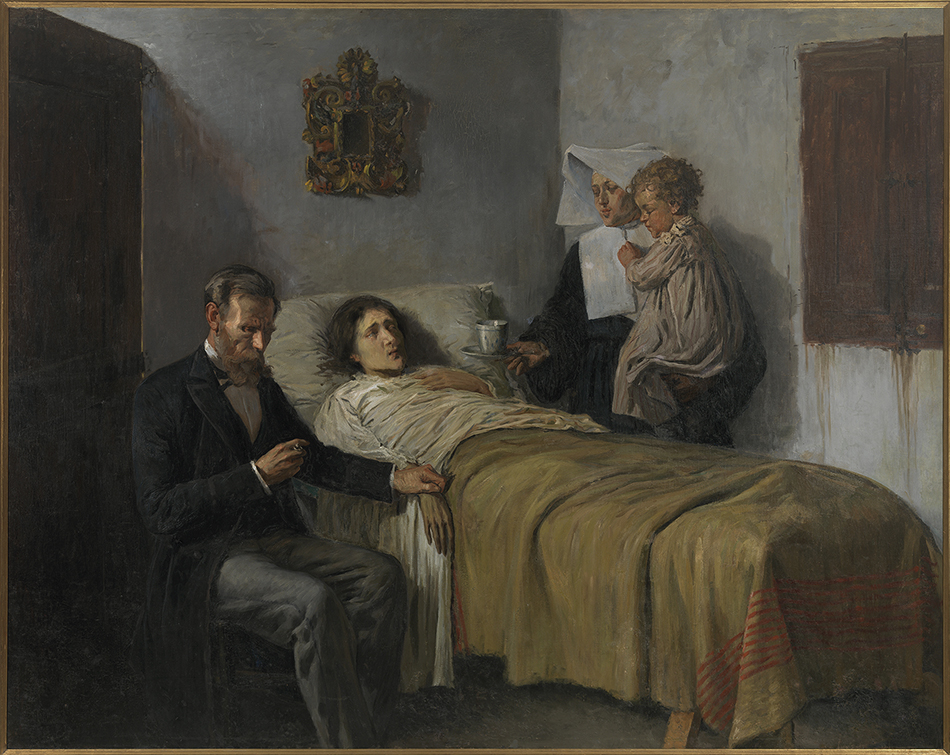
Anyway, lacking the time for a longer post, I thought I’d post a little art quiz. Without googling, or any other form of cheating, can you identify the artist who painted this:
I’ll post the answer when I get back to Barcelona.
UPDATE 1: the journey wasn’t bad at all. My plane was a bit late but the arrivals process at Barcelona was super-efficient and I walked straight out of the Terminal building and onto the excellent Aerobus which took me to Plaça de Catalunya, which is a five-minute walk from my apartment. As I expected, it’s quite a lot warmer in Barcelona than in not-Barcelona.
UPDATE 2: The painting is called Science and Charity and it is attributed to Pablo Ruiz Picasso (although his father José Ruiz -also a painter – may have helped him. In any case, Picasso was only about 15 years old when he painted it. I don’t think it’s a really great painting – the composition looks a bit stiff and contrived to me – but it is interesting to see the young Picasso experimenting in a style that could be describe as social realism and which is very far from his later work. Incidentally, Picasso signed his early work Pablo Ruiz, but his signature subsequently evolved to Pablo Ruiz Picasso to Pablo R Picasso to Pablo Picasso and finally to Picasso. People have wondered why he did that, but it’s probably just because he wanted to be distinctive: Ruiz is a fairly common name in Spain whereas Picasso is not.
My attention was drawn today to a paper in the journal Research Policy. It’s an Elsevier journal so the article is behind a paywall, and the methodology looks very dodgy, but the abstract is worth reading for amusement value (the emphasis is mine):
Universities hold a prominent role in knowledge creation through research and education. In this study, we examine the effects of VC narcissism on university performance. We measure VC narcissism based on the size of the signature, in line with a methodological approach which has been widely used in the recent literature and repeatedly validated in laboratory experiments. We exploit a quasi-natural experiment of VC changes and employ a Difference-in-Difference research design, which alleviates concerns related to endogeneity and identification bias. We show that the appointment of a highly narcissistic VC leads to an overall deterioration in research and teaching performance and concomitantly league table performance. We further identify excessive financial risk taking and empire-building as possible mechanisms explaining the main results and provide evidence on the moderating role of university governance. Our findings are consistent with the view that narcissism is one of the most prominent traits of destructive leadership; they also have practical implications for leadership recruitment and the monitoring of leadership practices in the higher education sector. The results of this study extend prior research in several ways. Extant literature on executive leadership and narcissism yields inconclusive findings; this literature has mainly focused on for-profit organisations and has not considered universities. In addition, prior research in higher education on the determinants of university performance has not yet examined the role of leadership personality traits.
https://doi.org/10.1016/j.respol.2023.104901
I chose the title of this post – an allusion to a famous painting by Salvador Dalí that plays with the themes of hallucination and delusion – reading a sentence in the introduction to the paper:
Over the past few years the complexity and challenges of running a higher education institution have changed beyond recognition.
In other news, I am dismayed that, because of my absence from campus on sabbatical, I am unable to attend today’s long-awaited launch event for the brand new Maynooth University Strategic Plan (which will be accompanied by a protest by postgraduate students at Maynooth about low stipends and poor working conditions). The latter seems to me to be of far greater importance to the future of the University than the former.
I think I’ve settled in pretty well now. I went for a longish walk this morning and didn’t once have to use Google Maps to find out where I was! It’s a bit cooler today (although still 25°C) so a bit more comfortable walking around. Temperatures are forecast to drop to about 21°C tomorrow, and there’s even a forecast for rain. I might even change out of my shorts!
I’ve been here almost three weeks now, and in my apartment for one. It does feel like I’ve been here longer, actually, but I suppose that’s because so many nice and interesting things have happened.
Anyway, on my way around I dropped in at Come In, a very good English-language bookshop. You can see how good it is by the quality of the books it sells…
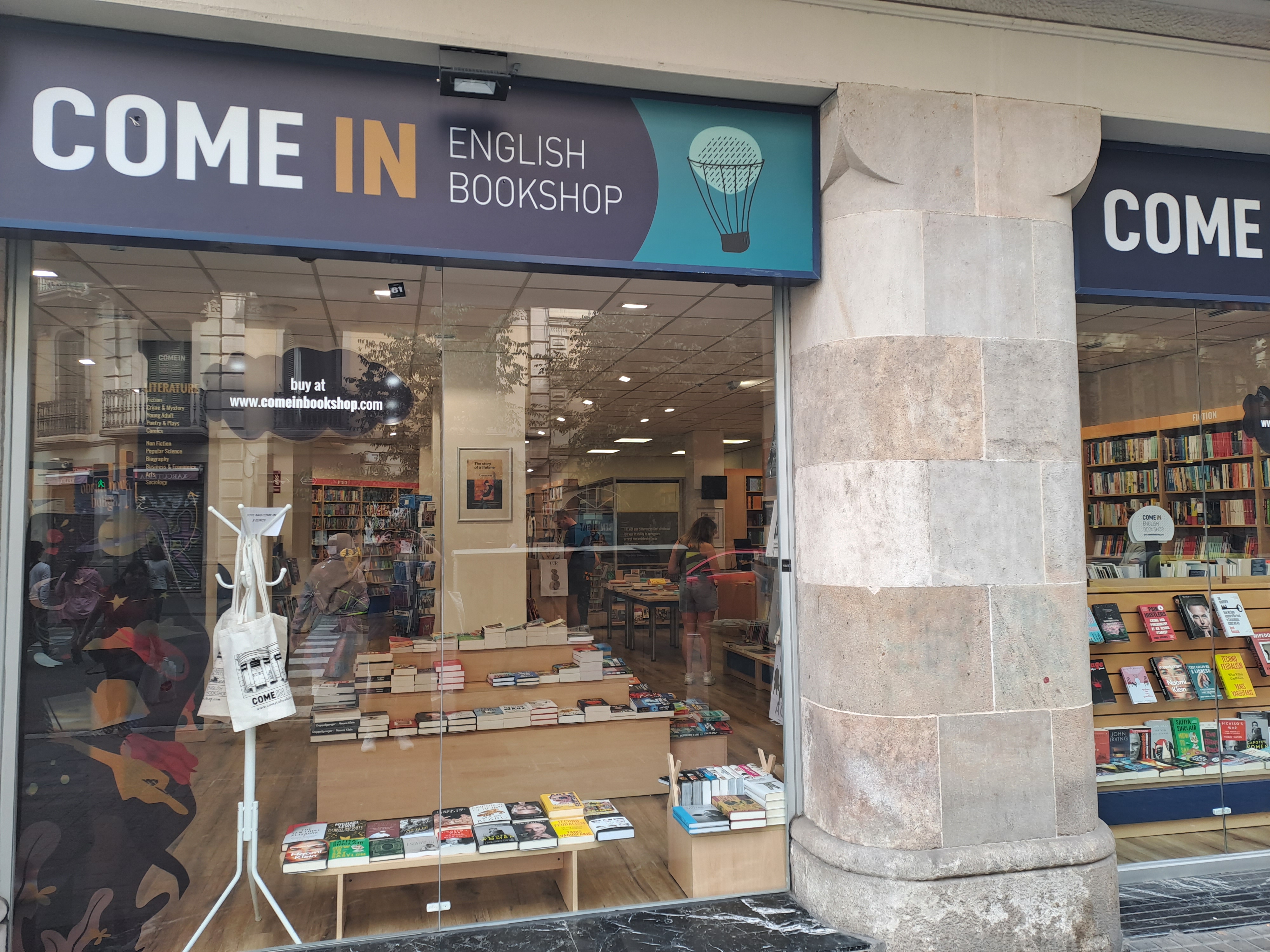
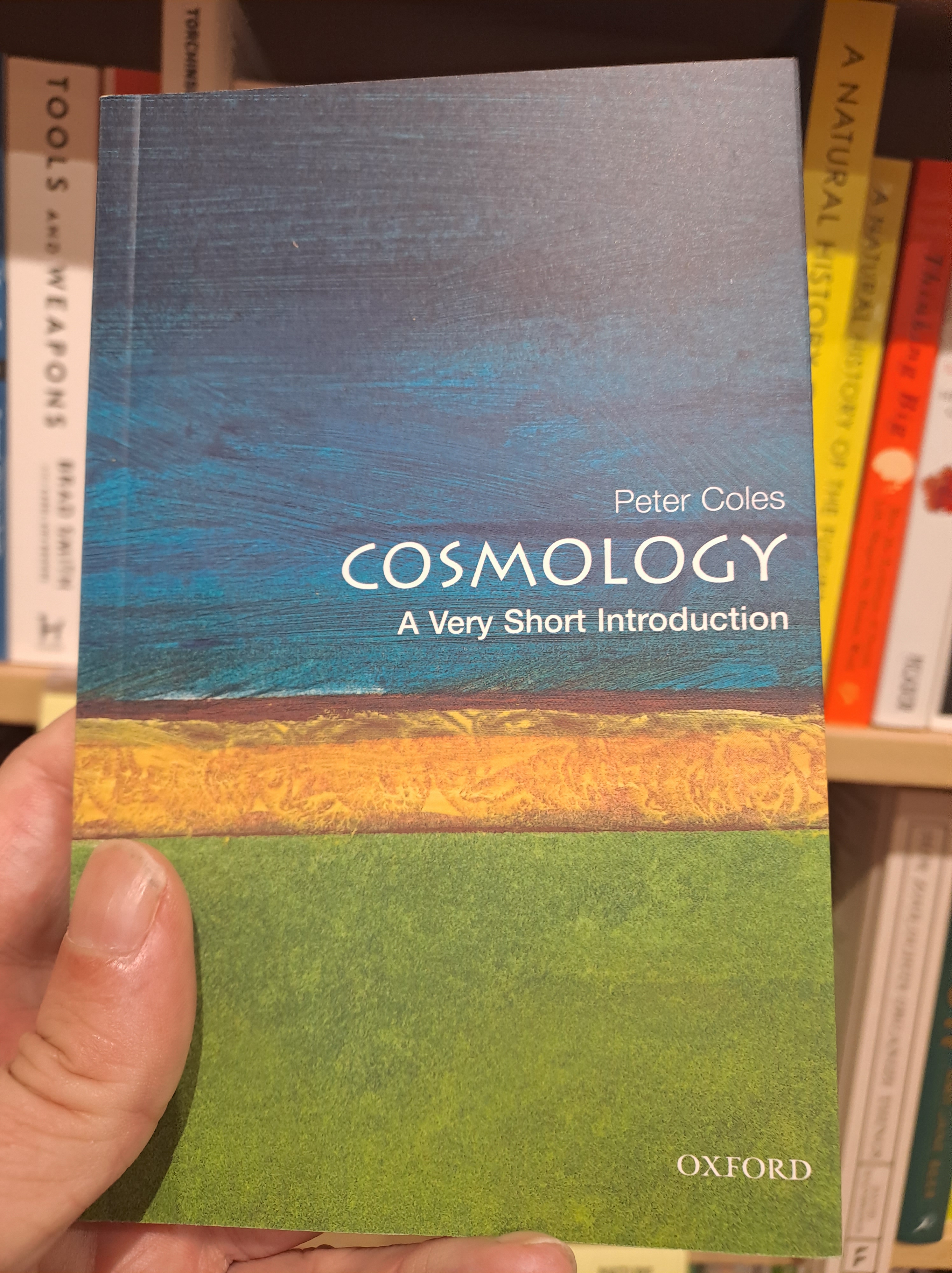
It has a very wide range: new books and classics, fiction and non-fiction, and books for children. I suspect quite a few of its sales are to students of English, as well as tourists and migrants such as myself. It’s definitely worth a visit if you’re here. The staff are very friendly and helpful too. I bought a couple of items there, of which more anon.
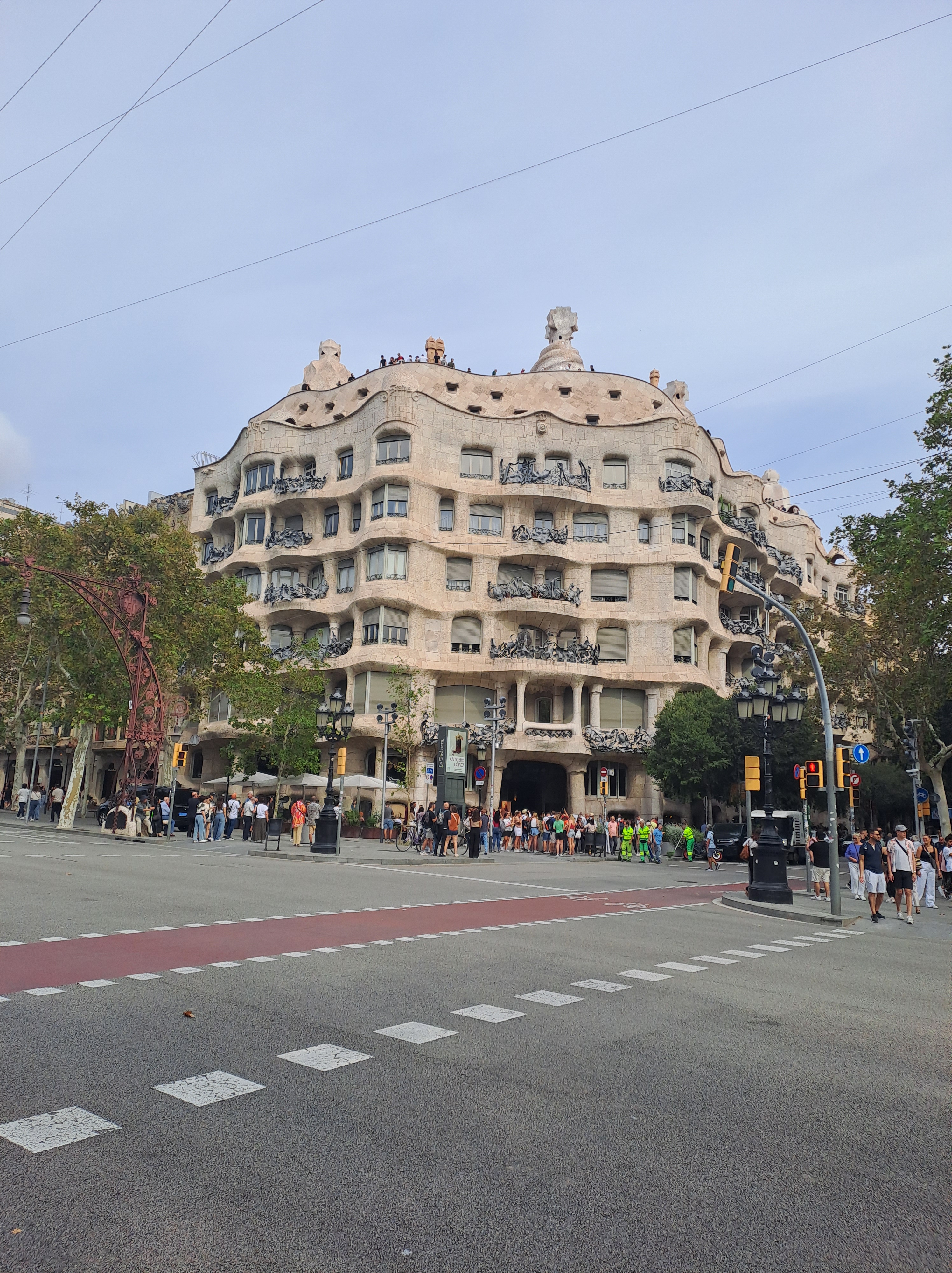
Oh, and I also passed by La Casa Milà, which is quite close to my place of residence…