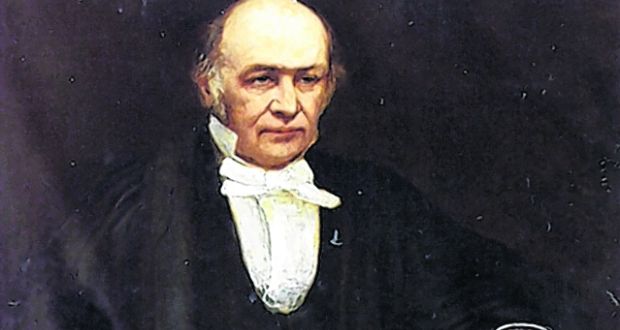
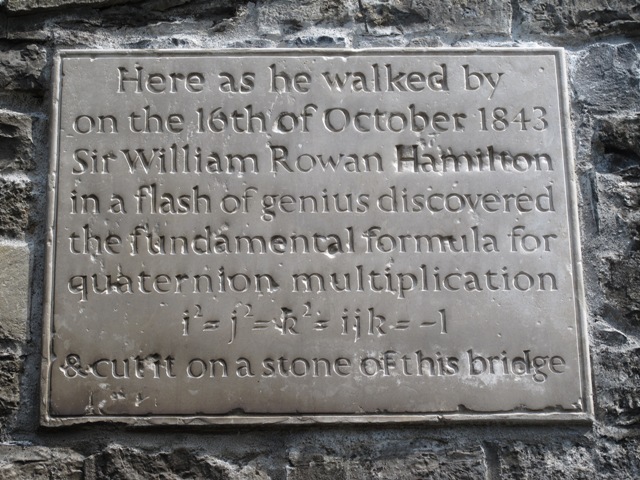
Today, October 16th, is Hamilton day! It was on this day 183 years ago, in 1843, that William Rowan Hamilton first wrote down the fundamental result of quaternions. Apparently he was walking from his residence at Dunsink Observatory into Dublin when he had a sudden flash of inspiration, and wrote the result down on the spot, now marked by a plaque:
Picture Credit: Brian Dolan
This event is commemorated by an annual Hamilton Walk. Broombridge railway station (Droichead Broome), near the bridge (Broom Bridge), where Hamilton had his Eureka moment, is not far from Maynooth University the main commuter line from Maynooth into Dublin. This is ironic because Quaternion algebra does not commute. (Geddit?)
You may be interested that quaternions form the core mathematical framework used in the Euclid satellite’s telemetry system to represent and control its attitude (pointing direction and orientation). I also make extensive use of quaternions in preparing my tax return.
Although it is quite easy to reach Broombridge from Maynooth, I have never managed to attend the walk nor any of the other celebratory events because I’ve either been away or teaching. Perhaps one of these years, after I’ve retired, I’ll be able join the walk or attend one of the various ectures.
P.S. Maynooth University is also home to the Hamilton Institute which promotes and facilitates research links between mathematics and other fields.
A while ago I was listening to a radio broadcast of a recording from last year’s Wexford Festival Opera. The Opera in question was Handel’s Deidamia. In fact you can see a video of the whole performance here. Like most baroque operas, the plot of Deidamia is rather complex but it is drawn directly from familiar Greek legend, and features Achilles and Ulysses. The former spends much of the opera dressed in women’s clothing because his father Peleus doesn’t want him dragged off to fight in the Trojan War and has hidden him on the island of Skyros among the daughters of his friend Lycomedes. Eventually Ulysses lands on Skyros to try to persuade Achilles to lead his army, but the disguise is so good that he fails to identify him. He does however develop a bit of a crush on the hot young girl Pyrrha, who is actually Achilles in drag…
I won’t give any more spoilers because the Opera Deidamia is not really the point of this post, which is that the part of Pyrrha is written for a soprano. It’s not unusual in Handel’s operas for a male part to be sung by a woman – as indeed this part was when it was first performed in London in January 1741 or a castrato. The practice of castrating boys to prevent their voices breaking has long been discontinued, thankfully, so I assumed that the voice I had been listening to was that of a female singer. Then, in the interval, I learnt that this part was actually sung by a man, Bruno de Sá. Here he is in a short clip from that production.
Bruno de Sá is a sopranist, a man whose modal voice is in the soprano register, i.e. he sings that high without using falsetto. I’ve seen and heard quite a few operas in my time but I didn’t realise that there was such a thing as a sopranist. You live and learn!
I did a bit of searching on the interwebs and found the following clip which shows another sopranist, Samuel Mariño, having fun in a duet with an oboist at a concert in Versailles:
Samuel Mariño is from Venezuela. He is gay and was bullied at school when he was young for that, and for the fact that his voice didn’t break when he reached adolescence. He sought medical advice to see if he could have surgery to lower his voice, but the doctor instead suggested he embark on a career as an opera singer. And that’s what he did. Don’t be fooled by the fun he is having in that clip; he’s not some sort of novely act, he’s a very serious vocal artist.
I find his story very inspiring because of his determination to follow his own path and I love the above clip because it is so joyful. It warms this old gay’s heart to see someone daring to be different and making such a success of it.
To me, fair friend, you never can be old,
For as you were when first your eye I ey'd,
Such seems your beauty still. Three winters cold,
Have from the forests shook three summers' pride,
Three beauteous springs to yellow autumn turn'd,
In process of the seasons have I seen,
Three April perfumes in three hot Junes burn'd,
Since first I saw you fresh, which yet are green.
Ah! yet doth beauty like a dial-hand,
Steal from his figure, and no pace perceiv'd;
So your sweet hue, which methinks still doth stand,
Hath motion, and mine eye may be deceiv'd:
   For fear of which, hear this thou age unbred:
   Ere you were born was beauty's summer dead.
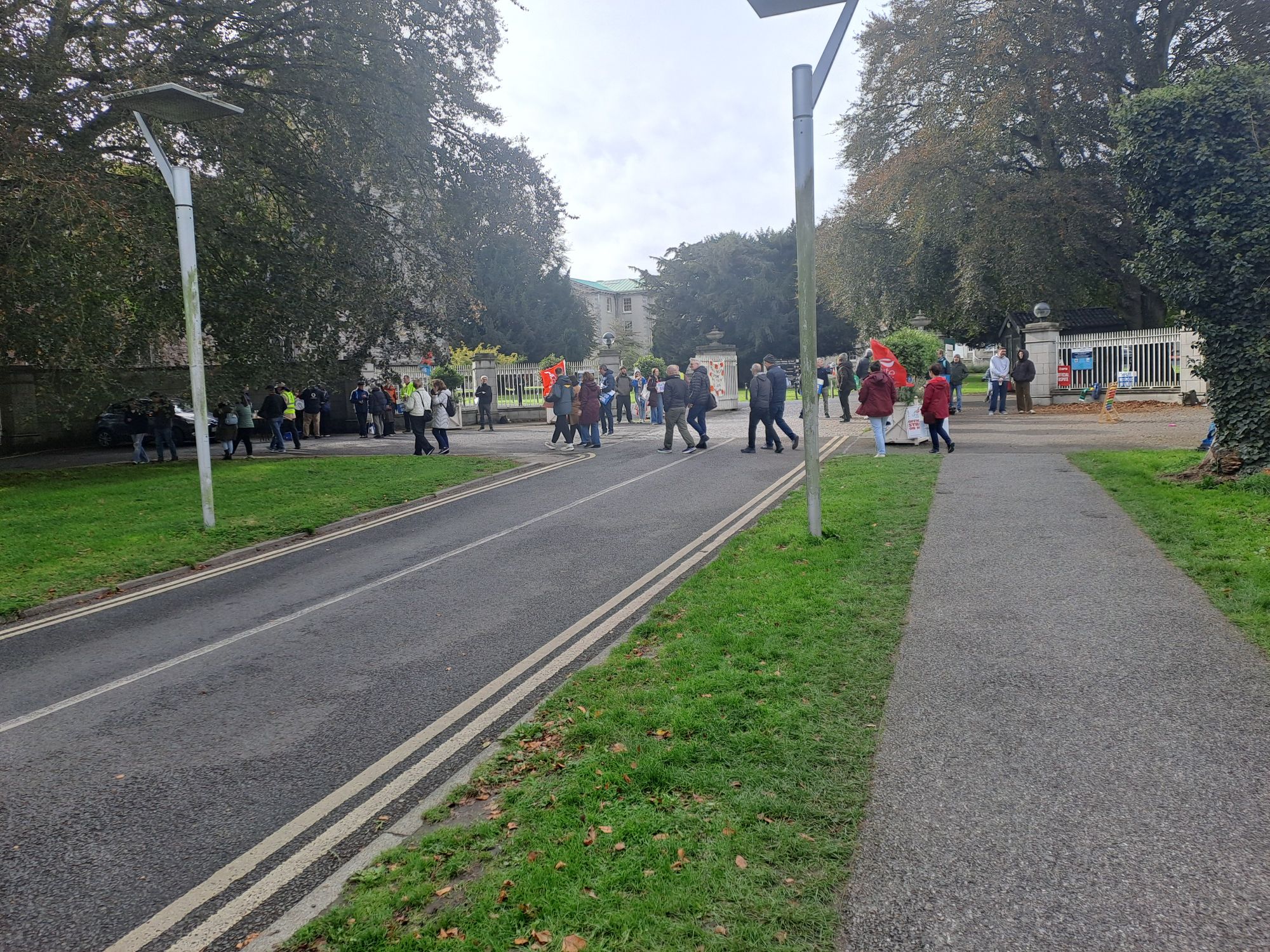
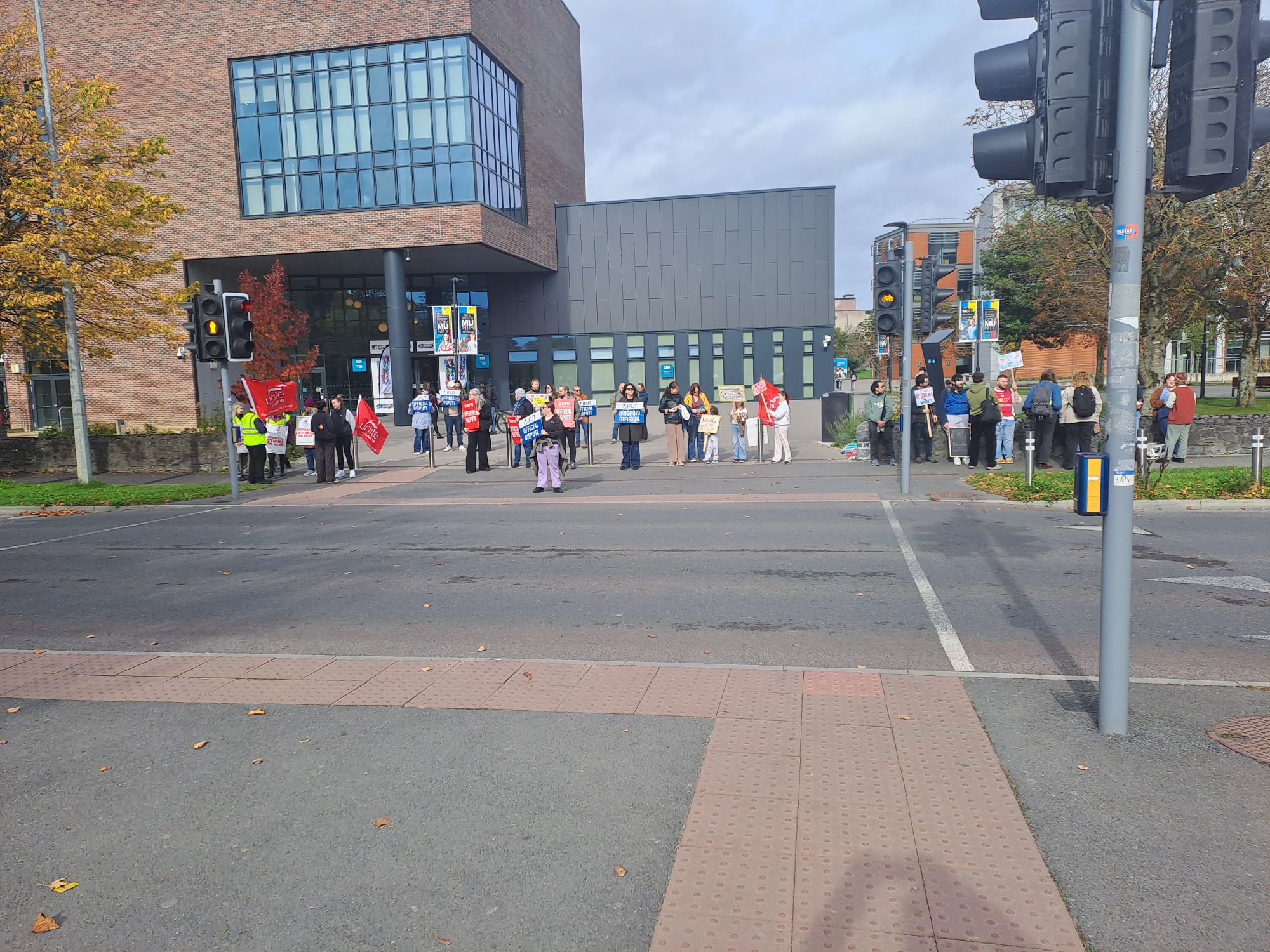
I was a little apprehensive when I made my way early this morning to Maynooth University Campus because I wasn’t sure how strong the turnout would be on the picket line for today’s one-day strike. I needn’t have worried, actually, because the attendance was very good at all the locations where pickets were stationed and everyone was in good spirits.
It was a bit breezy, which made for some difficulties with flags and placards, but it was a very enjoyable day all round, with a real sense of camaraderie among the pickets as well as a very positive reaction from the general public. I lost count of the number of vehicles whose drivers honked their support as they passed the picket line! I was happy too that the whole day passed off without any significant incidents.
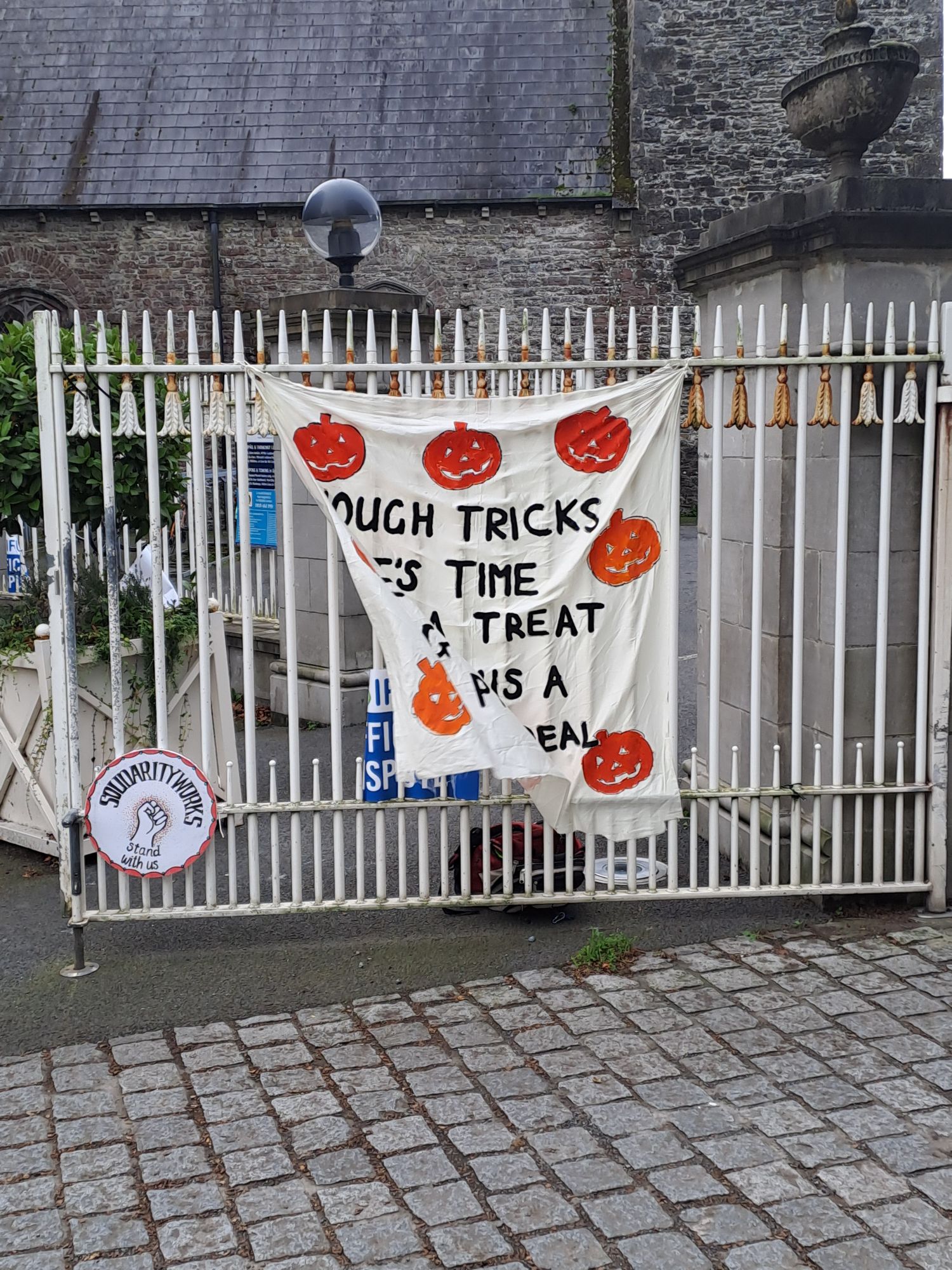
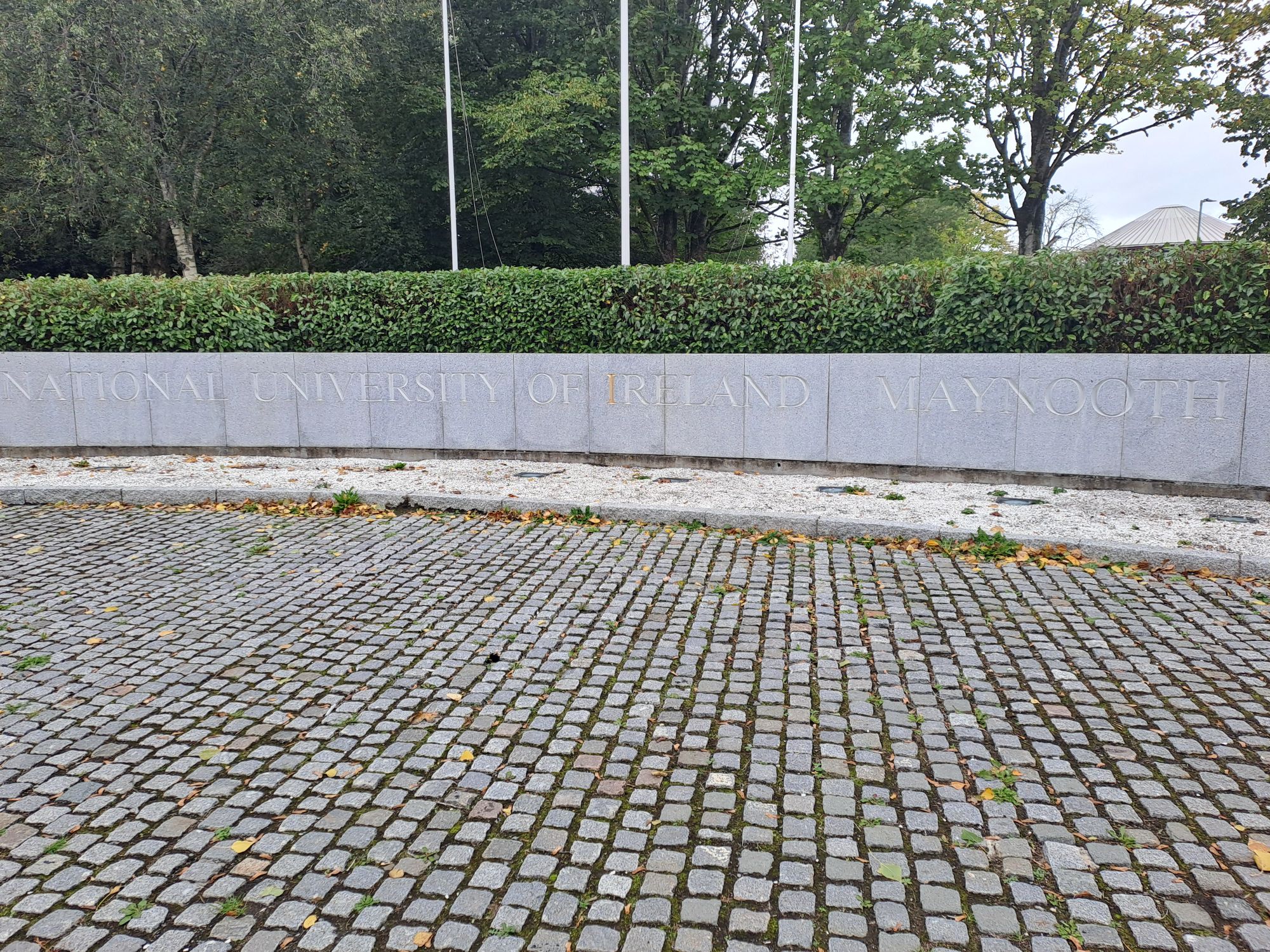
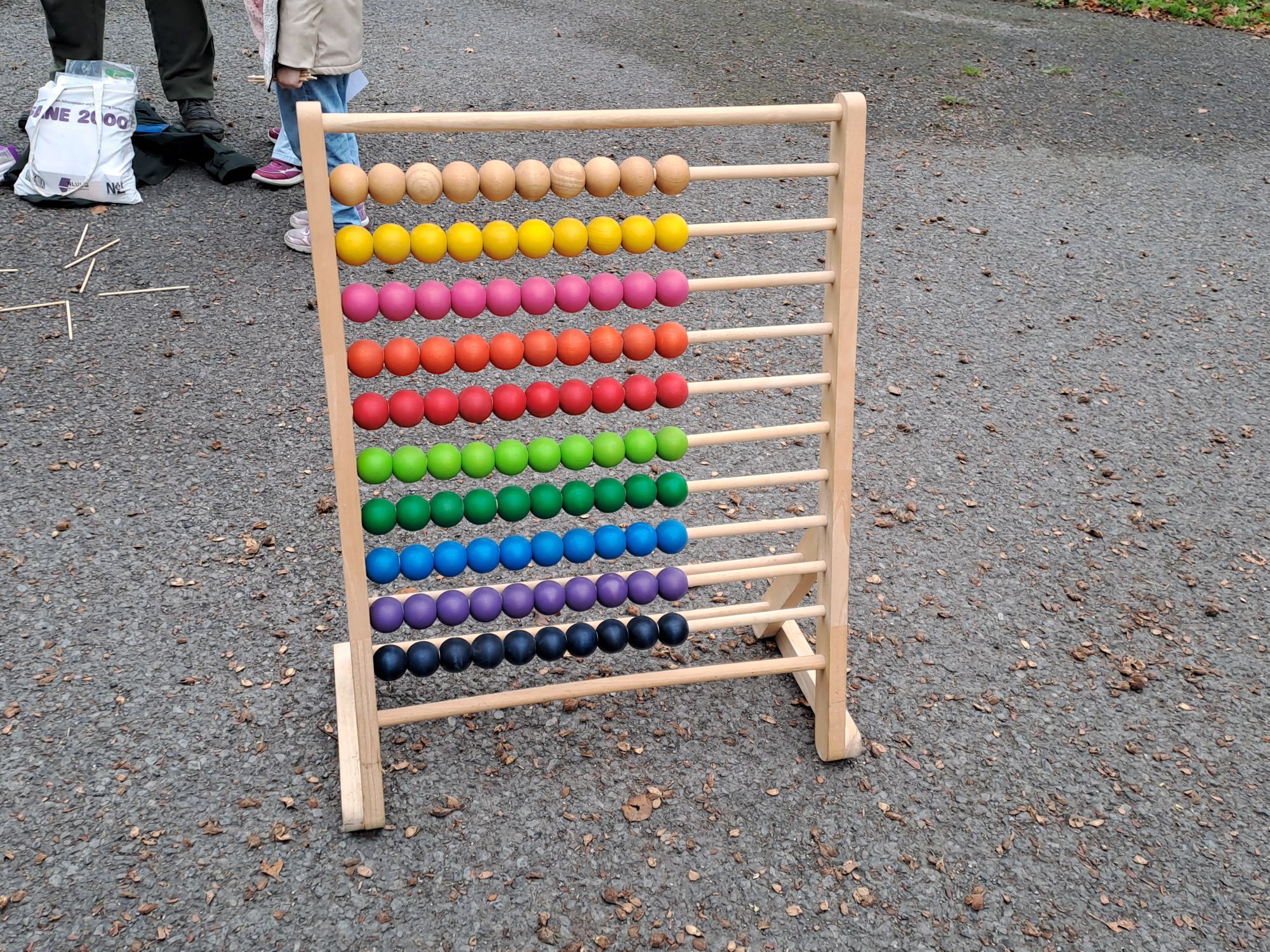
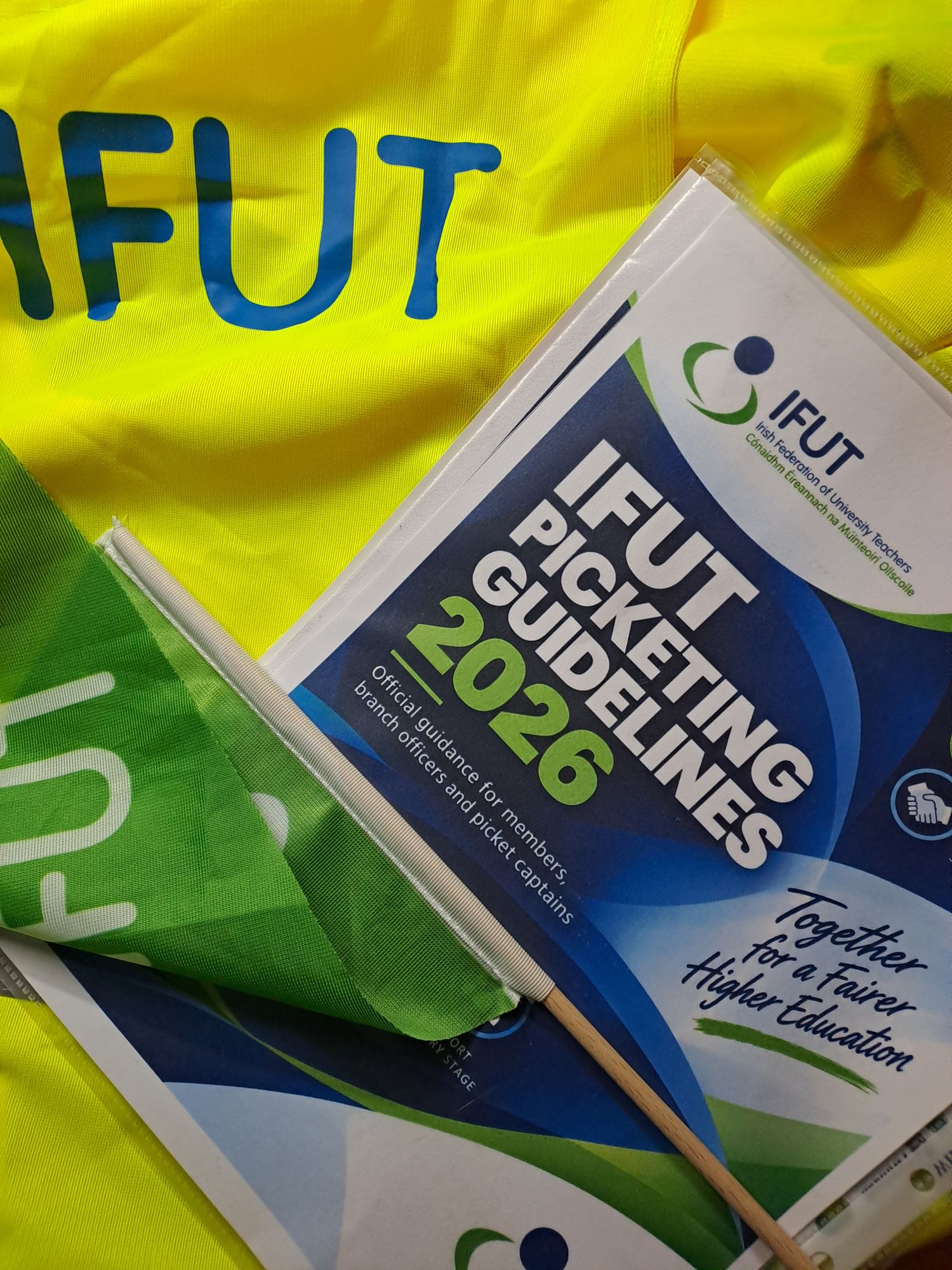
Here are a few random pictures I took, including a rare selfie.
Pickets and MeSouth Campus GateSouth CampusTSI BuildingKilcock Road EntranceAbacus
I’ll leave it to you, dear reader, to figure out why the abacus was there!
I’d like to thank all the members of IFUT, SIPTU and Unite who turned out today and an extra thank-you goes to the members of Maynooth Students’ Union who brought us hot drinks and snacks.
As well as showing solidarity with the other public sector workers striking today, this was a very good day for building connections among people working at Maynooth. I think these will prove very important in the future, including next Wednesday when, unless the Government changes its position, we will have another 24-hour stoppage.
All in all, it was a very good day. I am, however, not to put too fine a point on it, somewhat knackered. I think an early night beckons.
The hymn chosen for today’s service is No. 296 from Hymns Ancient and ModernFor all the saints who from their labours rest. This is usually song on All Saints Day (November 1st) but is topical because of today’s public sector strike. The illustration shows an impressive picket line!
Tuesdays are my busiest teaching days this Semester, but today I’ve also been preparing for tomorrow’s strike. This has largely revolved around figuring out arrangements for the picket lines. It seems that we have good numbers for tomorrow’s action, with crews assigned to all the main entrances to Maynooth Uninversity campus. I’m involved as a member of the Irish Federation of University Teachers (IFUT) but there will also be pickets from other campus trade unions, Unite and SIPTU.
As it happens I have been nominated IFUT “picket captain” for the historic entrance to the South Campus. I’m on duty there from 8am, so I’ll have an early start tomorrow morning getting things set up. After that shift I’ll be taking a short break and then returning to campus for another stint (not as Captain) at another entrance in the afternoon. It’s a responsibility of union members to undertake picketing duty.
The role of picket captain is to
Brief members about what to do and maintain discipline
Keep everyone calm, visible, organized and safe
Coordinate rosters and sign in attendance
Act as a point of contact with Head Office
Record incidents or concerns
Ensure the picket remains lawful and proportionate.
I attended a briefing last week about some of the legal constraints, but we’re not anticipating any incidents or trouble. None will come from us anyway. I see the main job as being to make sure all the pickets are kept in good spirits, and to make sure we are as visible as possible within the provisions of the law. We will have plenty of flags and placards, and the intention is to keep people moving around the area of the entrance – a moving picket line attracts more attention than a static one.
Although this picket is focussed on Maynooth University, the dispute is not directly with our employer but, in conjuction with all the unions representing over 300,000 public sector workers, with the Government. This means that staff at schools and hospitals will also be among those striking tomorrow, as will civil servants and others. I expect tomorrow’s action to be very solid. The Minister responsible, Jack Chambers, has taken to the media with a campaign of misrepresentation. Every dishonest word he has uttered has stiffened the resolve of union members to see this dispute through to a proper pay deal to replace the one that expired in June. The Government knows very well that it could end this industrial action very quickly if it wanted to. Instead all we’re getting is posturing.
P.S. Fortunately, the weather forecast for tomorrow is not bad: mild and with no rain, although it may be a bit windy.
As we prepare for Wednesday’s one-day strike, I am reminded that academics at Nottingham University are participating in industrial action for the whole term. The “strategy” the “leadership” there is pursuing targets particle physics, theoretical physics and astronomy for job cuts. Why this is the case I have no idea. I don’t think the “leadership” at Nottingham knows either, as the plan was not written by them by a disreputable company called PA Consulting.
For the full story, see this blog post by Philip Moriarty:
And if you thought that is bad, then watch this short video by Phil Moriarty exposing the lack of accountability at Nottingham University:
This complete abdication of responsibility makes me wonder (a) where they find these people and (b) why they pay them so much if they can’t think for themselves? It’s terrible that Nottingham University is suffering from this level of maladministration, but the really shocking thing is that it is not an isolated phenomenon, but typical of university management, and not only in the UK…
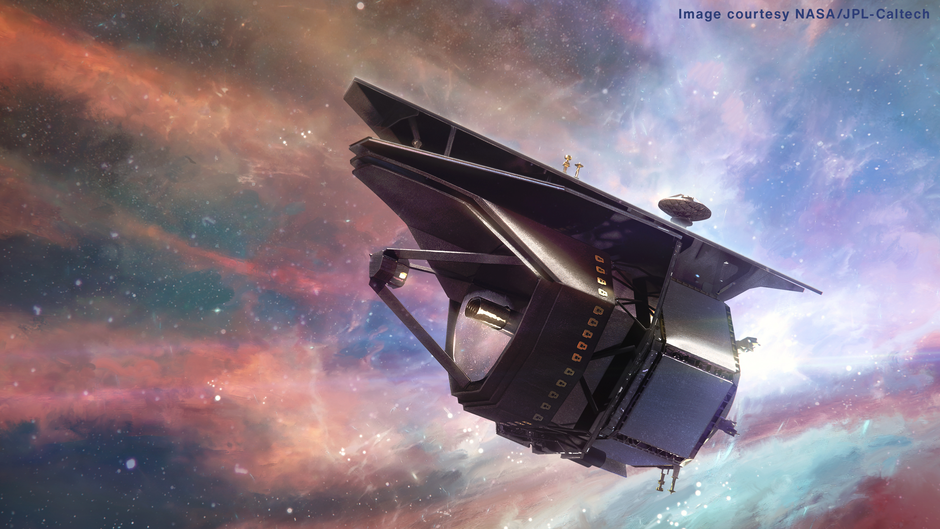
I’ve been remiss in not passing on significant news that involves former colleagues at Cardiff University and Sussex University, so I thought I would remedy that lapse today. A few weeks ago it was announced that NASA has selected a far-infrared space telescope called PRIMA as the first in a new series of missions to be launched around 2033. The mission now enters a Phase B study.
In a nutshell, PRIMA (PRobe far-Infrared Mission for Astrophysics) is a far-infrared observatory based around a 1.8-m diameter telescope, cryogenically-cooled (to 4.5 K). It includes both a sensitive wideband spectrometer FIRESS, and a multi-band spectrophotometric imager /polarimeter PRIMAger. PRIMA’s sensitivity unlocks the potential of the far-IR waveband to advance astrophysics across a broad range of topics spanning from galaxy and dust evolution in the early universe to the formation of planets and planetary atmospheres. FIRESS offers full-band instantaneous coverage from 24 to 235 μm in two modes. The low-res mode offers R~100 with long slits, while the high-resolution mode offers R up to 4,400 × (112 μm / λ) in smaller fields. PRIMAger offers rapid R=8 hyperspectral imaging with continuous coverage from 25 to 84 μm, and imaging polarimetry in 4 bands from 90 to 235 μm.
Although a NASA mission, several UK institutions are involved in PRIMA: Cardiff University, Imperial College London, the University of Sussex, and RAL Space. Cardiff University’s involvement is primarily (geddit?) in instrument development (see here) and former colleague at Sussex, Seb Oliver, will lead the UK’s overall contribution.
I wish everyone involved all the best for the planning, development and future operation of this mission. I will of course be long retired before it is launched!
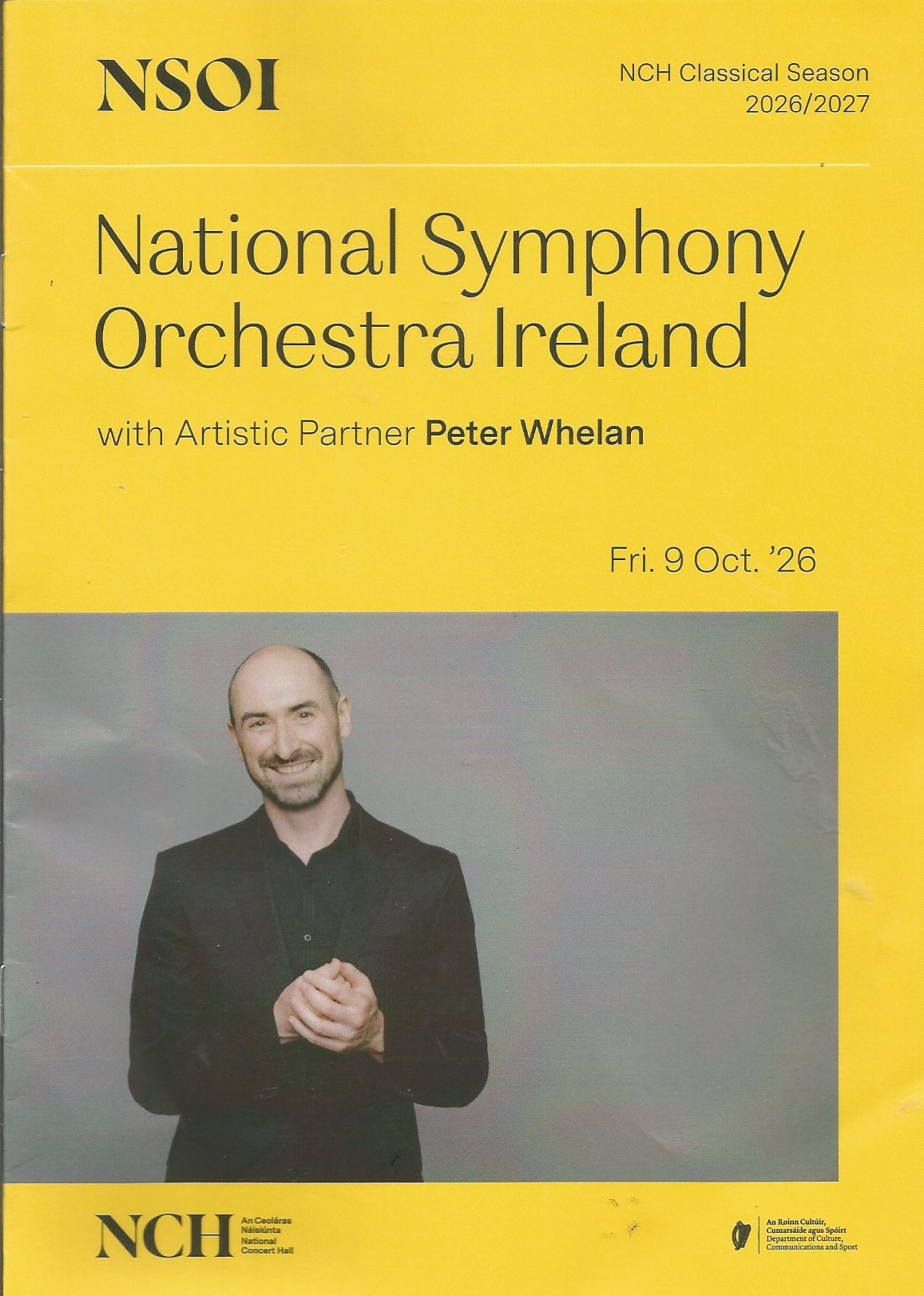
Yesterday evening I once again travelled into Dublin for a concert by National Symphony Orchestra Ireland at the National Concert Hall. No rain this time, I’m glad to say, either going there or coming back!
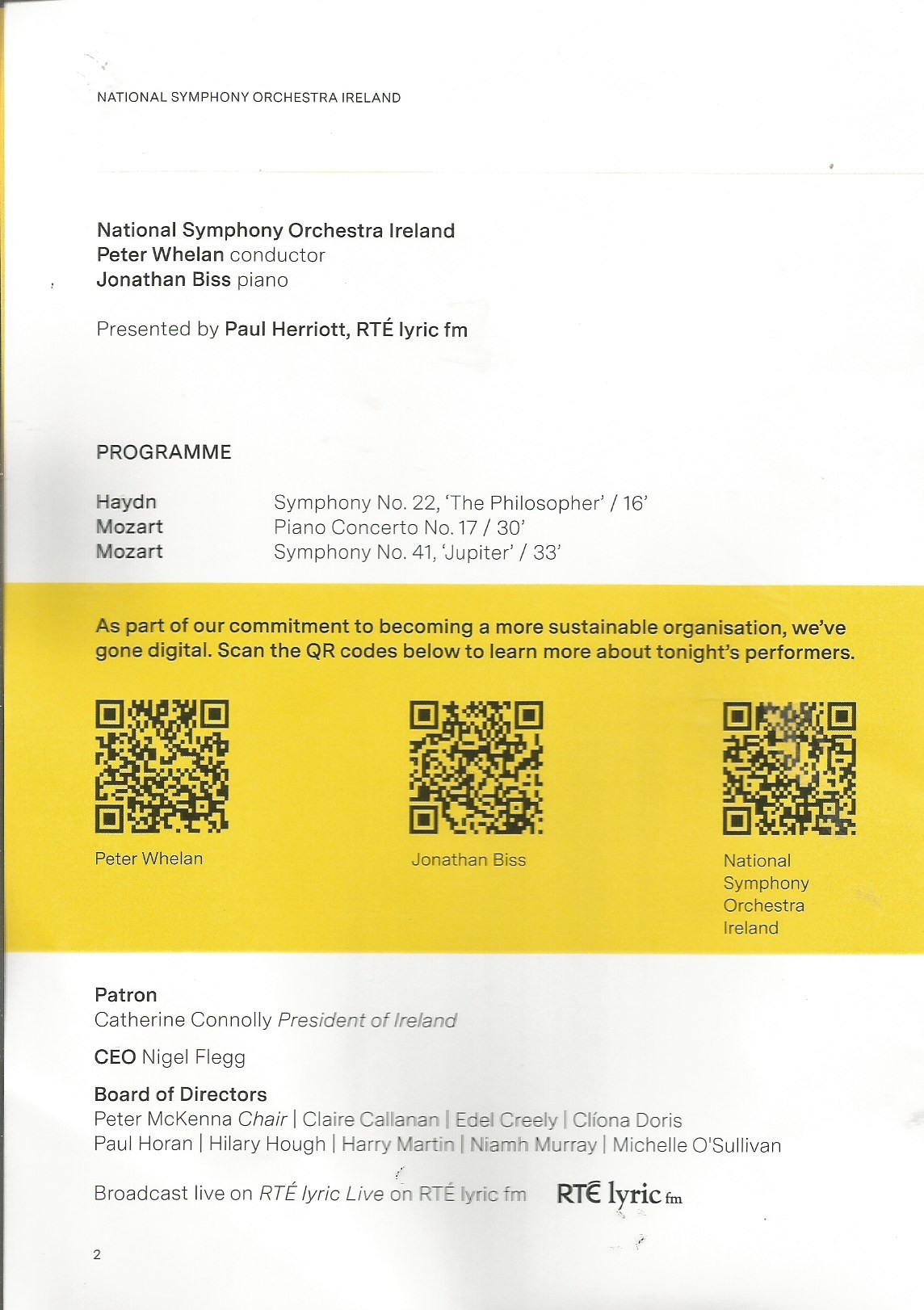
The concert, under the direction of Artistic Partner Peter Whelan, was very definitely classical music in the sense that all three works were from the classical period of the middle to late eighteenth century.
First up we had Symphony No. 22 in E♭ Major by Joseph Haydn. This is usually known as “The Philosopher”. I tend to think of Haydn’s music as expertly crafted but mostly a bit “middle-of-the-road” for my tastes. This symphony, written in 1764 has four movements. I found the first movement Adagio rather plodding but there is much to enjoy in this work, and it was given a good performance last night. I don’t think the nickname “The Philosopher” was given to this work by Haydn, incidentally.
Then, after the usual reorganization on stage to accommodate the NCH’s Steinway, we had Piano Concerto No. 17 in G Major by Wolfgang Amadeus Mozart, with soloist Jonathan Biss. Written in 1784, this is an enjoyable and entertaining piece, not perhaps as profound as some of the later piano concertos (Mozart wrote 27 altogether), but well worth listening to. I found it very witty and somewhat conversational in style, with lots of “call-and-answer” moments. It’s also interesting that the piano doesn’t start to play for quite a long time in the first movement. The three movements follow a standard fast-slow-fast pattern (Allegro-Andante-Alegretto/Presto). It certainly does motor towards the end!
The second half of the concert was devoted to another piece by Wolfgang Amadeus Mozart, his Symphony No. 41 “Jupiter”. Composed in 1788, just 24 years after the Haydn symphony we heard in the first part, it demonstrated very powerfully how much the symphonic form had evolved in relatively short time separating the two compositions. The Jupiter symphony is not only brim full of ideas, but the themes are woven into a much richer fabric. The reason it is such a great symphony – one of the greatest of all, not just the greatest by Mozart – is that the whole is even greater than the sum of its wonderful parts. It’s a familiar part of the concert repertoire, of course, but does stand up to repeated listening. Last night’s performance was very enjoyable.
On the way home on the train I found myself wondering at what point and for what reasons the “Minuet” that appeared as a fourth movement in many classical symphonies like the two we heard last night became the “Scherzo” that was de rigueur for later symphonies (in the romantic era). Answers on a postcard please…
It’s Saturday again, so it’s time for another update of activity at the Open Journal of Astrophysics. Since the last update we have published a further eight papers, bringing the number in Volume 9 (2026) to 237 and the total so far published by OJAp up to 685.
I continue to include the posts made on our Mastodon account (on Fediscience); these announcements also contain a clickable form of the DOI for each paper. Our Mastodon account has regular updates and other announcements from OJAp too, including posts from the OJAp blog.
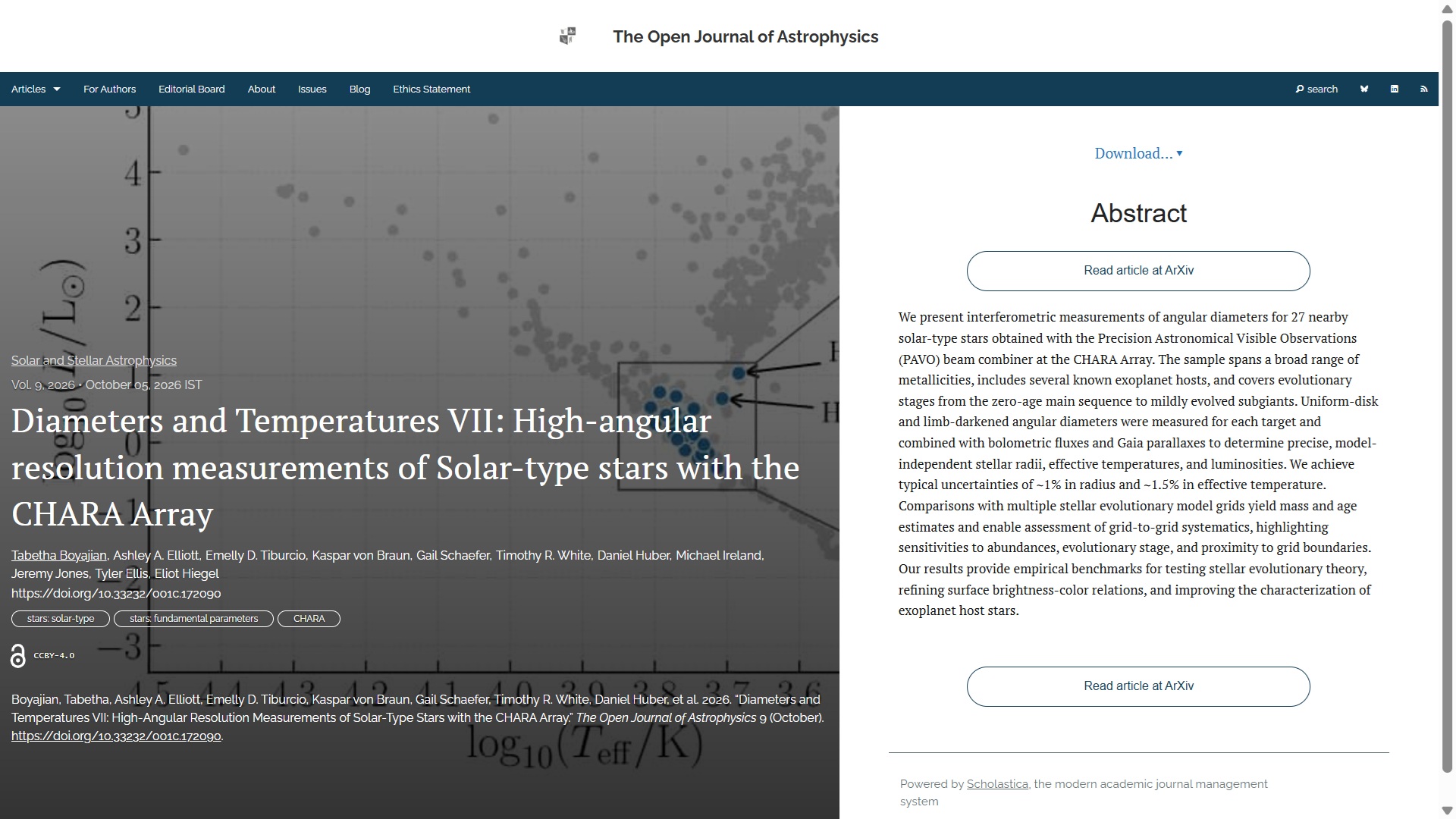
The first new paper this week was published on Monday 5th October in the folder Solar and Stellar Astrophysics. The title of the paper is “Diameters and Temperatures VII: High-angular resolution measurements of Solar-type stars with the CHARA Array” and it isby Tabetha Boyajian (Louisiana State University, USA) and 10 others based in the USA and Australia. This study uses interferometric measurements to determine precise characteristics of 27 nearby solar-type stars, including their radii, effective temperatures, and luminosities. The findings represent benchmarks for testing stellar evolutionary theory.
The overlay for this one is here:
You can find the officially accepted version on arXiv here and the announcement on Fediverse here:
New Publication at the Open Journal of Astrophysics: "Diameters and Temperatures VII: High-angular resolution measurements of Solar-type stars with the CHARA Array" by Tabetha Boyajian (Louisiana State University, USA) and 10 others based in the USA and Australia.
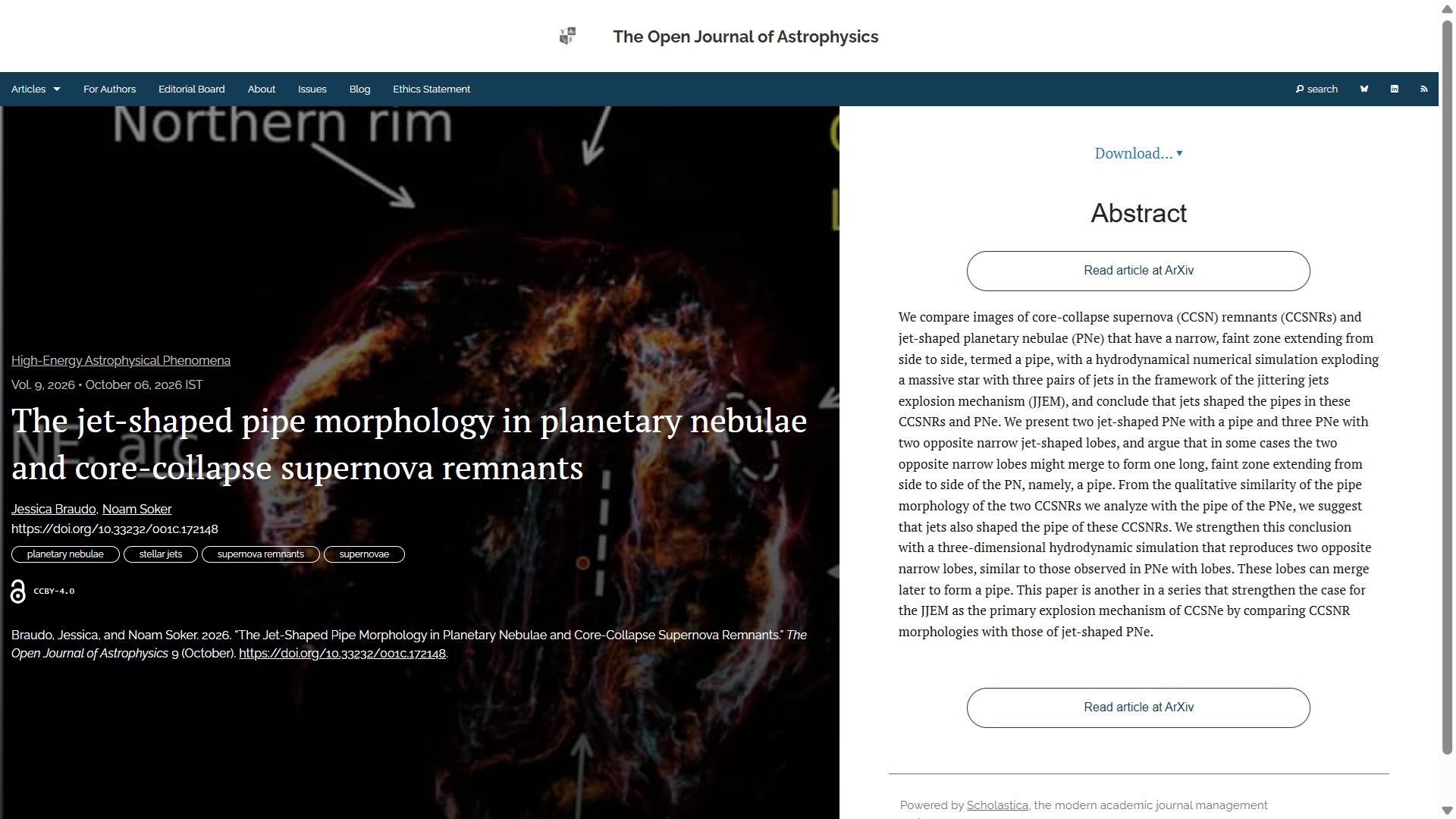
New Publication at the Open Journal of Astrophysics: "The jet-shaped pipe morphology in planetary nebulae and core-collapse supernova remnants" by Jessica Braudo and Noam Soker (Technion, Israel)
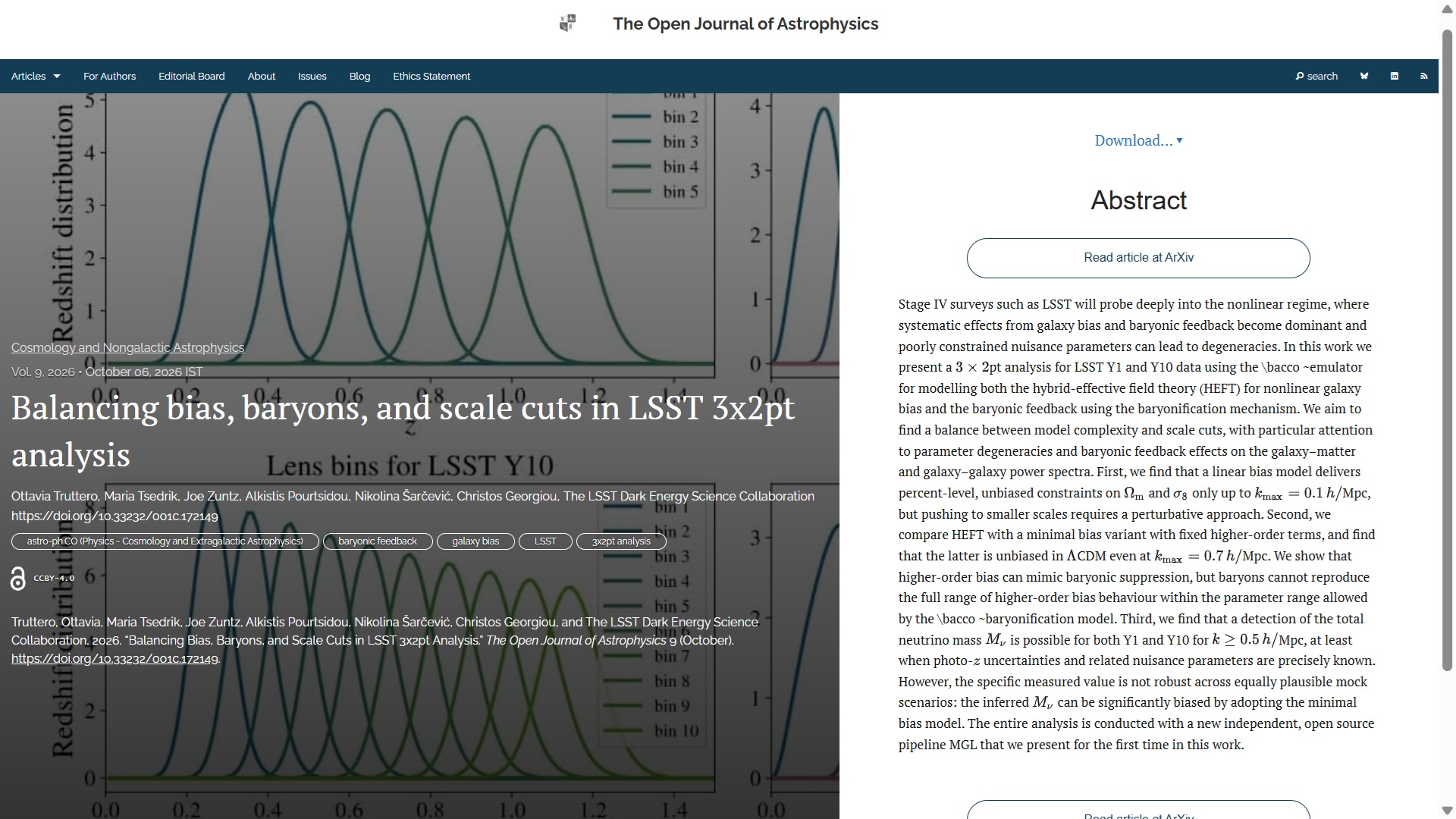
New Publication at the Open Journal of Astrophysics: "Balancing bias, baryons, and scale cuts in LSST 3x2pt analysis" by Ottavia Truttero (U. Edinburgh, UK) and 5 others on behalf of the The LSST Dark Energy Science Collaboration
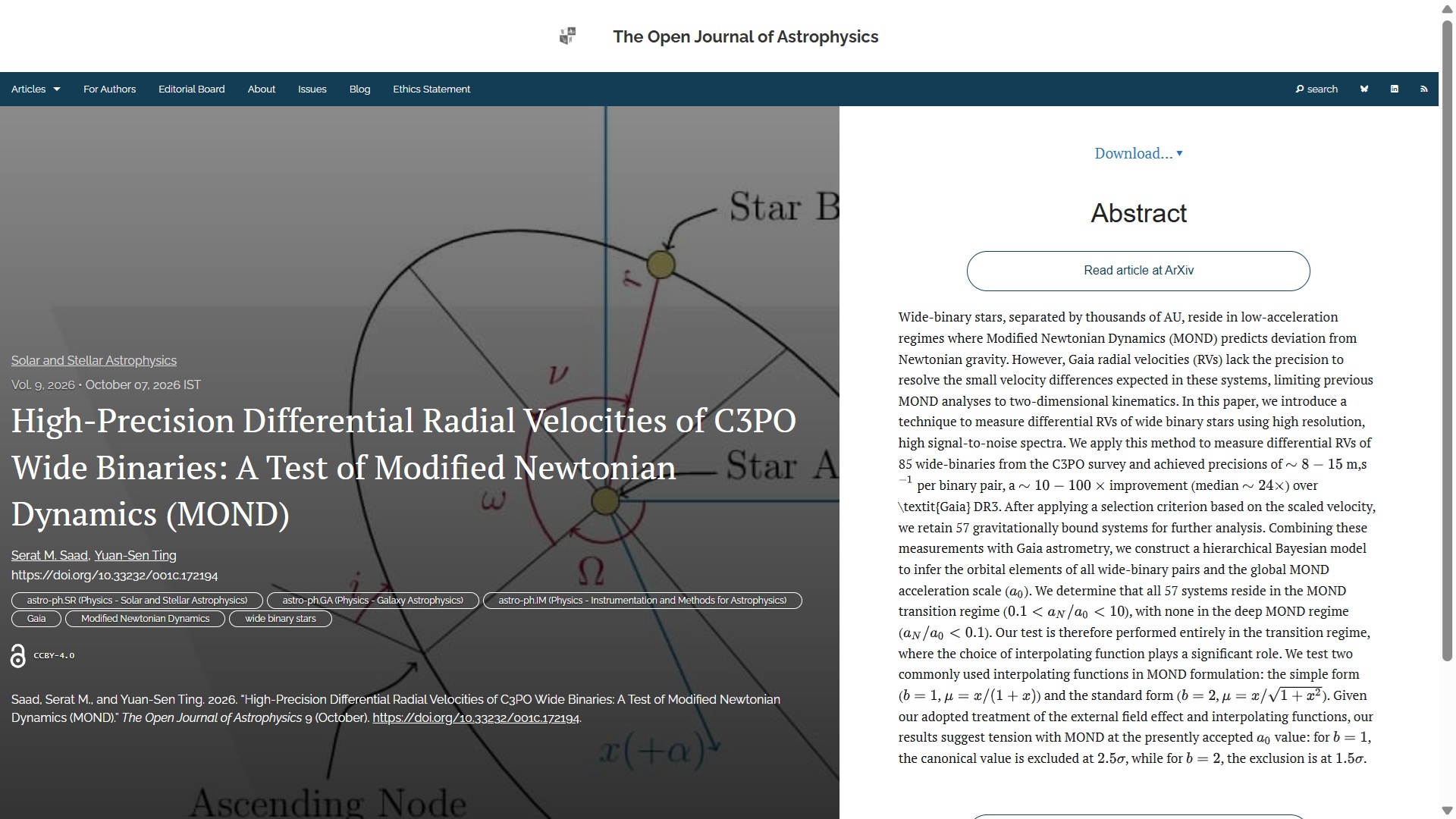
New Publication at the Open Journal of Astrophysics: "High-Precision Differential Radial Velocities of C3PO Wide Binaries: A Test of Modified Newtonian Dynamics (MOND)" by Serat M. Saad and Yuan-Sen Ting (Ohio State University, USA)
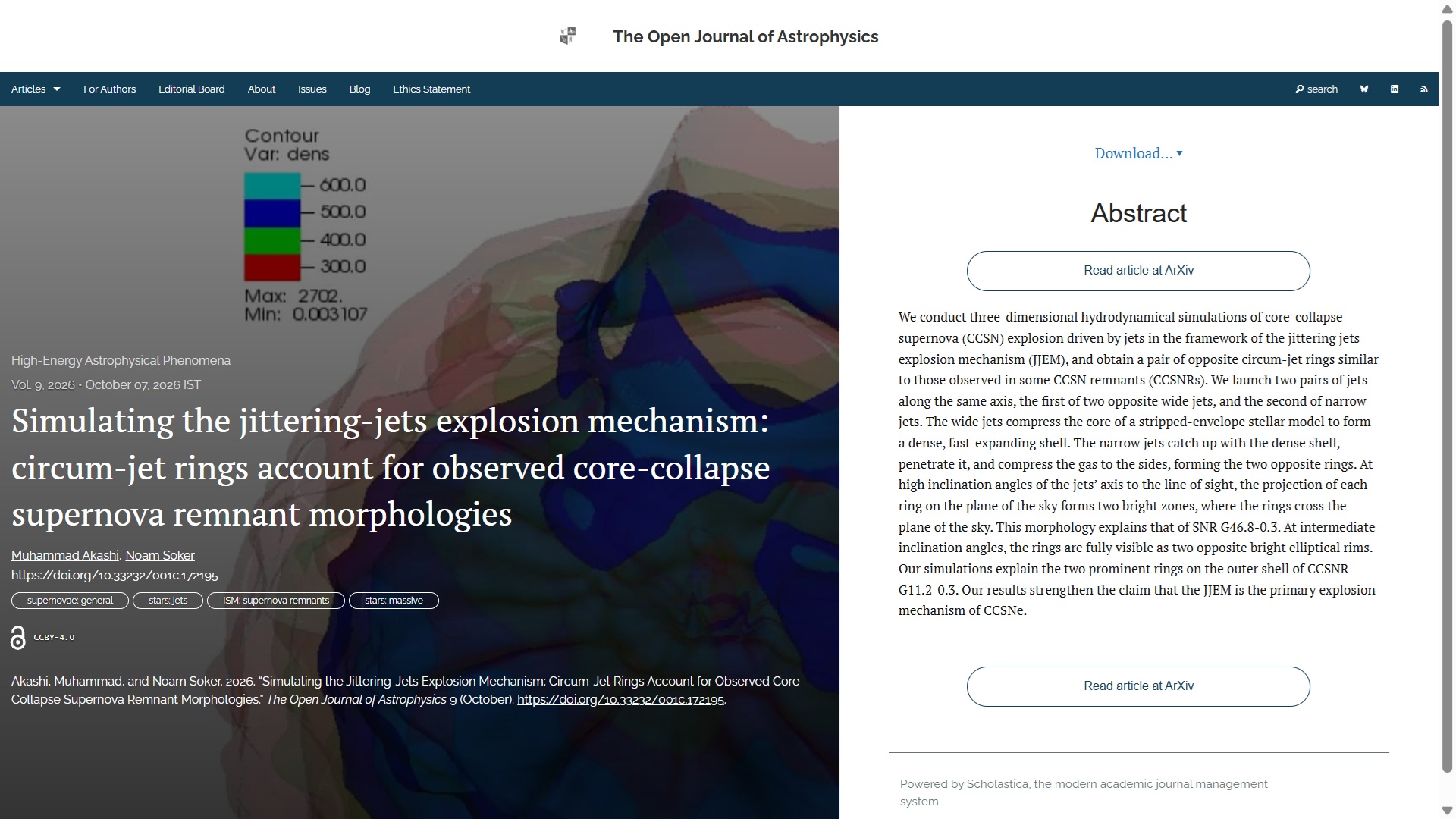
New Publication at the Open Journal of Astrophysics: "Simulating the jittering-jets explosion mechanism: circum-jet rings account for observed core-collapse supernova remnant morphologies" by Muhammad Akashi & Noam Soker (Technion, Israel)
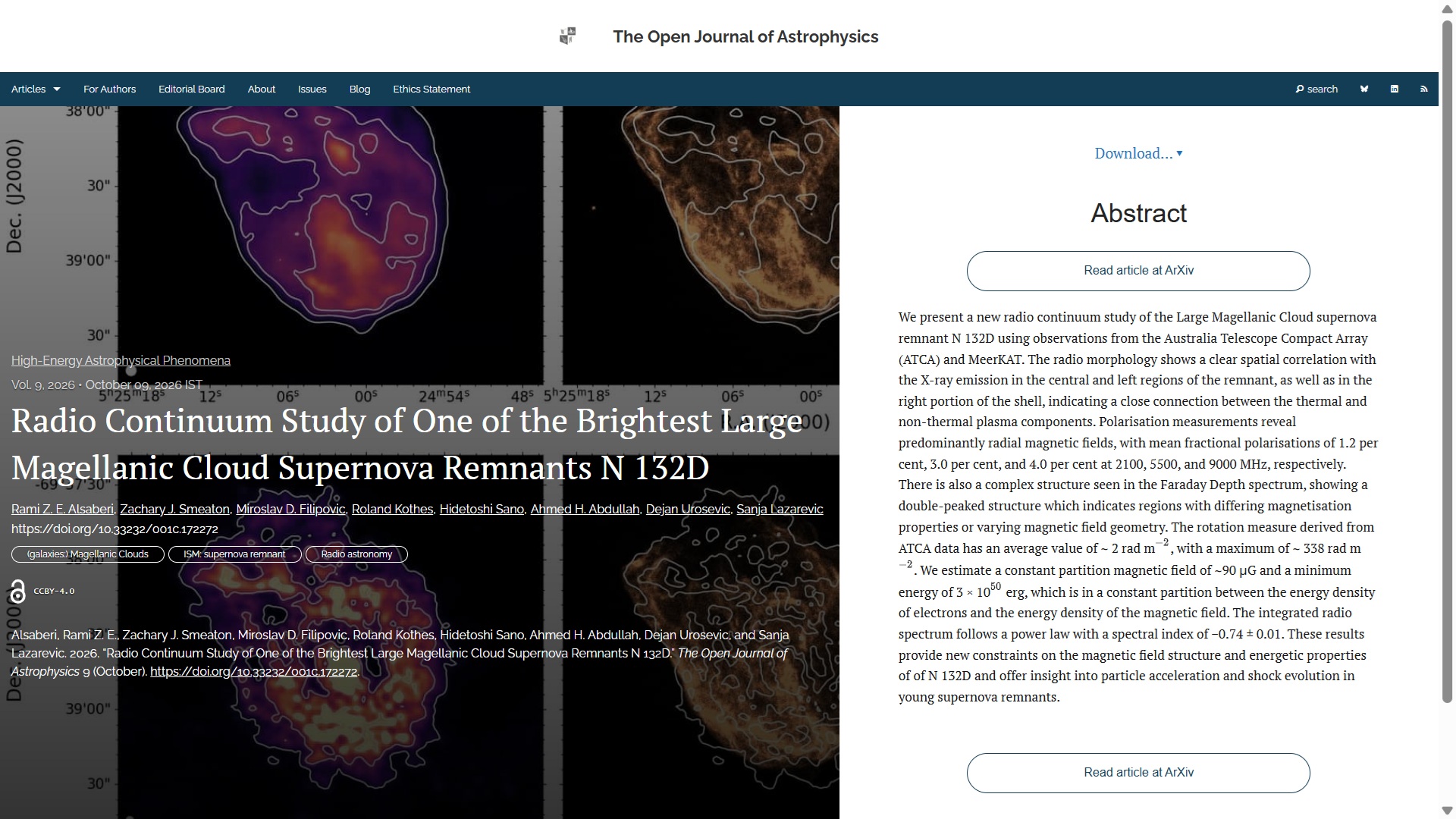
The sixth paper of the week is “Radio Continuum Study of One of the Brightest Large Magellanic Cloud Supernova Remnant N 132D” by Rami Z. E. Alsaberi (Western Sydney U. Australia) and 7 others. This was the first of three papers published on Friday 9th October, and it is in the folder High-Energy Astrophysical Phenomena. This one presents a radio continuum analysis of the Large Magellanic Cloud supernova remnant N 132D, revealing insights into its magnetic field structure, energetic properties, and particle acceleration.
The officially-accepted version of this paper is on arXiv here and the Mastodon announcement on the fediverse here:
New Publication at the Open Journal of Astrophysics: "Radio Continuum Study of One of the Brightest Large Magellanic Cloud Supernova Remnant N 132D" by Rami Z. E. Alsaberi (Western Sydney U. Australia) and 7 others
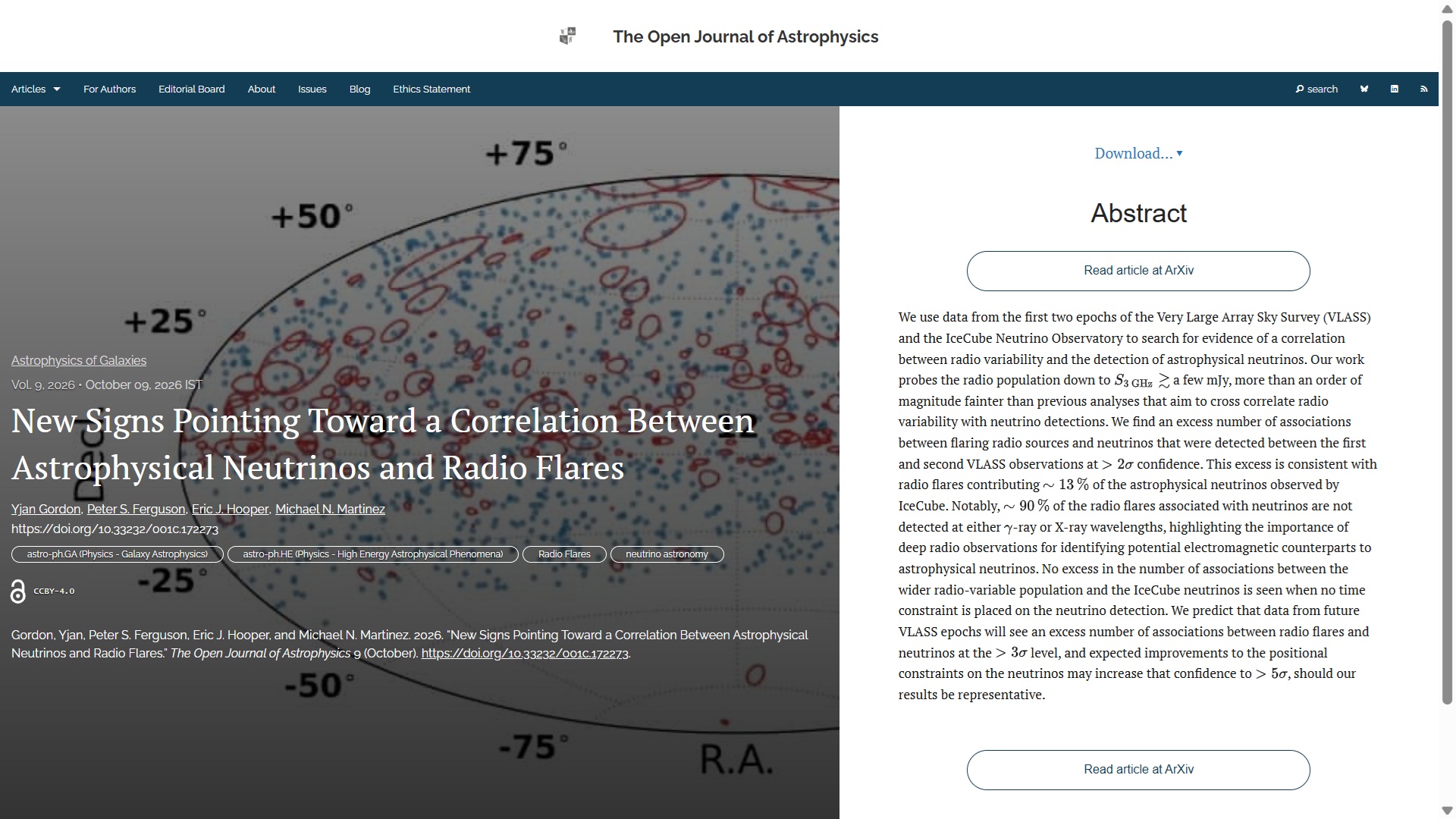
The seventh paper of the week is “New Signs Pointing Toward a Correlation Between Astrophysical Neutrinos and Radio Flares” by Yjan Gordon (U. Wisconsin-Madison), Peter S. Ferguson (U. Washington), Eric J. Hooper & Michael N. Martinez (U. Wisconsin-Madison); all in the USA. This was also published on Friday 7th October, but in the folder Astrophysics of Galaxies. It is very topical, in the light of the award of this year’s Nobel Prize for Physics to Francis Halzen for his work on IceCube. The paper explains how data from VLASS and IceCube Neutrino Observatory reveal a correlation between radio variability and astrophysical neutrino detection, suggesting radio flares contribute to about 13% of astrophysical neutrinos detected by IceCube.
The overlay is here:
The officially accepted version is on arXiv here and the Mastodon announcement here:
New Publication at the Open Journal of Astrophysics: "New Signs Pointing Toward a Correlation Between Astrophysical Neutrinos and Radio Flares" by Yjan Gordon (U. Wisconsin-Madison), Peter S. Ferguson (U. Washington), Eric J. Hooper & Michael N. Martinez (U. Wisconsin-Madison); all in the USA
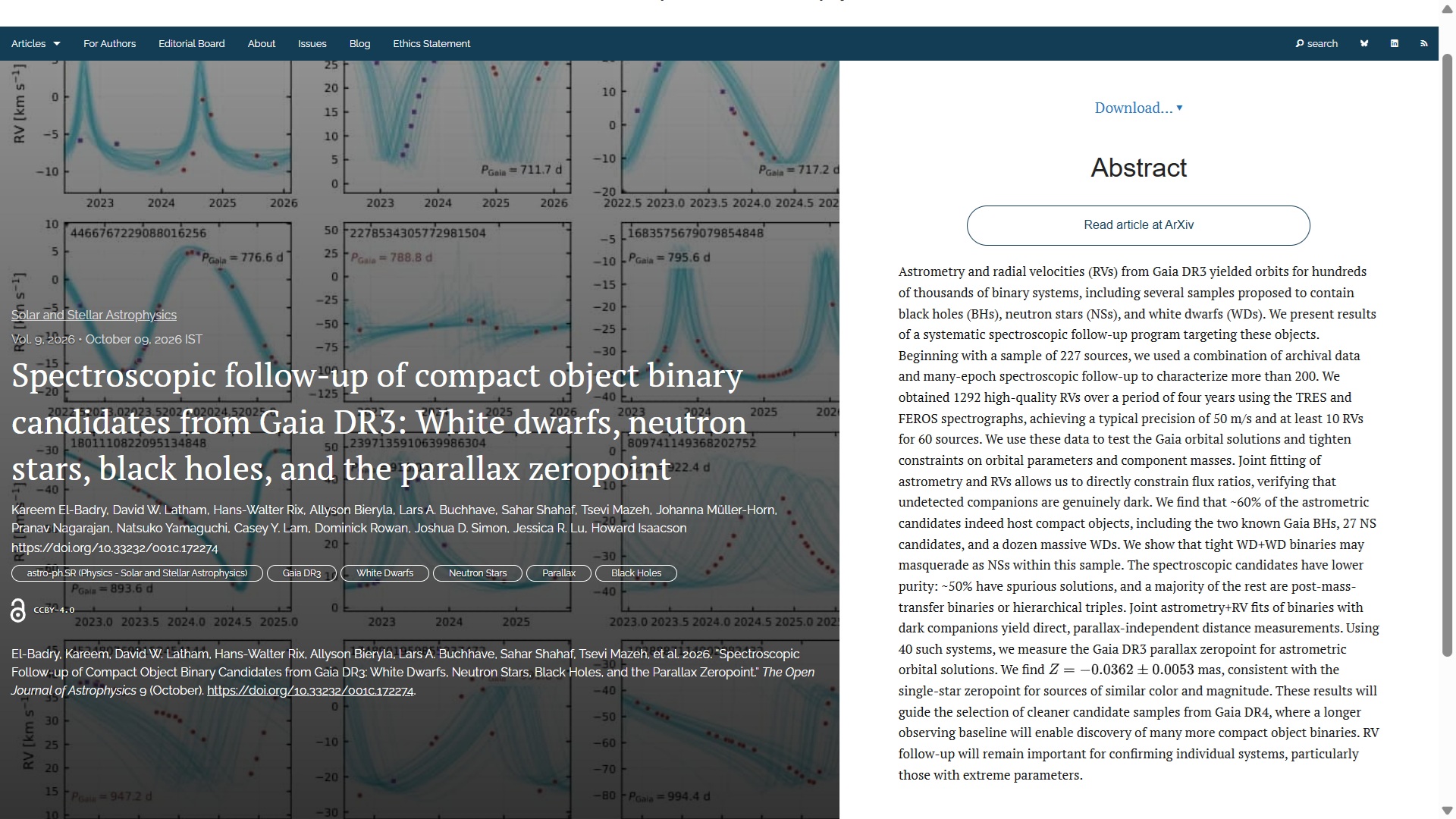
New Publication at the Open Journal of Astrophysics: "Spectroscopic follow-up of compact object binary candidates from Gaia DR3: White dwarfs, neutron stars, black holes, and the parallax zeropoint" by Kareem El-Badry (Caltech, USA) and an international cast of 14 others.
That concludes this week’s update. We’re still on target to publish over 300 papers and reach the 750 mark by the end of the year. I’ll do another update next week.
The views presented here are personal and not necessarily those of my employer (or anyone else for that matter).
Feel free to comment on any of the posts on this blog but comments may be moderated; anonymous comments and any considered by me to be vexatious and/or abusive and/or defamatory will not be accepted. I do not necessarily endorse, support, sanction, encourage, verify or agree with the opinions or statements of any information or other content in the comments on this site and do not in any way guarantee their accuracy or reliability.