Some time ago I posted an item about Doggerland which is not (as you might have imagined) a theme park devoted to outdoor sexual activities, but an area now submerged beneath the North Sea that connected Great Britain to continental Europe during and after the last glacial period.
About 12,000 years ago at the start of the Holocene Era, it is thought that the area now covered by the North Sea looked something like this:
(Picture credit: this website). Obviously the cities marked on the map were not there at the time! Britain was connected to the European mainland, although much of the land mass was under glaciers. At the end of the last ice age the glaciers retreated, sea levels rose and the area once covered by Doggerland was submerged. It is thought that this happened around 8500 years ago. Great Britain has been separated from the continent by less than 10,000 years.
Doggerland gets its name from the Dogger Bank, a huge sandbank off the North-Eastern coast of England which is thought to be a glacial moraine left behind by the retreating ice sheet. The Dogger bank lies about 60 miles from the coast, and is about 60 miles wide by 100 miles long. The water is quite shallow – typically 20 metres deep – and is a well-known fishing area. Its name derives from old Dutch fishing vessels called doggers who specialised in catching cod. Modern fishing boats trawlers operating at the Dogger Bank frequently bring up bits of ancient animals (including mammoth and rhinoceros) as well as prehistoric human artefacts, showing that the area was at one time inhabited.
I don’t think anybody knows exactly how long it took Doggerland to become submerged, but it may well have involved one or more catastrophic flooding events.
Well, by way of a sort of update here is a short video that suggests that the archaeological and geological clues indicate that the end of Doggerland was associated with one particularly huge event.
It’s Saturday once more, so it’s time for another update of activity at the Open Journal of Astrophysics. Since the last update we have published a further eight papers, bringing the number in Volume 9 (2026) to 59 and the total so far published by OJAp up to 507. We passed the 500 mark on Monday, and the week was also notable because we once again published at least one paper each working day.
I will continue to include the posts made on our Mastodon account (on Fediscience) to encourage you to visit it. Mastodon is a really excellent service, and a more than adequate replacement for X/Twitter (which nobody should be using); these announcements also show the DOI for each paper.
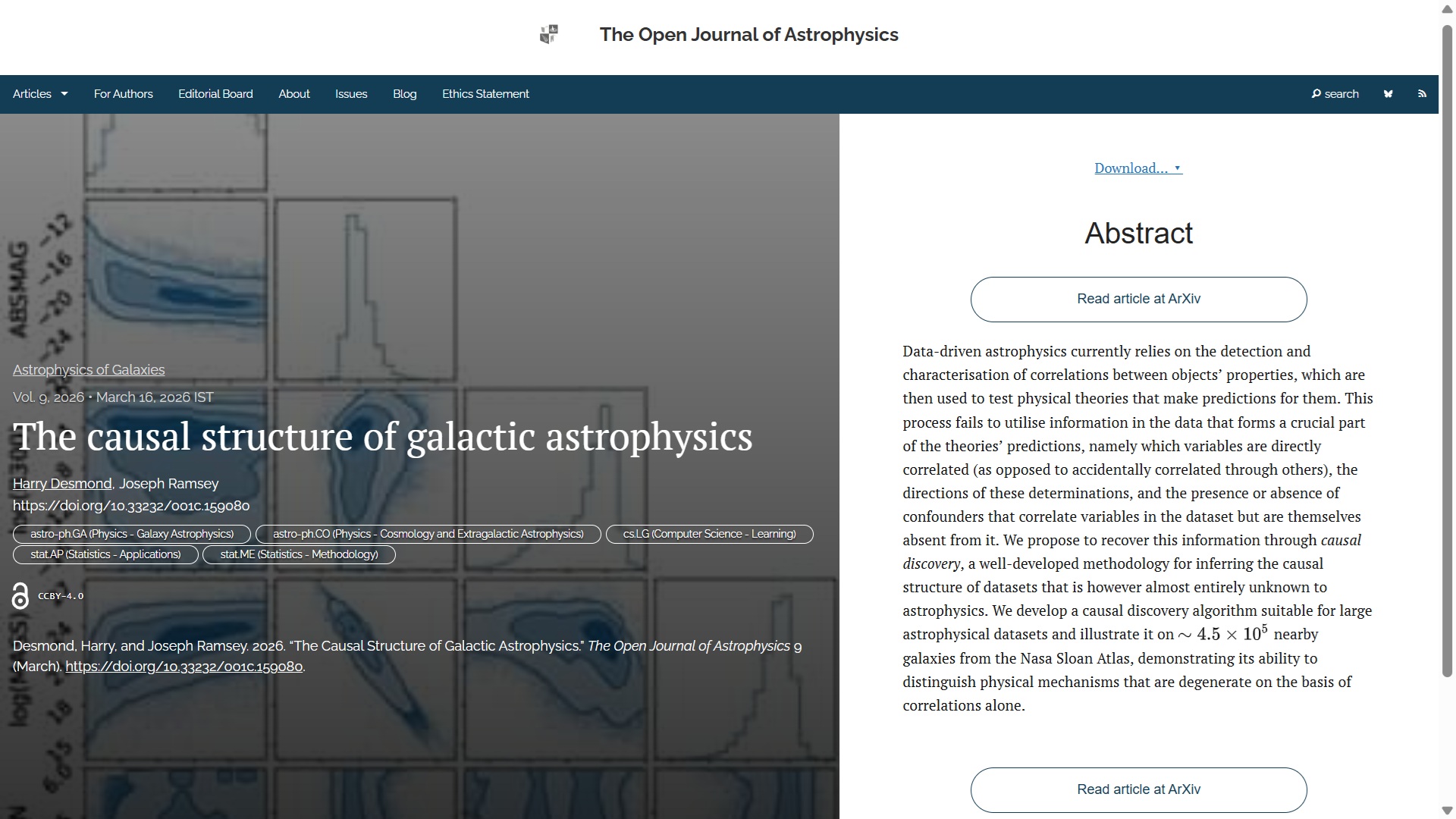
The first paper to report this week is our 500th publication. The title is “The causal structure of galactic astrophysics” and the authors are Harry Desmond (U. Portsmouth, UK) and Joseph Ramsey (Carnegie Mellon U., USA). This paper was published on Monday March 16th 2026 in the folder Astrophysics of Galaxies. It proposes using causal discovery, a method for inferring data structure, to better utilize information in astrophysical data, demonstrated through an algorithm applied to a large galaxy dataset.
The overlay is here:
You can find the officially accepted version on arXiv here and the announcement on Fediverse here:
New Publication at the Open Journal of Astrophysics: "The causal structure of galactic astrophysics" by Harry Desmond (U. Portsmouth, UK) and Joseph Ramsey (Carnegie Mellon U., USA)
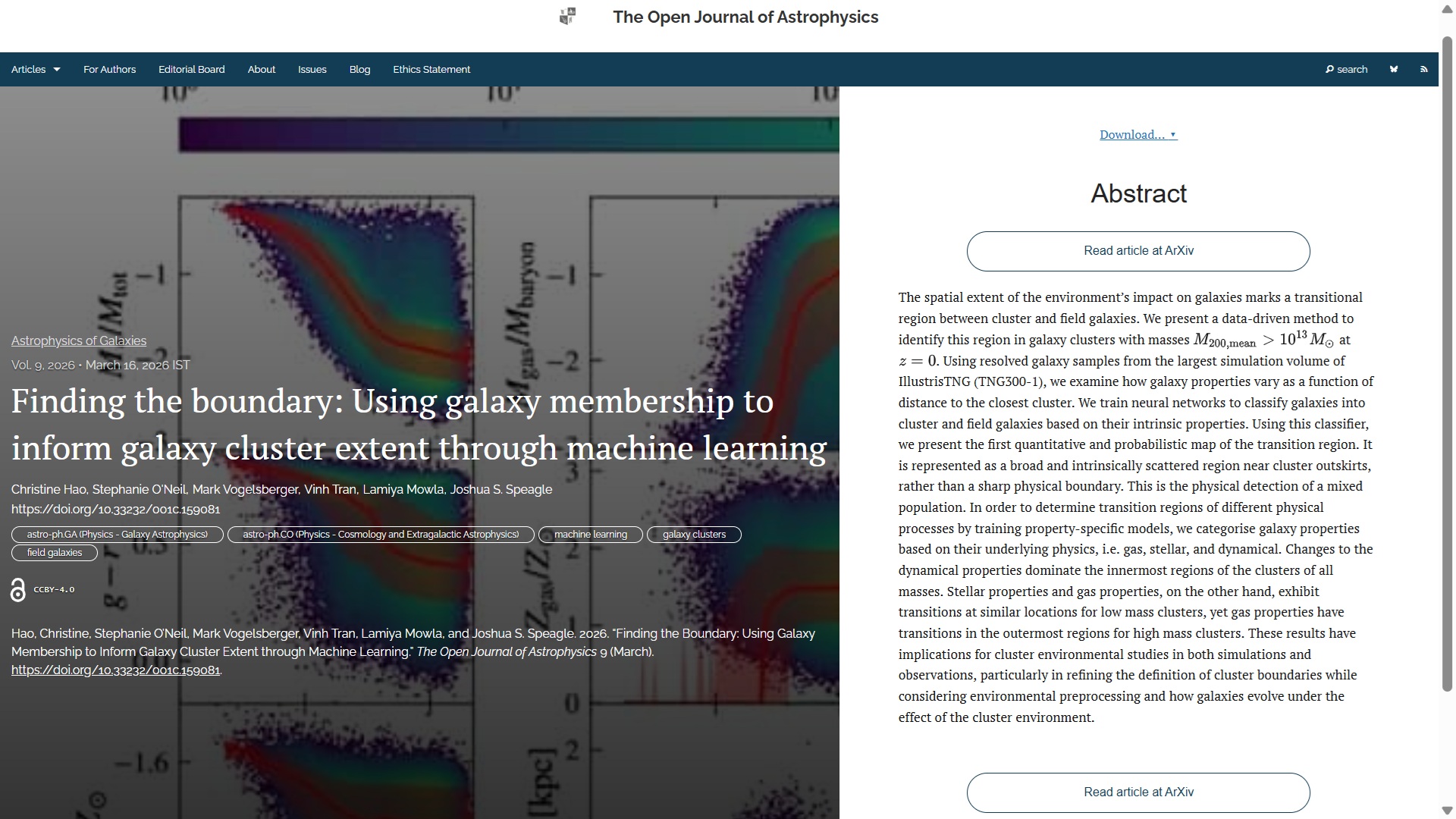
The second paper for this week, also published on March 16th in the folder Astrophysics of Galaxies, is “Finding the boundary: Using galaxy membership to inform galaxy cluster extent through machine learning” by Christine Hao, Stephanie O’Neil, Mark Vogelsberger, & Vinh Tran (MIT, USA), Lamiya Mowla (Wellesley College, USA) and Joshua S. Speagle (U. Toronto, Canada). This study uses neural networks and simulations to identify and map the transitional region between cluster and field galaxies, revealing it as a scattered area rather than a sharp boundary.
The overlay for this one is here:
The official version of the paper can be found on arXiv here and the Fediverse announcement here:
New Publication at the Open Journal of Astrophysics: "Finding the boundary: Using galaxy membership to inform galaxy cluster extent through machine learning" by Christine Hao, Stephanie O'Neil, Mark Vogelsberger, & Vinh Tran (MIT, USA), Lamiya Mowla (Wellesley College, USA) and Joshua S. Speagle (U. Toronto, Canada)
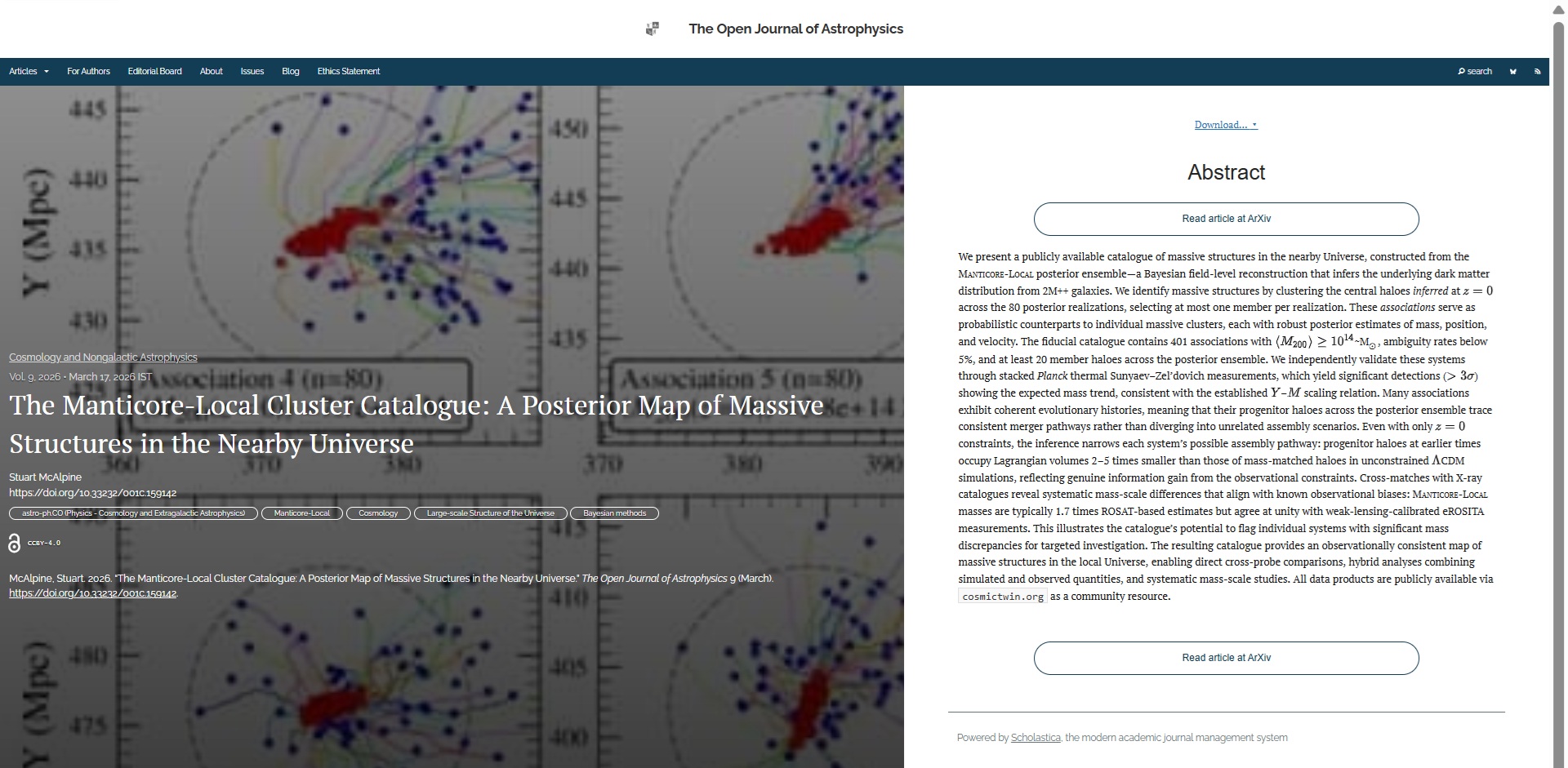
New Publication at the Open Journal of Astrophysics: "The Manticore-Local Cluster Catalogue: A Posterior Map of Massive Structures in the Nearby Universe" by Stuart McAlpine (Oskar Klein Centre, Stockholm U., Sweden)
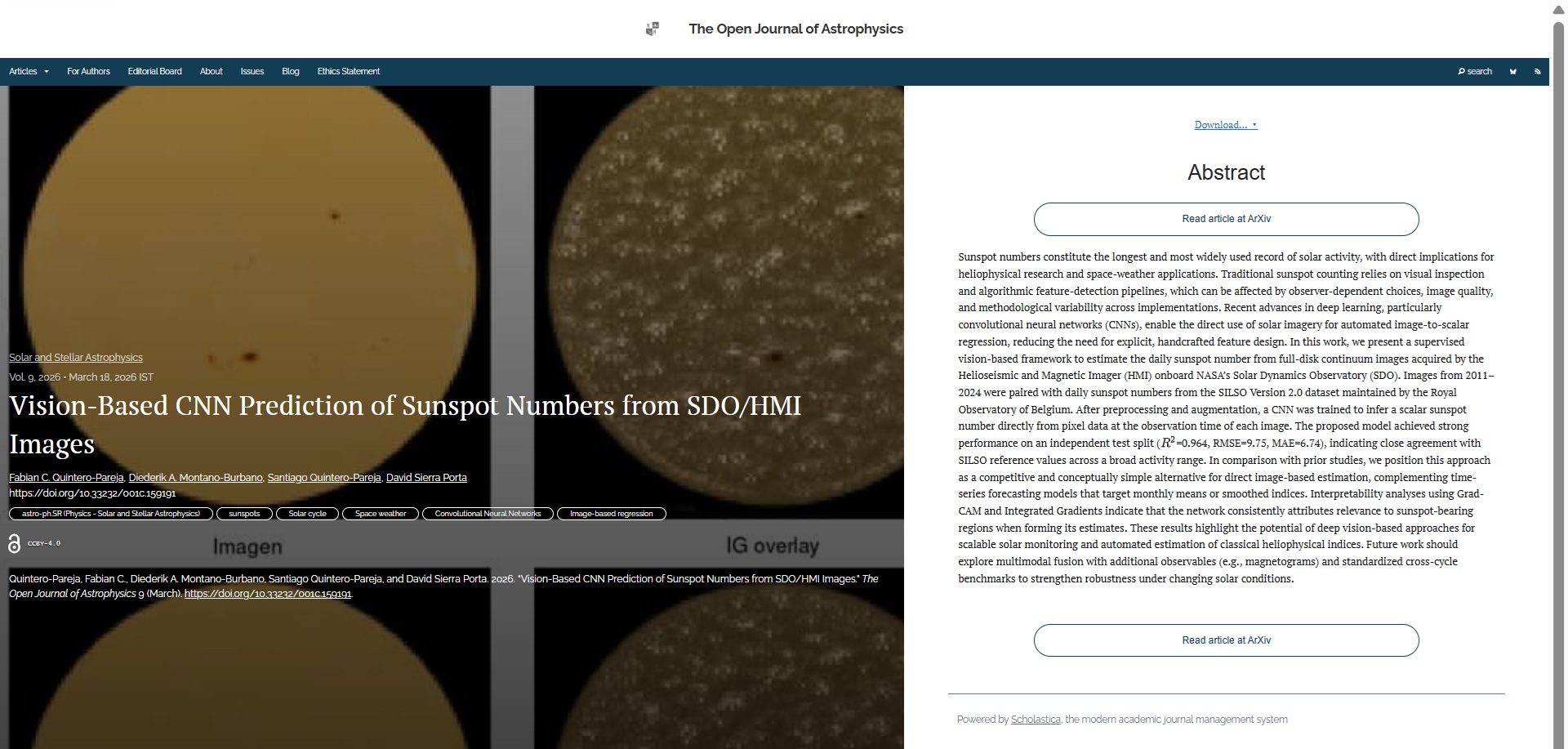
The fourth paper this week, published on 18th March 2026 in the folder Solar and Stellar Astrophysics is “Vision-Based CNN Prediction of Sunspot Numbers from SDO/HMI Images” by Fabian C. Quintero-Pareja, Diederik A. Montano-Burbano, Santiago Quintero-Pareja & David Sierra Porta (Universidad Tecnológica de Bolívar, Colombia). This article describes a deep learning framework that uses convolutional neural networks to estimate daily sunspot numbers from solar images, offering a scalable and accurate method for solar monitoring.
The overlay is here:
The finally accepted version of this paper can be found here and the Mastodon announcement is here:
New Publication at the Open Journal of Astrophysics: "Vision-Based CNN Prediction of Sunspot Numbers from SDO/HMI Images" by Fabian C. Quintero-Pareja, Diederik A. Montano-Burbano, Santiago Quintero-Pareja & David Sierra Porta (Universidad Tecnológica de Bolívar, Colombia)
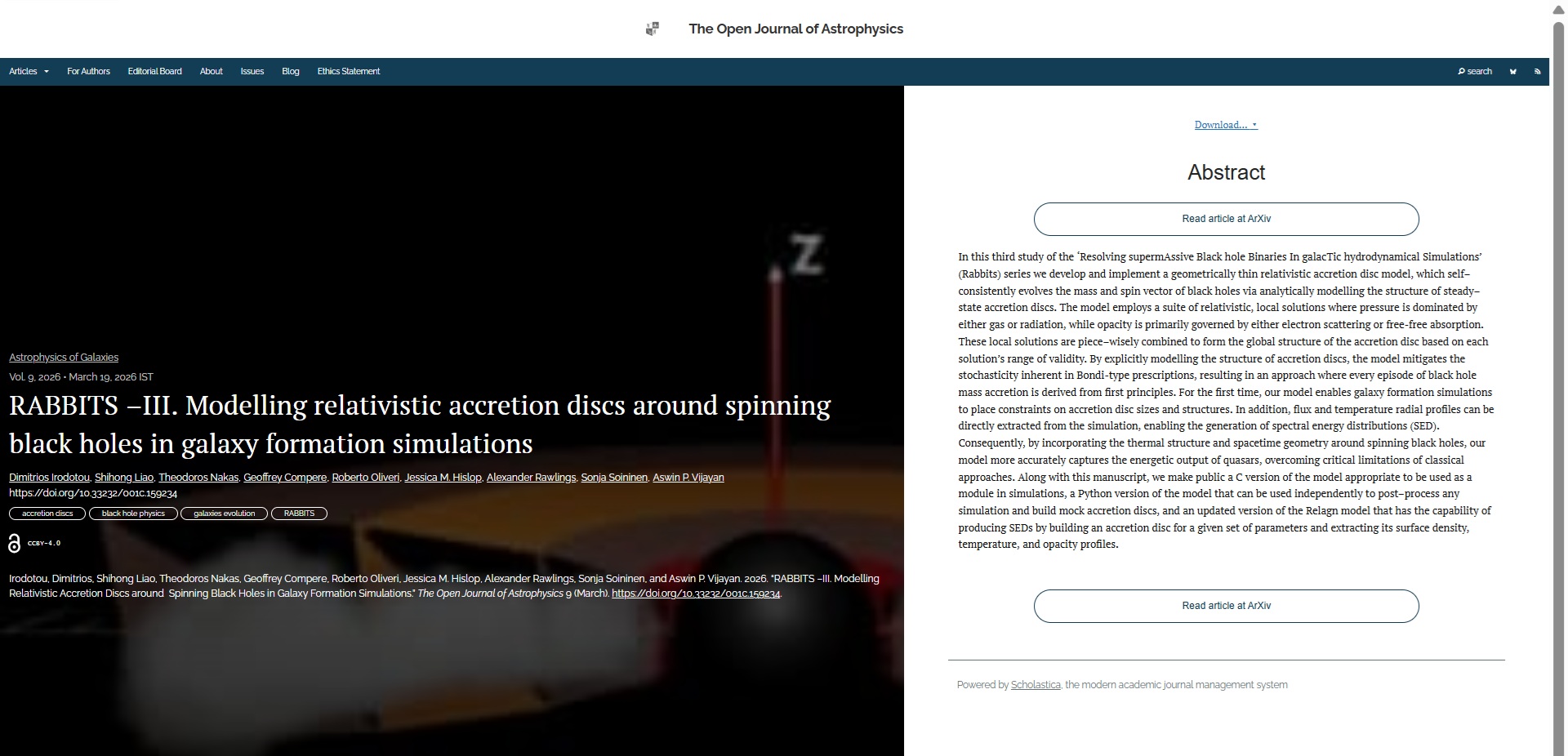
New Publication at the Open Journal of Astrophysics: "RABBITS –III. Modelling relativistic accretion discs around spinning black holes in galaxy formation simulations" by Dimitrios Irodotou (ICR, London) and 8 others based in China, Korea, Belgium, France, Finland and the UK.
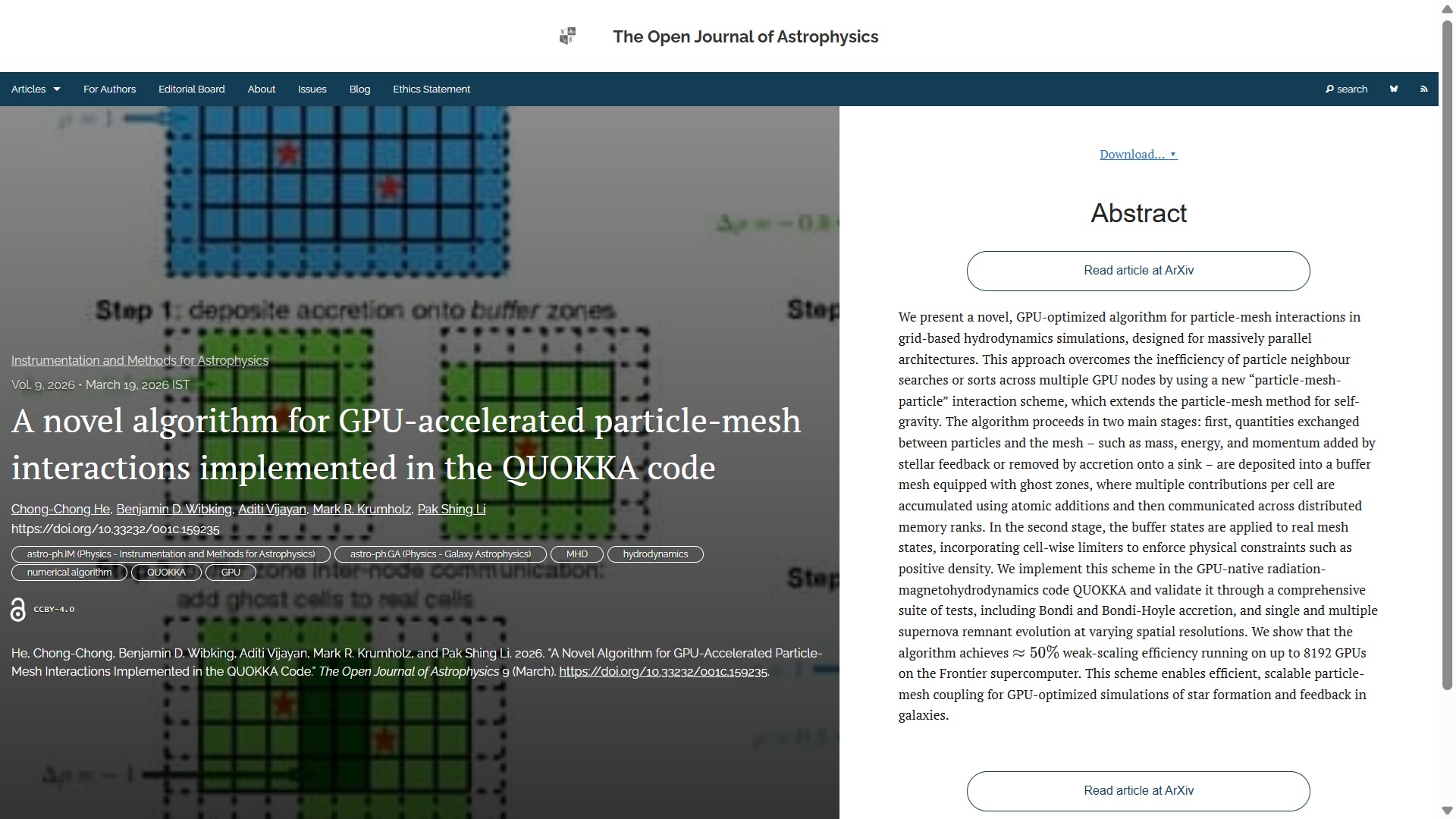
The sixth paper this week is “A novel algorithm for GPU-accelerated particle-mesh interactions implemented in the QUOKKA code” by Chong-Chong He (Australia National University), Benjamin D. Wibking (Michigan State U., USA), Aditi Vijayan (ANU), Mark R. Krumholz (ANU) and Pak Shing Li (Shanghai Astronomical Observatory, China). This was published on Thursday 19th March in the folder Instrumentation and Methods for Astrophysics. The article introduces a GPU-optimized algorithm for particle-mesh interactions in hydrodynamics simulations, improving efficiency and scalability in simulations of star formation and feedback in galaxies.
The overlay is here:
The officially accepted version of this paper can be found on arXiv here, and the Mastodon announcement is here:
New Publication at the Open Journal of Astrophysics: "A novel algorithm for GPU-accelerated particle-mesh interactions implemented in the QUOKKA code" by Chong-Chong He (Australia National University), Benjamin D. Wibking Michigan State U., USA), Aditi Vijayan (ANU), Mark R. Krumholz (ANU) and Pak Shing Li (Shanghai Astronomical Observatory, China)
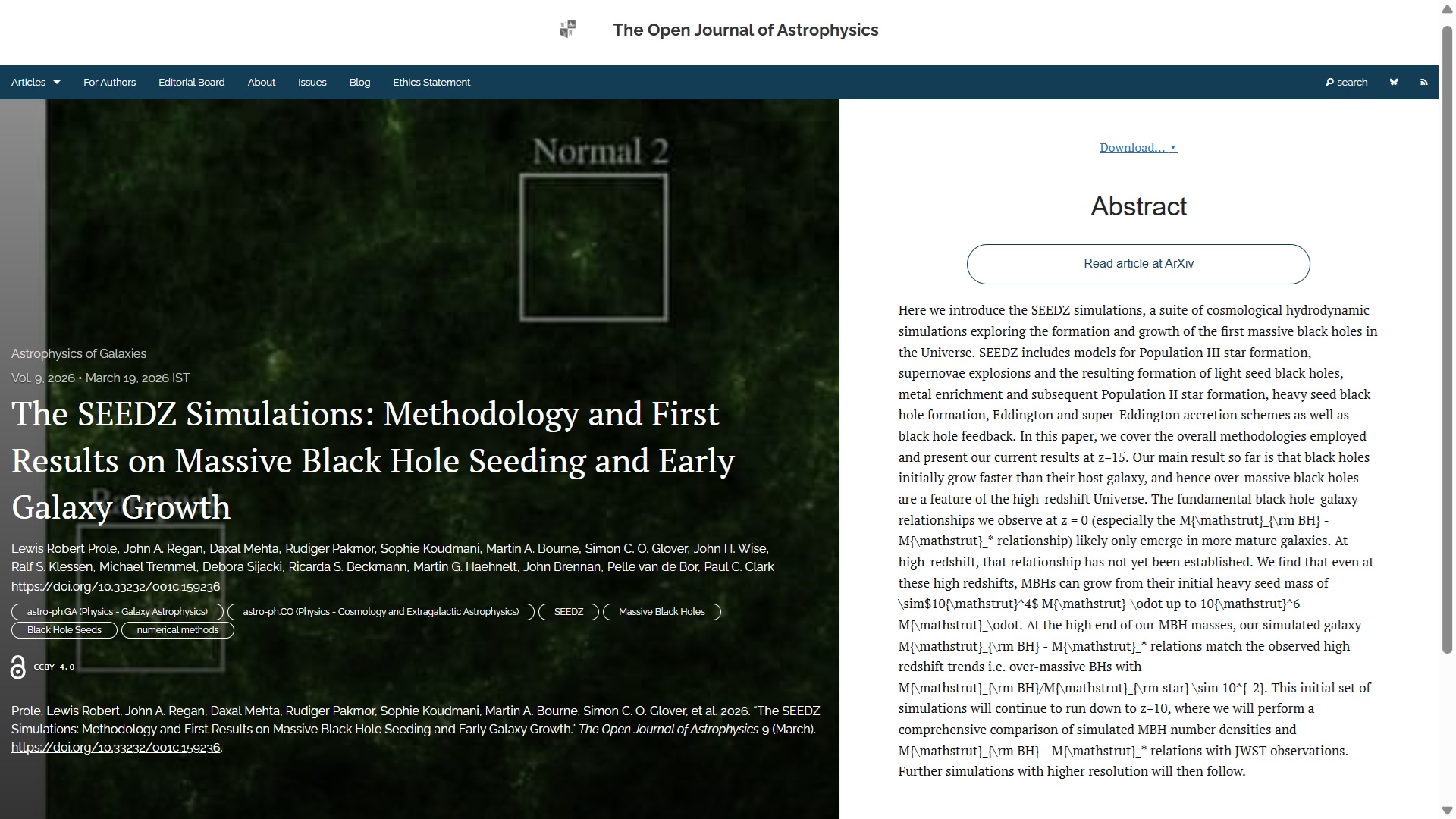
The penultimate, seventh, paper for this week is “The SEEDZ Simulations: Methodology and First Results on Massive Black Hole Seeding and Early Galaxy Growth” by Lewis Prole (NUI Maynooth, Ireland) and 15 others based in Ireland, Germany and the UK. This paper was also published on Thursday March 19th 2026 in the folder Astrophysics of Galaxies. Ir presents the SEEDZ simulations, studying the formation and growth of the universe’s first massive black holes, finding that these black holes initially grow faster than their host galaxies.
The overlay for this one is here:
The official version of this paper can be found here. This is the Mastodon announcement:
New Publication at the Open Journal of Astrophysics: "The SEEDZ Simulations: Methodology and First Results on Massive Black Hole Seeding and Early Galaxy Growth" by Lewis Prole (NUI Maynooth, Ireland) and 15 others based in Ireland, Germany and the UK.
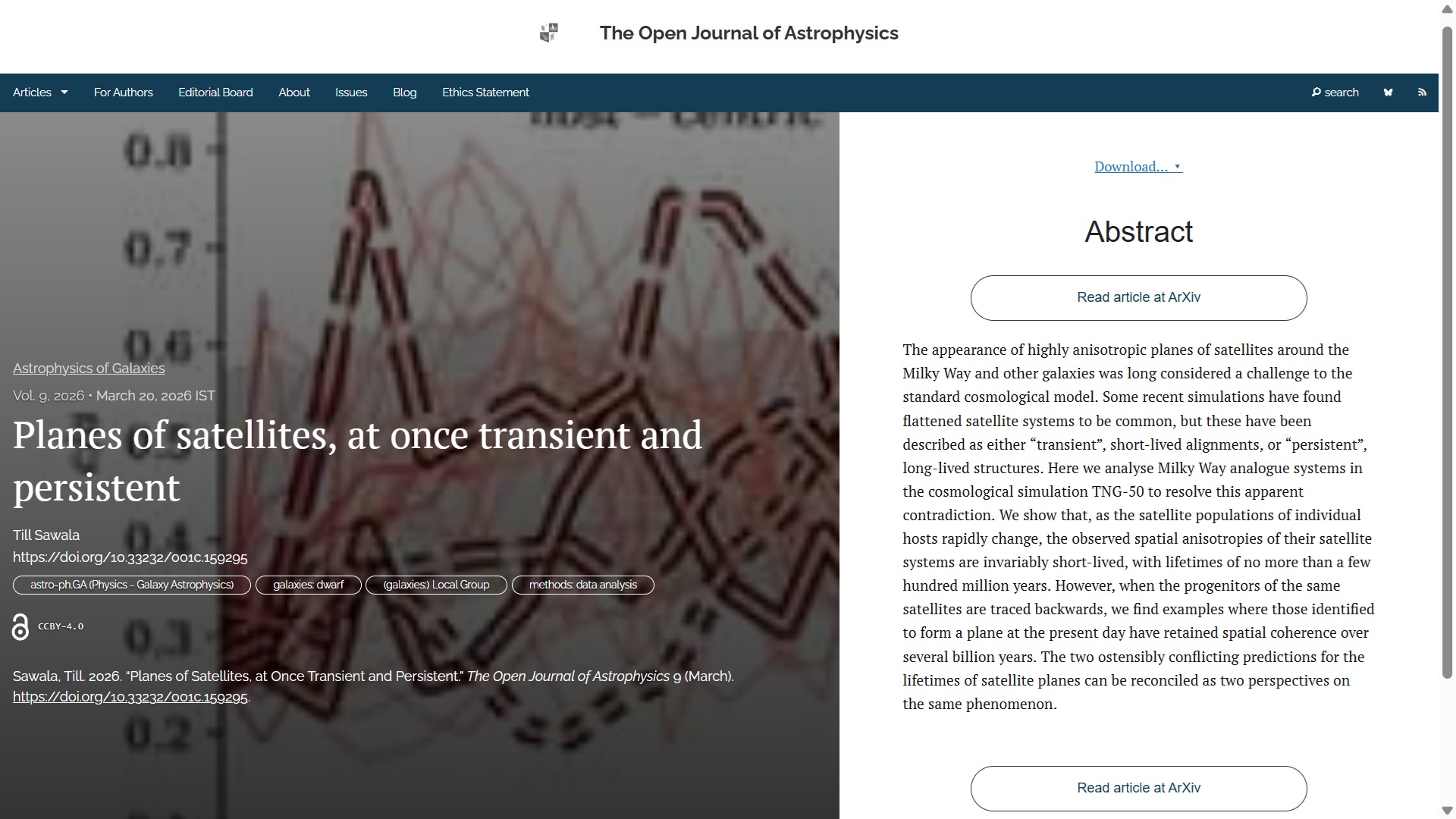
And finally for this week, published yesterday (Friday 20th March 2026) in the folder Astrophysics of Galaxies, we have “Planes of satellites, at once transient and persistent” by Till Sawala (University of Helsinki, Finland). This study resolves the contradiction in the lifespan of satellite systems around galaxies, showing they are short-lived but maintain spatial coherence over billions of years.
Here is the overlay for this one:
The officially accepted version can be found on arXiv here and the Mastodon announcement is here:
New Publication at the Open Journal of Astrophysics: "Planes of satellites, at once transient and persistent" by Till Sawala (University of Helsinki, Finland)
And that concludes the update for this week. Will we keep the rate up next week? Tune in next Saturday to find out!
P.S. Thank you once again to the many people who have responded to the latest call for editors. The Editorial Board has grown substantially over the last few weeks – an up-to-date version can be found here – and there are still some people waiting to get onboard, so please bear with me!
Loughcrew Cairn: for a few days on and around the Vernal Equinox the rays of the rising Sun penetrate the passage and illuminate the back stone.
Just a quick note to mention that the Vernal Equinox (Spring Equinox) in the Northern hemisphere happens this afternoon, Friday 20th March 2026, at 14.46 UTC (which is 2.46 pm local time here in Ireland. Many people in the Northern hemisphere regard the Vernal Equinox as the first day of Spring, atlhough round these parts that is taken to be 1st February (Imbolg). Of course in the Southern hemisphere, this is the Autumnal Equinox.
The date of the Vernal Equinox is often given as 21st March, but in fact it has only been on 21st March twice this century so far (2003 and 2007); it was on 20th March in 2008, has been on 20th March every spring from then until now, and will be until 2044 (when it will be on March 19th). I’ll be retired by then.
Anyway, people sometimes ask me how one can define the `equinox’ so precisely when surely it just refers to a day on which day and night are of equal length, implying that it’s a day not a specific time? The answer is that the equinox is defined by a specific event, the event in question being when the plane defined by Earth’s equator passes through the centre of the Sun’s disk (or, if you prefer, when the centre of the Sun passes through the plane defined by Earth’s equator). Day and night are not necessarily exactly equal on the equinox, but they’re the closest they get. From now until the Autumnal Equinox, days in the Northern hemisphere will be longer than nights, and the days will continue get longer until the Summer Solstice on June 21st before beginning to shorten again.
It’s Saturday once more, so it’s time for another update of activity at the Open Journal of Astrophysics. Since the last update we have published a further four papers, bringing the number in Volume 9 (2026) to 51 and the total so far published by OJAp up to 499. I hoped we would reach 500 this week, but that milestone will have to wait. We have however passed the 50 mark for this year, so we have now published more papers so far in 2026 than we published in all of 2023.
I will continue to include the posts made on our Mastodon account (on Fediscience) to encourage you to visit it. Mastodon is a really excellent service, and a more than adequate replacement for X/Twitter (which nobody should be using); these announcements also show the DOI for each paper.
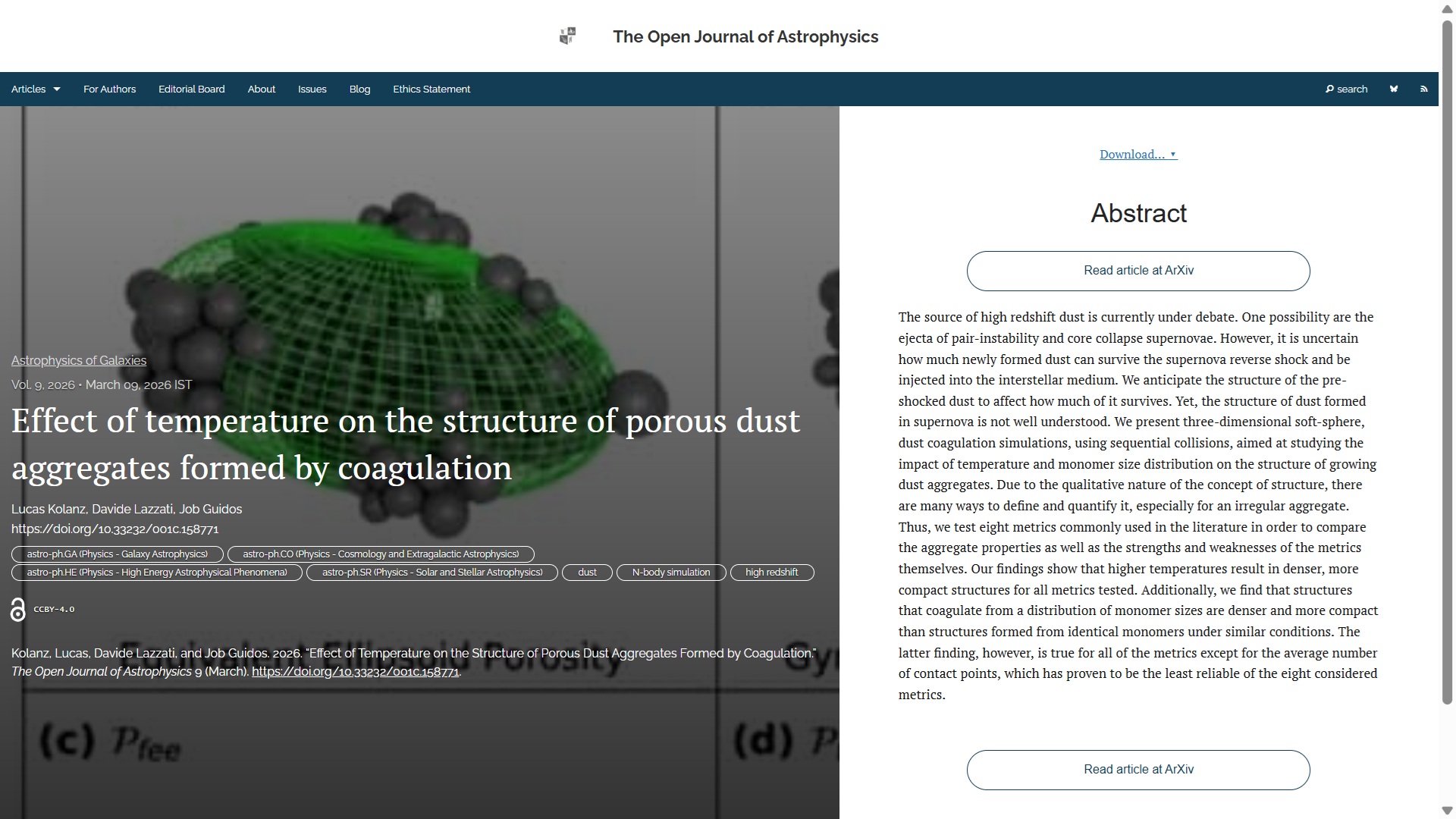
New Publication at the Open Journal of Astrophysics: "Effect of temperature on the structure of porous dust aggregates formed by coagulation" by Lucas Kolanz, Davide Lazzati and Job Guidos (Oregon State University, USA)
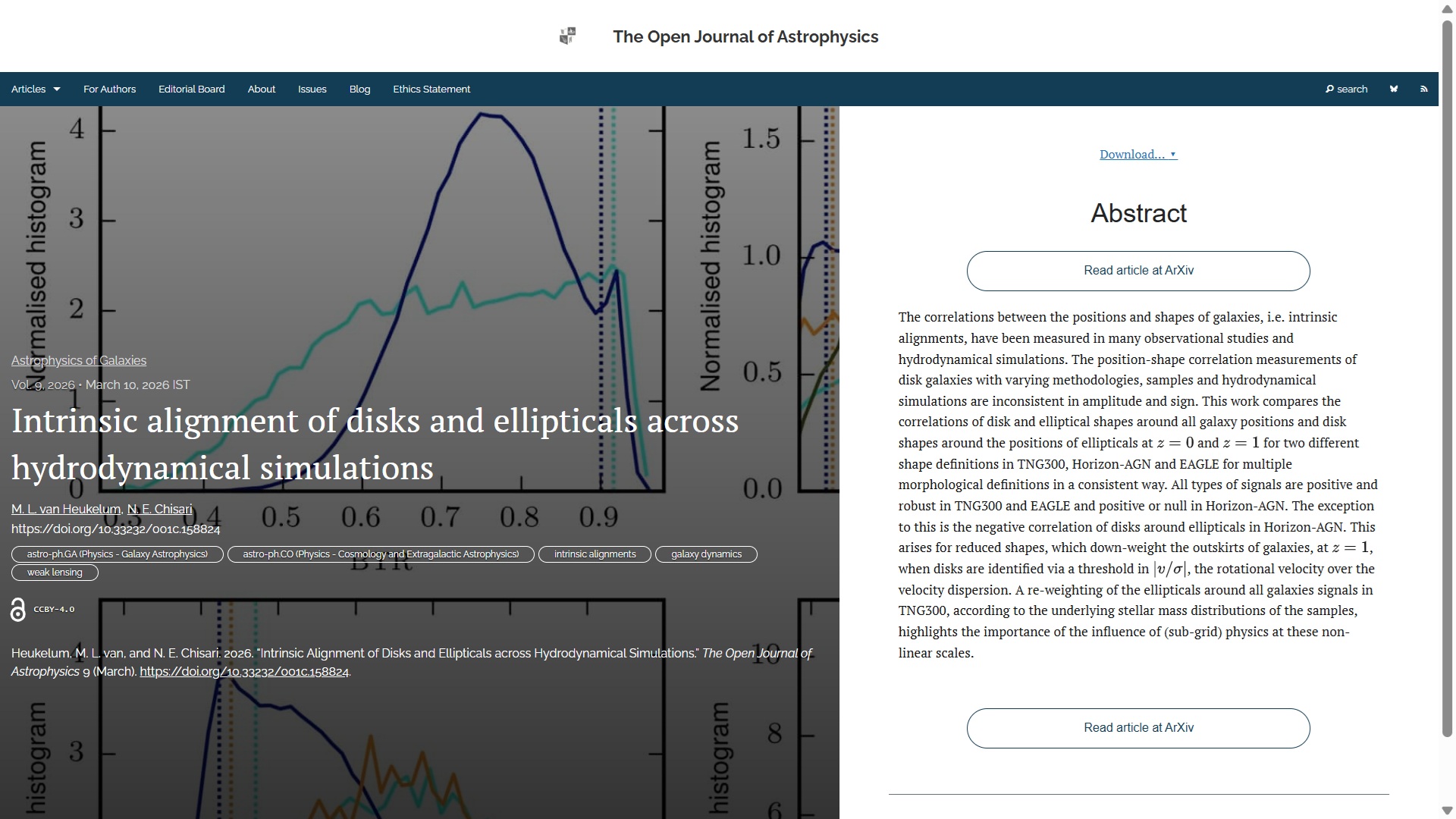
The second paper for this week is “Intrinsic alignment of disks and ellipticals across hydrodynamical simulations” by M. L. van Heukelum and N. E. Chisari (Utrecht University, The Netherlands). This is one of two papers published on Tuesday 10th March. This one is in the folder Astrophysics of Galaxies: it examines the inconsistent correlations between galaxy positions and shapes, comparing disk and elliptical shapes in different simulations. The results highlight the importance of sub-grid physics at non-linear scales.
The overlay for this one is here:
The official version of the paper can be found on arXiv here and the Fediverse announcement here:
New Publication at the Open Journal of Astrophysics: "Intrinsic alignment of disks and ellipticals across hydrodynamical simulations" by M. L. van Heukelum and N. E. Chisari (Utrecht University, The Netherlands)
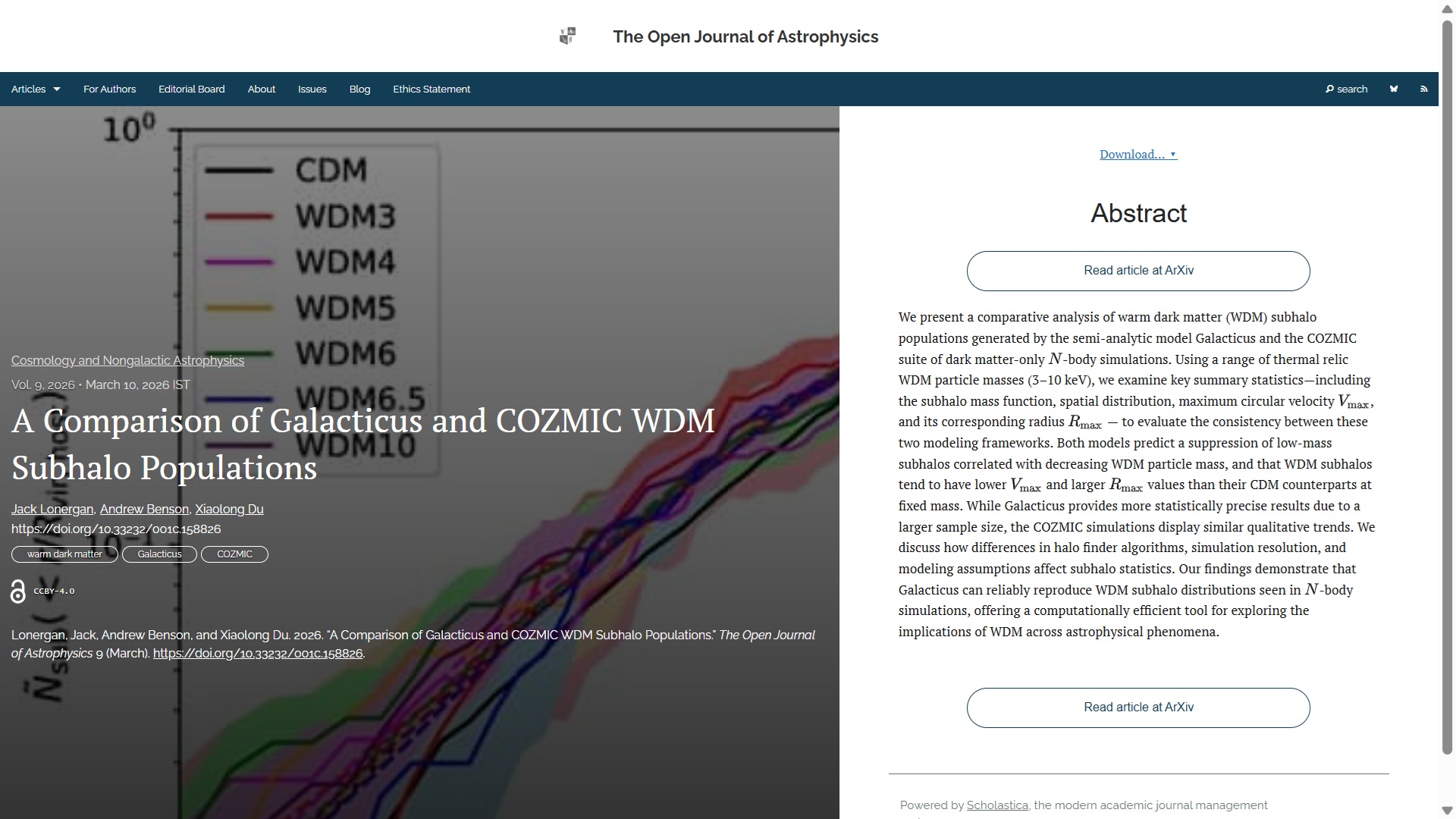
Next one up is “A Comparison of Galacticus and COZMIC WDM Subhalo Populations” by Jack Lonergan (U. Southern California), Andrew Benson (Carnegie Observatories) and Xiaolong Du (UCLA), all based in the USA. This paper was published on 10th March 2026 in the folder Cosmology and Nongalactic Astrophysics. The study compares warm dark matter subhalo populations using the Galacticus model and COZMIC simulations, finding both can reliably reproduce these distributions, with Galacticus offering computational efficiency.Abstractfor A Comparison of Galacticus and COZMIC WDM Subhalo Populations.
The overlay for this one is here:
The final, accepted version can be found on arXiv here and the Mastodon announcement is here:
New Publication at the Open Journal of Astrophysics: "A Comparison of Galacticus and COZMIC WDM Subhalo Populations" by Jack Lonergan (U. Southern California), Andrew Benson (Carnegie Observatories) and Xiaolong Du (UCLA), all based in the USA.
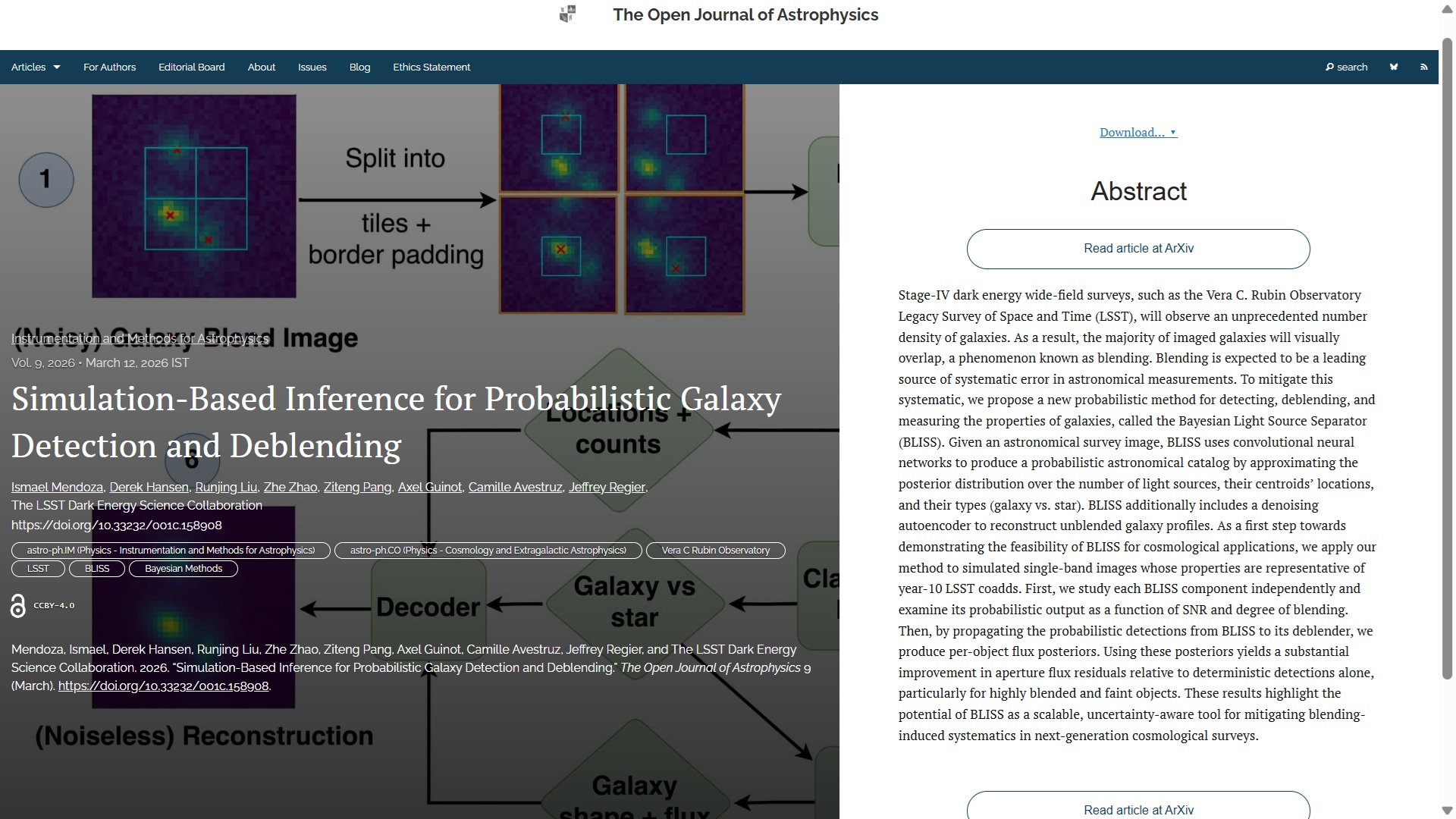
And finally for this week we have “Simulation-Based Inference for Probabilistic Galaxy Detection and Deblending” by Ismael Mendoza (U. Maryland, USA) and 7 others (all based in the USA) on behalf of the LSST Dark Energy Science Collaboration. This was published on Thursday March 12th in the folder Instrumentation and Methods for Astrophysics. The article introduces the Bayesian Light Source Separator (BLISS), for detecting and measuring galaxy properties in wide-field cosmological surveys. BLISS demonstrates improved performance, particularly for faint and blended objects.
The overlay is here:
The finally accepted version of this paper can be found here and the Mastodon announcement is here:
New Publication at the Open Journal of Astrophysics: "Simulation-Based Inference for Probabilistic Galaxy Detection and Deblending" by Ismael Mendoza (U. Maryland, USA) and 7 others (all based in the USA) on behalf of the LSST Dark Energy Science Collaboration
P.S. Thank you once again to the many people who have responded to the latest call for editors. I’ve been sending out invitations and getting people onboard as quickly as I can, but I still have a number to get to, so please bear with me!
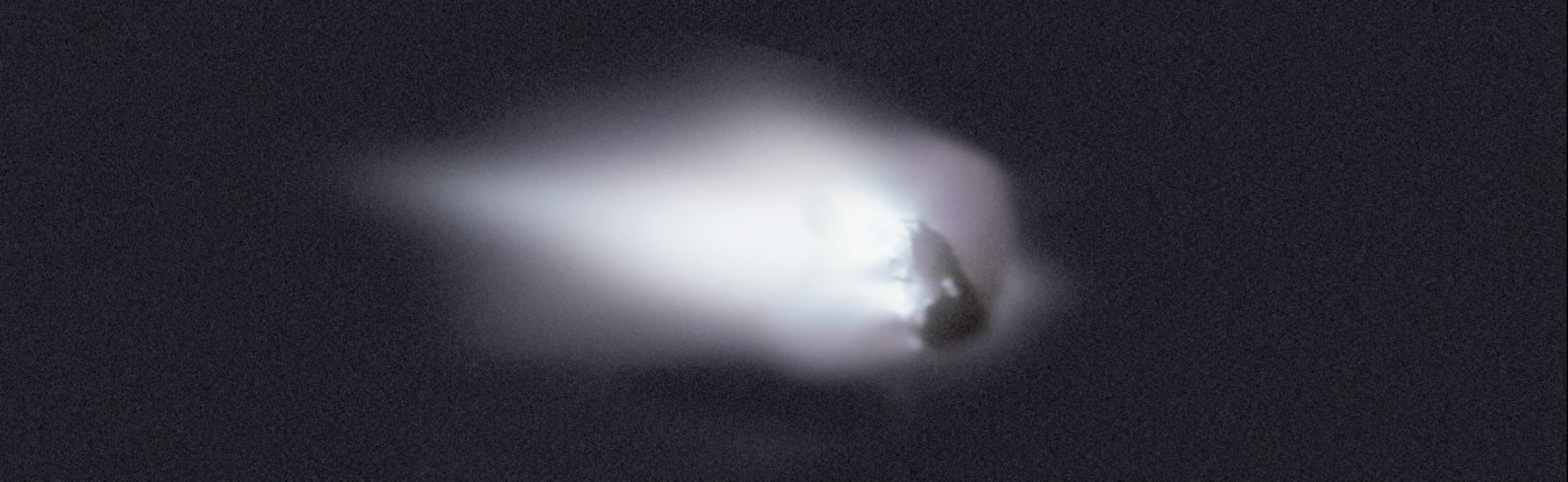
Today (Friday 13th March 2026) is 40 years to the day since the Giotto spacecraft started to send back images of Halley’s comet;it reached its closest approach on 14th March 1986. This guest post by my colleague in the Department of Physics at Maynooth, Dr Emma Whelan, was written to mark this anniversary and the connection with the eminent Irish astrophysicist Susan McKenna-Lawlor.
–o–
This week, as I mull over the importance of International Women’s Day, I am also thinking about the significance to Irish women scientists of the 40th anniversary of the historic flyby of Halley’s Comet by the European Space Agency’s first deep space mission Giotto. On 14 March 1986, Giotto passed within about 600 km of the nucleus of Halley’s comet at a relative speed of roughly 68 km/s. Despite being bombarded by dust particles in the comet’s coma, the spacecraft successfully returned unprecedented data. Maynooth University space scientist and former Head of the Department of Experimental Physics, Prof. Susan McKenna-Lawlor, made a key contribution to this mission and was the Principal Investigator for Giotto’s instrument, the Energetic Particle Analyser otherwise known as EPONA. EPONA was designed to measure high-energy charged particles in the vicinity of Halley’s comet. By analysing the flux and energy of these particles, the experiment helped scientists understand the interaction between the solar wind and a comet.
Giotto represents not only a major milestone in the history of ESA, but also an important moment in the history of the contribution of Irish Women to the field of Astrophysics and the involvement of Maynooth University women scientists, in Space Science. The Department of Physics now has a thriving Physics with Astrophysics degree (MH204) with many women (students, technicians, administrators and academics) making important contributions to the success of this programme. Prof. McKenna-Lawlor’s leadership in developing and operating the instrument represented one of Ireland’s earliest direct contributions to an international space mission. Her work helped establish Ireland’s reputation in space science and encouraged future Irish participation in European and international space research, especially by young women who were inspired by seeing an Irish woman succeeding in a field where women were very rarely visible.
Launched in July 1985, Giotto’s primary objective was to encounter and study Halley’s Comet during its 1986 return to the inner Solar System. ESA have compiled a movie of its encounter which can be viewed here. At the time, Halley’s Comet was the most famous comet known, having been observed for centuries, yet very little was understood about comets and in particular the detailed structure of their nuclei and the physical processes occurring as they approach the Sun. Giotto provided the first close-up measurements of a comet and fundamentally changed scientific understanding of these Solar System bodies. One of Giotto’s most significant results was the first direct image of a comet’s nucleus. The images revealed that Halley’s nucleus is a dark, irregular object roughly 15 km long, far darker than expected, reflecting only a small fraction of sunlight. This confirmed the long-standing “dirty snowball” model proposed by astronomer Fred Whipple, in which a comet consists of volatile ices mixed with dust and rocky material. Giotto’s observations also showed jets of gas and dust erupting from localised regions on the nucleus, demonstrating that cometary activity is driven by sunlight heating specific surface areas rather than uniformly across the surface.
In addition to imaging, Giotto carried instruments designed to study the plasma, dust, and the energetic particle environment around the comet. These measurements revealed the complex interaction between the comet’s expanding atmosphere and the solar wind. Scientists were able to observe the formation of structures such as bow shocks and ion tails, helping to explain how cometary material becomes ionised and carried away through space. These results provided critical insights into the physics of cometary comae and their interaction with the heliosphere. The results from EPONA were crucial in identifying regions where energetic particles were produced by the interaction between the solar wind and the cometary plasma. These measurements contributed to the understanding of shock waves and particle acceleration processes occurring near the comet.
Prof. McKenna-Lawlor (pictured above, in 2017) was born in Dublin in 1935 and received a BSc, MSc and PhD from University College Dublin. She was a research assistant at The Dublin Institute for Advanced Studies and became a lecturer at the Department of Experimental Physics in Maynooth in the early 1970s. She has received numerous awards including the Russian Tsiokovsky Gold Medal for “Outstanding Contributions to Cosmonautics” in 1988. She has written several books on the history of Irish Astronomy including “Whatever Shines Should be Observed” that documents the pioneering contributions of five 19th-century Irish women to astronomy, photography, and science. The title is derived from the motto of the Royal Astronomical Society. In more recent times she was involved with ESA’s Rosetta mission which landed its Philae probe on comet 67P/Churyumov-Gerasimenko on November 12, 2014.
It’s Saturday once more, so it’s time for another update of activity at the Open Journal of Astrophysics. After a bumper week last week, this week has been slower on the publication side. Since the last update we have published a further two papers, bringing the number in Volume 9 (2026) to 47 and the total so far published by OJAp up to 495.
I will continue to include the posts made on our Mastodon account (on Fediscience) to encourage you to visit it. Mastodon is a really excellent service, and a more than adequate replacement for X/Twitter (which nobody should be using); these announcements also show the DOI for each paper.
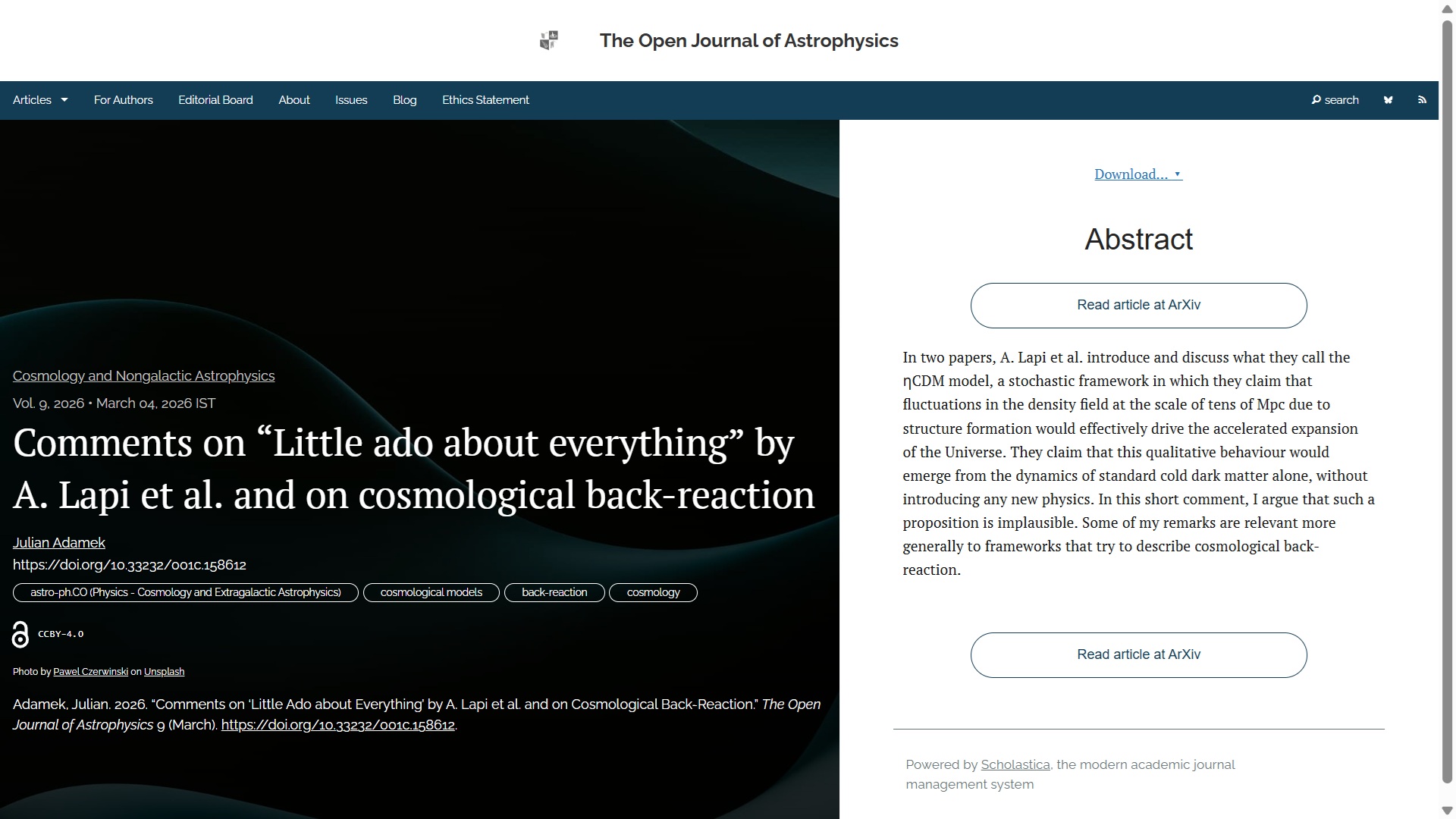
New Publication at the Open Journal of Astrophysics: "Comments on “Little ado about everything” by A. Lapi et al. and on cosmological back-reaction" by Julian Adamek (Universität Zürich, Switzerland)
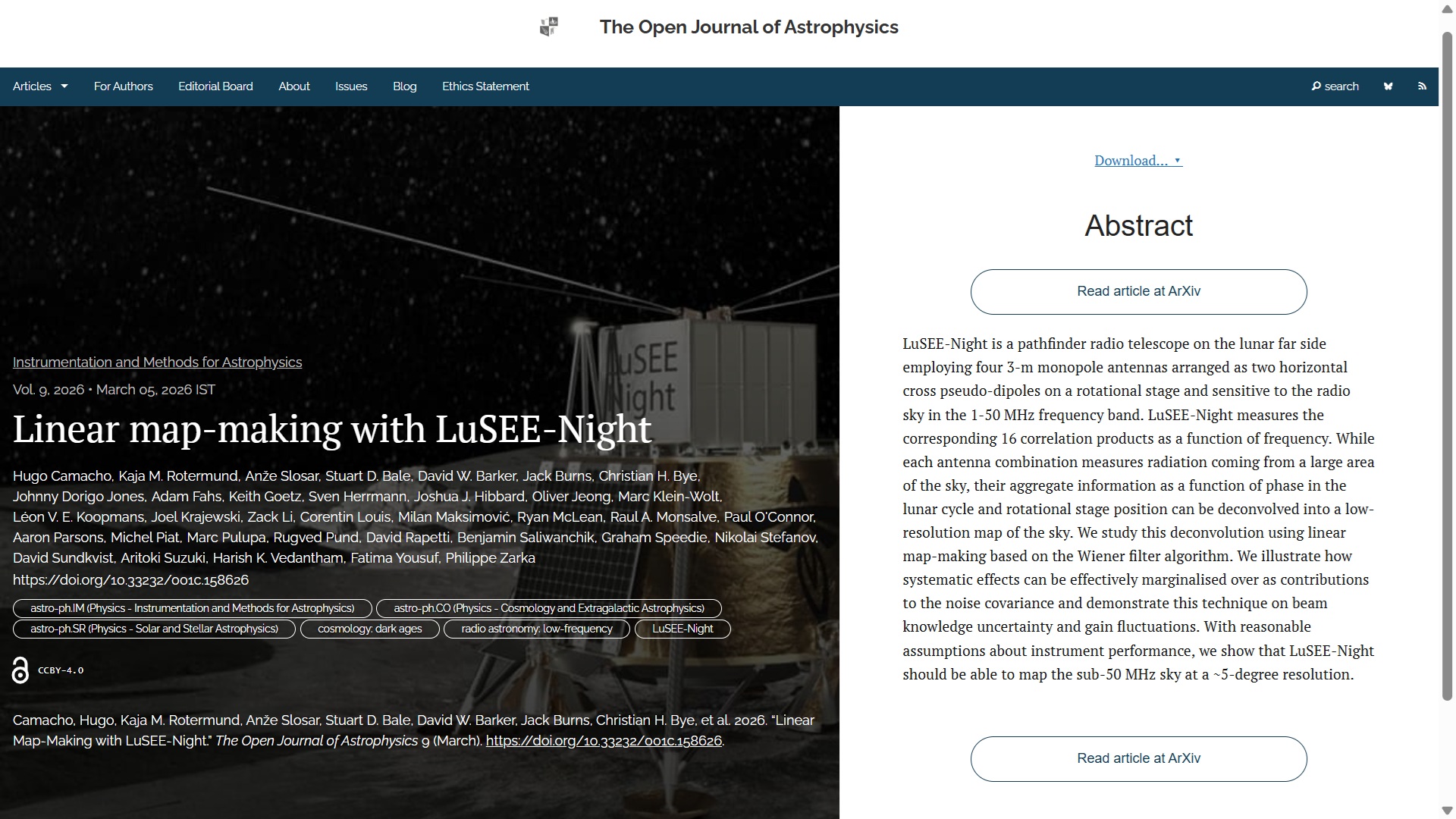
The second (and last) paper for this week is “Linear map-making with LuSEE-Night” by Hugo Camacho (Brookhaven National Laboratory, USA) and 34 others based in the USA, France, and the Netherlands. This was published on Thursday 5th March in the folder Instrumentation and Methods for Astrophysics. The paper discusses LuSEE-Night (the Lunar Surface Electromagnetics Experiment), a proposed lunar radio telescope using four antennas to map the sub-50 MHz sky with a 5-degree resolution, using the Wiener filter algorithm to manage systematic effects.
The overlay for this one is here:
The official version of the paper can be found on arXiv here and the Fediverse announcement here:
New Publication at the Open Journal of Astrophysics: "Linear map-making with LuSEE-Night" by Hugo Camacho (Brookhaven National Laboratory, USA) and 34 others based in the USA, France, and the Netherlands.
That concludes this week’s (brief) update. Based on the number of papers accepted and waiting to be published it is likely we will pass 50 for the year and 500 in total by next week.
P.S. Thank you once again to the many people who have responded to the latest call for editors. I’ve been sending out invitations and getting people onboard as quickly as I can, but I still have a number to get to so please bear with me!
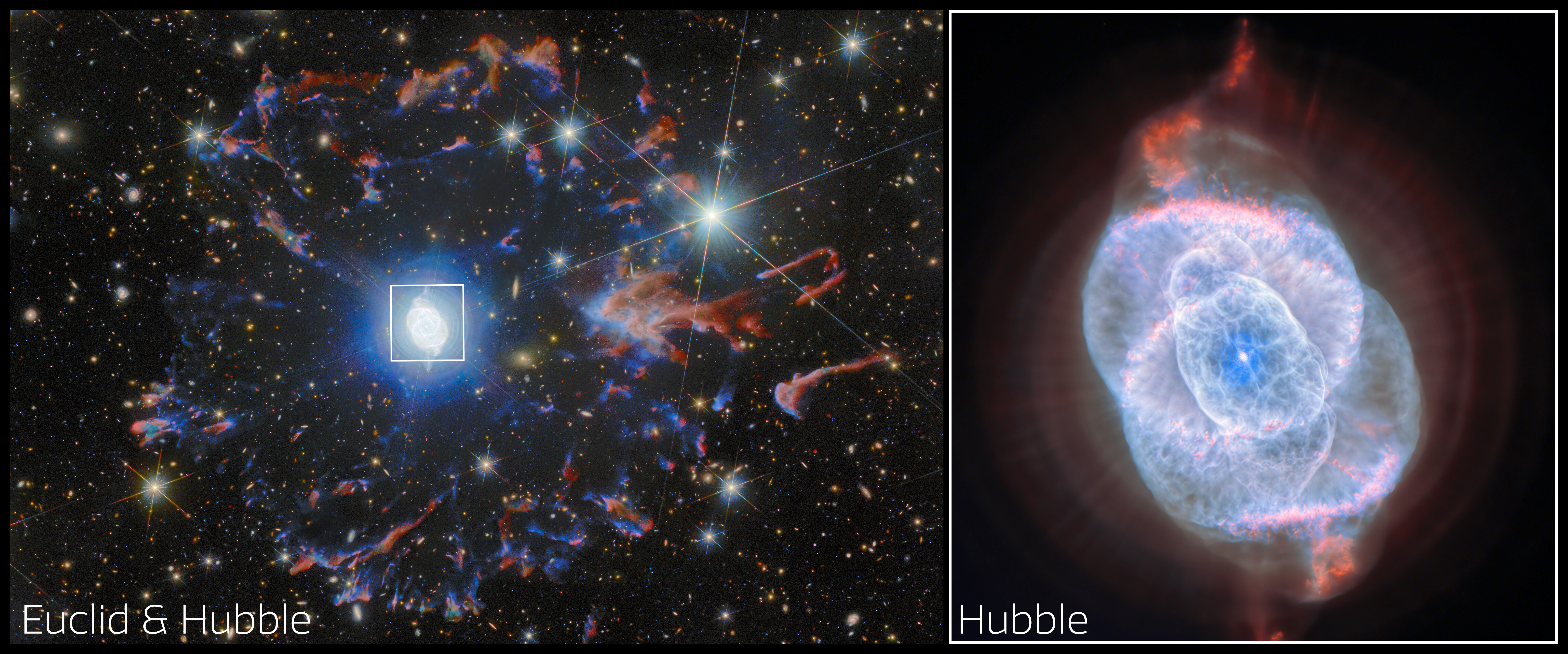
This extraordinary planetary nebula in the constellation Draco has captivated astronomers for decades with its elaborate and multilayered structure. Observations with ESA’s Gaia mission place the nebula at a distance of about 4300 light-years.
Planetary nebulae, so-called because of their round shape when viewed through early telescopes, are in fact expanding gas thrown off by stars in their final stages of evolution. It was the Cat’s Eye Nebula itself where this fact was first discovered in 1864 – examining the spectrum of its light reveals the emission from individual molecules that’s characteristic of a gas, distinguishing planetary nebulae from stars and galaxies.
Here, the nebula is showcased through the combined eyes of the NASA/ESA Hubble Space Telescope and ESA’s Euclid, highlighting the remarkable complexity of stellar death.
Though primarily designed to map the distant Universe, Euclid captures the Cat’s Eye Nebula as part of its deep imaging surveys. In Euclid’s wide, near-infrared and visible light view, the arcs and filaments of the nebula’s bright central region are situated within a halo of colourful fragments of gas zooming away from the star.
This ring was ejected from the star at an earlier stage, before the main nebula at the centre formed. The whole nebula stands out against a backdrop teeming with distant galaxies, demonstrating how local astrophysical beauty and the farthest reaches of the cosmos can be seen together in modern astronomical surveys.
Within this broad view of the nebula and its surroundings, Hubble captures the very core of the billowing gas with high-resolution visible-light images, adding extra detail in the centre of this image. The data reveal a tapestry of concentric shells, jets of high-speed gas and dense knots sculpted by shock interactions, features that appear almost surreal in their intricacy. These structures are believed to record episodic mass loss from the dying star at the nebula’s centre, creating a kind of cosmic “fossil record” of its final evolutionary stages.
Combining the focused view of Hubble with Euclid’s deep field observations not only highlights the nebula’s exquisite structure but also places it within the broader context of the Universe that both space telescopes explore. Together, these missions provide a rich and complementary view of NGC 6543 – revealing the delicate interplay between stellar end-of-life processes and the vast surrounding space.
–o–
For more information, see here. There’s also this video which shows the Nebula in context in Euclid’s extraordinarily impressive wide field capability and Hubble’s superb resolution in the optical band:
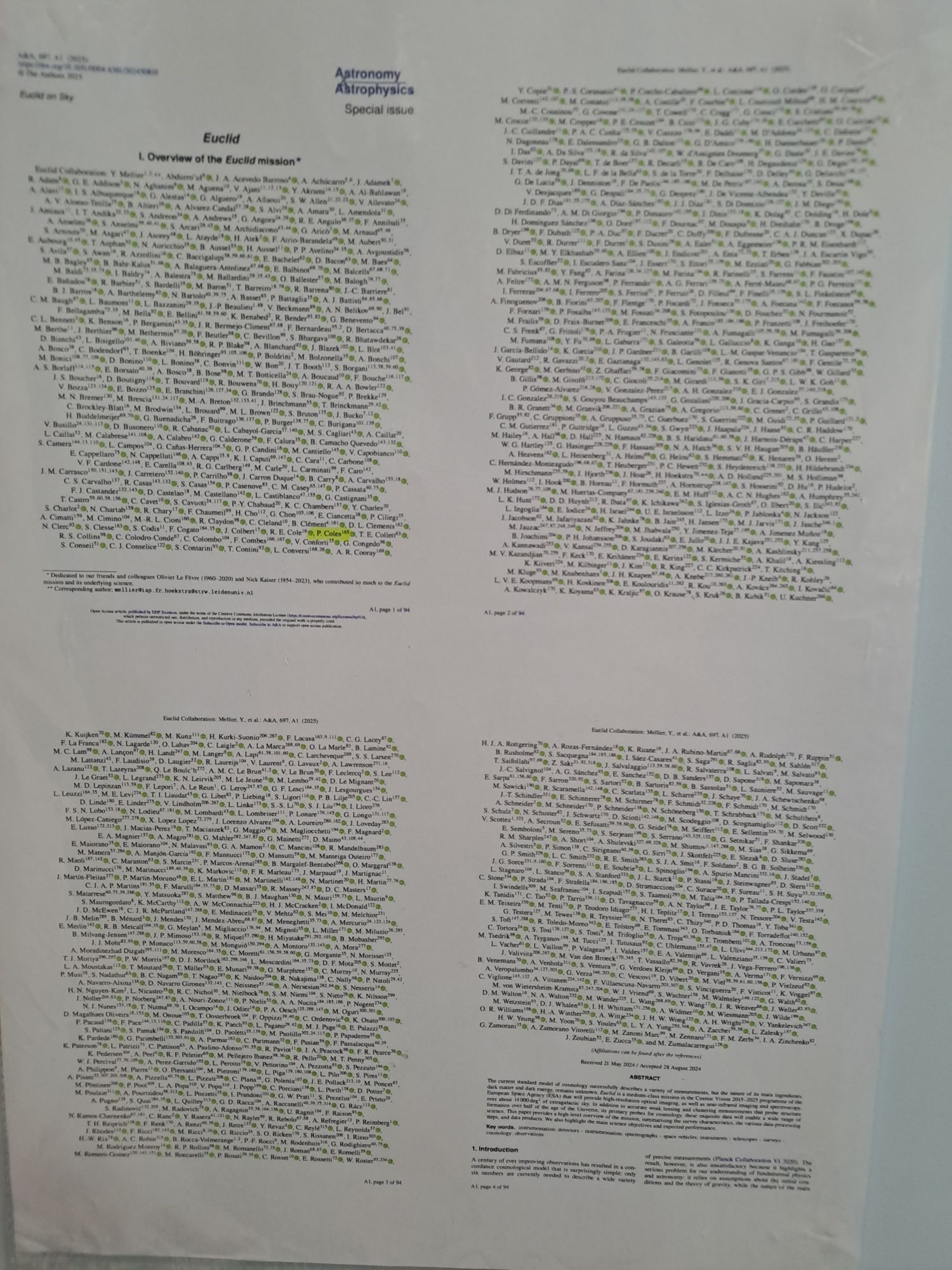
P.S. I put the following on my office door in Maynooth University to demonstrate the true scale (!) of my own involvement in Euclid.
It’s Saturday once more, so it’s time for another update of activity at the Open Journal of Astrophysics. It has been a busy week. Since the last update we have published a further nine papers, bringing the number in Volume 9 (2026) to 45 and the total so far published by OJAp up to 493.
I will continue to include the posts made on our Mastodon account (on Fediscience) to encourage you to visit it. Mastodon is a really excellent service, and a more than adequate replacement for X/Twitter (which nobody should be using); these announcements also show the DOI for each paper.
The first four papers this week were all published on Monday 23rd February.
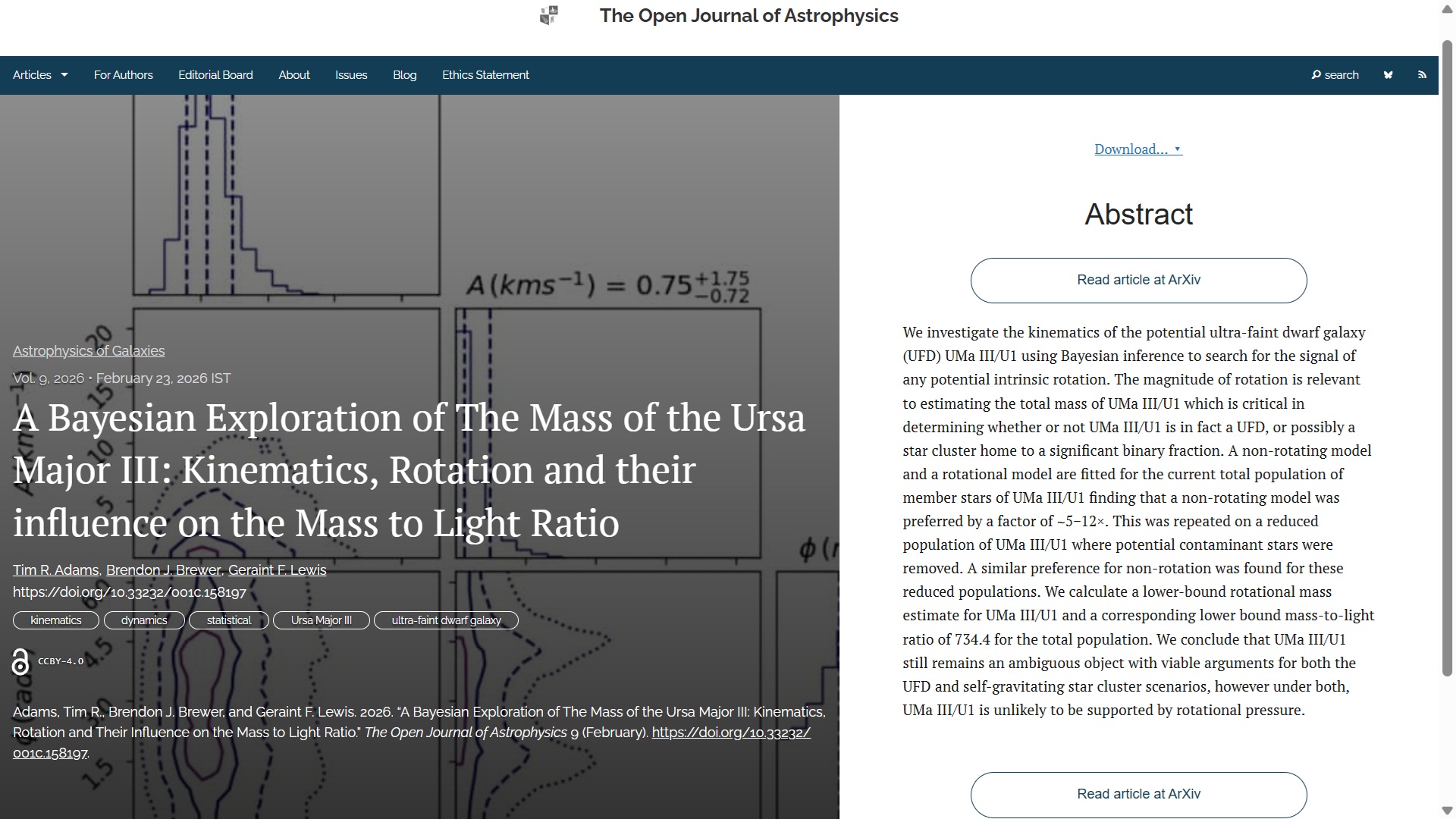
New Publication at the Open Journal of Astrophysics: "A Bayesian Exploration of The Mass of the Ursa Major III: Kinematics, Rotation and their influence on the Mass to Light Ratio" by Tim R. Adams (U. Sydney, Australia), Brendon J. Brewer (U. Auckland, New Zealand) and Geraint F. Lewis (Sydney)
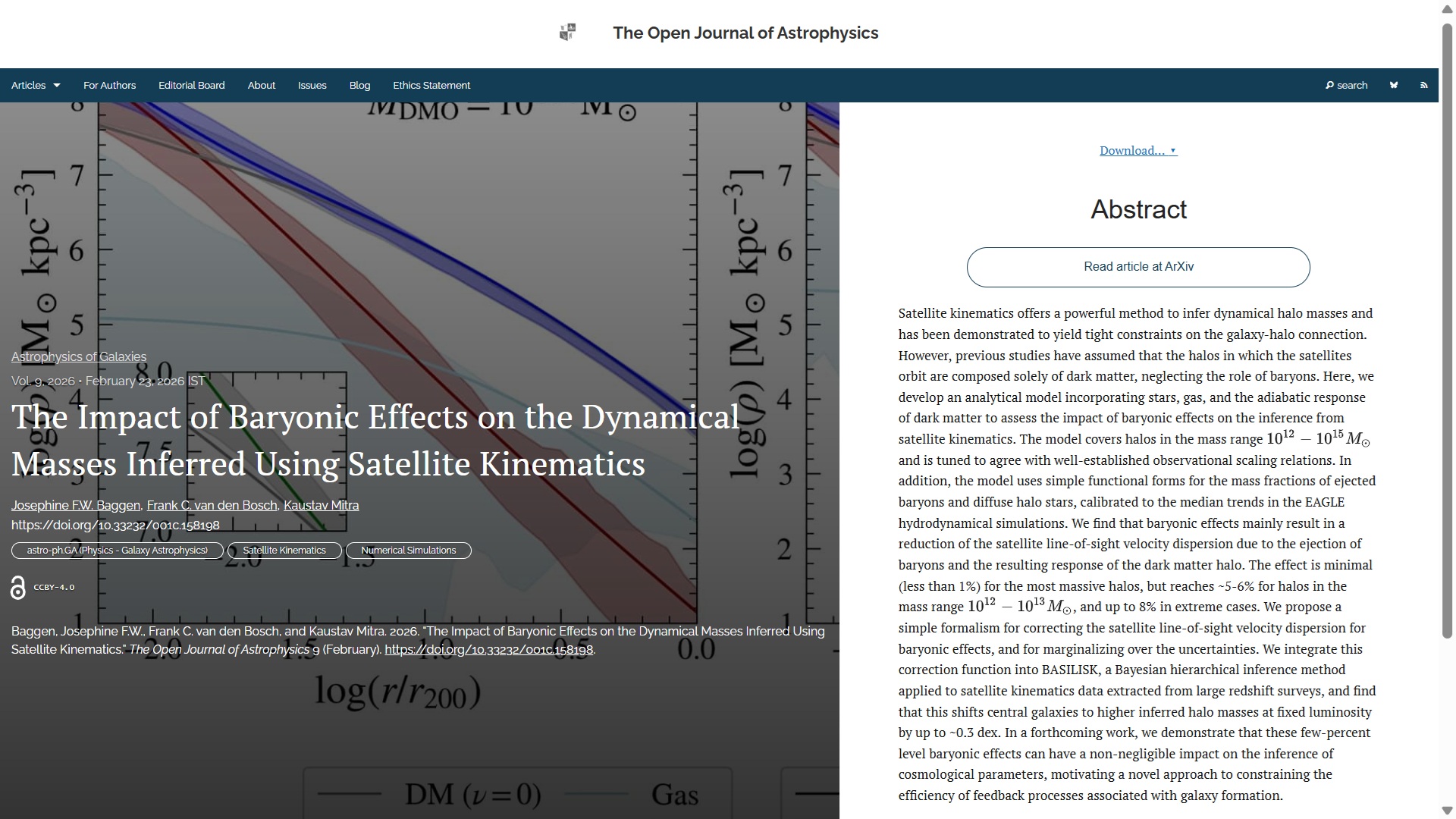
The second paper is “The Impact of Baryonic Effects on the Dynamical Masses Inferred Using Satellite Kinematics” by Josephine F.W. Baggen, Frank C. van den Bosch, and Kaustav Mitra (Yale U., USA). This paper, also in the folder Astrophysics of Galaxies, presents a model to assess the impact of stars and gas on satellite kinematics, showing that these baryonic effects can reduce the satellite velocity dispersion and increase inferred central galaxy masses.
The overlay for this one is here:
The official version of the paper can be found on arXiv here and the Fediverse announcement here:
New Publication at the Open Journal of Astrophysics: "The Impact of Baryonic Effects on the Dynamical Masses Inferred Using Satellite Kinematics" by Josephine F.W. Baggen, Frank C. van den Bosch, and Kaustav Mitra (Yale U., USA)
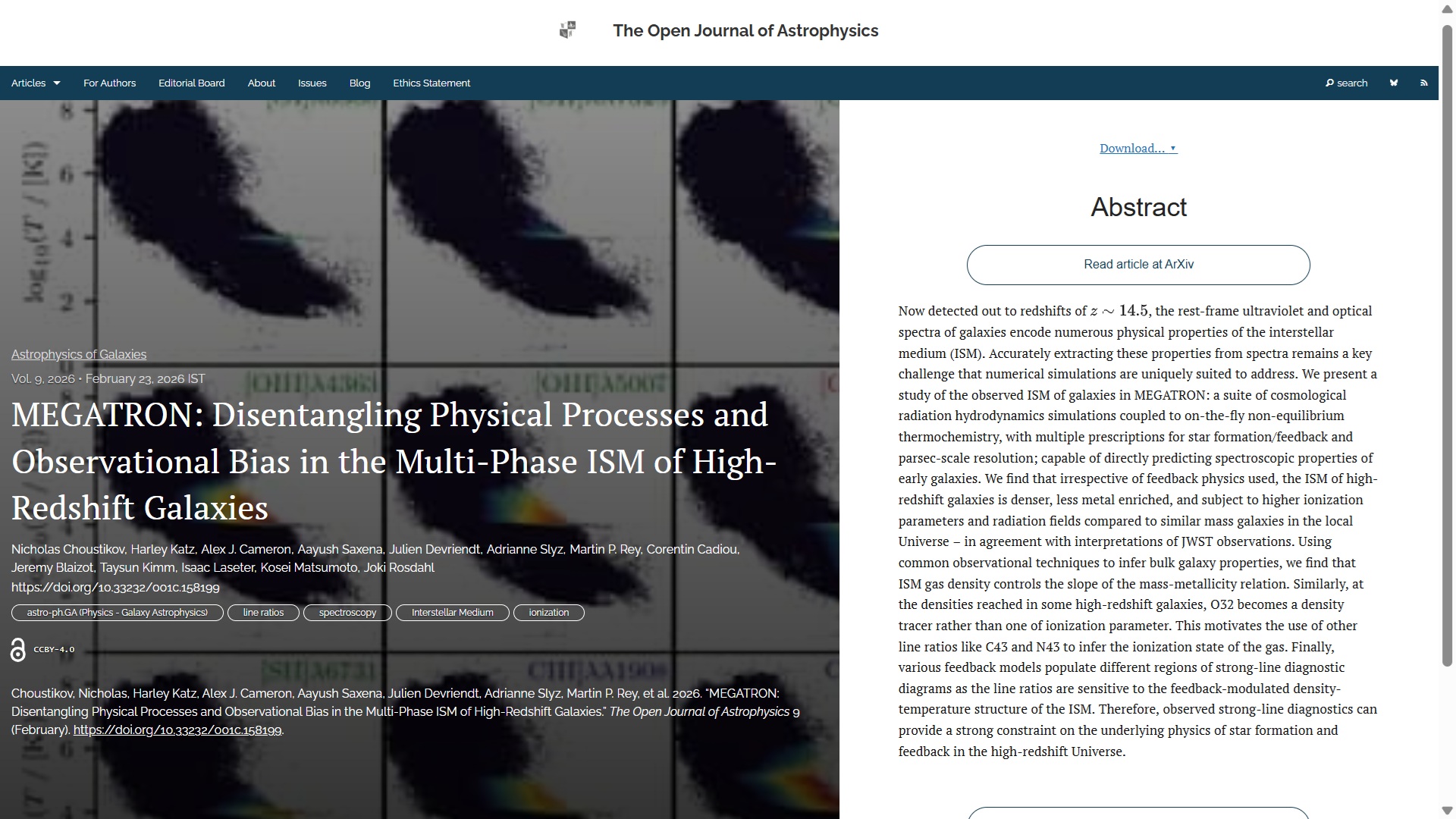
The third paper this week, and the third published on Monday 23rd February, and the third in the folder Astrophysics of Galaxies, is “MEGATRON: Disentangling Physical Processes and Observational Bias in the Multi-Phase ISM of High-Redshift Galaxies” by Nicholas Choustikov (U. Oxford, UK) and 12 others based in UK, USA, France, Korea and Belgium. The study uses MEGATRON simulations to analyze the interstellar medium (ISM) of high-redshift galaxies, finding it denser and less metal-enriched than local galaxies with implications for line ratios as diagnostics
The overlay is here:
The official version can be found on arXiv here and the Fediverse announcement is here:
New Publication at the Open Journal of Astrophysics: "MEGATRON: Disentangling Physical Processes and Observational Bias in the Multi-Phase ISM of High-Redshift Galaxies" by Nicholas Choustikov (U. Oxford, UK) and 12 others based in UK, USA, France, Korea and Belgium
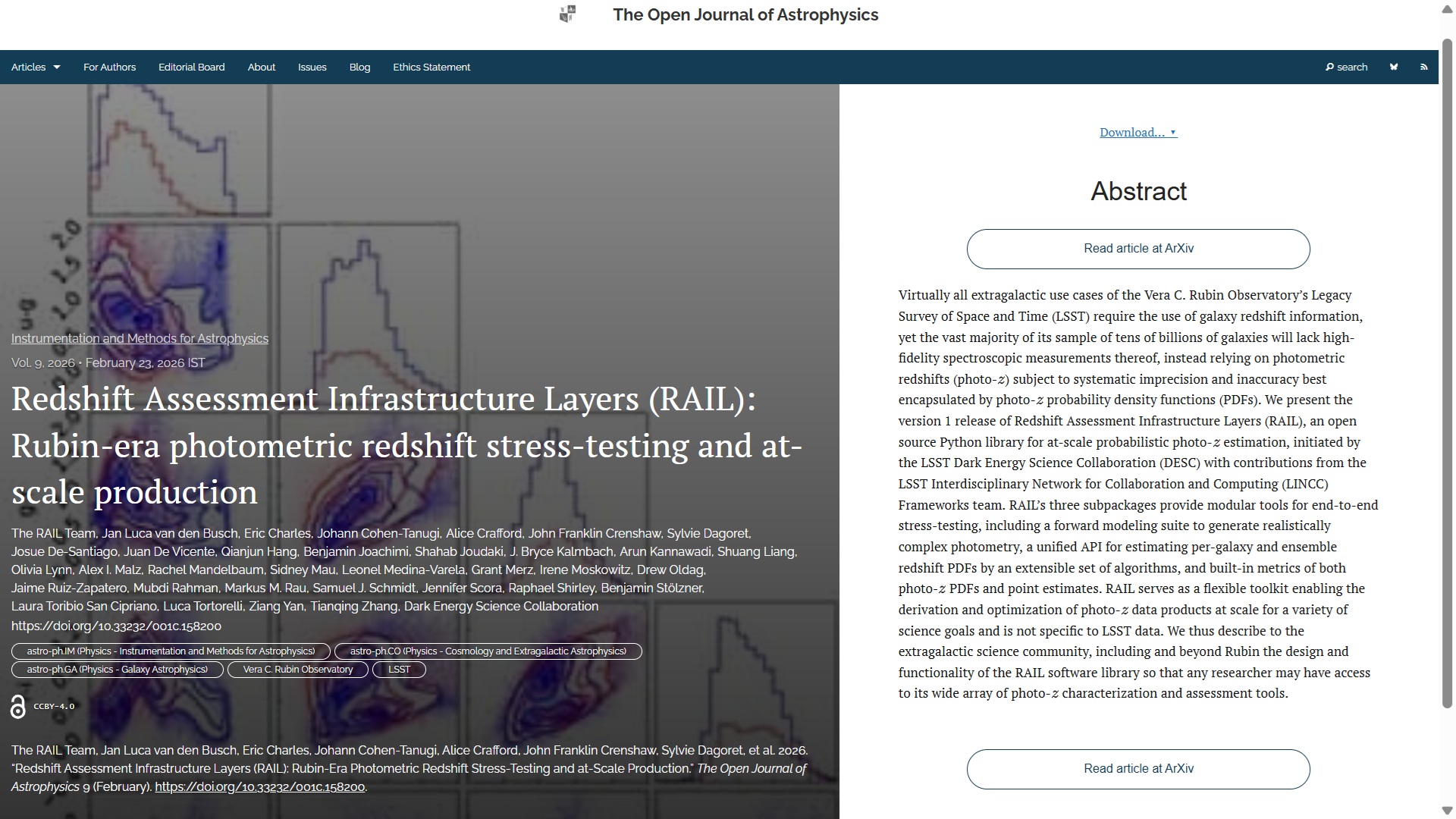
New Publication at the Open Journal of Astrophysics: "Redshift Assessment Infrastructure Layers (RAIL): Rubin-era photometric redshift stress-testing and at-scale production" by the RAIL Team (31 authors) and the Dark Energy Science Collaboration
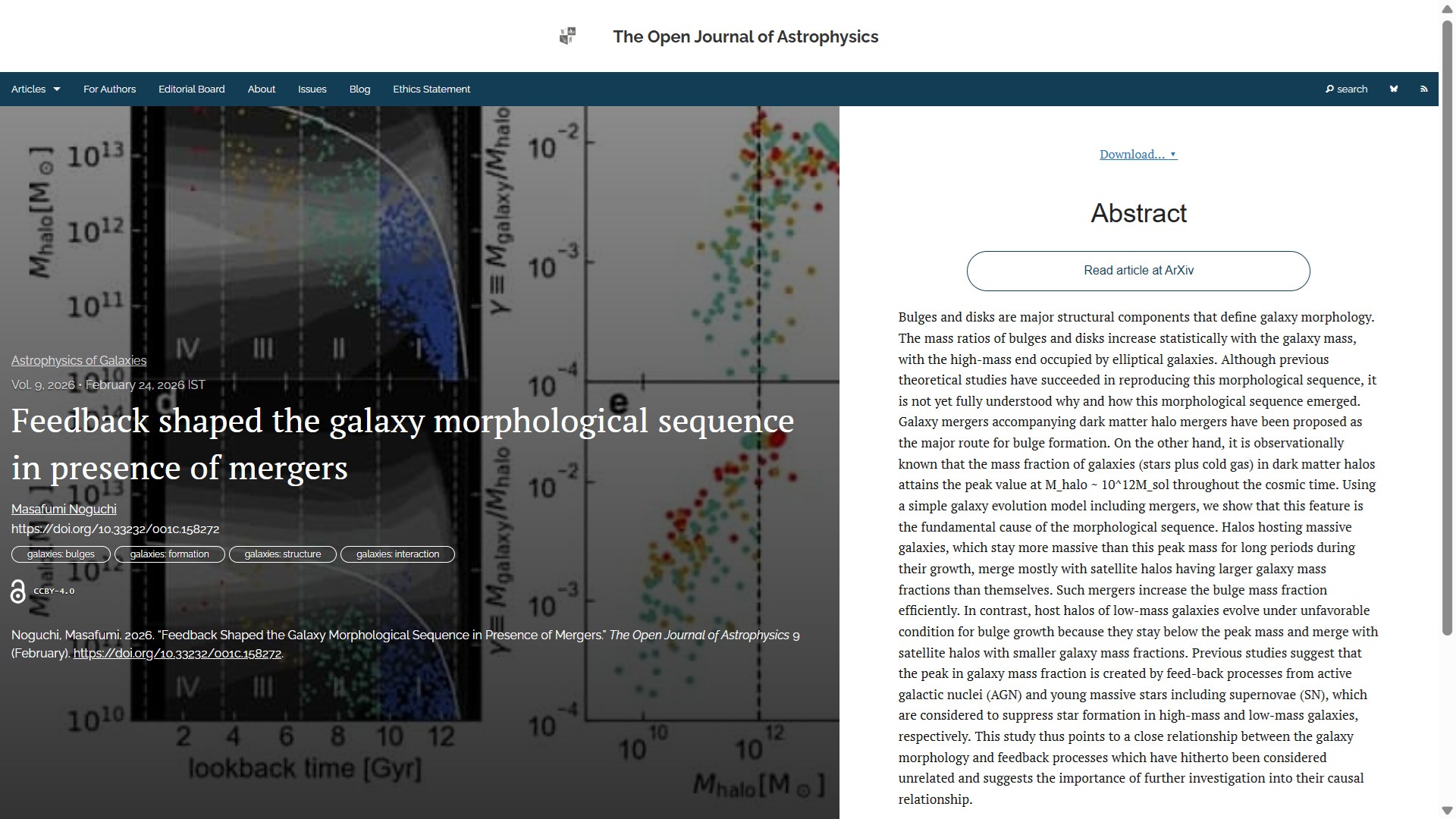
Moving on to Tuesday 24th February, the fifth paper this week, is “Feedback shaped the galaxy morphological sequence in presence of mergers” by Masafumi Noguchi (Tohoku University, Japan). This article was published in the folder Astrophysics of Galaxies. This study suggests that galaxy morphology, specifically the mass ratios of bulges and disks, is influenced by galaxy mergers and feedback processes from active galactic nuclei and supernovae.
The overlay is here:
The accepted version can be found on arXiv here, and the fediverse announcement is here:
New Publication at the Open Journal of Astrophysics: "Feedback shaped the galaxy morphological sequence in presence of mergers" by Masafumi Noguchi (Tohoku University, Japan)
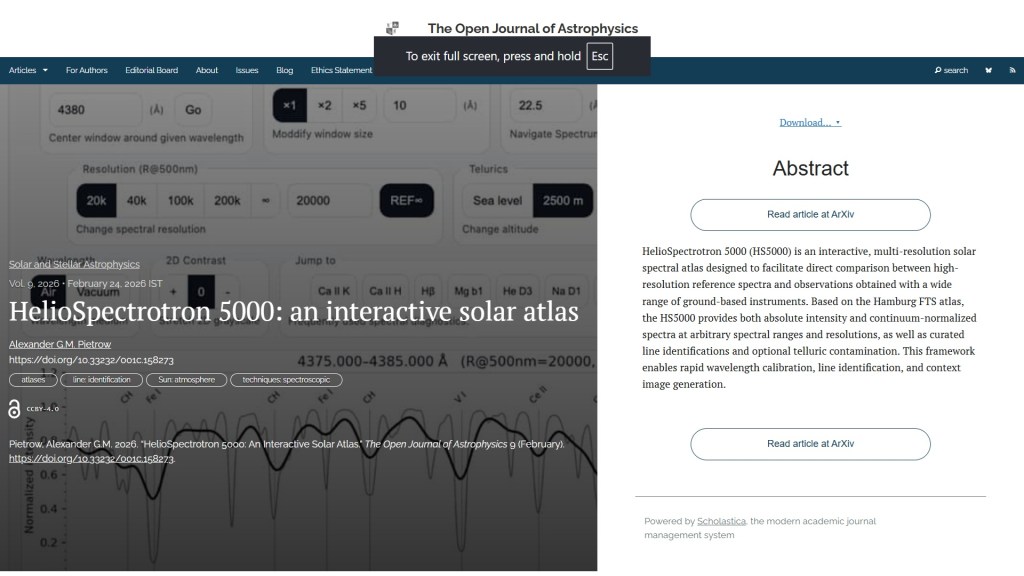
The sixth paper this week is “HelioSpectrotron 5000: an interactive solar atlas” by Alexander G.M. Pietrow (AIP Potsdam, Germany). This was published on Tuesday 24th February in the folder Solar and Stellar Astrophysics. This describes HelioSpectrotron~5000 (HS5000), which is an interactive solar spectral atlas that allows comparison between high-resolution spectra and ground-based instrument observations, aiding in wavelength calibration and line identification. The software can be found here; I had a play with it yesterday and it’s very easy to use!
The overlay is here:
You can find the officially accepted version on arXiv here and the Mastodon announcement is here:
New Publication at the Open Journal of Astrophysics: "HelioSpectrotron 5000: an interactive solar atlas" by Alexander G.M. Pietrow (AIP Potsdam, Germany)
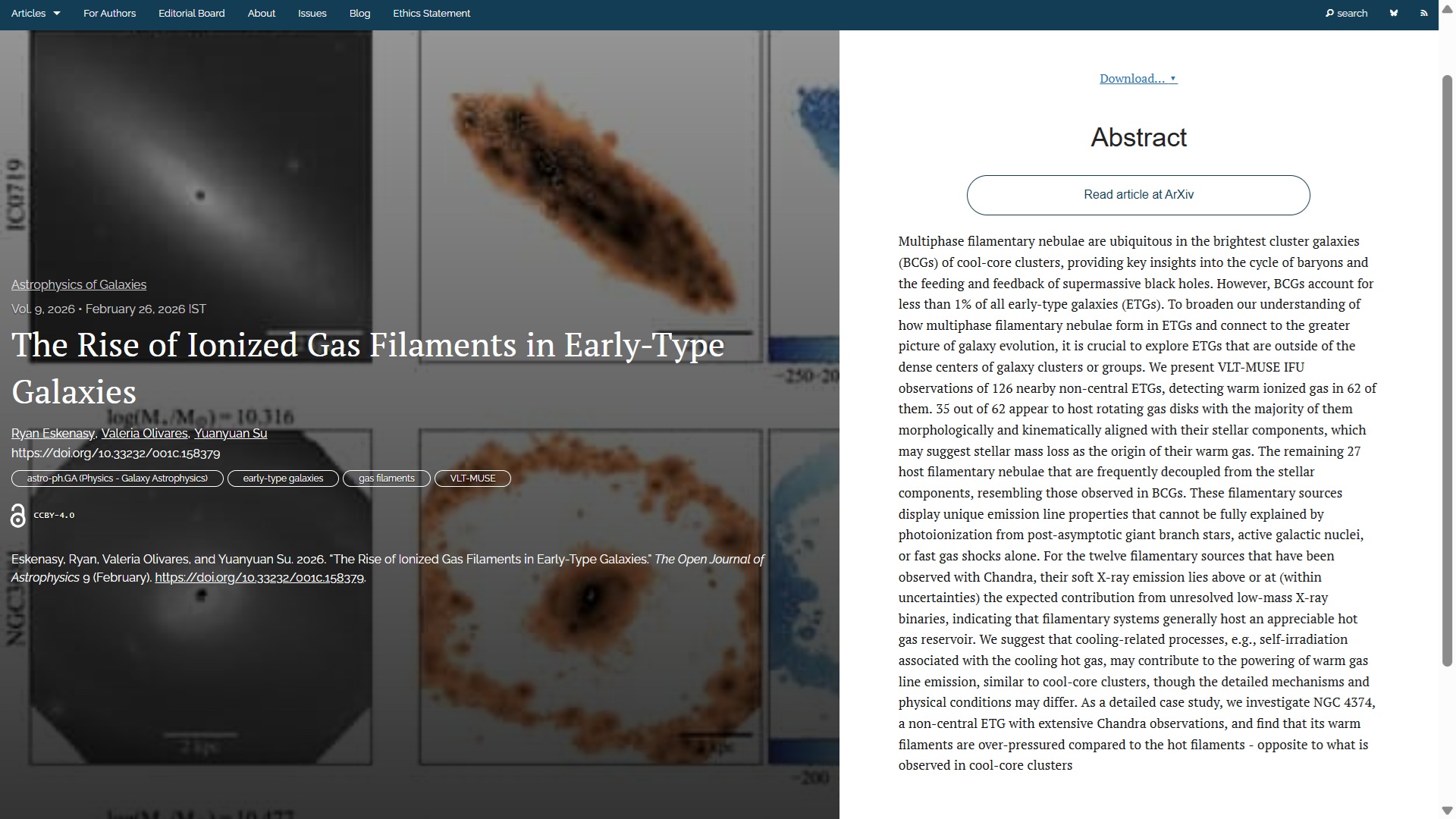
The seventh paper of this week was published on Thursday 26th February is “The Rise of Ionized Gas Filaments in Early-Type Galaxies” by Ryan Eskenasy (U. Kentucky, USA), Valeria Olivares (Universidad de Santiago de Chile) and Yuanyuan Su (U. Kentucky, USA). This article, in the folder Astrophysics of Galaxies, is an exploration of the formation of multiphase filamentary nebulae in early-type galaxies (ETGs), using VLT-MUSE IFU observations of 126 non-central ETGs, focussing on the hot gas components thereof.
The overlay is here:
The officially accepted version of this paper can be found on the arXiv here and the Mastodon announcement is here:
New Publication at the Open Journal of Astrophysics: "The Rise of Ionized Gas Filaments in Early-Type Galaxies" by Ryan Eskenasy (U. Kentucky, USA), Valeria Olivares (Universidad de Santiago de Chile) and Yuanyuan Su (U. Kentucky, USA)
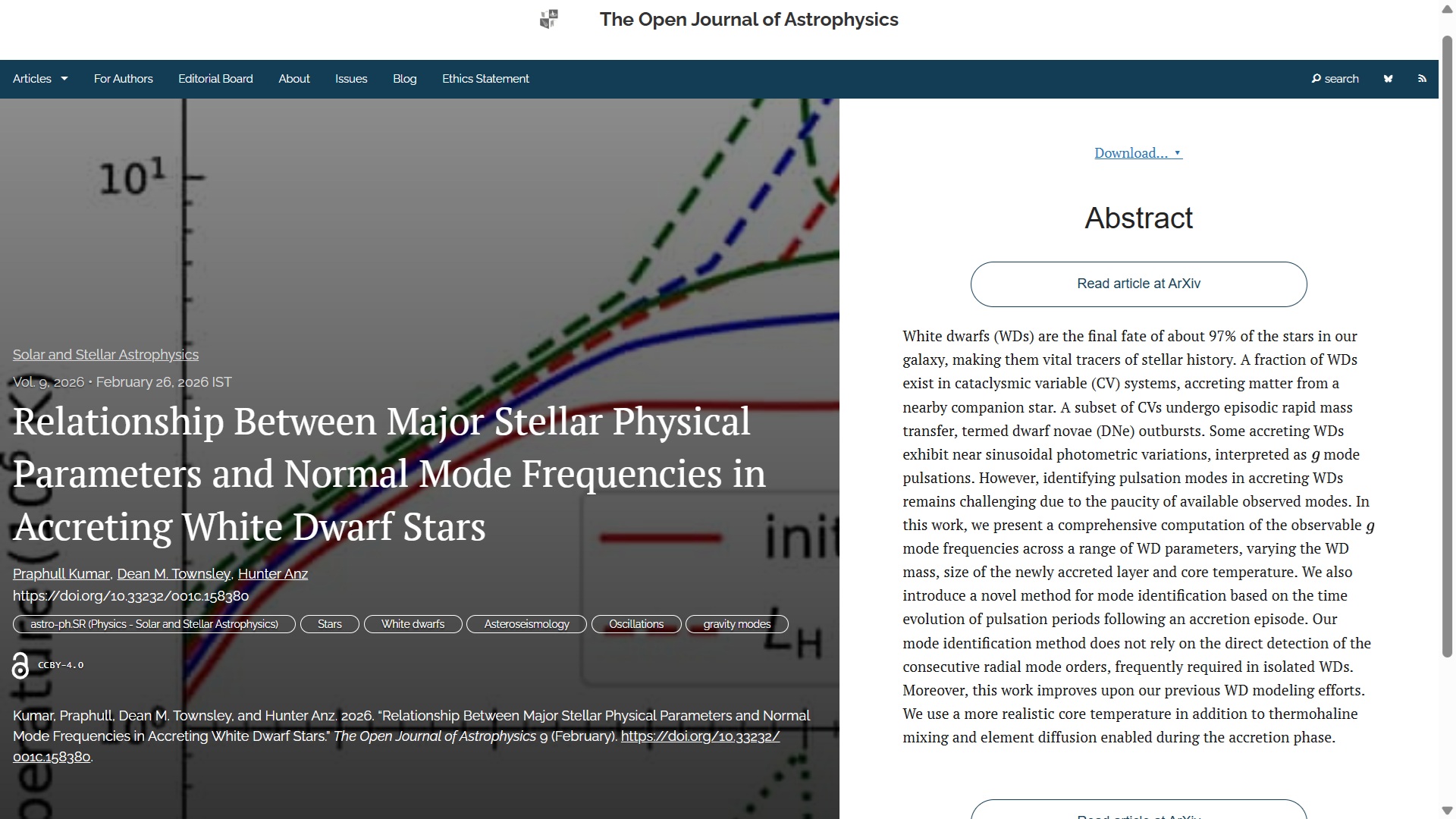
New Publication at the Open Journal of Astrophysics: "Relationship Between Major Stellar Physical Parameters and Normal Mode Frequencies in Accreting White Dwarf Stars" by Praphull Kumar, Dean M. Townsley and Hunter Anz (U. Alabama, USA)
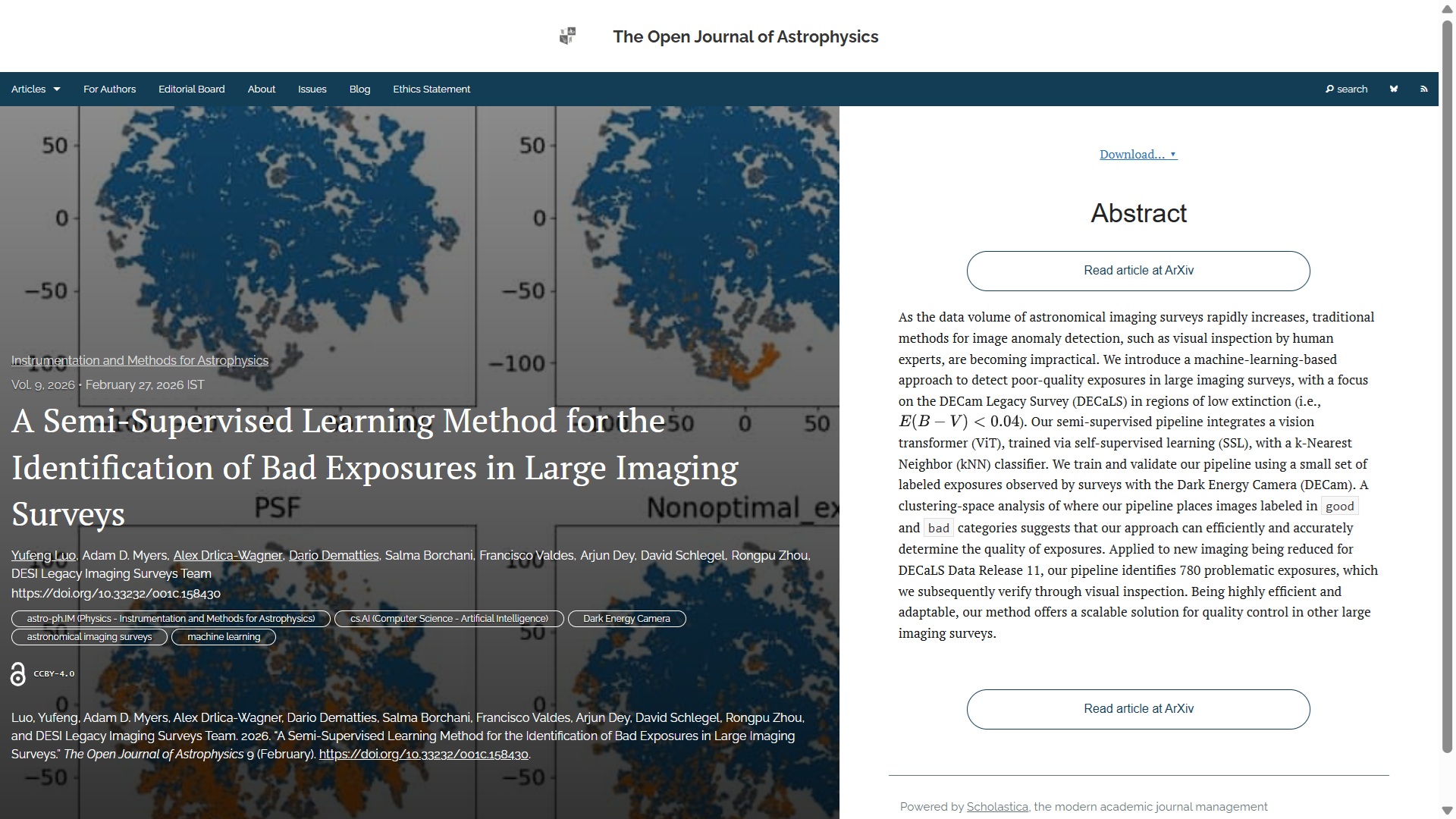
The ninth, and final, paper for this week is “A Semi-Supervised Learning Method for the Identification of Bad Exposures in Large Imaging Surveys” by Yufeng Luo (U. Wyoming, USA) and 8 others from the DESI Legacy Imaging Surveys Team. This was published on Friday 27th February, i.e yesterday, in the folder Instrumentation and Methods for Astrophysics. The paper describes a machine-learning approach for detecting poor-quality exposures in large astronomical imaging surveys, proving efficient and accurate in identifying problematic exposures.
The overlay is here:
The official version on arXiv can be found here and the Mastodon announcement follows:
New Publication at the Open Journal of Astrophysics: "A Semi-Supervised Learning Method for the Identification of Bad Exposures in Large Imaging Surveys" by Yufeng Luo (U. Wyoming, USA) and 8 others from the DESI Legacy Imaging Surveys Team
And that concludes this week’s update. We have now published 45 papers in two complete months of 2026, on which basis we can estimate about 270 papers in the year. For the record, in the first two months of 2025 we published 21 papers.
P.S. Thank you to the many people who responded to the latest call for editors. I’ve been sending out invitations and getting people onboard as quickly as I can, but I still have a number to get to so please bear with me!
It’s Saturday once more so time for another update of activity at the Open Journal of Astrophysics. Since the last update we have published a further six papers, bringing the number in Volume 9 (2026) to 36 and the total so far published by OJAp up to 484.
I will continue to include the posts made on our Mastodon account (on Fediscience) to encourage you to visit it. Mastodon is a really excellent service, and a more than adequate replacement for X/Twitter (which nobody should be using); these announcements also show the DOI for each paper.
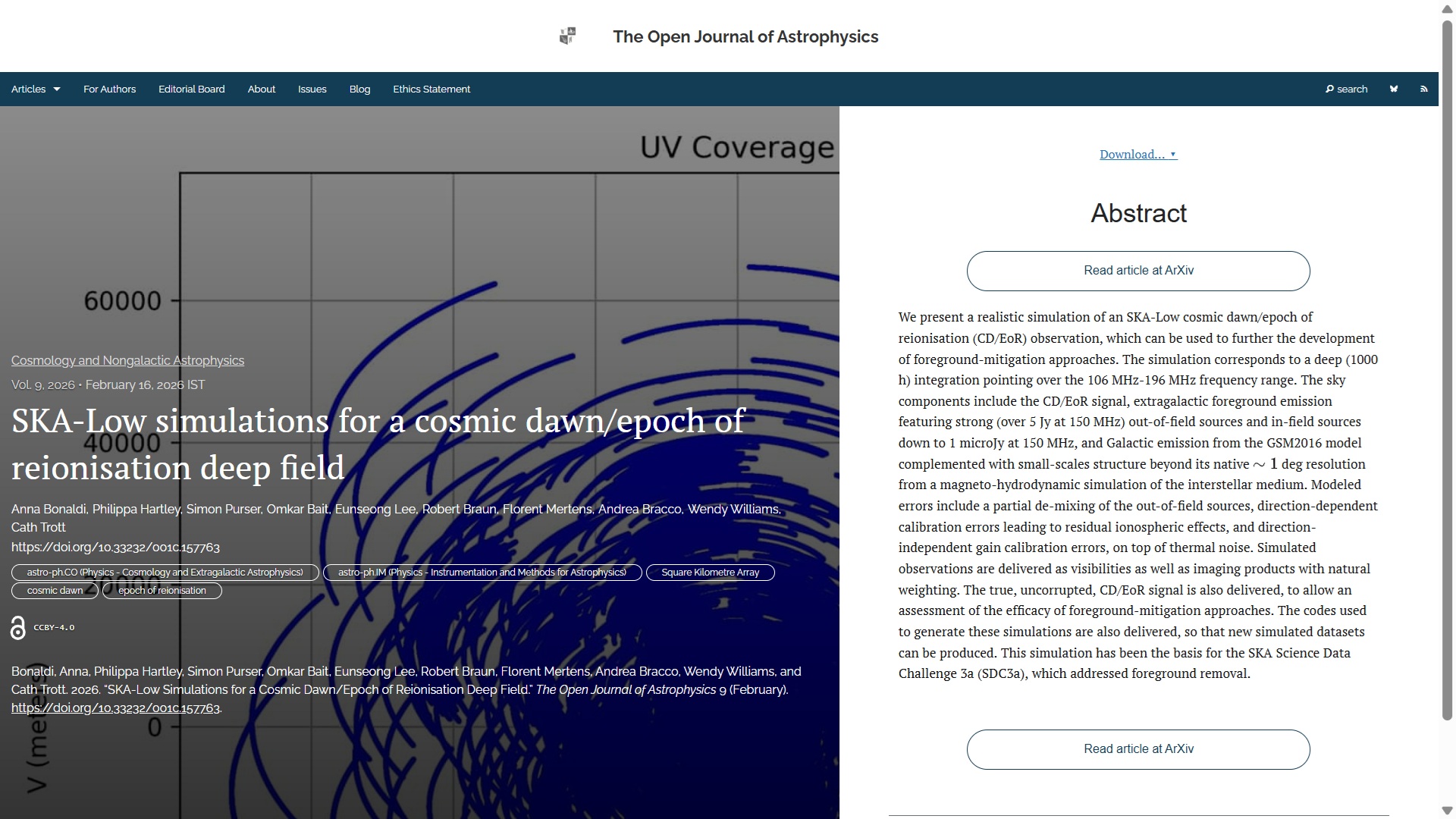
The first paper to report this week is “SKA-Low simulations for a cosmic dawn/epoch of reionisation deep field” by Anna Bonaldi, Philippa Hartley, Simon Purser & Omkar Bait (SKAO, UK), Eunseong Lee (U. Manchester, UK), Robert Braun (SKAO), Florent Mertens (Sorbonne Université, France), Andrea Bracco (Osservatorio Astrofisico di Arcetri, IT), Wendy Williams (SKAO) and Cath Trott (Curtin U., Australia). This paper presents a simulation of an SKA-Low cosmic dawn/epoch of reionisation observation to advance foreground-mitigation approaches: the simulation includes various sky components and modelled errors, allowing for efficacy assessment. It was published on Monday 16th February in the folder Cosmology and Nongalactic Astrophysics.
The overlay is here:
You can find the officially accepted version on arXiv here and the announcement on Fediverse here:
New Publication at the Open Journal of Astrophysics: "SKA-Low simulations for a cosmic dawn/epoch of reionisation deep field" by Anna Bonaldi, Philippa Hartley, Simon Purser & Omkar Bait (SKAO, UK), Eunseong Lee (U. Manchester, UK), Robert Braun (SKAO), Florent Mertens (Sorbonne Université, France), Andrea Bracco (Osservatorio Astrofisico di Arcetri, IT), Wendy Williams (SKAO) and Cath Trott (Curtin U., Australia)
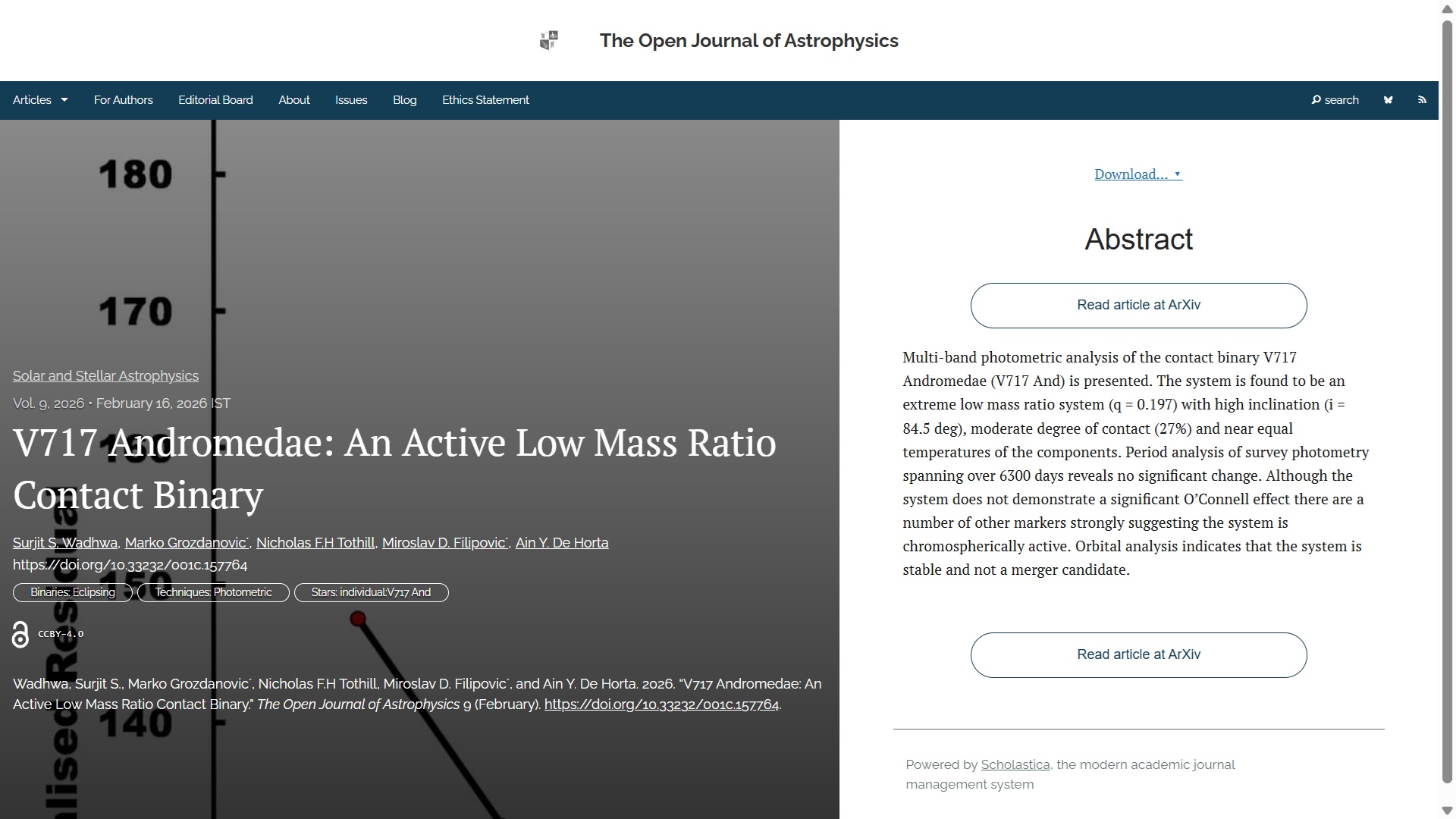
The second paper is “V717 Andromedae: An Active Low Mass Ratio Contact Binary” by Surjit S. Wadhwa (Western Sydney U. Australia), Marko Grozdanovic (Astronomical Observatory Belgrade, Serbia), and Nicholas F.H Tothill, Miroslav D. Filipovic, Ain Y. De Horta (Western Sydney U.). This was also published on Monday 1th February, but in the folder Solar and Stellar Astrophysics. The article discusses the contact binary V717 Andromedae, an extreme low mass ratio system with high inclination and moderate contact, showing signs of chromospheric activity but stable and not a merger candidate
The overlay for this one is here:
The official version of the paper can be found on arXiv here and the Fediverse announcement here:
New Publication at the Open Journal of Astrophysics: "V717 Andromedae: An Active Low Mass Ratio Contact Binary" by Surjit S. Wadhwa (Western Sydney U. Australia), Marko Grozdanovic (Astronomical Observatory Belgrade, Serbia), and Nicholas F.H Tothill, Miroslav D. Filipovic, Ain Y. De Horta (Western Sydney U.)
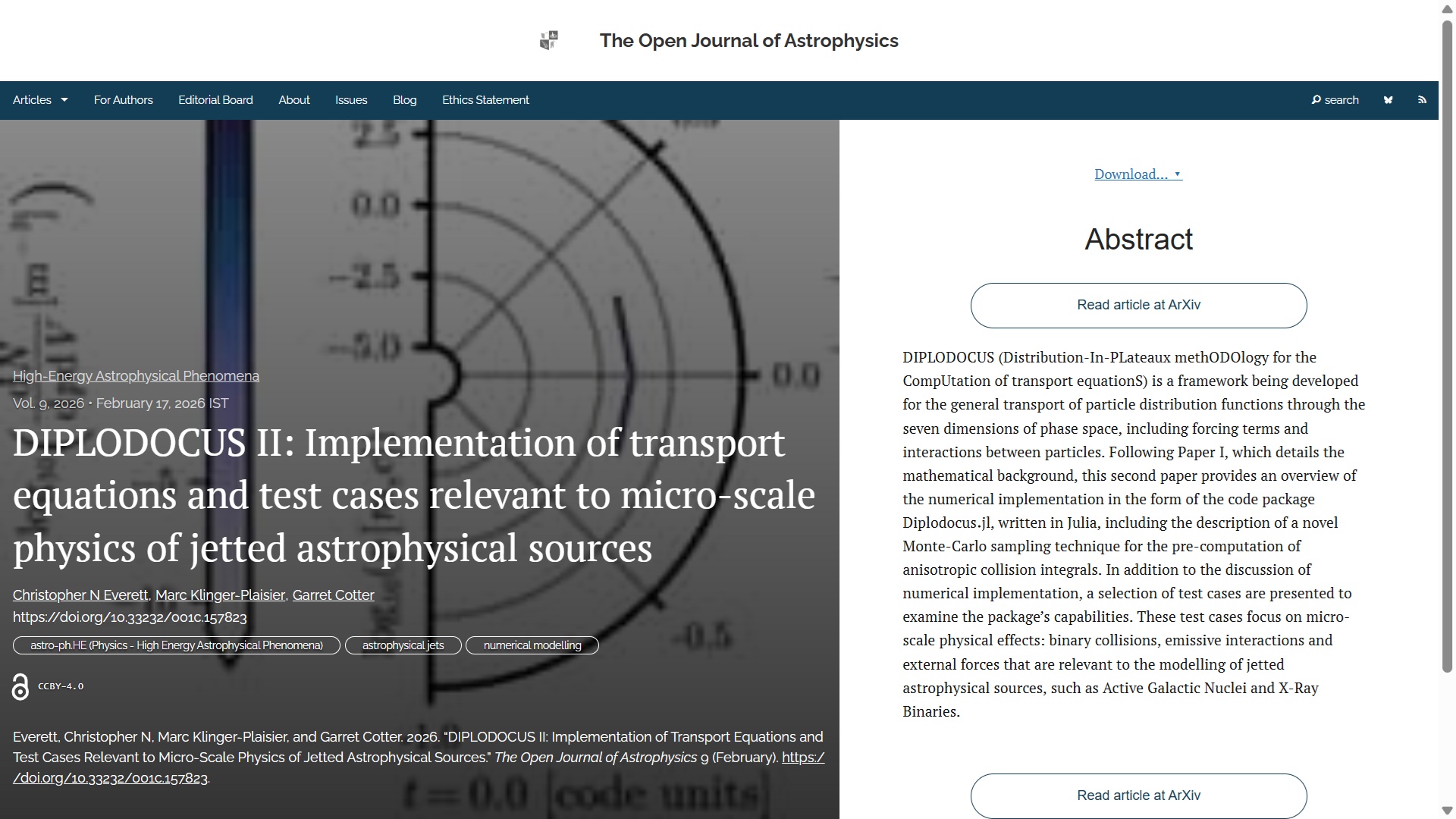
New Publication at the Open Journal of Astrophysics: "DIPLODOCUS II: Implementation of transport equations and test cases relevant to micro-scale physics of jetted astrophysical sources" by Christopher N Everett (Oxford U., UK), Marc Klinger-Plaisier (U. Amsterdam, NL) and Garret Cotter (Oxford)
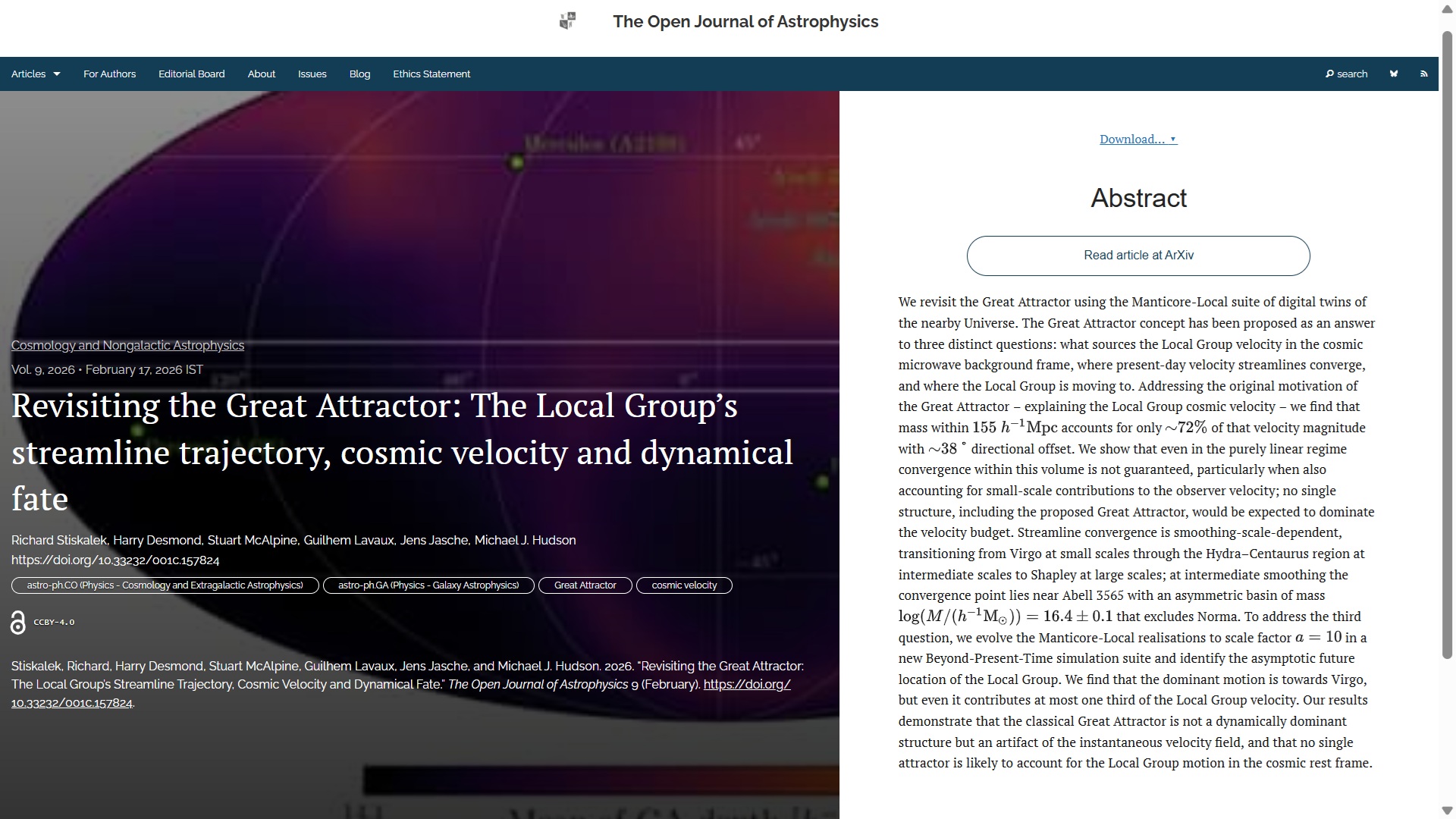
The fourth paper this week, also published on Tuesday 17th February, but in the folder Cosmology and Nongalactic Astrophysics is “Revisiting the Great Attractor: The Local Group’s streamline trajectory, cosmic velocity and dynamical fate” by Richard Stiskalek (Oxford U., UK), Harry Desmond (U. Portsmouth, UK), Stuart McAlpine (Stockholm, SE), Guilhem Lavaux (Sorbonne Université, FR), Jens Jasche (Stockholm) and Michael J. Hudson (U. Waterloo, Canada). This paper revisits the so-called “Great Attractor” concept, finding that it doesn’t dominate the Local Group’s cosmic velocity; multiple structures contribute to the motion, with no single attractor accounting for the flow.
Here is the overlay:
The official version can be found on arXiv here and the Fediverse announcement is here:
New Publication at the Open Journal of Astrophysics: "Revisiting the Great Attractor: The Local Group’s streamline trajectory, cosmic velocity and dynamical fate" by Richard Stiskalek (Oxford U., UK), Harry Desmond (U. Portsmouth, UK), Stuart McAlpine (Stockholm, SE), Guilhem Lavaux (Sorbonne Université, FR), Jens Jasche (Stockholm) and Michael J. Hudson (U. Waterloo, Canada)
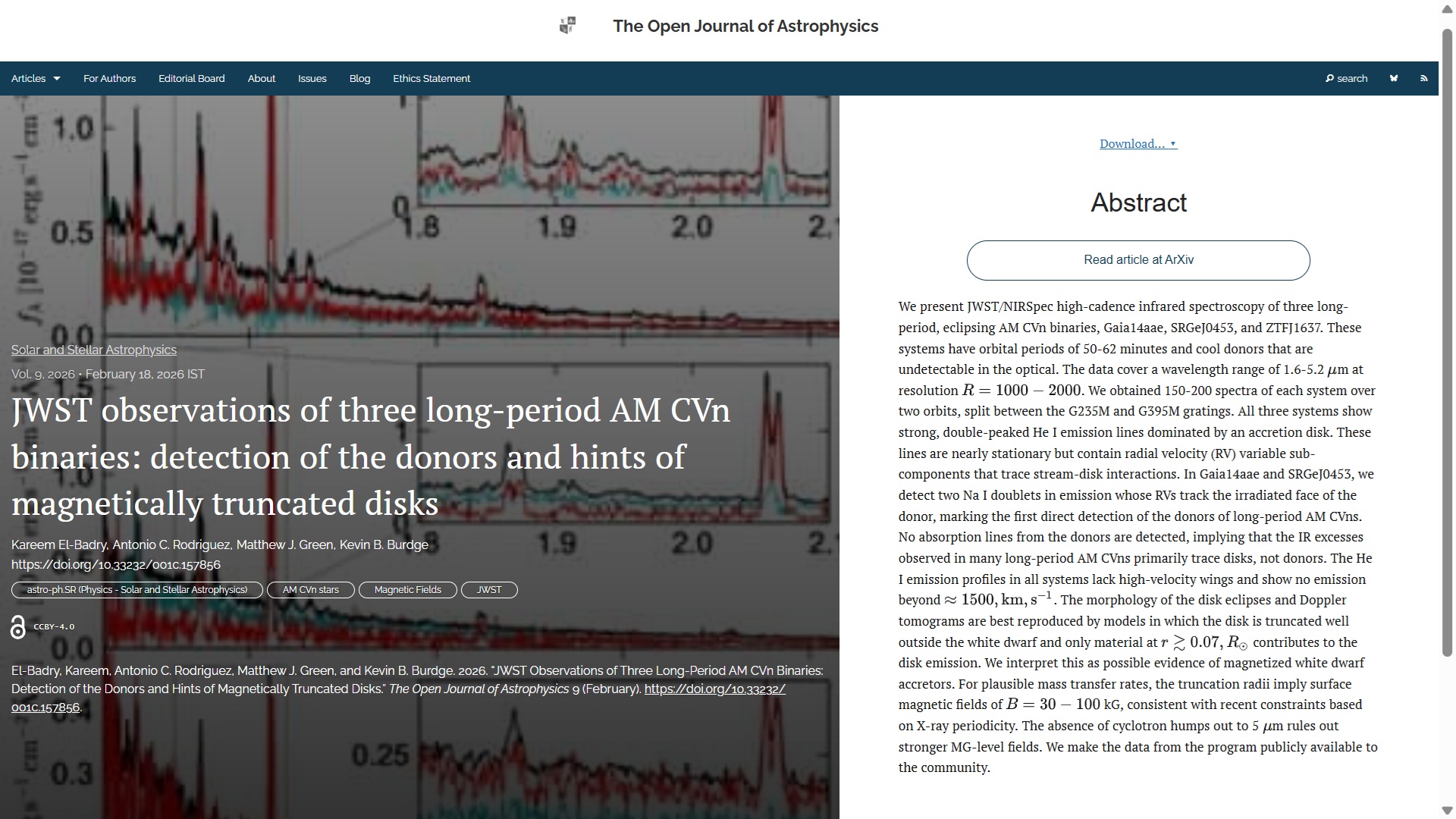
The fifth paper this week, is “JWST observations of three long-period AM CVn binaries: detection of the donors and hints of magnetically truncated disks” by Kareem El-Badry (Caltech), Antonio C. Rodriguez (CfA Harvard), Matthew J. Green (U. Oklahoma) & Kevin B. Burdge (MIT); all based in the USA. The article was published on Thursday 19th February 2026 in the folder Solar and Stellar Astrophysics. The paper describes high-cadence infrared spectroscopy used to analyze three long-period, eclipsing AM CVn (AM Canum Venaticorum) binaries; findings suggest the presence of magnetized white dwarf accretors, with surface magnetic fields of 30-100 kG.
The overlay is here:
The accepted version can be found on arXiv here, and the fediverse announcement is here:
New Publication at the Open Journal of Astrophysics: "JWST observations of three long-period AM CVn binaries: detection of the donors and hints of magnetically truncated disks" by Kareem El-Badry (Caltech), Antonio C. Rodriguez (CfA Harvard), Matthew J. Green (U. Oklahoma) & Kevin B. Burdge (MIT); all in USA
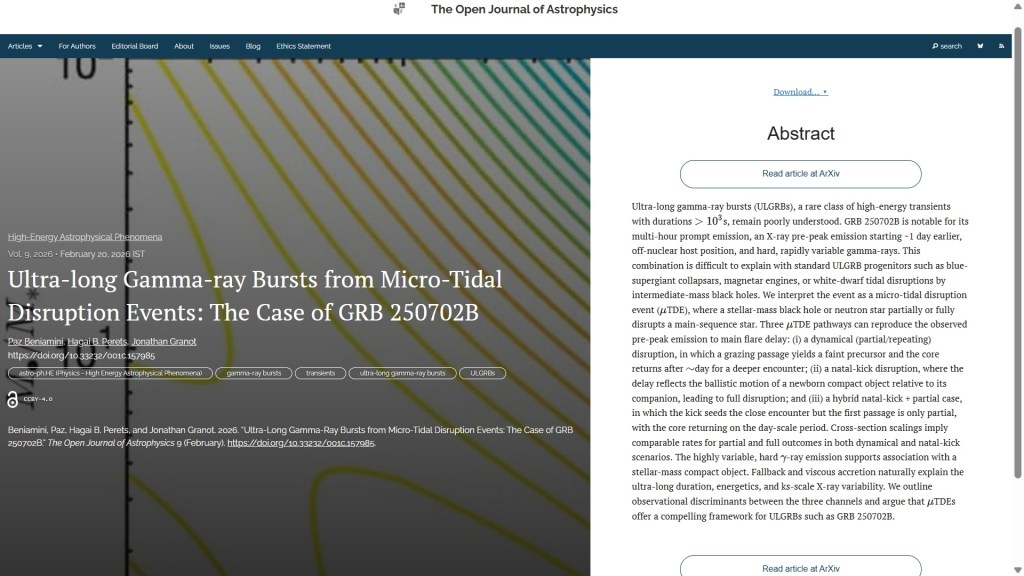
Finally for this week we have “Ultra-long Gamma-ray Bursts from Micro-Tidal Disruption Events: The Case of GRB 250702B” by Paz Beniamini (Open University, IL), Hagai B. Perets (Technion, IL) and Jonathan Granot (Open University, IL); all based in Israel. The paper was published on Friday 18th February 2026 in the folder High-Energy Astrophysical Phenomena.
The overlay is here:
You can find the officially accepted version on arXiv here and the Mastodon announcement is here:
New Publication at the Open Journal of Astrophysics: "Ultra-long Gamma-ray Bursts from Micro-Tidal Disruption Events: The Case of GRB 250702B" by Paz Beniamini (Open University, IL), Hagai B. Perets (Technion, IL) and Jonathan Granot (Open University, IL)
And that concludes this week’s update. I will do another next Saturday, by which time I expect we will have published a similar number of papers to this week.
I searched for a free stock image using “quarks” as a search term and found this photo by Anh Nguyen on Pexels.com.
On most Friday afternoons there is a seminar in the Physics Department at Maynooth University, and I got it into my mind that there was one this afternoon and set aside an hour to attend it. It turns out that there isn’t a seminar so I have time to write a quick blog post before I head to Dublin for a concert.
We’ve (almost) reached the end of Week 3 of the Semester which means we’re about a quarter of the way through the term. Yesterday we did the first Lab Test of four in Computational Physics, which went off without any major problems. The first class test in Particle Physics will be next week and I hope that goes equally well.
Today’s the day students officially received their provisional first semester results. When I arrived at my particle physics lecture this morning the students were discussing their exam marks. Most seemed relatively happy, which is good because this is the final year for most of these students so their grades matter more now than in previous years.
This morning’s lecture was quite amusing. I was discussing electrostatic interactions between quarks in nucleons and in the course of that I asked the class to calculate (2/3)×(-1/3) +(-1/3)×(-1/3)+(-1/3)×(2/3). It took a surprisingly long time to arrive at the right answer! To make matters worse, when I announced the correct answer I got the sign wrong*.
It’s been a long week.
Anyway, next week I’ll be starting on the Dirac Equation, and on the basis of today’s events I wonder about the wisdom of having a lecturer who can’t do minus signs teach relativistic quantum mechanics to students who struggle to do simple arithmetic with fractions!
The views presented here are personal and not necessarily those of my employer (or anyone else for that matter).
Feel free to comment on any of the posts on this blog but comments may be moderated; anonymous comments and any considered by me to be vexatious and/or abusive and/or defamatory will not be accepted. I do not necessarily endorse, support, sanction, encourage, verify or agree with the opinions or statements of any information or other content in the comments on this site and do not in any way guarantee their accuracy or reliability.






 In the Dark