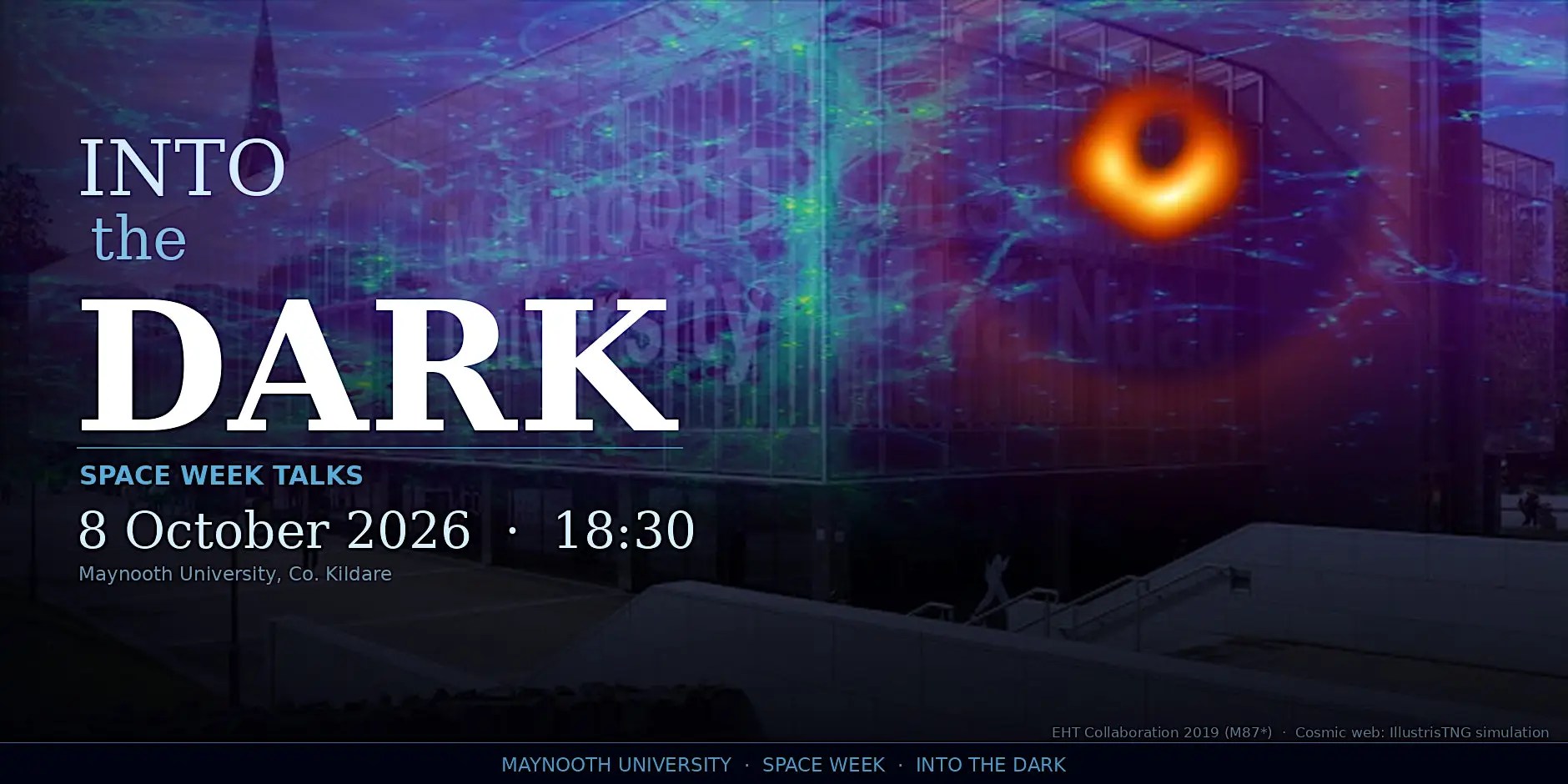
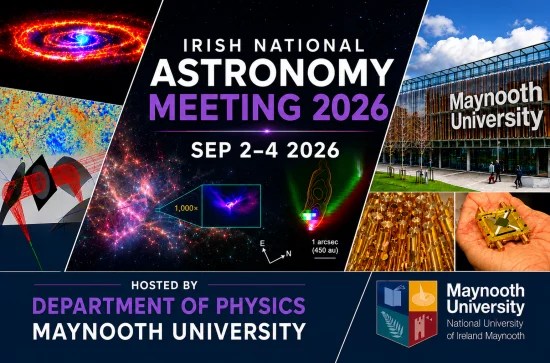
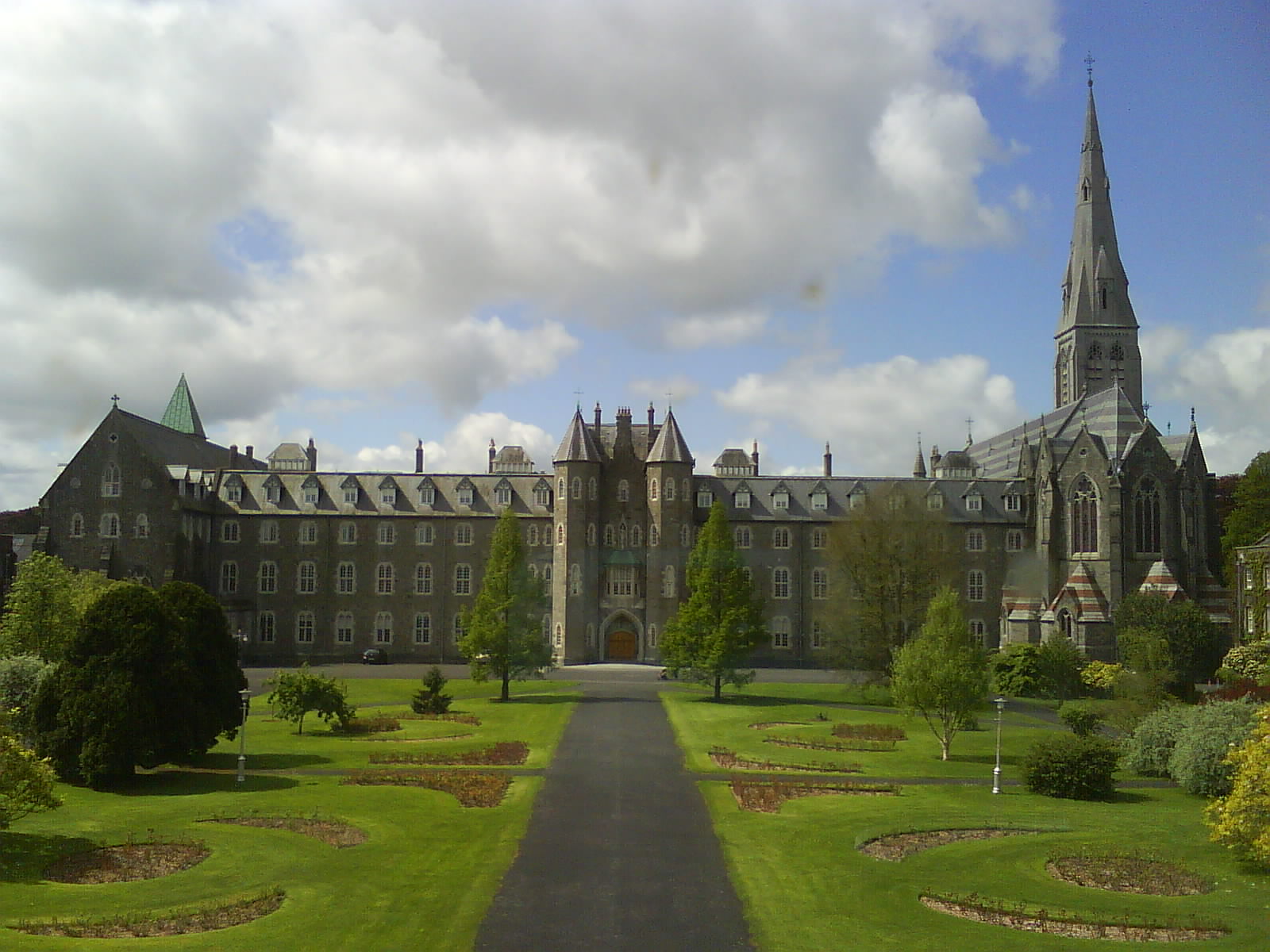
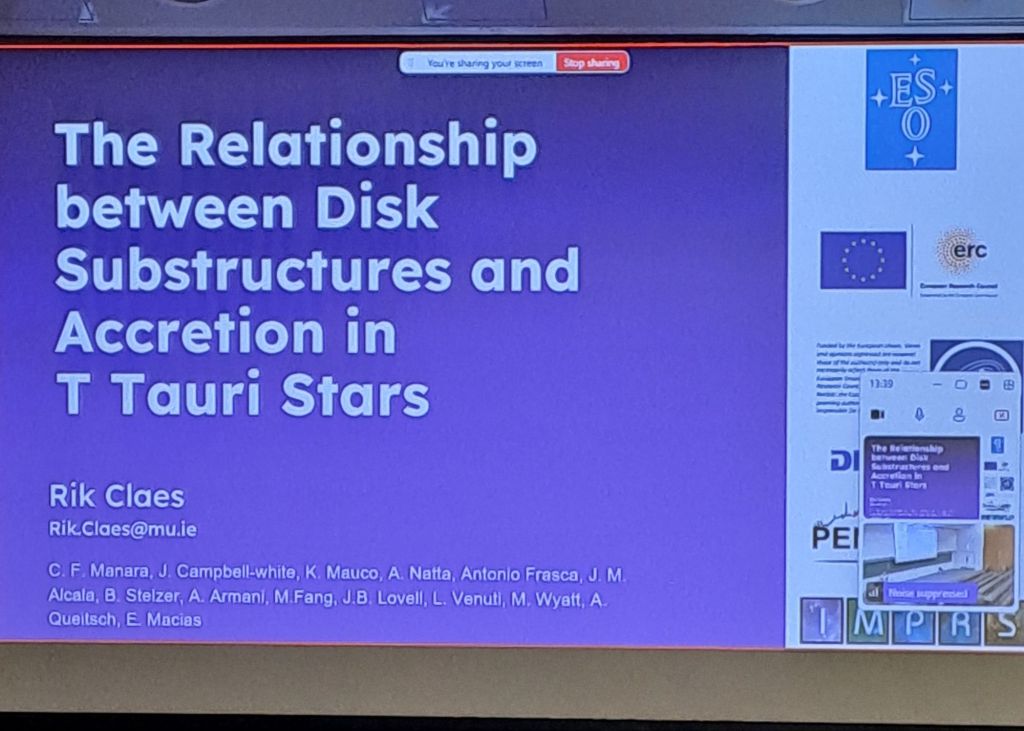
While I remember here’s a quick preview of an event at Maynooth during Space Week 2026. This will take place on the evening of Thursday 8th October 2026:
The event is free but, in order to make sure there is enough space, we need you need to register, which you can do here:
Today is another anniversary. I just received the following message from WordPress.com reminding me that today is the 18th anniversary of my registration with them, which is when I took my first step into the blogosphere. That was way back on 15th September 2008…
I suppose this means that this blog is an adult now!
I actually wrote my first post on the day I registered but, unfortunately, I didn’t really know what I was doing on my first day at blogging – no change there, then – and I didn’t actually manage to figure out how to publish this earth-shattering piece. It was only after I’d written my second post that I realized that the first one wasn’t actually visible to the general public because I hadn’t pressed the right buttons, so the two appear in the wrong order in my archive. Such was the inauspicious beginning of this “shitty WordPress blog”!
Since then I have published 7,846 blog posts posts (including this one), which have altogether received over 6.1M page views from 2.6M unique visitors. That doesn’t include the 2000+ subscribers who receive posts by email nor those who view the federated version via the fediverse. The largest number of hits I have received in a single day is still 8,864 (in 2014, at the peak of the BICEP2 controversy).
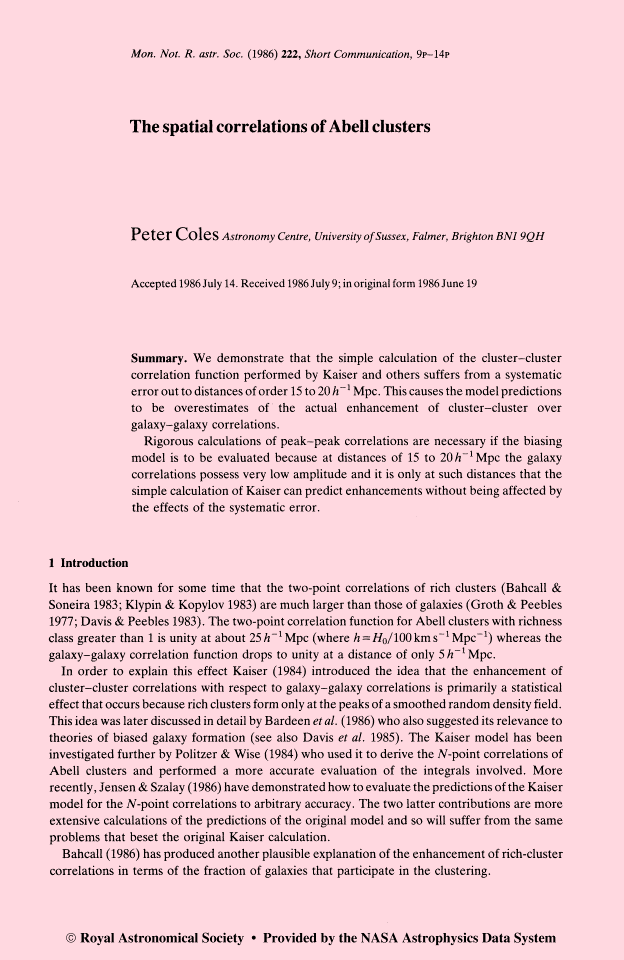
Today is the 40th anniversary of the publication of my first ever scientific paper!
Here is the front page:
This was before the days of arXiv so there isn’t a copy on the preprint server, but you can access the whole article here on NASA/ADS.
All right. I know it’s a shitty little paper. But you have to start somewhere!
I’m particularly sad that, looking back, it reads as if I meant to be very critical of the Kaiser (1984) paper that inspired it. I still think that was a brilliant paper because it was based on a very original idea that proved to be enormously influential. The only point I was really making was that a full calculation of the size of the effect Nick Kaiser had correctly identified was actually quite hard, and his simple approximation was of limited quantitative usefulness. The idea was most definitely right, however.
I was just a year into my PhD DPhil when this paper came out, and it wasn’t actually on what was meant to be the subject of my thesis work (which was the cosmic microwave background), although the material was related.
This paper provides two excellent illustrations of what a good supervisor John Barrow was. I was a bit stuck with the project that John had assigned me and eventually admitted to him that I was having problems getting anywhere. I thought he’d assume I was useless and suggest that someone else should supervise me. But no. He said he realised it was a hard problem and sometimes it’s good to think about something else when you’re stuck. So he asked me to look at cluster clustering for a bit. I told him what I found and he said I should write this up as a paper, which I did. Most importantly however the trick I used in simplifying the calculations in this paper turned out to be applicable to the first problem, hotspots in the cosmic microwave background, which led a success in the project and to my second paper. We were both delighted that everything turned out well with that original project.
My original draft of this first paper had John Barrow’s name on it, but he removed his name from the draft (as well as making a huge number of improvements to the text). At the time I assumed that he took his name off because he didn’t want to be associated with such an insignificant paper, but I later realized he was just being generous. It was very good for me to have a sole-author paper very early on. I’ve taken that lesson to heart and have never insisted on putting my name on my students’ work.
I did a post a few months ago about Space Warps, a new citizen science project on the Zooniverse platform, in which volunters can search to find rare and elusive strong gravitational lenses in never-before-seen images captured by the European Space Agency’s Euclid space telescope. The project aims at shining a light on dark matter in galaxies and providing clues about the mysterious thing call dark energy.
The Space Warps Euclid project is entering the closing stages, but there is still about a week in which you can help with refining the final sample. Read more about it here:
It’s time once more for another Saturday update of activity at the Open Journal of Astrophysics. Since the last update we have published a further seven papers, bringing the number in Volume 9 (2026) to 202 and the total so far published by OJAp up to 649. This means that the total in Vol. 9 (2026) has now passed that of Vol. 8 (2025), with more than three months to go.
I continue to include the posts made on our Mastodon account (on Fediscience); these announcements also contain a clickable form of the DOI for each paper. Our Mastodon account has regular updates and other announcements from OJAp too.
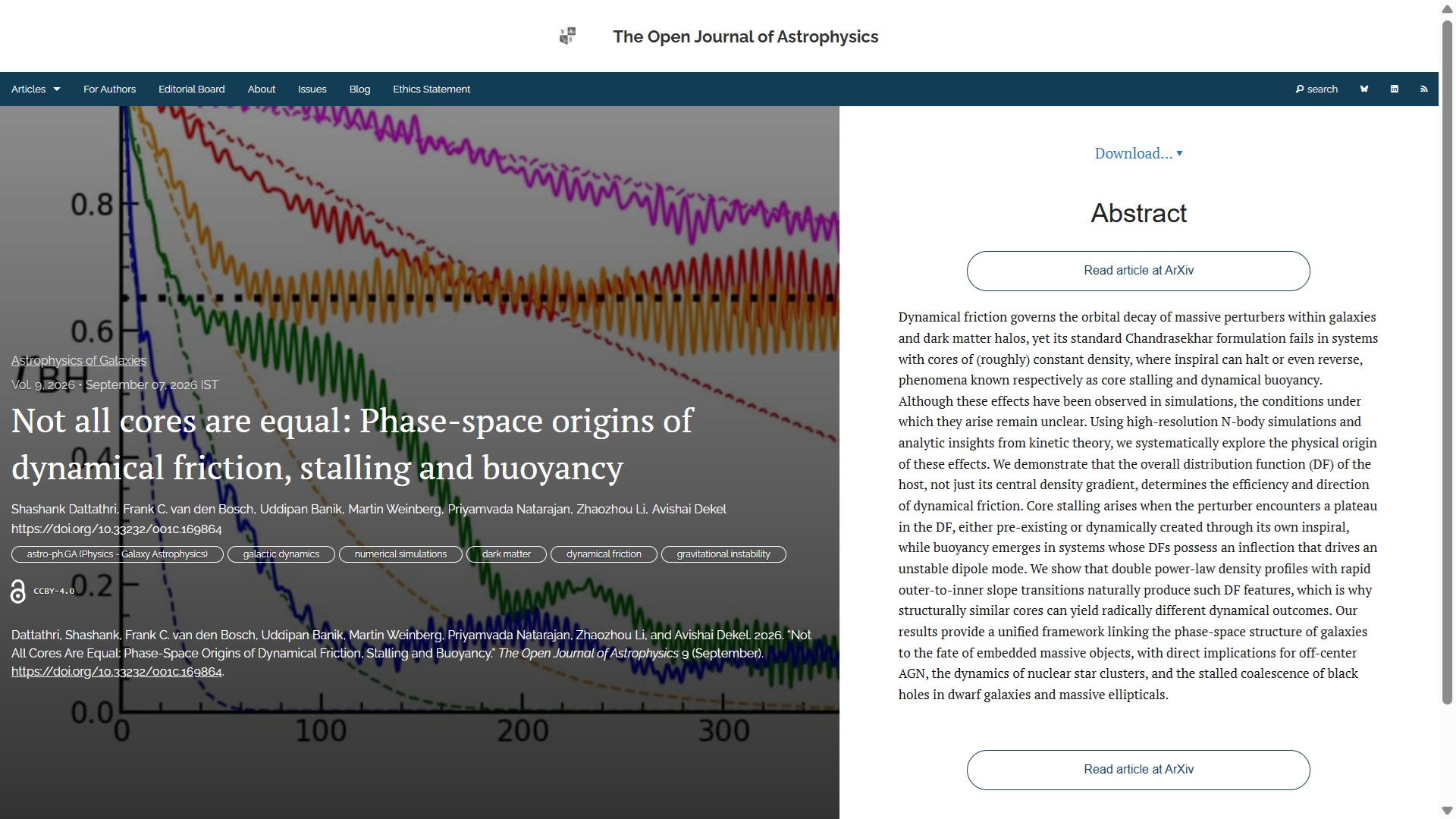
The first paper this week was published on Monday 7th September in the folder Astrophysics of Galaxies. The title is “Not all cores are equal: Phase-space origins of dynamical friction, stalling and buoyancy” and the authors are Shashank Dattathri & Frank C. van den Bosch (Yale U., USA), Uddipan Banik (Princeton U., USA), Martin Weinberg (U. Mass., USA), Priyamvada Natarajan (Yale U., USA), Zhaozhou Li (Nanjing U., China) and Avishai Dekel (The Hebrew U., Israel). The paper describes how the distribution function of a galaxy, not just its central density gradient, influences the efficiency and direction of dynamical friction, affecting the movement of massive objects within it.
The overlay is here:
You can find the officially accepted version on arXiv here and the announcement on Fediverse here:
New Publication at the Open Journal of Astrophysics: "Not all cores are equal: Phase-space origins of dynamical friction, stalling and buoyancy" by Shashank Dattathri & Frank C. van den Bosch (Yale U., USA), Uddipan Banik (Princeton U., USA), Martin Weinberg (U. Mass., USA), Priyamvada Natarajan (Yale U., USA), Zhaozhou Li (Nanjing U., China) and Avishai Dekel (The Hebrew U., Israel)
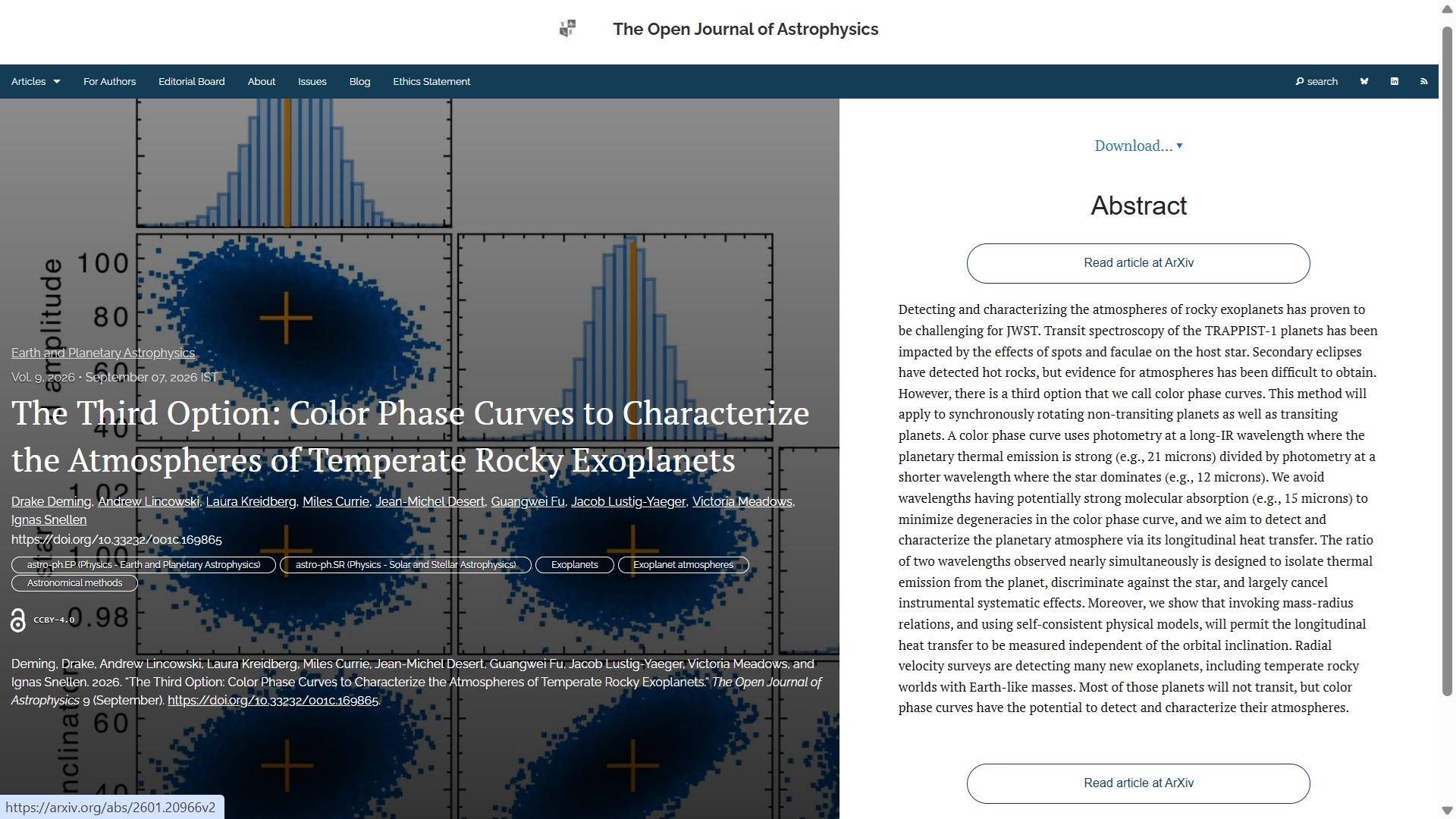
The second paper for this week, also published on Monday 7th September, but in the folder Earth and Planetary Astrophysics, is “The Third Option: Color Phase Curves to Characterize the Atmospheres of Temperate Rocky Exoplanets” by Drake Deming (U. Maryland, USA) and 8 others based in the USA, Germany and The Netherlands. This article presents a A spectroscopic survey of the Carousel lens galaxy cluster, identifying 12 lensed sources and 57 unlensed field galaxies. The findings could help constrain cosmological parameters and cluster properties.
The overlay looks like this:
The official version of the paper can be found on arXiv here and the Fediverse announcement here:
New Publication at the Open Journal of Astrophysics: "The Third Option: Color Phase Curves to Characterize the Atmospheres of Temperate Rocky Exoplanets" by Drake Deming (U. Maryland, USA) and 8 others based in the USA, Germany and The Netherlands.
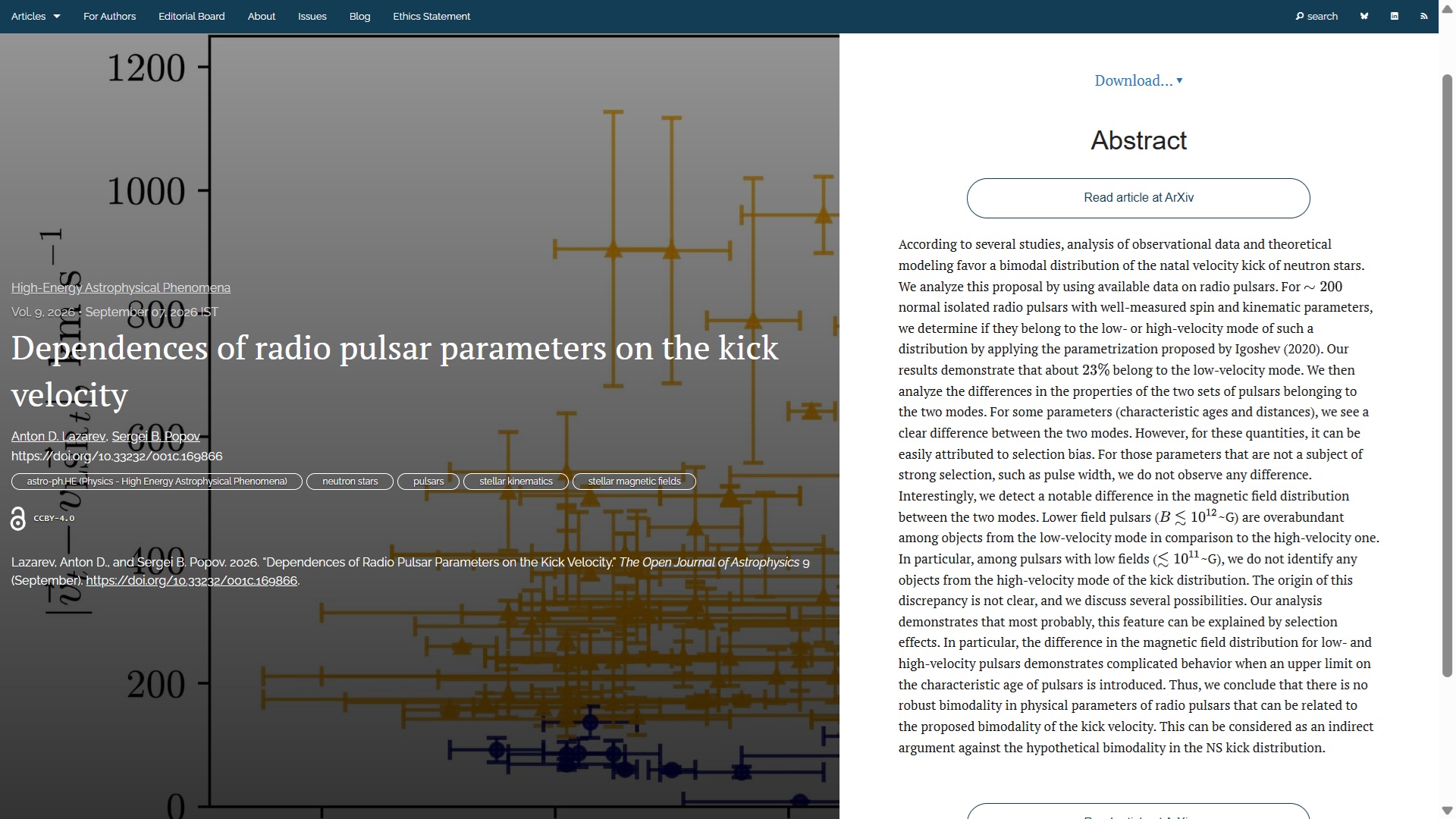
The third paper of the week, also published on Monday 7th September but in the folder High-Energy Astrophysical Phenomena, is “Dependences of radio pulsar parameters on the kick velocity” by Anton D. Lazarev and Sergei B. Popov (Moscow State U., Russia). This study analyzes the velocity kick of neutron stars, finding that 23% belong to the low-velocity mode. Differences in magnetic field distribution emerge, but no significant bimodality in physical parameters.
The overlay is here:
The official version of the paper can be found on arXiv here and the Fediverse announcement here:
New Publication at the Open Journal of Astrophysics: "Dependences of radio pulsar parameters on the kick velocity" by Anton D. Lazarev and Sergei B. Popov (Moscow State U., Russia)
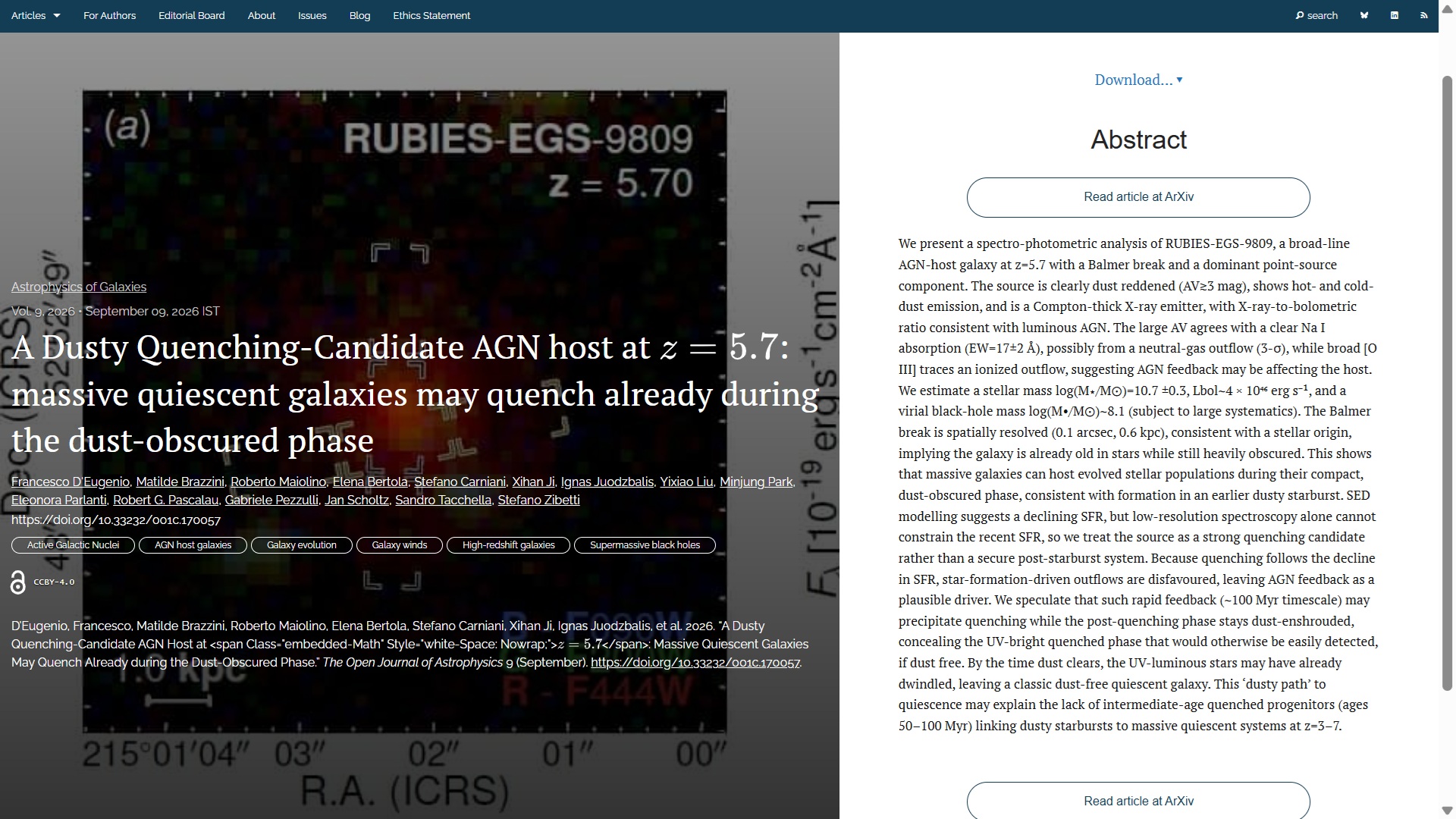
The fourth paper of the week is “A Dusty Quenching-Candidate AGN host at z=5.7: massive quiescent galaxies may quench already during the dust-obscured phase” by Francesco D’Eugenio (U. Cambridge, UK) and 14 others from the UK, Italy, China and The Netherlands. It was published on Wednesday 8th September in the folder Astrophysics of Galaxies. This article concerns RUBIES-EGS-9809, a dust-reddened galaxy with a dominant point-source component, suggests that AGN feedback may influence its host., indicating that massive galaxies can host evolved stellar populations during their dust-obscured phase.
The overlay is here:
The officially-accepted version of the paper can be found on arXiv here and the Fediverse announcement here:
New Publication at the Open Journal of Astrophysics: "A Dusty Quenching-Candidate AGN host at z=5.7: massive: quiescent galaxies may quench already during the dust-obscured phase" by Francesco D'Eugenio (U. Cambridge, UK) and 14 others from the UK, Italy, China and The Netherlands.
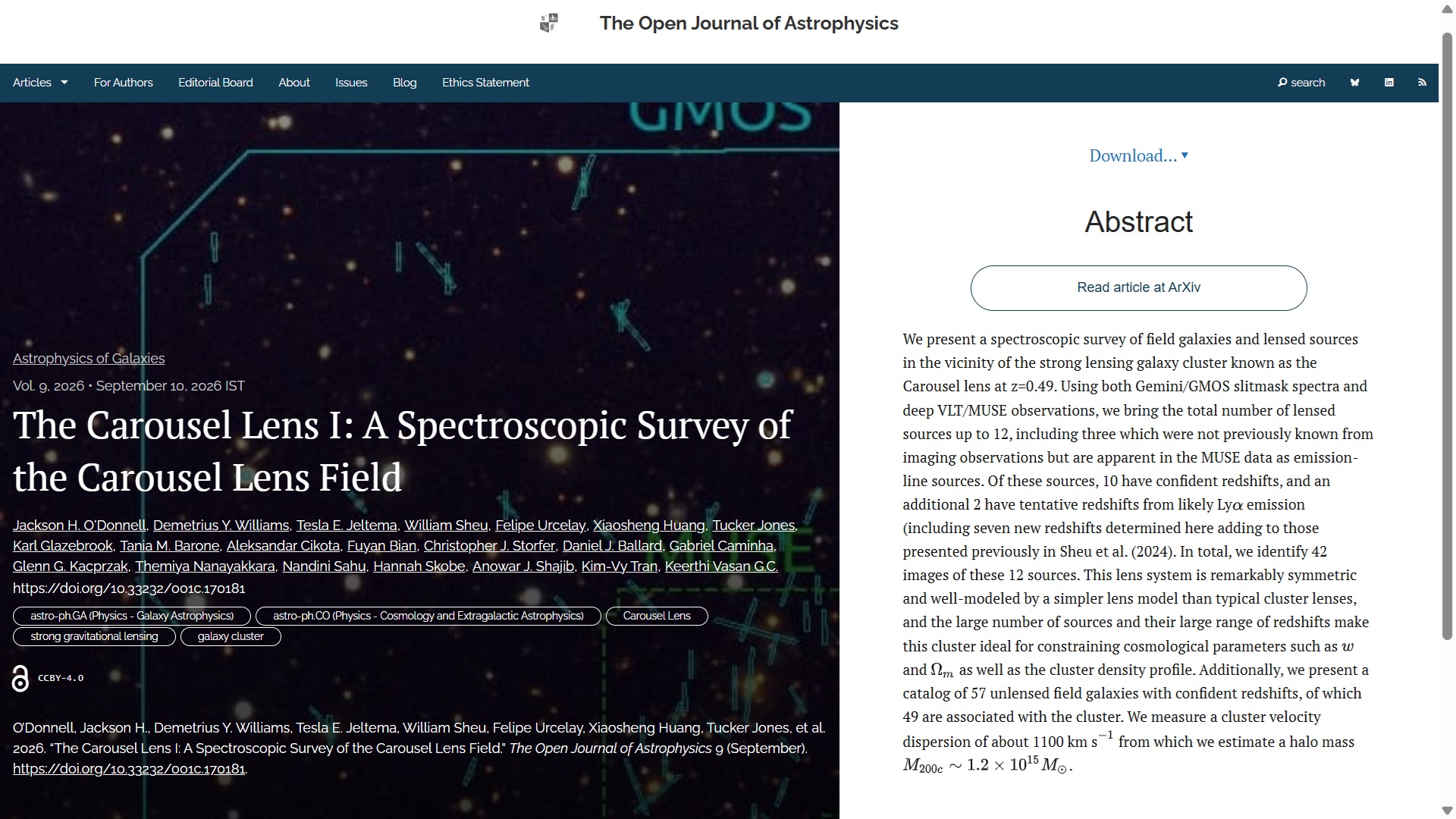
The fifth paper of the week is “The Carousel Lens I: A Spectroscopic Survey of the Carousel Lens Field” by Jackson H. O’Donnell (U.C. Santa Cruz, USA) and 22 others from around the world. This was published in the folder Astrophysics of Galaxies on Thursday 10th September 2026. This paper presents a spectroscopic survey of the Carousel lens galaxy cluster, identifying 12 lensed sources and 57 unlensed field galaxies. The findings could help constrain cosmological parameters and cluster properties.
The overlay for this one looks like this:
The officially-accepted version of this paper is on arXiv here and the Mastodon announcement on the fediverse here:
New Publication at the Open Journal of Astrophysics: "The Carousel Lens I: A Spectroscopic Survey of the Carousel Lens Field" by Jackson H. O'Donnell (U.C. Santa Cruz, USA) and 22 others from around the world.
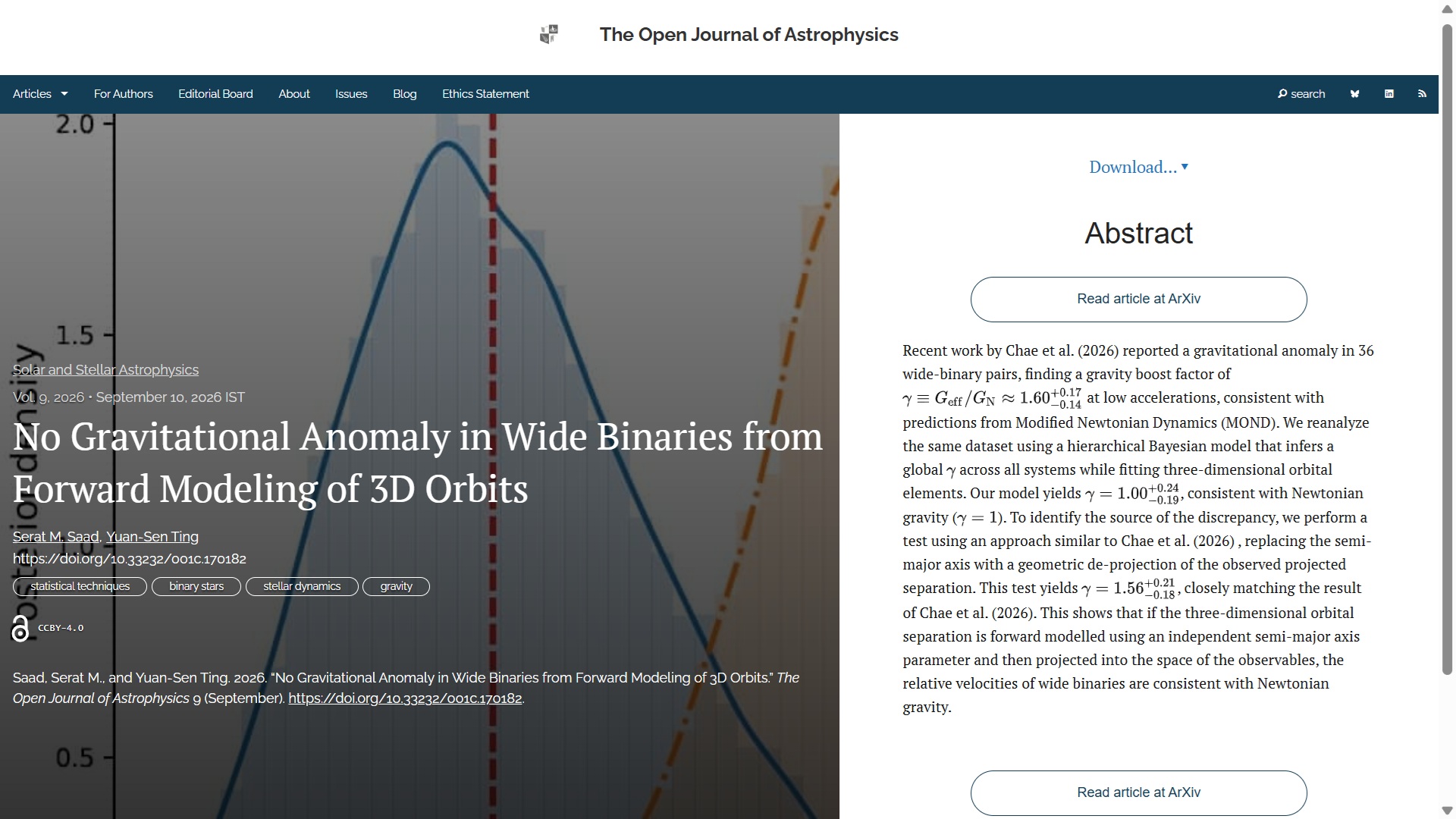
The penultimate, sixth, paper of the week is “No Gravitational Anomaly in Wide Binaries from Forward Modeling of 3D Orbits” by Serat M. Saad and Yuan-Sen Ting (Ohio State U., USA). This was also published on Thursday 10th September, but in the folder Solar and Stellar Astrophysics. The study reanalyzes a dataset on gravitational anomalies, finding results consistent with Newtonian gravity, contrary to previous findings that suggested Modified Newtonian Dynamics. The overlay for this one is here:
The officially accepted version is on arXiv here and the Mastodon announcement here:
New Publication at the Open Journal of Astrophysics: "No Gravitational Anomaly in Wide Binaries from Forward Modeling of 3D Orbits" by Serat M. Saad and Yuan-Sen Ting (Ohio State U., USA)
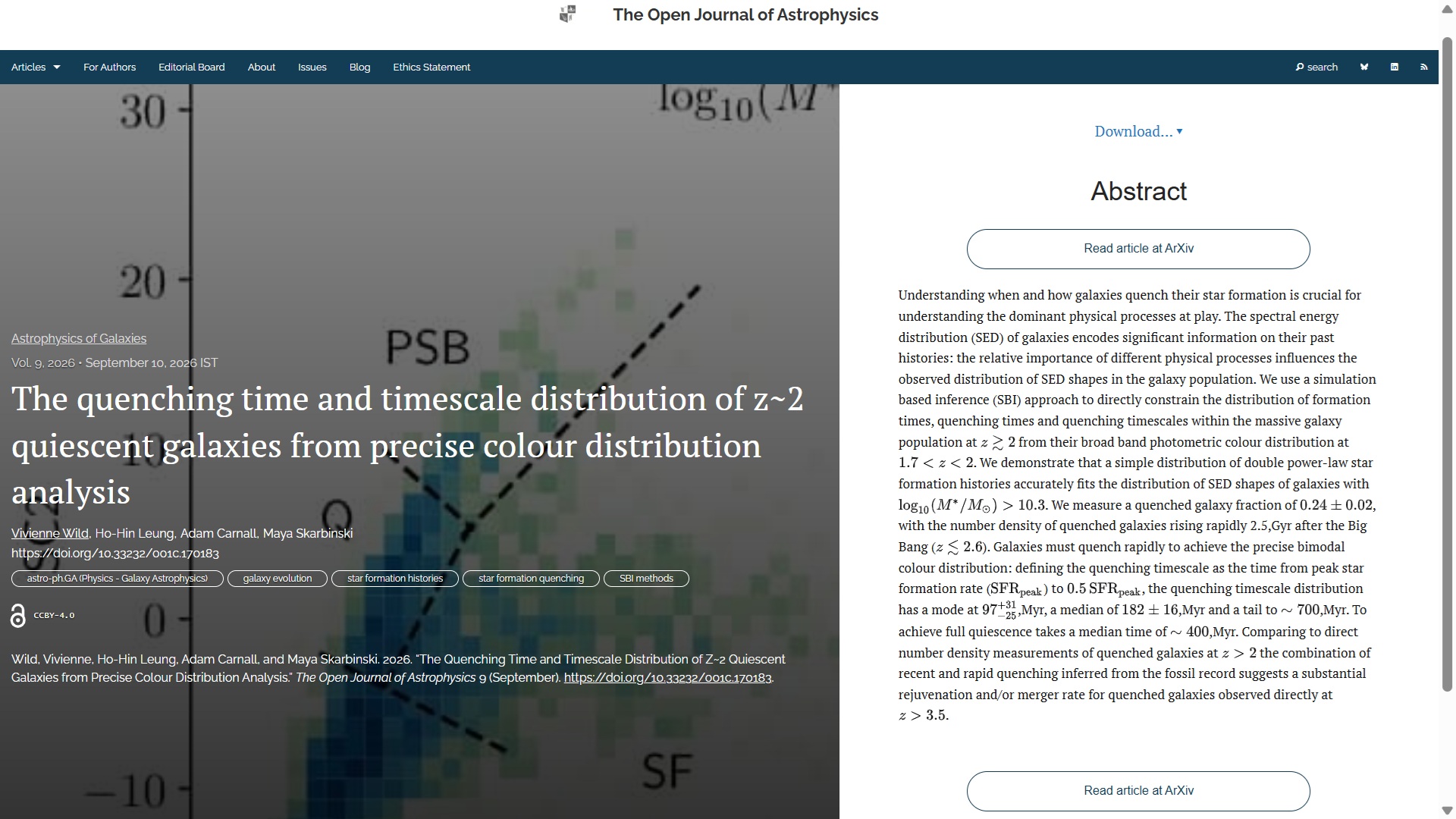
Last but by no means least we have “The quenching time and timescale distribution of z~2 quiescent galaxies from precise colour distribution analysis” by Vivienne Wild (U. St Andrews, UK), Ho-Hin Leung & Adam Carnal (U. Edinburgh, UK) and Maya Skarbinski (Johns Hopkins U., USA). This paper was published on Thursday 10th September in the folder Astrophysics of Galaxies. It describes a study that uses simulation-based inference to analyze galaxy formation and quenching times, revealing that galaxies must quench rapidly post-Big Bang to achieve a specific color distribution.
The overlay is here:
The final version of this paper is on the arXiv here and the Mastodon announcement here:
New Publication at the Open Journal of Astrophysics: "The quenching time and timescale distribution of z~2 quiescent galaxies from precise colour distribution analysis" by Vivienne Wild (U. St Andrews, UK), Ho-Hin Leung & Adam Carnal (U. Edinburgh, UK) and Maya Skarbinski (Johns Hopkins U., USA)
It is worth mentioning that there was one deferred arXiv mailing this week, due to the Labor Day holiday in the USA, so some papers were therefore published a day later than usual.
That concludes this week’s update. I’ll do another next weekend.
After a very busy week, it’s time once more for another Saturday update of activity at the Open Journal of Astrophysics. Since the last update we have published a further five papers, bringing the number in Volume 9 (2026) to 194 and the total so far published by OJAp up to 642. As explained at the end of this post, one of the five publications is a correction of an earlier paper.
I continue to include the posts made on our Mastodon account (on Fediscience); these announcements also show the DOI for each paper. The Mastodon account has regular updates and other announcements from OJAp too.
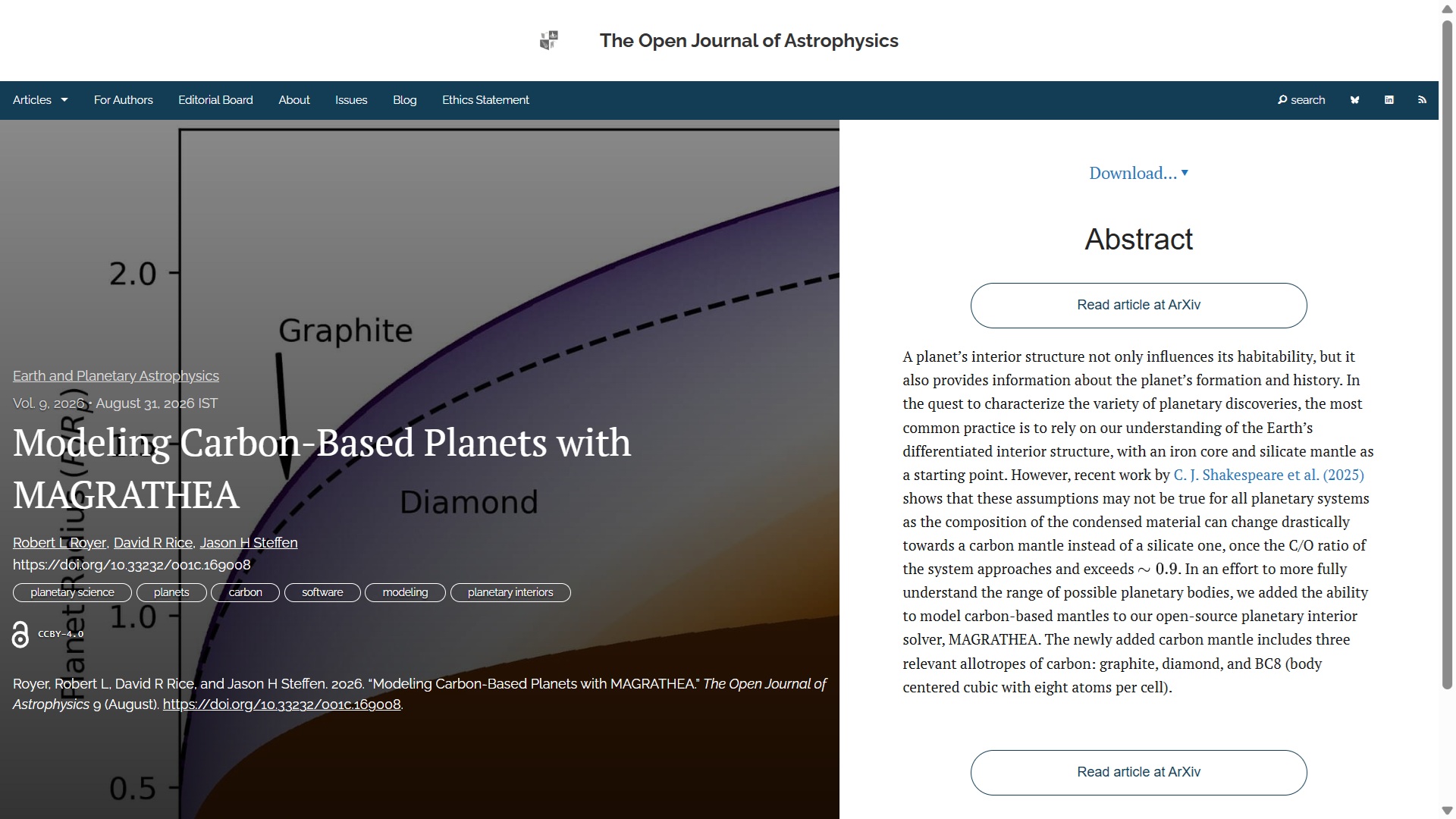
The first paper this week was published on Monday 31st August 2026 in the folder Earth and Planetary Astrophysics: “Modeling Carbon-Based Planets with MAGRATHEA” by Robert L Royer (U. Nevada, USA), David R Rice (U. Wisconsin-Madison, USA) and Jason H Steffen (U. Nevada, USA). This describes a modification of the planetary interior solver MAGRATHEA to include Carbon-based mantles to enable it to understand more fully the range of possible planet structures.
The overlay is here:
You can find the officially accepted version on arXiv here and the announcement on Fediverse here:
New Publication at the Open Journal of Astrophysics: "Modeling Carbon-Based Planets with MAGRATHEA" by Robert L Royer (U. Nevada, USA), David R Rice (U. Wisconsin-Madison, USA) and Jason H Steffen (U. Nevada, USA)
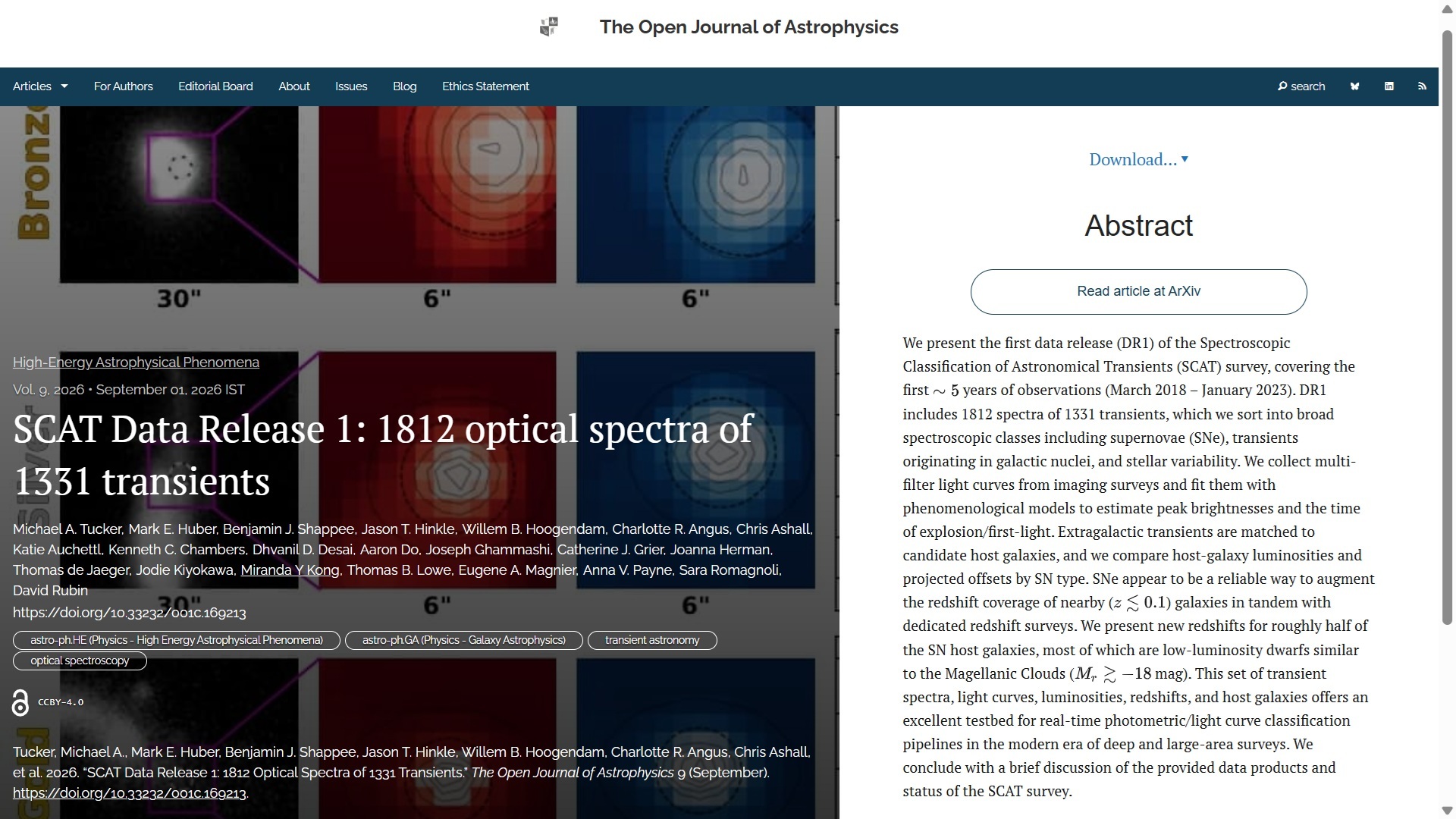
The second paper for this week, published on Tuesday 1st September in the folder High-Energy Astrophysical Phenomena is “SCAT Data Release 1: 1812 optical spectra of 1331 transients” by Michael A Tucker (Ohio State University, USA) and 21 others from around the world. This is the first data release of the Spectroscopic Classification of Astronomical Transients survey includes 1812 spectra of 1331 transients, offering valuable insights for photometric/light curve classification pipelines.
The overlay looks like this:
The official version of the paper can be found on arXiv here and the Fediverse announcement here:
New Publication at the Open Journal of Astrophysics: "SCAT Data Release 1: 1812 optical spectra of 1331 transients" by Michael A Tucker (Ohio State University, USA) and 21 others from around the world.
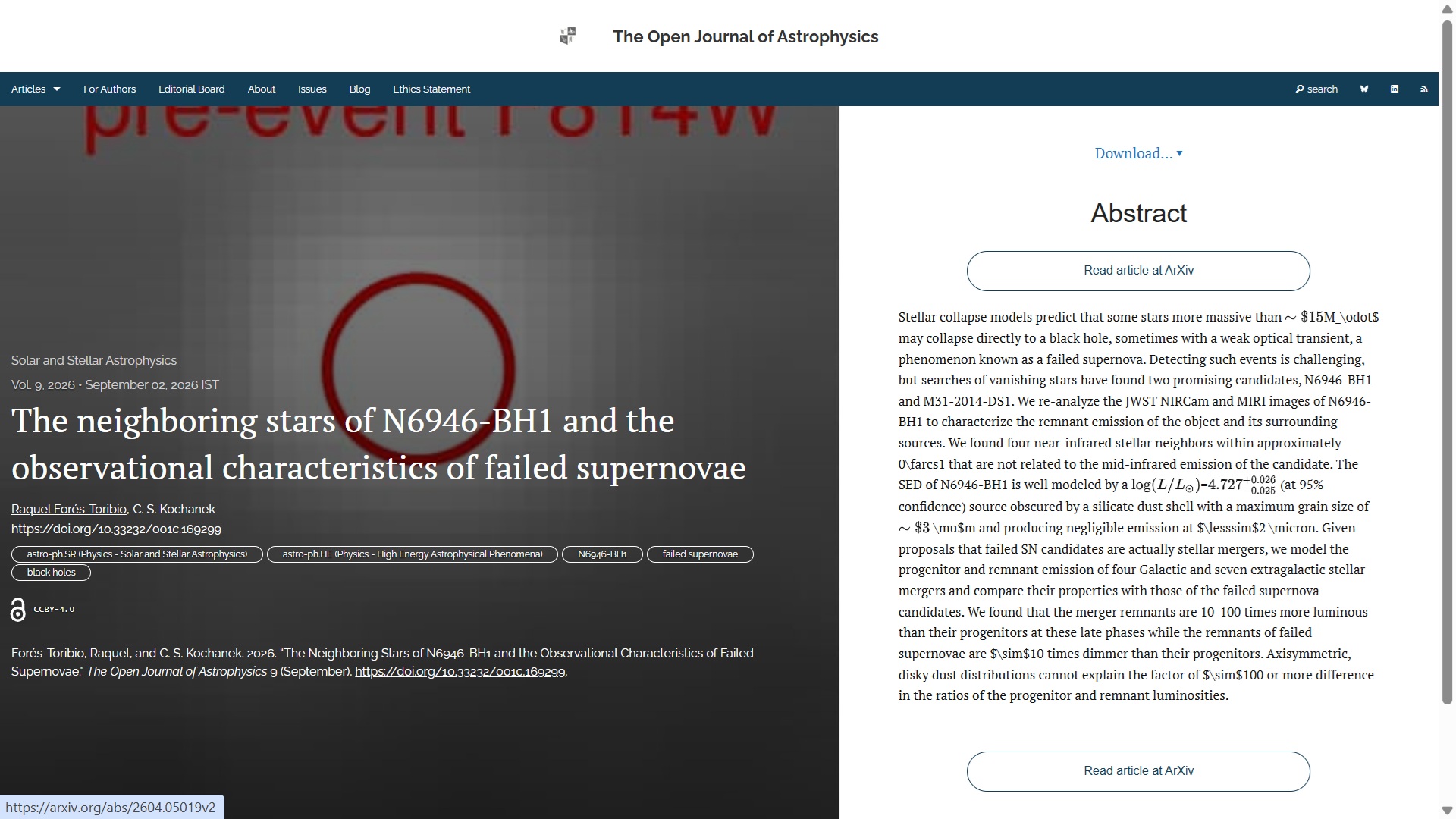
The third paper of the week is “The neighboring stars of N6946-BH1 and the observational characteristics of failed supernovae” by Raquel Forés-Toribio and C. S. Kochanek (Ohio State University, USA). This study, published on Wednesday 2nd September 2026 in the folder Solar and Stellar Astrophysics, re-analyzes images of potential failed supernova N6946-BH1, finding four unrelated near-infrared neighbors. It also compares the luminosity of failed supernova remnants to stellar merger remnants, noting significant differences.
The overlay is here:
The official version of the paper can be found on arXiv here and the Fediverse announcement here:
New Publication at the Open Journal of Astrophysics: "The neighboring stars of N6946-BH1 and the observational characteristics of failed supernovae" by Raquel Forés-Toribio and C. S. Kochanek (Ohio State University, USA)
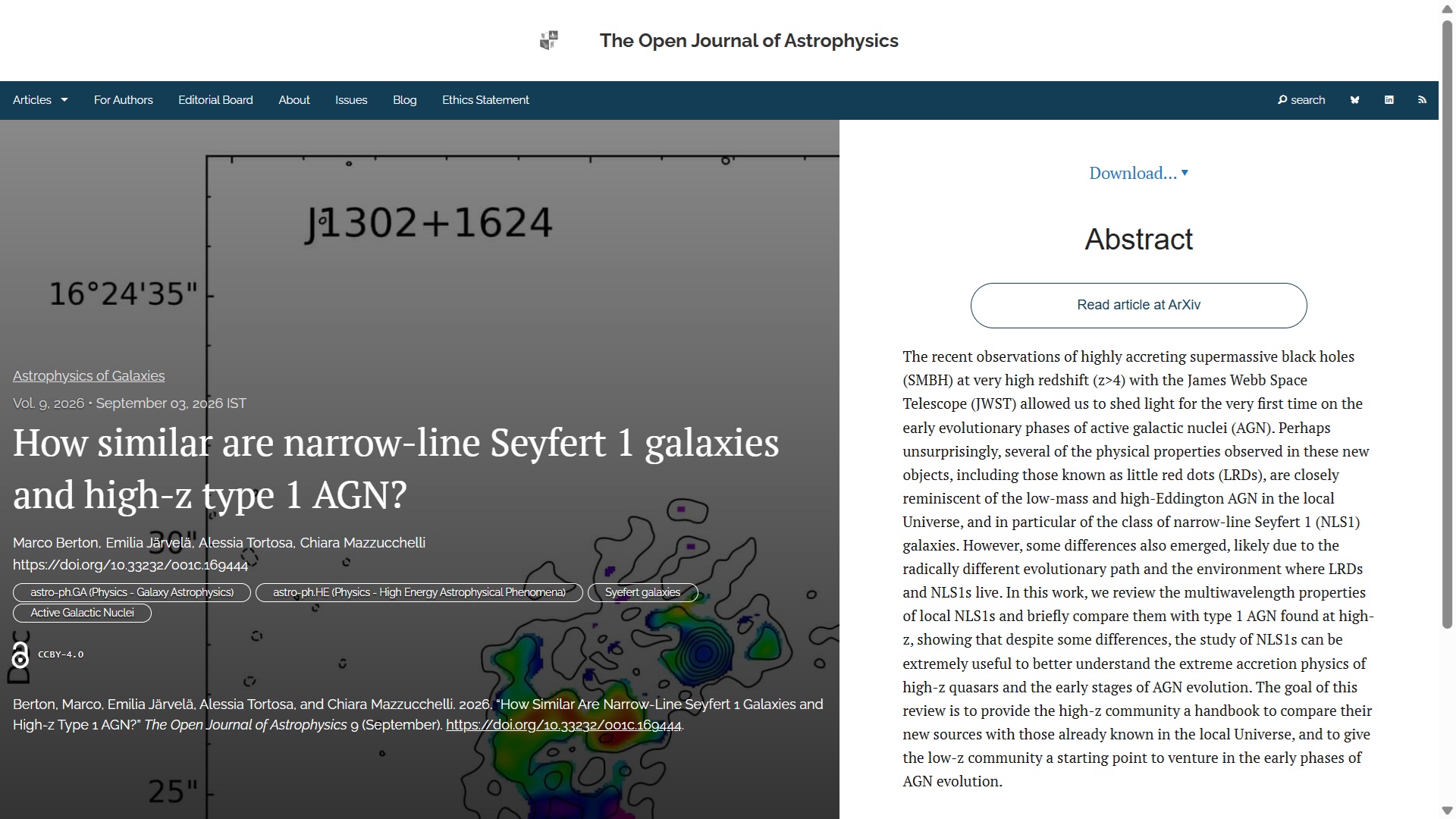
The fourth paper of the week is “How similar are narrow-line Seyfert 1 galaxies and high-z type 1 AGN?” by Marco Berton (ESO, Chile), Emilia Järvelä (Texas Tech. U., USA), Alessia Tortosa (INAF – Osservatorio Astronomico di Roma, Italy) and Chiara Mazzucchelli (Universidad Diego Portales, Chile). This was published on Thursday 3rd September 2026 in the folder Astrophysics of Galaxies. This paper reviews the properties of local narrow-line Seyfert 1 galaxies and compares them with high-redshift active galactic nuclei, aiding understanding of early black hole evolution.
The overlay is here:
The officially-accepted version of the paper can be found on arXiv here and the Fediverse announcement here:
New Publication at the Open Journal of Astrophysics: "How similar are narrow-line Seyfert 1 galaxies and high-z type 1 AGN?" by Marco Berton (ESO, Chile), Emilia Järvelä (Texas Tech. U., USA), Alessia Tortosa (INAF – Osservatorio Astronomico di Roma, Italy) and Chiara Mazzucchelli (Universidad Diego Portales, Chile)
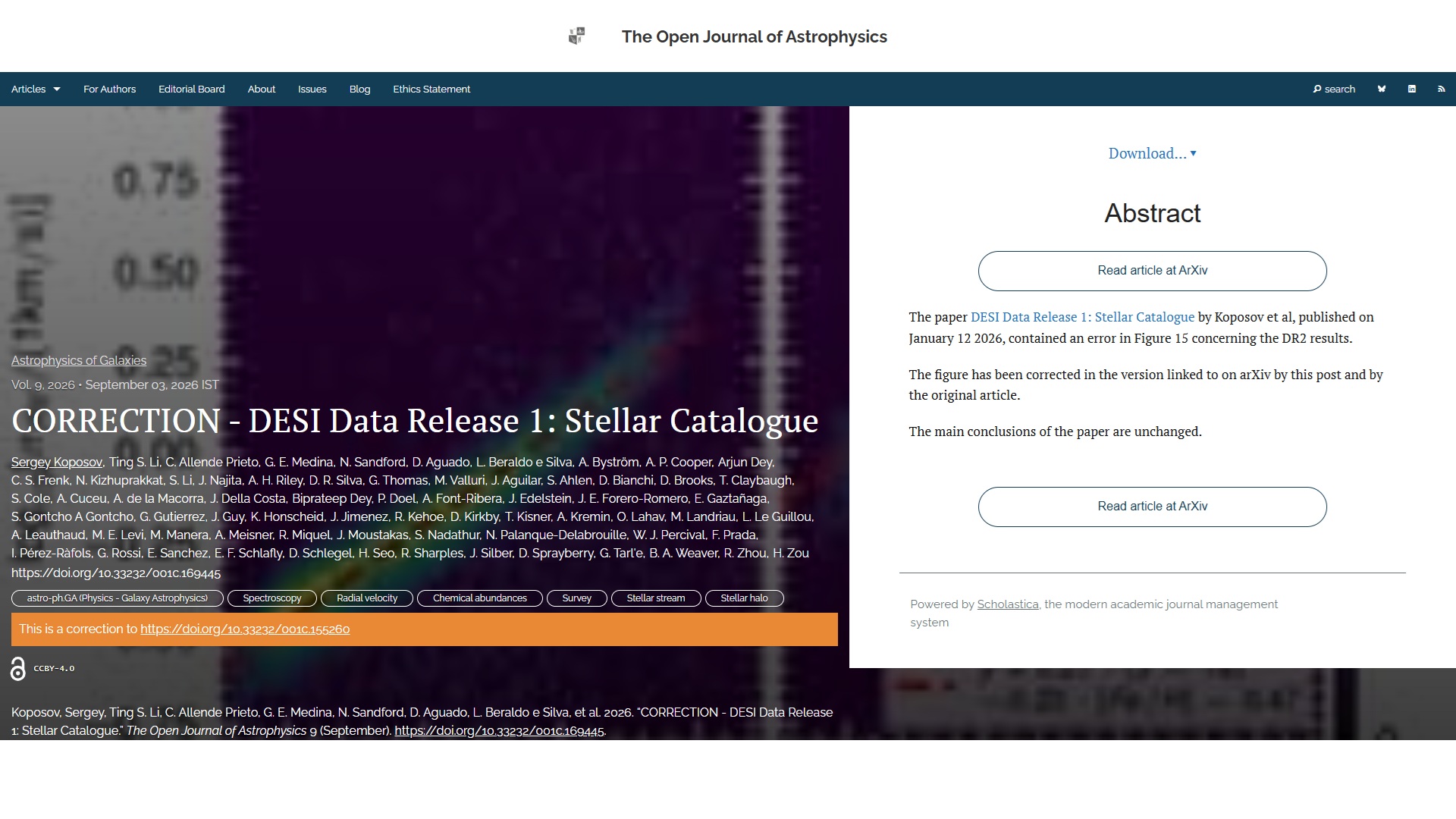
CORRECTION issued at the Open Journal of Astrophysics: "CORRECTION – DESI Data Release 1: Stellar Catalogue" by Koposov et al. (2026) (DOI:10.33232/001c.155260)
In the past when we have had minor correctionsto make we have simply asked the authors to create a new version, then when it has been checked, to place it on arXiv with a comment on the correction made. We then change the overlay to point to the new version with a comment on the change. I was recently advised, however, that best practice is to create a specific entry in Crossref for the corrected version, linked to the old one. Our Scholastica platform now has a mechanism to do this so from now on we will adopt this approach.
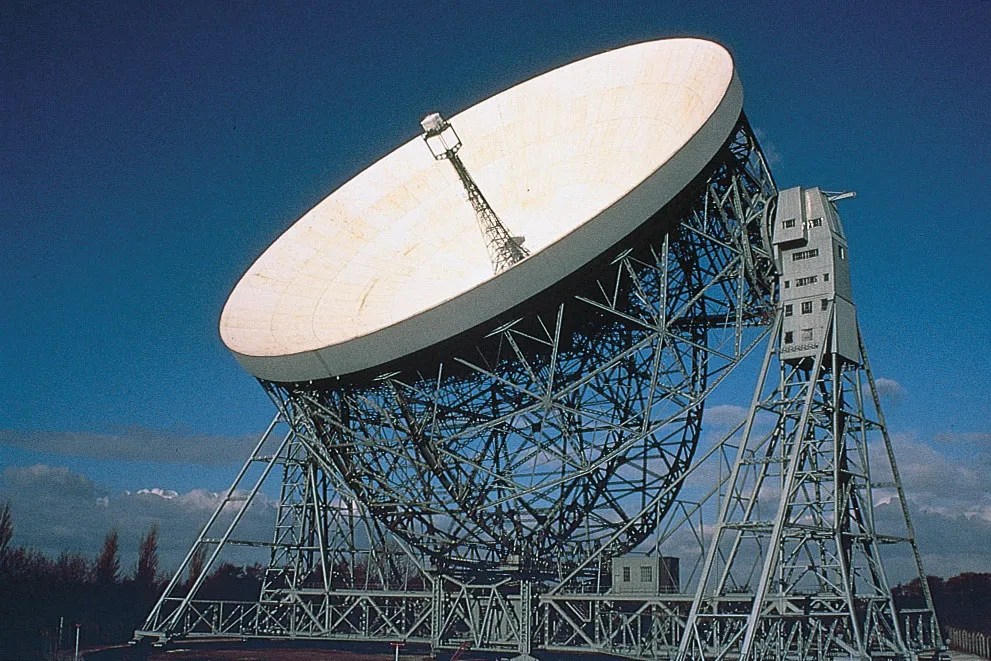
The last time STFC had a financial crisis was in 2009 and e-Merlin might well have been cut then but survived thanks to political intervention at the highest level. I suppose that could happen again, but I wouldn’t bet on it.
It looks like it has indeed happened again. The exact quote from Andy Burnham is:
There must be a way to save Jodrell Bank, and I give a commitment today, at this despatch box, we will find it.
That sounds like an unequivocal commitment, but it raises quite a few questions. One of these is that STFC was actually planning to cut funding to the e-MERLIN project and it is by no means clear that the £2.8 million needed for e-MERLIN will actually be reinstated in the STFC budget. It may transpire that Jodrell Bank Observatory emerges as more of a heritage site than a world-class research facility, which is what it will be if e-MERLIN disappears.
And if £2.8M is found to keep e-MERLIN going without changing the overall STFC budget, then the axe will just fall elsewhere in STFC. Jodrell Bank is a special site with special arguments for keeping it open, but other targets can no doubt be found that are equally excellent from a scientific point of view, but can’t mobilize political forces to mount such a strong defence. This is no way to perform a scientific prioritization exercise. In any case it is important to remember that there are cuts and cancellations elsewhere too; see here for a full list.
I think that there needs to be a complete review of funding across all the UKRI agencies. It is deeply unfair that physics and astronomy have to bear the brunt of cost overruns at facilities which are largely used by researchers in other scientific areas. Surely their funding councils should contribute. I can accept that belts might need to be tightened, but that shouldn’t just apply to STFC.
Today’s the start of this year’s Irish National Astronomy Meeting (INAM), which is being held in Maynooth. There’ll be a series of talks over the next three days covering all areas of astronomy. I’ll be chairing a session tomorrow but will generally popping in and out because I have various other commitments that clash with some of the sessions, but I’ll post updates whenever I can.
To start with, though, let me welcome all the participants who are arriving this morning!
One of the candidates for the dark matter that seems to pervade the cosmos is a Weakly Interacting Massive Particle (WIMP, for short). Such particles are hypothetical but, if they exist they could have been produced in large numbers in the early Universe. Among the possible WIMPs are supersymmetric particles, but there are alternative candidates. Whatever their nature it is possible that they could be directed directly in collisions with regular matter but, because they are weakly interacting, the cross-section for such events is low and potentially masked by background events caused by radioactive decays. So far these experiments have drawn a collective blank (and a number of false alarms).
One experiment trying to detect dark matter directly is LUX-ZEPLIN (LZ for short) which is based at the Sanford Underground Research Facility in South Dakota in the USA but is a collaboration of 30 institutions worldwide, including the the UK, Portugal and South Korea as well as the USA. This experiment tries to detect WIMPs using an ultra-sensitive detector made of 7 tonnes of liquid xenon to hunt for signals of their interactions with atomic nuclei.
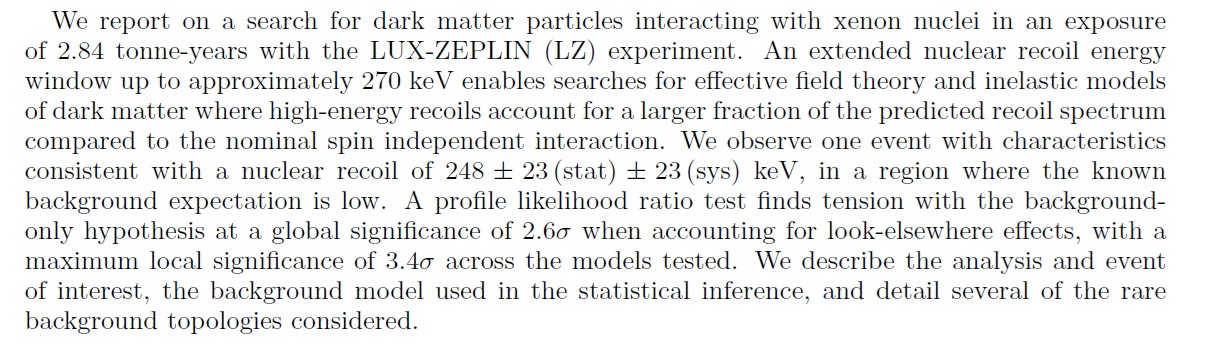
Today there was a potentially exciting announcement that LZ may have seen a WIMP, in a preprint with the following abstract:
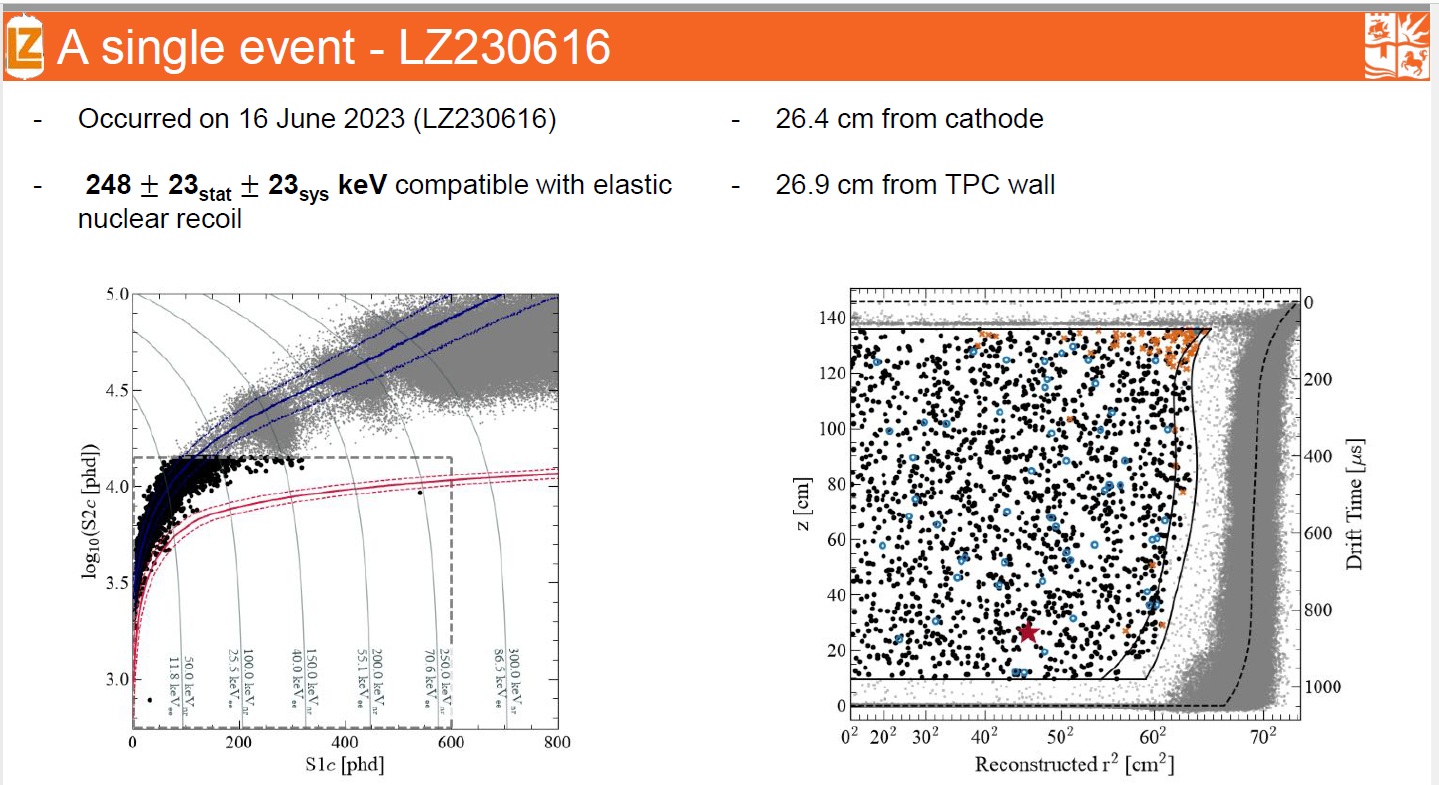
There is also a scientific presentation by Sam Eriksen from which I have extracted the crucial figure(s):
The event causing the excitement was detected over three years ago, on 16th June 2023. You can see it as the little black dot towards the upper right of the dashed square in the left hand panel. The LZ signal does appear unlikely to have been generated by known background events, but that does not necessarily mean that it is likely to be WIMP. The statistical significance quoted is not sufficiently high for it to be regarded as a clear detection; the implied odds are roughly the same as the odds that you, the reader, have a birthday on 16th June…
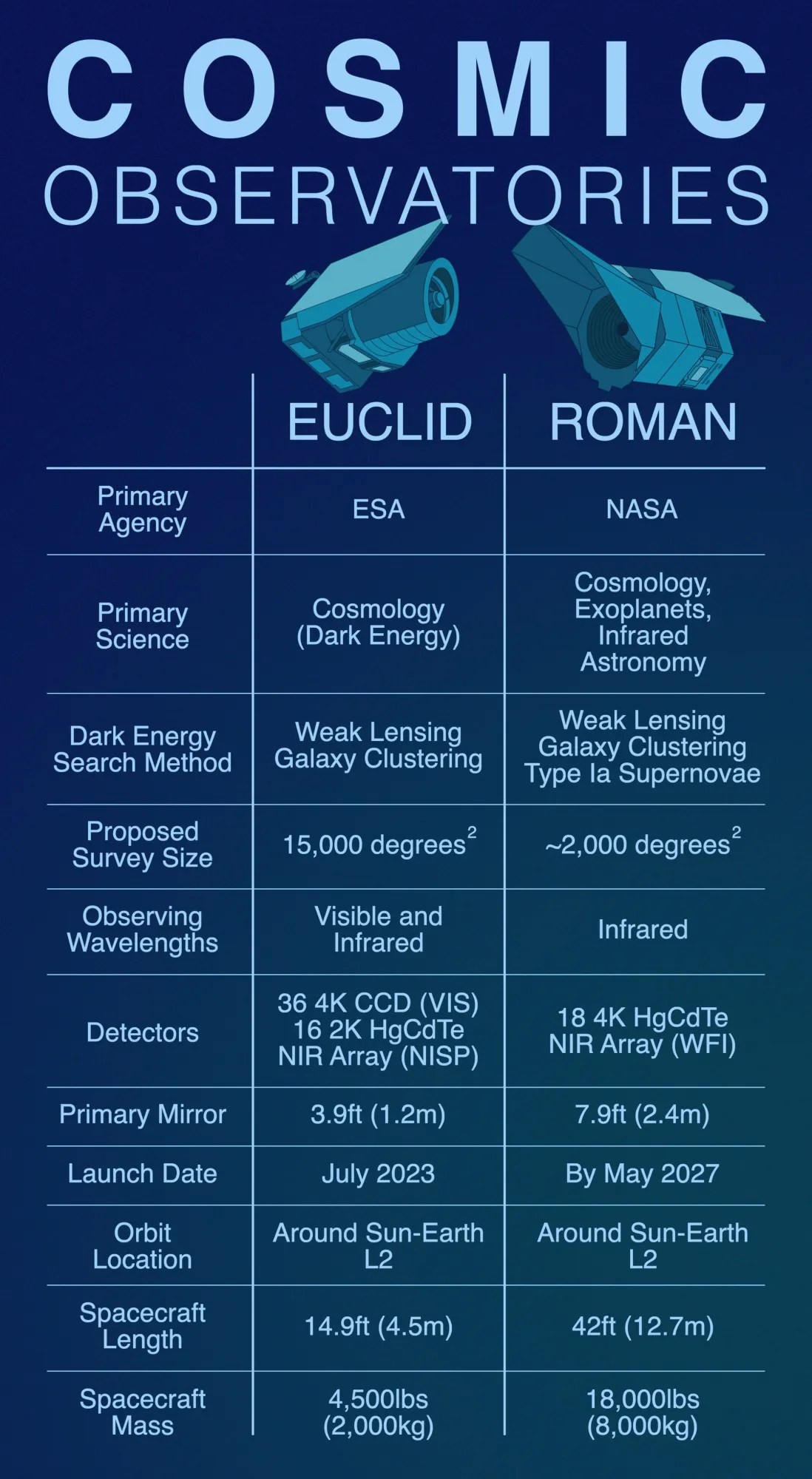
Just a quick note to mention that tomorrow sees the launch of NASA’s Nancy Grace Roman Space Telescope. This is a survey telescope in some respects like ESA’s Euclid but with a larger aperture and different instrumentation, particularly a coronagraph which can block starlight to directly image exoplanets and planet-forming disks. Its larger mirror (2.4m versus 1.2m) will enable it to see fainter objects than Euclid, but its survey will be a much smaller fraction of the sky so in its cosmological applications it is complementary to Euclid rather than a direct competitor for it.
NASA have produced this sort of “cheat sheet” comparing the two observatories:
The Launch is due tomorrow (August 30 2026), at 7:26 am EDT which is 12.26 local Irish Time (same as BST). If you’re so inclined you can watch the launch on YooToob here:
Update: all seems to be well, and the Nancy Grace Roman Space Telescope is now on its way to L2.
The views presented here are personal and not necessarily those of my employer (or anyone else for that matter).
Feel free to comment on any of the posts on this blog but comments may be moderated; anonymous comments and any considered by me to be vexatious and/or abusive and/or defamatory will not be accepted. I do not necessarily endorse, support, sanction, encourage, verify or agree with the opinions or statements of any information or other content in the comments on this site and do not in any way guarantee their accuracy or reliability.